The peaceful journey of Aris Sanda, a dedicated transport driver known affectionately as Bapak Tasya, met a harrowing conclusion in the rugged highlands of Papua Pegunungan. His life was cut short following a brutal encounter with an armed criminal group on the strategic route connecting Wamena to Mbua in Jayawijaya Regency. The discovery of his remains inside his incinerated vehicle near the serene yet remote Lake Habema has sent shockwaves through the community, underscoring the deepening security crisis in the region. This incident, occurring in mid-September 2026, serves as a grim reminder of the risks faced by civilian workers navigating the volatile transport corridors of the Papuan highlands.
The Chronology of the Incident
The sequence of events began in the early hours of Tuesday, September 15, 2026. Aris Sanda was performing his routine duties as a "lajuran" driver—a vital profession for the local economy that facilitates the movement of people and essential logistics between the hub of Wamena and the isolated mountainous districts. At approximately 06:00 WIT, while traversing the route toward Mbua, his vehicle was intercepted by a group of armed individuals near the junction of Lake Habema, situated in the Gunung Boy area of Trikora District, Jayawijaya.
According to official reports provided by the Head of Information for the TNI Habema Operations Command (Koops TNI Habema), Lieutenant Colonel Inf M. Wirya Arthadiguna, the armed group halted the convoy. The perpetrators immediately initiated a selective screening process. While the passengers were ultimately ordered to turn back toward Wamena, Aris Sanda was singled out. He was forcibly separated from the group and escorted deeper into the Lake Habema region, marking the commencement of a terrifying hostage situation.
The gravity of the situation became apparent when video footage surfaced on social media platforms. The clip depicted Aris Sanda standing in the middle of a road, surrounded by heavily armed men. In a coerced display, the victim was forced to handle a Bintang Kejora flag—a symbol associated with the Free Papua Organization (OPM)—and make statements under extreme duress. This footage has since become a focal point for security forces, who are conducting a rigorous forensic analysis to map the timeline of the abduction and identify the perpetrators involved.
Discovery and Forensic Recovery
Following the report of the abduction, a search and rescue operation was immediately launched by joint security forces. However, initial efforts were severely hampered by the unforgiving geography of the Jayawijaya mountains. Dense fog, plummeting temperatures, and the treacherous terrain of the Lake Habema region made aerial and ground surveillance difficult throughout the night of September 15.
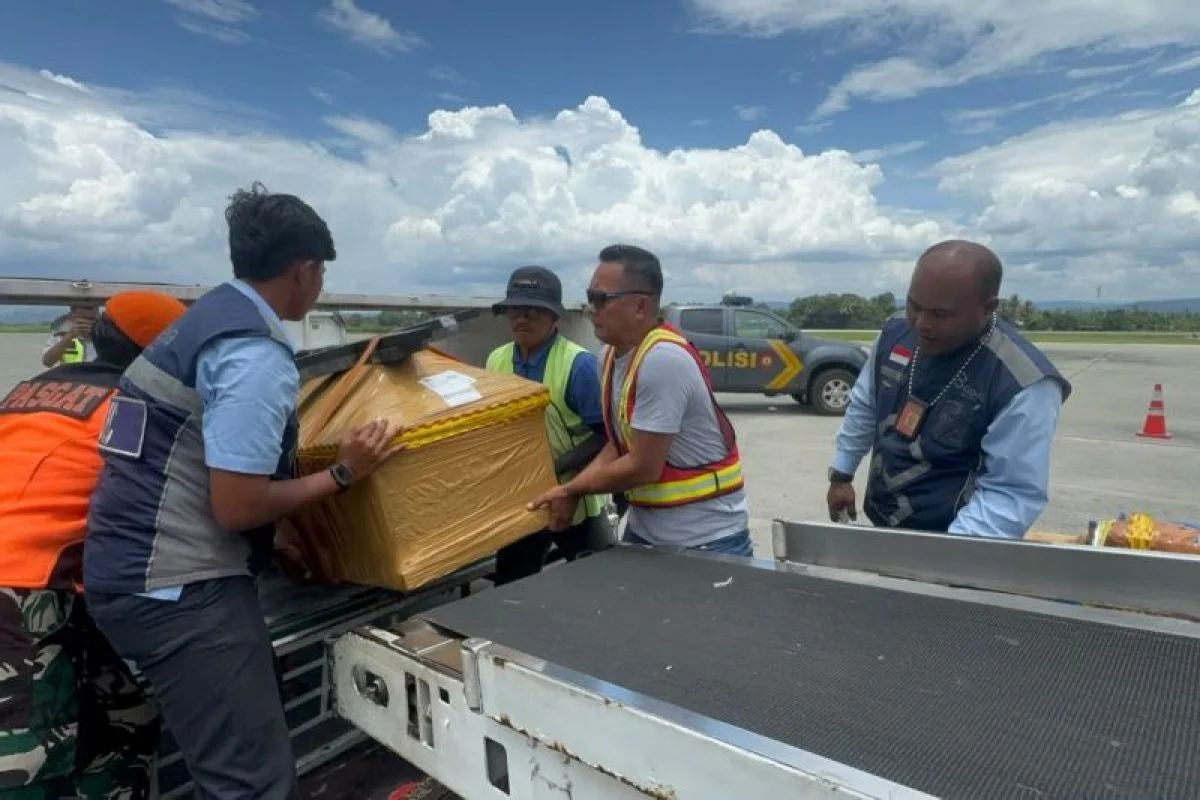
On the morning of Wednesday, September 16, the search teams redoubled their efforts. By midday, the teams discovered the charred remains of a vehicle in a remote part of the Lake Habema area. Upon closer inspection, it was confirmed that the body of Aris Sanda was inside the vehicle. The intensity of the fire had caused significant damage to both the car and the victim’s remains, necessitating a careful forensic extraction process. The body was subsequently evacuated to the Wamena Regional General Hospital (RSUD) for post-mortem examinations, which are essential for gathering definitive evidence regarding the cause of death and the methods used by the assailants.
Security Assessment and Attribution
TNI officials have pointed toward the OPM Kodap III Ndugama faction as the primary suspects behind the kidnapping and subsequent murder. The Ndugama group has historically operated in the border regions of Nduga and Jayawijaya, often utilizing the strategic transport routes as a means to project power and disrupt regional connectivity.
The "lajuran" transport sector remains one of the most vulnerable aspects of the Papuan highland infrastructure. These drivers often serve as the lifeline for isolated communities, transporting food, medicine, and building materials. The attack on Aris Sanda is viewed not merely as a crime against an individual, but as a calculated strike against the civil society and logistics networks that sustain life in these remote areas.
Following the discovery of the body, police conducted a thorough crime scene investigation (Olah TKP). This included the recovery of ballistic evidence and personal items found at the site of the interception. Law enforcement agencies are currently cross-referencing these findings with intelligence data to ascertain whether the perpetrators were part of a larger, coordinated effort to destabilize the Wamena-Mbua corridor.
Broader Implications and Legislative Response
The killing of Aris Sanda has sparked a fierce debate within the Indonesian legislature regarding the effectiveness of current security protocols in Papua. Members of the House of Representatives (DPR) Commission I, which oversees defense and foreign affairs, have issued strong condemnations, noting that the frequent targeting of civilians is a direct threat to the safety and human rights of the Papuan population.
The Committee for Regional Representatives (DPD RI) has similarly called for a comprehensive evaluation of the government’s approach to the Papuan conflict. Critics argue that the current security-heavy strategy requires a more nuanced approach that prioritizes the protection of infrastructure and civilian workers. The death of a civilian driver highlights a critical gap in the protection of the transport sector, which is essential for the economic development promised by the central government.
The incident has also had a chilling effect on the transport community. Many drivers, who are often migrant workers from other parts of Indonesia like Toraja, have expressed fear regarding their future employment in the region. The psychological impact on these workers, combined with the material loss of their vehicles, threatens to create a supply chain crisis for the residents of Mbua and surrounding villages who rely on these drivers for their daily needs.
Future Investigations and Regional Stability
As of Thursday, September 17, the investigation remains in a highly active state. Authorities are working to piece together the exact duration of the hostage period and whether the victim was subjected to prolonged torture prior to the burning of the vehicle. The military and police maintain that they are committed to pursuing the members of the OPM Kodap III Ndugama responsible for this act.
However, analysts suggest that the complexity of the terrain and the deep-seated nature of the insurgency in the Ndugama region make immediate apprehension a significant challenge. The focus for the immediate future will be on increasing the security presence along the Wamena-Mbua route, likely through a combination of increased patrols and the establishment of more robust monitoring checkpoints.
The tragedy of Aris Sanda is a somber chapter in the ongoing conflict in the Papuan highlands. It serves as a stark warning about the high costs of regional instability and the vulnerability of those working on the front lines of development in the interior of Papua. As the government, the military, and the people of Papua look for ways to move forward, the memory of Aris Sanda remains a poignant symbol of the innocent lives caught in the crossfire of a long-standing, volatile, and deeply complex political struggle. The authorities have vowed that the investigation will be transparent, promising that the perpetrators will face the full weight of the law once they are identified and captured. Until then, the community remains in a state of mourning, and the highland roads remain, for many, a path of uncertainty and grave danger.