• Home
  • About Us
  • Contact Us
  • Cookies Policy
  • Disclaimer
  • DMCA
  • Privacy Policy
  • Terms and Conditions
Dara News Media
keep your memories alive
Lifestyle & Fashion

Art and Bali 2026 Bridges Global Creativity and Cultural Heritage at Nuanu Creative City

by Pevita Pearce September 14, 2026
written by Pevita Pearce

The island of Bali has once again cemented its status as a premier global melting pot for artistic innovation and creative industries with the return of Art&Bali 2026. Staged for the second consecutive year within the sprawling 44-hectare expanse of the Nuanu Creative City, this year’s edition has drawn international acclaim for its ambitious scope. Operating under the guiding theme Bridging Dichotomies, the festival serves as a dynamic nexus where contemporary fine art, high fashion, traditional craftsmanship, material culture, and intellectual discourse converge into a unified landscape.

Running from September 11 to September 13, 2026, the primary weekend events activated the futuristic and eco-conscious district of Nuanu, welcoming an international cohort of participants. The grand-scale event successfully brought together 23 esteemed galleries and experimental art spaces alongside more than 300 visionary artists hailing from Indonesia, Malaysia, Singapore, Spain, Italy, Switzerland, and the United States. Through an extensive curation of site-specific installations, immersive presentations, avant-garde performances, and public forums, the festival transformed the Balinese landscape into an interactive forum for cross-cultural dialogue and creative experimentation.

The Genesis and Evolution of Art&Bali in Nuanu Creative City

The selection of Nuanu Creative City as the permanent home for Art&Bali underscores a deliberate shift in how artistic ecosystems are developed in Southeast Asia. Conceived as a hub for sustainable living, education, and art, Nuanu provides an ideal physical and philosophical backdrop for a festival that seeks to dissolve traditional boundaries. By integrating state-of-the-art facilities with natural Balinese topography, the location allows artists to push the limits of scale, medium, and interactivity.

Over the past two years, Art&Bali has evolved from a regional showcase into a globally recognized fixture on the international art calendar. The event addresses a critical modern need: creating physical spaces of encounter in an increasingly digitalized art market. By fostering direct interactions between established blue-chip galleries, emerging independent artist collectives, global curators, and passionate collectors, the festival has stimulated regional art economies while elevating the profile of Indonesian contemporary art on the world stage.

What The Body Remembers: Honoring Ancestral Craft and Somatic Memory

Art&Bali 2026 Hadirkan Pertemuan Seni, Mode, dan Kriya di Nuanu

Among the most celebrated highlights of Art&Bali 2026 is the landmark exhibition titled What The Body Remembers. Running through November 29, 2026, at the Labyrinth Art Gallery within Nuanu Creative City, the exhibition represents a monumental cross-cultural collaboration between 26 pioneering designers and creators from India and Indonesia.

Co-curated by renowned fashion visionary and sustainability advocate Bandana Tewari alongside curator Brina Paska, the exhibition is anchored in a profound philosophical premise: that technical skill is not merely a cognitive tool, but a living form of memory physically stored within the hands of the maker. Through intricate explorations of textile manipulation, ancestral dyeing techniques, complex weaving traditions, and the repetitive physical gestures inherent in artisanal production, What The Body Remembers examines how traditional knowledge is simultaneously preserved through continuous repetition and evolved through contemporary innovation.

The roster of participating talents reads as a who’s who of avant-garde Asian design, featuring visionary creators such as Lulu Lutfi Labibi, Raw Mango in collaboration with Sanjay Garg, the late-legacy-honoring works of Tex Saverio, and TOTON The Label. The exhibition acts as a powerful reminder that fashion and textile art carry the weight of human history, familial lineages, and geographical identities.

International Gallery Convergence and Collaborative Ecosystems

Beyond the standout textile exhibition, Art&Bali 2026 facilitated an unprecedented gathering of international commercial and institutional art spaces. The participation of 23 distinct galleries from across Southeast Asia, Europe, and North America created a robust marketplace and intellectual exchange platform. This diverse representation allowed local Indonesian artists to position their works within a global dialogue, addressing shared contemporary anxieties such as ecological degradation, technological acceleration, and cultural preservation.

The presence of galleries from Italy, Spain, Switzerland, and the United States introduced Western collectors to Southeast Asian sensibilities, while regional galleries from Singapore and Malaysia highlighted the vibrant interconnectedness of the ASEAN art market. Industry analysts note that such cross-border collaborations are vital for driving liquidity, visibility, and institutional recognition for artists operating outside traditional Western art capitals.

Nuanu Future Talks: Fashion, Art, and Cultural Ownership

Art&Bali 2026 Hadirkan Pertemuan Seni, Mode, dan Kriya di Nuanu

Complementing the visual spectacles, the Nuanu Future Talks: Fashion & Art series expanded the festival’s intellectual footprint. Spanning six comprehensive panel discussions featuring over 20 leading voices in art, fashion, and cultural studies, the forums tackled urgent contemporary issues, including cultural ownership, the commodification of heritage, the intersection of technology and sustainability, and the future trajectory of creative industries across Asia.

A central centerpiece of this dialogue was the highly anticipated panel session titled “When Does Fashion Become Art?”. Moderated by Bandana Tewari—whose expertise as a lead curator, cultural journalist, and sustainability advocate guided a nuanced conversation—the panel interrogated the shifting paradigms of wearable design. Joining Tewari were prominent industry leaders including Svida Alisjahbana, Chairman of Jakarta Fashion Week (JFW); Jiya Ambast, founder and CEO of the ethical fashion brand AYNI; and acclaimed multidisciplinary artist Natasha Preenja, widely recognized by her moniker Princess Pea.

The panel addressed the increasingly porous boundaries separating high fashion, fine art, and traditional craftsmanship. The discourse moved past the tired, binary question of categorization, focusing instead on how contemporary creators imbue physical objects with profound narrative meaning. Alisjahbana offered valuable insights into the institutional frameworks supporting Indonesian design on global runways, while Ambast and Preenja contributed critical perspectives on ethical production, anonymity in art, and the psychological dimensions of wearable sculptures.

Implications and Broader Impact on the Global Creative Landscape

The success of Art&Bali 2026 signals a transformative shift in the global art economy, proving that peripheral regions can successfully anchor international cultural discourse without relying on traditional Western epicenters. By consciously dismantling the dichotomies between high art and craft, tradition and technology, as well as local heritage and global contemporary practice, the festival offers a blueprint for a more inclusive and sustainable creative future.

Observers and market analysts suggest that the collaborative frameworks established during the three-day event will yield long-term benefits for the participating artists and institutions. By fostering an environment where discourse is valued as much as commercial acquisition, Art&Bali has successfully cultivated an informed collector base and an engaged public audience. As the exhibitions—such as What The Body Remembers—continue to draw visitors through late November, the enduring legacy of Art&Bali 2026 remains clear: it has redefined the possibilities of cultural collaboration, proving that the future of art lies in the rich intersection of diverse human histories and shared creative resilience.


September 14, 2026 0 comment
0 FacebookTwitterPinterestEmail
Lifestyle & Fashion

Tanpa Disadari, 3 Tanda Orang yang Sudah Tidak Bahagia dengan Hidupnya

by Evan Lee Salim September 14, 2026
written by Evan Lee Salim

In an era characterized by rapid technological advancement, constant digital connectivity, and heightened societal expectations, the pursuit of personal well-being has become increasingly complex. While modern life offers unprecedented convenience, it also presents significant psychological challenges. Recent observations in behavioral health suggest that many individuals are experiencing a silent erosion of life satisfaction, often manifesting in subtle behavioral shifts that go unnoticed by both the individual and their social circle. Recognizing these indicators is essential for early intervention and the restoration of psychological equilibrium.

The psychological landscape of the 21st century has shifted significantly. According to global health metrics, the prevalence of symptoms associated with languishing—a state of being characterized by a lack of joy and motivation without necessarily meeting the clinical threshold for major depression—has risen sharply. Experts suggest that the "hustle culture" prevalent in professional environments, combined with the social pressure curated by digital media, has created a fertile ground for emotional detachment.

The Mechanics of Anhedonia and Routine Disengagement

One of the most prominent indicators that an individual is struggling with their internal state is the loss of interest in previously cherished activities, a condition clinically referred to as anhedonia. Anhedonia is a core symptom of various mood disorders and acts as a primary warning sign of emotional burnout.

The psychological mechanism behind this is rooted in the brain’s reward system. Under normal circumstances, small, predictable routines—such as the morning ritual of brewing coffee or the scheduled engagement in a hobby—trigger the release of dopamine, reinforcing a sense of purpose and structure. When an individual loses the capacity to derive pleasure from these activities, it indicates a disruption in the neural pathways associated with reward processing.

Tanda Orang yang Sudah Tidak Bahagia dengan Hidupnya

The National Institute of Mental Health (NIMH) has long documented that when daily routines become perceived as burdens rather than sources of satisfaction, it often signals that the individual is operating in a state of chronic stress. This is not merely a matter of boredom; it is a clinical marker of reduced functionality. When these routine tasks are abandoned, the individual often falls into a cycle of withdrawal, further exacerbating the feeling of being disconnected from one’s own life.

The Social Withdrawal Paradox

Social isolation is perhaps the most visible, yet frequently misinterpreted, indicator of deteriorating mental health. While the necessity for "me time" is a healthy component of human psychology, there is a distinct difference between restorative solitude and compulsive social withdrawal.

Data from the National Institutes of Health (NIH) indicates that a significant reduction in social interaction is a hallmark of emotional distress. This behavior often stems from a feeling of being overwhelmed by the demands of social performance. In many instances, the individual may feel that maintaining social connections requires an amount of emotional energy they no longer possess. Consequently, they begin to cancel plans, stop responding to messages, and isolate themselves from their support networks.

This phenomenon creates a self-reinforcing loop. By avoiding social contact, the individual loses the external validation and perspective that social interaction provides. Over time, this isolation increases the individual’s risk of developing deeper depressive symptoms. Behavioral scientists note that while the urge to withdraw is a defensive mechanism designed to protect the individual from perceived social pressure, it ultimately functions as a barrier to recovery. Encouraging small, low-stakes social interactions—or even physical activity, such as a 30-minute walk—is often recommended as a foundational step toward reintegration and improved mood regulation.

The Crisis of Purpose and Direction

Perhaps the most profound indicator of profound dissatisfaction is the loss of a perceived sense of purpose. Humans are inherently goal-oriented creatures; the presence of a "why" provides the motivation required to navigate daily hardships. When an individual loses sight of their objectives, the physical and mental effort required to wake up and engage with the day becomes significantly harder to justify.

Tanda Orang yang Sudah Tidak Bahagia dengan Hidupnya

This crisis of purpose is often accompanied by a sense of existential apathy. It is not necessarily that the individual is in pain, but rather that they feel a profound lack of vitality. This state of being can lead to significant drops in professional productivity and the abandonment of long-term ambitions.

To address this, psychologists often advocate for a process of "narrative reconstruction." Robert Evans Wilson Jr., a noted expert in the field of behavioral motivation, suggests that the most effective way to regain a sense of direction is to perform an audit of past joys. By documenting the activities, relationships, and environments that have historically provided a sense of fulfillment, individuals can begin to identify patterns that might be missing from their current lives. This data-driven approach to self-reflection helps individuals move away from vague feelings of unhappiness and toward actionable, small-scale adjustments.

Supporting Data and Broader Implications

The implications of these behaviors extend far beyond the individual. From a public health perspective, the rise in these symptoms places a substantial burden on healthcare systems and workforce productivity. In 2025, global health reports highlighted that workplace absenteeism due to mental health-related issues had reached a ten-year high.

The chronology of these symptoms often begins with minor, cumulative stressors that are ignored until they manifest as a significant behavioral change. The progression typically follows this trajectory:

  1. The Phase of Disengagement: Minor routines are dropped, and the individual begins to report feeling "numb" or "tired" without clear cause.
  2. The Phase of Isolation: The individual curtails social interaction, leading to a diminished external feedback loop and increased rumination.
  3. The Phase of Apathy: A loss of long-term vision occurs, where the individual struggles to find motivation for basic daily tasks, potentially leading to burnout or clinical depression.

Expert Perspectives and Intervention Strategies

Mental health professionals emphasize that these signs are not permanent states but rather signals from the body and mind that a recalibration is necessary. The consensus among clinical psychologists is that early intervention is key.

Tanda Orang yang Sudah Tidak Bahagia dengan Hidupnya

The approach involves three primary pillars:

  • Biological Regulation: Utilizing consistent sleep schedules, moderate physical activity, and balanced nutrition to support the physiological basis of mood.
  • Cognitive Reappraisal: Engaging in activities that force the brain to focus on the present moment, thereby breaking the cycle of negative rumination.
  • Social Reconnection: Gradually reintroducing low-pressure social interactions to rebuild the support systems that buffer against stress.

While the modern environment is undeniably challenging, the capacity for human resilience remains high. By paying attention to the subtle cues of dissatisfaction—the loss of joy in small things, the drift toward isolation, and the fading sense of purpose—individuals can take proactive steps to intervene before these patterns become entrenched.

The transition from a state of languishing to one of thriving requires both self-awareness and the courage to seek assistance. As health organizations continue to monitor these trends, the emphasis is shifting toward preventive mental health, encouraging society to treat psychological well-being with the same level of urgency as physical health. Through a combination of intentional lifestyle changes, professional guidance, and social support, the trajectory of unhappiness can be reversed, allowing for a more sustainable and fulfilling approach to modern life.

September 14, 2026 0 comment
0 FacebookTwitterPinterestEmail
Health & Wellness

Nuclear Power Remains a Last Resort as Indonesia Confronts the Daunting Realities and Complexities of the 35,000 MW Electrification Master Plan

by Lina Irawan September 14, 2026
written by Lina Irawan

JAKARTA — In an ambitious bid to accelerate nationwide electrification and bridge infrastructural disparities between urban centers and remote islands, the Indonesian government embarked on a monumental campaign to construct 35,000 megawatts (MW) of new power generation capacity over a strict five-year window. However, this grand vision has continuously collided with severe structural, logistical, and financial bottlenecks. Amid growing skepticism from energy analysts, economists, and industry stakeholders regarding the feasibility of the target, the administration has maintained its resolve, framing the initiative as an unprecedented learning curve for the nation’s energy sector.

Addressing the mounting skepticism surrounding the timeline and execution of the massive infrastructure drive, Minister of Energy and Mineral Resources (ESDM) Sudirman Said adopted a pragmatic stance, acknowledging that an undertaking of this magnitude is inevitably fraught with complications. Speaking at the Indonesian Institute of Sciences (LIPI) in Jakarta on Thursday, November 5, 2015, the minister emphasized that hesitation is not an option despite the formidable hurdles standing in the way of completion.

The 35,000 MW electricity infrastructure development project represents our maiden voyage into a capacity expansion program of this historical scale, and naturally, it is bound to encounter numerous systemic barriers, Minister Sudirman remarked during his address. Nevertheless, these obstacles cannot simply be sidestepped or avoided; the initiative must forge ahead to meet the pressing energy demands of the populace.

The Genesis and Strategic Objectives of the 35,000 MW Target

The 35,000 MW electrification program was officially launched by President Joko Widodo’s administration as a cornerstone policy aimed at driving economic growth, boosting industrial productivity, and fulfilling the constitutional mandate of delivering affordable energy to all citizens. For decades, Indonesia struggled with rolling blackouts, capacity deficits in key regional grids—particularly outside Java and Bali—and a heavy reliance on outdated, inefficient fossil fuel generators.

Prior to the announcement of the 35,000 MW master plan, the nation’s electrification ratio hovered at levels that severely constrained manufacturing hubs and left millions of households in eastern provinces entirely disconnected from the primary electricity grid. The shortfall in power generation capacity was widely identified by domestic and international investors as a primary bottleneck stifling foreign direct investment and regional industrialization.

To rectify this, the state-owned electricity enterprise, Perusahaan Listrik Negara (PLN), was tasked with spearheading the massive capacity addition, heavily supported by Independent Power Producers (IPPs). The strategic distribution of the planned capacity envisioned a diversified energy mix dominated by coal-fired power plants, supplemented by gas-fueled facilities and a nascent push toward renewable energy sources, while keeping nuclear energy strictly on the back burner as a contingent alternative of last resort.

The Logistical Nightmare of Archipelagic Transmission

While procuring power generation plants through engineering, procurement, and construction (EPC) contracts or independent power producer agreements presented its own commercial challenges, Minister Sudirman pointed out that the true Achilles’ heel of the entire master plan lies outside the power plants themselves: the transmission network.

Building generation capacity is only half the battle; moving that power safely and efficiently across vast geographical expanses is where the real operational nightmare begins, Sudirman explained. Indonesia’s unique topography as an archipelago comprising over 17,000 islands makes the establishment of a cohesive, integrated transmission grid an extraordinarily complex engineering feat.

Unlike continental nations that can easily interconnect regional grids through contiguous landmasses, Indonesia’s archipelagic nature requires complex submarine cable networks, massive overhead transmission lines traversing dense tropical rainforests, rugged mountainous terrains, and deep marine trenches. The transmission bottleneck has historically resulted in trapped energy in surplus regions—such as parts of Java—while rapidly growing industrial zones and remote communities in outer islands experience chronic supply deficits.

Furthermore, right-of-way (ROW) acquisition issues, land clearance disputes, environmental permitting processes, and protracted bureaucratic red tape at regional and municipal levels have continually delayed transmission line construction. These delays create a severe systemic mismatch where completed power plants risk sitting idle or operating below capacity simply because the transmission infrastructure required to evacuate the generated power has not been finished.

Skepticism and Institutional Realities in 2015

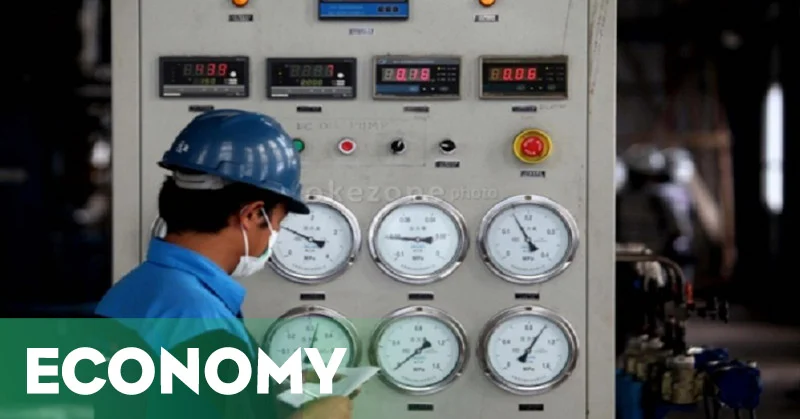
Nuklir Opsi Terakhir, Jika Proyek 35 ribu Mw Gagal : Okezone Economy

By late 2015, the initial euphoria surrounding the 35,000 MW announcement began to give way to sober econometric reality. Independent energy think tanks, legislative bodies, and financial institutions openly questioned whether PLN and the national budget could absorb the financial shocks associated with such a rapid capacity expansion. Projections indicated that electricity demand growth might not match the aggressive assumptions embedded in the master plan, raising fears of overcapacity and severe financial liabilities for PLN through take-or-pay power purchase agreements.

Despite these warnings, the Ministry of Energy and Mineral Resources insisted that recalibration rather than abandonment was the appropriate policy response. The government argued that aiming high, even if the absolute target slipped past the initial five-year deadline, would still force a generational leap in the country’s energy infrastructure compared to maintaining conservative, business-as-usual growth rates.

Nuclear Energy as the Ultimate Contingency

In the face of chronic delays and potential shortfalls in meeting the 35,000 MW target through conventional thermal and renewable sources, policymakers frequently debated the prospective role of nuclear power. Within energy policy circles, nuclear energy was consistently categorized not as an immediate primary option, but strictly as an ultimate fallback measure—an emergency contingency to be deployed only if fossil-fueled and conventional renewable projects experienced catastrophic failure in meeting long-term baseload demands.

The reluctance to embrace nuclear energy stemmed from a combination of public safety concerns, seismic vulnerabilities associated with Indonesia’s location along the Pacific Ring of Fire, high initial capital expenditure requirements, and the absence of a domestic radioactive waste management infrastructure. While feasibility studies for nuclear power plants—such as the long-discussed site on the Muria Peninsula in Central Java—had been conducted over preceding decades, political sensitivities and strong public opposition ensured that atomic energy remained on the shelf.

Economic and Industrial Implications of the Electrification Push

The broader economic implications of the 35,000 MW project extend far beyond the energy sector, directly influencing macroeconomic stability, employment, and the global competitiveness of Indonesian manufacturing. Reliable electricity supply is a foundational prerequisite for downstream mineral processing industries—a major policy push initiated by the government to add value to raw nickel, bauxite, and copper before export.

Delays in executing the power infrastructure master plan directly threatened to stall the development of these smelters, thereby dampening export revenues and dampening regional economic multiplier effects. Conversely, a successful, albeit delayed, rollout of the generation and transmission network promises to democratize economic activity, lowering logistics and operational costs for businesses operating outside the main economic corridors of Java.

Chronological Context and Subsequent Policy Shifts

To understand the trajectory of Indonesia’s energy policy following the 2015 milestones, it is crucial to examine the chronological evolution of the nation’s power sector planning:

  • 2014–2015: The Joko Widodo administration assumes office and launches the 35,000 MW program to eradicate chronic electricity deficits and stimulate regional economies.
  • Late 2015: Senior officials, including ESDM Minister Sudirman Said, publicly address mounting doubts, conceding that transmission hurdles and archipelagic logistics represent the most formidable obstacles to realizing the targets on schedule.
  • 2016–2018: The government implements regulatory reforms, fast-track permitting processes, and sovereign guarantees to support PLN in financing transmission lines and attracting foreign independent power producers.
  • 2019–2021: Realized capacity additions consistently lag behind initial projections, prompting successive revisions of the Electricity Supply Business Plan (RUPTL) to favor a higher share of renewable energy while scaling back coal expansion to align with international climate commitments.
  • Present Era: The long-term debate over nuclear energy continues to evolve, with low-carbon baseload considerations slowly breathing new life into exploratory discussions, though nuclear remains secondary to geothermal, hydro, solar, and wind integration.

Conclusion and Future Outlook

The journey of Indonesia’s 35,000 MW infrastructure master plan serves as a textbook case study in the complexities of executing mega-projects within a developing, archipelagic economy. While the original timelines proved overly optimistic in the face of harsh topographical, financial, and bureaucratic realities, the foundational push fundamentally reshaped the nation’s infrastructural priorities.

As Indonesia continues to navigate the dual imperatives of meeting surging domestic energy demand and transitioning toward sustainable, low-carbon power generation, the lessons learned from the early struggles of the 35,000 MW initiative remain invaluable. Whether through the successful completion of complex inter-island transmission spines or the cautious, long-term re-evaluation of nuclear energy as a final fallback, the ultimate goal of achieving equitable and reliable electrification for all Indonesians remains an enduring national mission.

September 14, 2026 0 comment
0 FacebookTwitterPinterestEmail
Food & Culinary

Uan Kaisar Hobi Makan Sambil Live Streaming, Lahap Nasi Padang hingga Lele

by Ammar Sabilarrohman September 14, 2026
written by Ammar Sabilarrohman

Julian Kaisar, yang lebih dikenal publik sebagai Uan Kaisar, vokalis grup musik pop asal Bandung, Juicy Luicy, belakangan ini menyita perhatian publik bukan karena karya musiknya, melainkan melalui serangkaian insiden yang melibatkan absennya grup tersebut dalam jadwal manggung di Batam. Isu pembatalan penampilan tersebut dipicu oleh kendala logistik terkait masalah bagasi, yang kemudian memicu reaksi keras di media sosial. Di tengah hiruk-pikuk spekulasi publik dan hilangnya akun Instagram pribadi sang vokalis, para penggemar kembali menyoroti sisi personal Uan yang cukup unik, yakni kegemarannya melakukan siaran langsung atau live streaming di media sosial saat sedang menyantap makanan.

Uan Kaisar Hobi Makan Sambil Live Streaming, Lahap Nasi Padang hingga Lele

Kebiasaan ini sebenarnya bukan hal baru bagi pengikut setianya. Selama beberapa waktu, Uan kerap membangun interaksi yang kasual dan santai dengan basis penggemarnya melalui platform digital, di mana ia tidak hanya membahas musik atau proyek kreatif, tetapi juga memperlihatkan sisi manusiawinya melalui sesi makan yang lahap.

Kronologi dan Konteks Isu Terkini

Sorotan terhadap Uan Kaisar meningkat tajam menyusul kegagalan Juicy Luicy untuk tampil di sebuah acara musik di Batam. Berdasarkan informasi yang beredar, pembatalan tersebut terjadi akibat kendala pada bagasi peralatan musik yang tidak terangkut sesuai jadwal penerbangan. Dalam dunia industri hiburan, manajemen logistik adalah elemen krusial yang menentukan keberhasilan sebuah rangkaian tur. Ketidakmampuan untuk tampil di panggung sering kali memicu kekecewaan besar bagi para penyelenggara acara dan penonton yang telah membeli tiket.

Uan Kaisar Hobi Makan Sambil Live Streaming, Lahap Nasi Padang hingga Lele

Tak lama setelah insiden tersebut ramai diperbincangkan di berbagai platform daring, akun Instagram resmi milik Uan Kaisar mendadak tidak dapat diakses. Hilangnya jejak digital sang musisi memicu beragam asumsi di kalangan warganet, mulai dari upaya untuk meredam kebisingan publik hingga adanya pembersihan citra pribadi. Namun, sebelum akun tersebut tidak lagi aktif, terdapat ribuan rekaman cuplikan layar dari para penggemar yang mengabadikan momen-momen saat sang vokalis melakukan siaran langsung, khususnya saat ia sedang menikmati hidangan lokal.

Profil Kuliner Uan Kaisar dalam Siaran Digital

Dalam berbagai sesi siaran langsung yang terekam, Uan Kaisar sering kali menunjukkan preferensi makanan yang sangat dekat dengan selera masyarakat Indonesia pada umumnya. Berbeda dengan citra selebritas yang sering kali diasosiasikan dengan gaya hidup mewah, Uan justru lebih sering terlihat menikmati hidangan sederhana yang kaya akan rempah.

Uan Kaisar Hobi Makan Sambil Live Streaming, Lahap Nasi Padang hingga Lele

Salah satu menu yang paling sering muncul di meja makan Uan adalah nasi Padang. Hidangan ini seolah menjadi menu wajib yang ia santap sambil menjawab pertanyaan-pertanyaan dari penggemarnya. Uan sering kali terlihat sangat menikmati perpaduan antara gulai, sambal hijau, dan nasi hangat. Interaksi ini menciptakan ikatan yang unik antara sang musisi dan audiensnya; alih-alih menjaga jarak sebagai seorang bintang, ia memilih untuk tampil "apa adanya" dengan hidangan rakyat yang merakyat.

Selain nasi Padang, pecel lele juga menjadi bagian dari repertoar kuliner yang sering ia tampilkan. Dalam salah satu sesi, Uan tampak tidak ragu menunjukkan lele goreng yang garing lengkap dengan lalapan segar. Hal ini sejalan dengan tren di kalangan musisi muda tanah air yang mulai lebih terbuka mengenai kehidupan sehari-hari mereka melalui konten live streaming. Selain itu, Uan juga sempat tertangkap kamera sedang menikmati bakso kaki lima, sebuah pemandangan yang memberikan kesan bahwa meskipun ia adalah vokalis grup musik populer, ia tetap mempertahankan preferensi makan yang tidak pretensius.

Uan Kaisar Hobi Makan Sambil Live Streaming, Lahap Nasi Padang hingga Lele

Analisis Tren Artis dan Digital Engagement

Kebiasaan Uan Kaisar untuk melakukan siaran langsung saat makan merupakan bentuk dari digital engagement yang kini banyak diadopsi oleh pelaku industri hiburan. Dalam perspektif komunikasi media, tindakan ini bertujuan untuk memanusiakan sosok figur publik. Dengan menunjukkan aktivitas sehari-hari yang sangat universal—yakni makan—seorang seniman dapat mengurangi jarak psikologis dengan penggemarnya.

Namun, strategi ini juga memiliki risiko. Ketika seorang figur publik berada dalam pusaran isu negatif—seperti pembatalan konser—perilaku yang dianggap santai atau "biasa saja" di media sosial dapat disalahartikan oleh publik sebagai bentuk kurangnya empati terhadap situasi yang sedang terjadi. Para pengamat media sosial mencatat bahwa hilangnya akun Instagram Uan kemungkinan merupakan langkah strategis manajemen untuk melindungi sang artis dari serangan balik (backlash) warganet yang tidak puas terkait masalah teknis di Batam.

Uan Kaisar Hobi Makan Sambil Live Streaming, Lahap Nasi Padang hingga Lele

Data Pendukung dan Dampak Industri

Dilihat dari statistik keterlibatan media sosial, musisi yang sering berinteraksi secara personal cenderung memiliki basis penggemar yang lebih loyal. Sebelum penonaktifan akun, Uan Kaisar secara konsisten mempertahankan durasi siaran langsung yang cukup panjang. Hal ini berkontribusi pada metrik watch time yang tinggi, yang secara algoritma sangat menguntungkan bagi popularitas profil sang musisi.

Namun, dampak dari pembatalan konser di Batam memberikan catatan tersendiri bagi manajemen Juicy Luicy. Secara finansial dan reputasi, keterlambatan logistik yang berdampak pada pembatalan acara dapat memengaruhi kontrak-kontrak di masa depan. Industri musik di Indonesia yang sedang tumbuh pesat sangat bergantung pada ketepatan waktu dan profesionalisme manajemen tur. Kasus ini menjadi pengingat bagi seluruh ekosistem musik, mulai dari promotor hingga manajemen artis, untuk lebih memperhatikan aspek operasional agar insiden serupa tidak terulang kembali.

Uan Kaisar Hobi Makan Sambil Live Streaming, Lahap Nasi Padang hingga Lele

Tanggapan dan Implikasi ke Depan

Hingga saat ini, belum ada pernyataan resmi secara mendalam dari pihak manajemen Juicy Luicy terkait detail teknis kendala bagasi yang memicu pembatalan tersebut. Namun, para pakar industri hiburan menyarankan agar pihak terkait segera memberikan klarifikasi transparan untuk meredam spekulasi. Dalam dunia manajemen krisis, komunikasi yang cepat dan akurat adalah kunci untuk memulihkan kepercayaan publik.

Ke depannya, publik menantikan kembalinya Uan Kaisar ke panggung hiburan. Perdebatan mengenai kegemarannya melakukan siaran langsung saat makan mungkin akan segera memudar seiring dengan berjalannya waktu, namun pelajaran mengenai pentingnya manajemen operasional dalam tur musik akan tetap menjadi topik yang relevan. Kehidupan personal sang musisi, termasuk hobinya menikmati kuliner lokal, tetap menjadi daya tarik tersendiri bagi para penggemar, namun profesionalisme dalam menjalankan kewajiban manggung tetap menjadi standar utama yang dituntut oleh para penikmat musik tanah air.

Uan Kaisar Hobi Makan Sambil Live Streaming, Lahap Nasi Padang hingga Lele

Secara keseluruhan, fenomena Uan Kaisar ini menggambarkan dinamika antara persona digital dan realitas profesional. Di satu sisi, ia berhasil membangun koneksi personal yang kuat dengan audiens melalui konten yang jujur dan apa adanya. Di sisi lain, tantangan profesional yang dihadapinya menuntut standar manajemen yang jauh lebih ketat. Bagi Uan dan grup musiknya, tantangan saat ini adalah bagaimana menyeimbangkan kedekatan dengan penggemar melalui media sosial dengan menjaga reputasi sebagai kelompok musik profesional yang dapat diandalkan dalam setiap jadwal penampilan mereka di seluruh penjuru Indonesia.

Dengan selesainya polemik ini di masa depan, diharapkan Juicy Luicy dapat kembali fokus pada karya-karya musik yang selama ini telah membesarkan nama mereka di kancah musik nasional. Sementara bagi penggemar, momen-momen santai Uan saat menikmati nasi Padang atau pecel lele akan selalu menjadi bagian dari memori digital yang merekam sisi humanis sang vokalis di balik gegap gempita panggung musik.

September 14, 2026 0 comment
0 FacebookTwitterPinterestEmail
Travel & Tourism

Global Markets Rally Cues Expected to Lift IHSG Amid Persistent Volatility and Economic Uncertainty

by Pevita Pearce September 14, 2026
written by Pevita Pearce

Global financial markets faced an unprecedented period of turbulence during the autumn of 2008, a time characterized by systemic financial shocks, extreme commodity price fluctuations, and widespread anxiety regarding an impending global economic recession. On Friday, October 17, 2008, the Indonesian capital market prepared for a critical trading session. Market sentiment was delicately balanced between positive external catalysts, notably a dramatic recovery on Wall Street, and severe internal headwinds marked by a weakening domestic currency and volatile commodity markets.

Main Facts and Market Outlook

As trading commenced on that Friday morning, the Jakarta Composite Index (IHSG) was heavily influenced by the overnight performance of the United States stock market and regional Asian bourses. Wall Street had experienced a dramatic rebound, with the Dow Jones Industrial Average surging by approximately 400 points in a single session. This massive recovery in the United States instilled a cautious sense of optimism among domestic equity analysts and institutional investors in Jakarta, sparking predictions that the local bourse could experience a technical rebound.

Market analysts from leading domestic brokerages provided cautious assessments of the trading day. Ikhsan Binarto, an analyst at Optima Securities, projected that the IHSG would open with a modest gain of roughly 16 points. However, this projection was immediately tempered by warnings regarding the fundamental fragility of the domestic economy. Despite the positive momentum imported from the United States, local markets continued to grapple with intense selling pressure driven by falling regional bourses and a sharp correction in global commodity prices.

Simultaneously, Trimegah Securities released an independent market evaluation highlighting the psychological state of investors. Amid fears of a global recession, market participants were actively attempting to exercise restraint to prevent widespread panic selling—a phenomenon that had severely battered emerging markets in the preceding weeks. The technical resilience of the IHSG was put to the test as it attempted to hold firm above crucial support levels, signaling potential accumulation phases for select blue-chip equities.

Chronology of the 2008 Financial Crisis Context

To fully understand the market dynamics of October 17, 2008, it is essential to examine the broader chronological timeline of the global financial crisis that originated in the United States subprime mortgage market and rapidly metastasized into a worldwide liquidity crunch.

  • Early 2007: Cracks begin to appear in the U.S. subprime mortgage sector as housing prices peak and default rates rise significantly, signaling early distress in structured financial products.
  • August 2007: Central banks worldwide, including the U.S. Federal Reserve and the European Central Bank, are forced to inject billions of dollars into the financial system to counter a sudden freeze in the interbank lending market.
  • March 2008: Investment banking giant Bear Stearns collapses and is acquired by JPMorgan Chase in a government-backed rescue deal, heightening systemic fears across global financial centers.
  • September 7, 2008: The U.S. government places mortgage giants Fannie Mae and Freddie Mac under conservatorship, effectively nationalizing the entities to prevent a total collapse of the housing finance system.
  • September 15, 2008: Lehman Brothers files for Chapter 11 bankruptcy protection after the U.S. government declines to bail out the firm, sending catastrophic shockwaves through global equity, debt, and currency markets.
  • September–October 2008: Panic selling sweeps across global stock exchanges. Commodity prices, which had reached historic highs earlier in the year, experience a precipitous collapse due to anticipated demand destruction. Emerging market currencies, including the Indonesian rupiah, face intense depreciation pressures.
  • Mid-October 2008: Central banks and governments worldwide implement coordinated emergency measures, including interest rate cuts and liquidity injections, attempting to stabilize collapsing financial institutions and restore investor confidence.

Supporting Data and Market Metrics

During the trading session on October 17, 2008, market strategists closely monitored specific technical indicators and macroeconomic variables to gauge the sustainability of any potential equity rally.

Optima Securities estimated that the IHSG would trade within a projected target range of 1,640 to 1,780 over the medium term, contingent upon upcoming monetary policy decisions from the U.S. Federal Reserve. However, immediate daily trading bands were anticipated to be significantly tighter, reflecting the day-to-day volatility. Trimegah Securities placed the immediate intraday trading range for the IHSG between 1,450 and 1,530, noting that the index was stubbornly trying to stay above the critical support threshold of 1,420.

A successful defense of the 1,420 support level, combined with selective buying in market leaders, created a technical opportunity for the index to close pricing gaps, specifically targeting a recovery toward the 1,510 level. Despite these technical setups, underlying fundamentals remained fragile. The Indonesian rupiah continued to exhibit persistent weakness against the U.S. dollar, while international crude oil and hard commodity prices showed no definitive signs of a market reversal (reversal).

Pergerakan Global Penentu Indeks Saham : Okezone Economy

Amid this volatile backdrop, analysts highlighted several prime stock picks across diverse sectors that demonstrated relative resilience or strong underlying fundamentals:

  • PT Timah Tbk (TINS): Representing the mining and metals sector, closely tied to global industrial demand.
  • Astra International (ASII): A massive domestic conglomerate with diverse exposure to automotive, agribusiness, and financial services.
  • Perusahaan Gas Negara (PGAS): A state-owned natural gas transportation and distribution utility providing essential energy infrastructure.
  • PT Bukit Asam Tbk (PTBA): A major coal mining enterprise navigating shifting energy commodity cycles.
  • PT Bank Rakyat Indonesia Tbk (BBRI): A premier state-backed banking institution with a strong foundation in microfinance and domestic liquidity.

Official Responses and Regulatory Interventions

The severity of the market downturn prompted intense discussions regarding the role of government intervention in stabilizing the financial system. Analysts emphasized that in times of extreme systemic stress, passive market mechanisms are often insufficient to prevent irrational behavior among retail and institutional investors.

Ikhsan Binarto of Optima Securities explicitly stated that both direct and indirect government intervention was urgently required to prevent a downward spiral driven by panic selling. Such measures were deemed necessary to restore a sense of rationality to the trading floor and to reassure market participants that systemic safeguards were actively operational.

Regulatory bodies and central banks, including Bank Indonesia and the Capital Market and Financial Institution Supervisory Agency (BAPEPAM, now integrated into the Financial Services Authority / OJK), were closely monitoring domestic liquidity conditions. Authorities faced the delicate challenge of supporting the banking sector, defending the depreciating rupiah, and preventing systemic contagion from freezing domestic credit markets, all while avoiding overregulation that could permanently damage market confidence.

Furthermore, market participants turned their attention toward international monetary policy coordination. Expectations were heavily anchored on upcoming outcomes from the U.S. Federal Reserve meetings, as global investors sought decisive signals regarding aggressive interest rate cuts and coordinated global liquidity support to combat the spreading credit freeze.

Broader Impact and Economic Implications

The events of October 2008 had profound, long-lasting implications for the Indonesian economy and the broader structure of its capital markets. While Indonesia entered the crisis with stronger macroeconomic fundamentals and higher foreign exchange reserves compared to the 1997-1998 Asian Financial Crisis, the openness of its economy meant it could not entirely decouple from the global financial meltdown.

The immediate impact of the crisis manifested in three primary ways:

  1. Capital Outflows: Foreign institutional investors rapidly repatriated capital from emerging markets like Indonesia to shore up balance sheets in their home countries, leading to significant equity sell-offs and sharp depreciation of the rupiah.
  2. Export Pressures: As advanced economies slid into recession, demand for Indonesian commodities—including palm oil, coal, and minerals—contracted sharply, impacting corporate earnings and national export revenues.
  3. Credit Tightening: Global interbank lending freezes translated into tighter domestic credit conditions, forcing local corporations and banks to navigate higher borrowing costs and restricted liquidity.

In retrospect, the resilience demonstrated by Indonesian corporations and regulatory bodies during the 2008 crisis served as a critical stress test. The lessons learned regarding foreign exchange management, corporate leverage, and systemic liquidity monitoring laid the groundwork for enhanced regulatory frameworks in the subsequent decade. The market’s ability to absorb external shocks, navigate severe commodity downturns, and eventually re-establish growth trajectories underscored the maturing nature of Indonesia’s financial architecture during one of the most tumultuous periods in modern economic history.

September 14, 2026 0 comment
0 FacebookTwitterPinterestEmail
Travel & Tourism

Jelaga di Ujung Raya: High-Temperature Fire Art Auction Raises Significant Funds for Humanitarian and Environmental Relief

by Lina Hope September 14, 2026
written by Lina Hope

The inaugural art exhibition titled Jelaga di Ujung Raya has achieved a remarkable milestone, blending the raw, destructive power of fire with the delicate nuance of fine art to generate substantial financial support for disaster relief and wildlife conservation efforts. Held at the prestigious Galeri Zen1 in Menteng, Jakarta, the exhibition, which runs from September 12 to October 13, 2026, serves as a bridge between the creative community and urgent social-environmental causes. By utilizing high-temperature fire sprayers to create complex, abstract compositions, participating artists have successfully raised hundreds of millions of rupiah, with all proceeds earmarked for the victims of the recent blaze in Desa Adat Sade, Nusa Tenggara Barat (NTB), and the rehabilitation of habitats affected by forest and land fires (karhutla).

The Genesis of a Unique Artistic Vision

The exhibition is the result of a strategic collaboration between the safety technology entity Lithium Fire Killer (LFK) and renowned Indonesian contemporary artist Arkiv Vilmansa. The partnership represents an unconventional synergy: LFK, a company specializing in advanced fire suppression and thermal safety technology, provided the tools and safety infrastructure, while Vilmansa and twenty other prominent Indonesian artists provided the vision.

The central premise of the exhibition revolves around the duality of fire. In its uncontrolled state, fire is a catastrophic force that consumes livelihoods and ecosystems; however, when harnessed and directed with precision, it becomes a tool for creation. The "fire art" pieces displayed are not merely paintings; they are scorched artifacts, where the heat intensity dictates the texture, color depth, and permanent scarring of the canvas. This process mirrors the very destruction the exhibition seeks to mitigate, creating a profound, tangible link between the medium and the cause.

Chronology of the Event and Humanitarian Impact

The preparation for Jelaga di Ujung Raya spanned several months, culminating in the official launch on September 12, 2026. The initial phase of the exhibition focused on the live demonstration of the fire-creation technique, allowing collectors and art enthusiasts to witness the volatile process firsthand.

Kanvas Dilukis dari Semburan Api Karya Arkiv Vilmansa Terjual, Hasilnya Disumbangkan Korban Kebakaran

The timeline of the initiative is as follows:

  • Early 2026: Concept development between LFK and Arkiv Vilmansa.
  • Mid-2026: Recruitment of 20 contributing artists and coordination with environmental NGOs.
  • September 12, 2026: Grand opening at Galeri Zen1, featuring the first live demonstrations and the commencement of the silent auction.
  • September 14, 2026: Announcement of the successful sale of three primary "fire-technique" works, with total proceeds reaching a multi-hundred million rupiah threshold.
  • September 15 – October 13, 2026: Continued public viewing and fundraising campaigns.

The beneficiaries of this auction were selected based on the immediate urgency of their respective crises. Desa Adat Sade, a cultural landmark in NTB, suffered a devastating fire that displaced numerous families and destroyed traditional structures. The funds raised are intended to assist in the reconstruction of homes and the preservation of the village’s cultural heritage. Simultaneously, the funds allocated to wildlife recovery will be funneled through the World Wide Fund for Nature (WWF) to support ongoing efforts to restore biodiversity in areas severely damaged by Indonesia’s recurring forest and land fires.

Addressing the Risks of Modern Fires

While the art itself captures the attention of the public, the inclusion of Lithium Fire Killer (LFK) as a collaborator serves a dual purpose. Beyond artistic expression, the exhibition acts as an educational platform regarding fire safety, specifically concerning the risks associated with the proliferation of electric vehicles (EVs) and lithium-ion battery technology.

As the global transition to renewable energy accelerates, the risk of "thermal runaway"—a condition where a lithium-ion battery enters an uncontrollable, self-heating state—has become a significant concern for urban planning and public safety. By positioning the exhibition in the heart of Jakarta’s commercial district, the organizers aim to raise awareness about how to manage fires involving advanced battery technologies, a challenge that standard water-based fire suppression systems often fail to address.

Data-Driven Context: The Crisis of Forest Fires in Indonesia

The motivation behind the charity auction is rooted in sobering environmental data. According to reports from the Ministry of Environment and Forestry (KLHK), Indonesia experiences significant spikes in forest and land fires (karhutla) during the dry season, typically peaking between August and October. These fires are not only a local tragedy for the affected communities but also contribute significantly to regional carbon emissions.

Kanvas Dilukis dari Semburan Api Karya Arkiv Vilmansa Terjual, Hasilnya Disumbangkan Korban Kebakaran

The cost of restoring a single hectare of degraded peatland or forest can reach tens of millions of rupiah, depending on the ecosystem complexity. By donating the proceeds of the auction to professional organizations like the WWF, the artists ensure that the funds are applied to scientifically validated restoration projects. This approach shifts the focus from temporary relief to long-term environmental sustainability.

Official Perspectives and Expert Analysis

Observers in the Indonesian art market have noted that the intersection of "activist art" and high-end gallery culture is gaining momentum. Art critics argue that by incorporating a medium that is inherently dangerous—fire—the artists are forcing the audience to engage with the reality of climate change and disaster vulnerability in a way that traditional media cannot.

A spokesperson for the collaborative project noted, "The beauty of this exhibition lies in the fact that we are using the very thing that destroys our forests and homes to build a path toward recovery. It is a symbolic act of taking control over a chaotic element."

Furthermore, the collaboration with LFK underscores a shift toward corporate social responsibility (CSR) where private companies are moving beyond simple monetary donations to provide technical solutions for public safety. This integrated model of "art-meets-science" is seen as a blueprint for future fundraising efforts in the Indonesian cultural sector.

Implications for the Future of Charity and Art

The success of Jelaga di Ujung Raya suggests that high-net-worth individuals and corporate entities are increasingly drawn to philanthropic initiatives that offer high-level engagement and a strong narrative. The "fire art" is not merely a commodity; it is a testament to the urgency of the times.

Kanvas Dilukis dari Semburan Api Karya Arkiv Vilmansa Terjual, Hasilnya Disumbangkan Korban Kebakaran

As the exhibition continues through mid-October, the organizers hope to attract additional corporate sponsors to scale the impact of their donation. The success of this venture has already sparked discussions regarding a potential national tour, potentially bringing the message of fire safety and environmental stewardship to other major cities in Indonesia.

Conclusion

The Jelaga di Ujung Raya exhibition stands as a testament to the power of collective action. By transforming the volatile medium of fire into a vessel for charity, the artists and the technical team at LFK have demonstrated that even the most destructive forces can be channeled to create a positive, lasting impact. The funds raised will provide a lifeline to the displaced residents of Desa Adat Sade and offer a fighting chance to the wildlife struggling to reclaim fire-ravaged habitats.

Beyond the financial contributions, the exhibition has succeeded in elevating the conversation around fire safety in the age of electrification. As the global community continues to grapple with the realities of climate change and the risks of modern technology, initiatives like this serve as a vital reminder that safety, education, and art are not mutually exclusive—they are, in fact, the essential components of a resilient society. The ongoing exhibition at Galeri Zen1 invites the public to witness this unique blend of destruction and creation, serving as a beacon of hope for those affected by the fires that so frequently threaten the nation’s heritage and biodiversity.

September 14, 2026 0 comment
0 FacebookTwitterPinterestEmail
Travel & Tourism

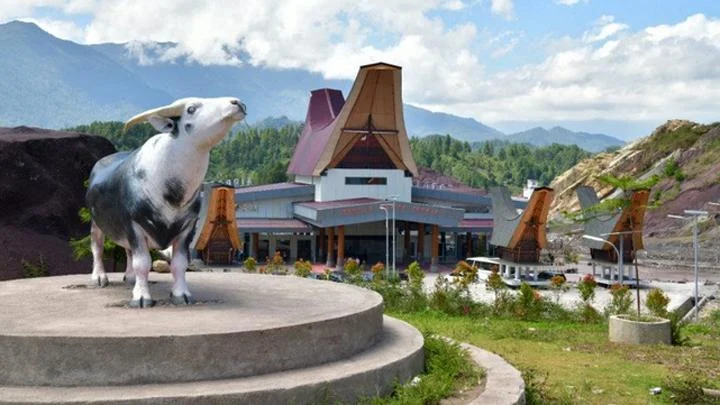
President Joko Widodo Officially Inaugurates Toraja Airport in South Sulawesi to Boost Regional Connectivity and Economic Growth

by Azzam Bilal Chamdy September 14, 2026
written by Azzam Bilal Chamdy

The formal inauguration of Toraja Airport, formerly known as Buntu Kunik Airport, in Tana Toraja Regency, South Sulawesi, marks a significant milestone in Indonesia’s ongoing infrastructure development strategy. President Joko Widodo, widely known as Jokowi, led the inauguration ceremony on Thursday, March 18, 2021, emphasizing the critical role the new aviation hub plays in unlocking the economic and tourism potential of the region. Broadcast live via the official YouTube channel of the Presidential Secretariat, the event underscored the administration’s broader commitment to bridging geographic divides across the archipelago, particularly in culturally and economically rich regions that have historically faced logistical bottlenecks.

The establishment of Toraja Airport is expected to serve as a catalyst for regional revitalization. During his address, President Jokowi expressed optimism that the operationalization of the airport would directly stimulate local economic activities, generate employment opportunities for the surrounding communities, and foster the emergence of new economic centers within Tana Toraja and its neighboring areas. By significantly reducing travel time compared to overland journeys from regional hubs like Makassar, the facility aims to facilitate the smoother movement of people, goods, and services, thereby integrating the region more deeply into the national economy.

A Decades-Long Chronology of Construction and Engineering Challenges

The realization of Toraja Airport was far from straightforward, characterized by a protracted timeline that spanned an entire decade. The initial planning and construction of the airport commenced in 2011. The project was conceived to replace the aging and geographically constrained Pongtiku Airport located in Rantetayo, which faced severe limitations regarding runway expansion and aircraft capacity due to safety concerns and surrounding terrain. However, shortly after its inception, the construction of the new airport encountered significant setbacks, leading to prolonged delays that stalled progress for several years.

The project experienced a renewed sense of urgency when President Jokowi’s administration prioritized its completion. In 2018, construction resumed under a concerted effort by the central government in coordination with the Ministry of Transportation. Phase one of the revived project was successfully executed and completed by mid-2020, paving the way for initial flight trials and the gradual commencement of commercial operations. Following its completion, major domestic carriers, namely Wings Air and Citilink, established regular scheduled flights connecting Toraja directly to Makassar, the capital of South Sulawesi province.

Engineering Feats: Overcoming the Challenging Topography of Tana Toraja

One of the most remarkable aspects of Toraja Airport’s development is the sheer scale of the engineering challenges involved. Tana Toraja is renowned for its dramatic, mountainous terrain, characterized by steep hills and deep valleys. Constructing a modern aviation facility capable of handling commercial aircraft in such an environment required unprecedented civil engineering interventions.

According to Minister of Transportation Budi Karya Sumadi, the construction process was among the most difficult undertaken by the ministry due to the extreme topography. To create a sufficiently flat and safe landing strip, engineers and construction crews had to systematically level and cut through three distinct hills within the project area. This massive earthmoving effort allowed for the establishment of a robust aviation infrastructure that could withstand the geographical constraints of the region.

Technical Specifications and Phased Development

Toraja Airport spans a total land area of 141 hectares, designed to accommodate future growth and increasing passenger demand. The development of the facility has been structured in distinct phases to optimize resource allocation and operational readiness.

In its initial phase, the airport features a runway length of 1,600 meters, specifically engineered to accommodate medium-sized turboprop aircraft such as the ATR 72, which are standard for regional Indonesian routes. The airside infrastructure also includes an apron measuring 94.5 by 67 meters and a taxiway dimensions of 124.5 by 15 meters.

To accommodate larger narrow-body jet aircraft, such as the Boeing 737, the second phase of development was planned to extend the runway length to 2,000 meters, with a width of 30 meters. Furthermore, ongoing infrastructure enhancements in 2021 included targeted operations to clear remaining topographical obstacles and hills situated near the runway thresholds to ensure strict adherence to international aviation safety standards. On the landside, the terminal building occupies a footprint of 1,000 square meters, equipped with passenger facilities designed to handle a capacity of approximately 150 passengers during peak operational hours.

The Etymology and Cultural Significance of the Name Change

Prior to its official designation as Toraja Airport, the facility was widely recognized during its development phase as Buntu Kunik Airport, named after the specific local geographical area where it was built. The decision to officially rename the facility to Toraja Airport involved a comprehensive consensus-building process rooted in local cultural traditions and administrative procedures.

The renaming was the result of formal agreements reached between the local regency government and traditional leaders, customary figures, and community representatives spanning 19 sub-districts across Tana Toraja. Following this broad-based community consensus, the proposed name was officially submitted to the Regional House of Representatives (Draped) for formal enactment through a plenary session. Subsequently, the regional administration forwarded the proposal to the provincial government and ultimately to the Ministry of Transportation for official legal recognition and national integration into Indonesia’s aeronautical information publications. This meticulous process ensured that the airport’s identity deeply reflects the cultural heritage and pride of the indigenous Torajan population.

Strategic Implications for Regional Tourism and Connectivity

The opening of Toraja Airport is widely regarded by economists and tourism experts as a pivotal turning point for Tana Toraja, a destination globally celebrated for its unique megalithic culture, distinctive traditional architecture (tongkonan), elaborate funeral rituals, and breathtaking highland landscapes. Historically, the primary deterrent for international and domestic tourists visiting Tana Toraja has been the arduous eight-to-ten-hour overland journey from Sultan Hasanuddin International Airport in Makassar.

By cutting travel time down to approximately 45 to 50 minutes via direct commercial flights, the airport effectively eliminates the logistical barrier that previously limited visitor numbers. Enhanced connectivity is projected to yield immediate benefits for the local hospitality sector, including hotels, homestays, tour operators, and artisan enterprises that rely on tourism revenue. Furthermore, improved transport links are anticipated to facilitate the distribution of local agricultural produce and specialty commodities to broader markets, thereby diversifying the regional economy beyond tourism.

Broad Economic and Infrastructural Analysis

From a broader macroeconomic perspective, the completion of Toraja Airport aligns with the Indonesian government’s National Strategic Projects framework, which prioritizes infrastructure development in outer, frontier, and underdeveloped regions. Economists note that while capital-intensive infrastructure projects in mountainous terrains involve substantial initial investments and complex engineering solutions, their long-term multiplier effects on regional gross domestic product (GDP) can be profound.

By integrating remote cultural hubs into the national aviation network, the central government aims to reduce regional disparities, lower logistics costs over time, and encourage private sector investments in regional tourism infrastructure. As secondary and tertiary airports like Toraja continue to mature, their success will largely depend on the sustained coordination between local governments, national carriers, and tourism boards to maintain reliable flight frequencies and market the destination effectively to global travelers. The inauguration thus stands not merely as an administrative milestone, but as a foundational pillar for sustainable regional development in South Sulawesi.

September 14, 2026 0 comment
0 FacebookTwitterPinterestEmail
National News

KPK Seizes Hundreds of Billions of Rupiah in Dramatic Bogor Operation Involving High-Ranking Officials and Dozens of Suitcases

by Lina Hope September 14, 2026
written by Lina Hope

The Corruption Eradication Commission of the Republic of Indonesia has executed one of the most high-profile sting operations in recent history, seizing cash estimated in the hundreds of billions of rupiah packed inside dozens of suitcases, moving boxes, and storage containers. The operation, locally known as an Operasi Tangkap Tangan (OTT), targeted a sprawling bribery network centered around the processing and issuance of Building Rights Titles, widely known as Hak Guna Bangunan (HGB), within Bogor Regency, West Java. The coordinated raid, which unfolded on Monday, September 14, 2026, marks a watershed moment in the ongoing battle against systemic corruption within the country’s agrarian and spatial planning bureaucracy.

According to official statements from the anti-graft agency, the sweep extended far beyond a single municipal office, ensnaring a total of 17 individuals across multiple jurisdictions, including Bogor and Tangerang. Among those taken into custody are elite bureaucrats holding immense regulatory power, local land office heads, and prominent political figures. The staggering volume of physical evidence recovered underscores the immense scale of illicit financial flows plaguing land administration in Indonesia’s rapidly developing satellite regions surrounding the capital city.

Chronology and Execution of the Operation

The intelligence-led sting operation was the culmination of months of discreet surveillance by the KPK’s covert investigation units. Operating under strict operational secrecy, enforcement teams moved in on multiple targets simultaneously on the afternoon of Monday, September 14, 2026. The raids targeted locations across Bogor Regency and Tangerang City, where suspects were allegedly in the process of finalizing illicit transactional agreements related to land titling and corporate spatial clearances.

Upon breaching the primary locations, investigators discovered an unprecedented cache of physical wealth. Rather than standard digital transfers or modest banking transactions, the suspects allegedly utilized physical cash to avoid regulatory scrutiny and paper trails. KPK spokespersons revealed that the currency—comprising both Indonesian Rupiah and various foreign exchange currencies—was densely packed into roughly twenty heavy-duty suitcases, cardboard packing boxes, and reinforced plastic storage containers.

The sheer physical volume of the cash necessitated specialized transport logistics to move the seized items securely to the KPK’s Red and White Building in Kuningan, South Jakarta. Forensic accountants and asset-tracing specialists immediately set to work utilizing automated cash-counting machines, a process that extended well beyond the initial hours of the detention due to the sheer magnitude of the bills.

Profiles of the Arrested Parties

The gravity of the September 14 operation is underscored by the senior status of the individuals apprehended. The KPK confirmed that 17 people were secured during the synchronized raids. The roster of detainees reads like a cross-section of institutional power within Indonesia’s land management and political spheres.

Among the most notable figures caught in the net is Lampri, who serves as the Director General of Land and Spatial Control and Order (PPTR) under the Ministry of Agrarian Affairs and Spatial Planning/National Land Agency (ATR/BPN). As a high-ranking national bureaucrat, the Director General holds supreme oversight regarding spatial violations, land conversions, and regulatory enforcement nationwide. His entanglement in a local HGB processing bribery scheme highlights potential vulnerabilities at the apex of agrarian governance.

In addition to the Director General, regional administrative heads responsible for frontline land certification were also apprehended. These include Sontang Coin Manurung, Head of the Bogor Regency Land Office I (Kantah), and Tardi, Head of the Tangerang City Land Office. These offices sit at the frontline of massive commercial and residential real estate developments, where the acquisition of HGB certificates for vast tracts of land represents immense financial stakes for corporate investors and developers.

The operation also reached into the political arena, netting prominent political figures. Among those detained are Fahd El Fouz, widely known as Fahd A. Rafiq, a senior politician affiliated with the Golkar Party with a history of past legal entanglements, and Arif Sugiyanto, the former Regent of Kebumen. The presence of these political actors points toward a complex nexus between state bureaucracy, regional political patronage networks, and private commercial interests seeking expedited land titles.

Scale of Seized Assets and Financial Implications

While the official financial audit of the seized cash is ongoing, initial preliminary estimates provided by the KPK indicate that the total nominal value approaches hundreds of billions of rupiah. This places the Bogor-Tangerang operation among the largest physical cash seizures in the history of the commission.

The reliance on physical cash—packaged in suitcases and boxes—suggests a concerted effort by the syndicate to bypass the reporting thresholds of the Indonesian Financial Transaction Reports and Analysis Centre (PPATK). In recent years, corrupt actors have increasingly pivoted away from traditional domestic banking channels toward hard currency to obscure the ultimate beneficial owners of illicit funds and to facilitate quick, untraceable payoffs for high-value bureaucratic sign-offs.

The economic implications of HGB corruption in regions like Bogor and Tangerang are profound. Bogor Regency, situated directly south of Jakarta, has experienced exponential growth in residential, industrial, and commercial real estate development. The issuance of HGB titles grants legal security to corporations and developers to utilize state-owned or privately acquired land for commercial building purposes for extended periods. When the administrative pathway to obtaining these crucial legal instruments is compromised by bribery, it creates an uneven playing field, incentivizes regulatory capture, and undermines public trust in the rule of law.

Institutional Response and Legal Framework

In the wake of the arrests, the KPK has reiterated its commitment to following the evidence wherever it leads, regardless of the institutional rank or political affiliation of the suspects. Under Indonesia’s Corruption Eradication Law, the 17 detained individuals are currently undergoing an intensive 24-hour initial interrogation phase, following which the commission is legally mandated to determine their formal suspect status and transition them into pre-trial detention.

Legal analysts and governance watchdogs have praised the operation as a necessary intervention in a sector long plagued by allegations of land mafias and administrative extortion. Civil society organizations focusing on agrarian reform have long pointed out that land acquisition processes in Indonesia’s buffer zones are highly susceptible to rent-seeking behavior, given the high land values and intense competition between corporate developers and local communities.

Broader Impact on Indonesia’s Agrarian Sector

The fallout from the September 2026 raids is expected to reverberate across the Ministry of Agrarian Affairs and Spatial Planning. Calls for immediate administrative reforms, digital transparency in land certification, and stricter internal oversight are mounting from both legislative bodies and anti-corruption watchdogs.

The involvement of a sitting Director General and multiple regional land office heads forces the central government to confront systemic vulnerabilities within the civil service. Observers note that restoring integrity to the land titling process is essential not only for domestic legal certainty but also for maintaining investor confidence. Foreign and domestic investors rely heavily on transparent, predictable, and corruption-free land administration to secure property rights and execute long-term capital projects.

As the KPK continues its forensic examination of the seized suitcases, boxes, and electronic devices recovered during the raids, further disclosures regarding the ultimate beneficiaries and the systematic network of bribery are anticipated in the coming days. The case stands as a stark reminder of the persistent challenges facing Indonesia’s governance institutions as they attempt to dismantle deeply entrenched cartels operating at the intersection of bureaucratic power and private wealth.

September 14, 2026 0 comment
0 FacebookTwitterPinterestEmail
National News

Cerita Demerina Wanita Korban Penculikan KKB Ditemani Mayat di Hutan dan Tidak Makan 20 Hari

by Asep Darmawan September 14, 2026
written by Asep Darmawan

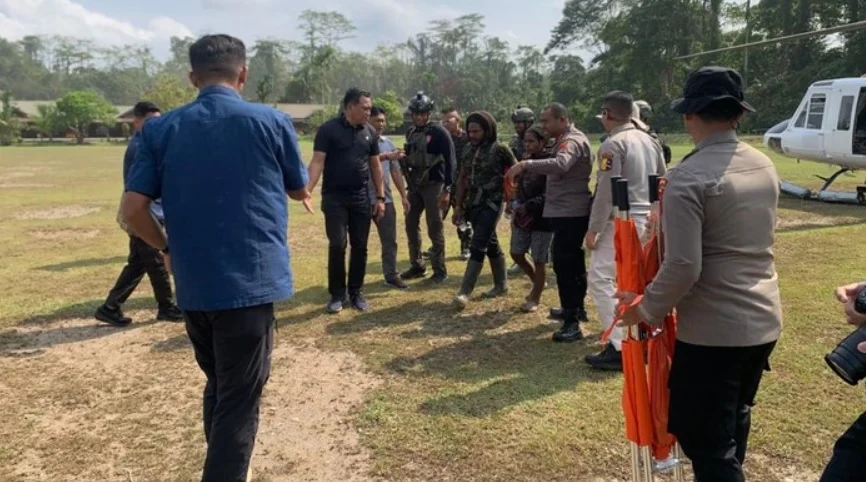
A harrowing rescue operation in the remote wilderness of Mimika, Central Papua, has brought to light the desperate plight of victims caught in the crossfire of the ongoing insurgency in the region. Demerina Uamang, a 23-year-old woman, was successfully evacuated by a joint task force on Monday, September 14, 2026, after enduring 20 days of unimaginable suffering in the deep forests of the Alama District. Her survival, while miraculous, stands as a grim testament to the humanitarian toll exacted by the Armed Criminal Group (KKB) operating in the Papua highlands.

The evacuation, carried out by the Damai Cartenz-2026 Operations Task Force, marked the end of a weeks-long ordeal that began in late August. Demerina was one of nine women abducted by the KKB during an incident in the Jila District. Her rescue, however, was marred by the discovery of her companion, Yosina, who had succumbed to starvation and exposure before authorities could reach their location in Kampung Bela 1.

The Chronology of an Abduction

The ordeal for Demerina and her companions began on August 17, 2026. While the nation was observing Independence Day, the victims were seized by members of the KKB in the Jila District of Mimika. The motive behind the mass abduction remains a subject of ongoing investigation by security forces, though such acts of intimidation are frequently used by the armed groups to assert control over remote indigenous populations and to disrupt local civilian infrastructure.

Following their capture, the group was forced into the dense, mountainous terrain of Papua. Over the subsequent days, the captives were subjected to harsh conditions, forced to march through unforgiving geography with minimal sustenance. Recognizing the dire nature of their circumstances, Demerina and Yosina managed to break away from their captors and flee into the wilderness.

For the next 20 days, the two women wandered through the dense jungles of the Alama District. Without access to food or clean water, their condition deteriorated rapidly. It was not until September 7, 2026, that a local village head from the area reported the presence of the women to authorities in the Jila District. This critical piece of intelligence triggered a mobilization of the Damai Cartenz task force, though the rescue was immediately complicated by the extreme topography and severe weather conditions that define the Mimika region.

The Rescue Operation and the Discovery of Tragedy

The retrieval of Demerina was a high-stakes mission that required precise coordination between military and police personnel. Using a Polri P-3002 Bell helicopter, the task force attempted to reach the coordinates provided by local residents. However, the mission faced a four-day delay due to persistent, extreme weather. Low-hanging clouds and thick fog frequently blanket the Alama District, rendering aerial operations hazardous.

When rescuers finally reached the remote location in Kampung Bela 1, they were met with a heartbreaking scene. Demerina was found in a severely weakened state, suffering from extreme malnutrition and dehydration. Nearby, they discovered the body of Yosina. According to official reports from the task force, Yosina had passed away due to the lack of food and the physiological toll of the 20-day ordeal.

Kombes Pol Yusuf Sutejo, the Public Relations Chief of the Damai Cartenz-2026 Operation, confirmed the tragic details of the discovery. "Adik Uamang (Demerina) was not alone. She was with her colleague, Yosina. Unfortunately, Yosina was found dead, her body having wasted away due to the absence of any sustenance or medical support during their time in the forest," Sutejo stated during a press briefing on Monday.

Demerina was immediately airlifted to Timika, the capital of Mimika Regency, where she was admitted to a medical facility for urgent stabilization and care. Her survival is considered a medical marvel given the duration of her exposure to the elements without resources.

Contextualizing the Conflict in Central Papua

The incident in Jila and Alama is symptomatic of the deteriorating security landscape in the Central Papua province. The region has seen a spike in localized violence, with armed groups often targeting both security forces and civilians to gain leverage.

Humanitarian experts note that the use of civilian populations as human shields or as instruments of psychological warfare has become a recurring tactic among KKB factions. By kidnapping local residents, these groups seek to create a climate of fear, effectively paralyzing local administration and forcing civilians to either comply with their demands or flee their ancestral lands.

Data from the Regional Security Assessment shows that 2026 has been a particularly volatile year. The strategy employed by the Damai Cartenz task force—a collaborative effort between the Indonesian National Police (Polri) and the Indonesian National Armed Forces (TNI)—focuses on a "soft-approach" strategy, prioritizing the protection of civilians and community engagement. However, the geographic isolation of districts like Jila and Alama makes the enforcement of security and the delivery of humanitarian aid exceptionally difficult.

Humanitarian and Strategic Implications

The tragedy of Yosina and the suffering of Demerina underscore the urgent need for a more robust humanitarian infrastructure in the highlands. When civilians are forced to flee into the forest to escape conflict, they are often beyond the reach of traditional medical and rescue services.

From a strategic perspective, the incident highlights the difficulty the state faces in maintaining a presence in the "blank spots" of the map. The KKB utilizes this lack of state infrastructure to operate with relative impunity in the deep forests. The delay in the rescue operation, while attributed to weather, also reflects the logistical limitations that security forces encounter when operating in the rugged terrain of the Jayawijaya mountains and the surrounding districts.

Security analysts have suggested that the government must increase its investment in early warning systems and intelligence-gathering at the village level. The fact that the rescue was initiated only after a village head traveled to report the sighting suggests a breakdown in communication channels that needs to be addressed. Had the report been made immediately following the abduction, the outcome for Yosina might have been different.

Looking Ahead: Security and Support

As of mid-September 2026, Demerina remains under medical supervision in Timika. She is also undergoing trauma counseling to help her process the loss of her companion and the psychological impact of the abduction. The local government of Mimika has pledged to provide full support for her recovery and has committed to assisting the families of the victims involved in this incident.

The Damai Cartenz task force has reiterated its commitment to tracking the perpetrators of the kidnapping. Operations are ongoing in the Alama and Jila districts to ensure the safety of other residents and to restore stability to the region.

The death of Yosina and the ordeal of Demerina serve as a stark reminder of the human cost of the Papua conflict. While political discussions regarding the future of the region continue at the national level, the reality on the ground remains one of constant peril for those caught in the middle. The resilience shown by Demerina is being hailed by local authorities, but for the community in Mimika, the incident is a profound tragedy that demands not only a security response but a renewed focus on protecting the basic human rights of the civilian population.

The incident has also prompted calls from civil society organizations for increased international monitoring of the humanitarian situation in Papua. The inability of civilians to access basic services—or even safety—during times of conflict has raised concerns about the ongoing protection of human rights in the province. As the investigation into the KKB’s actions continues, the story of these nine women will likely remain a focal point in the discourse regarding the path toward peace and stability in Papua.

For now, the priority remains the health of the survivor and the continued efforts to secure the area, ensuring that no other residents of the Jila district fall victim to the cycle of violence that has claimed yet another life in the unforgiving forests of Central Papua. The Indonesian government faces the dual challenge of neutralizing the armed threat while simultaneously rebuilding the trust of the local indigenous communities, a task that remains as complex as the geography of the land itself.

September 14, 2026 0 comment
0 FacebookTwitterPinterestEmail
Regional News

INews Media Group Sampaikan Terima Kasih kepada Tim SAR Gabungan, Gubernur, hingga Polda Banten

by Evan Lee Salim September 14, 2026
written by Evan Lee Salim

The ongoing maritime search and rescue operation in the waters of the Sunda Strait received a high-level visit on Monday, September 14, 2026, as Head of News Gathering for iNews Media Group, Lukman Hanafi, traveled directly to the Joint SAR Post located at Carita Beach in Pandeglang Regency, Banten Province. The visit served as a formal expression of gratitude and deep appreciation directed toward the personnel of the National Search and Rescue Agency (Basarnas) and the broader joint operational team. These teams have been working tirelessly under challenging maritime conditions to locate five journalists and three vessel crew members who went missing during a professional assignment at sea.

The disappearance of the media personnel and ship crew has triggered one of the most intensive regional search operations in Banten waters in recent years. As authorities, families, and media organizations converge on the coastline to monitor recovery efforts, the presence of senior media management highlights the gravity of the situation, the solidarity within the journalistic community, and the persistent hope for positive developments in the ongoing search mission.

High-Level Coordination at the Joint SAR Post

Upon arriving at the tactical headquarters in Carita Beach, Lukman Hanafi engaged in crucial briefings and discussions with key regional leaders and operational commanders. Among those present at the command post were Banten Governor Andra Soni, Head of the Banten Search and Rescue Office Al Amrad, Commander of Military Resort Command (Danrem) 064/Maulana Yusuf Brigadier General TNI Daru Cahyadi Soeprapto, and Head of Public Relations for the Banten Regional Police Commissioner Maruli Ahiles Hutapea.

The high-level gathering focused on evaluating the current tactical deployment, assessing maritime weather patterns, and analyzing search radiuses to maximize the effectiveness of the operation. During the discussions, regional officials reaffirmed their commitment to utilizing all available state resources—ranging from naval assets and aerial surveillance to specialized diving teams—to trace the path of the missing vessel and its occupants.

Lukman Hanafi took the opportunity to personally thank each official and operational leader for their unwavering dedication. He emphasized that the immense physical and mental strain placed upon the rescue personnel does not go unnoticed by the media industry or the public. The collaborative synergy demonstrated by Basarnas, the Indonesian National Armed Forces (TNI), the Indonesian National Police (Polri), local government agencies, and civilian volunteers stands as a testament to institutional cooperation during times of crisis.

Meeting with the Family of the Missing Journalist

Beyond official coordination meetings, the visit carried a deeply personal and compassionate dimension. Lukman Hanafi met directly with Juliasih, the mother of Yudistiro Pranoto, a dedicated journalist from iNews Media Group who is among the missing personnel. Mrs. Juliasih, accompanied by other grieving family members, traveled to the Carita Beach Joint SAR Post to maintain a vigil and receive direct updates from the frontlines of the operation.

The emotional weight of the meeting underscored the human cost of the incident. Families of the missing individuals have maintained a continuous presence near the operational zone, clinging to updates provided by search coordinators. Lukman spent considerable time offering moral support, reassurance, and company to Mrs. Juliasih, communicating that iNews Media Group remains steadfastly by her side and is providing continuous support to all affected families during this agonizing period of uncertainty.

Management assured the families that every conceivable effort is being deployed on the ground and at sea, ensuring they are kept fully informed of operational updates as search sweeps progress hour by hour.

Chronology of the Sunda Strait Incident

To understand the scope of the current rescue mission, it is vital to examine the timeline of events that led to the activation of the Joint SAR Post. The incident began when a small maritime vessel carrying a reporting team comprising five journalists and three professional ship crew members set out into the Sunda Strait. The team was deployed to cover a significant regional assignment, capturing environmental and maritime developments within one of Indonesia’s most historically and economically vital waterways.

Days into their voyage, routine check-ins ceased, and maritime communications with the vessel went completely dark. As hours turned into a full day without contact, newsroom supervisors escalated the situation, alerting local authorities and initiating emergency protocols. Basarnas Banten immediately declared a missing persons emergency at sea, prompting the establishment of the Joint SAR Post along the Pandeglang coastline.

Throughout the initial seven-day operational window, search efforts faced notable hurdles. The Sunda Strait is characterized by unpredictable weather patterns, strong underwater currents, fluctuating tidal surges, and heavy commercial maritime traffic. These geographic and meteorological complexities required search teams to deploy sophisticated sonar equipment, radar tracking, and coordinated surface sweeps extending from the coastline of Banten toward the southern waters of Lampung.

Extension of the Search and Rescue Operation

Given the expansive search grid and the persistent determination of rescue coordinators to locate the missing persons, official channels announced a crucial operational update prior to Lukman’s visit: the search operation has been officially extended by an additional three days.

This decision provides a vital window of opportunity for rescue teams to comb previously uncharted sectors, re-examine high-probability drift zones, and utilize specialized underwater exploration tools. The extension reflects both the statistical probabilities of maritime drift currents in the Sunda Strait and the relentless pressure from families, media institutions, and the public to exhaust all viable rescue protocols before transitioning the status of the operation.

Operations on subsequent days have been heavily centralized and coordinated from strategic logistical points, including the Port of Pelindo in Cilegon. From this maritime hub, larger rescue vessels, patrol boats, and rubber dinghies are dispatched daily to scour specific coordinates mapped out by drift-model simulations provided by meteorological and oceanographic experts.

The Broader Implications for Journalism and Maritime Safety

The ongoing incident in the Sunda Strait has cast a sharp, reflective light on the inherent dangers faced by field journalists, particularly those reporting from marine and remote environments. While news organizations routinely prioritize the safety of their personnel, maritime reporting inherently involves navigating volatile natural elements where risks can escalate rapidly.

Industry analysts and press freedom advocates have noted that this crisis serves as a stark reminder of the sacrifices media workers make in the pursuit of truth and public information. Journalists often accompany security forces, disaster management teams, and maritime explorers into high-risk zones, sharing the same physical vulnerabilities as operational personnel.

Furthermore, the situation has underscored the critical importance of robust safety protocols, real-time satellite tracking equipment, and mandatory maritime safety gear for all media crews embarking on aquatic assignments. As the search operation continues under the extended three-day mandate, media networks across Indonesia are closely monitoring developments, fostering an atmosphere of professional solidarity, and keeping vigils for the safe return of their colleagues.

Outlook for the Final Days of the Extended Search

As the extended timeline progresses, the Joint SAR Post at Carita Beach remains a hive of round-the-clock activity. Operational briefings occur at dawn and dusk, mapping out strategies that leverage wind trajectory data, reports from passing cargo ships, and coastal sweeps conducted by local fishermen and volunteer networks.

While the emotional toll on the families and colleagues of Yudistiro Pranoto and his fellow missing crew members deepens with each passing day, the resolve of the search teams remains unbroken. The concerted presence of media leadership, regional governmental heads, military commanders, and law enforcement chiefs at the frontline posts signals a unified front dedicated to bringing closure to the families and honoring the dedication of those who went missing in the line of duty.

The coming days will be critical. The entire nation, anchored by the tireless efforts of the SAR teams in Banten, watches and waits, hoping that the extended operations will yield the answers and recoveries so desperately sought by all involved.

September 14, 2026 0 comment
0 FacebookTwitterPinterestEmail
Newer Posts
Older Posts

Recent Posts

  • 4 Rekomendasi Minuman Sarapan Sehat Selain Smoothie Menurut Ahli Gizi
  • Sebelum Tinjau Kilang TPPI, Rini Soemarno Cicipi Semangka Tuban
  • 5 Makanan untuk Pulihkan Otot Lebih Cepat Usai Olahraga
  • State-Driven Consolidation Threats and Corporate Rivalry: The Historical Context Behind the Proposed Pertagas and PGN Integration
  • Discover the Tropical Splendor of Thailand with an Exclusive Phuket and Krabi Island Getaway Package by Mister Aladin

Recent Comments

No comments to show.
  • Facebook
  • Twitter

@2021 - All Right Reserved. Designed and Developed by PenciDesign


Back To Top
Dara News Media
  • Home
  • About Us
  • Contact Us
  • Cookies Policy
  • Disclaimer
  • DMCA
  • Privacy Policy
  • Terms and Conditions

We are using cookies to give you the best experience on our website.

You can find out more about which cookies we are using or switch them off in .

Dara News Media
Powered by  GDPR Cookie Compliance
Privacy Overview

This website uses cookies so that we can provide you with the best user experience possible. Cookie information is stored in your browser and performs functions such as recognising you when you return to our website and helping our team to understand which sections of the website you find most interesting and useful.

Strictly Necessary Cookies

Strictly Necessary Cookie should be enabled at all times so that we can save your preferences for cookie settings.