
• Home
  • About Us
  • Contact Us
  • Cookies Policy
  • Disclaimer
  • DMCA
  • Privacy Policy
  • Terms and Conditions
Dara News Media
keep your memories alive
Automotive

Nursyahbani Katjasungkana A Lifelong Champion of Women Rights and Legal Aid in Indonesia

by Nana Muazin September 15, 2026
written by Nana Muazin

The landscape of Indonesian human rights activism and legal defense has been shaped by a dedicated cohort of pioneers who emerged during the late 20th century, among whom Nursyahbani Katjasungkana stands out as a preeminent figure. Born in Jakarta on April 7, 1955, Nursyahbani has dedicated decades of her life to advancing the emancipation of women, reforming the national legal framework, and providing institutional support to marginalized communities, particularly female victims of violence. Her career spans grassroots legal advocacy, institutional leadership within the Legal Aid Institute, international research, legislative representation, and high-profile defense assignments. This comprehensive examination explores her formative years, her extensive career trajectory within Indonesia’s civil society, her tenure in the national legislature, and her enduring legacy as a feminist jurist inspired by the ideals of Raden Adjeng Kartini.

Early Life and Academic Foundations

Nursyahbani Katjasungkana spent her formative years in the province of East Java, a period that instilled in her a deep awareness of the social disparities and cultural constraints faced by women in post-colonial Indonesia. As she navigated her education, she developed a profound interest in jurisprudence as a mechanism for societal change and justice.

In 1978, she achieved a significant academic milestone by earning her Bachelor of Laws (S-1) degree from the Faculty of Law at Airlangga University (Unair) in Surabaya, one of Indonesia’s most prestigious institutions of higher education. Demonstrating a strong commitment to deepening her expertise in the intricacies of the penal system, she pursued further specialization in criminal law at the same university, completing her advanced studies a year later in 1979. This rigorous academic foundation equipped her with the technical legal knowledge necessary to challenge systemic injustices and defend the rights of vulnerable populations within a legal system historically dominated by patriarchal structures.

Entry into Legal Activism and the Legal Aid Institute

Nursyahbani’s professional journey began in the trenches of public interest law. She joined the Legal Aid Institute (Lembaga Bantuan Hukum, or LBH), an organization that has historically served as the vanguard of human rights defense in Indonesia. Initially serving as an advocate within LBH Jakarta, she later expanded her geographical and operational scope by working with LBH Yogyakarta, where she gained invaluable experience in addressing regional human rights abuses and labor disputes.

Seeking to maximize her impact at the national center of political and legal gravity, Nursyahbani eventually returned to the capital, Jakarta. Her dedication, intellectual rigor, and leadership capabilities did not go unnoticed within the organization. Over a span of four years, her responsibilities within LBH Jakarta scaled upward until she was appointed Deputy Director of the institution.

Her ascent culminated between 1987 and 1990, when she was entrusted with the position of Director of LBH Jakarta. During her directorship, the organization navigated complex socio-political dynamics under the authoritarian New Order regime, consistently offering legal representation to political dissidents, oppressed laborers, and women facing structural discrimination. Her leadership cemented LBH Jakarta’s reputation as a vital sanctuary for the defense of civil liberties and human rights.

Institutionalizing Women Rights: Founding KPI and LBH Apik

Recognizing that mainstream legal aid structures often failed to adequately address the specific, gendered dimensions of human rights violations, Nursyahbani spearheaded critical institutional innovations. Deeply inspired by the pioneering feminist and national heroine Raden Adjeng Kartini—whose compiled letters fueled her lifelong passion for female emancipation and educational equity—she took concrete steps to build sustainable organizational infrastructure for women.

Nursyahbani was instrumental in the establishment of the Indonesian Women Coalition (Koalisi Perempuan Indonesia, or KPI), a mass-based organization designed to unite women across diverse socioeconomic and ethnic backgrounds to advocate for policy reform and gender equality. Furthermore, she played a foundational role in creating the Legal Aid Institute for Women Victims of Violence (LBH Apik). LBH Apik filled a critical vacuum in the Indonesian legal landscape by providing specialized legal counsel, psychological support, and advocacy for women suffering from domestic abuse, sexual assault, and workplace discrimination—issues that were frequently dismissed as private domestic matters by the formal legal apparatus.

Nursyahbani Katjasungkana : Okezone News

In addition to her domestic activism, Nursyahbani’s expertise was recognized internationally. She was selected to lead a comprehensive research project focusing on gender and access to justice in Malaysia, contributing valuable comparative insights to the broader discourse on women rights within Southeast Asia.

Legislative Tenure and the Defense of Secular Legal Principles

Transitioning from civil society advocacy to formal state politics, Nursyahbani entered the national legislative arena during the 2004–2009 period. Running under the banner of the National Awakening Party (Partai Kebangkitan Bangsa, or PKB), she successfully secured a seat as a member of the People Representative Council (DPR RI).

Her tenure in parliament coincided with a period of intense ideological debate regarding the intersection of morality, religion, and state law. One of the most contentious legislative battles during her time in office was the deliberation surrounding the Anti-Pornography and Porno-Action Bill (Rancangan Undang-undang Anti Pornografi dan Pornoaksi, or RUU APP).

Nursyahbani emerged as one of the most vocal and articulate opponents of the bill in its proposed form. She argued persistently that the legislation was inherently patriarchal and would disproportionately criminalize women, restrict female bodily autonomy, and infringe upon Indonesia’s constitutional commitment to cultural and regional diversity. Her opposition positioned her at the center of a national controversy, earning her both praise from progressive civil society groups and sharp criticism from conservative religious factions. Despite her efforts, the broader political momentum ultimately favored the bill’s passage, but her principled dissent underscored her unwavering commitment to defending women autonomy against majoritarian legislative pressures.

High-Profile Legal Defense and Later Career Developments

Nursyahbani’s reputation as a fearless legal defender extended far beyond her early years at LBH. In subsequent years, her legal acumen and integrity led to high-profile appointments. Notably, she was tapped by prominent anti-corruption figures Abraham Samad and Bambang Widjojanto to handle their complex legal matters during times of intense institutional pressure involving the Corruption Eradication Commission (KPK). This assignment further cemented her status as a trusted defender of justice advocates facing systemic state overreach.

Analysis of Implications and Enduring Legacy

The trajectory of Nursyahbani Katjasungkana’s career offers a compelling case study on the evolution of modern Indonesian feminism and public interest law. By bridging the gap between grassroots activism and institutional policymaking, she demonstrated that sustainable social change requires both external pressure and internal legislative engagement.

Her contributions have had profound structural implications for Indonesia. The institutions she helped build—most notably LBH Apik and KPI—continue to operate as critical bulwarks against gender-based violence and discrimination, offering frontline services to thousands of Indonesian women annually. Furthermore, her willingness to challenge regressive legislation during her time in parliament established a vital precedent for feminist parliamentarians navigating conservative political environments.

As Indonesia continues to grapple with issues of legal reform, gender equity, and the protection of civil liberties, the foundational work laid by figures like Nursyahbani Katjasungkana remains profoundly relevant. Her life’s work serves as an enduring testament to the power of principled legal advocacy and the persistent pursuit of social justice in a developing democracy.

September 15, 2026 0 comment
0 FacebookTwitterPinterestEmail
Sports

Marc Marquez Secures Historic Seventh MotoGP World Championship in 2025 After Epic Career Resurgence

by Nana Muazin September 15, 2026
written by Nana Muazin

The premier class of motorcycle Grand Prix racing has witnessed one of the most remarkable and emotionally charged comebacks in the history of motorsport, as Spanish icon Marc Marquez officially reclaimed the MotoGP throne in the 2025 season. Marking a triumphant return to the absolute peak of the sport after a grueling six-year title drought defined by severe physical trauma, career-threatening injuries, and high-stakes factory team migrations, Marquez secured his seventh premier class crown. With this latest championship, the rider from Cervera has not only cemented his legacy as one of the greatest athletes to ever straddle a racing motorcycle, but he has also drawn level with the legendary Valentino Rossi in terms of premier class titles, bringing his total career world championships across all categories to an astonishing nine.

The journey to this historic milestone required profound resilience. Having burst onto the international scene a decade and a half ago, Marquez’s career has traced a trajectory of unprecedented dominance, devastating setbacks, and ultimate redemption. As the paddock prepares for the upcoming Indonesian Grand Prix—where ticket sales for exclusive categories such as the deluxe and royal box have completely sold out amid mounting anticipation—the global motorsport community continues to dissect the layers of a championship campaign that will be studied for generations.

A Chronicle of Triumph: The Anatomy of a Record-Breaking Career

To understand the magnitude of Marquez’s 2025 resurgence, one must examine the foundational years that established him as the undisputed king of the premier class. Born on February 17, 1993, in Cervera, Spain, Marquez displayed prodigious talent from a very young age, securing the 125cc world championship in 2010 before following it up with the Moto2 world title in 2012.

His transition to the MotoGP class in 2013 with the Repsol Honda Team initiated an era of unprecedented statistical milestones. In his debut premier class season, Marquez made global headlines by securing pole position and his maiden victory at Laguna Seca. At just 20 years and 63 days old, he shattered the longstanding record held by Freddie Spencer—who was 20 years and 196 days old when he won the 1982 Belgian Grand Prix at Spa-Francorchamps—to become the youngest premier class Grand Prix winner in history. That same season culminated in his first MotoGP world title.

Momentum continued in 2014 when Marquez secured his second consecutive premier class title by finishing second at the Twin Ring Motegi circuit, accumulating 20 crucial championship points. In doing so, he became the first Honda rider to clinch a world championship on home soil at Motegi. Furthermore, at 21 years and 237 days old, he eclipsed Mike Hailwood’s 1963 record as the youngest rider to capture back-to-back premier class titles, a record Hailwood had set at 23 years and 152 days old.

Following a challenging and turbulent 2015 campaign plagued by machine struggles and uncharacteristic crashes, Marquez engineered a masterclass in tactical consistency for the 2016 season. Despite facing formidable opposition, he secured his third premier class title at the age of 23, once again surpassing Hailwood’s historical benchmark as the youngest rider to claim three premier class championships.

The ensuing years showcased a period of absolute hegemony. The 2017 season witnessed a relentless campaign where Marquez fended off a ferocious challenge from Ducati’s Andrea Dovizioso, securing his fourth premier class crown and breaking yet another of Hailwood’s longevity records. In 2018, despite early-season adversity—including three separate penalties at the tumultuous Grand Prix of Argentina—Marquez displayed supreme adaptability to secure nine Grand Prix victories. He clinched the title at Motegi, Honda’s home turf, etching his name into the history books as the youngest rider ever to secure seven total world championships across all classes.

The 2019 season represented the zenith of his first dominant era. Engaging in breathtaking wheel-to-wheel combat with Andrea Dovizioso and rising star Fabio Quartararo, Marquez secured his sixth premier class title in dominant fashion, bringing his cumulative world championship tally across all categories to eight. However, the trajectory of his career was violently altered in 2020 when a catastrophic crash at the Spanish Grand Prix in Jerez resulted in a severe right humerus fracture. This injury precipitated a multi-year nightmare involving multiple major surgeries, chronic bone infection, and debilitating diplopia (double vision).

The Wilderness Years and the Bold Factory Transition

The period between 2020 and 2023 tested the mental and physical fortitude of the Spanish champion. While Honda struggled to develop a competitive RC213V machine under the sweeping aerodynamic and technical evolution of the sport, Marquez battled continuously against physical limitations. Recognizing that his competitive window was narrowing, Marquez made the seismic, emotional decision to sever his decade-long ties with the Repsol Honda Team at the end of the 2023 season.

Opting for a one-year stint with the satellite Gresini Racing Team aboard a year-old Ducati Desmosedici for the 2024 season, Marquez silenced his doubters by proving he could still win races against younger opposition riding current-specification machinery. This strategic gamble served as the ultimate audition, leading directly to his high-profile recruitment by the factory Ducati Lenovo Team for the 2025 season. Transitioning to the benchmark motorcycle of the modern era provided Marquez with the technological platform necessary to launch a systematic assault on the championship.

The 2025 Redemption: Clinching Title Number Seven

The culmination of this multi-year rehabilitation and team transition materialized on Sunday, September 28, 2025, precisely at the Twin Ring Motegi circuit in Japan—the very venue that had witnessed so many of his past triumphs. Delivering a calculated, mature, and tactically flawless performance, Marquez crossed the finish line in second place, securing the points required to mathematically seal the 2025 MotoGP World Championship.

Significantly, the championship battle featured an intense familial storyline, with Marquez fending off the spirited challenge of his younger brother and competitor, Alex Marquez, who has enjoyed a career-best run of form. By securing this seventh premier class title, Marc Marquez officially tied with Italian icon Valentino Rossi, drawing level in the elite echelon of premier class history and cementing his status as the defining motorcycle racer of the 21st century.

Industry Reactions and Rival Awe

The confirmation of Marquez’s seventh premier class crown sent shockwaves of admiration and professional respect throughout the global motorsport paddock. Longtime rivals, factory executives, and organizational stakeholders were quick to publicly acknowledge the historical weight of his achievement. Competitors who had spent over a decade battling the Spaniard wheel-to-wheel praised not only his supernatural riding ability and innate talent on the motorcycle, but also his psychological resilience in the face of career-ending medical prognoses.

"What Marc has achieved this season is not merely a sporting victory; it is a masterclass in human perseverance," noted one senior paddock insider. "To endure the physical trauma he went through, to completely reinvent his riding style, and to adapt to a new factory team after spending his entire prime with one manufacturer requires a level of mental fortitude that very few athletes in any discipline possess."

Official bodies and event organizers have also moved swiftly to celebrate the newly crowned world champion. Injourney, the state-owned tourism holding company overseeing major Indonesian tourism and sporting assets, announced that special surprise celebratory events are currently being curated for Marquez upon his arrival in the country. The timing coincides perfectly with the upcoming Indonesian Grand Prix at the Mandalika International Street Circuit, where local enthusiasm has reached a fever pitch. Confirmation of the complete sell-out of premium ticketing categories—specifically the deluxe and royal box allocations—underscores the profound commercial and cultural draw that Marquez commands globally, particularly within Southeast Asia’s immensely passionate MotoGP fan base.

Broader Implications and the Legacy of the King of the Premier Class

Marquez’s 2025 championship victory carries profound implications for the competitive landscape of Grand Prix motorcycle racing. Tactically, it validates Ducati’s aggressive rider acquisition strategy, proving that combining the sport’s most advanced engineering package with its most naturally gifted tactician yields unbeatable results. For the broader sport, Marquez’s resurgence injects massive global mainstream appeal back into the championship, bridging the gap between the Rossi era of dominance and the modern generation of aerodynamic-heavy, high-speed racing.

Furthermore, his record now stands as a towering monument in sports history. With nine total world titles—seven in the premier class, one in Moto2, and one in 125cc—Marquez joins an exclusive pantheon of multi-class legends. Yet, unlike many of his predecessors who dominated in eras of mechanical parity, Marquez achieved his modern triumphs while bridging two distinct technical revolutions in motorcycle design, surviving severe physiological degradation, and proving that sheer willpower can rewrite the biological and professional limits of elite motorsport.

As the paddock packs its freight and transitions from the celebratory atmosphere of Motegi to the tropical shores of Lombok for the Indonesian GP, the narrative is entirely unified. Marc Marquez is no longer just the dominant prodigy of the 2010s; he is the undisputed survivor, strategist, and king of the modern MotoGP era, whose seventh premier class crown will forever stand as one of the greatest comeback stories in the history of professional sport.

September 15, 2026 0 comment
0 FacebookTwitterPinterestEmail
Sports

Jakarta Barat Makes History by Securing First-Ever Overall Title at the 2026 DKI Jakarta Student Sports Week

by Dwi Wanna September 15, 2026
written by Dwi Wanna

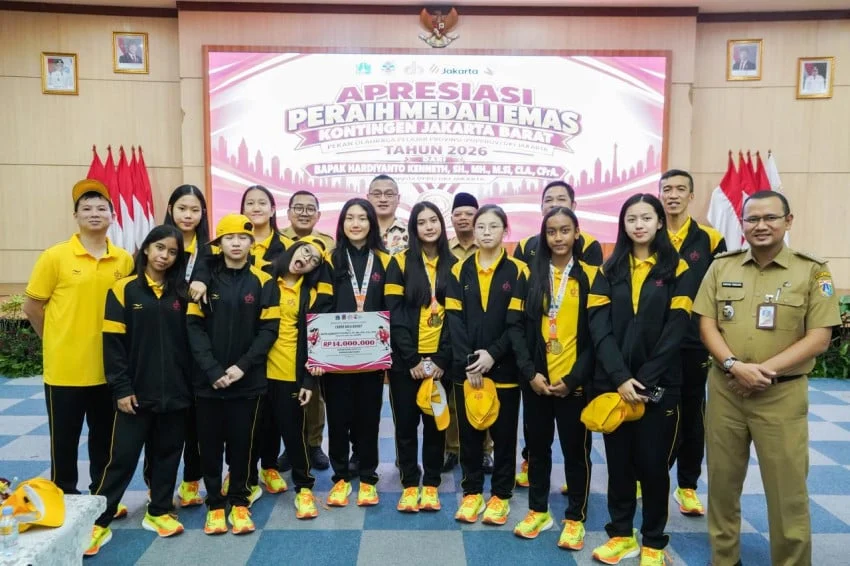
The sporting landscape of the Indonesian capital underwent a significant shift on September 5, 2026, as the West Jakarta contingent officially claimed the title of overall champion at the Pekan Olahraga Pelajar Provinsi (Popprov) DKI Jakarta 2026. This victory marks a watershed moment in the region’s athletic history, representing the first time since the inception of the Popprov tournament in 2017 that West Jakarta has ascended to the top of the medal standings. To celebrate this unprecedented achievement, Hardiyanto Kenneth, a member of the Jakarta Regional House of Representatives (DPRD) from the Indonesian Democratic Party of Struggle (PDI-P), spearheaded a ceremonial appreciation event, providing financial bonuses to the gold medalists during a formal gathering at the West Jakarta Mayor’s Office on Tuesday, September 15, 2026.

A New Era for West Jakarta Athletics

The Popprov DKI Jakarta is a premier multi-sport event designed to identify and cultivate young athletic talent across the five administrative cities and the Thousand Islands regency. Since the tournament’s inaugural edition in 2017, the competition has been dominated by traditional powerhouses, particularly South Jakarta and East Jakarta, which have historically benefited from more robust infrastructure and centralized training programs.

The 2026 edition, hosted at the Hall A Gelanggang Mahasiswa Soemantri Brodjonegoro in South Jakarta from August 31 to September 5, 2026, served as a rigorous testing ground for student-athletes. West Jakarta’s path to the overall title was characterized by high-intensity performances across team sports, which proved to be the decisive factor in their overall medal tally. By securing 7 gold medals, 2 silver medals, and 7 bronze medals, the West Jakarta delegation managed to outperform East Jakarta and South Jakarta, both of which finished with 5 gold medals apiece, while North Jakarta secured 3 gold medals.

Chronology of the 2026 Popprov Campaign

The tournament began with high expectations, as participating contingents arrived at the Soemantri Brodjonegoro sports complex with updated rosters following a series of regional qualifiers. The first three days of the competition were dominated by individual preliminary rounds in badminton and tactical group matches in football and basketball.

By the fourth day, the leaderboard began to tighten. While other regions focused on individual athletics, West Jakarta’s strategy prioritized team cohesion. The momentum shifted significantly when the West Jakarta squads advanced to the finals in multiple disciplines simultaneously. The culmination of the event on September 5 saw a frantic push for podium spots, where West Jakarta successfully defended its leads in the final matches of sepak takraw and team basketball, effectively cementing their status as the overall champions before the closing ceremony.

Strategic Disciplines and Medal Distribution

The success of the West Jakarta contingent was not a result of individual brilliance alone but rather a testament to the depth of their team-based sports programs. The seven gold medals were distributed across four major categories:

  1. Women’s U-15 Basketball: A tactical victory that showcased the strength of the grassroots youth basketball system in West Jakarta.
  2. Men’s U-15 and U-18 Badminton: Continued dominance in the regional badminton circuit, highlighting the effectiveness of club-school partnerships.
  3. Men’s U-15 and U-18 Football: The most significant point contributors, requiring high stamina and endurance over the week-long tournament.
  4. Men’s and Women’s U-18 Sepak Takraw: An impressive display of agility and technique that proved vital in the final medal count.

The financial recognition provided by Hardiyanto Kenneth reflected the scale of these efforts. The bonus structure was tiered based on the size and logistical complexity of the teams:

  • Football Teams: Received a total of Rp18 million per gold-winning squad.
  • Basketball Teams: Received Rp14 million per squad.
  • Sepak Takraw Teams: Received Rp6 million per squad.
  • Badminton Teams: Received Rp5 million per squad.

Official Responses and Community Impact

The ceremony at the West Jakarta Mayor’s Office was attended by local officials and the athletes themselves. Mayor Iin Mutmainnah expressed pride in the students, noting that the victory was a result of long-term investment in regional training centers. "This is not just a trophy; it is a signal that our youth development programs are working," she stated during the event.

Hardiyanto Kenneth, who has been a vocal proponent of sports development in the legislature, emphasized that the bonuses were intended to serve as a catalyst for future performance rather than merely a reward for past efforts. "We recognize the immense dedication required to balance academic responsibilities with elite-level sports training," Kenneth remarked. "By providing these incentives, we aim to ensure that our athletes feel supported by their government and are motivated to pursue higher levels of competition at the national and international stages."

Broader Implications for DKI Jakarta Sports

The victory of West Jakarta raises critical questions regarding the future of sports development in the province. Historically, the disparity in sports facilities between administrative regions has led to uneven success rates. West Jakarta’s breakthrough suggests that decentralizing training resources and increasing the frequency of inter-regional competitions can yield tangible results in a relatively short period.

Analysts suggest that the success of the 2026 Popprov will likely prompt other administrative regions to re-evaluate their youth athletic policies. If West Jakarta can maintain this momentum, it could challenge the hegemony of South and East Jakarta in future iterations of the event. Furthermore, the inclusion of team sports like sepak takraw and basketball as the primary drivers of this victory highlights a shifting focus toward collective discipline, which is essential for grooming athletes for the professional leagues.

Challenges Ahead: Sustainability and Talent Retention

While the celebration in West Jakarta is currently at its peak, sports administrators warn of the "retention challenge." Many student-athletes often face a performance plateau once they transition from junior to senior levels. The challenge for the West Jakarta government will be to integrate these medalists into a sustainable pathway that provides continuous coaching and advanced training, potentially through scholarships or regional sports academies.

The bonus program initiated by Hardiyanto Kenneth is a positive step toward professionalizing the student sports experience. However, the long-term impact will depend on the continuity of such support. The success of the 2026 Popprov serves as a benchmark. It proves that with the right combination of athletic infrastructure, coaching talent, and legislative support, regional delegations can overcome historical disadvantages to reach the pinnacle of the provincial stage.

As the dust settles on the Soemantri Brodjonegoro sports complex, the narrative for the coming year is clear: West Jakarta is no longer an underdog in the Jakarta sports scene. They have set a new standard for excellence, and the pressure will now be on the other regions to match this intensity in the upcoming cycle of student sports competitions. For the students of West Jakarta, this victory serves as a reminder that consistency and teamwork are the cornerstones of athletic achievement, qualities that will undoubtedly serve them well as they progress in their sporting careers.

September 15, 2026 0 comment
0 FacebookTwitterPinterestEmail
Sports

Latih Tanding Lawan Pasangan Jepang Jelang Asian Games 2026, Ganda Putri Indonesia Dapat Modal Berharga

by Neng Nana September 15, 2026
written by Neng Nana

The Indonesian national badminton team’s preparations for the upcoming quadrennial multi-sport event received a substantial boost this week as the national contingent landed in Japan for a high-intensity training camp. Among the standout participants, the Indonesian women’s doubles pair of Rachel Allessya Rose and Febi Setianingrum expressed immense satisfaction with their specialized sparring sessions against formidable Japanese club pairings. Conducted on the second day of the national team’s specialized overseas training camp ahead of the Asian Games Aichi-Nagoya 2026, these collaborative drills are designed to inject tactical variety, physical endurance, and psychological resilience into the squad’s preparations.

As the continental championship draws closer, the Badminton Association of Indonesia (PBSI) has intensified its strategic roadmap, emphasizing overseas sparring partnerships to expose athletes to contrasting playing styles, regional nuances, and high-pressure competitive environments. For Rachel Allessya Rose and Febi Setianingrum, the opportunity to train shoulder-to-shoulder with athletes from the prestigious Nippon Telegraph and Telephone (NTT) East Badminton Club has provided a refreshing departure from their routine domestic regimens, unlocking invaluable insights into modern doubles strategies perfected in East Asia.

Strategic Preparations for the Asian Games Aichi-Nagoya 2026

The Asian Games Aichi-Nagoya 2026 stands as one of the most anticipated milestones in the international sports calendar, bringing together elite athletes from across the continent to compete for ultimate supremacy. For badminton, a sport deeply rooted in the cultural and athletic fabric of Asia, the competition level at the Asian Games often mirrors, and occasionally surpasses, that of the World Championships. Nations such as China, Japan, South Korea, and Indonesia consistently field world-class rosters, making every preparatory phase vital for medal contention.

Recognizing the immense challenges posed by regional powerhouses, the Indonesian badminton coaching staff engineered a comprehensive training camp in Japan to acclimatize the athletes to local conditions, time zones, and atmospheric variables. Sparring against domestic Japanese pairs offers a distinct tactical advantage, as Japanese badminton is globally renowned for its defensive tenacity, relentless retrieving capabilities, high-speed tactical transitions, and extraordinary physical conditioning. By immersing themselves in this demanding environment, the Indonesian representatives are systematically exposed to the rigorous standards required to secure podium finishes on the international stage.

Inside the NTT East Badminton Club Training Sessions

The collaborative training sessions on day two of the overseas camp featured intensive match simulations, multi-shuttle drills, and tactical point-construction exercises. Traditionally, pairs like Rachel and Febi only encounter Japanese opponents across the net during high-stakes BWF World Tour quarterfinals or semifinals, where tension runs high and strategic adjustments must be made instantaneously. Transforming these fierce rivals into temporary training partners has fostered a unique environment of mutual learning and professional exchange.

Speaking on the dynamics of the joint sessions, Rachel Allessya Rose highlighted the psychological and atmospheric benefits of the sparring setup. Breaking away from the monotonous repetition of internal team matches allows players to test novel tactical variations against unfamiliar execution patterns.

Latih Tanding Lawan Pasangan Jepang Jelang Asian Games 2026, Ganda Putri Indonesia Dapat Modal Berharga : Okezone Sports

"It was really exciting to be able to spar with the Japanese pairs today," Rachel remarked in an official PBSI media release. "Usually, we face them as opponents on the court, but today we had the opportunity to train alongside them. The overall atmosphere was exceptionally positive, and it brought a refreshing new dynamic to our training routine."

This cross-border collaboration allows both coaching teams to evaluate technical deficiencies, refine service-return strategies, and test defensive configurations under simulated match pressure. For Rachel and Febi, adapting quickly to the distinct tactical choices favored by Japanese athletes is a crucial stepping stone toward international maturity.

Deconstructing the Japanese Playing Style: Insights from Febi Setianingrum

Complementing her partner’s assessment, Febi Setianingrum emphasized that the physical and tactical demands of facing Japanese doubles pairs serve as an invaluable diagnostic tool for their Asian Games campaign. Japanese women’s doubles has long been celebrated for its extraordinary court coverage, airtight defense, and unwavering stamina—qualities that frequently force opponents into unforced errors through extended rallies.

Febi pointed out that the sparring sessions featured high-caliber competitors, including established international campaigners such as Hinata Suzuki and Nao Yamakita, both of whom have accumulated extensive experience on the prestigious BWF World Tour circuit. Testing their skills against competitors who regularly battle the world’s top ten pairs provides the Indonesian duo with a realistic benchmark of their current standing and areas requiring immediate refinement.

"Japanese doubles pairs are widely recognized for their tenacity and tremendous physical power," Febi observed. "Today, we faced pairs like Hinata Suzuki and Nao Yamakita, who regularly compete in the World Tour Series. This experience acts as an essential supplementary asset for us as we head toward the Asian Games."

The ability to sustain high-speed rallies, absorb fierce smashes, and counter-attack with precision are hallmarks of elite women’s doubles. By enduring the heavy physical workload imposed by the NTT East players, Rachel and Febi are actively building the cardiovascular and muscular endurance necessary to outlast protracted battles against top-tier continental rivals.

The Broader Landscape of Indonesian Women’s Doubles

The development of Rachel Allessya Rose and Febi Setianingrum reflects PBSI’s broader strategic vision of nurturing the next generation of world-class doubles contenders. Over recent years, the global women’s doubles landscape has witnessed a generational shift, characterized by dynamic pairings capable of blending traditional Asian technical finesse with modern, power-based offensive schemes.

Latih Tanding Lawan Pasangan Jepang Jelang Asian Games 2026, Ganda Putri Indonesia Dapat Modal Berharga : Okezone Sports

Indonesian women’s doubles has historically been a pillar of national pride, producing legendary figures who have conquered Olympic, World Championship, and Asian Games podiums. However, maintaining this legacy requires rigorous talent identification, scientific training methodologies, and strategic international exposure. By dispatching young yet proven pairs like Rachel and Febi to high-performance hubs in badminton powerhouses like Japan, the national federation is proactively bridging the competitive gap that often separates promising talents from established global champions.

These preparatory camps are not merely about physical conditioning; they are psychological crucibles designed to forge competitive maturity. Athletes learn to manage fatigue, adapt to foreign training cultures, and maintain tactical discipline when executing game plans under duress. The insights gathered by the coaching staff during these sessions will directly inform the personalized training regimens implemented upon the team’s return to the national training center in Cipayung, Jakarta.

Implications for the Asian Games Aichi-Nagoya 2026

As the countdown to the Asian Games Aichi-Nagoya 2026 continues, the performance of the badminton contingent will be closely scrutinized by millions of sports enthusiasts across the archipelago. Badminton remains one of Indonesia’s most reliable sources of international glory, and expectations for the upcoming multi-sport extravaganza are exceptionally high.

The integration of overseas training camps and specialized sparring against regional rivals forms the backbone of a data-driven, highly targeted preparation strategy. By neutralizing the tactical surprises that opponents like Japan, China, and South Korea typically bring to major championships, Indonesian pairs increase their statistical probability of deep tournament runs.

The immediate takeaways from the Tokyo training camp—focusing on defensive resilience against heavy smashes, tactical discipline during long rallies, and mental composure under high-intensity pressure—will serve as foundational pillars for Rachel and Febi. As they reintegrate these lessons into their competitive repertoire, the Indonesian women’s doubles division edges closer to realizing its full potential on the grandest stages of Asian sport.

Ultimately, the collaborative exchange between the Indonesian national team and the NTT East Badminton Club underscores the universal language of high-performance sport: mutual respect, relentless pursuit of excellence, and the constant evolution of athletic mastery. With valuable lessons secured and physical boundaries tested, Rachel Allessya Rose and Febi Setianingrum stand better equipped to shoulder the nation’s aspirations when the individual and team battles commence at the Asian Games Aichi-Nagoya 2026.

September 15, 2026 0 comment
0 FacebookTwitterPinterestEmail
Entertainment & Celebrity

The Resurgence of Analog Media: Why Generation Z is Driving the Physical Music Boom in the Digital Age

by Layla Zulfa September 15, 2026
written by Layla Zulfa

The dominance of digital streaming in the modern music landscape faces an unexpected counter-movement as Generation Z and younger consumers increasingly embrace analog formats, turning compact discs, cassette tapes, vinyl records, and vintage cameras into sought-after cultural commodities. Far from being a fleeting novelty, this revival is reshaping global music consumption patterns, proving that tangible media offers psychological and aesthetic rewards that algorithms and cloud-based libraries simply cannot replicate.

Recent data from the Recording Industry Association of America (RIAA) highlights this physical renaissance. In the first half of 2026, compact disc sales in the United States surged to 17.5 million units, marking a substantial increase from approximately 12 million units during the same period in the previous year. Concurrently, vinyl record sales sustained their multi-year growth trajectory, while the broader "other physical" category—which encompasses cassette tapes and niche formats—experienced an explosive year-over-year jump exceeding 70 percent. Despite streaming services retaining their status as the primary revenue engine for the global music industry, the parallel ascent of physical media signals a fundamental shift in how younger demographics interact with art.

The Evolution of a Cultural Phenomenon: A Timeline of the Analog Revival

The return of physical music formats did not happen overnight; it represents a gradual cultural correction spanning over a decade. The resurgence began earnestly in the early 2010s with the unexpected revival of the vinyl record, initially driven by independent record stores and older audiophiles. However, the movement entered a new phase between 2018 and 2022, as mainstream pop acts and K-pop groups began leveraging physical albums as collectible visual artifacts, incorporating intricate packaging, randomized photocards, and limited-edition colorways.

By 2024 and 2025, this trend expanded beyond vinyl to encompass cassette tapes and compact discs, spearheaded by both independent alternative bands and major pop superstars. Independent labels and legacy acts worldwide began issuing limited cassette pressings to cater to dedicated fanbases. By mid-2026, the movement solidified into a recognized consumer demographic shift, where younger buyers—many of whom grew up entirely in the smartphone era—actively sought out physical items not merely as playback devices, but as tangible anchors in an increasingly virtual world.

Dissecting the Appeal: Seven Drivers Behind the Physical Music Boom

Market analysts and cultural observers attribute the enduring popularity of analog formats among digital natives to several distinct psychological, aesthetic, and economic factors.

1. The Quest for Intentional Listening Experiences

Digital streaming platforms offer unprecedented convenience, allowing users to stream tens of millions of tracks instantly via a smartphone and an internet connection. Yet, this extreme accessibility often leads to passive consumption, where music serves as mere background noise. In contrast, physical formats demand deliberate engagement. The ritual of handling a CD jewel case, sliding out liner notes, inspecting artwork, and physically placing the disc into a tray transforms listening into an active, mindful ceremony. Observers note that this desire for intentionality reflects a broader psychological pushback against perpetual digital multitasking.

2. Tangible Ownership and Personal Identity

In an era where music exists purely as digital files licensed through cloud services, consumers technically own nothing; they merely rent access. Physical albums restore a genuine sense of ownership. Furthermore, a physical music collection serves as an outward projection of personal identity and taste. Displaying vinyl records, cassettes, or CDs on shelves or bedroom walls allows young consumers to curate their physical environments and visually signal their artistic affinities. This identity-driven consumption has been heavily amplified by K-pop fandom culture, where multi-version CD releases encourage collectors to display entire sets as interior design elements.

3. Retro Aesthetics and the Allure of Nostalgia

Curiously, much of the demand for 1990s and early 2000s artifacts—including cassette tapes, vintage digital cameras, and transparent electronic devices—comes from consumers who were either infants or entirely unborn during the original heyday of these technologies. For this younger demographic, retro hardware does not evoke personal childhood memories; rather, it represents a striking visual aesthetic. The physical heft, tactile buttons, and mechanical imperfections of analog devices contrast sharply with the hyper-minimalist, glass-and-metal uniformity of modern smartphones.

4. Combating Digital Fatigue

Modern life is mediated almost entirely through glowing screens. From professional communication and education to entertainment, financial management, and socializing, virtually every daily activity occurs within the confines of digital interfaces. The embrace of analog devices acts as a form of digital detox. By engaging with non-connected hardware, consumers can enjoy leisure activities without the constant distraction of push notifications, algorithm-driven recommendations, and pop-up advertisements.

5. Distinct Visual and Fashion Appeal

Beyond their primary function as audio containers, analog formats possess high visual and material value. Intricate gatefold sleeves, typography choices, cassette shell colors, and vintage industrial designs function as wearable or displayable art. Consequently, physical media has successfully integrated into modern fashion and lifestyle subcultures. Items once discarded during the early digitization wave are now styled as retro accessories, props for social media content, and prominent elements of contemporary interior decor.

6. Direct Financial Support for Artists

In the contemporary streaming economy, artists frequently voice concerns over microscopic per-stream royalty payouts, which often leave independent and mid-tier musicians struggling to sustain their careers. Purchasing a physical record, CD, or cassette provides a direct, impactful revenue stream for creators. For dedicated fans, buying physical merchandise is viewed as an ethical transaction—a tangible way to directly subsidize the continued output of their favorite artists while securing a collectible memento in return.

7. The Thrill of the Hunt and Collecting as a Hobby

As physical music ownership becomes less ubiquitous, the act of collecting transforms into an engaging hobby. Sourcing rare pressings, hunting for vintage releases in thrift stores, cleaning vinyl grooves, and maintaining specialized audio equipment offer a gamified, tactile satisfaction. Intriguingly, market data reveals that a notable percentage of young CD and cassette buyers do not even own functional playback equipment; they acquire the items purely for their collectible value, treating music albums much like traditional art prints or trading cards.

Industry Implications and the Coexistence of Digital and Analog

Despite the impressive statistical growth of compact discs, vinyl, and cassettes, industry analysts emphasize that physical formats are not poised to overthrow digital streaming. The economic disparity remains vast; streaming platforms continue to account for the overwhelming majority of global music consumption and revenue generation. Instead of a zero-sum replacement war, the current market represents a pluralistic ecosystem where analog and digital formats comfortably coexist.

For major record labels and independent distributors alike, the physical revival offers a lucrative diversification strategy. By offering limited-edition vinyl variants, nostalgic cassette releases, and deluxe CD packages alongside standard digital availability, the music industry can successfully monetize different segments of the consumer base.

Ultimately, the resurgence of analog media in the mid-2020s transcends a simple longing for antiquated technology. It reflects a deeper cultural evolution: a generation seeking tangible connection, aesthetic individuality, and deliberate engagement in a world dominated by invisible data. Whether spinning a vinyl record or displaying an unopened cassette on a shelf, modern music consumers are demonstrating that the physical manifestation of art still holds irreplaceable value.

September 15, 2026 0 comment
0 FacebookTwitterPinterestEmail
Entertainment & Celebrity

Perselisihan Ruben Onsu dan Sarwendah kini merembet ke ranah harta gono-gini dan memicu ketegangan hukum baru antara kedua belah pihak.

by Suro Senen September 15, 2026
written by Suro Senen

The dissolution of the marriage between television personality Ruben Onsu and former Cherrybelle member Sarwendah Tan has entered a complex new phase, shifting from personal reconciliation attempts to a high-stakes legal dispute over marital assets. As the divorce proceedings unfold in the public eye, the focus has pivoted sharply toward financial obligations, banking liabilities, and the status of shared property. This escalation has drawn in legal counsel from both sides, transforming what was once a private family matter into a multi-front legal battle that involves property rights, debt management, and institutional banking concerns.

Chronology of the Legal Escalation

The friction between the two parties began in the early months of 2024, when reports first surfaced regarding marital discord. While the couple initially attempted to manage the situation away from the media spotlight, the situation deteriorated rapidly by mid-year. In recent weeks, the conflict moved from the domestic sphere to the courtroom, specifically regarding the handling of assets and financial liabilities accrued during their marriage.

The latest development involves a formal legal notice, or "somasi," issued by Sarwendah’s camp regarding outstanding bank debts. Ruben Onsu’s legal representative, Minola Sebayang, recently addressed these claims, expressing confusion over the nature of the demands. According to Sebayang, the legal notice from Sarwendah’s side appears to overstep the bounds of typical divorce settlements by assuming the role of a banking representative. This development signals a lack of communication between the two parties, as legal intermediaries are now the primary channel for discourse regarding financial matters.

The Core Dispute: Debts and Asset Transparency

At the heart of the current dispute is the categorization of debts and the administration of property. Sarwendah’s legal team has raised significant concerns regarding the repayment of bank loans tied to the couple’s properties. In response, Ruben Onsu’s legal team has maintained that the financial obligations were joint responsibilities, intended to be satisfied by both parties until fully extinguished.

Minola Sebayang highlighted that while Ruben Onsu has historically acted as the technical executor of these payments, this role does not equate to sole liability. The confusion expressed by the Onsu camp stems from the perception that Sarwendah’s legal team is acting as an extension of the lending institutions, pressuring for repayment in a manner that disregards the collaborative nature of the initial loan agreements.

The legal complexity is further compounded by the issue of document retention. Ruben Onsu’s camp has officially stated their intention to issue a counter-somasi against Sarwendah, demanding the surrender of documents related to specific assets, including land titles and a villa located in Bogor, West Java. The refusal to provide these documents has stalled the asset division process, leading to a state of legal impasse.

Implications of Asset Division in Indonesian Law

Under Indonesian matrimonial law, assets acquired during a marriage are generally considered harta gono-gini (joint marital property), subject to equal division upon divorce. However, the application of this law becomes significantly more difficult when there are outstanding debts and complex business holdings.

Legal analysts note that cases involving celebrity assets often suffer from "transparency fatigue," where the valuation of properties and the verification of debt status become points of contention. In the case of Onsu and Sarwendah, the presence of real estate holdings, such as the villa in Bogor, adds a layer of complexity. If these assets are held in a manner that obscures legal ownership or if they are tied to specific collateral for bank loans, the process of liquidation or division can take months, if not years, to resolve through the court system.

Furthermore, the involvement of third-party financial institutions adds a layer of urgency to the proceedings. If debt repayments are neglected during the legal transition, the risk of foreclosure or penalty interest increases, which could adversely affect the net value of the marital estate.

The Human Element and Public Perception

While the legal battle over assets continues, the personal toll of this dispute is underscored by the involvement of the family’s children. Recently, Ruben Onsu addressed external pressures involving his eldest son, Betrand Peto, who has been subjected to public scrutiny. The intersection of personal tragedy, professional reputation, and financial litigation has created a difficult environment for the family members involved.

The public nature of these legal filings—often disseminated through press conferences and social media—has contributed to the polarization of public opinion. Fans and followers of the couple have been vocal on various platforms, often taking sides based on the fragmented information released by the respective legal teams. However, from a judicial standpoint, these outside perspectives carry no weight. The courts are expected to focus strictly on the financial records, the marriage certificate, and the documented history of asset acquisition.

Strategic Legal Posturing

The decision by Ruben Onsu’s team to issue a counter-somasi is a tactical move designed to force transparency. By demanding the physical documentation of the Bogor property, Onsu’s legal counsel is attempting to regain control over the narrative of asset management. In legal circles, this is often seen as a "tit-for-tat" maneuver, common in high-profile divorce cases where both parties seek to ensure that they are not disadvantaged during the final settlement.

Minola Sebayang’s statement that they were "confused" by the initial somasi serves as a strategic public relations narrative. By characterizing the opponent’s legal team as "acting like a bank," they are delegitimizing the severity of the claim, suggesting that the demands are performative rather than substantive.

Future Outlook and Resolution

As both parties prepare for further hearings, the likely trajectory of this case involves an intensive period of document discovery. The court will require a comprehensive audit of all marital assets, including bank accounts, real estate holdings, and potentially intellectual property associated with their public careers.

If the parties cannot reach an out-of-court settlement, the court will appoint an appraiser to determine the fair market value of the contested assets. This process is time-consuming and expensive, often leading to significant erosion of the asset pool due to legal fees. The urgency expressed by both camps suggests that they are aware of these risks, yet the current breakdown in communication suggests that a mediated resolution remains elusive.

The case of Ruben Onsu and Sarwendah serves as a high-profile case study on the complexities of modern Indonesian marital dissolution. It highlights the importance of pre-nuptial agreements and clear financial record-keeping, which are often overlooked in the early stages of a marriage but become critical in the event of a separation.

Broader Impact on Celebrity Culture

The visibility of this dispute highlights a growing trend in Indonesian entertainment news where legal proceedings involving celebrities are increasingly transparent and litigious. This shift reflects a broader societal change where personal financial matters are no longer handled behind closed doors but are subjected to the rigorous, and often harsh, scrutiny of the legal system.

For the public, this case is a reminder that the glamour of celebrity life is not immune to the mundane, yet devastating, realities of financial litigation. As the legal battle persists, the focus remains on whether the parties can find a compromise that protects their individual interests while minimizing the long-term impact on their respective professional lives and family stability.

The upcoming weeks will be critical. Should the parties continue to exchange formal legal notices without engaging in direct negotiation, the matter will likely proceed to a full trial, where the details of their financial lives will become a matter of public record. For now, the legal teams remain the primary spokespeople, and the resolution of the "Bogor villa" and the "bank debt" issues will be the key indicators of how this high-profile divorce will conclude.

In summary, the dispute between Ruben Onsu and Sarwendah has moved beyond a simple separation. It has morphed into a complex financial investigation involving debt obligations, asset verification, and strategic legal maneuvering. The outcome of this case will not only determine the future of their shared assets but will also set a precedent for how they navigate their professional and personal legacies in the years to come. As the legal filings pile up, the only certainty is that the court will have the final say on the division of a life once shared, now dissected into balance sheets and legal clauses.

September 15, 2026 0 comment
0 FacebookTwitterPinterestEmail
Entertainment & Celebrity

Buah yang Bagus Dimakan Sebelum Tidur, Bikin Lebih Nyenyak?

by Raul Delapena Setiawan September 15, 2026
written by Raul Delapena Setiawan

Experiencing a hunger pang just as the lights go out is a common nocturnal dilemma. While the reflexive instinct might be to reach for processed snacks, high-sugar or high-fat foods can lead to insulin spikes and digestion-related discomfort, ultimately undermining sleep quality. Nutritional science suggests that shifting toward whole foods—specifically certain fruits—can provide a more balanced, nutrient-dense solution that may facilitate better sleep architecture.

The relationship between diet and sleep is multifaceted. Recent insights from nutritionists and sleep researchers emphasize that certain fruits do not merely serve as a light snack but act as functional foods. These selections are rich in natural melatonin, complex carbohydrates, and essential phytonutrients that work in tandem with the body’s circadian rhythm to promote restorative rest.

The Science of Nocturnal Nutrition

For decades, the standard medical advice regarding sleep hygiene focused on environment: lowering ambient temperature, reducing blue light exposure, and maintaining a consistent schedule. However, current research into chronobiology has placed a renewed focus on nutritional intake.

Sapna Peruvemba, MS, RDN, a noted plant-based diet expert, highlights that the metabolic impact of a pre-sleep snack is significant. Choosing fruits over heavy snacks allows for a steady release of energy and provides fiber, vitamins, and minerals without overloading the digestive system. The key lies in the presence of phytochemicals—naturally occurring compounds that can influence physiological functions, including the modulation of sleep-wake cycles.

The Primacy of Tart Cherries

Among the various fruits studied for their sleep-promoting properties, tart cherries (or sour cherries) have emerged as the gold standard in nutritional research. Unlike sweet cherries, the tart variety (Prunus cerasus) possesses a unique biochemical profile that makes it a potent dietary aid for those struggling with insomnia or fragmented sleep.

Several systematic reviews have analyzed the efficacy of tart cherry juice and whole fruit consumption. The findings consistently suggest a positive correlation between regular consumption and improved sleep parameters. Specifically, tart cherries are high in procyanidins and contain a high concentration of melatonin. Melatonin is the neurohormone responsible for signaling to the brain that it is time to transition into a resting state. By introducing an exogenous source of melatonin shortly before bed, individuals may find it easier to fall asleep and experience higher sleep efficiency—the ratio of time spent asleep to the total time spent in bed.

Chronology of Sleep Research and Dietary Interventions

The investigation into the link between diet and sleep is a relatively modern field. In the early 2000s, studies began to move beyond the traditional "warm milk" remedy to identify specific food groups with pharmacological potential.

  • 2010–2014: Initial clinical trials began isolating the effects of tart cherry juice on athletes and elderly populations. Researchers observed that the anti-inflammatory properties of the cherries, combined with their melatonin content, helped mitigate delayed sleep onset.
  • 2015–2019: The focus expanded to the general population. Large-scale surveys conducted during this period highlighted that individuals who consumed whole fruits as evening snacks reported lower levels of daytime fatigue compared to those who consumed processed sugars.
  • 2020–Present: Current studies are investigating the role of the gut-brain axis. Emerging evidence suggests that the fiber content in fruits supports a healthy gut microbiome, which in turn influences the production of serotonin—a precursor to melatonin.

Nutrient Density: Why Fruit Works

The nutritional profile of fruit makes it an ideal candidate for a pre-sleep snack. Unlike high-glycemic snacks, which trigger a rapid increase in blood glucose followed by a crash, fruit provides a slow-release of carbohydrates. This stability is crucial for maintaining blood sugar levels throughout the night, preventing the body from waking due to hypoglycemic stress.

Furthermore, many fruits contain magnesium and potassium. These minerals act as natural muscle relaxants. Magnesium, in particular, plays a vital role in regulating the body’s stress response system by binding to gamma-aminobutyric acid (GABA) receptors. GABA is the primary inhibitory neurotransmitter in the brain, responsible for calming the nervous system and preparing the body for the restorative stages of sleep.

Analyzing the Impact of Dietary Choices

The implications of these findings are substantial for public health. According to data from the National Sleep Foundation, nearly one-third of the global population suffers from some form of sleep disorder. While clinical insomnia requires professional medical intervention, mild sleep disturbances are often manageable through lifestyle adjustments.

The "food as medicine" approach offers a low-risk, high-reward strategy. By replacing ultra-processed snacks with whole foods like tart cherries, individuals can avoid the metabolic disruptions caused by refined sugars and artificial additives. However, experts warn that portion control remains essential. Even healthy foods, if consumed in large quantities, can cause digestive distress or acid reflux, both of which are detrimental to sleep quality. A small serving—typically half a cup—is sufficient to gain the therapeutic benefits without placing an undue burden on the digestive system.

Official Perspectives and Recommendations

Nutritionists and sleep clinicians generally agree that the "best" time for a snack is one to two hours before bedtime. This window ensures that the nutrients are being processed by the body as the natural melatonin production cycle begins, yet the volume of intake is low enough to prevent physical discomfort while lying down.

While tart cherries are the most researched, other fruits have also shown promise. Kiwifruit, for instance, contains high levels of serotonin and antioxidants, which may also assist in sleep onset. Similarly, bananas provide a blend of magnesium and potassium, which can assist in muscle relaxation.

Public health organizations, including the Academy of Nutrition and Dietetics, emphasize that diet is just one piece of the puzzle. While adding tart cherries to one’s evening routine may improve sleep quality, this should be part of a broader commitment to sleep hygiene, which includes limiting caffeine intake in the afternoon and ensuring that the bedroom is optimized for rest.

Broader Implications for Wellness

The shift toward understanding the impact of dietary choices on sleep quality reflects a broader trend in health consciousness. As individuals become more aware of the long-term consequences of chronic sleep deprivation—ranging from cardiovascular issues to cognitive decline—the demand for non-pharmacological, evidence-based solutions has surged.

The role of nutrition in regulating the sleep-wake cycle represents a sophisticated understanding of human physiology. By leveraging the natural chemistry of plants, individuals are empowered to take control of their sleep health. As more research is conducted, it is likely that we will see more specific dietary guidelines tailored to sleep optimization, moving away from generic advice toward personalized nutritional strategies.

Conclusion

The recommendation to incorporate fruits like tart cherries into a pre-sleep routine is backed by a growing body of evidence. These foods provide the necessary biochemical precursors for a healthy sleep cycle while offering a nutrient-dense alternative to processed snacks. As we continue to navigate the challenges of modern life, where stress and screen time often disrupt our natural rhythms, returning to the fundamentals of nutrition may be one of the most effective ways to ensure the quality of rest we require.

Whether it is the melatonin in cherries or the magnesium in other fruit varieties, the inclusion of these items in an evening snack routine is a simple, scientifically sound practice. By prioritizing whole foods and maintaining a mindful approach to evening consumption, individuals can improve their sleep efficiency and, by extension, their overall health and daily performance. For those struggling with consistent sleep, it may be time to look not at the medicine cabinet, but at the fruit bowl.

September 15, 2026 0 comment
0 FacebookTwitterPinterestEmail
Entertainment & Celebrity

Ruben Onsu and Sarwendah Legal Dispute Escalates: Counter-Somasi Prepared Over Bogor Villa and Asset Documents

by Nila Kartika Wati September 15, 2026
written by Nila Kartika Wati

The ongoing legal and personal friction between prominent Indonesian celebrity figures Ruben Onsu and Sarwendah has taken a fresh, contentious turn. Legal representatives for Ruben Onsu have announced preparations to issue a formal counter-somasi (legal notice/demand letter) directed at Sarwendah. This escalation centers primarily on the contentious control and possession of crucial asset documents, most notably land certificates and a sprawling villa located in the scenic highland region of Bogor, West Java.

The brewing conflict underscores deep-seated post-separation property and financial complications that have spilled from private negotiations into the public domain. As both parties navigate the complex aftermath of their high-profile relationship dissolution, the involvement of legal heavyweights signals that a swift, amicable resolution may be further away than initially anticipated.

Genesis of the Latest Legal Clash

The latest catalyst for this renewed tension stems from an initial legal notice, or somasi, sent by Sarwendah’s legal counsel to Ruben Onsu. That initial communication heavily addressed outstanding financial obligations, specifically targeting the management and clearance of bank debt installments tied to shared assets acquired during their marriage.

Rather than addressing the matter quietly through private mediation, the exchange of formal legal letters has intensified the rift. Minola Sebayang, the chief legal counsel representing Ruben Onsu, expressed profound bewilderment regarding the tone, focus, and legal standing of the demands laid out in Sarwendah’s notice. According to Sebayang, the contents of the initial somasi overstepped conventional boundaries, creating a bizarre dynamic wherein Sarwendah’s legal team appeared to be advocating on behalf of institutional lenders rather than addressing the core familial and property disputes.

The Core Argument: Asset Documents Versus Banking Obligations

Speaking to members of the media in the Kuningan area of South Jakarta, Minola Sebayang did not mince words regarding his client’s stance on the matter. He highlighted the apparent incongruity of focusing intensely on bank installments while simultaneously withholding or contesting the possession of foundational property documents.

"So, if you look at their somasi, we are quite confused," Minola stated during the press briefing. "The confusion arises because everything they conveyed—in our perspective, at least—makes them seem as though they are acting as the legal counsel for the bank. Because the primary topics they keep hammering on are debt installments, debt installments, and more debt installments."

Minola’s commentary points to a broader strategic disagreement between the two camps. While Sarwendah’s side appears preoccupied with securing financial accountability regarding institutional loans—potentially to mitigate future liabilities or credit score ramifications—Ruben’s camp maintains that the obligations remain mutual and structured.

Furthermore, Ruben’s legal team emphasizes that the formal responsibility for the bank loans is legally bound to both individuals and will remain so until the liabilities are formally and fully settled. Minola clarified that Ruben Onsu has consistently shouldered the practical and technical responsibilities of executing these payments, managing the operational side of the banking obligations even as the personal relationship deteriorated.

Somasi Balik Sarwendah, Kuasa Hukum Ruben Onsu Singgung Dugaan Penggelapan

Background Context: The Anatomy of Celebrity Asset Splitting

To fully understand the gravity of the current dispute over the Bogor villa and associated asset documents, it is essential to examine the broader context of high-net-worth celebrity divorces in Indonesia. When public figures of Ruben Onsu and Sarwendah’s stature part ways, the division of marital property—known legally as gono-gini—is rarely straightforward.

Over years of successful careers in the Indonesian entertainment industry, spanning television hosting, culinary enterprises, digital content creation, and brand endorsements, the couple amassed a substantial portfolio of residential and commercial real estate. Properties such as the Bogor villa represent significant financial value and sentimental investments made during their union.

In many high-profile separations, physical control of real estate often becomes a powerful leverage tool. While living arrangements and asset preservation are managed during initial separation agreements, secondary issues—such as who holds the physical land certificates (Sertifikat Hak Milik or SHM) and who services the underlying mortgages—frequently trigger secondary legal battles. When trust diminishes, simple administrative acts, such as obtaining a bank release or transferring document custody, transform into high-stakes legal standoffs.

The Legal Mechanics of a Counter-Somasi

In Indonesian civil practice, a somasi (from the Dutch summation) serves as a formal warning or legal reprimand before a lawsuit is formally filed in a civil court. It acts as a final opportunity for the recipient to fulfill an obligation, rectify an action, or cease behavior deemed detrimental by the sender.

By preparing a counter-somasi, Ruben Onsu’s legal team is signaling a refusal to be put solely on the defensive. Instead of reacting passively to demands concerning bank installments, the counter-notice aims to pivot the legal narrative back toward what Ruben’s side views as the wrongful or unjustified retention of property documents.

Legal analysts note that a counter-somasi typically outlines opposing demands, establishes deadlines for compliance—such as the return of disputed land certificates—and lays the groundwork for potential civil litigation for breach of agreement or unlawful detention of documents if the demands are ignored. However, legal experts also view this stage as a high-stakes psychological maneuver designed to bring the opposing party back to the negotiating table on more balanced terms.

Financial Liabilities and Bank Obligations

A critical point of contention in the ongoing war of words is the management of existing banking liabilities. High-value properties in prime locations like Bogor are frequently acquired or leveraged through commercial bank loans.

Minola Sebayang’s defense relies heavily on the principle of shared contractual liability. According to Ruben’s legal representation, the loan documentation bears the names of both parties, meaning the legal obligation to the financial institution remains a joint responsibility until the principal is completely paid off.

Somasi Balik Sarwendah, Kuasa Hukum Ruben Onsu Singgung Dugaan Penggelapan

"The obligation to settle those debts is officially recorded under both names until they are declared fully paid," Minola emphasized. He added that Ruben Onsu has not shirked these duties, pointing out that Ruben has actively managed the technical execution of the payment cycles.

This assertion addresses potential public relations damage. By clarifying that Ruben has continued to service the financial commitments, his legal team aims to neutralize any narrative portraying him as financially negligent or uncooperative regarding shared debts. Conversely, Sarwendah’s legal strategy appears aimed at ensuring that these liabilities do not disproportionately impact her credit standing or create unforeseen financial vulnerabilities post-separation.

Broader Implications for the Parties and Public Perception

The public escalation of this property dispute carries significant implications for both Ruben Onsu and Sarwendah, extending far beyond the courtroom. Both individuals maintain massive digital footprints, commercial ventures, and extensive endorsement deals that rely heavily on positive public image and consumer trust.

Prolonged legal battles involving real estate and debt obligations risk overshadowing their respective professional achievements. In Indonesia’s vibrant entertainment ecosystem, protracted public disputes can occasionally influence corporate sponsors, brand partners, and television producers evaluating talent stability.

Furthermore, the emotional and psychological toll on the family cannot be understated. While high-profile divorces frequently transition into cold, transactional asset divisions, the inclusion of iconic family assets like the Bogor villa suggests that emotional attachments to these properties remain strong. The villa, often associated with family retreats and personal milestones during happier times, now serves as a focal point for institutional friction.

Next Steps in the Legal Process

As the legal teams prepare their next moves, the immediate future of this dispute hinges on the formal delivery and response timeline of the impending counter-somasi.

If Sarwendah’s camp responds constructively to the demand for document handover, both parties may transition back into private mediation, potentially utilizing retired judges or professional mediators to finalize the division of remaining assets without a full-scale court trial. However, should both sides remain entrenched in their respective positions—insisting on the validity of their initial demands—the conflict is expected to escalate from formal warnings to formal civil lawsuits filed in the district court system.

For now, observers, media outlets, and fans of both public figures are closely monitoring developments. The unfolding situation serves as a stark reminder of the intricate legal complexities that accompany the dissolution of high-profile marriages, where separating personal lives is often eclipsed by the monumental challenge of untangling shared financial empires.

September 15, 2026 0 comment
0 FacebookTwitterPinterestEmail
Lifestyle & Fashion

10 Beauty Trends That Defined the 78th Primetime Emmy Awards Red Carpet

by Raul Delapena Setiawan September 15, 2026
written by Raul Delapena Setiawan

The 78th Primetime Emmy Awards, held at the Peacock Theater in Los Angeles, served as more than just a celebration of television excellence; it functioned as a definitive barometer for the beauty industry’s trajectory in 2026. As the industry continues to move away from the hyper-contoured, heavy-handed aesthetic of the early 2020s, the red carpet this year showcased a sophisticated pivot toward intentional minimalism, editorial experimentation, and the elevation of natural textures. From the return of classic hair silhouettes to the calculated use of monochromatic color palettes, the beauty choices of the night’s attendees provided a roadmap for high-fashion grooming standards for the remainder of the year.

10 Tampilan Beauty Terbaik di Emmy Awards 2026

The Evolution of the Emmy Awards Aesthetic

The Primetime Emmy Awards, organized by the Television Academy, have historically functioned as a slightly more relaxed counterpart to the Academy Awards. While the Oscars often demand a level of Old Hollywood formality, the Emmys permit a broader range of artistic expression. In 2026, this manifested in a rejection of "perfected" glamour in favor of "effortless" styling. Industry analysts note that this shift reflects a broader consumer preference for "skin-first" makeup and low-maintenance, yet high-impact, hair styling. The transition is not merely stylistic but economic; data from major beauty retailers suggests that sales of sheer, buildable products—such as serum-based foundations and cream blushes—have outpaced traditional full-coverage cosmetics for three consecutive quarters leading into the 2026 awards season.

Chronology of the 2026 Beauty Narrative

The preparation for the red carpet began weeks prior, with celebrity stylists and makeup artists coordinating with fashion houses to ensure a cohesive visual story. On the evening of the ceremony, the progression of the carpet revealed a distinct narrative arc. Early arrivals favored monochromatic, warm-toned makeup, setting a tone of understated elegance. As the event progressed, several stars introduced "statement" elements, such as bold lip colors or avant-garde hair cuts, which served to anchor the night’s most viral moments. This strategic planning ensures that even amidst a crowded field of nominees, individual stars remain memorable in the digital archive of the event.

10 Tampilan Beauty Terbaik di Emmy Awards 2026

Analysis of Leading Beauty Trends

The beauty trends seen at the Peacock Theater can be categorized into three distinct pillars: the resurgence of natural texture, the modernization of classic silhouettes, and the "less-is-more" approach to color.

1. The Modern Pixie and Structural Hair

Zendaya’s appearance on the red carpet was perhaps the most analyzed beauty moment of the night. Her adoption of a modern pixie cut, styled by Coree Moreno, represented a departure from the long, flowing waves that have dominated red carpet hair for a decade. According to Moreno, the objective was to create a look that was "refined" yet "rebellious." This choice signals a shift toward structural, short-hair aesthetics that require technical precision rather than just volume. The look highlights a growing trend in editorial styling where the haircut itself serves as the primary accessory.

10 Tampilan Beauty Terbaik di Emmy Awards 2026

2. The "Sun-Kissed" Color Palette

Sarah Pidgeon’s transition to a "beach blond" shade marks a significant deviation from the ultra-cool, ash-toned blonds that defined the previous season. Working with colorist Kari Hill, Pidgeon utilized professional-grade coloring techniques to achieve a warmer, lived-in aesthetic. This trend toward "warmth" is consistent with broader shifts in the hair color market, where consumers are increasingly moving away from high-maintenance platinum toward low-maintenance, dimensional honey and golden hues that suggest health and vitality rather than chemical processing.

3. Strategic Minimalism and the "Red Lip" Anchor

Dakota Fanning’s decision to pair a minimalist, color-blocked ensemble with a bold, classic red lip exemplifies the "anchor" technique. By keeping the complexion fresh and the eye makeup understated, the lip color becomes the focal point of the face. This trend has been amplified by the rise of "blurred" lip products, which allow for a soft-focus application that feels less rigid than a traditional lip liner application. This technique was also seen on Emmy Rossum, who utilized a blurred red lip to complement her natural curls, emphasizing an "ethereal" quality that rejects the harsh lines of 2010s-era makeup.

10 Tampilan Beauty Terbaik di Emmy Awards 2026

Notable Looks and Technical Executions

The diversity of styling on display highlighted the versatility of current beauty standards:

  • Quinta Brunson: Her monochromatic approach served as a masterclass in harmony. By matching her blush and lip tones to the subtle undertones of her gown, she achieved a cohesive look that felt both polished and effortless. The "mermaid" wave hair, which provided a sense of movement, served to balance the formality of her structured dress.
  • Selena Gomez: Gomez continued her streak of "soft-glam" mastery. Her reliance on gilded, bronze-toned makeup complemented her gown while maintaining the integrity of her natural features. Her look suggests that the "no-makeup makeup" trend is evolving into a more elevated version, utilizing high-pigment cream products that melt into the skin.
  • Sheryl Lee Ralph: Demonstrating the efficacy of a singular focus, Ralph utilized an intricate eye look—mixing rose gold and green—to serve as the centerpiece of her aesthetic. By choosing a nude lip, she avoided the common pitfall of "over-styling," where too many competing elements distract from the wearer’s features.
  • Ayo Edebiri: Edebiri’s attention to detail was evident in the "kiss curl" styling and the subtle highlight in the inner corners of her eyes. These minor technical additions demonstrate the importance of intentionality in red carpet styling; the look was designed to be appreciated at a macro level, showing that small details often carry the most weight.
  • Jessica Williams: By pairing "baby bangs" with Old Hollywood waves, Williams bridged the gap between historical influence and contemporary trends. This juxtaposition is essential in the current beauty landscape, where vintage aesthetics are frequently updated with modern textures to ensure they do not appear like a costume.

Broader Industry Implications

The trends observed at the 2026 Emmy Awards suggest that the beauty industry is entering a phase of "intentional authenticity." Consumers are less interested in the artifice of heavy contouring and are increasingly valuing products that improve skin texture and offer long-wear performance without the "mask-like" appearance of traditional cosmetics.

10 Tampilan Beauty Terbaik di Emmy Awards 2026

Furthermore, the influence of celebrity stylists cannot be understated. These professionals are now acting as brand ambassadors for the techniques they employ, often using social media to document the tools and products—such as those from Schwarzkopf Professional or luxury skincare lines—that create these looks. This transparency has changed the relationship between the consumer and the red carpet; the audience no longer just admires the look, they seek to replicate it.

Conclusion

As the 78th Primetime Emmy Awards conclude, the beauty industry is left with a clear directive: beauty in 2026 is defined by individual expression supported by high-performance technique. Whether it is the bold, structural choice of a pixie cut or the delicate, ethereal application of a blurred lip, the common thread is a sense of ease. For the remainder of the year, expect to see these trends trickle down from the red carpet to high-street beauty, as the push toward natural, healthy, and highly personalized aesthetics continues to dominate the cultural conversation. The Emmy Awards have once again proven that while the fashion may change, the power of a well-executed beauty look remains the most effective way to command the spotlight.

September 15, 2026 0 comment
0 FacebookTwitterPinterestEmail
Lifestyle & Fashion

Kalimat yang Diucapkan Orang yang Merasa Lelah dengan Hidupnya

by Ammar Sabilarrohman September 14, 2026
written by Ammar Sabilarrohman

Konteks Psikologis dan Fenomena Kelelahan Mental

Kelelahan hidup atau life burnout bukanlah diagnosis klinis tunggal dalam DSM-5 (Diagnostic and Statistical Manual of Mental Disorders), namun ia merupakan kondisi yang diakui secara luas oleh para praktisi kesehatan mental sebagai bentuk stres kronis yang tidak tertangani dengan baik. Data dari World Health Organization (WHO) sebelumnya telah menyoroti burnout sebagai fenomena okupasional yang dihasilkan dari stres kronis di tempat kerja yang tidak berhasil dikelola. Namun, dalam konteks yang lebih luas, kelelahan ini merambah ke ranah personal, sosial, dan domestik.

Secara kronologis, proses menuju kelelahan ini sering dimulai dengan fase "keterlibatan tinggi" di mana individu berusaha memenuhi semua ekspektasi. Seiring berjalannya waktu, tanpa mekanisme koping yang efektif, fase ini bergeser menjadi kelelahan emosional (emotional exhaustion), depersonalisasi, dan penurunan rasa pencapaian diri. Ketika seseorang mencapai fase ini, kalimat-kalimat tertentu mulai muncul sebagai bentuk mekanisme pertahanan diri (defense mechanism).

Kalimat Pertama: "Aku Tidak Sanggup Menghadapi Ini Sekarang"

Pernyataan "Aku tidak sanggup menghadapi ini sekarang" sering kali dianggap sebagai bentuk penolakan atau kemalasan oleh orang awam. Namun, dari perspektif neuropsikologi, ini adalah indikasi bahwa sistem saraf individu tersebut telah berada dalam kondisi overload. Ketika seseorang dihadapkan pada tanggung jawab yang terus menumpuk, otak kehilangan kemampuan untuk memproses stresor tambahan, sekecil apa pun itu.

Kalimat yang Diucapkan Orang yang Merasa Lelah dengan Hidupnya

Sebuah studi mengenai beban kognitif menunjukkan bahwa ketika seseorang sudah mencapai batas ambang stres, gangguan kecil—seperti notifikasi pesan yang menumpuk atau tugas rumah tangga yang tertunda—dapat memicu respons "fight or flight". Kalimat tersebut sebenarnya bukan merupakan bentuk pernyataan ketidakmampuan permanen, melainkan sinyal bahwa kapasitas pemrosesan emosional individu tersebut sedang berada dalam status "darurat". Ketidakmampuan untuk melakukan tugas sepele bukan berarti hilangnya keterampilan, melainkan hilangnya cadangan energi mental.

Kalimat Kedua: "Aku Cuma Perlu Tidur untuk Memulihkan Diri"

Tidur sering dianggap sebagai obat mujarab untuk segala jenis kelelahan. Namun, bagi individu yang mengalami kelelahan kronis atau burnout, tidur hanyalah solusi sementara yang tidak menyentuh akar permasalahan. Fenomena ini sering dikaitkan dengan konsep rest (istirahat) yang keliru. Dokter Saundra Dalton-Smith dalam penelitiannya mengenai tujuh jenis istirahat menjelaskan bahwa jika seseorang mengalami kelelahan mental atau sosial, tidur fisik tidak akan memberikan pemulihan yang memadai.

Ketika seseorang terus-menerus mengatakan bahwa mereka hanya butuh tidur, ada kemungkinan besar mereka sebenarnya membutuhkan "istirahat kreatif", "istirahat sensorik", atau "istirahat sosial". Jika mereka terus merasa lelah setelah tidur cukup, ini adalah indikator bahwa penyebabnya bukan sekadar utang tidur (sleep debt), melainkan akumulasi dari ketegangan batin, kecemasan terhadap masa depan, atau beban tanggung jawab yang tidak kunjung usai. Mengabaikan kebutuhan ini dan hanya mengandalkan tidur dapat memperpanjang siklus kelelahan, yang pada akhirnya berdampak pada penurunan produktivitas dan kualitas hidup jangka panjang.

Kalimat Ketiga: "Aku Baik-Baik Saja, Aku Hanya Lelah"

Pernyataan ini merupakan salah satu bentuk mekanisme penyangkalan (denial) yang paling umum. Kalimat "Aku baik-baik saja, aku hanya lelah" adalah cara seseorang untuk melakukan social distancing emosional. Mereka merasa bahwa menjelaskan kompleksitas perasaan mereka kepada orang lain akan memakan energi yang lebih besar daripada sekadar memendamnya.

Kalimat yang Diucapkan Orang yang Merasa Lelah dengan Hidupnya

Secara sosiologis, tekanan untuk selalu tampil produktif dan bahagia di media sosial atau lingkungan profesional menciptakan beban tambahan. Individu merasa harus menormalkan kondisi mereka agar tidak dianggap lemah atau tidak kompeten. Dalam analisis psikologis, perilaku ini berisiko menciptakan isolasi sosial. Ketika seseorang tidak mampu mengomunikasikan kesulitan yang sebenarnya, mereka kehilangan dukungan emosional yang sangat mereka butuhkan. Ketidakmampuan untuk berkata jujur tentang kondisi kesehatan mental sering kali menjadi titik balik di mana kelelahan berubah menjadi depresi klinis yang lebih serius.

Analisis Implikasi dan Dampak Sosial

Fenomena kelelahan ini memiliki implikasi yang luas bagi masyarakat. Secara ekonomi, produktivitas yang menurun akibat burnout menyebabkan kerugian besar bagi dunia kerja. Menurut data dari beberapa lembaga riset ekonomi, kehilangan hari kerja akibat stres dan kesehatan mental mencatatkan angka yang signifikan setiap tahunnya.

Lebih jauh lagi, dampak sosial dari kelelahan kronis ini memengaruhi kualitas hubungan interpersonal. Seseorang yang lelah dengan hidupnya cenderung menarik diri dari lingkungan sosial, yang memicu siklus kesepian dan perasaan terasing. Penting bagi lingkungan sekitar—keluarga, teman, dan rekan kerja—untuk memahami bahwa kalimat-kalimat di atas bukanlah keluhan biasa, melainkan permohonan tersirat akan pemahaman atau bantuan.

Upaya Mitigasi dan Respons yang Dibutuhkan

Pakar kesehatan mental menyarankan beberapa langkah preventif untuk menangani gejala-gejala ini sebelum berkembang menjadi krisis kesehatan mental yang lebih parah:

Kalimat yang Diucapkan Orang yang Merasa Lelah dengan Hidupnya
  1. Validasi Perasaan: Mengakui bahwa merasa lelah adalah hal yang manusiawi dan bukan merupakan tanda kegagalan atau kelemahan karakter.
  2. Audit Prioritas: Melakukan evaluasi terhadap beban kerja dan tanggung jawab pribadi. Sering kali, kelelahan muncul karena ketidakmampuan untuk menetapkan batasan (boundaries) yang sehat.
  3. Komunikasi Terbuka: Mencari bantuan profesional, baik melalui konseling maupun psikoterapi, untuk mengurai benang kusut penyebab kelelahan tersebut.
  4. Istirahat yang Relevan: Mengidentifikasi jenis istirahat yang sebenarnya dibutuhkan, apakah itu istirahat dari teknologi, istirahat dari interaksi sosial, atau istirahat dari tekanan pekerjaan.

Kesimpulan

Kehidupan modern menuntut ketahanan yang tinggi, namun setiap individu memiliki kapasitas terbatas. Memahami kalimat-kalimat yang diucapkan oleh mereka yang merasa lelah dengan hidupnya adalah langkah awal untuk menciptakan lingkungan yang lebih suportif. Kelelahan bukan berarti akhir dari segalanya, namun itu adalah peringatan dari tubuh dan pikiran bahwa ada perubahan gaya hidup yang harus segera dilakukan. Dengan menyadari tanda-tanda ini secara dini, masyarakat dapat beralih dari budaya "bekerja hingga kelelahan" menuju budaya yang lebih menghargai kesehatan mental dan keseimbangan hidup yang berkelanjutan. Pengabaian terhadap tanda-tanda ini hanya akan memperburuk kondisi individu dan pada akhirnya berdampak negatif pada stabilitas komunitas secara keseluruhan. Penting bagi setiap individu untuk belajar mendengarkan apa yang dikatakan diri sendiri sebelum mencapai titik di mana suara tersebut tidak lagi mampu terdengar.

September 14, 2026 0 comment
0 FacebookTwitterPinterestEmail
Newer Posts
Older Posts

Recent Posts

  • Tes Ilusi Optik: Apa yang Dilihat Pertama Ungkap Cara Kamu Menjalani Percintaan
  • Sebelum Tinjau Kilang TPPI, Rini Soemarno Cicipi Semangka Tuban : Okezone Economy
  • 6 Sayuran yang Lebih Bergizi Setelah Dimasak, Ada Wortel dan Tomat
  • Daftar Maskapai Terbaik Dunia 2026, Singapore Airlines Juaranya!
  • KPK Kembali Geledah Rumah Ipda Yayat Sudrajat Terkait Kasus Suap Proyek Ade Kuswara Kunang

Recent Comments

No comments to show.
  • Facebook
  • Twitter

@2021 - All Right Reserved. Designed and Developed by PenciDesign


Back To Top
Dara News Media
  • Home
  • About Us
  • Contact Us
  • Cookies Policy
  • Disclaimer
  • DMCA
  • Privacy Policy
  • Terms and Conditions

We are using cookies to give you the best experience on our website.

You can find out more about which cookies we are using or switch them off in .

Dara News Media
Powered by  GDPR Cookie Compliance
Privacy Overview

This website uses cookies so that we can provide you with the best user experience possible. Cookie information is stored in your browser and performs functions such as recognising you when you return to our website and helping our team to understand which sections of the website you find most interesting and useful.

Strictly Necessary Cookies

Strictly Necessary Cookie should be enabled at all times so that we can save your preferences for cookie settings.