• Home
  • About Us
  • Contact Us
  • Cookies Policy
  • Disclaimer
  • DMCA
  • Privacy Policy
  • Terms and Conditions
Dara News Media
keep your memories alive
Travel & Tourism

Global Markets Rally Cues Expected to Lift IHSG Amid Persistent Volatility and Economic Uncertainty

by Pevita Pearce September 14, 2026
written by Pevita Pearce

Global financial markets faced an unprecedented period of turbulence during the autumn of 2008, a time characterized by systemic financial shocks, extreme commodity price fluctuations, and widespread anxiety regarding an impending global economic recession. On Friday, October 17, 2008, the Indonesian capital market prepared for a critical trading session. Market sentiment was delicately balanced between positive external catalysts, notably a dramatic recovery on Wall Street, and severe internal headwinds marked by a weakening domestic currency and volatile commodity markets.

Main Facts and Market Outlook

As trading commenced on that Friday morning, the Jakarta Composite Index (IHSG) was heavily influenced by the overnight performance of the United States stock market and regional Asian bourses. Wall Street had experienced a dramatic rebound, with the Dow Jones Industrial Average surging by approximately 400 points in a single session. This massive recovery in the United States instilled a cautious sense of optimism among domestic equity analysts and institutional investors in Jakarta, sparking predictions that the local bourse could experience a technical rebound.

Market analysts from leading domestic brokerages provided cautious assessments of the trading day. Ikhsan Binarto, an analyst at Optima Securities, projected that the IHSG would open with a modest gain of roughly 16 points. However, this projection was immediately tempered by warnings regarding the fundamental fragility of the domestic economy. Despite the positive momentum imported from the United States, local markets continued to grapple with intense selling pressure driven by falling regional bourses and a sharp correction in global commodity prices.

Simultaneously, Trimegah Securities released an independent market evaluation highlighting the psychological state of investors. Amid fears of a global recession, market participants were actively attempting to exercise restraint to prevent widespread panic selling—a phenomenon that had severely battered emerging markets in the preceding weeks. The technical resilience of the IHSG was put to the test as it attempted to hold firm above crucial support levels, signaling potential accumulation phases for select blue-chip equities.

Chronology of the 2008 Financial Crisis Context

To fully understand the market dynamics of October 17, 2008, it is essential to examine the broader chronological timeline of the global financial crisis that originated in the United States subprime mortgage market and rapidly metastasized into a worldwide liquidity crunch.

  • Early 2007: Cracks begin to appear in the U.S. subprime mortgage sector as housing prices peak and default rates rise significantly, signaling early distress in structured financial products.
  • August 2007: Central banks worldwide, including the U.S. Federal Reserve and the European Central Bank, are forced to inject billions of dollars into the financial system to counter a sudden freeze in the interbank lending market.
  • March 2008: Investment banking giant Bear Stearns collapses and is acquired by JPMorgan Chase in a government-backed rescue deal, heightening systemic fears across global financial centers.
  • September 7, 2008: The U.S. government places mortgage giants Fannie Mae and Freddie Mac under conservatorship, effectively nationalizing the entities to prevent a total collapse of the housing finance system.
  • September 15, 2008: Lehman Brothers files for Chapter 11 bankruptcy protection after the U.S. government declines to bail out the firm, sending catastrophic shockwaves through global equity, debt, and currency markets.
  • September–October 2008: Panic selling sweeps across global stock exchanges. Commodity prices, which had reached historic highs earlier in the year, experience a precipitous collapse due to anticipated demand destruction. Emerging market currencies, including the Indonesian rupiah, face intense depreciation pressures.
  • Mid-October 2008: Central banks and governments worldwide implement coordinated emergency measures, including interest rate cuts and liquidity injections, attempting to stabilize collapsing financial institutions and restore investor confidence.

Supporting Data and Market Metrics

During the trading session on October 17, 2008, market strategists closely monitored specific technical indicators and macroeconomic variables to gauge the sustainability of any potential equity rally.

Optima Securities estimated that the IHSG would trade within a projected target range of 1,640 to 1,780 over the medium term, contingent upon upcoming monetary policy decisions from the U.S. Federal Reserve. However, immediate daily trading bands were anticipated to be significantly tighter, reflecting the day-to-day volatility. Trimegah Securities placed the immediate intraday trading range for the IHSG between 1,450 and 1,530, noting that the index was stubbornly trying to stay above the critical support threshold of 1,420.

A successful defense of the 1,420 support level, combined with selective buying in market leaders, created a technical opportunity for the index to close pricing gaps, specifically targeting a recovery toward the 1,510 level. Despite these technical setups, underlying fundamentals remained fragile. The Indonesian rupiah continued to exhibit persistent weakness against the U.S. dollar, while international crude oil and hard commodity prices showed no definitive signs of a market reversal (reversal).

Pergerakan Global Penentu Indeks Saham : Okezone Economy

Amid this volatile backdrop, analysts highlighted several prime stock picks across diverse sectors that demonstrated relative resilience or strong underlying fundamentals:

  • PT Timah Tbk (TINS): Representing the mining and metals sector, closely tied to global industrial demand.
  • Astra International (ASII): A massive domestic conglomerate with diverse exposure to automotive, agribusiness, and financial services.
  • Perusahaan Gas Negara (PGAS): A state-owned natural gas transportation and distribution utility providing essential energy infrastructure.
  • PT Bukit Asam Tbk (PTBA): A major coal mining enterprise navigating shifting energy commodity cycles.
  • PT Bank Rakyat Indonesia Tbk (BBRI): A premier state-backed banking institution with a strong foundation in microfinance and domestic liquidity.

Official Responses and Regulatory Interventions

The severity of the market downturn prompted intense discussions regarding the role of government intervention in stabilizing the financial system. Analysts emphasized that in times of extreme systemic stress, passive market mechanisms are often insufficient to prevent irrational behavior among retail and institutional investors.

Ikhsan Binarto of Optima Securities explicitly stated that both direct and indirect government intervention was urgently required to prevent a downward spiral driven by panic selling. Such measures were deemed necessary to restore a sense of rationality to the trading floor and to reassure market participants that systemic safeguards were actively operational.

Regulatory bodies and central banks, including Bank Indonesia and the Capital Market and Financial Institution Supervisory Agency (BAPEPAM, now integrated into the Financial Services Authority / OJK), were closely monitoring domestic liquidity conditions. Authorities faced the delicate challenge of supporting the banking sector, defending the depreciating rupiah, and preventing systemic contagion from freezing domestic credit markets, all while avoiding overregulation that could permanently damage market confidence.

Furthermore, market participants turned their attention toward international monetary policy coordination. Expectations were heavily anchored on upcoming outcomes from the U.S. Federal Reserve meetings, as global investors sought decisive signals regarding aggressive interest rate cuts and coordinated global liquidity support to combat the spreading credit freeze.

Broader Impact and Economic Implications

The events of October 2008 had profound, long-lasting implications for the Indonesian economy and the broader structure of its capital markets. While Indonesia entered the crisis with stronger macroeconomic fundamentals and higher foreign exchange reserves compared to the 1997-1998 Asian Financial Crisis, the openness of its economy meant it could not entirely decouple from the global financial meltdown.

The immediate impact of the crisis manifested in three primary ways:

  1. Capital Outflows: Foreign institutional investors rapidly repatriated capital from emerging markets like Indonesia to shore up balance sheets in their home countries, leading to significant equity sell-offs and sharp depreciation of the rupiah.
  2. Export Pressures: As advanced economies slid into recession, demand for Indonesian commodities—including palm oil, coal, and minerals—contracted sharply, impacting corporate earnings and national export revenues.
  3. Credit Tightening: Global interbank lending freezes translated into tighter domestic credit conditions, forcing local corporations and banks to navigate higher borrowing costs and restricted liquidity.

In retrospect, the resilience demonstrated by Indonesian corporations and regulatory bodies during the 2008 crisis served as a critical stress test. The lessons learned regarding foreign exchange management, corporate leverage, and systemic liquidity monitoring laid the groundwork for enhanced regulatory frameworks in the subsequent decade. The market’s ability to absorb external shocks, navigate severe commodity downturns, and eventually re-establish growth trajectories underscored the maturing nature of Indonesia’s financial architecture during one of the most tumultuous periods in modern economic history.


September 14, 2026 0 comment
0 FacebookTwitterPinterestEmail
Travel & Tourism

Jelaga di Ujung Raya: High-Temperature Fire Art Auction Raises Significant Funds for Humanitarian and Environmental Relief

by Lina Hope September 14, 2026
written by Lina Hope

The inaugural art exhibition titled Jelaga di Ujung Raya has achieved a remarkable milestone, blending the raw, destructive power of fire with the delicate nuance of fine art to generate substantial financial support for disaster relief and wildlife conservation efforts. Held at the prestigious Galeri Zen1 in Menteng, Jakarta, the exhibition, which runs from September 12 to October 13, 2026, serves as a bridge between the creative community and urgent social-environmental causes. By utilizing high-temperature fire sprayers to create complex, abstract compositions, participating artists have successfully raised hundreds of millions of rupiah, with all proceeds earmarked for the victims of the recent blaze in Desa Adat Sade, Nusa Tenggara Barat (NTB), and the rehabilitation of habitats affected by forest and land fires (karhutla).

The Genesis of a Unique Artistic Vision

The exhibition is the result of a strategic collaboration between the safety technology entity Lithium Fire Killer (LFK) and renowned Indonesian contemporary artist Arkiv Vilmansa. The partnership represents an unconventional synergy: LFK, a company specializing in advanced fire suppression and thermal safety technology, provided the tools and safety infrastructure, while Vilmansa and twenty other prominent Indonesian artists provided the vision.

The central premise of the exhibition revolves around the duality of fire. In its uncontrolled state, fire is a catastrophic force that consumes livelihoods and ecosystems; however, when harnessed and directed with precision, it becomes a tool for creation. The "fire art" pieces displayed are not merely paintings; they are scorched artifacts, where the heat intensity dictates the texture, color depth, and permanent scarring of the canvas. This process mirrors the very destruction the exhibition seeks to mitigate, creating a profound, tangible link between the medium and the cause.

Chronology of the Event and Humanitarian Impact

The preparation for Jelaga di Ujung Raya spanned several months, culminating in the official launch on September 12, 2026. The initial phase of the exhibition focused on the live demonstration of the fire-creation technique, allowing collectors and art enthusiasts to witness the volatile process firsthand.

Kanvas Dilukis dari Semburan Api Karya Arkiv Vilmansa Terjual, Hasilnya Disumbangkan Korban Kebakaran

The timeline of the initiative is as follows:

  • Early 2026: Concept development between LFK and Arkiv Vilmansa.
  • Mid-2026: Recruitment of 20 contributing artists and coordination with environmental NGOs.
  • September 12, 2026: Grand opening at Galeri Zen1, featuring the first live demonstrations and the commencement of the silent auction.
  • September 14, 2026: Announcement of the successful sale of three primary "fire-technique" works, with total proceeds reaching a multi-hundred million rupiah threshold.
  • September 15 – October 13, 2026: Continued public viewing and fundraising campaigns.

The beneficiaries of this auction were selected based on the immediate urgency of their respective crises. Desa Adat Sade, a cultural landmark in NTB, suffered a devastating fire that displaced numerous families and destroyed traditional structures. The funds raised are intended to assist in the reconstruction of homes and the preservation of the village’s cultural heritage. Simultaneously, the funds allocated to wildlife recovery will be funneled through the World Wide Fund for Nature (WWF) to support ongoing efforts to restore biodiversity in areas severely damaged by Indonesia’s recurring forest and land fires.

Addressing the Risks of Modern Fires

While the art itself captures the attention of the public, the inclusion of Lithium Fire Killer (LFK) as a collaborator serves a dual purpose. Beyond artistic expression, the exhibition acts as an educational platform regarding fire safety, specifically concerning the risks associated with the proliferation of electric vehicles (EVs) and lithium-ion battery technology.

As the global transition to renewable energy accelerates, the risk of "thermal runaway"—a condition where a lithium-ion battery enters an uncontrollable, self-heating state—has become a significant concern for urban planning and public safety. By positioning the exhibition in the heart of Jakarta’s commercial district, the organizers aim to raise awareness about how to manage fires involving advanced battery technologies, a challenge that standard water-based fire suppression systems often fail to address.

Data-Driven Context: The Crisis of Forest Fires in Indonesia

The motivation behind the charity auction is rooted in sobering environmental data. According to reports from the Ministry of Environment and Forestry (KLHK), Indonesia experiences significant spikes in forest and land fires (karhutla) during the dry season, typically peaking between August and October. These fires are not only a local tragedy for the affected communities but also contribute significantly to regional carbon emissions.

Kanvas Dilukis dari Semburan Api Karya Arkiv Vilmansa Terjual, Hasilnya Disumbangkan Korban Kebakaran

The cost of restoring a single hectare of degraded peatland or forest can reach tens of millions of rupiah, depending on the ecosystem complexity. By donating the proceeds of the auction to professional organizations like the WWF, the artists ensure that the funds are applied to scientifically validated restoration projects. This approach shifts the focus from temporary relief to long-term environmental sustainability.

Official Perspectives and Expert Analysis

Observers in the Indonesian art market have noted that the intersection of "activist art" and high-end gallery culture is gaining momentum. Art critics argue that by incorporating a medium that is inherently dangerous—fire—the artists are forcing the audience to engage with the reality of climate change and disaster vulnerability in a way that traditional media cannot.

A spokesperson for the collaborative project noted, "The beauty of this exhibition lies in the fact that we are using the very thing that destroys our forests and homes to build a path toward recovery. It is a symbolic act of taking control over a chaotic element."

Furthermore, the collaboration with LFK underscores a shift toward corporate social responsibility (CSR) where private companies are moving beyond simple monetary donations to provide technical solutions for public safety. This integrated model of "art-meets-science" is seen as a blueprint for future fundraising efforts in the Indonesian cultural sector.

Implications for the Future of Charity and Art

The success of Jelaga di Ujung Raya suggests that high-net-worth individuals and corporate entities are increasingly drawn to philanthropic initiatives that offer high-level engagement and a strong narrative. The "fire art" is not merely a commodity; it is a testament to the urgency of the times.

Kanvas Dilukis dari Semburan Api Karya Arkiv Vilmansa Terjual, Hasilnya Disumbangkan Korban Kebakaran

As the exhibition continues through mid-October, the organizers hope to attract additional corporate sponsors to scale the impact of their donation. The success of this venture has already sparked discussions regarding a potential national tour, potentially bringing the message of fire safety and environmental stewardship to other major cities in Indonesia.

Conclusion

The Jelaga di Ujung Raya exhibition stands as a testament to the power of collective action. By transforming the volatile medium of fire into a vessel for charity, the artists and the technical team at LFK have demonstrated that even the most destructive forces can be channeled to create a positive, lasting impact. The funds raised will provide a lifeline to the displaced residents of Desa Adat Sade and offer a fighting chance to the wildlife struggling to reclaim fire-ravaged habitats.

Beyond the financial contributions, the exhibition has succeeded in elevating the conversation around fire safety in the age of electrification. As the global community continues to grapple with the realities of climate change and the risks of modern technology, initiatives like this serve as a vital reminder that safety, education, and art are not mutually exclusive—they are, in fact, the essential components of a resilient society. The ongoing exhibition at Galeri Zen1 invites the public to witness this unique blend of destruction and creation, serving as a beacon of hope for those affected by the fires that so frequently threaten the nation’s heritage and biodiversity.

September 14, 2026 0 comment
0 FacebookTwitterPinterestEmail
Travel & Tourism

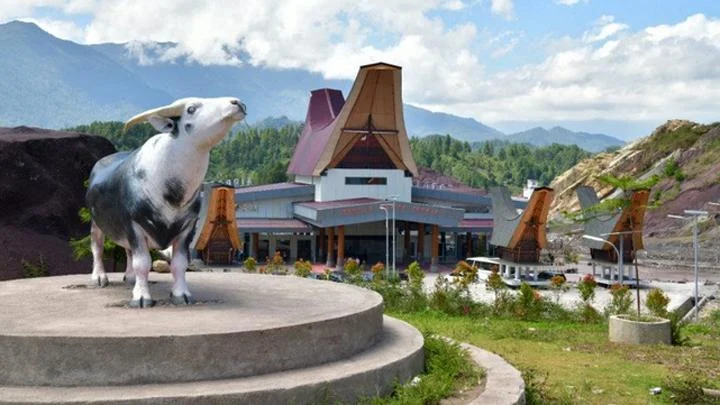
President Joko Widodo Officially Inaugurates Toraja Airport in South Sulawesi to Boost Regional Connectivity and Economic Growth

by Azzam Bilal Chamdy September 14, 2026
written by Azzam Bilal Chamdy

The formal inauguration of Toraja Airport, formerly known as Buntu Kunik Airport, in Tana Toraja Regency, South Sulawesi, marks a significant milestone in Indonesia’s ongoing infrastructure development strategy. President Joko Widodo, widely known as Jokowi, led the inauguration ceremony on Thursday, March 18, 2021, emphasizing the critical role the new aviation hub plays in unlocking the economic and tourism potential of the region. Broadcast live via the official YouTube channel of the Presidential Secretariat, the event underscored the administration’s broader commitment to bridging geographic divides across the archipelago, particularly in culturally and economically rich regions that have historically faced logistical bottlenecks.

The establishment of Toraja Airport is expected to serve as a catalyst for regional revitalization. During his address, President Jokowi expressed optimism that the operationalization of the airport would directly stimulate local economic activities, generate employment opportunities for the surrounding communities, and foster the emergence of new economic centers within Tana Toraja and its neighboring areas. By significantly reducing travel time compared to overland journeys from regional hubs like Makassar, the facility aims to facilitate the smoother movement of people, goods, and services, thereby integrating the region more deeply into the national economy.

A Decades-Long Chronology of Construction and Engineering Challenges

The realization of Toraja Airport was far from straightforward, characterized by a protracted timeline that spanned an entire decade. The initial planning and construction of the airport commenced in 2011. The project was conceived to replace the aging and geographically constrained Pongtiku Airport located in Rantetayo, which faced severe limitations regarding runway expansion and aircraft capacity due to safety concerns and surrounding terrain. However, shortly after its inception, the construction of the new airport encountered significant setbacks, leading to prolonged delays that stalled progress for several years.

The project experienced a renewed sense of urgency when President Jokowi’s administration prioritized its completion. In 2018, construction resumed under a concerted effort by the central government in coordination with the Ministry of Transportation. Phase one of the revived project was successfully executed and completed by mid-2020, paving the way for initial flight trials and the gradual commencement of commercial operations. Following its completion, major domestic carriers, namely Wings Air and Citilink, established regular scheduled flights connecting Toraja directly to Makassar, the capital of South Sulawesi province.

Engineering Feats: Overcoming the Challenging Topography of Tana Toraja

One of the most remarkable aspects of Toraja Airport’s development is the sheer scale of the engineering challenges involved. Tana Toraja is renowned for its dramatic, mountainous terrain, characterized by steep hills and deep valleys. Constructing a modern aviation facility capable of handling commercial aircraft in such an environment required unprecedented civil engineering interventions.

According to Minister of Transportation Budi Karya Sumadi, the construction process was among the most difficult undertaken by the ministry due to the extreme topography. To create a sufficiently flat and safe landing strip, engineers and construction crews had to systematically level and cut through three distinct hills within the project area. This massive earthmoving effort allowed for the establishment of a robust aviation infrastructure that could withstand the geographical constraints of the region.

Technical Specifications and Phased Development

Toraja Airport spans a total land area of 141 hectares, designed to accommodate future growth and increasing passenger demand. The development of the facility has been structured in distinct phases to optimize resource allocation and operational readiness.

In its initial phase, the airport features a runway length of 1,600 meters, specifically engineered to accommodate medium-sized turboprop aircraft such as the ATR 72, which are standard for regional Indonesian routes. The airside infrastructure also includes an apron measuring 94.5 by 67 meters and a taxiway dimensions of 124.5 by 15 meters.

To accommodate larger narrow-body jet aircraft, such as the Boeing 737, the second phase of development was planned to extend the runway length to 2,000 meters, with a width of 30 meters. Furthermore, ongoing infrastructure enhancements in 2021 included targeted operations to clear remaining topographical obstacles and hills situated near the runway thresholds to ensure strict adherence to international aviation safety standards. On the landside, the terminal building occupies a footprint of 1,000 square meters, equipped with passenger facilities designed to handle a capacity of approximately 150 passengers during peak operational hours.

The Etymology and Cultural Significance of the Name Change

Prior to its official designation as Toraja Airport, the facility was widely recognized during its development phase as Buntu Kunik Airport, named after the specific local geographical area where it was built. The decision to officially rename the facility to Toraja Airport involved a comprehensive consensus-building process rooted in local cultural traditions and administrative procedures.

The renaming was the result of formal agreements reached between the local regency government and traditional leaders, customary figures, and community representatives spanning 19 sub-districts across Tana Toraja. Following this broad-based community consensus, the proposed name was officially submitted to the Regional House of Representatives (Draped) for formal enactment through a plenary session. Subsequently, the regional administration forwarded the proposal to the provincial government and ultimately to the Ministry of Transportation for official legal recognition and national integration into Indonesia’s aeronautical information publications. This meticulous process ensured that the airport’s identity deeply reflects the cultural heritage and pride of the indigenous Torajan population.

Strategic Implications for Regional Tourism and Connectivity

The opening of Toraja Airport is widely regarded by economists and tourism experts as a pivotal turning point for Tana Toraja, a destination globally celebrated for its unique megalithic culture, distinctive traditional architecture (tongkonan), elaborate funeral rituals, and breathtaking highland landscapes. Historically, the primary deterrent for international and domestic tourists visiting Tana Toraja has been the arduous eight-to-ten-hour overland journey from Sultan Hasanuddin International Airport in Makassar.

By cutting travel time down to approximately 45 to 50 minutes via direct commercial flights, the airport effectively eliminates the logistical barrier that previously limited visitor numbers. Enhanced connectivity is projected to yield immediate benefits for the local hospitality sector, including hotels, homestays, tour operators, and artisan enterprises that rely on tourism revenue. Furthermore, improved transport links are anticipated to facilitate the distribution of local agricultural produce and specialty commodities to broader markets, thereby diversifying the regional economy beyond tourism.

Broad Economic and Infrastructural Analysis

From a broader macroeconomic perspective, the completion of Toraja Airport aligns with the Indonesian government’s National Strategic Projects framework, which prioritizes infrastructure development in outer, frontier, and underdeveloped regions. Economists note that while capital-intensive infrastructure projects in mountainous terrains involve substantial initial investments and complex engineering solutions, their long-term multiplier effects on regional gross domestic product (GDP) can be profound.

By integrating remote cultural hubs into the national aviation network, the central government aims to reduce regional disparities, lower logistics costs over time, and encourage private sector investments in regional tourism infrastructure. As secondary and tertiary airports like Toraja continue to mature, their success will largely depend on the sustained coordination between local governments, national carriers, and tourism boards to maintain reliable flight frequencies and market the destination effectively to global travelers. The inauguration thus stands not merely as an administrative milestone, but as a foundational pillar for sustainable regional development in South Sulawesi.

September 14, 2026 0 comment
0 FacebookTwitterPinterestEmail
National News

KPK Seizes Hundreds of Billions of Rupiah in Dramatic Bogor Operation Involving High-Ranking Officials and Dozens of Suitcases

by Lina Hope September 14, 2026
written by Lina Hope

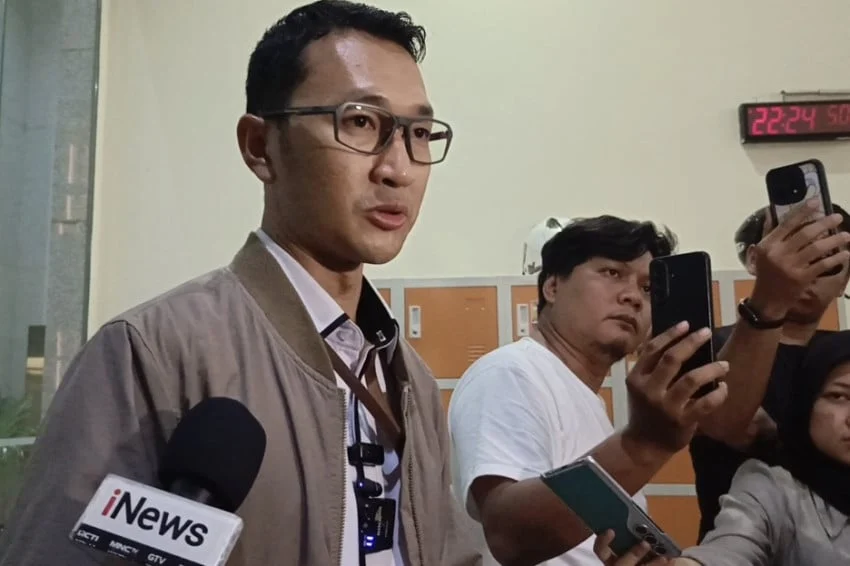
The Corruption Eradication Commission of the Republic of Indonesia has executed one of the most high-profile sting operations in recent history, seizing cash estimated in the hundreds of billions of rupiah packed inside dozens of suitcases, moving boxes, and storage containers. The operation, locally known as an Operasi Tangkap Tangan (OTT), targeted a sprawling bribery network centered around the processing and issuance of Building Rights Titles, widely known as Hak Guna Bangunan (HGB), within Bogor Regency, West Java. The coordinated raid, which unfolded on Monday, September 14, 2026, marks a watershed moment in the ongoing battle against systemic corruption within the country’s agrarian and spatial planning bureaucracy.

According to official statements from the anti-graft agency, the sweep extended far beyond a single municipal office, ensnaring a total of 17 individuals across multiple jurisdictions, including Bogor and Tangerang. Among those taken into custody are elite bureaucrats holding immense regulatory power, local land office heads, and prominent political figures. The staggering volume of physical evidence recovered underscores the immense scale of illicit financial flows plaguing land administration in Indonesia’s rapidly developing satellite regions surrounding the capital city.

Chronology and Execution of the Operation

The intelligence-led sting operation was the culmination of months of discreet surveillance by the KPK’s covert investigation units. Operating under strict operational secrecy, enforcement teams moved in on multiple targets simultaneously on the afternoon of Monday, September 14, 2026. The raids targeted locations across Bogor Regency and Tangerang City, where suspects were allegedly in the process of finalizing illicit transactional agreements related to land titling and corporate spatial clearances.

Upon breaching the primary locations, investigators discovered an unprecedented cache of physical wealth. Rather than standard digital transfers or modest banking transactions, the suspects allegedly utilized physical cash to avoid regulatory scrutiny and paper trails. KPK spokespersons revealed that the currency—comprising both Indonesian Rupiah and various foreign exchange currencies—was densely packed into roughly twenty heavy-duty suitcases, cardboard packing boxes, and reinforced plastic storage containers.

The sheer physical volume of the cash necessitated specialized transport logistics to move the seized items securely to the KPK’s Red and White Building in Kuningan, South Jakarta. Forensic accountants and asset-tracing specialists immediately set to work utilizing automated cash-counting machines, a process that extended well beyond the initial hours of the detention due to the sheer magnitude of the bills.

Profiles of the Arrested Parties

The gravity of the September 14 operation is underscored by the senior status of the individuals apprehended. The KPK confirmed that 17 people were secured during the synchronized raids. The roster of detainees reads like a cross-section of institutional power within Indonesia’s land management and political spheres.

Among the most notable figures caught in the net is Lampri, who serves as the Director General of Land and Spatial Control and Order (PPTR) under the Ministry of Agrarian Affairs and Spatial Planning/National Land Agency (ATR/BPN). As a high-ranking national bureaucrat, the Director General holds supreme oversight regarding spatial violations, land conversions, and regulatory enforcement nationwide. His entanglement in a local HGB processing bribery scheme highlights potential vulnerabilities at the apex of agrarian governance.

In addition to the Director General, regional administrative heads responsible for frontline land certification were also apprehended. These include Sontang Coin Manurung, Head of the Bogor Regency Land Office I (Kantah), and Tardi, Head of the Tangerang City Land Office. These offices sit at the frontline of massive commercial and residential real estate developments, where the acquisition of HGB certificates for vast tracts of land represents immense financial stakes for corporate investors and developers.

The operation also reached into the political arena, netting prominent political figures. Among those detained are Fahd El Fouz, widely known as Fahd A. Rafiq, a senior politician affiliated with the Golkar Party with a history of past legal entanglements, and Arif Sugiyanto, the former Regent of Kebumen. The presence of these political actors points toward a complex nexus between state bureaucracy, regional political patronage networks, and private commercial interests seeking expedited land titles.

Scale of Seized Assets and Financial Implications

While the official financial audit of the seized cash is ongoing, initial preliminary estimates provided by the KPK indicate that the total nominal value approaches hundreds of billions of rupiah. This places the Bogor-Tangerang operation among the largest physical cash seizures in the history of the commission.

The reliance on physical cash—packaged in suitcases and boxes—suggests a concerted effort by the syndicate to bypass the reporting thresholds of the Indonesian Financial Transaction Reports and Analysis Centre (PPATK). In recent years, corrupt actors have increasingly pivoted away from traditional domestic banking channels toward hard currency to obscure the ultimate beneficial owners of illicit funds and to facilitate quick, untraceable payoffs for high-value bureaucratic sign-offs.

The economic implications of HGB corruption in regions like Bogor and Tangerang are profound. Bogor Regency, situated directly south of Jakarta, has experienced exponential growth in residential, industrial, and commercial real estate development. The issuance of HGB titles grants legal security to corporations and developers to utilize state-owned or privately acquired land for commercial building purposes for extended periods. When the administrative pathway to obtaining these crucial legal instruments is compromised by bribery, it creates an uneven playing field, incentivizes regulatory capture, and undermines public trust in the rule of law.

Institutional Response and Legal Framework

In the wake of the arrests, the KPK has reiterated its commitment to following the evidence wherever it leads, regardless of the institutional rank or political affiliation of the suspects. Under Indonesia’s Corruption Eradication Law, the 17 detained individuals are currently undergoing an intensive 24-hour initial interrogation phase, following which the commission is legally mandated to determine their formal suspect status and transition them into pre-trial detention.

Legal analysts and governance watchdogs have praised the operation as a necessary intervention in a sector long plagued by allegations of land mafias and administrative extortion. Civil society organizations focusing on agrarian reform have long pointed out that land acquisition processes in Indonesia’s buffer zones are highly susceptible to rent-seeking behavior, given the high land values and intense competition between corporate developers and local communities.

Broader Impact on Indonesia’s Agrarian Sector

The fallout from the September 2026 raids is expected to reverberate across the Ministry of Agrarian Affairs and Spatial Planning. Calls for immediate administrative reforms, digital transparency in land certification, and stricter internal oversight are mounting from both legislative bodies and anti-corruption watchdogs.

The involvement of a sitting Director General and multiple regional land office heads forces the central government to confront systemic vulnerabilities within the civil service. Observers note that restoring integrity to the land titling process is essential not only for domestic legal certainty but also for maintaining investor confidence. Foreign and domestic investors rely heavily on transparent, predictable, and corruption-free land administration to secure property rights and execute long-term capital projects.

As the KPK continues its forensic examination of the seized suitcases, boxes, and electronic devices recovered during the raids, further disclosures regarding the ultimate beneficiaries and the systematic network of bribery are anticipated in the coming days. The case stands as a stark reminder of the persistent challenges facing Indonesia’s governance institutions as they attempt to dismantle deeply entrenched cartels operating at the intersection of bureaucratic power and private wealth.

September 14, 2026 0 comment
0 FacebookTwitterPinterestEmail
National News

Cerita Demerina Wanita Korban Penculikan KKB Ditemani Mayat di Hutan dan Tidak Makan 20 Hari

by Asep Darmawan September 14, 2026
written by Asep Darmawan

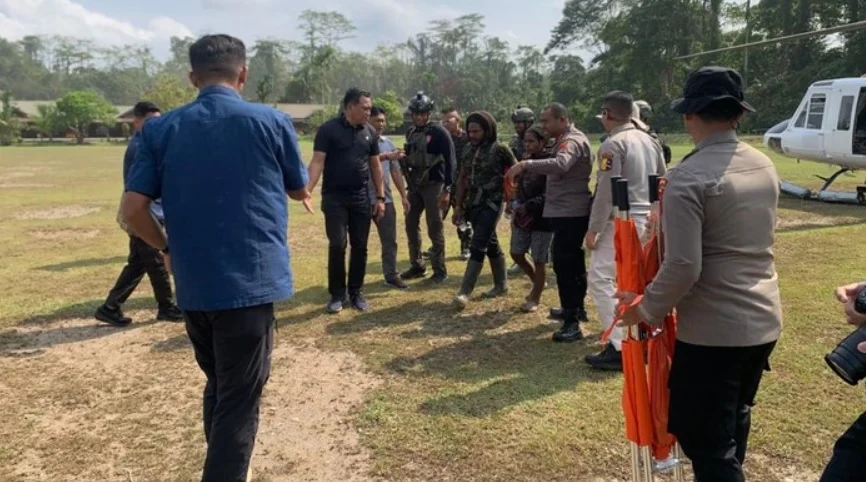
A harrowing rescue operation in the remote wilderness of Mimika, Central Papua, has brought to light the desperate plight of victims caught in the crossfire of the ongoing insurgency in the region. Demerina Uamang, a 23-year-old woman, was successfully evacuated by a joint task force on Monday, September 14, 2026, after enduring 20 days of unimaginable suffering in the deep forests of the Alama District. Her survival, while miraculous, stands as a grim testament to the humanitarian toll exacted by the Armed Criminal Group (KKB) operating in the Papua highlands.

The evacuation, carried out by the Damai Cartenz-2026 Operations Task Force, marked the end of a weeks-long ordeal that began in late August. Demerina was one of nine women abducted by the KKB during an incident in the Jila District. Her rescue, however, was marred by the discovery of her companion, Yosina, who had succumbed to starvation and exposure before authorities could reach their location in Kampung Bela 1.

The Chronology of an Abduction

The ordeal for Demerina and her companions began on August 17, 2026. While the nation was observing Independence Day, the victims were seized by members of the KKB in the Jila District of Mimika. The motive behind the mass abduction remains a subject of ongoing investigation by security forces, though such acts of intimidation are frequently used by the armed groups to assert control over remote indigenous populations and to disrupt local civilian infrastructure.

Following their capture, the group was forced into the dense, mountainous terrain of Papua. Over the subsequent days, the captives were subjected to harsh conditions, forced to march through unforgiving geography with minimal sustenance. Recognizing the dire nature of their circumstances, Demerina and Yosina managed to break away from their captors and flee into the wilderness.

For the next 20 days, the two women wandered through the dense jungles of the Alama District. Without access to food or clean water, their condition deteriorated rapidly. It was not until September 7, 2026, that a local village head from the area reported the presence of the women to authorities in the Jila District. This critical piece of intelligence triggered a mobilization of the Damai Cartenz task force, though the rescue was immediately complicated by the extreme topography and severe weather conditions that define the Mimika region.

The Rescue Operation and the Discovery of Tragedy

The retrieval of Demerina was a high-stakes mission that required precise coordination between military and police personnel. Using a Polri P-3002 Bell helicopter, the task force attempted to reach the coordinates provided by local residents. However, the mission faced a four-day delay due to persistent, extreme weather. Low-hanging clouds and thick fog frequently blanket the Alama District, rendering aerial operations hazardous.

When rescuers finally reached the remote location in Kampung Bela 1, they were met with a heartbreaking scene. Demerina was found in a severely weakened state, suffering from extreme malnutrition and dehydration. Nearby, they discovered the body of Yosina. According to official reports from the task force, Yosina had passed away due to the lack of food and the physiological toll of the 20-day ordeal.

Kombes Pol Yusuf Sutejo, the Public Relations Chief of the Damai Cartenz-2026 Operation, confirmed the tragic details of the discovery. "Adik Uamang (Demerina) was not alone. She was with her colleague, Yosina. Unfortunately, Yosina was found dead, her body having wasted away due to the absence of any sustenance or medical support during their time in the forest," Sutejo stated during a press briefing on Monday.

Demerina was immediately airlifted to Timika, the capital of Mimika Regency, where she was admitted to a medical facility for urgent stabilization and care. Her survival is considered a medical marvel given the duration of her exposure to the elements without resources.

Contextualizing the Conflict in Central Papua

The incident in Jila and Alama is symptomatic of the deteriorating security landscape in the Central Papua province. The region has seen a spike in localized violence, with armed groups often targeting both security forces and civilians to gain leverage.

Humanitarian experts note that the use of civilian populations as human shields or as instruments of psychological warfare has become a recurring tactic among KKB factions. By kidnapping local residents, these groups seek to create a climate of fear, effectively paralyzing local administration and forcing civilians to either comply with their demands or flee their ancestral lands.

Data from the Regional Security Assessment shows that 2026 has been a particularly volatile year. The strategy employed by the Damai Cartenz task force—a collaborative effort between the Indonesian National Police (Polri) and the Indonesian National Armed Forces (TNI)—focuses on a "soft-approach" strategy, prioritizing the protection of civilians and community engagement. However, the geographic isolation of districts like Jila and Alama makes the enforcement of security and the delivery of humanitarian aid exceptionally difficult.

Humanitarian and Strategic Implications

The tragedy of Yosina and the suffering of Demerina underscore the urgent need for a more robust humanitarian infrastructure in the highlands. When civilians are forced to flee into the forest to escape conflict, they are often beyond the reach of traditional medical and rescue services.

From a strategic perspective, the incident highlights the difficulty the state faces in maintaining a presence in the "blank spots" of the map. The KKB utilizes this lack of state infrastructure to operate with relative impunity in the deep forests. The delay in the rescue operation, while attributed to weather, also reflects the logistical limitations that security forces encounter when operating in the rugged terrain of the Jayawijaya mountains and the surrounding districts.

Security analysts have suggested that the government must increase its investment in early warning systems and intelligence-gathering at the village level. The fact that the rescue was initiated only after a village head traveled to report the sighting suggests a breakdown in communication channels that needs to be addressed. Had the report been made immediately following the abduction, the outcome for Yosina might have been different.

Looking Ahead: Security and Support

As of mid-September 2026, Demerina remains under medical supervision in Timika. She is also undergoing trauma counseling to help her process the loss of her companion and the psychological impact of the abduction. The local government of Mimika has pledged to provide full support for her recovery and has committed to assisting the families of the victims involved in this incident.

The Damai Cartenz task force has reiterated its commitment to tracking the perpetrators of the kidnapping. Operations are ongoing in the Alama and Jila districts to ensure the safety of other residents and to restore stability to the region.

The death of Yosina and the ordeal of Demerina serve as a stark reminder of the human cost of the Papua conflict. While political discussions regarding the future of the region continue at the national level, the reality on the ground remains one of constant peril for those caught in the middle. The resilience shown by Demerina is being hailed by local authorities, but for the community in Mimika, the incident is a profound tragedy that demands not only a security response but a renewed focus on protecting the basic human rights of the civilian population.

The incident has also prompted calls from civil society organizations for increased international monitoring of the humanitarian situation in Papua. The inability of civilians to access basic services—or even safety—during times of conflict has raised concerns about the ongoing protection of human rights in the province. As the investigation into the KKB’s actions continues, the story of these nine women will likely remain a focal point in the discourse regarding the path toward peace and stability in Papua.

For now, the priority remains the health of the survivor and the continued efforts to secure the area, ensuring that no other residents of the Jila district fall victim to the cycle of violence that has claimed yet another life in the unforgiving forests of Central Papua. The Indonesian government faces the dual challenge of neutralizing the armed threat while simultaneously rebuilding the trust of the local indigenous communities, a task that remains as complex as the geography of the land itself.

September 14, 2026 0 comment
0 FacebookTwitterPinterestEmail
Regional News

INews Media Group Sampaikan Terima Kasih kepada Tim SAR Gabungan, Gubernur, hingga Polda Banten

by Evan Lee Salim September 14, 2026
written by Evan Lee Salim

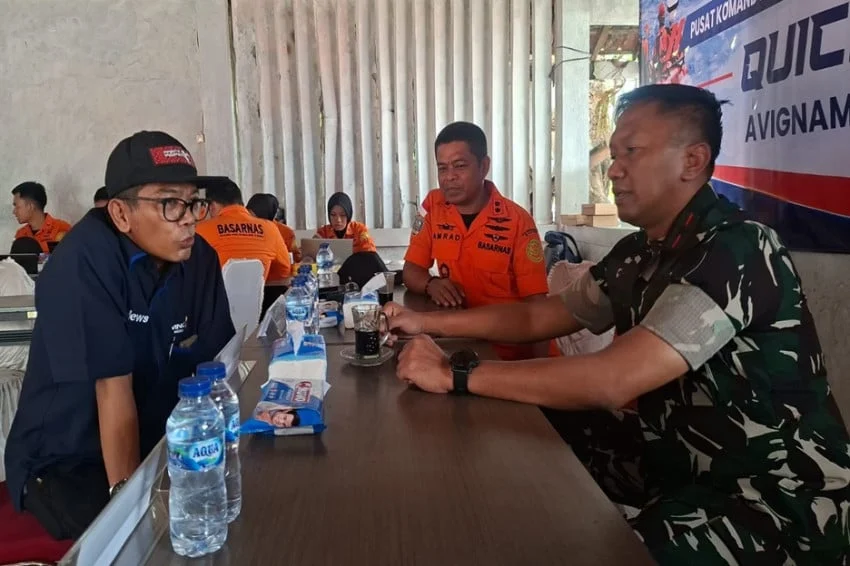
The ongoing maritime search and rescue operation in the waters of the Sunda Strait received a high-level visit on Monday, September 14, 2026, as Head of News Gathering for iNews Media Group, Lukman Hanafi, traveled directly to the Joint SAR Post located at Carita Beach in Pandeglang Regency, Banten Province. The visit served as a formal expression of gratitude and deep appreciation directed toward the personnel of the National Search and Rescue Agency (Basarnas) and the broader joint operational team. These teams have been working tirelessly under challenging maritime conditions to locate five journalists and three vessel crew members who went missing during a professional assignment at sea.

The disappearance of the media personnel and ship crew has triggered one of the most intensive regional search operations in Banten waters in recent years. As authorities, families, and media organizations converge on the coastline to monitor recovery efforts, the presence of senior media management highlights the gravity of the situation, the solidarity within the journalistic community, and the persistent hope for positive developments in the ongoing search mission.

High-Level Coordination at the Joint SAR Post

Upon arriving at the tactical headquarters in Carita Beach, Lukman Hanafi engaged in crucial briefings and discussions with key regional leaders and operational commanders. Among those present at the command post were Banten Governor Andra Soni, Head of the Banten Search and Rescue Office Al Amrad, Commander of Military Resort Command (Danrem) 064/Maulana Yusuf Brigadier General TNI Daru Cahyadi Soeprapto, and Head of Public Relations for the Banten Regional Police Commissioner Maruli Ahiles Hutapea.

The high-level gathering focused on evaluating the current tactical deployment, assessing maritime weather patterns, and analyzing search radiuses to maximize the effectiveness of the operation. During the discussions, regional officials reaffirmed their commitment to utilizing all available state resources—ranging from naval assets and aerial surveillance to specialized diving teams—to trace the path of the missing vessel and its occupants.

Lukman Hanafi took the opportunity to personally thank each official and operational leader for their unwavering dedication. He emphasized that the immense physical and mental strain placed upon the rescue personnel does not go unnoticed by the media industry or the public. The collaborative synergy demonstrated by Basarnas, the Indonesian National Armed Forces (TNI), the Indonesian National Police (Polri), local government agencies, and civilian volunteers stands as a testament to institutional cooperation during times of crisis.

Meeting with the Family of the Missing Journalist

Beyond official coordination meetings, the visit carried a deeply personal and compassionate dimension. Lukman Hanafi met directly with Juliasih, the mother of Yudistiro Pranoto, a dedicated journalist from iNews Media Group who is among the missing personnel. Mrs. Juliasih, accompanied by other grieving family members, traveled to the Carita Beach Joint SAR Post to maintain a vigil and receive direct updates from the frontlines of the operation.

The emotional weight of the meeting underscored the human cost of the incident. Families of the missing individuals have maintained a continuous presence near the operational zone, clinging to updates provided by search coordinators. Lukman spent considerable time offering moral support, reassurance, and company to Mrs. Juliasih, communicating that iNews Media Group remains steadfastly by her side and is providing continuous support to all affected families during this agonizing period of uncertainty.

Management assured the families that every conceivable effort is being deployed on the ground and at sea, ensuring they are kept fully informed of operational updates as search sweeps progress hour by hour.

Chronology of the Sunda Strait Incident

To understand the scope of the current rescue mission, it is vital to examine the timeline of events that led to the activation of the Joint SAR Post. The incident began when a small maritime vessel carrying a reporting team comprising five journalists and three professional ship crew members set out into the Sunda Strait. The team was deployed to cover a significant regional assignment, capturing environmental and maritime developments within one of Indonesia’s most historically and economically vital waterways.

Days into their voyage, routine check-ins ceased, and maritime communications with the vessel went completely dark. As hours turned into a full day without contact, newsroom supervisors escalated the situation, alerting local authorities and initiating emergency protocols. Basarnas Banten immediately declared a missing persons emergency at sea, prompting the establishment of the Joint SAR Post along the Pandeglang coastline.

Throughout the initial seven-day operational window, search efforts faced notable hurdles. The Sunda Strait is characterized by unpredictable weather patterns, strong underwater currents, fluctuating tidal surges, and heavy commercial maritime traffic. These geographic and meteorological complexities required search teams to deploy sophisticated sonar equipment, radar tracking, and coordinated surface sweeps extending from the coastline of Banten toward the southern waters of Lampung.

Extension of the Search and Rescue Operation

Given the expansive search grid and the persistent determination of rescue coordinators to locate the missing persons, official channels announced a crucial operational update prior to Lukman’s visit: the search operation has been officially extended by an additional three days.

This decision provides a vital window of opportunity for rescue teams to comb previously uncharted sectors, re-examine high-probability drift zones, and utilize specialized underwater exploration tools. The extension reflects both the statistical probabilities of maritime drift currents in the Sunda Strait and the relentless pressure from families, media institutions, and the public to exhaust all viable rescue protocols before transitioning the status of the operation.

Operations on subsequent days have been heavily centralized and coordinated from strategic logistical points, including the Port of Pelindo in Cilegon. From this maritime hub, larger rescue vessels, patrol boats, and rubber dinghies are dispatched daily to scour specific coordinates mapped out by drift-model simulations provided by meteorological and oceanographic experts.

The Broader Implications for Journalism and Maritime Safety

The ongoing incident in the Sunda Strait has cast a sharp, reflective light on the inherent dangers faced by field journalists, particularly those reporting from marine and remote environments. While news organizations routinely prioritize the safety of their personnel, maritime reporting inherently involves navigating volatile natural elements where risks can escalate rapidly.

Industry analysts and press freedom advocates have noted that this crisis serves as a stark reminder of the sacrifices media workers make in the pursuit of truth and public information. Journalists often accompany security forces, disaster management teams, and maritime explorers into high-risk zones, sharing the same physical vulnerabilities as operational personnel.

Furthermore, the situation has underscored the critical importance of robust safety protocols, real-time satellite tracking equipment, and mandatory maritime safety gear for all media crews embarking on aquatic assignments. As the search operation continues under the extended three-day mandate, media networks across Indonesia are closely monitoring developments, fostering an atmosphere of professional solidarity, and keeping vigils for the safe return of their colleagues.

Outlook for the Final Days of the Extended Search

As the extended timeline progresses, the Joint SAR Post at Carita Beach remains a hive of round-the-clock activity. Operational briefings occur at dawn and dusk, mapping out strategies that leverage wind trajectory data, reports from passing cargo ships, and coastal sweeps conducted by local fishermen and volunteer networks.

While the emotional toll on the families and colleagues of Yudistiro Pranoto and his fellow missing crew members deepens with each passing day, the resolve of the search teams remains unbroken. The concerted presence of media leadership, regional governmental heads, military commanders, and law enforcement chiefs at the frontline posts signals a unified front dedicated to bringing closure to the families and honoring the dedication of those who went missing in the line of duty.

The coming days will be critical. The entire nation, anchored by the tireless efforts of the SAR teams in Banten, watches and waits, hoping that the extended operations will yield the answers and recoveries so desperately sought by all involved.

September 14, 2026 0 comment
0 FacebookTwitterPinterestEmail
Business & Economy

RMAB, MNCN, and STA Forge Strategic Alliance to Elevate Indonesia’s Global Media Presence

by Sagoh September 14, 2026
written by Sagoh

The landscape of Indonesia’s digital and broadcast media is poised for a significant transformation following the announcement of a tripartite strategic partnership between PT Republik Media Anak Bangsa (RMAB), PT Media Nusantara Citra Tbk (MNCN), and PT Sinergi Terang Abadi (STA). The collaboration, formalized on Monday, September 14, 2026, at the iNews Tower in Jakarta, aims to establish an integrated media ecosystem capable of competing on the international stage. This partnership marks a pivotal shift in how Indonesian media entities approach global content dissemination, moving away from a reliance on foreign news agencies toward a model of self-sufficient, high-quality content production that accurately represents the nation’s perspective to the world.

The Vision for Global Competitiveness

At the core of this initiative is a desire to redefine Indonesia’s role in the global information hierarchy. Historically, emerging economies have often found themselves on the receiving end of international news cycles, frequently shaped by Western media narratives. Norman Joesoef, Founder and Chairman of Republikorp Group, emphasized that this collaboration is designed to reverse that trend. By pooling resources, technical expertise, and distribution networks, the consortium intends to provide the global community with accurate, balanced, and credible information originating from the heart of Southeast Asia.

"We are not merely looking to expand our market share within the archipelago," Norman stated following the signing ceremony. "Our strategic objective is to achieve a level of professionalism and technical capability that allows us to compete with the established global giants. It is time for Indonesia to transition from a passive consumer of international news to an active, authoritative creator and distributor of information that the world can rely upon."

A High-Level Signing Ceremony

The signing of the cooperation agreement was attended by some of the most prominent figures in the Indonesian media sector. Representing the consortium were Norman Joesoef of Republikorp Group, Executive Chairman of MNC Group Hary Tanoesoedibjo, and CEO of iNews Media Group and Co-CEO of MNC Group, Angela Tanoesoedibjo. The presence of these leaders underscores the high-stakes nature of the deal. MNC Group, as the largest media conglomerate in Indonesia, brings an unparalleled infrastructure—spanning free-to-air television, pay-TV, digital platforms, and radio—to the partnership. When integrated with the specialized strategic assets of RMAB and the operational agility of STA, the resulting entity creates a formidable synergy.

The Chronology of Media Integration

The journey toward this alliance did not happen overnight. In the months preceding the September 14 agreement, market analysts had observed a cooling trend in traditional advertising revenue, prompting major players to seek consolidation and digital transformation.

  • Q1 2026: Initial discussions began between the leadership of RMAB and MNCN regarding the necessity of a unified digital content strategy to combat the rise of international streaming giants and social media aggregators.
  • Q2 2026: PT Sinergi Terang Abadi (STA) was brought into the fold to provide specialized logistical and technical support, specifically focusing on cross-platform integration and data analytics.
  • August 2026: Finalization of the memorandum of understanding (MoU), establishing the governance structure and the division of operational responsibilities among the three entities.
  • September 14, 2026: Official signing ceremony held at iNews Tower, marking the formal commencement of the integrated ecosystem project.

Industry Context and Market Data

To understand the significance of this move, one must consider the current state of the Indonesian media industry. According to data from the Indonesian Broadcasting Commission (KPI) and industry reports from 2025, Indonesia boasts one of the world’s most vibrant media markets, with over 200 million internet users. However, despite the sheer volume of content produced locally, monetization and global reach remain challenges.

Global media giants like Netflix, Disney+, and major international news outlets maintain a strong foothold in the region, often reinvesting local subscription revenues back into their international operations. By contrast, the RMAB-MNCN-STA partnership aims to "keep the value within the ecosystem." By leveraging MNC’s massive infrastructure—which includes RCTI, MNCTV, GTV, and iNews—the partners aim to standardize production quality to meet international broadcasting standards (4K resolution, advanced digital rights management, and AI-driven content personalization).

Expert Analysis: Implications for the Industry

Market analysts suggest that this partnership could trigger a wave of mergers and acquisitions in the Indonesian media sector. By creating a vertically integrated chain—from content creation and news gathering to distribution and digital analytics—the consortium can achieve significant economies of scale.

"This is a defensive and offensive move simultaneously," says Dr. Aris Pratama, a media industry consultant. "Defensively, it protects domestic market share against foreign digital platforms. Offensively, it positions the consortium to tap into the global demand for content from the Global South. If they can successfully implement a cross-border distribution strategy, they could capture significant audiences in neighboring ASEAN countries and beyond."

The integration of STA is particularly noteworthy. By focusing on the ‘Sinergi’ (Synergy) aspect of the project, the partners are likely looking to optimize their advertising tech stack. Modern media competition is no longer just about content quality; it is about programmatic advertising efficiency. With STA’s involvement, the consortium is expected to roll out a unified advertising platform that allows brands to target audiences across TV, streaming, and mobile platforms with unprecedented precision.

The Role of iNews Media Group

As part of the MNC Group, iNews Media Group serves as the primary news engine for this partnership. The network has been steadily expanding its digital presence, and this new agreement provides it with a wider reach and more robust technological backing. For the general public, this means faster news dissemination and a broader range of international reporting. The emphasis on "accurate and balanced" news is a direct response to the global challenge of misinformation, which has become a primary concern for governments and corporations alike.

By standardizing their news verification processes across all three entities, the partners are positioning themselves as a ‘source of truth.’ This is a critical branding move for a media organization that hopes to gain the trust of international stakeholders, foreign investors, and global audiences who have historically viewed Indonesian news with a degree of skepticism or neglect.

Challenges and Future Hurdles

Despite the optimism surrounding the announcement, the road ahead is not without obstacles. The media industry is currently undergoing a radical transition toward Artificial Intelligence and decentralized content distribution.

  1. Technological Integration: Merging the legacy systems of established broadcasting giants with the agile digital platforms of newer media players is a significant technical undertaking.
  2. Regulatory Compliance: As the consortium grows, it will face increased scrutiny regarding market dominance and media concentration from Indonesian competition authorities.
  3. Content Localization: To compete globally, the consortium must balance the need for high-quality, international-standard content with the necessity of maintaining cultural relevance for the domestic Indonesian audience.

Addressing these challenges will require sustained investment and a clear vision from leadership. However, if the consortium succeeds, it could serve as a blueprint for other developing nations seeking to reclaim their media narrative in the digital age.

Conclusion: A New Chapter for Indonesian Media

The strategic cooperation between RMAB, MNCN, and STA is more than just a business deal; it is a declaration of intent. By stating that Indonesia should be a creator rather than a mere recipient of global information, Norman Joesoef and the leadership of the MNC Group have set a high bar for the industry.

As the partnership moves into its operational phase, the public can expect to see a shift in the quality and scope of media coverage. Whether this will successfully lead to an Indonesian media brand becoming a household name globally remains to be seen. However, the collaborative effort marks a departure from the fragmented nature of previous media initiatives in the country.

In an era where information is the most valuable commodity, the ability to control the narrative—and to deliver that narrative with clarity, speed, and accuracy—is paramount. Through this alliance, Indonesia is clearly signaling its ambition to take its rightful place at the global media table. The coming years will be a test of whether this massive integrated ecosystem can deliver on its promise to inform the world, not just about Indonesia, but through the uniquely Indonesian lens.

September 14, 2026 0 comment
0 FacebookTwitterPinterestEmail
Business & Economy

IHSG Closes in Red at 6,534 Amid Cabinet Reshuffle as Prabowo Appoints Suahasil Nazara as New Finance Minister

by Suro Senen September 14, 2026
written by Suro Senen

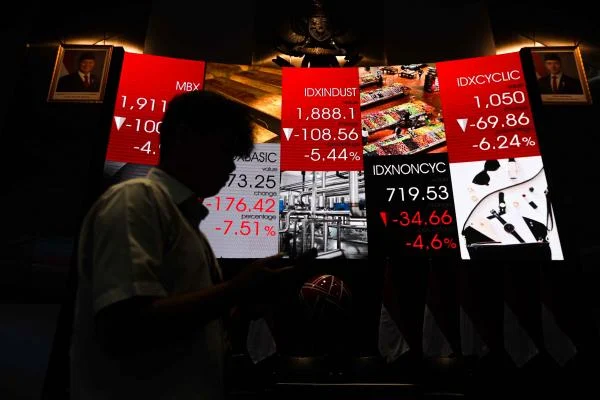
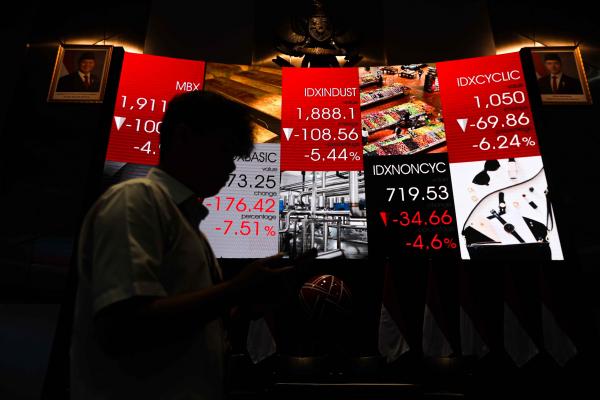
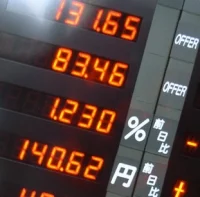
The Indeks Harga Saham Gabungan, or the Jakarta Composite Index (JCI), closed in negative territory during the trading session on Monday, September 14, 2026, pressured by widespread sectoral corrections despite a late afternoon recovery sparked by significant political developments. The benchmark index slipped 0.1 percent to settle at 6,534, halting just above its intraday lows as investors digested a major high-level cabinet shakeup orchestrated by the administration.

Throughout the Monday trading session, the composite index experienced notable volatility, charting a wide trajectory. The market opened under persistent downward pressure, dragging the index down to an intraday low of 6,371. However, market sentiment experienced a modest upward adjustment toward the latter half of the trading day. This slight recovery coincided with official breaking news from the State Palace regarding a high-profile leadership change at the Ministry of Finance, where President Prabowo Subianto officially inaugurated Suahasil Nazara as the new Minister of Finance, replacing his predecessor, Purbaya. Despite this late-session momentum, the broader market failed to sustain an overall positive trajectory, leaving the headline index to close the day with a fractional loss.

Market Breadth and Broad-Based Selling Pressure

While the headline index only suffered a marginal decline of 0.1 percent, the underlying market breadth revealed a far more subdued picture across the board. Data compiled from the Indonesia Stock Exchange (IDX) indicated that selling pressure dominated the floor, with the vast majority of listed equities finishing in the red.

Specifically, 455 stocks suffered corrections, dwarfing the count of advancing equities. Meanwhile, only 229 stocks managed to post gains, and 279 stocks remained unchanged from their previous closing prices. This disparity between the headline index and individual stock movements highlights how heavy-weight constituents or selective buying cushioned the benchmark from a steeper fall, even as the broader market endured broad-based liquidations.

IHSG Hari Ini Ditutup Turun Tipis usai Suahasil Nazara Dilantik Jadi Menkeu Baru

Trading Activity and Liquidity Metrics

Despite the cautious sentiment and negative close, market liquidity remained robust throughout the session. Total transaction value reached a substantial Rp17.7 trillion, reflecting active portfolio balancing and institutional reallocations in response to the sudden fiscal leadership transition.

Trading volume totaled 33.38 billion shares changing hands across approximately 2.055 million individual transactions. Concurrently, the overall market capitalization of the Indonesia Stock Exchange stood resiliently at approximately Rp11.371 trillion, demonstrating the underlying depth and scale of Southeast Asia’s largest capital market even during periods of domestic political and economic recalibration.

Sectoral Performance Breakdown

An analysis of sectoral indices shows that the downward pressure on Monday was widespread, affecting defensive and cyclical sectors alike. The healthcare sector bore the brunt of the sell-off, plunging 2.95 percent to lead the sectoral losses. Analysts noted that pharmaceutical and healthcare providers faced profit-taking and sentiment-driven adjustments following recent regulatory updates.

The energy sector followed closely behind, recording a 1.66 percent decline as global commodity prices and domestic resource equities faced downward revisions. Infrastructure stocks also lost ground, dropping 1.45 percent, while the basic materials sector fell 1.41 percent due to softening demand expectations in regional industrial supply chains. Additionally, the non-cyclical consumer goods sector—frequently viewed as a defensive stronghold—could not escape the broader market downturn, shedding 1.19 percent by the closing bell.

IHSG Hari Ini Ditutup Turun Tipis usai Suahasil Nazara Dilantik Jadi Menkeu Baru

Chronology and Background of the Ministerial Transition

The centerpiece of Monday’s domestic news cycle was the unexpected and high-profile cabinet reshuffle announced by President Prabowo Subianto. The President formally relieved Purbaya of his duties as Minister of Finance and appointed Suahasil Nazara to helm the critical economic ministry. The swearing-in ceremony took place late Monday afternoon at the State Palace in Jakarta.

The sudden transition introduces a familiar yet pivotal figure back into the top echelons of fiscal management. Suahasil Nazara brings extensive macroeconomic experience to the role, having previously served in key economic advisory and structural capacities within the government. The leadership change comes at a delicate juncture for the Indonesian economy, characterized by global economic uncertainties, currency fluctuations, and the ongoing challenge of balancing national development ambitions with strict fiscal discipline.

Presidential Directives and the Mandate for Fiscal Health

Immediately following the swearing-in ceremony, President Prabowo Subianto issued a direct and unambiguous mandate to the newly appointed Finance Minister. The head of state placed paramount emphasis on safeguarding the structural integrity and sustainability of the state budget, commonly known as the Anggaran Pendapatan dan Belanja Negara (APBN).

The president underscored that maintaining the "health" of the APBN is non-negotiable. This directive serves as a clear signal to both domestic and international financial markets that the administration remains firmly committed to fiscal prudence, deficit containment, and disciplined debt management. Amid growing pressures to fund ambitious national infrastructure and social programs, the new Finance Minister faces the intricate task of optimizing state revenues while preventing fiscal expansion from destabilizing macroeconomic stability.

IHSG Hari Ini Ditutup Turun Tipis usai Suahasil Nazara Dilantik Jadi Menkeu Baru

Implications for Investor Sentiment and the Capital Markets

The simultaneous occurrence of a cabinet reshuffle and a subdued trading session on the IDX has prompted extensive commentary from market analysts and institutional strategists. The initial market reaction—reflected in the late-day stabilization of the IHSG—suggests that investors are cautiously optimistic about Suahasil Nazara’s administrative capabilities and his deep institutional familiarity with Indonesia’s fiscal framework.

However, the prevailing red numbers across the broader sectoral indices indicate that market participants are adopting a wait-and-see approach. Investors are eager to see how the new Ministry of Finance leadership team will navigate upcoming fiscal targets, manage sovereign bond yields, and coordinate monetary-fiscal policies with Bank Indonesia. The transition is viewed as a crucial juncture for policy continuity and regulatory predictability, both of which are vital for attracting foreign portfolio investments back into Indonesian equities.

Outlook and Future Trajectory for the IHSG

Looking ahead, market observers anticipate that trading on the Indonesia Stock Exchange will remain sensitive to both domestic political implementation and global macroeconomic cues, including anticipated interest rate decisions by major central banks and fluctuating commodity trends.

As the dust settles on the executive transition, institutional focus will shift toward upcoming corporate earnings reports, monthly macroeconomic indicators, and early policy announcements from the newly appointed Minister of Finance. While short-term volatility is expected to persist as portfolios adjust to the new fiscal leadership, the robust liquidity recorded on Monday demonstrates that capital remains deeply engaged in the Indonesian market, awaiting clearer signals of sustainable economic momentum.

September 14, 2026 0 comment
0 FacebookTwitterPinterestEmail
Technology

Navigating the Era of Deepfakes: Essential Strategies for Verifying AI-Generated Media and Avoiding Misinformation

by Reynand Wu September 14, 2026
written by Reynand Wu

The rapid proliferation of generative artificial intelligence has fundamentally altered the global digital ecosystem, producing photos and videos so hyper-realistic that they routinely deceive even the most astute observers. As text-to-image and text-to-video models achieve unprecedented levels of photorealism, distinguishing between authentic visual documentation and synthetic fabrications has become a critical challenge for modern society. This technological shift is no longer confined to specialized research laboratories; rather, advanced generative tools are now widely accessible to the public. Consequently, digital media consumers face an unprecedented wave of manipulated imagery designed to influence public opinion, inflict reputational damage, perpetrate financial fraud, or distort breaking news narratives. Mitigating these risks requires a fundamental shift in how digital content is consumed, moving away from passive viewing toward rigorous, multi-layered verification practices that examine source credibility, technical metadata, and contextual integrity.

The Evolution of Generative AI and the Mechanics of Deception

The trajectory of generative artificial intelligence over the past half-decade represents one of the fastest technological advancements in history. Early iterations of AI-generated imagery were often easily identifiable through glaring visual artifacts: distorted human hands, unnatural facial asymmetry, blurred backgrounds, and incoherent text. However, modern diffusion models and adversarial networks have virtually eliminated these obvious anomalies. Today’s AI architectures can seamlessly synthesize human facial expressions, complex lighting conditions, nuanced vocal tones, and fluid physical movements.

This leap in capability has precipitated a surge in malicious and misleading content. Deepfake technology—which uses neural networks to superimpose a person’s likeness onto another body or manipulate audio and video files—has increasingly targeted prominent public figures, politicians, and corporate executives. These synthetic media pieces often depict individuals making highly controversial statements, endorsing dubious investment schemes, or participating in fictitious events. Because human cognitive biases naturally lean toward trusting visual evidence, these fabricated files exploit psychological vulnerabilities, making them exceptionally potent vectors for widespread misinformation.

Beyond the Visual: Advanced Strategies for Content Verification

Given that surface-level inspection is increasingly inadequate for detecting high-end synthetic media, digital forensics experts and fact-checkers advocate for a comprehensive, investigative approach to content verification. Relying on a single metric is rarely sufficient; instead, users must deploy a combination of analytical techniques.

1. Rigorous Source Tracing and Chronological Analysis

The first line of defense against digital deception lies in interrogating the provenance of a piece of media. When a striking photo or dramatic video emerges during a breaking news event, verification professionals immediately trace the content back to its earliest known upload. Analysts must investigate who published the file, the exact timestamp of its release, and whether the accompanying narrative aligns with reports from established, verified news organizations or official governmental bodies. Content that circulates exclusively through anonymous accounts or unverified social media handles should immediately be treated with a high degree of skepticism. Furthermore, establishing a timeline is crucial; often, bad actors recycle authentic footage from historical events—such as natural disasters or political protests from years prior—and re-upload them with false captions to mislead audiences about current affairs.

2. Utilizing Reverse Image Searches and Digital Forensics

For suspicious photographs, reverse image searches remain an indispensable tool. By running visual queries through specialized search engines, investigators can determine whether an image has previously appeared online in a different context. While finding no matching results does not definitively prove a file is authentic—as brand-new or tightly restricted content may not yet be indexed—uncovering historical matches immediately exposes recycled misinformation. Beyond visual matching, analysts examine technical metadata, which records parameters such as the capturing device, exposure settings, and timestamps. However, experts caution that metadata is fragile; it is frequently stripped or modified when files are compressed and shared across major social media platforms, rendering it a supportive clue rather than absolute proof.

3. Emerging Technical Standards: Content Credentials and Digital Watermarks

Recognizing the societal threat posed by unverified synthetic media, the technology sector has begun implementing standardized cryptographic solutions. Prominent among these is the deployment of Content Credentials—an open standard developed by the Coalition for Content Provenance and Authenticity (C2PA). This technology embeds verifiable metadata directly into digital files, creating a tamper-evident digital ledger that records the creation history of an image or video, indicating whether it was captured by a physical camera, edited via professional software, or generated by an AI algorithm.

Simultaneously, major technology conglomerates are embedding cryptographic watermarks into their AI generation systems. Google, for instance, utilizes proprietary technologies like SynthID to inject imperceptible digital signatures directly into machine-generated images and audio files. These markers persist even after cropping, filtering, or compressing. Nevertheless, industry watchdogs emphasize that the absence of a watermark or Content Credential does not automatically validate a file as authentic, as many open-source models lack these built-in safeguards.

4. The Limitations of AI Detection Software

As the demand for verification tools grows, numerous software applications and browser extensions now market themselves as definitive AI detectors. While these tools can offer probabilistic assessments regarding whether a file was synthetically generated, cybersecurity researchers advise against treating their outputs as infallible verdicts. Generative AI models evolve faster than the classifiers designed to catch them, leading to varying error rates. Moreover, sophisticated bad actors frequently employ hybrid creation methods—combining authentic photography with localized AI-driven edits, such as altering a background or inserting an extraneous object. Consequently, the fundamental question for modern analysts is not merely "Is this image AI or real?", but rather, "Has this content been modified, and to what extent?"

Socio-Political Implications and the Global Regulatory Response

The unfettered spread of hyper-realistic synthetic media carries profound implications for democratic institutions, financial markets, and public safety. In political spheres, deepfakes deployed during electoral cycles threaten to distort voter perceptions and erode public trust in journalism and democratic processes. Economically, fraudulent audio and video clips targeting corporate leadership can trigger sudden fluctuations in stock prices or facilitate multi-million-dollar social engineering scams.

Governments and international bodies are actively grappling with how to regulate the creation and distribution of unlabelled AI content without infringing upon free expression. Legislative proposals worldwide increasingly focus on mandating clear disclosures for synthetic media, holding platforms accountable for algorithmic amplification of harmful deepfakes, and revising copyright laws to address the unauthorized training of AI models on copyrighted journalistic and artistic works.

Concurrently, major social media platforms have introduced stricter policy frameworks. Companies are increasingly penalizing creators who upload unlabelled synthetic media regarding critical topics such as elections, public health emergencies, and armed conflicts—ranging from the suspension of monetization privileges to outright content removal.

The Imperative of Digital Literacy

Ultimately, technological safeguards and regulatory frameworks alone cannot completely insulate society from the risks of generative artificial intelligence. Experts stress that fostering widespread digital literacy is the most robust defense against the manipulation of public discourse. Citizens must cultivate a habit of algorithmic skepticism—pausing to verify sources, cross-referencing claims with trusted journalistic outlets, and refraining from impulsively sharing sensationalist content across social networks. In an era where visual evidence can no longer be taken at face value, the responsibility for truth rests increasingly on the diligence of the individual media consumer.

September 14, 2026 0 comment
0 FacebookTwitterPinterestEmail
Technology

Ilmuwan Prediksi Letusan Anak Krakatau 2026

by Evan Lee Salim September 14, 2026
written by Evan Lee Salim

The recurring volcanic activity of Anak Krakatau, the resilient offspring of the legendary 1883 Krakatoa eruption, continues to draw intense scientific scrutiny as researchers analyze the potential for future seismic events. With recent forecasts pointing toward significant activity by 2026, the global community has begun to question whether such eruptions carry the potential to alter global climate patterns or mitigate the escalating warming trends associated with the strengthening El Niño phenomenon. However, leading volcanologists and meteorologists emphasize that while the spectacle of the eruption is profound, its atmospheric impact remains confined to local and short-term environmental fluctuations.

The Science of Volcanic Climate Forcing

To understand why Anak Krakatau’s recent and predicted activities are unlikely to trigger a global cooling event, one must analyze the mechanics of volcanic climate forcing. For a volcanic eruption to induce a measurable drop in global temperatures, it must be of a magnitude sufficient to inject massive quantities of sulfur dioxide (SO2) into the stratosphere—the layer of the atmosphere extending from roughly 10 to 50 kilometers above the Earth’s surface.

Once in the stratosphere, these sulfur gases oxidize to form sulfate aerosols. These aerosols act as microscopic mirrors, reflecting incoming solar radiation back into space and cooling the planet’s surface. This was famously demonstrated in 1991 during the eruption of Mount Pinatubo in the Philippines, which ejected roughly 20 million tons of SO2 into the stratosphere, causing a global temperature decrease of approximately 0.5 degrees Celsius for over a year.

In contrast, the plumes generated by Anak Krakatau predominantly remain within the troposphere—the lowest layer of the atmosphere where weather occurs. Data from atmospheric monitoring stations indicate that even when ash columns reach heights of 15,240 meters, they rarely breach the tropopause, the critical threshold between the troposphere and the stratosphere. Consequently, the volcanic material is quickly washed out by precipitation and atmospheric circulation, limiting its lifespan and its capacity to influence global radiative forcing.

Analyzing the 2026 Forecast

The prediction regarding 2026 is rooted in the cyclical nature of Anak Krakatau. Since its emergence in 1927, the volcano has undergone phases of rapid growth interrupted by massive structural collapses. The most notable recent instance occurred in December 2018, when a significant portion of the volcano’s southwestern flank collapsed into the sea, triggering a devastating tsunami that struck the coastlines of Banten and Lampung in Indonesia.

Volcanologists utilize a variety of indicators to forecast these periods of unrest, including seismic monitoring, ground deformation measurements, and gas emission analysis. Dan DePodwin, Director of Forecasting Operations at AccuWeather, maintains that the atmospheric profile of Anak Krakatau’s eruptions is insufficient to counteract the current trajectory of global warming.

"The plumes generated by this volcano are localized events," DePodwin explains. "While the visual intensity of an eruption may be alarming to those in the immediate vicinity, the atmospheric residence time of the particulate matter is too short and the altitude too low to provide any meaningful ‘volcanic winter’ effect or to serve as a buffer against the heating effects of El Niño."

Chronology of Recent Volcanic Unrest

The history of Anak Krakatau is one of perpetual rebuilding. Following the 2018 flank collapse, which reduced the volcano’s height from approximately 338 meters to 110 meters, the island entered a state of rapid geological recovery.

  • December 2018: The catastrophic flank collapse caused a tsunami and triggered a massive reduction in the volcano’s physical stature.
  • 2019–2022: A period of persistent, low-level strombolian activity, characterized by intermittent explosions and lava flows, allowed the island to begin re-accumulating mass.
  • 2023: Monitoring agencies noted an increase in the frequency of eruptions, with ash columns frequently reaching several kilometers in height, prompting periodic evacuations and exclusion zones.
  • 2024–2025: Current monitoring shows sustained seismic activity, which serves as the foundation for the projections leading into 2026. Experts anticipate that as the volcano continues to build its height, the potential for explosive activity increases, though the structural integrity of the mountain remains a volatile variable.

Data-Driven Perspectives on Atmospheric Impact

The Indonesian Agency for Meteorology, Climatology, and Geophysics (BMKG) has consistently tracked the dispersal of volcanic materials. Their data shows that ash and gas plumes, while reaching impressive vertical heights—noted at 15,240 meters to the west and 6,096 meters to the east—consistently remain contained beneath the tropopause.

The distinction between the troposphere and the stratosphere is the defining factor in climate impact. In the troposphere, aerosols are removed by clouds and rain within days or weeks. In the stratosphere, there is no weather to "wash" these particles out, allowing them to circulate the globe for years. Because Anak Krakatau lacks the explosive power to punch through the tropopause, its impact is relegated to localized air quality issues, respiratory health concerns for nearby populations, and potential disruption to regional aviation corridors.

Official Responses and Mitigation Efforts

The government of Indonesia, through the Center for Volcanology and Geological Hazard Mitigation (PVMBG), maintains a rigorous monitoring protocol. This includes a four-tier alert system (Levels I through IV) designed to provide timely warnings to local communities and shipping interests.

During the buildup to expected 2026 activity, official efforts are focused on:

  1. Exclusion Zones: Maintaining a 5-kilometer radius around the crater to prevent fatalities from pyroclastic flows or sudden explosions.
  2. Real-time Monitoring: Using satellite imagery and seismic arrays to track deformation that might signal an imminent structural failure, similar to the 2018 event.
  3. Public Awareness: Educating coastal communities on tsunami early warning signs, as the primary threat from Anak Krakatau remains mass movement into the sea rather than atmospheric contamination.

The Broader Context: Volcanism vs. Anthropogenic Warming

It is vital to distinguish between the natural, localized cooling effects of volcanoes and the systemic, long-term warming driven by human activity. While a massive volcanic eruption (the size of Mount Tambora in 1815, for instance) can disrupt global agriculture and temperatures for several years, Anak Krakatau’s current output is negligible in the global context.

Recent studies published in journals such as Nature Geoscience suggest that volcanic activity has accounted for only a minor fraction of the observed temperature changes over the last century. In contrast, the accumulation of greenhouse gases—carbon dioxide, methane, and nitrous oxide—continues to trap heat at an unprecedented rate. The El Niño-Southern Oscillation (ENSO) cycle further modulates this, with El Niño years typically seeing a spike in global surface temperatures due to the release of heat from the Pacific Ocean.

Researchers warn against the narrative that natural phenomena might "save" the planet from human-induced climate change. The data indicates that even if Anak Krakatau were to erupt with higher intensity, the effect would be fleeting. The planet’s current energy imbalance is a product of long-lived greenhouse gases, not the transient presence of ash or sulfates in the lower atmosphere.

Implications for Regional Stability

For the Indonesian archipelago, the implications of predicted 2026 activity are socioeconomic rather than climatological. The proximity of the volcano to the Sunda Strait—a vital artery for maritime trade—means that even small eruptions can lead to flight cancellations, shipping delays, and the temporary closure of coastal tourism hubs.

Furthermore, the threat of tsunamis remains the most significant hazard. The 2018 disaster served as a stark reminder that the volcano’s growth is inherently unstable. As the mountain reaches a critical mass, the weight of the new material, combined with the underlying geothermal pressure, increases the likelihood of another flank failure. Consequently, the focus of civil protection agencies is on building resilient infrastructure and ensuring that early warning systems are robust enough to withstand the next cycle of growth and potential collapse.

Conclusion: A Managed Risk

As the scientific community looks toward 2026, the consensus is clear: while Anak Krakatau is a geological marvel and a significant regional hazard, it is not a primary driver of the global climate. The volcano will continue to puff, erupt, and reshape itself, serving as a reminder of the Earth’s dynamic nature. However, the global climate trajectory will remain dominated by the broader trends of atmospheric greenhouse gas concentrations and the cyclical nature of oceanic phenomena.

For the people of Indonesia, the 2026 forecast is a call for vigilance, preparedness, and continued investment in monitoring technologies. For the rest of the world, the activity of Anak Krakatau offers a lesson in the scale of natural forces—reminding us that while volcanoes can shape the local landscape with terrifying speed, their power to influence the global climate is governed by strict atmospheric laws that, in the case of this specific volcano, ensure its impact remains confined to its own backyard.

September 14, 2026 0 comment
0 FacebookTwitterPinterestEmail
Newer Posts
Older Posts

Recent Posts

  • Tes Ilusi Optik: Apa yang Dilihat Pertama Ungkap Cara Kamu Menjalani Percintaan
  • Sebelum Tinjau Kilang TPPI, Rini Soemarno Cicipi Semangka Tuban : Okezone Economy
  • 6 Sayuran yang Lebih Bergizi Setelah Dimasak, Ada Wortel dan Tomat
  • Daftar Maskapai Terbaik Dunia 2026, Singapore Airlines Juaranya!
  • KPK Kembali Geledah Rumah Ipda Yayat Sudrajat Terkait Kasus Suap Proyek Ade Kuswara Kunang

Recent Comments

No comments to show.
  • Facebook
  • Twitter

@2021 - All Right Reserved. Designed and Developed by PenciDesign


Back To Top
Dara News Media
  • Home
  • About Us
  • Contact Us
  • Cookies Policy
  • Disclaimer
  • DMCA
  • Privacy Policy
  • Terms and Conditions

We are using cookies to give you the best experience on our website.

You can find out more about which cookies we are using or switch them off in .

Dara News Media
Powered by  GDPR Cookie Compliance
Privacy Overview

This website uses cookies so that we can provide you with the best user experience possible. Cookie information is stored in your browser and performs functions such as recognising you when you return to our website and helping our team to understand which sections of the website you find most interesting and useful.

Strictly Necessary Cookies

Strictly Necessary Cookie should be enabled at all times so that we can save your preferences for cookie settings.