
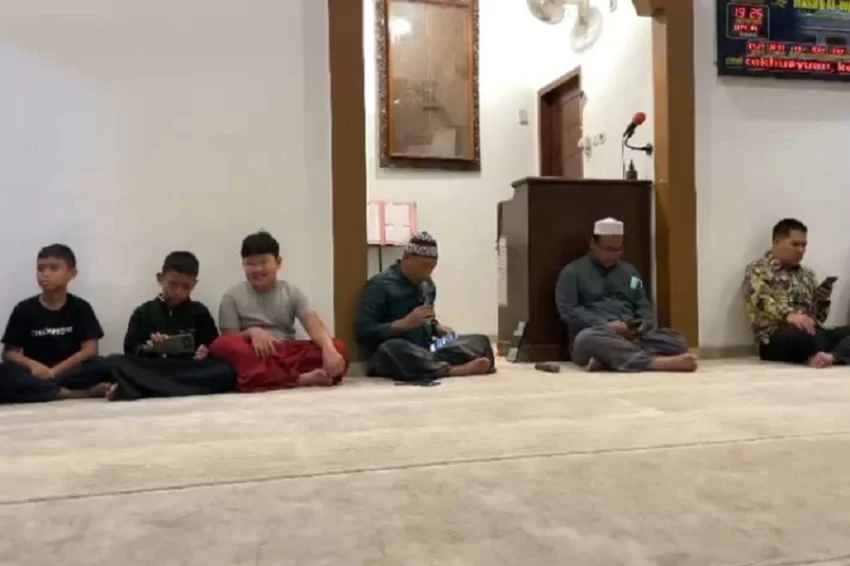
The atmosphere in the Nuansa Asri housing complex in Cinangka, Sawangan, Depok, West Java, was heavy with sorrow on Friday night, September 18, 2026. Family members, neighbors, and colleagues gathered at the Al-Wafa Mosque, located near the residence of iNews journalist Yudistiro Pranoto, to offer collective prayers. The solemn gathering was held following the official termination of search and rescue operations for a group of journalists and ship crew members who went missing while covering the catastrophic eruption of Mount Anak Krakatau in the Sunda Strait.
The prayer service underscored the profound grief gripping the local community and the broader Indonesian journalism fraternity. Yudistiro, affectionately known as Yudis by his peers and neighbors, has been missing since Monday, September 7, 2026. As hopes for finding the missing media personnel and vessel crew alive dwindle with the formal closure of search efforts, the community has turned to spiritual solace to honor his dedication and cope with the collective tragedy.
Chronology of the Sunda Strait Disaster
The sequence of events leading to the fateful disappearance began in the first week of September 2026, when seismic and volcanic activities at Mount Anak Krakatau escalated rapidly. Located in the Sunda Strait between the islands of Java and Sumatra, the volcano has historically posed significant hazards to maritime navigation and coastal settlements.
On September 7, 2026, a media expedition comprising several journalists and a chartered local vessel set out to document the heightened volcanic activity. The reporting team aimed to capture the scale of the eruption and its immediate impact on the surrounding waters. However, violent sudden eruptions and subsequent rough sea conditions in the strait disrupted communications. Contact with the vessel was abruptly lost, prompting immediate concern from newsrooms and families back on the mainland.
Emergency response protocols were triggered swiftly. The National Search and Rescue Agency (Basarnas), supported by the Indonesian Navy, maritime police, and local volunteers, deployed specialized assets including search vessels, rigid-hull inflatable boats, and aerial reconnaissance drones. Despite extensive sweeps covering hundreds of square nautical miles across the treacherous waters of the Sunda Strait, severe weather, high waves, and lingering volcanic debris hampered efforts from the outset.
Termination of the Joint SAR Operations
After nearly two weeks of intensive search efforts, the Joint SAR Team announced the official conclusion of the operation. Under international and national search and rescue protocols, operations are typically evaluated for extension after exhausting all viable survival windows. With oceanographic conditions posing continuous risks to rescue personnel and no significant traces of the missing individuals found in the final days, authorities made the difficult decision to suspend active operations.

The cessation of the search sparked waves of grief across media networks and cultural circles in Indonesia. A total of eight individuals—comprising five journalists from various media outlets and three ship crew members—remained unaccounted for when the mission was called off. The transition from active rescue to recovery and memorialization has left families and colleagues grappling with closure.
Community and Solidarity Responses
The community in Cinangka has been a pillar of emotional support for Yudistiro Pranoto’s family. The gatherings at the Al-Wafa Mosque have provided a communal space for mourning. Attendees shared memories of Yudis as a dedicated professional committed to delivering factual and timely news from the frontlines of major events.
The grief extends far beyond his residential neighborhood. Earlier in the week, artists, cultural figures, and media workers gathered at Taman Ismail Marzuki (TIM) in Jakarta to host a solidarity night dedicated to the missing journalists and crew members. The event featured poetry readings, musical tributes, and speeches emphasizing the risks journalists undertake in the line of duty. Speakers at the TIM solidarity event highlighted the vital role that field reporters play in public safety and disaster awareness, often placing themselves in harms way to keep the public informed.
Broader Implications for Journalist Safety and Disaster Reporting
The tragedy in the Sunda Strait has reignited national and international discussions regarding safety protocols for media personnel covering natural disasters. Reporting on active volcanoes, tsunamis, and severe weather events carries inherent operational hazards. Industry watchdogs and press freedom organizations have called for a comprehensive review of safety standards, risk assessment procedures, and inter-agency communication protocols during high-risk field assignments.
Media organizations face the ongoing challenge of balancing the public’s right to real-time, ground-level information with the imperative duty of care owed to reporters and technical crews. Experts in disaster journalism emphasize the necessity of enhanced safety training, real-time tracking equipment, and strict adherence to exclusion zones established by vulcanology and maritime authorities.
As the search operations conclude, the focus is shifting toward supporting the affected families and commemorating the professional sacrifice of those who went missing. Memorial services, prayer vigils, and solidarity gatherings across the country serve as poignant reminders of the human cost behind frontline reporting. In Depok, the residents of Nuansa Asri continue to stand in solidarity with the Pranoto family, holding onto memories of a dedicated journalist whose commitment to his craft defined his life.
