
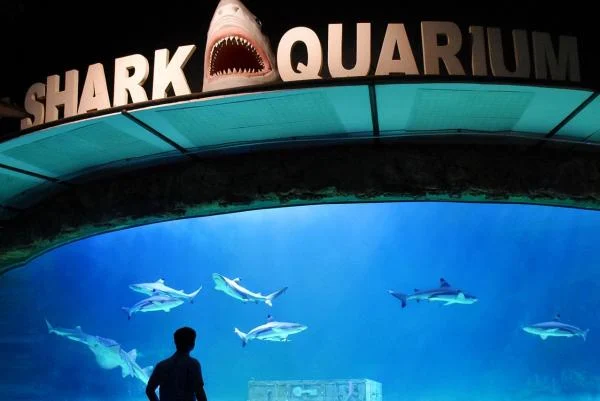
Visiting a large-scale aquarium serves as a highly effective pedagogical tool for introducing children and adults alike to the complex dynamics of marine ecosystems without the physical demands or risks associated with deep-sea diving. In the heart of Jakarta, the Ancol Dreamland park has established itself as the primary destination for aquatic education and recreation through its dual flagship attractions: Sea World Ancol and Ocean Dream Samudra. By combining massive, immersive aquarium displays with interactive animal performances, these facilities bridge the gap between classroom theory and real-world observation. As urban populations continue to grow, the role of such institutions in fostering environmental stewardship and marine conservation awareness becomes increasingly critical.
The Evolution of Marine Tourism in Jakarta
The development of aquatic tourism in Jakarta is rooted in the broader revitalization of the Ancol coastal area, which began in the mid-1960s. Sea World Ancol, which opened its doors in 1994, was a landmark project intended to provide the Indonesian public with a window into the country’s vast maritime biodiversity—a necessity given that Indonesia is the world’s largest archipelagic nation. Over the decades, the facility has evolved from a simple observation aquarium into a complex research and education center.
Complementing this, Ocean Dream Samudra was developed to focus on the behavioral aspects of marine mammals and birds. Together, these two entities represent an integrated approach to marine education. While Sea World emphasizes the static beauty of coral reefs and the predatory nature of shark species, Samudra focuses on the intelligence and agility of marine mammals, providing a holistic understanding of ocean life.
The Technological Marvel of the Antasena Tunnel
One of the most significant engineering achievements within the Ancol complex is the Antasena Tunnel at Sea World. This underwater walkthrough facility utilizes high-density acrylic panels to allow visitors to traverse beneath a massive volume of seawater. The structure provides a 360-degree perspective of the ecosystem, featuring a variety of species including blacktip reef sharks, giant stingrays, and schools of trevally.
From a technical standpoint, the maintenance of such a tunnel requires constant monitoring of water salinity, temperature, and filtration systems. The aquarium holds millions of liters of water, which must be treated to mimic the natural habitats of the Indo-Pacific region. By placing visitors directly beneath the fauna, the design minimizes the psychological barrier between humans and marine predators, facilitating a sense of awe that often encourages younger visitors to engage with marine biology.
Supporting Data: Biodiversity and Conservation Impact
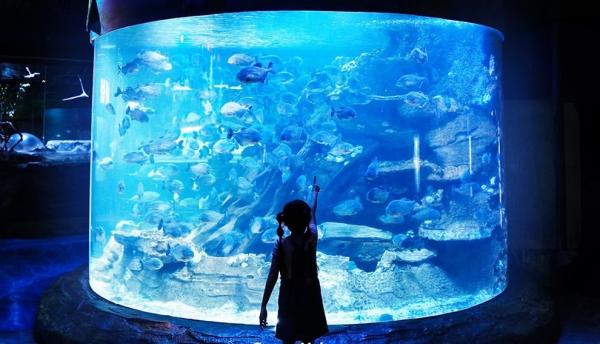
The management of facilities like Sea World Ancol involves meticulous record-keeping regarding the health and population of its residents. According to industry standards for modern aquaria, the focus has shifted from mere exhibition to "ex-situ" conservation. This includes the rescue and rehabilitation of injured marine animals and participation in breeding programs for endangered species.
Data suggests that interactive education programs significantly improve information retention among school-aged children. Studies conducted by the Association of Zoos and Aquariums (AZA) indicate that visitors who participate in guided tours or educational shows are 30% more likely to express concern regarding plastic pollution and ocean conservation after their visit. In the context of Jakarta, where coastal waste management is a persistent environmental challenge, the educational impact of these attractions provides a tangible benefit to the local community by instilling a sense of responsibility toward the Java Sea.
The Role of Ocean Dream Samudra: Intelligence and Agility
While Sea World focuses on the benthic and pelagic environments, Ocean Dream Samudra provides a different dimension of learning through its animal presentations. These performances are designed to showcase the cognitive capabilities of dolphins and sea lions. By observing these animals perform complex tasks, the public gains an appreciation for the intelligence of marine mammals.
Critics of such facilities often point to the ethical considerations of animal captivity. However, in response to these global discussions, the management at Ancol has shifted its operational focus toward welfare-centric practices. This includes increasing the size of habitats, implementing enrichment activities to prevent boredom, and providing veterinary oversight that meets international standards for marine mammal care. Official statements from the management emphasize that these animals serve as "ambassadors" for their species, helping to generate empathy that leads to broader support for wild population protection.
Chronology of Institutional Development
The growth of Ancol’s marine attractions can be categorized into three distinct phases:
- The Foundation Phase (1994–2000): The inauguration of Sea World marked the start of professional aquarium management in Indonesia. During this period, the focus was primarily on infrastructure development and basic exhibit design.
- The Expansion Phase (2001–2015): The integration of Samudra and the development of more sophisticated touch pools and interactive feeding sessions allowed the park to expand its target demographic from school groups to include families and domestic tourists.
- The Modernization Phase (2016–Present): The current era is characterized by the implementation of digital technology. This includes QR-code-based information boards, live-streaming of feeding times, and the integration of social media platforms to disseminate educational content to a wider audience.
Official Perspectives on Educational Value
Representatives from the Ancol management board have frequently highlighted that the goal of these attractions is not merely entertainment. By providing a curated environment, they allow for a controlled study of marine life that is impossible in the wild. The aquarium acts as a hub for research, where marine biologists can monitor the growth rates and dietary habits of species that are otherwise difficult to track in the open ocean.

Furthermore, the facility acts as a platform for public policy communication. During periods of heightened environmental awareness, such as World Oceans Day, the park hosts seminars and workshops. These events bring together academic experts, government officials, and the public to discuss the preservation of Indonesia’s maritime heritage.
Broader Implications and Future Outlook
The implications of having such a vast marine educational resource in the capital city are profound. As the global climate changes, the health of the world’s oceans is under constant threat. Facilities like those in Ancol provide the necessary infrastructure to educate the next generation of Indonesian policymakers, scientists, and citizens about the importance of sustainable maritime practices.
Moving forward, the challenge for these institutions is to balance the commercial demands of tourism with the moral and scientific imperatives of conservation. Plans for future upgrades include the implementation of more "virtual reality" experiences to reduce the need for live animals in certain types of performances, and the expansion of coral propagation nurseries. These efforts will ensure that Ancol remains a relevant and responsible leader in the field of marine education.
In conclusion, the combination of Sea World and Ocean Dream Samudra creates a unique educational ecosystem. Whether through the awe-inspiring experience of walking through the Antasena Tunnel or the intellectual stimulation provided by observing the social behaviors of dolphins, these attractions offer more than just a day out. They provide a vital link between the urban population and the vast, mysterious, and essential world beneath the waves. By investing in these experiences, visitors are participating in a larger movement toward the appreciation and protection of the planet’s most important natural resource: the ocean. As the city of Jakarta continues to evolve, the role of these aquatic centers as bastions of environmental literacy will only grow in importance, ensuring that the next generation remains deeply connected to the marine life that sustains our global environment.
