
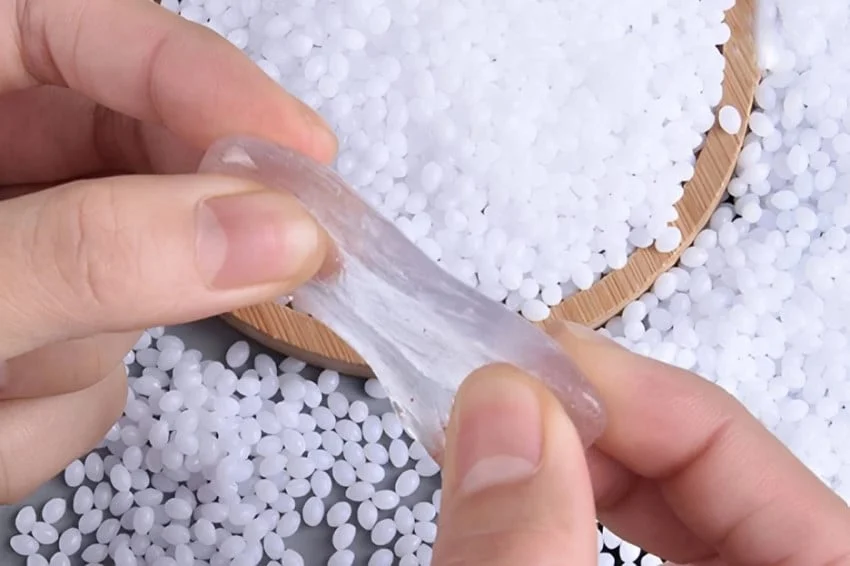
The rise of e-commerce platforms has democratized access to a vast array of consumer goods, ranging from household essentials to complex medical devices. Among the most concerning trends within this digital marketplace is the proliferation of "instant dental filling kits." Marketed as convenient, cost-effective, and rapid solutions for cavities, these products allow consumers to bypass traditional dental clinics entirely. However, medical professionals warn that this "do-it-yourself" approach to dentistry carries significant clinical risks that far outweigh the temporary convenience of a quick fix. By attempting to mask the symptoms of tooth decay without addressing the underlying pathology, individuals may inadvertently accelerate the progression of oral diseases, leading to more complex and expensive treatments in the future.
The Rise of the DIY Dental Trend
The emergence of DIY dental kits is a byproduct of the digital age’s demand for instant gratification and the rising cost of professional healthcare. Social media platforms and online marketplaces have become conduits for these products, which often arrive with minimal instructions and lack regulatory oversight comparable to professional dental materials. The primary allure for the consumer is the ability to address a localized, painful, or unsightly cavity from the comfort of their home.
However, the dental industry has observed a troubling increase in patients arriving at clinics with complications stemming from these kits. According to dental health associations, the fundamental misunderstanding lies in the definition of a cavity. A cavity is not merely a hole in the tooth that needs plugging; it is a progressive, infectious disease caused by demineralization and bacterial activity. When a consumer uses a store-bought putty or resin to seal a cavity, they are essentially creating a pressurized environment for bacteria to thrive.
Understanding the Anatomy of a Tooth and the Pathology of Caries
To understand why DIY fillings are inherently dangerous, one must first look at the anatomical complexity of a tooth. The tooth is composed of three primary layers: the enamel, which is the hardest substance in the human body; the dentin, a porous layer beneath the enamel; and the pulp, which houses the nerves and blood vessels.
When a cavity forms, it begins in the enamel. If left untreated, the decay penetrates the dentin and eventually reaches the pulp. A professional dentist’s role is not just to fill the hole but to remove the necrotic, infected tissue. Dr. Rasyid Abdulaziz, a General Dentist at Palapa Dentists, emphasizes that the procedure is highly technical. "Before a filling is placed, a clinician must evaluate the depth of the caries, the status of the pulp, the surrounding periodontal health, and the patient’s occlusion—or how the teeth bite together," Dr. Rasyid stated.
By sealing a cavity without cleaning out the infected dentin, a patient creates an anaerobic environment. This environment is ideal for the bacteria that cause decay to continue their work, often leading to deep-seated infections, abscesses, or the total loss of the tooth structure.
Chronology of Dental Neglect and Intervention
The progression of a cavity is a predictable but dangerous timeline if ignored.
- Phase 1 (Initial Decay): Bacteria begin breaking down enamel. At this stage, the process is often reversible with professional fluoride treatment and hygiene adjustments.
- Phase 2 (Dentin Involvement): The decay reaches the dentin, causing sensitivity to temperature and sugar. This is the stage where many consumers purchase DIY kits to stop the pain.
- Phase 3 (Pulpitis): The infection reaches the pulp. This causes severe, throbbing pain. Applying a DIY filling over an inflamed pulp can cause internal pressure, leading to excruciating pain and the need for root canal therapy or extraction.
- Phase 4 (Systemic Risk): If the infection is not drained and treated, it can lead to facial swelling, cellulitis, and, in rare but severe cases, systemic infection that can affect the heart and brain.
When a patient opts for a DIY kit in Phase 2, they effectively mask the warning signs, pushing the tooth into Phase 3 or 4 without the patient realizing the severity of the internal damage.
Supporting Data and Public Health Implications
Global health data indicates that dental caries remains one of the most prevalent chronic diseases worldwide. According to the World Health Organization (WHO), oral diseases affect nearly 3.5 billion people. The shift toward self-medication for oral health is a public health concern because it creates a "false sense of security."
Data from dental clinics indicates that patients who use DIY filling materials often delay professional care by an average of six to twelve months. By the time these patients finally seek help, the tooth is often non-restorable. Instead of a simple $100 composite filling, the patient is forced to undergo a $1,000+ root canal, a crown, or a $2,500+ dental implant if the tooth must be extracted. The economic argument for DIY kits—that they save money—is therefore demonstrably false in the long term.
The Clinical Standard: Why Professional Care is Irreplaceable
The procedure for a professional dental filling involves several critical steps that cannot be replicated at home:
- Diagnosis: Using digital radiographs (X-rays) to determine the exact extent of the decay and ensure the pulp is still healthy.
- Local Anesthesia: Ensuring the patient is pain-free during the removal of infected tissue.
- Cavity Preparation: Using sterile, specialized burs to remove all diseased tooth structure while preserving healthy enamel.
- Contamination Control: Using dental dams or high-speed suction to keep saliva and bacteria away from the filling site during the bonding process.
- Bonding and Curing: Using medical-grade resins that are chemically bonded to the tooth structure using light-curing technology to ensure a hermetic seal.
- Adjustment: Ensuring the filling does not interfere with the patient’s natural bite, which prevents further fracture or TMJ issues.
When a consumer uses a DIY kit, they lack the ability to isolate the tooth from saliva, the ability to remove decay, and the ability to bond the material to the tooth surface properly. The material often leaks, causing recurrent decay beneath the "filling" that remains hidden until the tooth breaks or becomes infected.
Official Responses and Regulatory Outlook
Health authorities in various jurisdictions have begun issuing warnings regarding the sale of medical devices that are not approved for consumer use. While some kits are marketed as "temporary dental cement," the language used often leads consumers to believe these are long-term solutions.
Regulatory bodies are increasingly urged to scrutinize the labeling of these products. There is a growing consensus among dental associations that the sale of materials designed to alter or restore human tissue should be restricted to licensed dental practitioners. "We are seeing a trend where convenience is being prioritized over biological safety," says a representative from a regional dental board. "There is no substitute for a physical examination and the application of clinical protocols by a trained, licensed professional."
Broader Impacts on Oral Health Literacy
The prevalence of DIY kits highlights a gap in public health education. Many consumers do not realize that tooth decay is an infectious process. By treating it as a structural issue that only requires a physical barrier, the public is failing to address the underlying bacterial load.
Furthermore, the environmental and economic impact of these failed DIY attempts is significant. When patients present with failed DIY fillings, they require more intensive dental labor to remove the synthetic, non-professional materials before the actual tooth structure can be properly restored. This increases the total chair time for the patient and complicates the clinical workflow for the dentist.
Conclusion: The Importance of Professional Guidance
The allure of a low-cost, instant solution for a dental problem is understandable, particularly in an era of rising inflation and healthcare costs. However, the mouth is a complex biological system, and the "quick fix" approach is fundamentally incompatible with the biological requirements for restoring tooth health.
The evidence is clear: DIY dental filling kits offer only a temporary and often hazardous mask for a progressive disease. The long-term cost—both in terms of health and finances—is significantly higher than that of professional dental care. Patients are urged to seek the advice of a qualified dentist at the first sign of a cavity, such as sensitivity, localized pain, or a visible hole. Prioritizing professional clinical intervention ensures that the root cause of the decay is addressed, preventing future complications and ensuring the longevity of the natural dentition. While e-commerce has revolutionized many aspects of modern life, dentistry remains a domain where physical, clinical expertise is the only safe path forward.
