
For over five decades, Polytron has served as a cornerstone of the Indonesian industrial landscape, evolving from a local manufacturer of television sets into a multifaceted technology powerhouse. Established in 1975 in Kudus, Central Java, the brand has navigated the rapid shifts of the global electronics market, successfully transitioning from traditional consumer goods to the sophisticated realm of electric mobility. This trajectory underscores a broader narrative of Indonesian industrial maturation, where legacy manufacturing prowess meets the urgent, modern-day demand for sustainable energy solutions.
The Foundation of an Industrial Icon (1975–1990)
The story of Polytron began in an era when the Indonesian electronics market was dominated by foreign imports. Founded under the corporate banner of Hartono Istana Teknologi, the company identified a strategic opening to provide affordable, high-quality audio and visual equipment tailored to the local climate and consumer preferences.
Throughout the late 1970s and 1980s, Polytron solidified its reputation through its iconic audio systems and television receivers. Unlike many of its contemporaries that relied heavily on component assembly from overseas partners, Polytron invested heavily in internal research and development. By establishing a robust manufacturing base in Kudus, the company ensured that its supply chain was resilient and deeply integrated into the local economy. This period was marked by the introduction of color television technology, which brought the brand into millions of Indonesian living rooms, establishing a level of brand loyalty that few other domestic manufacturers have achieved.
Diversification and Technological Maturation (1990–2015)
As the 21st century approached, the consumer landscape underwent a dramatic transformation. With the rise of digital technology and the expansion of the middle class, the demand for home appliances skyrocketed. Polytron recognized that sustaining growth would require a diversified product portfolio.
During this era, the company aggressively expanded its product range. The "Polytron" name became synonymous with reliability across a wide spectrum of household categories: refrigerators, washing machines, air conditioners, and eventually, advanced digital appliances like smart dispensers and premium audio systems. This phase of expansion was not merely about volume; it was about technological integration. By incorporating features such as energy-efficient compressors in refrigerators and smart connectivity in audio devices, the company prepared its engineering teams for the complexities of modern, integrated hardware—a critical precursor to its eventual entry into the automotive sector.
The Shift Toward Electric Mobility: A Strategic Pivot
The most significant strategic pivot in Polytron’s history occurred in the last decade, as the global shift toward decarbonization became an existential necessity for manufacturing firms. Recognizing that internal combustion engines were facing a sunset phase, the company began exploring the Electric Vehicle (EV) market.
This transition was not a leap into the unknown, but rather an evolution of existing competencies. The development of an electric motorcycle involves three core pillars: power electronics, battery management systems (BMS), and software integration. Polytron’s decades of experience in manufacturing sensitive electronic components for home appliances provided a unique competitive advantage. The company leveraged its expertise in circuit board design and thermal management—skills honed through years of refrigerator and air conditioner production—to build efficient, reliable electric drive systems.
The EV Lineup: Meeting the Demand for Green Transport
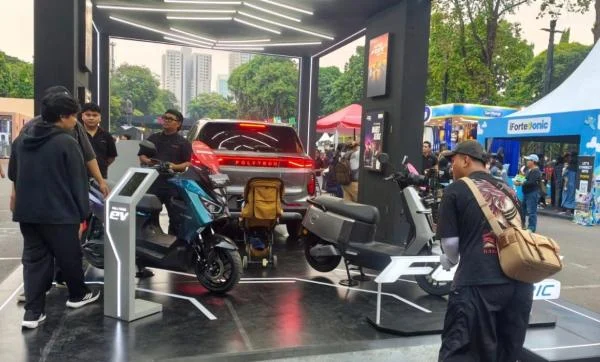
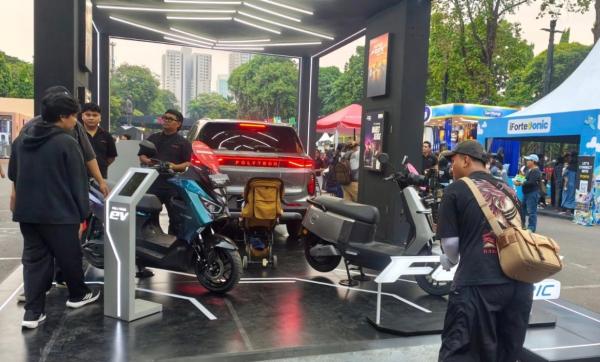
Polytron’s entry into the electric vehicle space has been characterized by a tiered approach, targeting various segments of the urban commute. The current portfolio includes models such as the Fox-R, Fox-S, Fox-350, and the performance-oriented Fox-200. These vehicles are designed to solve the primary "pain points" of EV adoption in Indonesia: range anxiety, charging infrastructure, and total cost of ownership.
The introduction of these models has been supported by a unique subscription-based battery leasing model. By decoupling the cost of the battery from the vehicle price, Polytron has significantly lowered the entry barrier for consumers, allowing them to adopt green technology without the upfront burden of high-capacity lithium-ion battery costs. This model reflects a deep understanding of the local market’s price sensitivity and the need for scalable infrastructure.

Industry Context and Economic Implications
Polytron’s transition is emblematic of the "Industry 4.0" initiative championed by the Indonesian government. The national target to achieve net-zero emissions by 2060 has necessitated a rapid industrial shift toward electrification. By domesticating the production of electric motorcycles, Polytron is contributing to the reduction of the nation’s fuel import bill and the creation of a local supply chain for high-tech components.
According to industry analysts, the shift toward electric mobility in Indonesia is expected to create thousands of jobs in engineering, software development, and technical maintenance. Polytron’s decision to maintain its primary operations in Indonesia signals a commitment to local talent development. The company’s ability to compete with international brands in the EV space suggests that local manufacturers, when given the right policy support and investment, can lead the charge in the regional energy transition.
Challenges and Future Outlook
Despite the successful rollout of its EV line, the road ahead is not without obstacles. The global semiconductor shortage, fluctuations in lithium prices, and the need for a nationwide charging grid remain significant challenges. Furthermore, competition is intensifying as both established global manufacturers and new regional startups crowd the market.
However, Polytron’s history of resilience offers a roadmap for the future. The company has historically thrived by listening to its consumer base and iterating its technology based on real-world usage. Future developments are likely to focus on further integration with smart home ecosystems, where a user’s vehicle, home appliances, and energy management systems communicate seamlessly to optimize power consumption.
Analysis: A Case Study in Resilience
The trajectory of Polytron serves as a vital case study for legacy manufacturing companies worldwide. The company’s success lies in its refusal to remain stagnant. By viewing its transition to electric mobility not as a departure from its core business, but as an expansion of its technological capabilities, Polytron has managed to maintain relevance across generations.

The integration of advanced software into hardware is the hallmark of modern manufacturing. Polytron’s transition from mechanical household appliances to software-defined electric vehicles mirrors the evolution of the global economy. As the company continues to refine its EV technology, it is likely to remain a dominant player in the Indonesian market, potentially serving as a model for how emerging economies can leapfrog traditional industrial stages by embracing green technology.
Conclusion: Sustaining the Momentum
Looking back at the modest beginnings in 1975, the evolution of Polytron is nothing short of remarkable. From producing the first television sets for a developing nation to engineering electric motorcycles for a sustainable future, the company has consistently adapted to the changing needs of the modern consumer.
As it moves further into the 21st century, Polytron’s focus on electric mobility will likely be the defining chapter of its second half-century. With a deep foundation in engineering and a clear vision for a greener Indonesia, the company is well-positioned to navigate the complexities of the global energy transition. Whether through the next iteration of its Fox series or advancements in home energy management, Polytron continues to prove that in the world of technology, progress is the only constant. By maintaining its commitment to quality, innovation, and local empowerment, Polytron is not just participating in the future—it is actively building it.
