
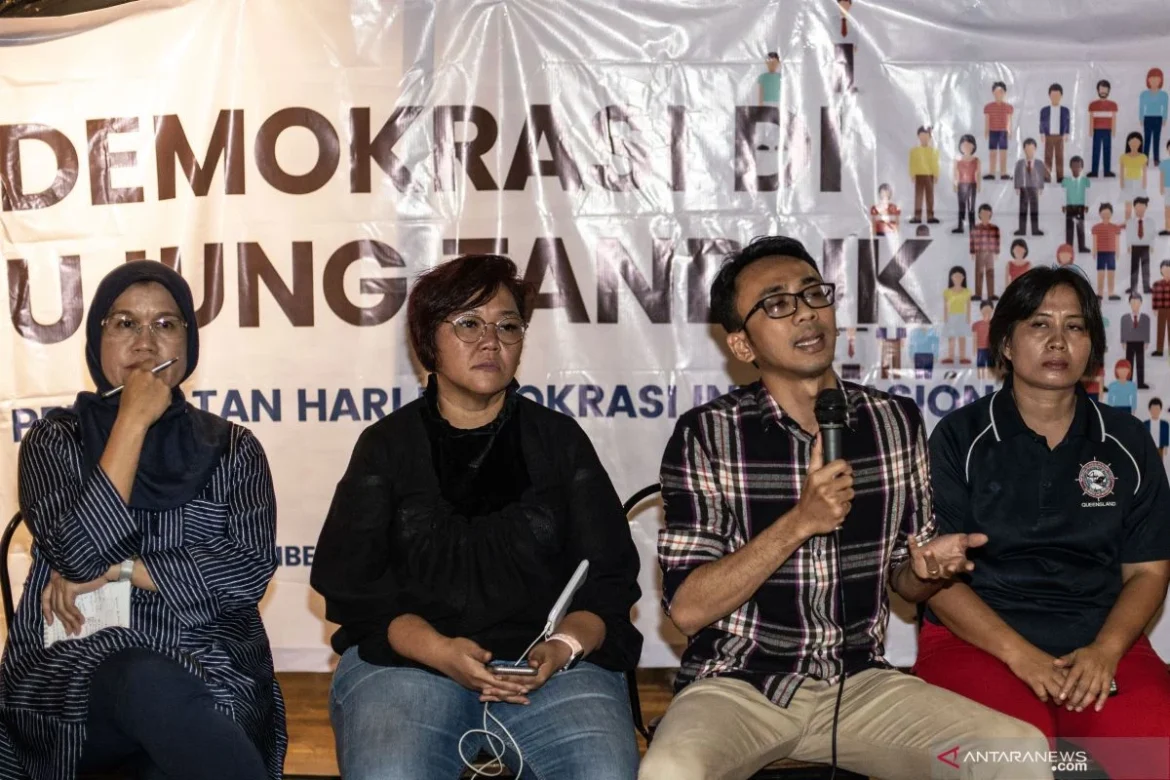
Every September 15, the global community observes the International Day of Democracy, a significant date established by the United Nations to underscore the indispensable role of democratic governance in protecting human rights and fostering sustainable development. As the world navigates the complexities of the mid-2020s, this annual observance serves as a vital barometer for the health of political systems, the protection of civil liberties, and the efficacy of institutions in representing the diverse will of their citizens.
The commemoration is not merely a ceremonial event; it is an urgent call to action for governments, civil society organizations, and international bodies to recommit to the core tenets of democracy. These include the fundamental right to participate in public life, the assurance of the rule of law, the protection of freedom of speech, and the maintenance of transparent, accountable institutions.
Historical Genesis and the Path to Institutionalization
The formalization of the International Day of Democracy was the result of a concerted effort by the international community to consolidate democratic gains following the tumultuous geopolitical shifts of the late 20th century. On November 8, 2007, the United Nations General Assembly adopted Resolution 62/7, which provided a robust framework for supporting member states in their efforts to promote and consolidate democratic governance.
The selection of September 15 as the official date was a calculated historical nod to the Universal Declaration on Democracy, which had been adopted by the Inter-Parliamentary Union (IPU) on September 15, 1997. This declaration was a landmark document, establishing for the first time that democracy is a universal value and that there is no singular model for it. By linking the UN observance to the IPU’s declaration, the global community signaled that democratic legitimacy is rooted in both state-level compliance and international consensus.
The inaugural celebration took place on September 15, 2008. Since then, the day has evolved into an annual forum for reviewing the global state of democracy. Over the past two decades, the focus has shifted from the mere transition to democratic systems to the qualitative assessment of how those systems function under the pressure of globalization, technological disruption, and rising populism.
The Pillars of Democratic Governance
While the common perception of democracy is often synonymous with the mechanics of the ballot box and election cycles, the United Nations emphasizes that the concept is far more expansive. A truly democratic society rests upon a foundation of interconnected principles that ensure the dignity of the individual and the stability of the collective.
Key pillars include:
- Inclusive Participation: The right of every citizen to engage in the decision-making process, whether through direct voting or through representative structures that are genuinely accountable to the electorate.
- The Rule of Law: An independent judiciary and a legal framework that applies equally to all, ensuring that no individual or government entity is above the law.
- Human Rights and Civil Liberties: The protection of fundamental rights, including the freedom of assembly, association, and, crucially, the freedom of expression.
- Accountability and Transparency: Mechanisms that allow for the public to monitor government activities, audit financial spending, and hold officials liable for policy outcomes.
Technological Challenges in the Digital Age
In 2026, the discussion surrounding democracy is increasingly dominated by the impact of digital transformation. While the internet and social media were initially hailed as "liberation technologies" capable of democratizing access to information, they have also become double-edged swords.
The proliferation of misinformation and disinformation has created a fragmented public sphere. Algorithms designed to maximize engagement often prioritize sensationalist or divisive content, which can erode the shared factual reality necessary for constructive democratic debate. Furthermore, the rise of synthetic media—including AI-generated content—presents a sophisticated challenge to the integrity of electoral processes.
International observers note that the democratic quality of a nation is now intrinsically linked to its ability to foster "information integrity." This requires not only regulation but also a robust commitment to media literacy, empowering citizens to discern credible information from malicious manipulation. The challenge for 2026 and beyond is to regulate the digital ecosystem in a manner that protects public discourse without infringing upon the right to free expression.
Global Trends and Institutional Analysis
Data from various democratic indices over the last few years indicates a period of global democratic recession. Several indicators highlight that while the number of states holding elections remains high, the quality of those democratic processes is under strain.
Factors contributing to this decline include the narrowing of civic space, the intimidation of journalists, and the weakening of checks and balances within executive-heavy systems. International monitoring groups often point to the "shrinking space" for civil society as a leading indicator of democratic backsliding. When NGOs, human rights defenders, and independent media face administrative or physical barriers, the ability of the public to hold government institutions accountable is significantly diminished.
However, resilience remains evident. In many parts of the world, youth-led movements and digital activism have successfully pushed for policy shifts, demanding greater government transparency and more aggressive action on issues like climate change and economic inequality. These movements underscore that democracy is not a static state of being but an ongoing process of negotiation between the governors and the governed.
The 2026 Outlook: Reimagining Participation
As of September 2026, the UN calendar marks the International Day of Democracy as a critical moment for policy reflection. Leaders are being encouraged to assess their progress toward the Sustainable Development Goals (SDGs), particularly Goal 16, which calls for the promotion of peaceful and inclusive societies, the provision of access to justice for all, and the building of effective, accountable, and inclusive institutions at all levels.
In a globalized economy, the failure of a democracy in one region can have cascading effects on others, leading to instability, refugee crises, and economic volatility. Consequently, the defense of democracy has become a matter of international security. Collaborative initiatives, such as the peer-review mechanisms established by regional blocs and international human rights committees, continue to serve as essential tools for identifying weaknesses in democratic practices.
The Role of the Individual in Democratic Sustenance
Ultimately, the strength of a democracy is determined by the active involvement of its citizenry. The commemoration of this day serves as a reminder that the democratic mandate is not merely exercised on election day, but through daily engagement with local government, community service, and informed participation in the public dialogue.
Experts in political science argue that the current democratic crisis is partly a crisis of representation—a feeling among many citizens that their voices are not being heard by political elites. Addressing this necessitates a transition toward more participatory models, such as citizens’ assemblies, participatory budgeting, and enhanced digital platforms for public consultation.
Conclusion: A Perpetual Commitment
The International Day of Democracy on September 15 remains a vital annual touchstone. It invites a necessary introspection: how do we adapt democratic institutions to the exigencies of a changing world? How do we protect the sanctity of the vote while ensuring that the outcome of that vote results in tangible improvements to the quality of life?
As the international community reflects on the status of democracy in 2026, the consensus remains that there is no room for complacency. Democracy is a fragile construct that requires constant tending. Whether it is through the defense of a free press, the protection of minority rights, or the pursuit of electoral reform, the effort to sustain democratic values is a collective, ongoing project.
In the final analysis, the International Day of Democracy is a testament to the resilience of the democratic ideal. It stands as a firm acknowledgment that while political systems may change, the human desire for self-determination, dignity, and a voice in one’s own future remains the bedrock of global progress. As we look toward the future, the challenge will be to ensure that these values are not only upheld in principle but are felt in the daily lives of citizens everywhere, bridging the gap between democratic promise and governance reality.
