
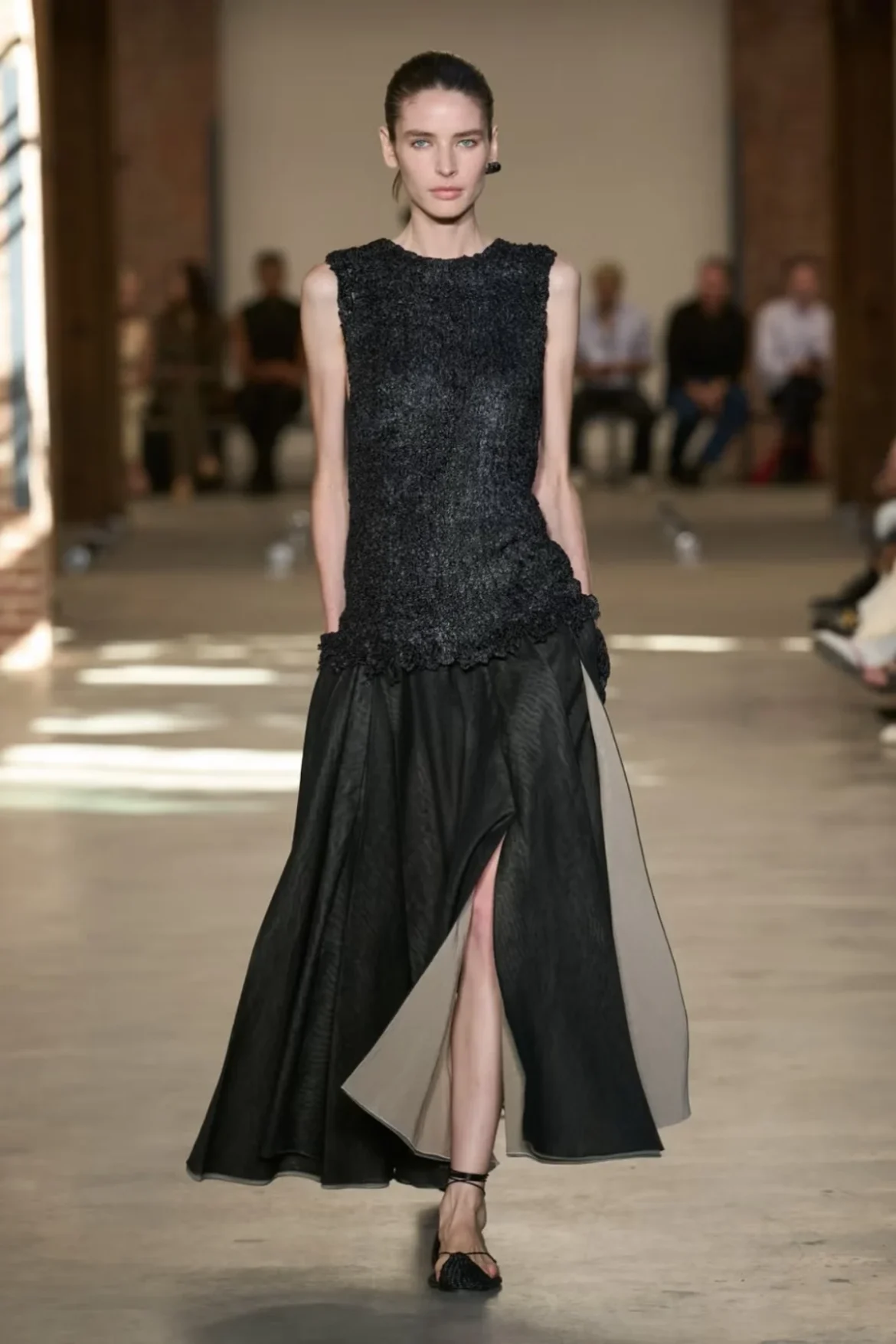
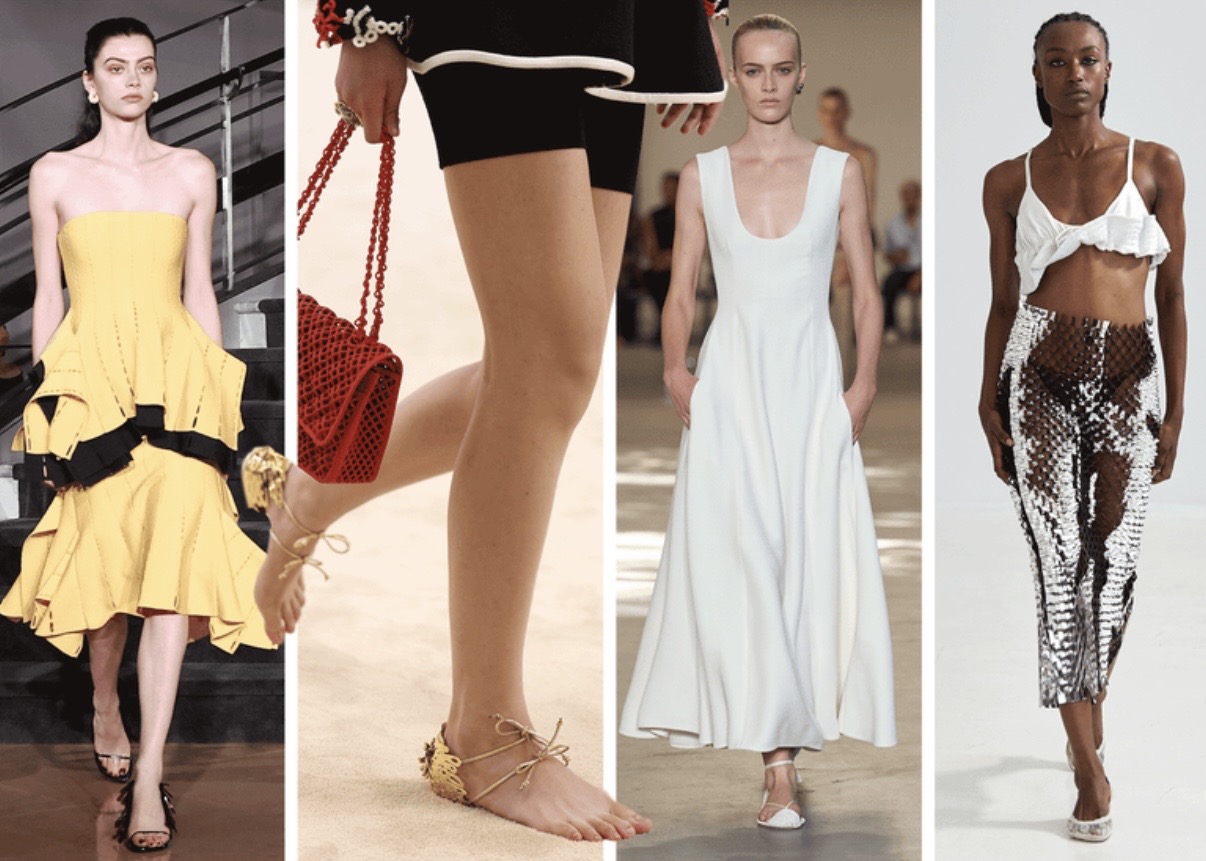
The landscape of contemporary high fashion has undergone a significant shift this season, moving away from the heavy, structured footwear of previous years toward an aesthetic defined by extreme minimalism and structural transparency. During the Spring/Summer 2027 collections, particularly at New York Fashion Week (NYFW), designers have coalesced around the concept of the "naked shoe"—footwear designed to be as unobtrusive as possible, effectively blurring the lines between skin and accessory.
This design philosophy marks a departure from the "chunky" footwear trend that dominated the early 2020s. Instead, fashion houses are embracing a reductionist approach, stripping away excess material to prioritize the architecture of the foot itself. This movement is not merely a stylistic choice; it represents a technical challenge for footwear designers who must balance structural integrity with the illusion of near-total invisibility.
The Return to Radical Minimalism at Calvin Klein
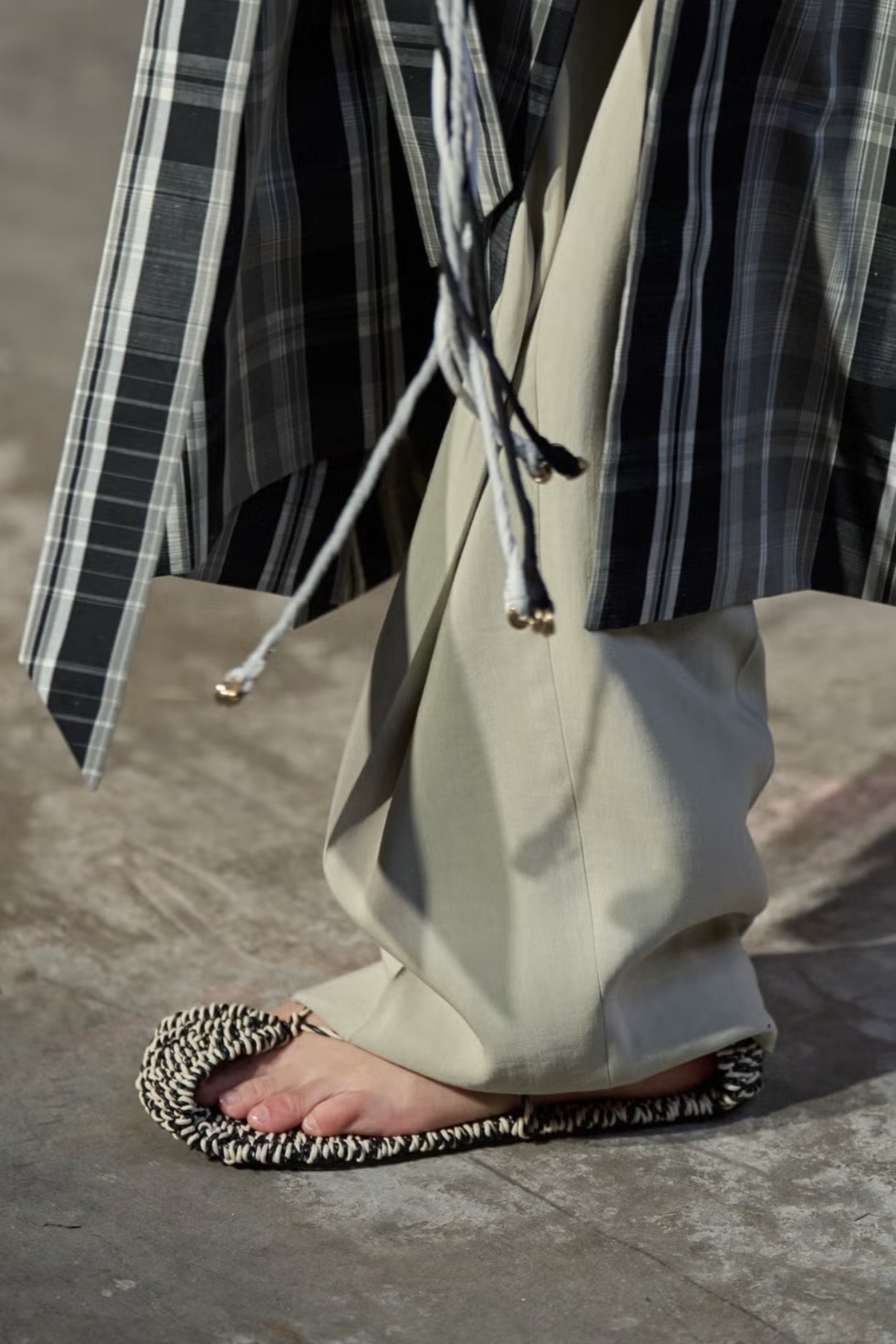
The narrative of this season’s minimalism was arguably best articulated at Calvin Klein, where designer Veronica Leoni returned to the house’s foundational principles. Leoni’s approach focused on the distillation of form, retaining only what she identified as "100% necessary." By eliminating decorative elements and focusing on essential silhouettes—such as simplified blazers and fluid slip dresses—Leoni extended this logic to the feet.
The Calvin Klein footwear presented for Spring/Summer 2027 functions as an extension of the body. One standout model featured an intricate, rattan-inspired base that cradles the heel and toe, anchored by gossamer-thin straps that wrap around the ankle. The construction is intentionally sparse, leaving very little material to obscure the foot. This "slightly naked" approach, where pumps are structurally pared down to their barest minimum, serves as a masterclass in modern restraint, suggesting that the most sophisticated fashion is often that which is barely visible.
A Chronology of the Naked Shoe Trend
While the trend reached a fever pitch during the recent Spring/Summer 2027 collections, the rise of the naked shoe has been a gradual evolution within the industry.
- 2016–2017: The emergence of transparent materials in high fashion, often championed by independent labels like Maryam Nassir Zadeh, whose "Olympia" wedge sandal—featuring clear plastic straps—became a cult item.
- 2020–2023: The "thong" sandal, or flip-flop, transitioned from a beach staple to a luxury accessory. Designers began utilizing premium leathers and sculptural heels to elevate the humble sandal, setting the stage for more experimental, minimalist designs.
- 2025: High-end brands began experimenting with "invisible" heels, utilizing advanced acrylics and tension-based engineering to create the illusion of floating.
- 2026–2027: The current season saw the formalization of the trend on global runways, with major houses like Chanel and Saint Laurent integrating transparent or "barely-there" footwear into their seasonal narratives.
Industry Perspectives and Design Innovations
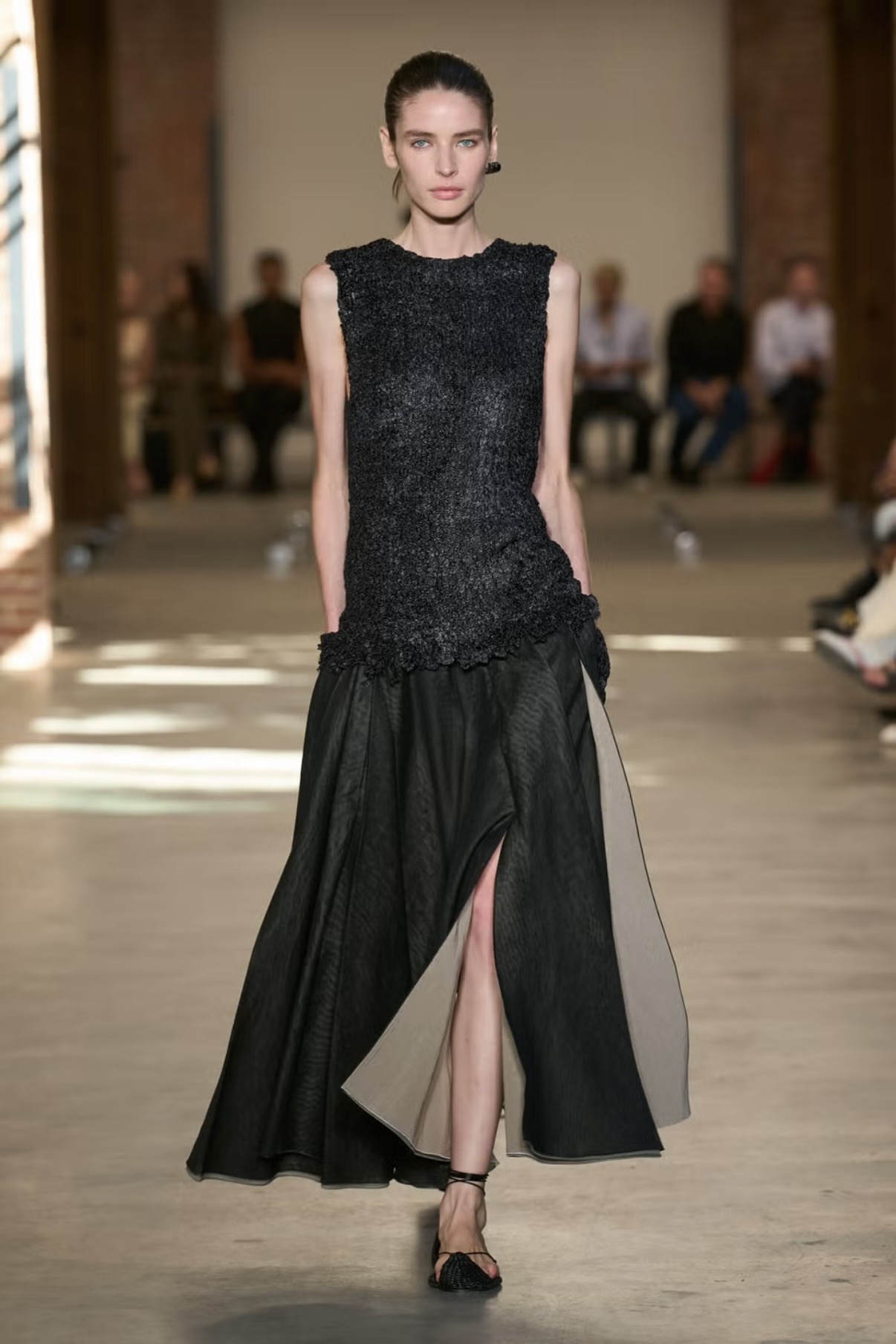
The adoption of this aesthetic has forced designers to innovate rapidly. At Proenza Schouler, designer Rachel Scott presented stiletto heels that rely on a precarious, yet structurally sound, two-strap design. This approach challenges the traditional definition of a shoe, which has historically required a full upper to provide stability. Scott’s designs, which seamlessly blend formal evening wear with casual sensibility, highlight the sensuality inherent in the naked shoe: by elongating the leg and leaving the foot exposed, the shoe becomes a continuation of the wearer’s silhouette rather than an interruption.
In a more avant-garde direction, designer Nicholas Aburn of Area treated footwear as a textile experiment. His collection featured shoes that mimic the appearance of "nude" socks, complete with lace detailing and soles that remain almost entirely hidden from the viewer’s perspective. By integrating thin, transparent straps for security, Aburn successfully created the visual of a barefoot walk, shifting the focus from the object (the shoe) to the action (the movement).
Broader Implications and Market Impact
The trend is not confined to the United States. In Europe, the conversation surrounding transparent footwear has sparked debate regarding the intersection of practicality and performance art. Chanel’s Resort 2027 collection featured sandals that exposed the majority of the foot, leaving only the heel and minimal structure covered. Similarly, Saint Laurent’s men’s Spring 2027 collection utilized transparent plastic for pointed-toe oxfords, a move that generated significant engagement on social media platforms.
Critics and industry analysts note that the "naked shoe" serves as a catalyst for discussion. There is an inherent "uncanny" quality to footwear that leaves the foot exposed, often described as a form of "kink" or "subversion" within the fashion lexicon. This psychological impact is a deliberate tool used by designers to ensure their collections remain memorable in an increasingly digital and image-saturated fashion environment.
From a market perspective, the prevalence of these styles suggests that luxury consumers are seeking "quiet" luxury—pieces that offer technical complexity and high-end materials without the distraction of loud logos or overt ornamentation. However, the commercial success of the naked shoe remains tied to its comfort. While runway models can navigate complex structures, mass-market adoption will likely depend on the development of more ergonomic, supportive versions of these transparent designs.
Looking Toward Daily Application
For those looking to adopt the trend beyond the runway, the transition is already underway. Brands such as Daniella Kallmeyer have begun offering more wearable iterations of the trend, such as thong sandals with thin leather straps and modest wedge heels. These pieces provide the visual lightness of the naked shoe while maintaining the practical requirements of everyday urban mobility.
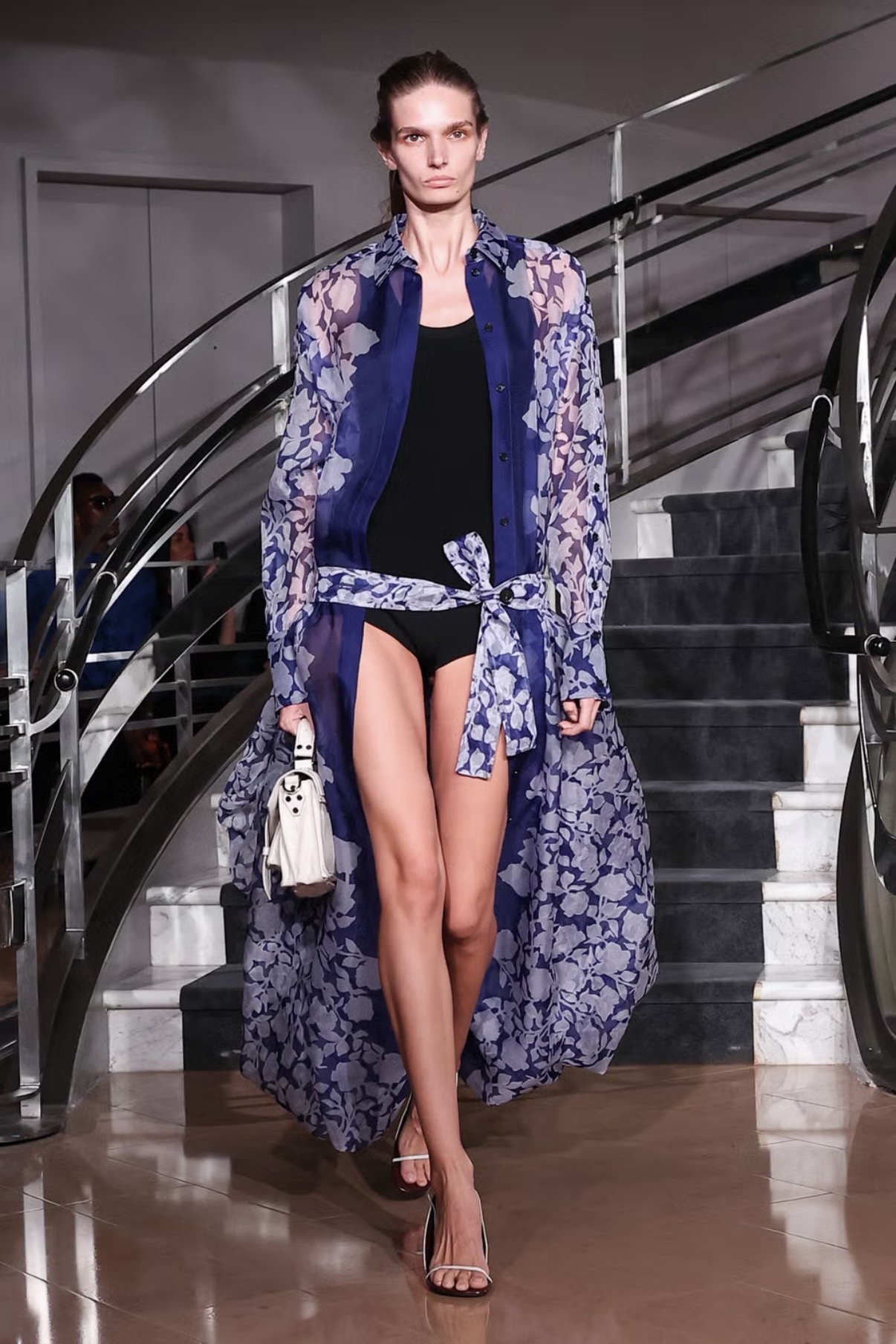
As the industry moves forward, the naked shoe will likely remain a significant feature of upcoming collections. The ability to manipulate materials—from soft leathers to high-tensile plastics—to create the illusion of nothingness represents a high-water mark for contemporary fashion engineering. Whether it is perceived as a triumph of minimalism or an impractical exercise in aesthetics, the naked shoe has undoubtedly succeeded in its primary goal: it has forced the industry to reconsider the very foundation of what it means to be well-shod.
The Spring/Summer 2027 season will be remembered as the moment when the foot was finally brought to the forefront, stripped of its traditional coverings, and allowed to stand as the primary focal point of the modern sartorial ensemble. As designers continue to refine these silhouettes, the challenge will be to maintain the balance between the ephemeral nature of the "naked" look and the tangible reality of the modern lifestyle.
