
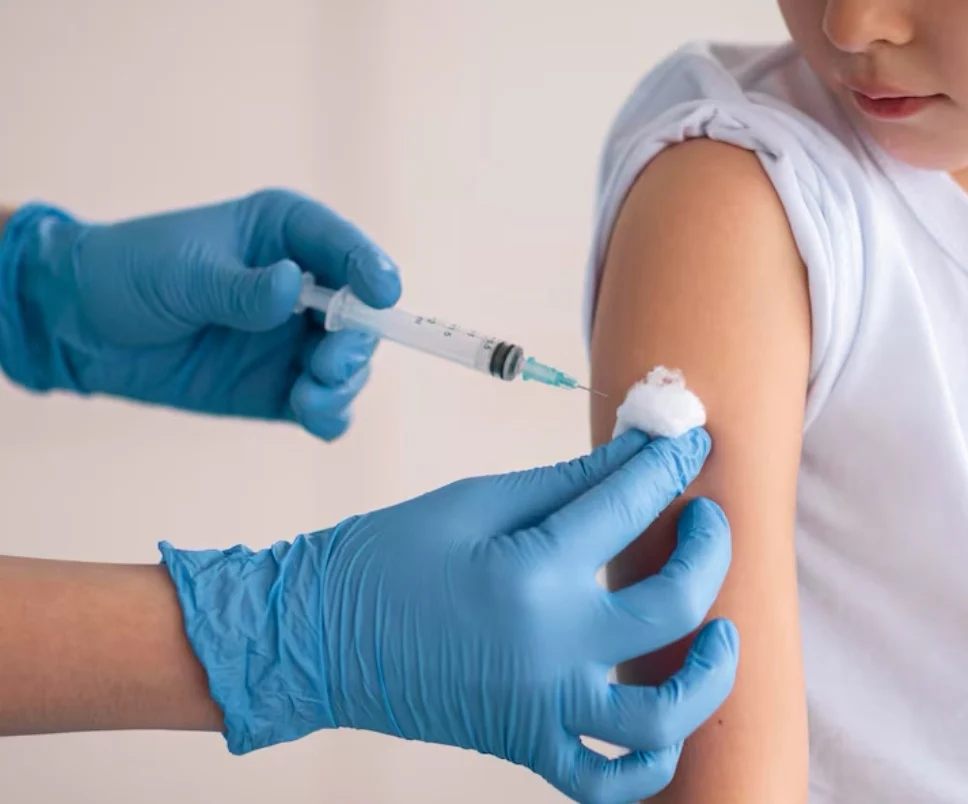
Receiving an annual influenza vaccine is widely considered the cornerstone of public health efforts to mitigate the seasonal impact of respiratory viruses, yet a common point of public confusion remains: why do individuals still contract the flu despite being immunized? The reality of clinical immunology is that the influenza vaccine is not a monolithic shield but rather a strategic preparation of the immune system. While it significantly reduces the likelihood of infection, it does not guarantee total immunity. The virus’s inherent biological instability and the complexity of human immune responses mean that even vaccinated individuals may occasionally experience illness, though typically in a much milder form than they would have otherwise.
The Biological Nature of Influenza Viruses
To understand why "breakthrough" flu cases occur, one must first understand the nature of the virus itself. Influenza is characterized by its high rate of genetic mutation, a process known as antigenic drift. Small genetic changes occur as the virus replicates, which can alter the surface proteins—hemagglutinin (HA) and neuraminidase (NA)—that the immune system uses to identify and neutralize the pathogen.
Influenza A, which is the most virulent form and responsible for the majority of seasonal epidemics, includes common subtypes such as H1N1 and H3N2. Because these subtypes evolve rapidly, the specific virus strain circulating in a given year may be slightly different from the strain used to formulate the vaccine months earlier. Influenza B, while generally less prone to rapid mutation than Type A, also evolves, typically circulating in two main lineages: Victoria and Yamagata.
When a vaccine is developed, researchers from global health organizations, including the World Health Organization (WHO), analyze surveillance data to predict which strains will be most prevalent in the upcoming season. However, if a novel strain emerges or a dominant strain mutates significantly after the vaccine formulation is finalized, the resulting vaccine may offer "mismatched" protection. While the vaccine still provides a baseline level of cross-reactive immunity, this mismatch is a primary reason why vaccinated individuals may still test positive for the virus.
Understanding Vaccine Efficacy and Effectiveness
In clinical terms, "efficacy" and "effectiveness" are distinct metrics. Vaccine efficacy is measured in controlled clinical trials, while effectiveness is measured by how well the vaccine works in the "real world" once it is distributed to the general population.
According to data from the Centers for Disease Control and Prevention (CDC), flu vaccine effectiveness typically ranges from 40% to 60% during seasons when the vaccine strains are well-matched to circulating viruses. This percentage does not mean that the vaccine only works for 40% of the population; rather, it indicates that the average vaccinated person is 40% to 60% less likely to require medical attention for the flu compared to an unvaccinated person.
Even when infection occurs, the vaccine serves a vital secondary purpose: the mitigation of symptom severity. For individuals who have been vaccinated, the immune system has already been "primed" to recognize the viral markers. Consequently, the body can mount a faster, more robust response. This often translates to fewer days of high fever, less severe respiratory distress, and, crucially, a significant reduction in the risk of secondary complications such as pneumonia, bronchitis, or worsening of chronic conditions like asthma and heart disease.
The Chronology of Transmission and Symptom Onset
The transmission of influenza is remarkably efficient, occurring primarily through respiratory droplets expelled when an infected person coughs, sneezes, or talks. These droplets can travel one to two meters, landing in the mouths or noses of people nearby. In some cases, infection can occur by touching a surface contaminated with the virus and subsequently touching the eyes, nose, or mouth.
Once the virus gains entry into the respiratory tract, the incubation period is relatively short, typically ranging from one to four days. This rapid onset is one of the reasons influenza remains a persistent public health challenge. Because an infected individual can shed the virus—and thus transmit it to others—before they even show symptoms, the virus spreads through communities with high velocity.
For a vaccinated individual, the immune response begins the moment the virus enters the body. However, because the virus replicates so quickly, it can cause localized inflammation and symptoms before the adaptive immune system fully neutralizes the pathogen. This is why a person might feel "under the weather" after vaccination, which is often misinterpreted as the vaccine causing the flu. In reality, the vaccine is an inactivated or attenuated product that cannot cause influenza infection; symptoms reported shortly after vaccination are usually the result of the body’s natural inflammatory response to the vaccine antigens.
High-Risk Populations and the Necessity of Vaccination
While the general population is advised to seek annual vaccination, certain groups are at significantly higher risk of experiencing severe, life-threatening complications from influenza. These include children under the age of five, adults over the age of 65, pregnant women, and individuals with underlying medical conditions such as diabetes, cardiovascular disease, and chronic lung disease.
For these populations, the goal of vaccination is not necessarily the prevention of every mild cough or sneeze. The primary clinical objective is the prevention of hospitalization and mortality. Public health officials emphasize that even in years with lower vaccine effectiveness, the vaccination of high-risk groups remains the most effective intervention available to prevent mass morbidity.
The Role of Global Surveillance
The global response to influenza is managed through the Global Influenza Surveillance and Response System (GISRS), a network of national influenza centers and WHO collaborating centers. This network conducts year-round monitoring of influenza viruses, tracking their evolution and geographic spread.
Twice a year, the WHO holds consultations to determine the composition of the influenza vaccine for the Northern and Southern Hemispheres. This rigorous process requires synthesizing data from thousands of samples collected globally. Despite the technological sophistication of these monitoring systems, the biological volatility of the virus means that perfect prediction is an impossibility. This inherent unpredictability underscores the importance of secondary preventative measures, such as frequent handwashing, respiratory etiquette, and staying home when sick.
Implications for Public Health Policy
The continued persistence of influenza despite widespread vaccination programs has led to a shift in public health messaging. Health agencies are moving away from promising "prevention of infection" toward emphasizing "prevention of severe disease." This shift is critical for maintaining public trust. If the public perceives the flu vaccine as a complete barrier to illness, any breakthrough case can lead to skepticism regarding the vaccine’s utility.
Furthermore, the integration of flu vaccination with other respiratory virus prevention strategies—such as the development of combined COVID-19 and influenza vaccines—is currently a major focus of pharmaceutical research. By targeting multiple pathogens simultaneously, health officials hope to simplify the immunization schedule and increase uptake rates.
Conclusion
The question of why one can contract influenza after vaccination is rooted in the complex interplay between a rapidly mutating virus and the dynamic nature of human immunity. Vaccination is a highly successful public health tool, yet it operates on the principle of risk reduction rather than absolute immunity. By understanding that the flu vaccine serves to shorten the duration of illness, reduce the severity of symptoms, and prevent critical medical complications, individuals can make informed decisions about their health.
In the face of an ever-evolving respiratory threat, the annual flu vaccine remains an essential, albeit imperfect, shield. The data consistently demonstrates that the benefits of vaccination far outweigh the risks, providing a critical layer of protection that helps keep the global healthcare infrastructure from being overwhelmed during peak transmission seasons. As medical research continues to pursue universal influenza vaccines—which would target the stable parts of the virus that do not change over time—the current annual vaccination strategy remains the most effective defense available to the modern public.
