The rapid acceleration of digital transformation across Indonesia’s financial landscape has necessitated a fundamental shift in how national banking institutions approach their underlying technological architecture. As digital services become the primary touchpoint for millions of customers, the demand for robust, scalable, and highly adaptable infrastructure has reached a critical inflection point. This urgency was the central focus of the Lintasarta Executive Dialogue, an industry-leading forum themed "Mastering Digital Infrastructure in the Intelligent Banking Era Through Bandwidth on Demand (BWoD)," held in Jakarta on September 10, 2026.
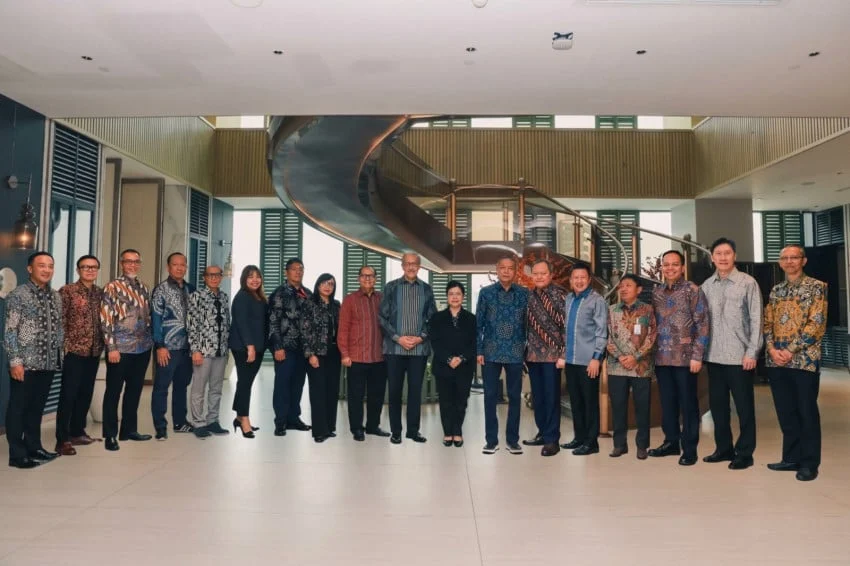
The event, co-hosted by Lintasarta and Infobank, served as a vital nexus for decision-makers from top-tier national and multinational banks. Participants included senior representatives from the Indonesian State-Owned Banks Association (Himbara), the National Banks Association (Perbanas), and the Regional Development Banks Association (Asbanda). Furthermore, the dialogue featured critical contributions from high-ranking officials from Bank Indonesia (BI) and the Financial Services Authority (OJK), signaling a collaborative effort between industry players and regulators to fortify the nation’s financial backbone.
The Evolution of Banking Infrastructure in the Digital Age
The Indonesian banking sector has undergone a seismic shift over the past decade. Driven by the proliferation of mobile internet and the entry of agile fintech competitors, traditional banks have had to pivot toward a "digital-first" model. This transformation is not merely about launching mobile applications; it is about re-engineering the complex IT ecosystems that handle millions of transactions daily.
In the current intelligent banking era, data is the new currency. Artificial Intelligence (AI), machine learning-based credit scoring, and real-time transaction processing require significant computing power and stable, high-speed connectivity. However, the traditional procurement of network infrastructure—often characterized by rigid, long-term contracts and fixed capacity—is proving increasingly inadequate for the modern, high-velocity financial market.
Addressing the Volatility of Digital Demand
A primary challenge identified during the Lintasarta dialogue is the inherent unpredictability of data traffic in the banking sector. Unlike static retail environments, banking traffic is characterized by extreme fluctuations triggered by specific operational cycles and unforeseen market events.
During the event, industry experts highlighted several key periods where connectivity requirements spike exponentially:
- Month-End and Year-End Closings: During these periods, core banking systems undergo intense reconciliation, batch processing, and reporting cycles that place immense strain on network bandwidth.
- Payroll Processing: The "payday effect," typically occurring at the end of each month, triggers a massive surge in mobile banking transactions, ATM withdrawals, and digital transfers, creating temporary bottlenecks.
- Disaster Recovery (DR) Drills: In an era of increasing cyber threats and climate-related risks, banks must frequently synchronize large volumes of data between primary data centers and disaster recovery sites.
- Product Launches and Marketing Campaigns: The deployment of new digital features or large-scale promotional events often leads to sudden spikes in user engagement, requiring immediate scaling of network resources to ensure a seamless customer experience.
Before the introduction of agile solutions, banks were often forced to "over-provision" their bandwidth—paying for maximum capacity year-round to ensure stability during peak periods. This resulted in significant capital inefficiencies, with substantial network capacity remaining dormant during standard operational hours.
Introducing Bandwidth on Demand (BWoD)
To address these inefficiencies, Lintasarta unveiled its Bandwidth on Demand (BWoD) solution, a dynamic connectivity model designed to align infrastructure costs with actual usage. The BWoD service represents a paradigm shift from traditional, static Wide Area Network (WAN) configurations.
The solution provides banks with the ability to adjust their bandwidth capacity on the fly. Key features of the BWoD offering include:
- Scalability: Capacity scaling of up to 1 Gbps in regions equipped with the necessary technical infrastructure.
- Operational Agility: The ability to instantly scale up for peak demand and scale down during off-peak periods, allowing for precise resource allocation.
- Self-Service Management: Through Lintasarta’s "Super Apps Ultima," banking IT teams can manage their network capacity independently without waiting for manual provisioning from a service provider.
This self-service functionality is critical. In a high-stakes banking environment, waiting days or even hours for an ISP to upgrade bandwidth is unacceptable. By empowering bank IT departments with direct control, Lintasarta aims to reduce the "time-to-market" for critical banking services and improve overall operational resilience.
Regulatory and Strategic Perspectives
The presence of Bank Indonesia and the OJK at the dialogue underscored the regulatory priority placed on "Digital Resilience." As Indonesian banks become more reliant on digital connectivity, the systemic risk associated with network failures increases.
From a regulatory standpoint, the ability of a bank to manage its network capacity effectively is now viewed as a component of sound risk management. The OJK has repeatedly emphasized the importance of robust IT governance in the financial sector, particularly regarding the security and availability of digital services. Solutions like BWoD are seen as instruments that not only improve efficiency but also contribute to the stability of the national payment system by ensuring that connectivity is always available when and where it is needed most.
Industry leaders present at the dialogue noted that the shift toward software-defined infrastructure is inevitable. As banks move toward multi-cloud environments and distributed architectures, the network must become as flexible as the software it supports. The consensus among the Himbara and Perbanas members was that the transition to an intelligent, demand-driven infrastructure is no longer a luxury but a fundamental requirement for staying competitive in a rapidly digitizing economy.
Economic and Operational Implications
The implementation of BWoD technology carries several long-term implications for the Indonesian financial sector:
- Cost Optimization: By shifting from a fixed-cost model to a consumption-based model, banks can significantly reduce their operational expenditure (OPEX) related to IT connectivity. These savings can then be redirected toward innovation and digital product development.
- Enhanced User Experience (UX): Reliable, high-speed connectivity ensures that banking applications remain responsive during high-traffic periods, directly improving customer satisfaction and loyalty.
- Improved Security: Dynamic bandwidth allocation allows for better management of traffic during security incidents. For instance, in the event of a Distributed Denial of Service (DDoS) attack, the ability to rapidly adjust bandwidth can provide the necessary headroom for mitigation strategies to take effect.
- Support for Digital Inclusion: As banks expand their services to remote regions of Indonesia, the ability to manage infrastructure remotely via Super Apps like Ultima becomes essential for maintaining high service standards outside of major urban centers.
Looking Ahead: The Future of Intelligent Banking
The Lintasarta Executive Dialogue serves as a clear indicator of the direction in which the Indonesian banking sector is headed. The focus is no longer just on expanding digital reach, but on perfecting the "plumbing" that keeps the digital economy flowing.
As the industry moves toward 2027 and beyond, the integration of advanced connectivity solutions will be a differentiator for banks aiming to maintain their market share. The collaboration between service providers like Lintasarta and the banking community highlights a proactive approach to infrastructure management, moving away from reactive "break-fix" models toward a strategic, intelligent framework.
For the banking sector, the task ahead remains clear: to continue investing in technology that is not only capable but also adaptive. As transaction volumes continue to rise and customer expectations for 24/7 availability become the norm, the ability to master digital infrastructure through solutions like Bandwidth on Demand will be the cornerstone of a resilient and prosperous financial future for Indonesia. The success of these initiatives will ultimately be measured by the ability of the national banking system to provide seamless, secure, and uninterrupted services to every citizen, regardless of the scale or unpredictability of the digital environment.