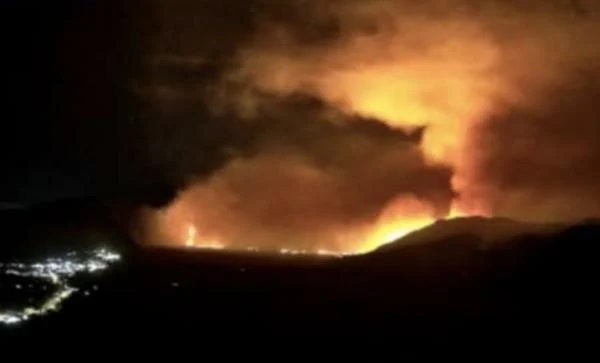
The iconic Mount Bromo tourism area, one of Indonesia’s most prized national landmarks, has been placed under a total lockdown effective Saturday, September 12, 2026. This drastic measure was mandated by the Balai Besar Taman Nasional Bromo Tengger Semeru (BB-TNBTS) following a series of aggressive forest and land fires that have ravaged the landscape, creeping dangerously close to critical infrastructure, including the Jemplang Gate in Ngadas Village, Poncokusumo District, Malang Regency.
The decision to shutter all entry points to the caldera and surrounding hiking trails was finalized late Saturday, as flames were reported licking the edges of the Malang-Lumajang highway. The fire, fueled by persistent strong winds and vast stretches of drought-stricken, highly flammable vegetation, has transformed the serene alpine landscape into an active disaster zone, necessitating an immediate pivot from tourism management to emergency crisis containment.
The Chronology of the Crisis
The escalation of the fire began earlier this week, with initial reports of smoke plumes appearing in the secondary forest areas surrounding the Tengger massif. However, by the morning of September 12, the situation deteriorated rapidly. The fire front moved with unexpected velocity toward the Jemplang area, a pivotal junction that serves as a primary gateway for tourists traveling from the Malang direction toward the sea of sand and the Bromo crater.
By midday on Saturday, eyewitnesses and local field reports confirmed that the fire had reached the periphery of the main road, situated in close proximity to the Bromo Hillside area. The combination of erratic wind patterns, characteristic of the high-altitude terrain, and the accumulation of dry savanna grass—which is particularly vulnerable during the current dry season—turned the fire into a rapidly shifting, multi-front challenge for firefighting teams.
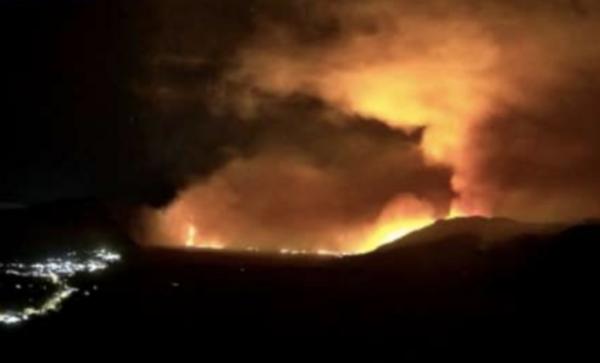
The BB-TNBTS, in coordination with local disaster mitigation agencies (BPBD), regional police, and military personnel, attempted to establish containment lines. Despite these efforts, the intensity of the blaze and the difficulty of the rugged terrain compelled authorities to prioritize public safety over all other operational concerns, leading to the total closure announcement.
Official Stance and Emergency Response
Rudijanta Tjahja Nugraha, Head of the BB-TNBTS, emphasized that the decision to implement a total closure was non-negotiable. “The primary objective at this juncture is the safety and security of all visitors and personnel involved in the mitigation efforts,” Rudijanta stated in a formal press release issued Saturday evening. He noted that the continued influx of tourists would not only pose a direct physical risk to individuals but would also severely impede the movement of heavy machinery, water tankers, and fire-fighting crews attempting to navigate the narrow access roads near the Jemplang post.
According to official protocols, the closure applies to all four main entry points of the national park, including access from Probolinggo, Pasuruan, Lumajang, and Malang. The authorities have explicitly stated that the park will remain closed until further notice, pending a thorough safety assessment and the successful suppression of all active ignition points.
Regarding the logistical impact on the tourism industry, the management has offered two solutions for those who had already secured entry permits: a full refund of the ticket price or an opportunity to reschedule the visit to a future date once the park is declared safe for public reentry.
Environmental Context and Vulnerability
Mount Bromo is part of the Bromo Tengger Semeru National Park, a protected conservation area that covers approximately 50,276 hectares. The ecosystem here is delicate, characterized by high-altitude savanna, montane forests, and volcanic features that rely on a specific balance of rainfall and vegetation density.

Historically, this region is prone to fires during the peak of the dry season, which typically runs from June to September. The accumulation of biomass—specifically the Imperata cylindrica (lalang) grass—creates a high fuel load. When combined with the diurnal temperature fluctuations and high wind speeds common to the caldera, the area becomes a tinderbox.
Ecological experts have noted that the 2026 dry season has been particularly harsh, with lower-than-average precipitation levels recorded in East Java. This environmental stress has left the national park’s flora in a state of extreme desiccation, making it susceptible to both accidental ignition and the rapid spread of fire. While the exact cause of the current ignition remains under investigation, the authorities have consistently reminded the public that fire prevention is a collective responsibility, particularly given the park’s status as a site of significant biodiversity and geological importance.
Economic and Tourism Implications
The closure of Mount Bromo represents a significant blow to the local economy of East Java. The park serves as a cornerstone of the regional tourism sector, attracting thousands of domestic and international visitors each week. The sudden cessation of activities impacts not only the national park’s revenue but also the livelihoods of local jeep operators, horse rental services, guest house owners, and culinary vendors who depend on the consistent flow of tourists.
During peak seasons, the Bromo-Tengger-Semeru area contributes significantly to the regional GDP. Local business associations have expressed concern over the duration of the closure, hoping that the authorities can expedite the containment process to minimize the loss of income. However, they also acknowledge that the integrity of the natural landmark must be preserved at all costs. If the damage to the vegetation is extensive, the recovery period for the ecosystem could span several years, potentially altering the landscape that draws millions to the region.
Comparative Analysis and Future Mitigation
This incident highlights the ongoing challenges of managing high-traffic natural tourism sites in Indonesia. Similar to the eruption and fire-related closures seen in the neighboring Mount Semeru, the Bromo crisis serves as a reminder of the volatility of volcanic landscapes.

From an administrative perspective, the current situation has prompted calls for a more robust fire management strategy. This includes the development of better firebreaks, the installation of advanced infrared surveillance cameras to detect hotspots before they escalate into major fires, and a more comprehensive crisis communication strategy to keep stakeholders informed in real-time.
Furthermore, the integration of local community knowledge—particularly that of the Tenggerese people who have lived in harmony with the mountain for centuries—is being emphasized as a vital component of future wildfire mitigation. Their intimate knowledge of the wind patterns and terrain can be invaluable to the firefighting teams who are often deployed from outside the region.
The Road Ahead
As of Sunday morning, teams are working around the clock to prevent the flames from spreading into deeper forest zones. The wind remains the greatest variable, as it has the potential to redirect the fire toward sensitive conservation zones that are inaccessible to vehicles.
While the park remains silent and empty of tourists, the national park authority has asked the public to refrain from approaching any part of the perimeter of the national park, as unauthorized individuals can easily get trapped or injured in the shifting conditions. The authorities have promised transparency regarding the reopening, with regular updates expected to be posted on official social media channels and through government news bulletins.
In the face of this natural challenge, the resilience of the local community and the efficiency of the national emergency response will be tested. For now, Mount Bromo, usually a symbol of vibrant beauty and spiritual significance, remains a guarded, smoldering landscape, waiting for the smoke to clear and the process of ecological and economic restoration to begin. The event stands as a sober reminder of the fragility of the environment and the constant vigilance required to protect Indonesia’s most cherished natural assets.