The investigation into the controversial death of Sutrimo, who reportedly served as the Head of Household (Karumga) for former Junior Attorney General for Special Crimes (Jampidsus) Febrie Adriansyah, is approaching a critical juncture. Law enforcement authorities in Indonesia’s capital have confirmed that the long-awaited forensic findings derived from the exhumation of Sutrimo’s remains will be officially disclosed to the public in the near future. This announcement is expected to bring much-needed clarity to a case that has captured significant public and media attention due to its sensitive institutional context and the lingering questions surrounding the exact mechanism and manner of death.
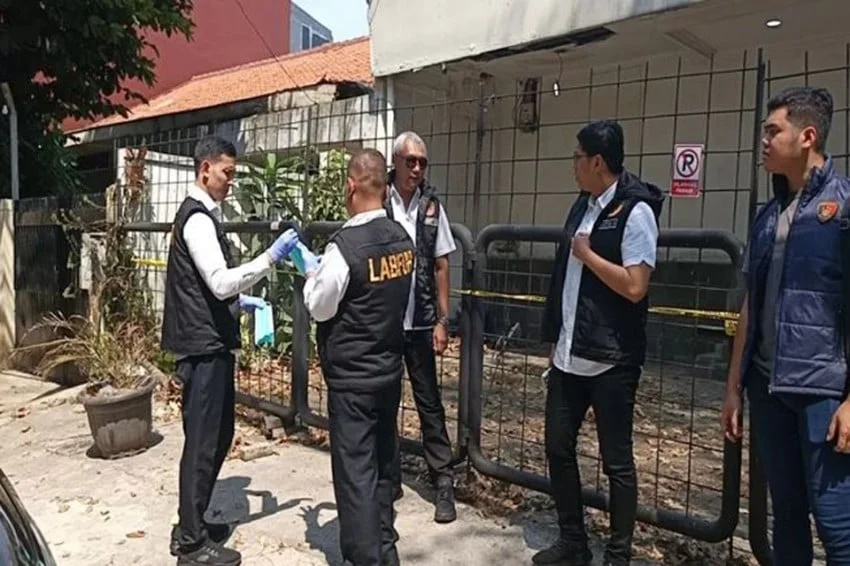
Director of General Criminal Investigation at the Jakarta Metro Police, Senior Commissioner Iman Imanuddin, provided crucial updates regarding the timeline of the investigation. Speaking to reporters, Commissioner Iman explained that the impending disclosure follows comprehensive coordination between investigators and the Indonesian National Police’s Forensic Laboratory Center (Puslabfor Polri). The rigorous scientific examination of various biological samples collected during the exhumation process has reached its final stages, ensuring that the conclusions presented will meet the highest standards of forensic science and legal accountability.
Background Context and Institutional Significance
The case surrounding Sutrimo’s death has reverberated across legal and political circles in Indonesia largely because of his professional affiliation. As the reported Karumga for Febrie Adriansyah—a high-profile figure within the Attorney General’s Office (Kejagung) who oversaw numerous high-stakes corruption prosecutions—Sutrimo’s untimely passing immediately generated intense speculation and public scrutiny.
In high-profile matters involving individuals connected to vital state institutions, public trust relies heavily on transparency, rigorous independent investigation, and uncompromised forensic analysis. Recognizing the gravity of the situation and the necessity of avoiding conflicts of interest or perceptions of institutional bias, the jurisdiction of the case underwent significant administrative shifts. Initially handled at local and national investigative levels, the responsibility for unraveling the truth behind Sutrimo’s death was ultimately consolidated under the authority of the Jakarta Metro Police (Polda Metro Jaya), which formally took over the probe from initial reports lodged at Bareskrim Polri and the Banyumas Regional Police.
The Complexity of Forensic Exhumation and Laboratory Analysis
The delay between the execution of the exhumation and the release of the final results has been a point of public inquiry. Addressing this, law enforcement officials have consistently emphasized that forensic pathology and toxicology are meticulous disciplines that cannot be rushed, particularly when a case demands absolute scientific certainty.
When an exhumation is performed months after burial—as was the case with Sutrimo—pathologists face unique challenges related to tissue degradation and environmental contamination. Consequently, the extraction and testing of multiple biological and histological samples require specialized methodologies. The Puslabfor Polri, working in tandem with independent forensic experts, had to conduct exhaustive screenings for potential toxins, histological anomalies, and signs of physical trauma.
Commissioner Iman noted that the extensive array of samples collected necessitated a specialized and methodical approach. "The process of examination must be truly specific and scientifically accountable," Iman stated, underscoring that rushing such a delicate procedure could compromise the integrity of the findings and leave room for legal or medical ambiguity in subsequent judicial proceedings.
Chronology of the Investigation and Exhumation Process
A clear timeline underscores the methodical progression of the investigation into Sutrimo’s death:
- Initial Reports and Jurisdictional Transfer: Following initial filings at the national police headquarters (Bareskrim Polri) and the Banyumas Police, the investigation into the circumstances of Sutrimo’s death was formally transferred and centralized under the Directorate of General Criminal Investigation of Polda Metro Jaya to ensure a centralized, specialized, and transparent inquiry.
- Escalation to Investigation Stage: Finding sufficient preliminary evidence of potential criminal elements surrounding the death, Polda Metro Jaya officially elevated the status of the case from a preliminary inquiry (penyelidikan) to a full-fledged criminal investigation (penyidikan).
- The Exhumation Procedure: On Wednesday, August 12, 2026, law enforcement executed the court-authorized exhumation of Sutrimo’s remains. The sensitive procedure commenced at approximately 09:30 Western Indonesia Time (WIB) and extended for over three hours, concluding safely at 13:00 WIB under strict security and medical supervision.
- Multidisciplinary Medical and Forensic Team Deployment: The exhumation and subsequent autopsy procedures were not conducted by police investigators alone. They involved a collaborative, multi-agency team comprising forensic specialists from Polda Metro Jaya, the Central Java Regional Police, the Indonesian Association of Forensics and Medicolegal Doctors (PDFMI), the National Police Forensic Laboratory Center, and independent academic experts from prominent institutions.
- Laboratory Testing Phase: Following the recovery of tissue and fluid samples during the exhumation, the evidentiary materials were transferred to the Puslabfor Polri for toxicological, pathological, and chemical profiling.
- Impending Public Disclosure: With laboratory analyses nearing completion, Polda Metro Jaya announced in September 2026 that the definitive findings regarding the exact cause of death will be formally unveiled to the public.
Legal Status and Ongoing Judicial Process
Despite the formal elevation of the case to the investigation stage, law enforcement authorities have maintained a prudent and legally rigorous stance regarding culpability. As of the latest updates provided by Polda Metro Jaya, investigators have not yet named any formal suspects in connection with the case.
Legal experts and observers note that this cautious approach is standard practice in complex forensic investigations. Police are deliberately waiting for the finalized, peer-reviewed laboratory results from Puslabfor before determining whether the evidence points toward natural causes, accidental death, suicide, or foul play involving third-party criminal liability. Prematurely designating suspects without definitive pathological proof could severely jeopardize the integrity of any future prosecution.
Expert Perspectives on the Necessity of Autopsy and Exhumation
The decision to exhume Sutrimo’s body received overwhelming backing from legal scholars, medical professionals, and criminologists across Indonesia. In the early stages following the incident, numerous legal experts publicly stressed that an exhumation was an indispensable step to dispel lingering public doubts and establish an irrefutable medical baseline regarding the cause of death.
In criminal jurisprudence, physical evidence and forensic pathology serve as objective witnesses that cannot be influenced by external pressures or subjective testimonies. By engaging the Indonesian Association of Forensics and Medicolegal Doctors (PDFMI) alongside academic institutions, the investigative team ensured that the procedures adhered to international standards of medical neutrality. This multidisciplinary oversight is vital for producing a comprehensive post-mortem report that can withstand rigorous scrutiny in a court of law should criminal charges eventually be filed.
Broader Implications and Public Accountability
The final resolution of the Sutrimo investigation carries profound implications beyond the immediate legal parameters of the case. Because of the decedent’s professional association with former Jampidsus Febrie Adriansyah—an official who spearheaded major anti-corruption campaigns and sensitive state investigations—the public and civil society organizations have closely monitored every development.
Transparency in this case is viewed by anti-corruption advocates and legal watchdogs as a crucial litmus test for institutional accountability within Indonesia’s law enforcement apparatus. A clear, scientifically robust, and publicly transparent disclosure by Polda Metro Jaya will play an instrumental role in maintaining public confidence in the criminal justice system, neutralizing conspiracy theories, and ensuring that justice is administered impartially, regardless of the institutional affiliations or backgrounds of the individuals involved.
As Polda Metro Jaya prepares to officially table the final Puslabfor findings, all eyes remain fixed on the capital’s police headquarters. The forthcoming statement is anticipated to provide definitive answers, outlining the scientific truths behind Sutrimo’s final moments and charting the next legal steps in a case that has gripped public attention for months.