A new report released by the Independent International Fact-Finding Mission on Iran has sent shockwaves through the diplomatic community, alleging that the United States is responsible for potential war crimes following two high-casualty strikes earlier this year. The findings, presented to the United Nations Human Rights Council, suggest that military operations conducted in February against targets in Minab and Lamerd resulted in significant civilian casualties, directly violating international humanitarian law.
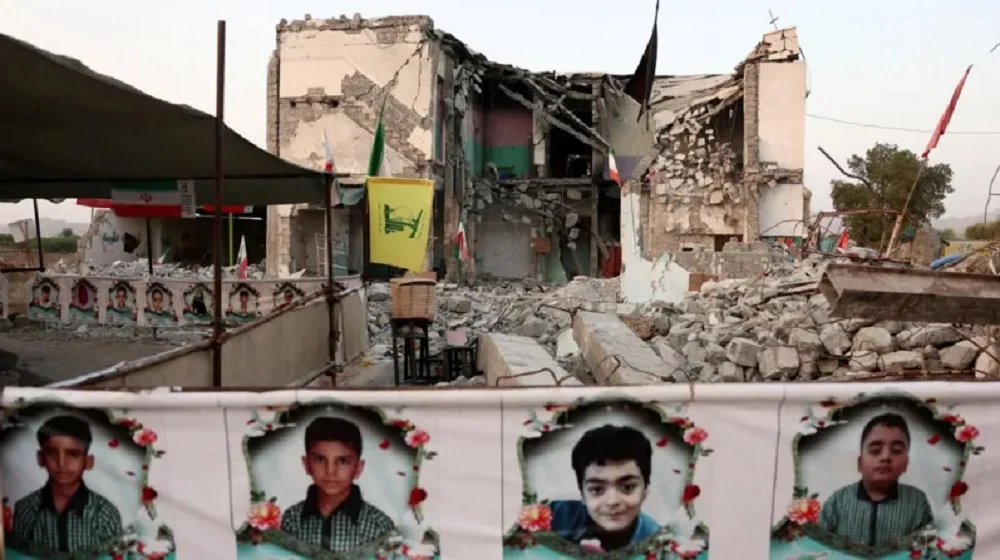
The report details the devastating impact of these strikes, focusing on a February incident at a primary school in Minab that claimed the lives of at least 156 people, 120 of whom were children. Furthermore, the investigation highlights a separate strike on a sports complex in Lamerd, which contributed to an overall death toll of at least 177 civilians. These revelations have intensified the scrutiny of U.S. military conduct in the region and have reignited a fierce debate regarding the proportionality and legality of foreign intervention in Iranian territory.
The Findings: A Breach of International Humanitarian Law
The Independent International Fact-Finding Mission, comprised of three independent experts, conducted an exhaustive investigation into the events of early 2026. Their findings categorize the strikes on the Minab primary school and the Lamerd sports complex as "indiscriminate," arguing that the military necessity of these targets did not justify the scale of civilian destruction incurred.
Under the Geneva Conventions, military forces are obligated to distinguish between combatants and civilians at all times. The report asserts that the failure to protect protected civilian infrastructure—specifically educational and recreational facilities—constitutes a prima facie case for war crimes. The experts noted that the strikes occurred in densely populated areas, where the risk to non-combatants was both foreseeable and extreme.
Beyond the loss of life, the mission highlighted the "harrowing psychological and structural trauma" inflicted upon the local communities. The destruction of the Minab primary school has effectively paralyzed the local education system in that district, leaving hundreds of families to grapple with the aftermath of losing their children in a space previously considered a sanctuary.
Chronology of Escalation
The tensions leading up to these tragic events date back to the surge of domestic unrest in Iran that began in early January 2026. The following timeline outlines the key developments:
- January 2026: Widespread anti-government protests erupt across Iran’s 31 provinces. The UN Fact-Finding Mission reports that Iranian security forces respond with excessive, lethal force, resulting in what the report describes as a "staggering and unprecedented" scale of state-sponsored violence against its own citizens.
- February 2026: Amidst the domestic turmoil, military tensions between Iran, the United States, and Israel reach a breaking point.
- Mid-February 2026: A missile strike hits a primary school in Minab. Initial reports from local sources indicate mass casualties, primarily involving students and faculty.
- Late February 2026: A second strike targets a sports complex in Lamerd, further escalating the death toll and drawing international condemnation.
- March–August 2026: The UN Fact-Finding Mission launches its formal investigation, gathering satellite imagery, forensic evidence, and eyewitness testimonies from survivors and medical personnel on the ground.
- September 17, 2026: The mission officially releases its findings, accusing the U.S. of war crimes and condemning the Iranian government for crimes against humanity.
The Dual Crisis: A Population Under Siege
The UN report paints a grim picture of the current humanitarian situation in Iran. The mission’s experts emphasized that the Iranian populace is currently suffering from a "double-edged sword" of violence. On one hand, the state continues to engage in systemic human rights abuses against protesters and political dissidents. On the other, the external military campaign led by the United States and its regional allies has effectively erased the distinction between military targets and civilian life.
"Civilians in Iran are trapped between the grave human rights violations and crimes against humanity perpetrated by their own government, and the deadly conflict the country is waging with the United States and Israel," the statement released on Thursday noted. This dynamic has led to a collapse in essential services, with medical facilities overwhelmed by victims of both state-sanctioned repression and international airstrikes.
Official Responses and Diplomatic Friction
The reaction from Washington has been swift and dismissive. A spokesperson for the U.S. Department of State formally rejected the findings, stating that the United States does not recognize the legitimacy of the report or the investigative methodologies employed by the mission. While the U.S. has admitted to an ongoing internal investigation regarding the Minab incident, it has categorically denied involvement in the Lamerd strike, labeling the allegations as part of a misinformation campaign.
Conversely, the Iranian government has maintained a stance of official silence regarding the specific allegations of war crimes committed by foreign powers. Historically, Tehran has dismissed all UN reports regarding its internal human rights record as "politically motivated fabrications." However, the sheer scale of the casualty numbers cited in the latest report puts unprecedented pressure on the international community to demand accountability from all parties involved.
Analysis: Implications for International Law
The implications of this report extend far beyond the immediate conflict. If the United Nations formally adopts the findings of the Fact-Finding Mission, it could lead to increased calls for independent tribunals or investigations by the International Criminal Court (ICC). However, the path to prosecution remains fraught with geopolitical obstacles.
The United States is not a signatory to the Rome Statute, which governs the ICC, and has historically resisted the court’s jurisdiction over its military operations. Furthermore, the lack of cooperation from the Iranian government in facilitating on-the-ground investigations complicates the collection of admissible evidence.
Legal scholars suggest that the report serves as a critical historical record that may influence future diplomatic relations and potential peace negotiations. "Even if immediate prosecution is unlikely," says one international law analyst, "the classification of these events as war crimes shifts the moral and political landscape. It forces allies of the U.S. to choose between continued support for these military operations and adherence to the norms of international humanitarian law."
Data and Humanitarian Impact
The statistics provided in the report highlight a catastrophic failure to minimize collateral damage. The 177 civilian deaths recorded in the February strikes represent only a fraction of the total civilian casualty count during the first quarter of 2026.
Data from the report also indicates:
- Infrastructure Damage: More than 40% of schools in the Minab region remain closed or under repair due to security concerns or physical damage.
- Healthcare Strain: The number of trauma-related admissions in public hospitals rose by 300% during the period of the strikes, with facilities reporting severe shortages of blood supplies and surgical equipment.
- Regional Displacement: The combination of internal protests and external strikes has triggered a spike in internal displacement, with thousands of families fleeing rural areas for the relative safety of larger urban centers, which are also becoming increasingly volatile.
The Path Forward: Demands for Accountability
Human rights organizations, including Amnesty International and Human Rights Watch, have called for an immediate cessation of hostilities near civilian infrastructure. They argue that the findings of the UN mission should be treated as a roadmap for an urgent humanitarian ceasefire.
The UN Fact-Finding Mission has urged the international community to prioritize the protection of civilians over military objectives. Their recommendations include:
- Immediate Access: Granting independent monitors full access to the affected sites in Minab and Lamerd to conduct forensic analysis.
- Independent Inquiry: Establishing a neutral, multi-national body to review the military command decisions that led to the targeting of these specific locations.
- Humanitarian Corridor: Creating safe zones and supply routes to ensure that medical aid reaches the wounded without interference from military forces.
As the international community grapples with the contents of the report, the reality on the ground remains dire. The families of the 120 children lost in Minab are left waiting for answers, while the broader conflict continues to escalate, threatening to draw more of the region into a state of total instability.
The UN’s declaration serves as a stark reminder of the cost of modern warfare. As the conflict in Iran enters its next phase, the focus of the global community will inevitably turn to whether the major powers involved can be held to the same standards of justice they so often demand of others. The road to accountability is long, but the necessity of preventing further civilian massacres remains the most pressing challenge of the year.