
The contemporary landscape of youth culture and financial priorities is undergoing a profound paradigm shift, with lifestyle traveling transitioning from a discretionary leisure activity into a foundational pillar of modern existence. For the millennial and Generation Z cohorts, the acquisition of experiential wealth—defined by global exploration, cultural immersion, and personal discovery—has steadily eclipsed traditional capital accumulation, such as early real estate investment or automobile ownership, as the primary marker of a successful youth.
This socio-economic evolution is driven by a convergence of heightened environmental accessibility, budget-friendly aviation, widespread digital connectivity, and a collective psychological reevaluation catalyzed by recent global disruptions. Consequently, travel is no longer viewed merely as an annual vacation, but rather as an ongoing lifestyle choice that shapes worldview, professional adaptability, and personal identity.
The Shift from Materialism to Experientialism: Background and Context
For decades, the standard lifecycle trajectory for young adults involved securing stable employment immediately following tertiary education, followed by aggressive saving toward permanent material assets. Purchasing a home and securing long-term financial instruments were universally recognized as the ultimate indicators of adulthood and stability. However, the economic volatility of the early twenty-first century, characterized by fluctuating housing markets and shifting labor dynamics, fundamentally altered how younger generations perceive long-term security.
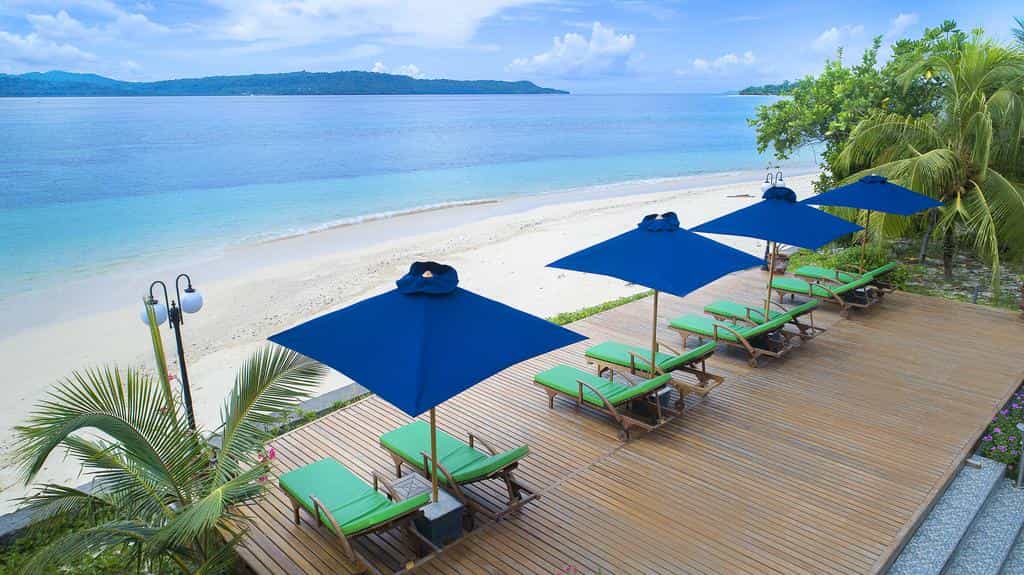
With traditional markers of stability increasingly appearing unattainable or less immediately rewarding, younger demographics began reallocating their disposable income toward transient yet high-impact experiences. Sociological studies on modern consumption patterns indicate that experiences generate more enduring psychological satisfaction than material goods—a phenomenon largely attributed to the "hedonic adaptation" of physical possessions versus the enduring, nostalgic value of memory-making. Traveling offers an antidote to the monotony of urban routine, providing continuous stimuli that foster mental resilience, cross-cultural empathy, and a broader global perspective.
Economic and Technological Catalysts Driving the Travel Movement
The democratization of global tourism has played a critical role in normalizing lifestyle travel. The proliferation of low-cost carriers, budget accommodation networks such as hostels and homestays, and digital nomad visas across numerous nations have removed logistical and financial barriers that once restricted extended travel to the affluent. Furthermore, digital platforms and social media ecosystems have transformed travel inspiration into actionable blueprints.
Data from global tourism boards indicate a steady rise in solo travel and long-term nomadic lifestyles over the past decade. Technology has enabled individuals to maintain remote employment while traversing different continents, effectively dissolving the traditional boundary between work and leisure. This digital enablement means that traveling is no longer constrained by the rigid boundaries of standard corporate vacation allotments; instead, it has integrated seamlessly into daily existence.
Deconstructing the Lifestyle Travel Model: Core Principles and Adaptability
Transitioning from conventional tourism to a sustained travel lifestyle requires a fundamental restructuring of personal philosophy and risk assessment. Industry analysts and behavioral psychologists emphasize that adopting this lifestyle is less about financial abundance and more about psychological readiness.

Cultivating Fortitude and Overcoming Aversion to Uncertainty
The primary hurdle for aspiring lifestyle travelers is the psychological barrier of stepping outside established comfort zones. Traditional travel relies heavily on meticulous itineraries, pre-booked tours, and predictable environments. Conversely, lifestyle travel embraces uncertainty. Experts note that individuals who successfully integrate travel into their daily routines often share a high tolerance for ambiguity. Rather than waiting for an arbitrary financial threshold—such as a fully stocked savings account—advocates of this lifestyle focus on developing resourcefulness and survival capabilities within unfamiliar economic and social landscapes.
Dynamic Flexibility over Rigid Itineraries
A hallmark of sustainable travel as a lifestyle is the abandonment of hyper-detailed scheduling. While preliminary research regarding destination entry requirements and basic safety is essential, over-planning can stifle organic discovery. Travelers who allow their journeys to be shaped by local conditions, serendipitous encounters, and regional recommendations frequently report deeper cultural integration. This flexibility safeguards against traveler fatigue, a common condition resulting from the exhaustion of maintaining strict adherence to arbitrary deadlines while abroad.
Cross-Cultural Competence and Adaptive Communication
Long-term immersion in foreign environments demands a high degree of cultural agility. Navigating varied social norms, linguistic barriers, and distinct community structures tests an individual’s interpersonal capabilities. Sociologists studying global mobility point out that extended travel functions as an accelerated course in emotional intelligence. Travelers learn to suspend judgment, practice active listening, and respect indigenous customs, skills that translate directly into enhanced performance in increasingly globalized modern workplaces.
Broader Sociological and Economic Implications
The mainstreaming of lifestyle travel carries significant implications for various sectors, ranging from local economies in emerging destinations to the global labor market.

From an economic perspective, the shift toward experiential spending bolsters local, grassroots tourism economies rather than solely enriching large hospitality conglomerates. Independent guesthouses, local guides, public transit networks, and regional artisans directly benefit from travelers who immerse themselves in community-based tourism. This decentralization of tourist revenue promotes more equitable economic distribution in developing regions.
From a human capital standpoint, employers increasingly value the competencies acquired through extensive travel. Professionals who have demonstrated the capacity to navigate foreign systems, manage intercultural negotiations independently, and adapt rapidly to unpredictable operational environments possess highly sought-after soft skills. Consequently, time spent traveling is frequently reinterpreted by forward-thinking organizations not as a gap in employment history, but as a period of intensive personal and professional development.
Conclusion and Future Outlook
As the global community continues to evolve through technological integration and changing societal values, the prioritization of experiences over possessions appears to be a permanent structural shift rather than a temporary demographic trend. Lifestyle travel serves as a vehicle for self-actualization, offering individuals a platform to test their boundaries, expand their worldview, and construct a narrative of youth defined by discovery rather than accumulation. By approaching exploration with calculated courage, radical flexibility, and deep cultural respect, modern travelers transform transient journeys into enduring human capital that enriches their entire lifespan.