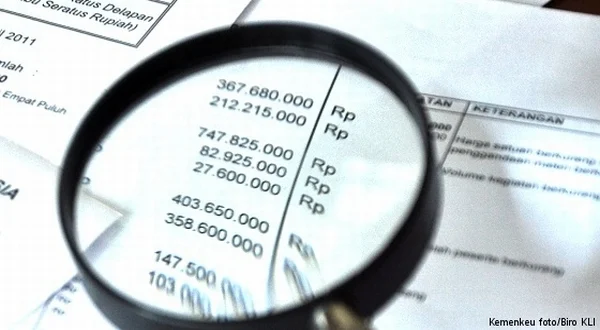
The Indonesian government formally presented the Draft Law on the Accountability for the Execution of the 2013 State Budget (RUU APBN) during a plenary session at the House of Representatives (DPR RI) in Jakarta. The presentation served as a crucial constitutional mechanism for the executive branch to account for its financial management, revenue collection, and expenditure execution during the preceding fiscal year.
At the center of the legislative discourse was the Central Government Financial Report (LKPP) for 2013, which received a "Qualified Opinion"—known locally as Wajar Dengan Pengecualian (WDP)—from the Supreme Audit Agency (BPK). The financial status highlighted enduring systemic challenges within state asset management, revenue recording, and long-term liabilities, prompting intensive scrutiny from lawmakers regarding the administration’s fiscal discipline and accounting accuracy.
Chronology of the 2013 State Budget Execution and Audit
The formulation, implementation, and subsequent auditing of the 2013 State Budget occurred against a backdrop of severe macroeconomic turbulence, both globally and domestically.
In late 2012, the government and the DPR deliberated on the initial macroeconomic assumptions for the 2013 fiscal year, anticipating stable global growth and moderate commodity demand. However, as the year progressed, the execution of the budget faced unprecedented headwinds.
By mid-2013, international financial markets experienced intense volatility following signals from the United States Federal Reserve regarding the potential tapering of its quantitative easing program, commonly known as tapering off. This external shock triggered capital outflows from emerging markets, including Indonesia, placing immense pressure on domestic financial assets, foreign exchange reserves, and the stability of the rupiah.
Domestically, the Indonesian economy wrestled with a widening current account deficit driven by robust import demand and softening international commodity prices, which diminished export revenues. In response to these fiscal pressures, the government implemented stabilization policies, including a controversial upward adjustment in subsidized fuel prices in June 2013 to ease the burden on the state budget.
Following the close of the fiscal year, BPK conducted its statutory audit of the 2013 LKPP. The audit findings, which culminated in the WDP status, were finalized and transmitted to the government and the DPR, setting the stage for the formal legislative debates on budget accountability that culminated in the June 2014 plenary session.
Detailed Breakdown of the WDP Audit Findings
Addressing the plenary session at the Nusantara II Building in Senayan, then-Minister of Finance Chatib Basri provided a comprehensive explanation regarding the specific accounting exceptions that prevented the 2013 LKPP from achieving an unqualified opinion (Wajar Tanpa Pengecualian or WTP). He emphasized that the WDP designation was not indicative of widespread fraud or corruption, but rather stemmed from long-standing, complex technical accounting treatments across several distinct portfolios.
According to the Ministry of Finance, the primary factors contributing to the BPK’s qualified opinion included:
- Over-Lifting and Oil and Gas Receivables: Discrepancies and valuation complexities surrounding the recording of receivables from oil and gas over-lifting, where contractors extract more hydrocarbons than their allocated quota, requiring precise financial reconciliation with state revenues.
- Ex-BPPN Credit Assets: The ongoing management, valuation, and recovery processes associated with legacy credit assets originating from the Indonesian Bank Restructuring Agency (BPPN), an institution established in the wake of the 1997-1998 Asian financial crisis. The valuation of these distressed assets has historically posed significant accounting hurdles due to incomplete documentation and protracted legal settlements.
- Pension Expenditure Liabilities: Complexities in actuarial valuations and recording methodologies governing civil servant and military pension funds, which represent substantial long-term obligations for the central government.
Minister Basri underscored that while the government continuously strives for total transparency and compliance with Government Accounting Standards (SAP), resolving these legacy asset and revenue-recognition issues requires coordinated inter-agency regulatory adjustments and exhaustive asset verification processes.
Macroeconomic Pressures and Policy Responses
The execution of the 2013 state budget was heavily constrained by a combination of adverse external shocks and internal structural imbalances. Minister Basri detailed how these pressures directly impacted the government’s fiscal targets and macroeconomic assumptions.
Externally, the global economic slowdown dampened international demand for Indonesia’s primary commodity exports, such as coal and palm oil. Simultaneously, the impending shift in US monetary policy caused severe capital flight, tightening domestic liquidity and driving up borrowing costs.
Internally, the widening current account deficit exerted persistent downward pressure on the rupiah exchange rate, complicating debt servicing and inflating import costs for essential goods and government projects.
To counteract these vulnerabilities, the administration of President Susilo Bambang Yudhoyono rolled out a series of stabilization packages designed to restore market confidence. Key policy interventions included:
- Current Account Deficit Mitigation: Measures aimed at curbing non-essential imports, promoting domestic processing of raw commodities through the implementation of the 2009 Mining Law, and boosting export competitiveness.
- Exchange Rate Stabilization: Interventions by Bank Indonesia and the Ministry of Finance to manage excessive volatility in the foreign exchange market and anchor inflation expectations.
- Energy Subsidy Reform: The adjustment of subsidized fuel prices, which temporarily increased headline inflation but proved vital in safeguarding the long-term sustainability of the state budget by curbing soaring energy subsidy expenditures.
Despite these measures, the dynamic interplay of domestic and international factors inevitably altered the underlying macroeconomic assumptions of the 2013 APBN, leading to variances between projected targets and actual fiscal outcomes.
Legislative Scrutiny and Official Responses
The presentation of the RUU APBN 2013 accountability bill triggered rigorous debate among members of the DPR. Lawmakers from various factions questioned the executive branch on the recurrence of the WDP audit opinion, pointing out that transparency in state financial management is paramount for public trust.
Members of the budget committee (Panggar) and commission members overseeing finance pressed the Ministry of Finance on the concrete timelines for resolving the chronic accounting issues related to ex-BPPN assets and oil and gas receivables. Representatives emphasized that accurate financial reporting is essential not only for legislative oversight but also for maintaining Indonesia’s sovereign credit rating, which influences foreign direct investment and national borrowing costs.
While acknowledging the external macroeconomic challenges cited by the government—such as the Fed’s tapering announcement and commodity price fluctuations—parlementarians urged the Ministry of Finance to institutionalize stricter internal controls within ministries and state institutions to prevent recurring audit qualifications in future fiscal years.
Implications for Future Fiscal Governance
The deliberation of the 2013 State Budget Accountability Bill holds profound implications for the evolution of Indonesia’s public financial management. Achieving a clean audit opinion (WTP) has long been established as a benchmark for good governance across both central and regional governments.
The persistent WDP status for the central government’s consolidated financial statements during this period highlighted the structural legacy issues left behind by past economic crises, particularly concerning distressed assets and complex revenue-sharing mechanisms in the extractive industries.
Analysts noted that the transparency demonstrated by the Ministry of Finance in openly detailing the causes of the qualification reflects a maturing democratic and fiscal framework. By confronting systemic accounting hurdles head-on, the government laid the groundwork for subsequent reforms in asset valuation, digital integration of treasury systems, and enhanced synchronization between BPK auditing standards and government accounting practices.
Ultimately, the parliamentary debate on the 2013 budget execution underscored the delicate balance required of fiscal authorities: managing macroeconomic volatility while simultaneously reforming long-term structural accounting practices to ensure complete accountability in the utilization of public funds.