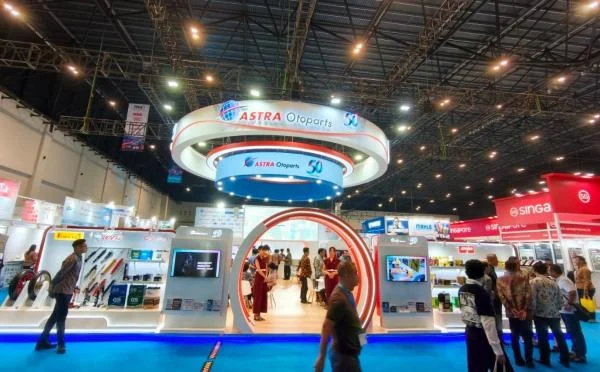
A Landmark Debut for Indonesia’s Automotive Sector
The arrival of Automechanika in Jakarta is not merely an exhibition; it represents a strategic alignment between Indonesia’s burgeoning automotive manufacturing sector and the global standards set by the Messe Frankfurt exhibition group. As the 15th country to host this prestigious event, Indonesia joins an elite circle of nations, including Germany, China, Japan, and the United Arab Emirates, that define the pulse of the global automotive aftermarket.
The event, which spans four days, has attracted a diverse array of participants, ranging from multinational corporations to local small-to-medium enterprises (SMEs). The primary objective is to facilitate knowledge transfer, technological adoption, and commercial networking, enabling Indonesian manufacturers to integrate more deeply into the global automotive supply chain. With the automotive industry currently undergoing a radical transformation—driven by electrification, digitalization, and sustainable manufacturing practices—Automechanika Jakarta 2026 serves as the definitive platform for stakeholders to navigate these shifts.
Official Government Support and Industry Endorsements
The significance of this event is underscored by the strong endorsement from the Indonesian government and international trade bodies. During the opening ceremony, Deputy Minister of Industry Faisol Riza emphasized the strategic importance of the exhibition for the national economy.
"We anticipate that this event will act as a powerful catalyst for the Indonesian automotive component industry, fostering innovation and enhancing the competitiveness of our local manufacturers in the international arena," Riza stated. He highlighted that the government’s commitment to industrialization, particularly in the automotive sector, is aimed at moving beyond simple assembly to becoming a high-value manufacturing hub that exports components globally.
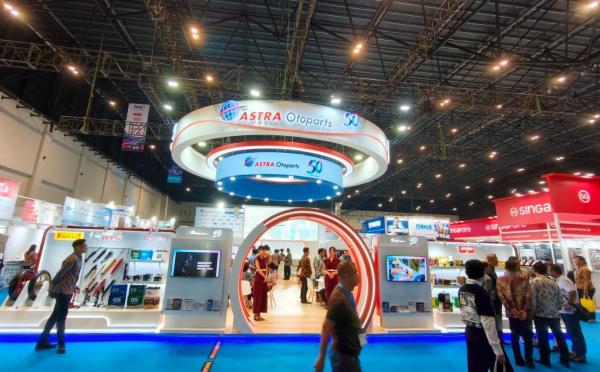
The event’s credibility is further bolstered by the participation of 16 key industry associations, including prominent organizations from Japan, Malaysia, and the European Union. These collaborations reflect a shared recognition of Indonesia’s growing potential as a manufacturing powerhouse in the ASEAN region. By aligning with international quality standards and regulatory frameworks—often discussed in the various workshops held during the four-day event—local firms are being encouraged to modernize their production lines to meet the stringent demands of global original equipment manufacturers (OEMs).
Context and Historical Significance
The decision to bring Automechanika to Indonesia comes at a pivotal time. Over the past decade, Indonesia has solidified its position as one of the largest automotive markets in Southeast Asia. However, the domestic industry has historically been dominated by domestic assembly and domestic market consumption. The push toward export-oriented manufacturing is a relatively recent, albeit aggressive, policy direction.
Historically, Indonesian automotive trade fairs have focused on finished vehicle sales. Automechanika represents a departure from this, shifting the focus toward the "aftermarket" and the "component supply chain." This includes everything from engine parts, electronic systems, and lubrication technologies to advanced repair shop equipment and digital diagnostic tools. By focusing on the ecosystem rather than just the end product, the event addresses the critical need for technical expertise and infrastructure development within the local repair and manufacturing sectors.
The Role of Messe Frankfurt in Global Integration
Stephan Kurzawski, Senior Vice President of Consumer Goods, Automotive, and Textile Shows at Messe Frankfurt Exhibition GmbH, described the entry into the Indonesian market as a calculated move to capitalize on the region’s robust economic growth.
"Indonesia is a market of immense scale and potential. By bringing the Automechanika brand here, we are connecting the local industry to our global network of experts, buyers, and innovators," Kurzawski explained. The presence of global players at NICE PIK 2 provides an invaluable opportunity for local businesses to engage in business-to-business (B2B) networking that would otherwise require significant international travel.

The logistical choice of the Nusantara International Convention Exhibition (NICE) at PIK 2 reflects the modern infrastructure now available in the Greater Jakarta area. With proximity to international transport hubs, the venue is designed to accommodate the influx of international exhibitors and visitors, further cementing Jakarta’s status as a regional convention leader.
Analysis: Implications for the Indonesian Economy
The impact of Automechanika Jakarta 2026 is expected to ripple through the Indonesian economy in several ways.
1. Technology Transfer and Human Capital Development
One of the most immediate benefits is the exposure of local technicians and engineers to state-of-the-art diagnostic and manufacturing technologies. Workshops and seminars held during the exhibition cover topics such as the integration of IoT in vehicle maintenance and the transition toward electric vehicle (EV) components. This exposure is vital for upgrading the skill sets of the domestic workforce.
2. Supply Chain Diversification
The presence of delegations from the European Union and Japan suggests a push toward diversifying the supply chain. As global companies seek to reduce their dependence on single-market manufacturing hubs, Indonesia is positioning itself as a reliable, high-quality alternative. The networking opportunities provided at the event allow local component manufacturers to showcase their ability to produce parts that meet international safety and durability standards.
3. Strengthening the Aftermarket Sector
The Indonesian automotive aftermarket is often fragmented. The event brings together thousands of retailers, distributors, and service providers, encouraging the professionalization of the sector. By providing a platform for international brands to display their tools and services, the exhibition sets a new benchmark for quality in automotive repair and maintenance within the country.

A Chronology of the Automotive Industry’s Transformation
To understand the weight of this event, one must view it within the broader chronology of Indonesia’s automotive policy:
- 2015-2018: The era of aggressive domestic expansion, with major investments from Japanese OEMs and the initial entry of Chinese manufacturers.
- 2019-2022: The focus shifts toward the "Electric Vehicle Roadmap," with the government providing incentives for nickel processing and battery production.
- 2023-2025: A period of infrastructure development, where the focus turned toward creating industrial clusters, such as those in Bekasi and Karawang, and improving logistics.
- 2026 (Present): The integration phase. Automechanika Jakarta 2026 serves as the stage to announce that the domestic industry is ready to compete on the global stage, transitioning from a domestic-focused market to an export-capable hub.
Addressing Challenges and Looking Ahead
While the atmosphere at the exhibition is one of optimism, industry experts caution that challenges remain. The transition to advanced component manufacturing requires significant capital investment, a stable regulatory environment, and a workforce capable of managing high-tech machinery.
Furthermore, the competition is fierce. Indonesia must compete with established hubs in Thailand and Vietnam. However, the sheer size of the Indonesian domestic market provides a "home-court advantage" that allows local manufacturers to achieve economies of scale before expanding their reach globally.
The presence of 16 associations at the event is a testament to the collaborative spirit required to overcome these hurdles. By working in tandem with the government, these bodies are creating a roadmap for sustainable growth, ensuring that the momentum generated during the four days in September does not dissipate.
Conclusion
Automechanika Jakarta 2026 is more than just a series of booths and product demonstrations. It is a strategic statement of intent. For the Indonesian automotive industry, it represents the transition from a localized assembly-based economy to a globally integrated industrial power.

As the curtains prepare to close on this inaugural event, the focus will shift to the long-term impact of the partnerships formed within the halls of the NICE convention center. If the enthusiasm displayed by both the government and the international participants is any indication, this exhibition will likely become a permanent fixture in the regional automotive calendar, serving as a barometer for Indonesia’s industrial maturity and its continued ascent in the global automotive landscape. The success of this event will be measured not just by the number of deals signed, but by the lasting integration of Indonesian firms into the intricate, high-stakes global network of automotive excellence.