
The global nutritional landscape has undergone a seismic shift over the past four decades, characterized by the ubiquity of ultra-processed foods (UPFs). While the physiological consequences of a diet heavy in industrial formulations—such as obesity, type 2 diabetes, and cardiovascular disease—are well-documented, a burgeoning field of nutritional psychiatry is now shedding light on the cognitive and emotional toll of these products. A landmark study published in JAMA Psychiatry on September 23, 2026, provides compelling preliminary evidence that a drastic reduction in UPF consumption may serve as a non-pharmacological intervention for alleviating symptoms of clinical depression.
The Scope of the Clinical Investigation
The research, conducted by a team at the University of California, San Francisco (UCSF) and funded by the National Institutes of Health (NIH), represents a pivotal moment in understanding the gut-brain axis. The study sought to determine whether replacing caloric intake derived from industrial food products with minimally processed, whole-food alternatives could result in measurable psychological shifts.
The pilot study focused on a cohort of 20 participants with a mean age of 44. To ensure clinical relevance, researchers selected individuals who exhibited both high body mass index (BMI) scores and existing metabolic comorbidities, such as hypertension, insulin resistance, or dyslipidemia. Furthermore, 70% of the participants were women, and 14 of the 20 subjects reported pre-existing symptoms of anxiety.
The methodology utilized a crossover design. Participants were split into two groups: one maintained their habitual, high-UPF diet, while the other followed a structured, low-UPF nutritional plan for a duration of four weeks. Following this period, the groups switched protocols. By the conclusion of the study, participants had successfully reduced their UPF intake by over 85%, replacing them with nutrient-dense, whole-food options.
Defining Ultra-Processed Foods and Their Biological Mechanism
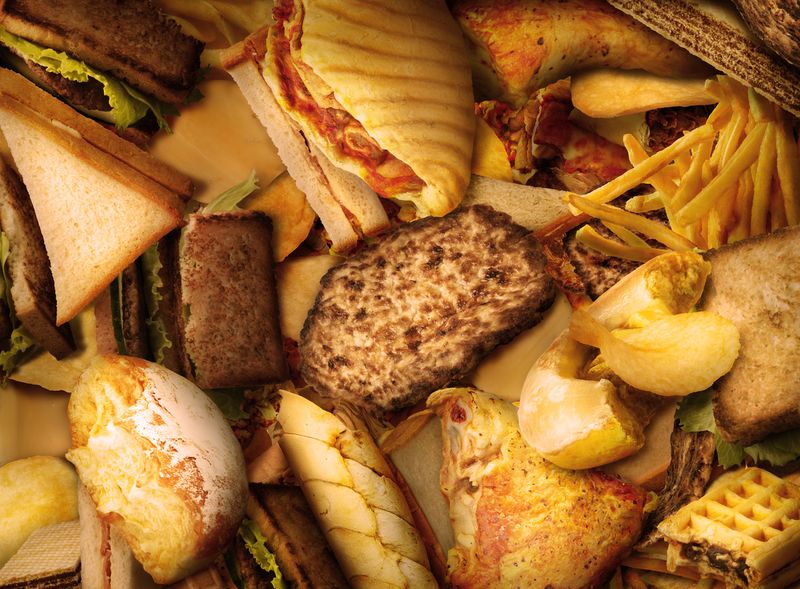
Ultra-processed foods are defined by the NOVA classification system as industrial formulations that typically contain five or more ingredients, including substances not used in culinary preparations such as high-fructose corn syrup, hydrogenated oils, artificial colorants, stabilizers, and flavor enhancers. Common culprits include packaged snacks, sugary beverages, reconstituted meat products like nuggets and sausages, and shelf-stable convenience meals.

Dr. Nyasha Chagwedera, the lead author of the study, highlights that the challenge of dietary reform is not merely a matter of willpower but a physiological response to modern food engineering. "These products are specifically designed to be palatable, affordable, and hyper-convenient," Dr. Chagwedera noted. "They trigger the brain’s reward circuitry, specifically the release of dopamine, which creates a reinforcing feedback loop that drives cravings and compulsive consumption."
Beyond the neurochemical reward system, researchers are increasingly focused on the inflammatory impact of UPFs on the gastrointestinal tract. Dr. Chagwedera suggests that the emulsifiers and chemical additives common in these foods may compromise the mucosal lining of the gut. This structural degradation can lead to increased intestinal permeability—often referred to as "leaky gut"—which allows for the translocation of inflammatory markers into the bloodstream. Chronic, low-grade systemic inflammation is a recognized precursor to, or exacerbator of, mood disorders, including major depressive disorder.
Chronology of the Research and Future Directions
The publication of these findings on September 24, 2026, serves as a catalyst for a broader inquiry into nutritional psychiatry. The timeline for this research is as follows:
- 2025–2026: Initial recruitment and clinical monitoring of the pilot cohort at UCSF.
- September 23, 2026: Official publication of the findings in JAMA Psychiatry.
- September 24, 2026: Dissemination of results to the global scientific community and health policy advocates.
- 2027 (Projected): Continued data analysis and development of protocols for large-scale clinical trials.
- 2028 (Projected): Commencement of Phase II clinical trials with a significantly larger and more diverse participant pool.
Senior author Dr. Andrew Krystal noted that while the pilot study was small, the consistency of the results across the crossover groups provides a strong signal. The findings indicated a statistically significant improvement in depressive symptoms among those who abstained from UPFs. While anxiety levels also decreased, the correlation was less pronounced than the impact on depression, suggesting that nutritional interventions may have varying efficacy across different psychiatric domains.
Implications for Public Health and Policy
The implications of this study are far-reaching, potentially challenging the status quo in both clinical psychiatry and food regulation. For decades, the treatment of depression has been dominated by pharmacotherapy and psychotherapy. The possibility that dietary intervention could act as an adjunctive or even primary component of treatment suggests a paradigm shift toward "lifestyle psychiatry."
However, experts caution against oversimplification. "It is important to emphasize that this study is a pilot," says Dr. Krystal. "We have not proven that removing UPFs is a standalone cure for clinical depression, but we have demonstrated that this is a robust area of inquiry that warrants larger, long-term studies."
The socio-economic dimension of this research cannot be ignored. Ultra-processed foods are frequently the most accessible and affordable options in "food deserts"—areas where access to fresh, whole produce is limited. If further research confirms that UPFs are a significant contributor to the global mental health crisis, it could mandate a re-evaluation of food subsidies, labeling laws, and the availability of healthy food options in low-income neighborhoods.
The Gut-Brain Connection: A New Frontier
The scientific community is currently pivoting toward a more holistic view of mental health. The hypothesis that gut health influences brain function is no longer confined to speculative fringe science. The gut microbiome, a complex ecosystem of bacteria, produces neurotransmitters such as serotonin, the majority of which is synthesized in the digestive tract. By altering the microbial composition through the removal of processed additives and the introduction of fiber-rich, nutrient-dense foods, it is plausible that the brain’s neurochemical environment is significantly improved.
As the world prepares for the Phase II trials slated for 2028, the medical community will be watching closely. Should the findings hold true in larger populations, it could necessitate a systemic change in how psychiatrists approach patient consultations, moving from a strictly neurological perspective to one that includes comprehensive nutritional assessment.
Conclusion: A Call for Dietary Vigilance
While the path to understanding the complex interplay between ultra-processed foods and mental health is still in its infancy, the UCSF study provides a compelling case for dietary modification. In an era where convenience often overrides health, the evidence suggests that the "fast and cheap" diet may be costing consumers more than just their physical health.
For the average individual, the message is clear: reducing reliance on industrial, highly processed convenience foods is a low-risk, high-reward strategy that could provide significant benefits for both metabolic and mental well-being. As researchers prepare for more expansive studies in 2028, the current data serves as a timely reminder that the fuel we provide our bodies is inextricably linked to the clarity and stability of our minds. Whether this research leads to clinical guidelines remains to be seen, but the evidence is mounting that a return to simpler, whole-food nutrition is a cornerstone of modern preventative medicine.