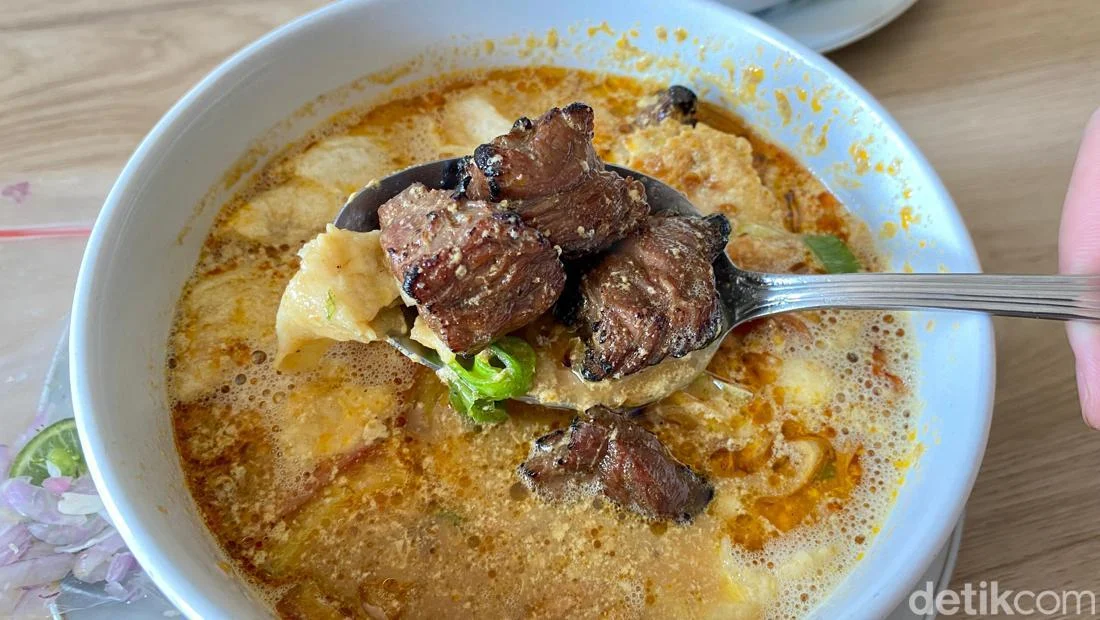
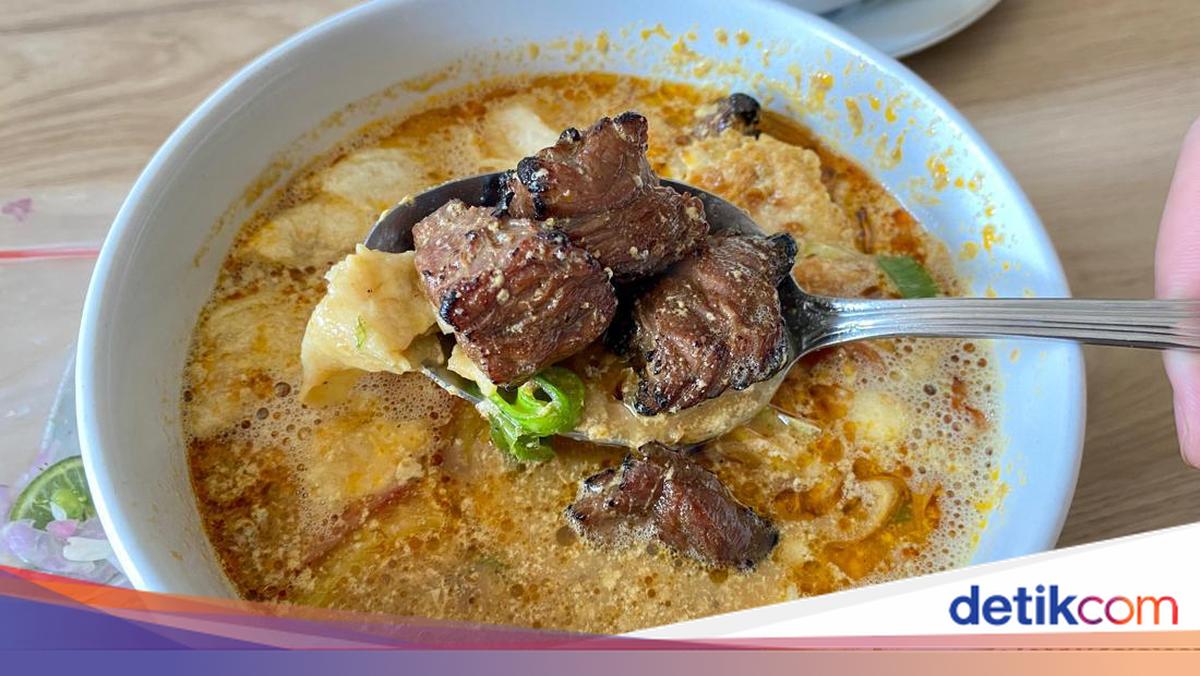
Jakarta, as the melting pot of Indonesian culture, preserves its culinary heritage through various traditional dishes that have survived the rapid pace of modernization. Among these, soto tangkar stands out as a quintessential Betawi delicacy. Characterized by its rich, coconut milk-based broth infused with an intricate blend of aromatic spices and a vibrant reddish hue, soto tangkar represents a historical intersection of local ingenuity and trade-era culinary influences. Originally derived from the word "tangkar," which in the Betawi dialect refers to the ribs of a cow, this dish was historically born out of necessity, utilizing more affordable cuts of meat during the Dutch colonial period.
Historical Context and Culinary Evolution
The history of soto tangkar is deeply intertwined with the social history of Jakarta, formerly known as Batavia. During the colonial era, the indigenous population often relied on offal and bones—parts of the cow that were discarded by colonial elites. Through the skilled application of spices such as turmeric, coriander, galangal, lemongrass, and chili, these humble ingredients were transformed into a sophisticated and hearty soup. Over the decades, the recipe has been refined and passed down through generations, transforming from a street-side sustenance food into a celebrated icon of Jakarta’s gastronomic identity.
Today, the resilience of these legendary soto tangkar establishments serves as a testament to the city’s enduring culinary traditions. While modern fast-food chains continue to expand across the capital, these long-standing, family-run warungs (small stalls) maintain their relevance by adhering to traditional cooking methods, such as utilizing charcoal stoves and clay pots, which impart a distinct smoky depth to the broth.
Chronology of Iconic Soto Tangkar Establishments
The longevity of these businesses provides a fascinating timeline of Jakarta’s urban development. Many of these establishments were founded in the mid-20th century, serving as culinary anchors in neighborhoods that have since evolved into bustling commercial centers.
1. The Pioneer: Soto Tangkar Tanah Tinggi (Est. 1946)
Tracing its origins back to 1946, shortly after Indonesia’s proclamation of independence, Soto Tangkar Tanah Tinggi represents the oldest recorded lineage among the city’s prominent soto vendors. Originally established in the Tanah Tinggi area, the stall has successfully navigated the city’s spatial shifts, relocating to Jl. RP. Soeroso in the prestigious Menteng district. This transition reflects the evolution of the brand, which has shifted from a local neighborhood staple to a destination for a more diverse clientele. The dish is noted for its generous portions of tender, braised beef ribs and an uncompromising adherence to a secret spice blend that has remained consistent for nearly eight decades.
2. The Legacy of the 1960s: Soto Tangkar Bang Edi
Operating for approximately three decades under the current management, with roots reaching back to 1960, Soto Tangkar Bang Edi in Tanah Abang exemplifies the survival of traditional street food in a high-density commercial district. Positioned in the heart of Jakarta’s textile hub, the stall serves as a critical food source for the local workforce. The hallmark of this establishment is its "medok" or intensely concentrated broth, which balances the richness of coconut milk with a sharp, complex profile of dry spices.
3. The Metro Glodok Institution: Soto Tangkar Pak Mad (Est. 1971)
Located in the historic Keagungan area of Taman Sari, West Jakarta, Soto Tangkar Pak Mad has been a fixture of the Metro Glodok culinary scene since 1971. Its presence in one of Jakarta’s oldest commercial districts highlights the symbiotic relationship between traditional food vendors and the city’s traditional market ecosystem. The establishment is particularly renowned for its pairing of soto tangkar with traditional Betawi sate kuah, a combination that has become a signature offering for the shop.
4. The Craftsmanship of 1980: Soto Tangkar 46 Kerajinan
Established in 1980 in Jakarta Barat, Soto Tangkar 46 Kerajinan maintains a strict adherence to traditional preparation techniques. The use of charcoal-fired clay pots is not merely a stylistic choice but a functional one; the slow, consistent heat distribution allows the spices to permeate the meat and offal, resulting in a flavor profile that is difficult to replicate in modern industrial kitchens. This dedication to craft has earned the shop a reputation as a guardian of authentic Betawi flavors.
5. The Modern Era: Soto Tangkar Kang Jaja (Est. 2007)
While younger than its counterparts, Soto Tangkar Kang Jaja in Jagakarsa, South Jakarta, illustrates the continuity of the tradition in the 21st century. Founded in 2007, the stall demonstrates that the demand for traditional soto remains high even in suburban residential areas. By diversifying its menu to include Bogor-style soto mie, the establishment captures a wider demographic while preserving the core essence of the traditional soto tangkar experience.
Socio-Economic Impact and Market Analysis
The continued popularity of these establishments has significant implications for local tourism and economic sustainability. Culinary tourism has emerged as a vital sector for Jakarta, with traditional street food serving as a primary driver. Data suggests that authentic, heritage-based food experiences are increasingly prioritized by both domestic and international visitors seeking to understand the cultural nuances of the Indonesian capital.
From a business perspective, the pricing structure of these establishments—ranging from IDR 20,000 to IDR 50,000 per portion—indicates a strategy of accessibility. By keeping prices within an affordable range, these vendors ensure that their product remains a staple of the daily diet rather than a luxury item. Furthermore, the supply chain for these vendors supports local butchers and spice traders, creating a micro-economy that sustains the community surrounding each stall.
Expert Insights on Culinary Preservation
Food historians and cultural observers note that the preservation of such dishes is essential for maintaining Jakarta’s "cultural memory." As the city continues to undergo rapid vertical development, the presence of these historical stalls provides a necessary link to the past. Experts argue that the survival of these businesses depends on the ability of the younger generation to inherit not only the recipes but also the business models that prioritize quality and authenticity over rapid expansion.
Public feedback, often reflected in the high foot traffic and consistent rating patterns across digital platforms, underscores a growing appreciation for "slow food" and traditional cooking. Customers consistently cite the "authenticity of the spice profile" and the "historical atmosphere" as primary reasons for their loyalty. This sentiment suggests that there is a robust market for traditional heritage food, provided that the quality of ingredients and preparation methods remains high.
Future Outlook and Challenges
Despite their legendary status, these vendors face ongoing challenges, including rising operational costs, fluctuating prices of raw ingredients—such as beef and high-quality coconut—and the encroaching pressure of urban gentrification. The transition of ownership from first-generation founders to descendants remains a critical juncture. The most successful establishments are those that have managed to modernize their operational efficiency, such as adopting digital payment systems and improving supply chain management, while keeping the culinary core of their product untouched.
In conclusion, the five legendary soto tangkar stalls mentioned—Tanah Tinggi, Bang Edi, Pak Mad, 46 Kerajinan, and Kang Jaja—are more than just places to eat; they are vital institutions that anchor the culinary identity of Jakarta. As the city marches toward an uncertain future, these vendors remain, serving bowls of rich, spiced broth that tell the story of a city defined by its capacity to turn modest ingredients into a grand, enduring legacy. Their continued operation is not only a boon for the palate but a necessary component in the broader effort to preserve the living history of Jakarta.