
In the contemporary socio-economic landscape, the paradigm of wealth and asset accumulation has undergone a profound structural shift, particularly among younger demographics. For Millennials and Generation Z, the traditional life milestones of the 20th century—such as prioritizing long-term savings for immediate real estate purchases or acquiring luxury vehicles early in adulthood—have increasingly taken a backseat to a new cultural imperative: lifestyle travelling. Rather than viewing travel as an occasional leisure activity or a periodic vacation, modern generations are redefining it as an essential form of experiential investment, operating under the philosophical consensus that memories, personal growth, and global perspectives yield a higher intrinsic return than material possessions.
This cultural pivot away from conventional capital accumulation is heavily documented by sociological studies and travel industry trends over the past decade. Analysts note that the widespread proliferation of high-speed internet, affordable budget aviation, and hyper-connected social media ecosystems have dismantled historical barriers to international and domestic exploration. Consequently, natural wonders, remote destinations, and off-the-beaten-path cultural hubs are no longer reserved for the affluent elite. Instead, they serve as accessible classrooms for a generation eager to trade material stability for intangible enrichment, banking on the premise that youth is best spent expanding one’s worldview to construct a resilient, culturally literate identity for later life.
The Shift from Material Assets to Experiential Capital
To understand the rise of lifestyle travelling, one must examine the shifting economic realities and psychological profiles of younger generations. Coming of age during periods of global economic volatility, fluctuating housing markets, and changing employment structures—such as the gig economy and remote work capabilities—Millennials and Gen Z have reevaluated the concept of financial security. Traditional milestones often feel increasingly out of reach or misaligned with contemporary values emphasizing flexibility, mental well-being, and personal autonomy.
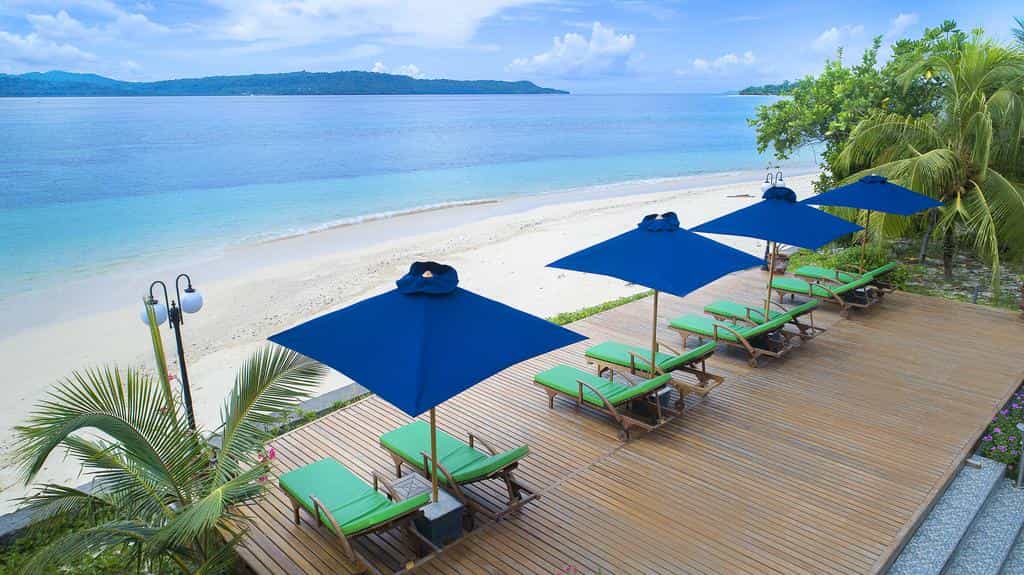
Consequently, financial resources are frequently redirected toward experiential capital. According to various consumer behavior reports, younger demographics consistently report greater life satisfaction derived from purchasing experiences—such as immersive travel, cultural workshops, and outdoor expeditions—rather than physical goods. This trend is further accelerated by technological integration. Digital platforms allow travelers to research, book, and document journeys in real time, transforming travel from a private endeavor into a shared cultural currency. By prioritizing experiences over property, this demographic is effectively rewriting the social contract of adulthood, asserting that an individual’s net worth is increasingly mirrored by their depth of experience rather than the size of their asset portfolio.
Breaking the Comfort Zone: The Psychological and Social Implications
Beyond mere leisure, lifestyle travelling functions as a vehicle for profound psychological development. Psychologists and sociologists suggest that stepping outside familiar domestic environments fosters critical life skills, including cognitive flexibility, cross-cultural empathy, and crisis management. When young travelers immerse themselves in unfamiliar territories, they confront systemic biases and dismantle preconceived notions about foreign cultures.
This immersion often acts as a catalyst for self-discovery. By navigating logistical hurdles in foreign cities, communicating across language barriers, and adapting to unexpected setbacks, individuals develop a heightened sense of self-reliance. This trend also signals a broader cultural maturation. As more young people embrace unconventional paths, societal norms begin to shift away from rigid conformity toward an appreciation for lifelong learning and adaptability. The willingness to embrace uncertainty in foreign environments translates directly into professional and personal resilience back home, equipping a new generation with the tools necessary to navigate an increasingly interconnected and unpredictable global economy.
Strategic Framework: Practical Guidelines for Adopting a Travel-Centric Lifestyle
Transitioning into a lifestyle where travel is a core component requires more than spontaneous ambition; it demands a structured approach to risk management, adaptability, and financial allocation. Industry experts and seasoned globetrotters emphasize that successful long-term or lifestyle travel relies on mental preparedness rather than excessive capital reserves. Below are key operational pillars essential for individuals seeking to integrate travel into their daily existence:

Cultivating Psychological Resilience and Courage
The primary barrier preventing individuals from adopting a travel-centric lifestyle is often the hesitation to break away from perceived security. Traditional risk aversion dictates that one must accumulate substantial savings before venturing into the unknown. However, lifestyle travelers argue that waiting for absolute financial certainty can lead to indefinite postponement. Cultivating courage involves shifting the mindset from waiting for perfection to managing immediate realities. This means building a baseline of resourcefulness—understanding how to stretch a budget, source local employment if necessary, and leverage digital tools for safety and navigation—thereby proving that the outside world is significantly more navigable than conventional anxieties suggest.
Dynamic Itinerary Management and Flexibility
A common pitfall for novice travelers is the over-optimization of itineraries. Rigid scheduling can create unnecessary stress and blind travelers to spontaneous opportunities. Lifestyle travel prioritizes fluid planning over strict timelines. While establishing broad directional goals is essential for logistical safety, maintaining an open schedule allows travelers to respond organically to local recommendations, unexpected weather events, or cultural phenomena. This adaptability ensures that travelers do not miss authentic, unscripted moments in pursuit of a pre-planned checklist.
Mastering Cross-Cultural Adaptation
At the core of sustainable lifestyle travel is the capacity for cross-cultural integration. Survival and enrichment in foreign environments depend heavily on an individual’s emotional intelligence and observational skills. Respect for local customs, linguistic efforts—no matter how rudimentary—and sensitivity to regional sociopolitical contexts are mandatory prerequisites. Those who master the art of listening and observing rather than imposing their native cultural frameworks tend to forge deeper connections with local populations, transforming their journeys from superficial tourism into meaningful intercultural exchanges.
Economic and Industry Impact of the Experiential Travel Boom
The mass migration toward experiential travel has fundamentally reshaped the global tourism industry. Traditional resort models and package-tour operators have had to adapt to a clientele that increasingly demands authentic, localized, and sustainable experiences. Boutique accommodations, community-based tourism initiatives, and eco-lodges have experienced exponential growth, driven by travelers who prioritize minimizing their environmental footprint while maximizing local economic engagement.

Furthermore, the rise of the digital nomad—professionals who combine remote work with continuous travel—has forced governments and municipalities to reconsider visa regulations and infrastructure investments. Countries worldwide are introducing specialized digital nomad visas to attract these high-value, mobile professionals, recognizing that lifestyle travelers contribute significantly to local micro-economies, cultural exchange, and global networking.
Conclusion: The Long-Term Value of a Life in Motion
As the socioeconomic landscape continues to evolve, the movement toward lifestyle travelling is unlikely to wane. By redefining success through the lens of accumulated experiences rather than static wealth, modern generations are establishing a new benchmark for human fulfillment. The insights gained from navigating foreign landscapes, overcoming linguistic barriers, and embracing cultural diversity form an intangible asset portfolio that appreciates over time. Ultimately, lifestyle travelling serves as a testament to the enduring human desire for discovery, proving that a life in motion offers lessons, perspectives, and memories that no material possession can replicate.