The pervasive narrative within modern nutritional science often categorizes all processed foods as detrimental to human health. However, a nuanced distinction is increasingly being drawn between highly processed, ultra-processed food products (UPFs) and minimally processed alternatives that offer significant physiological benefits. Recent clinical insights and nutritional research suggest that specific categories of processed foods play a pivotal role in the prevention of colorectal cancer, a disease that remains one of the leading causes of cancer-related mortality globally.
Colorectal cancer, which encompasses malignancies arising in the colon or rectum, is significantly influenced by dietary patterns. According to the World Health Organization (WHO) and the International Agency for Research on Cancer (IARC), diet is a primary environmental factor in the development of these cancers. While the avoidance of processed meats—such as sausages, bacon, and cured deli meats—is a well-established medical recommendation due to their classification as Group 1 carcinogens, nutritionists are now highlighting that the "processed" label should not serve as a blanket condemnation for all food items.
Understanding the Spectrum of Food Processing
To navigate the complexities of modern nutrition, it is essential to understand the NOVA classification system, which categorizes food based on the extent of industrial processing. At one end are unprocessed or minimally processed foods, and at the other are ultra-processed foods (UPFs). UPFs are industrial formulations typically containing high levels of added sugars, unhealthy fats, synthetic colorants, and preservatives designed to maximize shelf-life and palatability while minimizing nutritional density.
Conversely, "processed" foods—such as frozen vegetables or canned legumes—undergo physical or mechanical treatments like pasteurization, freezing, or drying to preserve their natural integrity. These methods often retain the bioactive compounds, fiber, and micronutrients essential for maintaining a healthy gut microbiome, which is the body’s primary defense against colorectal tumorigenesis.

1. The Probiotic Potential of Yogurt
Yogurt stands at the forefront of recommended processed dairy products. Its production involves the fermentation of milk by specific bacterial cultures, a process that inherently modifies the raw ingredient while enhancing its health profile. Registered Dietitian Nutritionist Nichole Andrews highlights that there is robust clinical evidence linking the consumption of fermented dairy and calcium to a reduced risk of colorectal cancer.
The mechanism behind this benefit is multifaceted. Calcium is known to bind to secondary bile acids and fatty acids in the gut, which can otherwise irritate the lining of the colon and promote the proliferation of malignant cells. Furthermore, the presence of probiotics—live beneficial bacteria—in yogurt supports a diverse gut microbiota. A balanced microbiome is essential for maintaining the integrity of the intestinal barrier and modulating systemic inflammation. For maximum health impact, experts advise opting for plain, unsweetened varieties, as the addition of refined sugars can counteract the anti-inflammatory benefits of the dairy.
2. Frozen Fruits and Vegetables: Locking in Nutrient Density
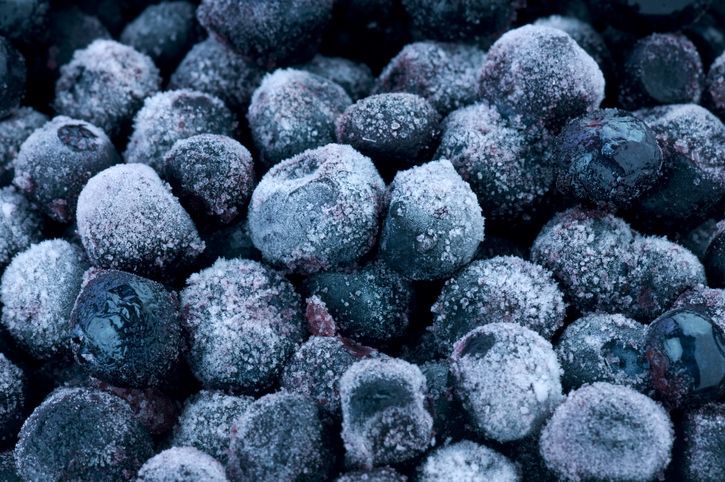
A common misconception is that frozen produce is inferior to fresh produce. In reality, the industrial freezing process often preserves nutritional value better than "fresh" items that have spent days in transit and retail storage. Fruits and vegetables are typically flash-frozen at the peak of their maturity, which effectively "locks in" vitamins, minerals, and antioxidants before natural degradation occurs.
Stacy Davis, a registered dietitian, emphasizes that frozen produce serves as a practical, time-saving intervention that ensures consistent intake of essential phytochemicals. These compounds are critical for DNA repair and cellular health, both of which are fundamental in preventing the mutations that lead to cancer. To utilize these foods effectively, consumers must be vigilant regarding labels. The health benefits are contingent upon the product being free from added salts, syrups, or heavy sauces that characterize many pre-packaged frozen meal options.
3. The Role of Whole Grain Breads in Colorectal Health
Dietary fiber is arguably the most significant nutritional component in the prevention of colorectal cancer. Whole grain bread, when produced with minimal processing, acts as a dense source of insoluble and soluble fiber. Unlike refined carbohydrates, which are stripped of their bran and germ, whole grain products provide the necessary roughage to maintain regular bowel movements and transit times.

From a physiological perspective, when fiber is fermented by the gut microbiota, it produces short-chain fatty acids (SCFAs), most notably butyrate. Butyrate serves as the primary energy source for colonocytes (cells lining the colon) and possesses well-documented anti-neoplastic properties. By supporting the health of these cells and maintaining an acidic environment in the colon, whole grains inhibit the development of polyps. Consumers are advised to check product labels for the "100% whole grain" designation to ensure they are not consuming refined flour products disguised with caramel coloring.
4. Canned Legumes and Gut Microbiota Diversity
Legumes, including chickpeas, lentils, and various beans, are nutritional powerhouses that are often consumed in canned form. The process of canning involves cooking the legumes and sealing them in a pressurized, sterile environment. While this is an industrial process, it does not strip the legumes of their complex carbohydrates or protein content.
The high fiber density in beans assists in preventing constipation, a condition that increases the duration of exposure of the colon wall to potentially carcinogenic substances found in waste products. Furthermore, the prebiotics found in legumes act as fuel for beneficial bacteria, fostering an environment that is hostile to cancerous growth. To mitigate the sodium content often associated with canned goods, individuals are encouraged to rinse the beans thoroughly under running water, which can reduce sodium levels by up to 40%.
5. Tofu and the Shift Toward Plant-Based Proteins
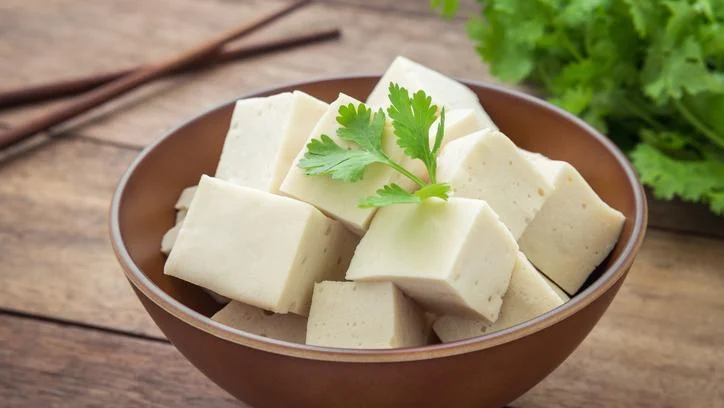
Tofu, a soy-based product, is produced by coagulating soy milk and pressing the resulting curds into blocks. This traditional process yields a highly digestible, nutrient-dense protein source. The incorporation of soy into the diet has been extensively studied in relation to cancer prevention, with epidemiological data suggesting that populations with high soy consumption often exhibit lower rates of various cancers, including colorectal malignancies.
The efficacy of tofu lies in its isoflavone content, which functions as a phytoestrogen and antioxidant. Additionally, replacing high-fat, processed red meats with soy-based protein significantly alters the inflammatory profile of the diet. By reducing the intake of heme iron and nitrates—which are found in processed meats and are known to contribute to oxidative stress in the gut—individuals can lower their overall oncogenic risk.
Broader Implications and Future Dietary Directives
The shift toward viewing specific processed foods as tools for cancer prevention represents a maturity in public health communication. Rather than adopting a binary view of "good" vs. "bad" foods, public health strategies are increasingly focusing on the functional impact of food components.
Data from the American Cancer Society indicates that nearly 5% of all new cancer cases in the United States are attributable to suboptimal diet, including high intakes of processed meats and low intakes of fiber-rich whole foods. The transition toward the five foods discussed—yogurt, frozen produce, whole grains, legumes, and tofu—aligns with broader dietary patterns like the Mediterranean diet, which has been consistently associated with improved longevity and reduced incidence of chronic disease.
However, the medical community maintains that these food choices should be part of a holistic lifestyle approach. Regular screening (such as colonoscopies starting at age 45), physical activity, and the limitation of alcohol and tobacco remain the cornerstones of colorectal cancer prevention. The inclusion of these five processed items is not a "cure," but a strategic, evidence-based dietary adjustment that can lower the biological threshold for disease development.
In conclusion, the modern pantry does not need to be an enemy of health. By distinguishing between hyper-palatable ultra-processed products and functional, minimally processed staples, consumers can actively participate in their own preventative healthcare. The integration of fiber-rich, nutrient-dense, and fermented foods provides the gut with the chemical environment necessary to resist malignant changes, underscoring the vital role that informed, intentional food selection plays in long-term wellness.