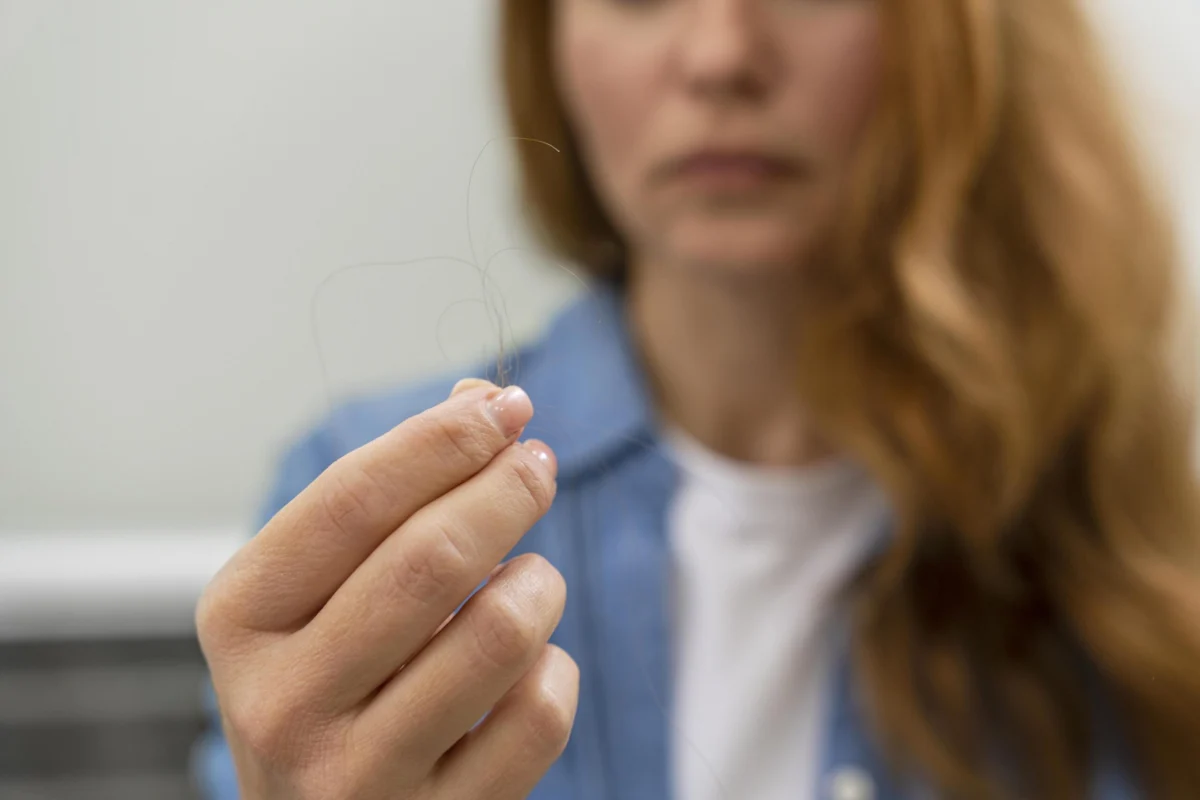
The phenomenon of premature graying, clinically defined as the appearance of white or gray hair in individuals before the age of 25 for Asian populations or 20 for Caucasian populations, has become an increasingly documented concern in modern dermatology. While the graying of hair is a natural biological progression associated with the cessation of melanin production in hair follicles, its manifestation during the prime years of youth often serves as an unexpected physiological signal. For many, this transition is not merely an aesthetic shift but a source of psychological distress, prompting a deeper investigation into the interplay between genetics, environmental stressors, and systemic health.
The Biological Mechanism of Pigmentation
At the core of hair coloration is a complex process involving melanocytes—specialized cells located at the base of each hair follicle. These cells produce melanin, the pigment responsible for determining the specific hue of an individual’s hair. As human beings age, the regenerative capacity of these melanocyte stem cells naturally declines, leading to a gradual loss of pigment.
In cases of premature graying, or "canities prematura," this process is accelerated. Scientific consensus suggests that this is often triggered by an accumulation of hydrogen peroxide within the hair follicle, which inhibits the enzyme tyrosinase—a critical component in melanin synthesis. When this chemical imbalance occurs early in life, it signifies that the body’s internal protective mechanisms against oxidative stress are being compromised.
Genetic Predisposition and Hereditary Factors
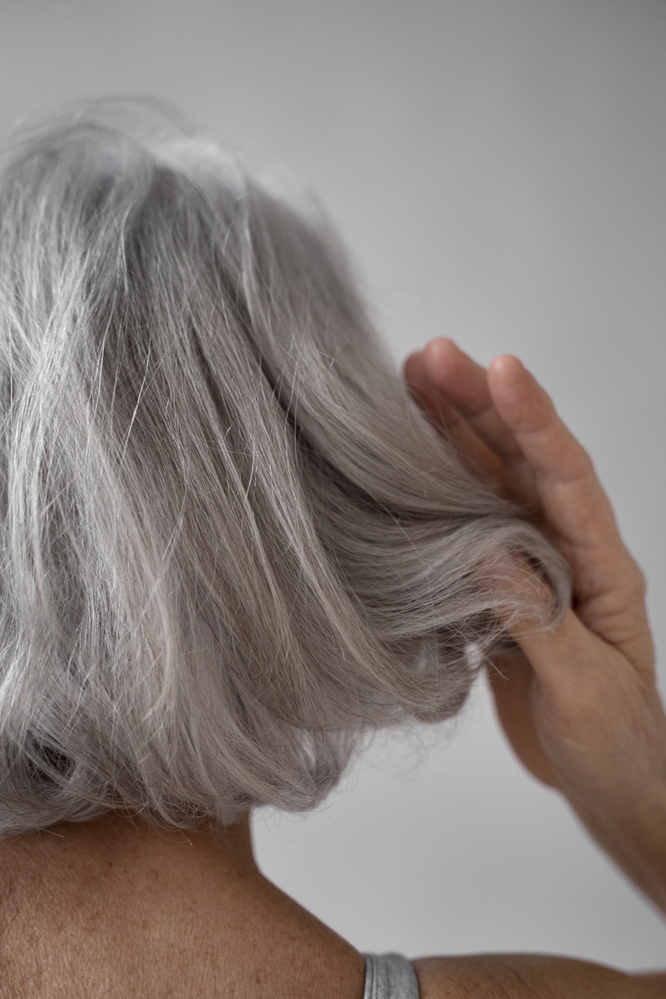
The most significant determinant of premature graying is undeniably genetic. Research indicates that the specific age at which an individual begins to develop gray hair is largely hardcoded into their DNA. If a parent, grandparent, or sibling exhibited signs of premature graying, the likelihood of a younger family member experiencing the same is estimated to be three to five times higher than in the general population.
This hereditary pattern is often linked to the IRF4 gene, which regulates the production and storage of melanin. For individuals whose graying is purely genetic, the condition is typically considered a benign phenotypic variation rather than a symptom of an underlying medical pathology. However, the psychological impact of these early physical changes remains a significant area of focus for mental health professionals, as premature graying is frequently stigmatized in professional and social environments.
The Impact of Lifestyle and Environmental Stressors
Beyond the genetic blueprint, modern lifestyle factors play a critical role in the onset of early pigment loss. The "stress-graying" hypothesis gained significant traction following a landmark 2020 study published in Nature. Researchers discovered that intense, acute stress triggers the sympathetic nervous system, leading to the depletion of melanocyte stem cells. When the body enters a "fight or flight" state, the resulting release of norepinephrine can cause these stem cells to activate and differentiate prematurely, effectively exhausting the follicle’s pigment reserve and leaving the hair permanently white.
Furthermore, the impact of oxidative stress—a condition characterized by an imbalance between free radicals and antioxidants—cannot be overstated. This is exacerbated by environmental pollutants and, most notably, tobacco consumption. Clinical studies have consistently demonstrated a correlation between smoking and the onset of gray hair before the age of 30. The toxic compounds in cigarette smoke induce vascular damage, reducing blood flow to the scalp and directly interfering with the nutritional supply required for healthy follicular function.

Nutritional Deficiencies as a Reversible Trigger
One of the more actionable areas of concern regarding premature graying is nutritional status. Clinical observations frequently link early graying to deficiencies in essential micronutrients. Vitamin B12, in particular, is vital for the health of red blood cells and the maintenance of hair follicles. A deficiency in B12, often found in those following strict plant-based diets without proper supplementation, can lead to pernicious anemia, which is a documented clinical precursor to premature hair discoloration.
In addition to B12, deficiencies in iron, ferritin, calcium, zinc, and copper have been identified as contributors to the degradation of hair pigment. Unlike genetic graying, which is permanent, pigment loss resulting from nutritional deficiency is often reversible. Medical practitioners emphasize that a balanced diet, rich in antioxidants and essential minerals, can sometimes halt or slow the progression of graying if caught in the early stages.
Clinical Correlations: Autoimmunity and Hormonal Health
Medical authorities caution that while premature graying is often benign, it can occasionally serve as a "canary in the coal mine" for systemic health issues. Autoimmune conditions, such as alopecia areata and vitiligo, are prime examples. In these cases, the immune system mistakenly targets the hair follicles or the pigment-producing cells themselves.
Similarly, the endocrine system plays a decisive role. Thyroid disorders, specifically hyperthyroidism and hypothyroidism, are frequently associated with premature graying. Because the thyroid gland regulates metabolism and hormone production—including those that affect skin and hair health—an imbalance can lead to a sudden and widespread loss of color. Physicians recommend that any individual experiencing rapid, unexplained graying undergo a full blood panel to rule out thyroid dysfunction or other metabolic imbalances.
The Role of Chemical and External Agents
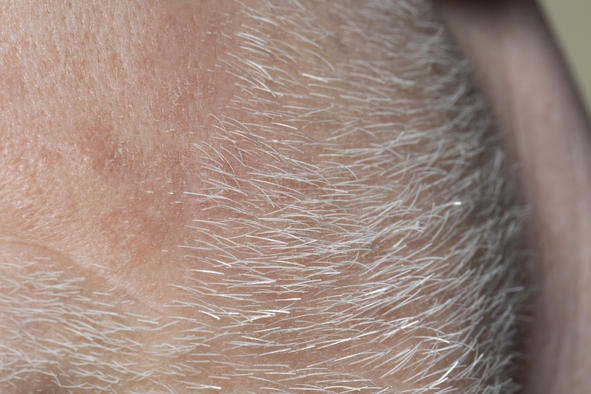
In an era where hair styling and chemical treatments are ubiquitous, external factors are a frequent, yet often overlooked, cause of hair damage. The frequent use of bleaching agents, ammonia-based dyes, and high-heat styling tools can damage the hair shaft and weaken the follicle over time. While these factors do not typically "turn" hair gray in the biological sense, they can cause the hair to appear brittle, dull, or discolored, which may be mistaken for premature graying. Furthermore, excessive exposure to ultraviolet (UV) radiation from the sun acts as a constant source of oxidative stress on the scalp, potentially damaging the sensitive cells responsible for melanin production.
Can Gray Hair Be Reversed?
The question of reversibility is one of the most frequently asked in clinical settings. The prognosis depends entirely on the etiology of the condition. If the graying is the result of a temporary metabolic stressor—such as severe iron deficiency, thyroid fluctuations, or extreme psychological stress—correcting the underlying cause may allow for the resumption of melanin production.
However, once a hair follicle has ceased producing pigment due to age-related stem cell exhaustion or stable genetic factors, there is currently no evidence-based medical treatment that can restore the natural color of that specific hair shaft. Hair that has already turned white is essentially devoid of melanin; therefore, efforts should be focused on preventative measures, such as stress management, smoking cessation, and the maintenance of a nutrient-dense diet.
When to Seek Professional Consultation
For the vast majority, premature graying is a cosmetic concern rather than a medical emergency. However, when the graying is accompanied by symptoms such as sudden hair loss, fatigue, skin discoloration (vitiligo), or unexplained weight changes, a professional medical evaluation is necessary.
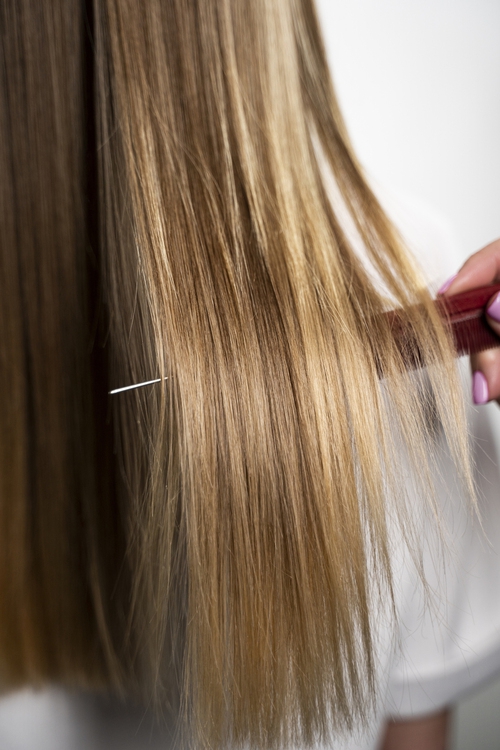
Dermatologists and endocrinologists recommend a structured approach for those concerned about their hair:
- Assessment of History: Determine if the condition is a family trait.
- Blood Screening: Check levels of Vitamin B12, Vitamin D, ferritin, and thyroid-stimulating hormone (TSH).
- Lifestyle Audit: Evaluate smoking habits, daily stress levels, and dietary intake.
- Professional Intervention: If an underlying condition is detected, treatment of the primary disease is the priority, which may indirectly improve hair health.
In summary, while the appearance of gray hair in one’s twenties or early thirties can be a jarring experience, it is a multifactorial condition that warrants a measured, science-based response. By addressing lifestyle factors and monitoring systemic health, individuals can manage not only their physical appearance but also their overall well-being. Understanding the nuance between genetic inevitability and manageable health triggers is the first step in navigating the complexities of premature hair graying.