
Omega-3 fatty acids are fundamental components of human health, acting as essential polyunsaturated fats that the body cannot synthesize on its own. Because these nutrients are critical for maintaining cardiovascular integrity and neurological function, they must be obtained through consistent dietary intake. In recent years, global health organizations, including the World Health Organization (WHO) and the American Heart Association (AHA), have underscored the importance of incorporating these fats into daily nutrition to mitigate the risk of chronic illnesses. While many individuals turn to supplements to fill the gap, nutritionists increasingly emphasize that whole-food sources provide superior bioavailability and synergistic health benefits.
Understanding the Biochemistry of Omega-3s: EPA, DHA, and ALA
To effectively manage dietary intake, it is necessary to distinguish between the three primary forms of omega-3 fatty acids. Eicosapentaenoic acid (EPA) and docosahexaenoic acid (DHA) are primarily found in marine sources. These are long-chain fatty acids that the body utilizes directly for cellular repair, inflammation reduction, and brain signaling. Conversely, alpha-linolenic acid (ALA) is a short-chain fatty acid found in plant-based sources. While the body can convert a small percentage of ALA into EPA and DHA, the conversion rate is notably inefficient, often falling below 5 to 10 percent. Consequently, a balanced diet must prioritize marine-based EPA and DHA while utilizing ALA-rich plant foods as complementary support.
The Global Nutritional Landscape and Dietary Guidelines
The necessity of omega-3s is grounded in decades of clinical research. During the mid-20th century, the "Seven Countries Study" first identified a correlation between the diets of Mediterranean populations—high in fatty fish and plant-based fats—and a significantly lower incidence of coronary heart disease. Since then, the scientific consensus has evolved to recommend at least two servings of fatty fish per week for the general population. This guideline is intended to provide a steady supply of EPA and DHA to help regulate cholesterol levels, stabilize heart rhythms, and maintain the structural integrity of neuronal membranes.
A Comprehensive Inventory of Omega-3 Rich Foods
Meeting daily requirements does not necessitate expensive, exotic imports. Many affordable and locally sourced ingredients offer high concentrations of these vital fatty acids.

- Mackerel: Often cited as one of the most potent sources, mackerel can provide between 4.5 and 5.1 grams of omega-3 per 100-gram serving. It remains a premier choice for those seeking high-density nutrient intake.
- Atlantic and Local Mackerel (Ikan Kembung): Research indicates that certain varieties of mackerel, such as the widely available "kembung," possess higher omega-3 concentrations than salmon, reaching up to 2.6 grams per 100 grams.
- Walnuts: These are among the best plant-based sources of ALA. A 28-gram serving contains approximately 2.57 grams of omega-3, making them a dense source of heart-healthy fats for those following vegan or vegetarian diets.
- Anchovies (Teri): These small fish are nutrient-dense powerhouses, containing over 2 grams of omega-3 per 100 grams. Their accessibility in regional markets makes them a sustainable and practical dietary staple.
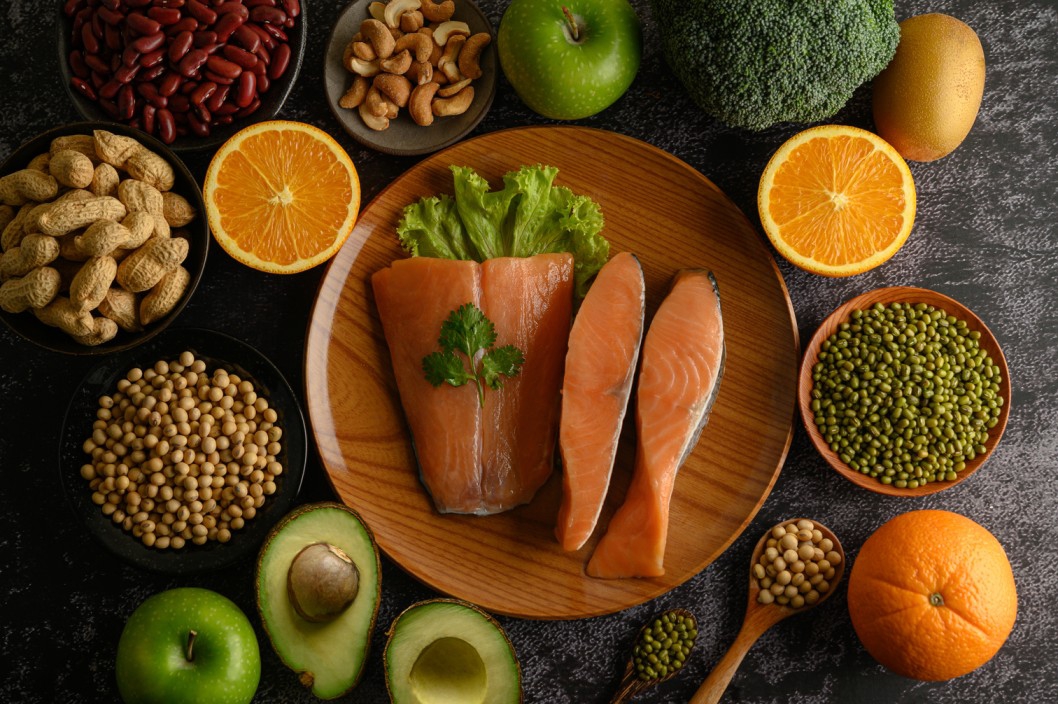
- Salmon: The gold standard for omega-3, salmon provides between 1.8 and 2.26 grams per 100-gram portion. Whether wild-caught or farmed, it remains a consistent source of high-quality EPA and DHA.
- Tuna: A versatile protein, tuna offers roughly 1.6 grams per 100 grams. It is widely recommended for its long shelf life in canned forms, though health experts suggest monitoring mercury intake through varied consumption.
- Tongkol: This local variety is an excellent, budget-friendly alternative to premium imports, offering 1.5 grams of omega-3 per 100-gram serving.
- Sardines: Whether fresh or canned, sardines offer 1 gram of omega-3 per 100 grams and are frequently consumed whole, providing added calcium from the bones.
- Chia Seeds: As a plant-based powerhouse, 28 grams of chia seeds deliver 5 grams of ALA. They are increasingly used in clinical settings to assist in blood sugar management and satiety.
- Soy-based Products (Tempeh and Tofu): Fermented soy products like tempeh provide roughly 1.4 grams of omega-3 per 100 grams, along with high-quality protein and gut-friendly probiotics.
- Shrimp: While lower in total omega-3 (0.5 grams per 100 grams) compared to fatty fish, shrimp provides a low-calorie, high-protein vehicle for healthy fats.
- Omega-3 Enriched Eggs: Produced by supplementing poultry feed with flaxseed or algae, these eggs can provide between 100 and 500 mg of omega-3, offering a convenient dietary boost.
- Shellfish (Clams and Mussels): While the total omega-3 content is lower at 0.1 grams per 100 grams, these provide essential trace minerals like zinc and selenium that support overall metabolic function.
Evaluating the Role of Supplements and Clinical Implications
Despite the availability of these foods, medical practitioners often observe a "gap" in population-wide consumption, leading to the widespread use of fish oil supplements. However, the medical community maintains a cautious stance. In a 2023 review, the European Food Safety Authority (EFSA) reiterated that dietary intake should always precede supplementation. Supplements are specifically indicated for individuals with hypertriglyceridemia or those with documented absorption disorders.
For those who rely on supplements, pharmacists and nutritionists advise checking the concentration of EPA and DHA specifically, rather than the total "fish oil" content listed on the label. Furthermore, because fish oil can have blood-thinning properties, individuals currently taking anticoagulants, such as warfarin or aspirin, are strongly advised to consult with a physician before initiating a supplement regimen.
Broader Public Health Impact

The global shift toward diets enriched with polyunsaturated fatty acids has significant implications for public health expenditure. By proactively managing cardiovascular health through diet, individuals can reduce the prevalence of atherosclerosis and systemic inflammation, which are primary drivers of heart failure and cognitive decline in aging populations.
As food systems continue to modernize, the integration of traditional, affordable sources—such as anchovies, tempeh, and local mackerel—into national dietary guidelines is being viewed by public health officials as a critical strategy for addressing malnutrition and non-communicable diseases. The objective is to move away from processed food reliance toward a "whole-food" approach that prioritizes nutrient density.
In conclusion, while the physiological requirement for omega-3 fatty acids is absolute, the path to fulfilling that requirement is flexible. By understanding the distinctions between EPA, DHA, and ALA and recognizing the diverse range of accessible food sources, individuals can make informed decisions that support long-term systemic health. Whether through the inclusion of plant-based seeds in a morning routine or the selection of local, fatty fish for a primary meal, consistent intake remains the most effective tool in the prevention of cardiovascular and neurological decline. Moving forward, the emphasis should remain on sustainable, bioavailable, and diverse food sources to ensure that the global population meets its nutritional needs in an increasingly complex food environment.