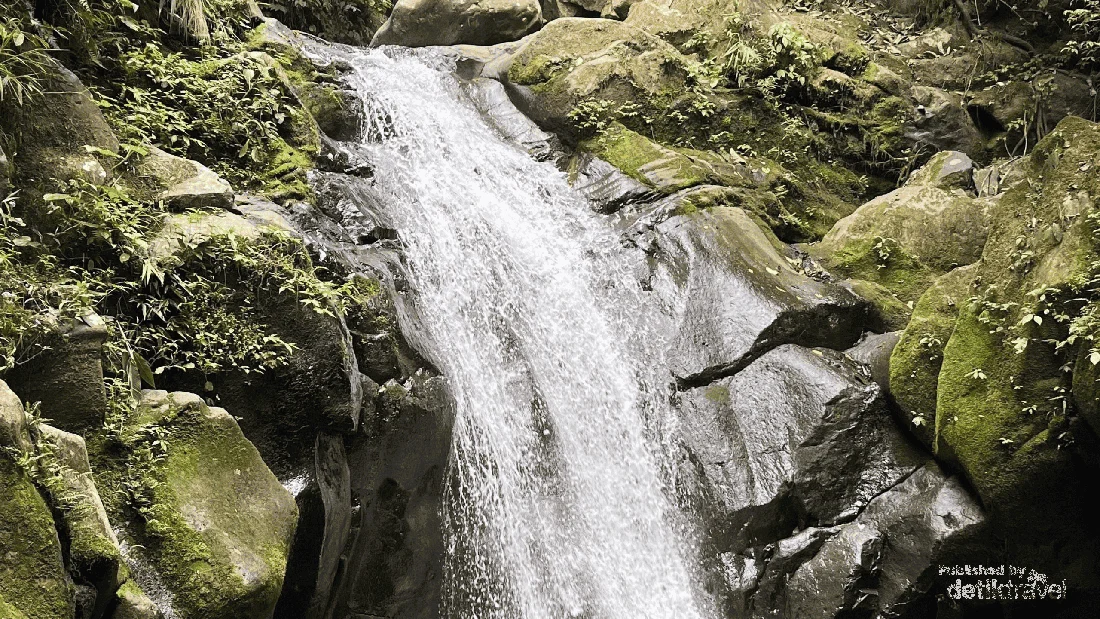
The pursuit of restorative nature tourism has increasingly led urban dwellers to seek hidden gems away from the metropolitan sprawl. On June 29, 2026, a group of travelers from Tangerang discovered that the quest for tranquility at Curug Naga, located in the Citamiang region of Megamendung, Bogor, West Java, required significantly more physical resilience than a standard weekend getaway. While initially envisioned as a leisure-oriented semester break, the excursion evolved into a rigorous trekking experience that highlighted both the allure and the inherent challenges of Indonesia’s adventure tourism sector.
Chronology of the Expedition
The journey commenced on Sunday, June 28, 2026, as the group departed from Tangerang. Spanning a duration of approximately 150 minutes, the commute was relatively straightforward, concluding at a local accommodation near the base of the Megamendung highlands. The following morning, Monday, June 29, the party proceeded toward the trailhead of Curug Naga.
What was intended to be a relaxed nature walk quickly transitioned into a technical trek. Upon reaching the trail, the participants encountered narrow, moisture-laden paths. The geography of the area, characterized by dense vegetation and uneven terrain, presented immediate obstacles. Frequent rainfall, common in the Bogor highlands, had rendered the path slippery, exacerbated by the runoff from the waterfall’s mist and the high foot traffic of previous visitors. At the most precarious sections of the descent, the group was forced to navigate using natural anchors, such as exposed rock formations and improvised safety ropes, to manage the steep vertical drop.
The Geography and Ecosystem of Curug Naga
Curug Naga is a prominent feature within the Citamiang forest ecosystem. Unlike traditional waterfalls that serve primarily as scenic viewpoints, this site is geologically structured to support high-intensity adventure sports. The waterfall cascades into a natural basin of emerald-hued water, enclosed by towering cliff faces that provide a unique microclimate.
The area is part of a managed watershed in the Megamendung district, which serves as a critical buffer zone for the Puncak area. The popularity of the site has surged due to its multi-faceted recreational offerings, which include:
- River Trekking: The process of navigating the riverbed upstream or downstream, requiring high-friction footwear and basic physical coordination.
- Body Rafting: Utilizing the natural flow of the river to navigate through narrow canyons, a practice that demands safety equipment such as life vests and helmets.
- Cliff Jumping: A high-adrenaline activity involving leaps from rock platforms ranging from 3 to 6 meters in height into the deep basins below.
Perspectives from the Trail
The psychological transition from expectation to reality was evident among the participants. Siti Nurhasanah, a 20-year-old university student, noted that the physical exertion did not detract from the overall satisfaction of the trip. "The trek was demanding, requiring constant focus on balance and footing, yet the reward of the final destination provided a sense of accomplishment," she remarked.
Similarly, Nita Tamala, a professional in the private sector, observed that the difficulty of the trail acts as a natural filter for the destination. "The effort required to reach the falls is directly proportional to the preservation of its aesthetic and atmospheric quality," she stated. The group’s experience underscores a broader trend in Indonesian tourism: the shift from passive sightseeing to active, challenge-based participation.
Data and Infrastructure Analysis
The incident at Curug Naga reflects the current state of adventure tourism infrastructure in West Java. According to local tourism development reports, the Megamendung region has seen a 15% year-on-year increase in visitors seeking "off-the-beaten-path" experiences. However, the development of these sites often struggles to keep pace with the influx of tourists.
Safety standards in such areas are typically managed by local village-owned enterprises (BUMDes) or community-based tourism groups. While these organizations provide basic guidance and equipment rentals, the primary responsibility for safety remains with the visitor. The lack of standardized, paved paths is a deliberate choice in many cases to maintain the "wild" character of the site; however, this creates a liability for visitors who may be unprepared for the physical demands of the trail.
Experts in outdoor recreation suggest that the "trekking difficulty" encountered by groups like the one from Tangerang is a vital component of the value proposition. By maintaining rugged trails, the site encourages small-group travel and discourages mass tourism, which in turn protects the water quality and surrounding flora from rapid degradation.
Broader Implications for Adventure Tourism
The experience of the Tangerang group serves as a case study for the evolving expectations of the Indonesian traveler. In the post-pandemic landscape, there is a clear preference for outdoor, high-engagement activities that foster group cohesion. The shared struggle against the slippery, steep descent served to deepen the social bonds among the participants, turning a simple hike into a formative experience.
However, the rapid growth of these sites necessitates a more robust framework for risk management. For local authorities and tourism boards, the challenge lies in balancing the "authentic" nature of the adventure with the implementation of basic safety protocols—such as clearer signage, improved trail stabilization in high-risk zones, and mandatory orientation for first-time visitors.
Furthermore, the environmental impact of such tourism cannot be overlooked. The intensive use of the river basin for activities like cliff jumping requires ongoing monitoring of water quality and geological stability. If the site is to remain a sustainable destination, future management strategies must integrate environmental conservation with visitor safety.
Conclusion: The Future of Curug Naga
As Curug Naga continues to draw visitors from across the province, the narrative of the traveler’s journey remains consistent: the destination is not merely a geographic coordinate, but an experience defined by the effort required to reach it. For the group that visited on June 29, the trip was successful not because it was easy, but because the challenges encountered—the slippery mud, the steep inclines, and the daunting height of the cliff jumps—transformed the outing into a memorable feat.
As the semester break concludes, the lessons learned by these travelers mirror the broader evolution of the Indonesian tourism market. Adventure seekers are no longer satisfied with static beauty; they demand immersion, challenge, and a narrative of resilience. Whether Curug Naga can continue to provide this experience while managing the logistical pressures of its own popularity will be a defining factor for the future of the Megamendung tourism circuit. For now, the waterfall remains a testament to the fact that the most profound experiences are often found at the end of the most difficult paths.