Jakarta’s Blok M district has long served as a focal point for the city’s evolving cultural and creative landscape, acting as a bridge between the historical nostalgia of the 1980s and the fast-paced, digital-centric demands of today’s Gen Z and millennial demographics. In a strategic move to merge financial technology with contemporary street art, Bank Rakyat Indonesia (BRI) has launched a collaborative initiative, the BRIZZI x ARKIV project, situated at the heart of the Blok M Hub. This integration aims to transform the mundane act of payment into a curated lifestyle experience, reflecting a broader trend of "art-infused" consumerism in Indonesia’s urban centers.
The Intersection of Fintech and Fine Art
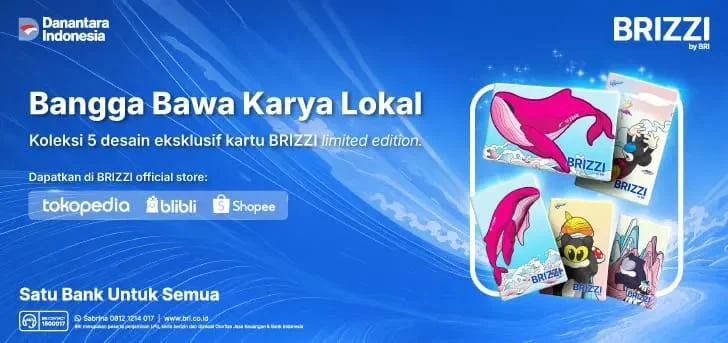
The collaboration features the distinctive aesthetic of Arkiv Vilmansa, an internationally recognized Indonesian artist known for his bold, minimalist character designs and vibrant color palettes. By embedding these designs onto the BRIZZI electronic money card, BRI is moving beyond the traditional utility of contactless payment systems. For the consumer, the card is no longer just a tool for public transportation or parking fees; it has been repositioned as a collector’s item—a wearable piece of art that aligns with the visual identity of the urban creative class.
Data from the Indonesian Payment System Association (ASPI) indicates that the adoption of electronic money (e-money) in Indonesia has grown by double-digit percentages annually over the last three years. This growth is primarily driven by the need for frictionless transactions in retail and public transport sectors. By partnering with a high-profile artist, BRI is attempting to increase brand stickiness among younger demographics who prioritize aesthetics and personal expression in their digital wallet selections.
Chronology of the Blok M Hub Activation
The project at Blok M Hub is not merely a product launch but an experiential pop-up event. The rollout began with the physical installation of the ARKIV gallery space within the hub, designed to immerse visitors in the artist’s creative process.
- Phase 1: The Soft Launch. The initial phase involved the introduction of the limited-edition cards to key stakeholders and local influencers within the Blok M creative ecosystem to generate social proof and organic reach.
- Phase 2: Public Integration. The current phase focuses on accessibility. Consumers visiting the Blok M Hub can engage with the "Collect the Art" program, which provides multiple purchase tiers. The Single Pack, priced at IDR 50,000, caters to casual collectors, while the Bundling Pack, priced at IDR 250,000, offers a more comprehensive entry into the ecosystem.
- Phase 3: Operational Synergy. The final phase involves the gamification of the experience, where users are encouraged to utilize their BRIZZI cards across various vendors within the Blok M Hub, including local cafes and artisanal retail outlets, to unlock exclusive perks and secondary rewards.
Incentivizing Consumer Engagement
A key component of the marketing strategy is the direct financial incentive offered to users. By providing a discount of IDR 10,000 on the purchase of the card when paired with a minimum top-up of IDR 50,000, BRI is effectively subsidizing the barrier to entry. This tactic serves two purposes: it ensures the card is immediately functional, thereby increasing the velocity of circulation, and it encourages the user to keep the card as their primary payment method for the day.
From an economic perspective, this is a calculated effort to increase the "average revenue per user" (ARPU) within the micro-transaction ecosystem. By clustering these activities in a single location like Blok M Hub, BRI captures a captive audience, ensuring that the transaction cycle—from acquiring the card to spending the balance—occurs within a contained, brand-controlled environment.
Industry Implications and Market Trends
The BRIZZI x ARKIV collaboration is a textbook example of "lifestyle banking," a strategy where financial institutions attempt to embed themselves into the cultural fabric of their target audience. This is a necessary evolution as the competitive landscape for electronic payments in Indonesia becomes increasingly crowded with digital wallets like GoPay, OVO, and ShopeePay.
Industry analysts observe that while digital wallets offer convenience, physical e-money cards like BRIZZI retain a distinct advantage in specific use cases, such as public transport (KRL and MRT) and toll road payments. By adding an "artistic value" to the physical card, BRI is effectively mitigating the threat of digital obsolescence. The physical card becomes a tactile status symbol, effectively bridging the gap between digital utility and physical aesthetic value.
Stakeholder Perspectives
While official statements from BRI emphasize the importance of supporting local creative industries, the project also highlights the maturation of the Indonesian art market. Arkiv Vilmansa’s involvement provides the necessary "street cred" that corporate entities often struggle to manufacture.
"The goal is to make the payment process feel like a part of the cultural experience rather than a disruption," noted a spokesperson involved in the project management. By facilitating this bridge, BRI is not only driving transactional volume but also positioning itself as a patron of the arts, which significantly bolsters the bank’s corporate social responsibility (CSR) profile among younger urbanites.
Future Projections for Urban Hubs
The success of the Blok M Hub activation serves as a pilot for future localized marketing efforts. If the transaction volume and the uptake of the limited-edition cards meet internal benchmarks, it is highly probable that BRI will replicate this model in other creative clusters across Jakarta, such as Senopati, Tebet, or the rapidly developing PIK 2 area.
The broader implication of this move is a shift in how financial products are marketed. Future campaigns are likely to prioritize:
- Hyper-local collaborations: Partnering with artists or creators specific to the neighborhood where the card is promoted.
- Experiential Retail: Moving away from static billboard advertising toward immersive, location-based experiences.
- Community-Centric Fintech: Creating closed-loop ecosystems where cardholders receive preferential treatment at local businesses, thereby creating a stronger sense of community loyalty.
Conclusion: A New Era for Financial Products
The BRIZZI x ARKIV collaboration demonstrates a sophisticated understanding of the modern consumer’s desire for utility that is also expressive. As the lines between digital banking, art, and urban lifestyle continue to blur, institutions that can successfully navigate these intersections will likely lead the market.
For the average visitor to Blok M, the initiative is a reminder that even the most mundane daily tasks—such as topping up a transport card or buying a cup of coffee—can be transformed into a point of connection with the local creative scene. As the project continues, the primary metric of success will be whether this artistic collaboration translates into sustained long-term loyalty for the BRIZZI brand, or if it remains a temporary engagement strategy. Regardless, the initiative sets a high standard for how traditional financial institutions can adapt to the vibrant, fast-paced expectations of a digitally savvy generation.
As Jakarta continues to revitalize its urban spaces, such as the ongoing development of the Blok M Hub, the role of financial services will evolve from being mere background infrastructure to becoming an integral part of the city’s social and cultural pulse. This project stands as a testament to that evolution, marking a significant milestone in the integration of commerce and creativity in modern Indonesia.