• Home
  • About Us
  • Contact Us
  • Cookies Policy
  • Disclaimer
  • DMCA
  • Privacy Policy
  • Terms and Conditions
Dara News Media
keep your memories alive
Entertainment & Celebrity

Surprise Marriage Rumors Surface as Andre Taulany and Amanda Rigby Listed in Jakarta Religious Office SIMKAH System

by Laily UPN September 17, 2026
written by Laily UPN

The Indonesian entertainment landscape has been abuzz with unexpected headlines following the emergence of administrative documentation linking prominent comedian and television presenter Andre Taulany with multi-talented actress and model Amanda Rigby. Rumors that have long circulated across social media platforms regarding a potential romantic involvement between the two public figures have now taken a significant bureaucratic turn. Official records within the Ministry of Religious Affairs’ Marriage Management Information System, commonly known as SIMKAH, indicate that a marriage recommendation request has been officially filed under the legal names of Andreas Taulany and Amanda Lintang Larasati Rigby.

This startling development has immediately captured the undivided attention of both mainstream media outlets and curious netizens. For months, speculation had been largely confined to viral video clips, internet commentary, and fan-driven matchmaking initiatives stemming from their collaborative television appearances. However, the physical and digital paper trail discovered within the state’s religious administration database has transformed what was once mere tabloid fodder into a verifiable administrative process. Despite the confirmation from religious authorities that an application exists, both parties have historically maintained a degree of privacy regarding their personal lives, leading to widespread public curiosity about the timeline, authenticity, and ultimate outcome of this impending union.

Administrative Confirmation from the Religious Affairs Office

The existence of the marriage recommendation filing was brought to light following inquiries directed at local religious authorities. Riswanto, the Head of the Kebayoran Baru Religious Affairs Office (KUA), formally confirmed to the press that a notification regarding a marriage recommendation application bearing the names Andreas Taulany and Amanda Lintang Larasati Rigby had indeed entered the system. According to official records, the administrative document originated from the KUA of East Ciputat and was formally addressed to the Kebayoran Baru KUA, with the digital transaction timestamped on August 14, 2026.

Nevertheless, Riswanto emphasized that the presence of an entry in the SIMKAH database does not equate to an immediate solemnization of marriage. The bureaucratic machinery governing marital unions in Indonesia requires stringent adherence to procedural verifications. At the time of the leak, the administrative process remained incomplete because the physical documentation from both prospective brides and grooms had yet to be submitted for final review. Government protocols dictate that essential paperwork—ranging from certificates of single status and family registry cards to formal identity verifications—must undergo meticulous inspection by KUA officials before any formal wedding date can be scheduled or cleared. Consequently, while the bureaucratic gears have visibly begun to turn, the ultimate timeline for the ceremony remains entirely dependent on the prompt submission and verification of these mandatory physical documents.

A Detailed Profile of Amanda Lintang Larasati Rigby

As public interest surges toward the multifaceted career and personal background of Amanda Lintang Larasati Rigby, industry observers and fans alike are taking a closer look at the woman poised to enter this high-profile marriage. Born in Jakarta on January 6, 1992, Amanda has established a formidable presence in the Indonesian entertainment industry over the course of nearly two decades. As of 2026, she is 34 years old, standing as a mature and seasoned professional who has successfully navigated the volatile landscape of show business.

Amanda’s trajectory into the public eye began in the late 2000s, marking her entry through television sitcoms that tested both her comedic timing and dramatic flexibility. Her breakout role came with the popular sitcom Kejar Tayang, which introduced her distinctive screen presence to households across the archipelago. Following this initial success, she expanded her portfolio to include a wide array of television programs, feature films, and commercial modeling campaigns. Beyond her acting credentials, Amanda carved out a distinct niche as a television presenter, frequently hosting various programs, including high-profile sports broadcasts that demanded quick wit, articulateness, and the ability to engage live audiences seamlessly.

In addition to her visible contributions to the entertainment sector, Amanda has demonstrated considerable acumen as an entrepreneur. She has ventured into several business initiatives, balancing her corporate responsibilities with her demanding media schedule. Despite her constant presence in the public spotlight, Amanda has consistently maintained a reputation for fiercely guarding her private life. She rarely exposes her romantic endeavors to the tabloid press, making the current surge of attention surrounding her relationship with Andre Taulany a rare and intensely scrutinized exception to her otherwise carefully managed public persona.

The Professional Partnership and Social Media Perceptions

The romantic narrative connecting Amanda Rigby and Andre Taulany did not materialize overnight; rather, it evolved gradually through a series of shared professional engagements on television. Andre Taulany, a legendary figure in Indonesian comedy and entertainment known for his decades-long career as both a musician and a premier TV host, has long been a fixture of national pop culture. When Amanda began appearing alongside Andre in various comedy sketches and variety programs—most notably the hit comedy show Monitor Ketua—viewers immediately began commenting on their palpable on-screen chemistry.

In the digital age, enthusiastic fans frequently engage in the digital phenomenon of celebrity matchmaking, scouring television broadcasts for micro-expressions, lingering glances, and playful banter. The interactions between Andre and Amanda on Monitor Ketua quickly went viral across platforms such as TikTok, Instagram, and X (formerly Twitter). Netizens began piecing together clips, analyzing their body language, and generating widespread speculation that their professional camaraderie had blossomed into a genuine off-screen romance.

Despite the mounting public speculation and persistent rumors, Amanda had previously attempted to set the record straight during earlier press inquiries. She repeatedly clarified that her professional closeness to Andre was strictly anchored in their collaborative work environment. She maintained that their dynamic on set was a product of mutual respect and comedic timing required by the programs they executed together. However, as subsequent months unfolded, the boundary between professional collaboration and personal connection appeared increasingly blurred to the public eye, fueled by recurring joint appearances and shared moments that continued to captivate the collective imagination of media consumers.

Chronology of Events Leading to the SIMKAH Disclosure

To fully understand the gravity of the current media storm, it is essential to trace the precise timeline of events that brought Andre Taulany and Amanda Rigby to this bureaucratic crossroads. The chronology reflects a steady escalation from casual on-screen rapport to formal state-recorded intent:

  1. Initial Collaborations (2023–2024): Amanda and Andre share the screen across multiple comedy and variety television formats, gradually establishing a recognizable comedic duo that resonates with audiences.
  2. Viral Speculation (Mid-to-Late 2024): Social media users begin circulating clips from shows like Monitor Ketua, sparking intense public speculation about a potential romantic relationship between the two public figures.
  3. Public Clarifications (Late 2024–2015): In response to mounting gossip, Amanda Rigby addresses the media, insisting that her relationship with Andre remains strictly professional and tied to their shared work commitments.
  4. Administrative Filing at KUA East Ciputat (August 14, 2026): A formal marriage recommendation application is processed through the state’s SIMKAH database, originating from East Ciputat and designated for transfer to the Kebayoran Baru Religious Affairs Office.
  5. Public Leak and Official Confirmation (Late August 2026): News of the SIMKAH database entry leaks to the media, prompting Riswanto, Head of KUA Kebayoran Baru, to officially confirm the existence of the paperwork while noting the absence of final physical verification documents.

This structured progression illustrates how private relationships involving high-profile celebrities ultimately intersect with public record systems, transforming whispered rumors into verifiable administrative milestones under Indonesian law.

Implications of the Bureaucratic Milestone

The revelation of the SIMKAH filing carries significant implications not only for the personal lives of Andre Taulany and Amanda Rigby but also for the broader dynamics of celebrity culture and privacy management in Indonesia. High-profile figures frequently struggle to maintain personal boundaries in an era where digital government databases, public records, and relentless citizen journalism intersect. The fact that a marriage recommendation notice can transition from an internal administrative file to national front-page news underscores the profound public appetite for intimate details concerning national icons.

From a legal and procedural standpoint, the filing acts as a preliminary step rather than a finalized contract. Under Indonesian marriage regulations, a recommendation letter from a local KUA is mandatory when a citizen intends to marry outside their registered district of residence. The issuance of this document through the SIMKAH system indicates that both individuals, or their authorized representatives, have initiated the legal framework required to solemnize a marriage under state law.

However, legal experts and officials consistently remind the public that administrative intent does not guarantee execution. Instances of marriage filings being delayed, postponed, or even cancelled prior to the actual akad nikah (Islamic marriage contract) are not uncommon in bureaucratic practice. Until the verified physical documents are formally accepted and an official date is mutually agreed upon and announced by the couple or their representatives, all circulating timelines remain speculative.

Broader Public Reaction and Media Scrutiny

The Indonesian media landscape, driven by voracious consumer demand for celebrity news, has responded to the news with overwhelming saturation coverage. Entertainment talk shows, digital news portals, and gossip columns have dedicated countless hours to dissecting the backgrounds of both individuals, exploring Amanda’s career trajectory alongside Andre’s established public history.

Public reaction has been largely divided yet overwhelmingly fascinated. Supporters of the rumored couple have expressed excitement and validation, viewing the SIMKAH documentation as definitive proof that their favorite television pairing is culminating in a real-life union. Conversely, neutral observers and media analysts have urged caution, emphasizing the need to respect the privacy of both artists until they choose to issue a joint, comprehensive statement regarding their future plans.

The role of social media in amplifying this story cannot be overstated. Platforms that once served merely as echo chambers for fan theories have now become primary distribution channels for breaking news regarding government database leaks. This dynamic forces public figures to adapt to an environment where their most intimate administrative milestones are subject to real-time digital surveillance and public debate.

Looking Ahead: What Lies Next for Amanda and Andre

As the dust begins to settle following the initial confirmation by KUA Kebayoran Baru, all eyes remain firmly fixed on the next administrative steps. The immediate future of this developing story hinges entirely on the actions of the prospective couple and their administrative representatives. Specifically, the submission of the outstanding physical documents to the Kebayoran Baru KUA will serve as the definitive test of whether the marriage process will move forward toward a scheduled ceremony.

Until Andre Taulany or Amanda Rigby steps forward to break their silence with an official, on-the-record confirmation of their wedding plans, the public must navigate a landscape defined by bureaucratic breadcrumbs and media speculation. For Amanda Rigby, this moment marks a profound intersection of a long-standing, respected career in the entertainment industry and an unprecedented level of personal media scrutiny. Whether this administrative filing ultimately culminates in a wedding ceremony that captivates the nation or simply remains a footnote in the complex intersection of celebrity and public bureaucracy, the current chapter has irrevocably altered the public narrative surrounding two of Indonesia’s most recognizable television personalities.

September 17, 2026 0 comment
0 FacebookTwitterPinterestEmail
Entertainment & Celebrity

Andre Taulany and the evolution of his professional circles: A two-decade journey in Indonesian entertainment

by Reynand Wu September 17, 2026
written by Reynand Wu

With a career spanning over two decades, Andre Taulany has cemented his status as one of Indonesia’s most resilient and multifaceted entertainers. Beyond his individual accolades as a musician, comedian, and television host, Taulany has become widely recognized for his unique ability to foster long-term professional partnerships that function as "new families." His trajectory from a frontman of a chart-topping rock band to the "Sultan of Bintaro"—a moniker reflecting his affluent lifestyle and status—is defined by the strategic and organic development of his inner circles. As public interest in his personal life intensifies, an analysis of his professional history reveals that Taulany’s longevity in the industry is inextricably linked to the collaborative ecosystems he has built across various stages of his career.

The Early Years and Musical Foundations

Before his ascent to comedic stardom, Andre Taulany was primarily known as the lead vocalist of the band Stinky. Formed in the late 1990s, the band provided the foundational infrastructure for his entry into the public consciousness. During this period, Taulany developed his initial professional circle, learning the dynamics of collaboration within the rigid, high-pressure environment of the Indonesian music industry. The success of hits like "Mungkinkah" established his brand as a mainstream artist, providing the springboard necessary for his transition into television. This phase was crucial; it taught him the value of brand equity and the importance of maintaining a public persona that could evolve alongside shifting audience preferences.

The Golden Era of Television Comedy: The Opera Van Java Phenomenon

The most significant pivot in Taulany’s career occurred in 2008 with his entry into the variety comedy program Opera Van Java (OVJ). Airing on Trans7, the show represented a departure from traditional scripted comedy, relying heavily on improvisational skills. It was here that Taulany formed his most iconic professional family. Alongside Parto, Sule, Azis Gagap, and Nunung, Taulany helped create a chemistry that would define a generation of Indonesian television.

The chronology of this group is significant:

  • December 2008: The inaugural episode of Opera Van Java airs, featuring the core ensemble cast.
  • 2009–2012: The program achieves peak popularity, consistently dominating ratings and becoming a cultural touchstone for Indonesian comedy.
  • 2013: Internal shifts and industry changes begin to affect the cast, leading to a period of transition in the show’s format.
  • December 2021: The final iteration of the program concludes, marking the end of a 13-year run that reshaped the landscape of variety shows in the country.

The "OVJ family" was more than just a cast; it was a collaborative unit that functioned as a support system. Industry analysts often cite this group as the benchmark for ensemble chemistry in Indonesian media, noting that the mutual trust required for improvisation allowed each member to elevate the others.

The Sule-Andre Duo: A Masterclass in Synergistic Broadcasting

Following the success of Opera Van Java, the creative partnership between Andre Taulany and Sule transitioned into a more focused, talk-show-oriented format. Ini Talkshow, which premiered on March 23, 2014, became the definitive platform for their duo. The show, which mimicked the structure of international late-night programs, thrived on the banter between Taulany, the grounded and witty host, and Sule, the unpredictable comedic force.

The professional impact of this partnership was documented through numerous accolades:

  • Indonesian Television Awards (ITA): Consistently recognized for the chemistry and program quality between 2015 and 2019.
  • Panasonic Gobel Awards (PGA): The program secured multiple wins in the "Best Comedy Program" and "Best Talkshow" categories, validating the shift from pure slapstick to conversational entertainment.

This era represented a maturation of Taulany’s career. By focusing on a duo-centric format, he demonstrated an ability to anchor a show, moving from being one of many players to being a central architect of the broadcast’s success. The program ended on April 23, 2020, but the professional bond remained, with the two figures frequently collaborating on digital platforms and personal content.

Diversification: The Rise of the Automotive Enthusiast Circles

In recent years, Taulany’s career has taken a turn toward digital media and lifestyle-focused content. His hobby of collecting luxury automobiles—which earned him the "Sultan of Bintaro" title—has become a cornerstone of his brand. This has led to the formation of new professional circles, most notably within the automotive community, such as the Prediksi club.

Prediksi is a motor club consisting of various celebrities, providing Taulany with a peer group that functions as a professional network outside of the constraints of television studios. This shift is illustrative of a broader trend in Indonesian entertainment: the transition from traditional linear television to digital platforms where personal hobbies and "real-life" communities drive engagement.

Fact-Based Analysis of Career Implications

From a professional standpoint, Taulany’s strategy of building "families" serves as a risk-mitigation tool. By anchoring his career in stable, long-term relationships, he has ensured that his relevance remains high even as individual shows conclude. His career trajectory suggests a conscious effort to balance stability with adaptability.

Moreover, his upcoming participation in the Adili Idola series, where he is set to be "roasted," reflects a self-awareness that is rare in the industry. By allowing himself to be subjected to critical, albeit humorous, scrutiny, Taulany demonstrates a confidence in his public standing. Such performances are not merely entertainment; they are calculated brand-management exercises that allow him to control the narrative surrounding his public persona.

Official Responses and Industry Context

While public discourse surrounding his private life often tends toward speculation, industry insiders and colleagues have consistently maintained that Taulany remains a consummate professional. Producers who have worked with him describe a performer who is punctual, collaborative, and deeply invested in the success of the entire team rather than individual glory. His ability to navigate the ego-driven environment of celebrity culture without becoming alienated from his peers is frequently cited by media analysts as the primary reason for his longevity.

The Broader Impact on Indonesian Entertainment

The evolution of Andre Taulany mirrors the evolution of the Indonesian entertainment industry itself. He began in an era where the television studio was the only gateway to fame. He navigated the transition to the talk-show format, adapted to the digital migration of content, and now successfully utilizes social media to cultivate his own ecosystem.

His journey provides a case study in the importance of professional networking. By continuously surrounding himself with strong, complementary talents—whether it be the improvisational masters of OVJ or the high-profile members of his current automotive circles—Taulany has ensured that his brand is never reliant on a single project. As he continues to evolve, his ability to sustain these professional "families" will likely remain his most significant asset, proving that in the volatile world of entertainment, the most enduring success is built upon collaborative, long-lasting partnerships.

September 17, 2026 0 comment
0 FacebookTwitterPinterestEmail
Entertainment & Celebrity

Kasus Influenza A Melonjak, Ini Imbauan Kemenkes untuk Orang Tua

by Suro Senen September 17, 2026
written by Suro Senen

The recent uptick in Influenza A cases, particularly among children, has triggered a wave of concern across social media platforms in Indonesia. As parents share their experiences regarding high fevers and rapid transmission rates, the Ministry of Health (Kemenkes) has stepped forward to provide clarity and guidance. While anecdotal reports of infections have surged in online communities, health authorities emphasize that the situation remains under control on a national scale, even as regional clusters warrant increased vigilance.

The Growing Concern Among Parents

Social media discourse has become a primary driver of public awareness regarding the current Influenza A trend. Parents have taken to platforms like Threads and X (formerly Twitter) to share diagnostic journeys, often highlighting the severity of symptoms and the speed at which the virus spreads within households and schools.

One illustrative account, @mavelmaven, recently detailed the experience of their child testing positive via a swab test. The description provided—high fever lasting more than three days and symptoms mimicking those of COVID-19—has resonated with many other families who have observed similar health issues in their own children. The concern is compounded by the fact that even children who have received routine influenza vaccinations are not entirely immune to the circulating strain, highlighting the dynamic nature of the virus and the importance of continued medical oversight.

Understanding Influenza A: Context and Transmission

Influenza A is a common respiratory virus that can cause illnesses ranging from mild to severe. Unlike the common cold, the flu often comes on suddenly. Symptoms typically include high fever, body aches, fatigue, and dry cough. The concern regarding Influenza A often stems from its ability to mutate, which is why global health organizations recommend annual updates to the flu vaccine.

In the current context, the virus appears to be spreading efficiently in communal settings such as schools and daycare centers. Because children often have less developed immune systems and frequently engage in close-contact activities, they are naturally more susceptible to rapid outbreaks. Epidemiological experts note that while Influenza A is a seasonal event, periodic "spikes" can occur due to fluctuations in population immunity, changes in social mobility, or shifts in the circulating viral strain.

Official Response: Kemenkes Clarifies the National Situation

Aji Muhawarman, Head of the Bureau of Communication and Public Information at the Ministry of Health, addressed the growing public anxiety during a recent briefing in Menteng, Jakarta. Aji acknowledged that while reports from various cities suggest a localized increase in cases, the national data does not indicate an out-of-control epidemic.

Kasus Influenza A Melonjak, Ini Imbauan Kemenkes untuk Orang Tua : Okezone Women

"Nationally, the increase is not particularly significant; there is no sharp, alarming spike," Aji stated. "While it may be true that some regions are seeing a rise in cases, the situation overall remains safe and manageable."

Aji emphasized that the Ministry of Health is continuously monitoring health facility reports to ensure that hospitals and clinics are prepared for any potential surge. He highlighted that while children, toddlers, and the elderly are the most vulnerable demographics, the current healthcare infrastructure is well-equipped to handle the diagnostic and treatment requirements for Influenza A.

Clinical Management and Prevention Strategies

Medical professionals advise that early detection is critical. Because the symptoms of Influenza A often overlap with other respiratory illnesses, including COVID-19 and Influenza B, a laboratory-confirmed test is the most reliable way to identify the pathogen.

For parents, the clinical recommendation remains consistent:

  1. Hydration and Rest: Maintaining adequate fluid intake is essential, especially when a child has a high fever.
  2. Medical Consultation: If a child experiences a fever lasting more than 48 to 72 hours, or if they show signs of respiratory distress, seeking professional medical help is non-negotiable. Antiviral treatments, when administered within the correct window, can significantly reduce the duration and severity of the illness.
  3. Hygiene Protocols: Returning to the fundamental hygiene practices learned during the pandemic—frequent hand washing, the use of masks in crowded indoor spaces, and social distancing—remains the most effective non-pharmaceutical intervention.
  4. Vaccination: Despite reports of breakthrough infections, health experts stress that annual influenza vaccination significantly reduces the risk of severe complications, hospitalization, and death. It serves as a vital tool in mitigating the impact of the virus.

Epidemiological Analysis and Broader Implications

The current spike in cases serves as a reminder of the endemic nature of influenza in tropical climates like Indonesia. Throughout the year, humidity and temperature fluctuations can influence the survival of the virus, but social behavioral patterns remain the largest variable in transmission rates.

The apprehension expressed by parents on social media is a byproduct of increased health literacy; families are now more proactive in testing and sharing information. However, the medical community cautions against "panic-based" medical decisions. Relying on verified data from the Ministry of Health and professional medical advice is essential to avoid the misuse of antibiotics, which are ineffective against viral infections like Influenza A.

The implication for schools and childcare centers is clear: stricter adherence to "sick child" policies is necessary to curb the spread. When a child exhibits symptoms, isolation from the group is the most effective way to prevent a localized cluster from becoming an institutional outbreak.

Kasus Influenza A Melonjak, Ini Imbauan Kemenkes untuk Orang Tua : Okezone Women

Looking Ahead: The Role of Public Health Surveillance

The Ministry of Health’s commitment to monitoring the situation is supported by integrated disease surveillance systems. By tracking the number of patients seeking outpatient care for influenza-like illnesses (ILI), the government can identify anomalies in infection rates at the sub-district or city level.

Looking forward, the Indonesian government is expected to continue its campaign to promote influenza awareness. While Influenza A is not currently classified as a public health emergency, the Ministry is focused on maintaining public confidence through transparency and data-driven updates.

The surge in cases is a seasonal reminder of the fragility of health in the post-pandemic era. For the general public, the mandate is simple: remain vigilant, prioritize hygiene, and do not hesitate to seek medical intervention when symptoms persist. The combination of early medical response and community-level awareness is the most robust defense against the seasonal fluctuations of the virus.

Summary of Recommendations for Parents

As the situation continues to evolve, health authorities suggest the following checklist for families:

  • Monitor Symptom Progression: Keep a log of fever patterns and accompanying symptoms.
  • Avoid Self-Medication: Avoid administering heavy medication without a doctor’s guidance, as pediatric dosages and contraindications require expert evaluation.
  • Ventilation: Improve indoor air circulation at home to reduce viral load in closed spaces.
  • Nutritional Support: Ensure children maintain a balanced diet to support immune system resilience.

By balancing proactive health management with official guidance, the public can navigate these periodic outbreaks without unnecessary distress. The Ministry of Health remains in a state of readiness, ensuring that the health system is prepared to mitigate the impact of Influenza A as the season progresses through the coming months.

September 17, 2026 0 comment
0 FacebookTwitterPinterestEmail
Entertainment & Celebrity

Krisjiana Baharudin Undergoes Vasectomy: A Look at the Decision, Medical Facts, and Impact on Male Reproductive Health

by Ammar Sabilarrohman September 17, 2026
written by Ammar Sabilarrohman

The recent decision by Indonesian actor Krisjiana Baharudin to undergo a vasectomy has sparked widespread public discussion, shedding light on shared family planning responsibilities and dispelling common medical myths surrounding permanent male contraception. Krisjiana and his wife, prominent dangdut singer Siti Badriah, jointly decided against having additional children after welcoming their first child and navigating two pregnancies. This choice reflects a shifting cultural paradigm in modern households, where contraception is increasingly viewed as a shared obligation rather than exclusively a female burden. However, as the couple’s announcement gained traction across digital media platforms, it also reignited traditional misconceptions regarding the physiological consequences of the procedure, specifically concerning male libido, hormonal balance, and sexual performance.

Background Context of the Decision

Family planning dynamics in celebrity households often mirror broader societal conversations regarding reproductive health, gender roles, and marital partnerships. For Krisjiana Baharudin and Siti Badriah, the journey toward finalizing their family size was deliberated with careful consideration of their emotional, physical, and psychological well-being. Following two pregnancies, Siti Badriah experienced the rigorous physical demands of childbirth and postpartum recovery. Recognizing the toll that continuous contraceptive methods—such as hormonal pills, intrauterine devices (IUDs), or repeated invasive procedures—can take on a woman’s body, the couple explored permanent male sterilization as a viable, highly effective alternative.

A vasectomy is classified as a permanent form of male birth control designed for couples who are entirely certain they do not want children in the future. By opting for this procedure, Krisjiana assumed a proactive role in domestic health management. Public reception has largely praised the actor for breaking traditional stigmas associated with male reproductive surgeries in Southeast Asia, where conversation surrounding vasectomies has historically been hindered by cultural taboos, misunderstandings of masculinity, and deeply ingrained societal expectations.

Vasektomi Bisa Menurunkan Gairah Seksual? Ini Faktanya!

Chronology of the Announcement and Public Discourse

The revelation came to light as the couple shared insights into their domestic life and future planning.

  • Initial Family Planning Discussions: Following the birth of their child and subsequent recovery periods, Krisjiana and Siti Badriah engaged in extensive discussions regarding the ideal family size, ultimately concluding that their current dynamic was complete.
  • Medical Consultation and Decision: After reviewing various contraceptive options, the couple consulted medical professionals to evaluate permanent solutions, culminating in Krisjiana’s decision to undergo a vasectomy.
  • Public Disclosure: The couple openly discussed their choice in media interviews and social media spaces, aiming to normalize conversations around male-centric family planning.
  • Emergence of Public Inquiries: As the news circulated widely, digital platforms experienced a surge in inquiries regarding the physiological aftermath of the surgery, most notably concerning whether the procedure impairs sexual desire or erectile function.

Medical Facts: Debunking Myths Surrounding Vasectomies and Libido

To address public curiosity and correct misinformation, medical experts and health institutions have reiterated the scientific realities of the procedure. The primary concern voiced by critics or those unfamiliar with the surgery is whether a vasectomy diminishes a man’s sexual drive. Medically, the answer is a definitive no.

According to data and guidelines from reputable health organizations, including the National Institute of Child Health and Human Development (NICHD), a vasectomy has zero impact on a man’s libido or sexual desire. The foundational mechanics of the procedure explain why sexual health remains entirely unaffected:

  1. Hormone Production Remains Unchanged: The testes are responsible for producing testosterone, the primary male sex hormone responsible for libido, muscle mass, facial hair, and overall vitality. A vasectomy does not involve the removal or alteration of the testes. Consequently, testosterone continues to be produced and released directly into the bloodstream at normal, pre-surgery levels.
  2. Erectile Function is Intouched: Erections are governed by complex neurological, vascular, and hormonal systems. Because the anatomical structures responsible for achieving and maintaining an erection—such as the corpora cavernosa and the surrounding nerve pathways—are completely untouched during a vasectomy, erectile capacity remains unchanged.
  3. Ejaculation Volume Shows Minimal Difference: Sperm accounts for only a very small fraction (approximately 2 to 5 percent) of total semen volume. The vast majority of semen is fluid produced by the prostate gland and the seminal vesicles. Following a vasectomy, a man will continue to ejaculate normally; the only difference is that the seminal fluid will no longer contain sperm cells.

Surgical Mechanics: How a Vasectomy Works

Understanding the precise anatomical steps of a vasectomy helps demystify the procedure and alleviates unnecessary anxiety for prospective patients. A vasectomy is a minor surgical procedure typically performed under local anesthesia in an outpatient setting.

Vasektomi Bisa Menurunkan Gairah Seksual? Ini Faktanya!

The surgical target is the vas deferens, a pair of muscular tubes that transport mature sperm from the epididymis to the urethra in preparation for ejaculation. During the operation, the urologist locates the vas deferens through a small incision or puncture in the scrotum. The tubes are then cut, tied, cauterized, or sealed using clips to create a physical barrier.

Because the pathway is blocked, sperm produced by the testes can no longer mix with the seminal fluid. Instead, the body naturally absorbs the unused sperm safely through a process called phagocytosis, identical to how the body handles cells that have reached the end of their lifecycle. The entire procedure usually takes less than 30 minutes, and recovery times are remarkably swift, allowing patients to resume normal non-strenuous activities within a couple of days.

Broader Impact and Implications for Modern Family Planning

The decision made by Krisjiana Baharudin highlights a crucial evolution in public health awareness and marital equality. Historically, contraceptive burdens have fallen disproportionately on women. From oral contraceptives and injectables to barrier methods and surgical tubal ligations, female anatomy has traditionally been the primary target for birth control interventions.

By choosing a vasectomy, male figures in the public eye help normalize a procedure that is statistically underutilized in many developing and middle-income nations compared to female-oriented surgeries. Medical sociologists note that public disclosures by influential personalities serve as powerful educational tools. When prominent figures discuss reproductive health transparently, it encourages men to seek accurate medical information rather than relying on cultural myths or folklore.

Vasektomi Bisa Menurunkan Gairah Seksual? Ini Faktanya!

Furthermore, healthcare professionals emphasize that while vasectomies are classified as permanent, the decision must be approached with absolute certainty. Although vasectomy reversal procedures (vasovasostomy or vasoepididymostomy) exist, they are complex, expensive microsurgeries that do not guarantee the restoration of fertility. Therefore, pre-surgical counseling remains a mandatory step in reputable medical facilities to ensure that patients understand the permanence of the choice.

Conclusion

Krisjiana Baharudin’s public journey regarding his vasectomy transcends celebrity news, serving as a valuable case study in modern reproductive health, shared marital responsibility, and the power of medical education. By openly addressing the procedure and confronting common anxieties head-on, the discourse successfully separates medical fact from fiction. Scientific consensus remains unequivocal: a vasectomy is a safe, highly effective, and permanent form of birth control that preserves testosterone production, leaves libido untouched, and maintains normal sexual function. As awareness continues to grow, the normalization of male-centric family planning is poised to foster more equitable health decisions within households globally.

September 17, 2026 0 comment
0 FacebookTwitterPinterestEmail
Lifestyle & Fashion

The Evolution of Women’s Activewear: Matching Performance, Comfort, and Style Across Diverse Athletic Disciplines

by Nana Muazin September 16, 2026
written by Nana Muazin

The global women’s activewear market has undergone a profound transformation over the past decade, shifting from a niche athletic apparel segment into a dominant force within the broader fashion and lifestyle industry. No longer evaluated solely on aesthetic appeal, modern fitness wear is subjected to rigorous technical standards that balance ergonomics, advanced textile science, and specific disciplinary requirements. From high-intensity cardiovascular pursuits like jogging and competitive racquet sports to low-impact mindful practices such as yoga and Pilates, the selection of the correct activewear plays a fundamental role in optimizing physical performance, preventing injury, and sustaining comfort.

Market research indicates that the intersection of functionality and fashion continues to drive consumer demand. According to recent textile industry reports, consumers increasingly expect their workout attire to feature moisture-wicking properties, four-way stretch capabilities, targeted compression, and breathability. This evolution has prompted leading global brands to engineer specialized collections tailored specifically to the biomechanical demands of different sports. Understanding how to curate an activewear wardrobe based on the exact nature of the physical activity is essential for both amateur enthusiasts and seasoned athletes aiming to maximize their training efficiency.

Pilihan Gaya Sporty untuk Beragam Aktivitas Olahraga

Biomechanics and Material Science in Modern Fitness Apparel

The necessity for specialized activewear stems from the distinct physiological and kinetic demands of various sports. When an athlete transitions from a linear running motion to a multi-planar movement pattern like Pilates, the stress placed on joints, muscles, and fabric differs entirely. Consequently, apparel designers collaborate closely with sports scientists to select appropriate material compositions, ranging from ultra-lightweight synthetic blends for heat dissipation to heavy-duty, high-stretch knits that offer structured support.

Textile innovations have revolutionized how garments interact with the human body during exertion. Modern synthetic fibers, such as advanced iterations of polyester, nylon, and elastane blends, are engineered at a microscopic level to channel sweat away from the skin via capillary action—a process commonly known as moisture-wicking or quick-drying. Furthermore, the integration of seamless construction techniques minimizes friction and chafing, which are primary discomfort factors during endurance activities.

Pilihan Gaya Sporty untuk Beragam Aktivitas Olahraga

Curating the Ideal Wardrobe: Jogging and Cardiovascular Endurance

For cardiovascular exercises such as jogging and running, minimizing wind resistance and gravitational drag is paramount. Outfit choices must prioritize featherlight silhouettes that do not retain sweat, preventing the garment from becoming heavy and restrictive mid-run.

Prominent activewear labels have addressed this need through targeted product engineering. For instance, the combination of the Aspire Tank and the Match Point Short from Alo exemplifies how minimalist design can serve high-performance ends. Utilizing ultralight fabrics dyed in versatile neutral tones like navy, such ensembles provide unrestricted upper-body rotation and stride length. Sport science experts note that apparel designed for running should also feature strategic ventilation zones to facilitate optimal thermoregulation, keeping the core temperature stable as cardiovascular output increases.

Pilihan Gaya Sporty untuk Beragam Aktivitas Olahraga

Flexibility and Core Control: Pilates and Mindful Movement

In contrast to the high-impact, repetitive strides of running, disciplines like Pilates demand deep core engagement, spinal articulation, and an extensive range of motion. Practitioners frequently transition between hyperextension, flexion, and isometric holds, requiring garments that move seamlessly with the body without shifting, rolling, or causing constriction.

Apparel designed for Pilates typically incorporates high-stretch textiles with a soft, brushed hand-feel that prioritizes tactile comfort alongside flexibility. Brands such as Bodies have catered to this discipline through specialized designs like the Floret Bra Tank, which offers lightweight support paired with structural adaptability. Coupled with Ultrapulse Flare Leggings—crafted from high-recovery stretch materials featuring a fluid flare silhouette—these pieces accommodate complex postural alignments. Industry analysts observe that the rise of boutique fitness studios has significantly accelerated the demand for stylish yet highly functional studio wear, merging the boundaries between post-workout leisure and active training sessions.

Pilihan Gaya Sporty untuk Beragam Aktivitas Olahraga

Agility and Durability on the Padel Court

The exponential global surge in the popularity of padel and tennis has introduced distinct requirements for court-side fashion and functionality. Racquet sports are characterized by explosive lateral movements, rapid decelerations, rotational torso twists, and constant changes of direction. Therefore, apparel must offer exceptional durability alongside moisture management.

Oysho has emerged as a key player in this sector by engineering garments that combine technical performance with classic court aesthetics. The brand’s Technical Sleeveless T-Shirt with Half Zip, paired with a High-Rise Seamless Pleated Skirt, utilizes breathable, quick-endurance fabrics designed to withstand friction and frequent washing. The integration of a half-zip allows players to adjust ventilation dynamically during intense rallies, while the sleeveless cut ensures absolute freedom of movement in the shoulder girdle. Furthermore, high-rise waistbands on technical skirts provide secure core containment, preventing slippage during aggressive lunges and leaps.

Pilihan Gaya Sporty untuk Beragam Aktivitas Olahraga

Weather Resistance and Coverage for Outdoor Hiking

When shifting from controlled indoor environments to rugged outdoor terrains such as hiking trails, the activewear paradigm shifts toward environmental protection, durability, and thermal adaptability. Hiking requires garments that can withstand abrasion from rocks and foliage while offering protection against changing weather conditions, UV exposure, and fluctuating temperatures.

Brands like On have responded to the demands of outdoor adventurers by focusing on extended coverage and weather-resistant synthetic weaves. The Core Long T and Focus Pants provide the necessary shielding for longer exposure to the elements while maintaining a lightweight profile that prevents overheating during steep ascents. According to outdoor retail data, consumers investing in hiking apparel increasingly look for multi-functional pieces that combine water-repellent treatments with high breathability, ensuring comfort across diverse microclimates.

Pilihan Gaya Sporty untuk Beragam Aktivitas Olahraga

Four-Way Stretch and Equilibrium: Yoga Essentials

Yoga is fundamentally rooted in breath, alignment, and the quiet mastery of physical equilibrium. Because the practice involves extended static holds and deep transitions, any restriction from tight seams or rigid fabrics can disrupt concentration and hinder proper form.

Xexymix has targeted this discipline through the deployment of four-way stretch engineering, visible in items such as the 360N Actifit Bra Top and 360N Actifit Leggings. These garments utilize specialized knitting techniques that allow the fabric to stretch horizontally and vertically simultaneously, instantly returning to its original shape without sagging. The inclusion of breathable mesh panels in strategic thermal zones assists in heat dispersion during heated yoga sessions, ensuring practitioners remain comfortable and focused throughout their sequence.

Pilihan Gaya Sporty untuk Beragam Aktivitas Olahraga

Broader Economic and Industrial Implications

The diversification of activewear into specialized sub-categories reflects a broader maturation of consumer habits within the wellness sector. Market analyses project sustained compound annual growth rates for the activewear industry, fueled by the mainstream adoption of athleisure and a growing global emphasis on preventative health and fitness.

As consumer awareness deepens, brands are increasingly held accountable for the lifecycle of their products, leading to a surge in research regarding sustainable synthetic recycling and eco-friendly performance fabrics. The future of activewear design lies not only in aesthetic versatility and sport-specific mechanics but also in reducing the environmental footprint of technical textiles. By consciously selecting activewear engineered for specific athletic disciplines, consumers not only enhance their immediate physical performance and comfort but also contribute to a more deliberate, performance-driven market ecosystem.

September 16, 2026 0 comment
0 FacebookTwitterPinterestEmail
Lifestyle & Fashion

3 Cara Mengenali Orang yang Punya Intuisi Tajam dari Percakapan

by Nila Kartika Wati September 16, 2026
written by Nila Kartika Wati

Individuals possessing a high degree of intuitive awareness navigate social interactions with a unique psychological acuity that allows them to process information far beyond the literal meaning of spoken words. Unlike those who rely exclusively on empirical data or rigid logical frameworks, intuitive communicators integrate subtle non-verbal cues, emotional undercurrents, and environmental energy to form a comprehensive understanding of a situation. While often mischaracterized as a mystical trait, modern behavioral psychology suggests that intuition is essentially a rapid, subconscious synthesis of patterns and past experiences. Understanding how to identify these individuals during routine conversations offers significant insight into the mechanics of human connection, emotional intelligence, and social navigation.

The Psychological Framework of Intuitive Communication

At its core, intuition acts as an accelerated cognitive processing system. Researchers in social psychology have long noted that high-functioning communicators engage in "active sensing," a process where the brain continuously scans for inconsistencies between a person’s verbal message and their physiological markers—such as micro-expressions, shifts in posture, or variations in vocal tone.

This phenomenon is frequently observed in high-stakes environments, such as executive leadership, crisis management, and professional mediation. Individuals with a keen intuition are not merely listening; they are conducting a real-time audit of the social dynamic. According to data from behavioral analysts, these individuals are significantly more effective at de-escalating conflicts because they can identify the onset of tension before it manifests as an overt disagreement. This ability to "read the room" is not an innate gift that cannot be learned, but rather a refined skill set that involves deep presence and a conscious reduction of personal ego during the act of listening.

Cara Mengenali Orang yang Punya Intuisi Tajam dari Percakapan

Decoding Non-Verbal Synchronization

The first hallmark of a highly intuitive communicator is the dynamic adjustment of their own body language to mirror or support the needs of their interlocutor. This process, often referred to as "limbic synchrony," occurs when two individuals subconsciously align their postures, gestures, and energy levels.

Intuitive speakers demonstrate a heightened awareness of the physical space between them and others. They are adept at interpreting the "language of silence"—the pauses, the averting of eyes, or the subtle shifting of weight that indicates a desire to change a topic or end a conversation. By adjusting their own demeanor—softening their gaze, leaning in slightly, or adopting an open posture—they create a psychological safe haven for the other party. This responsiveness is a strategic tool; it builds trust rapidly, as the subconscious mind of the listener perceives this alignment as a sign of empathy and alignment, effectively lowering defensive barriers.

Navigating the Unspoken Boundaries of Social Etiquette

A significant challenge in modern social interaction is the violation of boundaries, often masked by humor or forced casualness. Many individuals lack the nuance to perceive when a boundary has been crossed, leading to the common occurrence where offensive comments are dismissed as "just a joke."

Highly intuitive individuals, however, possess a refined internal compass that detects these boundary violations instantly. They are uniquely sensitive to the subtle tension that follows an inappropriate remark. While others might remain oblivious to the discomfort of the group, the intuitive communicator can identify the exact moment a social contract is broken. This sensitivity allows them to intervene, either by shifting the conversation to safer ground or by providing support to the individual who was targeted. Their ability to perceive these boundaries—even those that remain completely unspoken—is a testament to their high levels of social awareness and their commitment to maintaining the integrity of the group dynamic.

Cara Mengenali Orang yang Punya Intuisi Tajam dari Percakapan

The Art of Precision Questioning

The third indicator of an intuitive communicator is their capacity to ask questions that reach the heart of a matter, often anticipating the needs of the speaker before they are fully articulated. In many conversations, people listen only to respond, waiting for a pause to insert their own narrative. In contrast, intuitive listeners engage in what experts call "empathic inquiry."

By asking questions that validate the speaker’s underlying emotions rather than just their factual statements, these individuals demonstrate a profound level of engagement. For instance, instead of asking "What happened at work?", an intuitive listener might observe a flicker of fatigue and ask, "It seems like this week has been particularly draining for you; would you like to talk about it?" This transition from superficial inquiry to deep-level reflection ensures that the speaker feels truly heard and valued. This is not merely a social nicety; it is a fundamental pillar of effective communication that fosters long-term professional and personal loyalty.

Broader Implications and Societal Impact

The study of intuitive communication has significant implications for workplace culture and organizational development. As the global professional landscape shifts toward remote and hybrid models, the ability to read non-verbal cues through digital interfaces—such as video calls—has become a prized leadership competency. Organizations that cultivate these intuitive traits among their teams tend to report higher levels of psychological safety, which is directly linked to increased innovation and lower employee turnover.

Furthermore, the integration of intuitive practices in daily life serves as a buffer against the rising tide of digital fragmentation. As human interactions become increasingly mediated by text and automated systems, the value of individuals who can facilitate genuine, face-to-face connection cannot be overstated. These intuitive communicators act as the glue in social and professional networks, bridging gaps that would otherwise lead to misunderstanding and isolation.

Cara Mengenali Orang yang Punya Intuisi Tajam dari Percakapan

Chronology of Social Perception Research

The scientific interest in this field has evolved significantly over the last two decades. In the early 2000s, studies focused primarily on the "Big Five" personality traits, where agreeableness and openness were identified as primary drivers of social perception. By 2015, the focus shifted toward "Emotional Intelligence (EQ)," with researchers establishing a causal link between the ability to read facial cues and overall leadership effectiveness.

By 2026, the discourse has matured to include the intersection of neuroscience and social behavior. Recent findings suggest that the anterior insula, a region of the brain involved in emotional processing, is significantly more active in individuals who report high levels of intuitive awareness. This biological baseline suggests that while some individuals may have a predisposition toward high intuition, the capacity for empathetic, observant communication is a spectrum that can be developed through consistent practice and mindfulness.

Conclusion

Recognizing the signs of high intuition—non-verbal synchronization, respect for unspoken boundaries, and the use of empathetic inquiry—allows for a deeper appreciation of the complex work that goes into every successful human interaction. These behaviors are not merely personality quirks; they are the manifestation of a highly developed social architecture that prioritizes connection and understanding. By observing these patterns in others, individuals can better appreciate the nuances of human behavior and perhaps, in turn, cultivate a higher degree of intuitive awareness within themselves. As we continue to navigate an increasingly complex social world, the ability to listen with the "heart" as much as the "head" remains one of the most critical tools for personal and collective success.

September 16, 2026 0 comment
0 FacebookTwitterPinterestEmail
Health & Wellness

BUMN Dinilai Mampu Kelola Freeport dengan Baik

by Asro September 16, 2026
written by Asro

The ongoing divestment process of PT Freeport Indonesia has once again brought the spotlight onto the capability of state-owned enterprises to manage world-class mining operations. As discussions progress regarding the acquisition of shares in the massive copper and gold mining giant operating in Papua, government officials have stepped forward to reaffirm confidence in domestic corporate entities. Specifically, state-owned mining and metallurgical enterprise PT Aneka Tambang (Persero) Tbk (ANTM) and state-owned aluminum producer PT Inalum (Persero) have been positioned as the primary vehicles to acquire and hold these critical shares on behalf of the Indonesian state.

Amid public debates and questions surrounding technical competence, financial readiness, and operational continuity, the Ministry of Finance has firmly expressed its trust in national enterprises. This confidence underscores a broader national ambition to secure greater sovereign control over strategic natural resources, shifting the balance of economic benefits more heavily toward the domestic economy.

Background Context and Strategic Importance of Freeport Indonesia

PT Freeport Indonesia operates the Grasberg deposit in Mimika Regency, Papua, which is globally recognized as one of the largest gold and copper reserves in the world. For decades, the mining concession has been predominantly controlled by foreign capital, primarily through United States-based Freeport-McMoRan Inc. While this partnership historically injected significant foreign direct investment and technology into a remote region of Indonesia, it has also been a perpetual source of domestic political debate regarding revenue-sharing, environmental management, and the extent of national sovereignty over subterranean wealth.

The push for divestment is rooted in the regulatory framework established by the Indonesian government, notably under prevailing mining laws and Contract of Work (CoW) renegotiations. These legal parameters require foreign-owned mining companies to progressively divest their shares to Indonesian entities—encompassing the central government, regional governments, and state-owned or private national enterprises—up to a specified percentage.

Achieving state ownership in PT Freeport Indonesia is not merely a commercial transaction; it is a landmark sovereign objective. Policymakers and economic nationalists have long argued that capturing a larger equity stake in the mining venture would allow Indonesia to maximize fiscal returns, direct regional development more effectively, and ensure that long-term strategic decisions align with national interests.

The Core Players: Antam and Inalum

The selection of PT Aneka Tambang (Persero) Tbk and PT Inalum (Persero) as the designated acquiring entities reflects a deliberate consolidation strategy by the Indonesian government. By utilizing established state-owned enterprises (BUMN) with substantial balance sheets and technical expertise in the mining sector, the state aims to build a unified front capable of absorbing the complex financial and operational requirements of the Freeport concession.

PT Aneka Tambang Tbk, commonly known as Antam, brings extensive experience in mineral exploration, mining, and processing across various commodities, including nickel, gold, and bauxite. As a publicly listed company with deep operational roots in the Indonesian mining landscape, Antam possesses the technical know-how required to navigate large-scale extractive industries.

Meanwhile, PT Inalum (Persero)—which would later evolve into the holding entity for Indonesia’s state mining industries (MIND ID)—was envisioned as a powerful financial and strategic anchor. Inalum’s involvement signifies a coordinated state effort to pool capital resources, ensuring that the acquisition of Freeport shares does not overly strain the fiscal capacity of any single corporate entity or the state budget directly.

Government Reassurance Amid Public and Market Skepticism

Despite the strategic appeal of state ownership, the impending divestment raised considerable apprehension among financial analysts, market observers, and certain segments of the public. Skeptics questioned whether Indonesian state-owned enterprises possessed the immense capital required to finance multi-billion-dollar share acquisitions, as well as the specialized technical capabilities needed to manage a complex, high-altitude, underground and open-pit mining operation of Grasberg’s magnitude.

Addressing these concerns directly, Director General of State Assets at the Ministry of Finance, Sonny Loho, delivered an unequivocal vote of confidence during a briefing in Jakarta. Dismissing doubts regarding the readiness of national firms, Loho asserted that the capability of domestic mining enterprises is robust and well-established.

"Yes, they are capable; there is no reason to doubt them. Our mining companies are already performing very well," Loho stated at the Ministry of Finance. He further urged stakeholders and the broader public to discard anxieties rooted in underestimation, calling for a more assertive and confident approach to national resource management. "There is no need to worry. Indonesians are often overly anxious; we must be courageous. We have to be able to manage it."

These remarks served to counter narrative threads suggesting that Indonesia’s state apparatus was unprepared for the immense administrative, logistical, and technical responsibilities associated with operating a premier global mining asset.

Chronology of the Divestment Process

The path toward securing state ownership in PT Freeport Indonesia has been marked by complex negotiations, regulatory adjustments, and shifting political landscapes. The timeline highlights the arduous journey from initial policy formulation to corporate execution:

  • 2014–2015: The Indonesian government intensified renegotiations of the Freeport Contract of Work, emphasizing stricter environmental standards, increased local processing obligations (smelter development), higher royalty payments, and mandatory share divestment.
  • November 2015: Ministry of Finance officials, including Director General Sonny Loho, publicly reaffirmed the readiness of state-owned enterprises such as Antam and Inalum to spearhead the acquisition of divested shares, addressing growing domestic debates on operational competence.
  • 2017–2018: Negotiations evolved into a broader framework agreement between Freeport-McMoRan, Rio Tinto, and the Indonesian government, culminating in a landmark deal where Inalum agreed to acquire a controlling 512 percent majority stake in PT Freeport Indonesia.
  • Late 2018 to Present: Financial closure, bond issuances, and structural integration positioned the state mining holding company as the majority shareholder, permanently altering the ownership structure of the nation’s most lucrative mining asset.

Fact-Based Analysis of Economic and Strategic Implications

The integration of PT Freeport Indonesia into the state-owned enterprise portfolio carries profound implications for the Indonesian economy, corporate governance, and fiscal policy.

From a fiscal perspective, majority ownership fundamentally transforms the flow of dividends, taxes, and non-tax state revenues (PNBP). Instead of relying solely on corporate taxes and royalties from a foreign operator, the Indonesian government captures a direct share of net profits generated by the Grasberg mine. These revenues can be channeled directly into national development projects, infrastructure expansion, and social welfare programs.

Operationally, the shift places immense pressure on state-owned management to maintain production efficiency, safety standards, and environmental compliance. The Grasberg transition from open-pit mining to large-scale underground mining required sophisticated engineering and continuous capital expenditure. The success of BUMN involvement depends heavily on maintaining international best practices, retaining skilled human capital—both local and expatriate—and insulating corporate decision-making from short-term political interference.

Furthermore, the consolidation of mining assets under state-owned holding structures enhances Indonesia’s bargaining power in global mineral supply chains. As the global economy accelerates its transition toward green energy, electric vehicles, and advanced electronics, copper has emerged as an indispensable strategic commodity. By controlling a major global source of copper alongside domestic nickel and bauxite reserves, Indonesia strengthens its position as a critical player in the international energy transition ecosystem.

Broader Impact on National Industrial Policy

The confidence expressed by financial officials in 2015 regarding Antam and Inalum ultimately laid the groundwork for a broader paradigm shift in Indonesia’s industrial policy. The move away from raw material exports toward domestic processing and state equity ownership reflects a cohesive nationalist economic strategy.

By proving that national institutions can successfully finance, absorb, and govern mega-projects of this scale, the government has set a precedent for future natural resource management. Subsequent policy decisions across the mining sector have continued to emphasize domestic value addition, mandatory processing requirements, and increased national equity participation.

Ultimately, the transition of Freeport Indonesia toward state-backed stewardship represents a defining chapter in modern Indonesian economic history. It bridges the gap between past reliance on foreign capital and a future defined by sovereign resource mastery, testing the institutional maturity, financial resilience, and operational acumen of the nation’s premier state-owned enterprises.

September 16, 2026 0 comment
0 FacebookTwitterPinterestEmail
Food & Culinary

Jangan Takut! 6 Makanan Tinggi Kalori Ini Justru Direkomendasikan Ahli

by Dwi Wanna September 16, 2026
written by Dwi Wanna

For decades, the prevailing narrative in the health and wellness industry has been centered on caloric restriction. Diet culture has long stigmatized energy-dense foods, labeling them as obstacles to weight management and overall health. However, recent shifts in nutritional science are challenging this reductionist perspective. Leading nutritionists and dietitians are increasingly emphasizing that caloric density does not inherently equate to poor health. In fact, many foods often avoided due to their higher calorie counts are nutritional powerhouses, providing essential macronutrients and micronutrients that are vital for metabolic function, cellular repair, and long-term vitality.

The crux of the matter lies in distinguishing between "empty calories"—found in highly processed, sugar-laden snacks—and "nutrient-dense calories" found in whole foods. As global health organizations like the World Health Organization (WHO) and the Academy of Nutrition and Dietetics continue to refine dietary guidelines, the focus is moving toward the synergy of nutrients rather than the binary of "good" versus "bad" foods. This article examines six staple foods that, despite their caloric density, are highly recommended by experts for their significant contributions to human health.

The Paradigm Shift in Nutritional Science

The transition away from calorie-phobia is supported by a growing body of longitudinal studies. In the late 20th century, the low-fat craze led to a widespread demonization of healthy fats and complex carbohydrates. By 2010, researchers began observing that eliminating these food groups often resulted in nutrient deficiencies. The current consensus among dietitians is that energy density is a tool for satiety and sustained energy, provided that portion control and preparation methods are aligned with individual metabolic needs.

According to data published in Eating Well as of September 2026, the inclusion of calorie-dense whole foods—such as nuts, eggs, dairy, and starchy vegetables—can significantly improve blood sugar regulation, heart health, and cognitive function. This shift is not merely a trend but a evidence-based approach to sustainable eating patterns.

Jangan Takut! 6 Makanan Tinggi Kalori Ini Justru Direkomendasikan Ahli

1. The Power of Nuts: More Than Just Fat

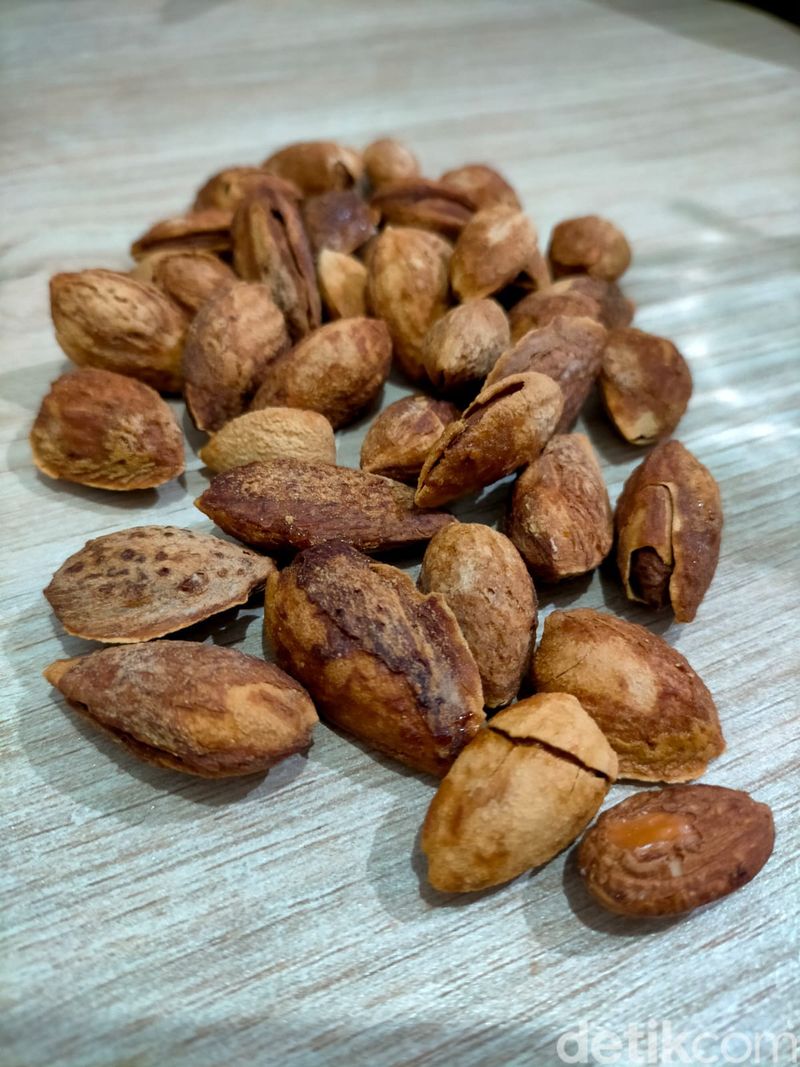
Nuts have frequently been misunderstood due to their high fat content. However, they contain predominantly monounsaturated and polyunsaturated fats, which are essential for cardiovascular health and cognitive performance. A standard 28-gram serving of almonds, for instance, provides approximately 160 to 164 calories.

Dietitian Melissa Rifkin highlights that the profile of almonds—rich in magnesium, fiber, and healthy fats—makes them an ideal snack for glycemic control. Magnesium, in particular, is a mineral that many populations are deficient in, and it plays a critical role in muscle function and blood pressure regulation. Furthermore, the polyphenols found in almond skins have been shown to act as prebiotics, supporting gut microbiome diversity. The key takeaway for consumers is to prioritize raw or dry-roasted varieties over those coated in excessive sodium or sugary glazes.

2. Eggs: The Versatile Nutrient Capsule

The perception of eggs has undergone a dramatic transformation over the last fifteen years. Once scrutinized for their cholesterol content, eggs are now recognized as one of the most cost-effective and nutrient-dense foods available. A large egg contains approximately 72 to 74 calories and serves as a primary source of high-quality protein and essential micronutrients.

Expert dietitian Megan Huff notes that eggs are an excellent source of choline—a nutrient vital for brain health and liver function—as well as vitamin B12, vitamin D, and selenium. Recent clinical trials have largely debunked the link between moderate egg consumption and elevated cardiovascular risk in the general population. For most individuals, the consumption of one to two eggs per day is not only safe but recommended to meet daily protein targets, particularly for those who do not consume animal-based protein from other sources.

3. Full-Fat Dairy: Debunking the Myth of "Light" Options

For years, the dairy aisle has been dominated by low-fat and non-fat labels. However, modern nutritional research suggests that full-fat dairy products may provide benefits that their lower-fat counterparts lack. A 240 ml glass of whole milk contains approximately 150 calories and 3.25% milk fat.

Jangan Takut! 6 Makanan Tinggi Kalori Ini Justru Direkomendasikan Ahli

Dietitian Sarah Hester explains that the satiety provided by full-fat dairy can actually prevent overeating later in the day. "The fat content contributes to a feeling of fullness, which is a critical component of successful long-term weight management," Hester notes. Moreover, peer-reviewed studies published in the last five years have found no consistent evidence linking full-fat dairy intake to an increased risk of heart disease or metabolic syndrome, provided that the overall diet remains balanced with fiber-rich vegetables and whole grains.

4. Cheese: A Source of Essential Minerals

Like dairy, cheese is frequently avoided by those monitoring their caloric intake. However, when consumed in moderation, cheese is a significant source of calcium and high-quality protein. A 28-gram portion of cheddar cheese provides roughly 113 to 114 calories and about 7 grams of protein.

According to dietitian Patricia Kolesa, the calcium found in cheese is highly bioavailable, meaning the body can absorb and utilize it efficiently for bone health and cellular communication. The protein content also aids in muscle repair. The challenge, Kolesa admits, is portion control. Because cheese is highly palatable, it is easy to consume in large quantities, which is why experts recommend using it as a flavor enhancer—such as sprinkling a small amount over a salad or a vegetable dish—rather than a primary food source.

5. Rice: A Globally Essential Carbohydrate

Rice remains the primary caloric source for over half of the global population. Despite recent critiques from various "low-carb" diet proponents, rice remains an efficient and safe fuel source for the human body. Moushumi Mukherjee, a registered dietitian, emphasizes the role of rice as a low-FODMAP food, making it an excellent choice for individuals suffering from irritable bowel syndrome (IBS) or other digestive sensitivities.

A single cup of cooked white rice (approximately 158 grams) provides around 204 to 205 calories. While it is a carbohydrate-dense food, it provides the rapid energy necessary for physical activity and brain function. When paired with protein and fiber-rich vegetables, rice acts as a stable foundation for a balanced meal. The shift in modern nutrition is toward viewing rice not as an "enemy," but as a source of energy that can be managed within a total daily caloric budget.

Jangan Takut! 6 Makanan Tinggi Kalori Ini Justru Direkomendasikan Ahli

6. The Humble Potato: A Nutritional Staple

Perhaps no food has been more unfairly maligned than the potato. Often associated with deep-frying and high-sodium additives, the potato itself is a nutrient-dense vegetable. When boiled or baked, a medium potato (150–170 grams) contains between 145 and 170 calories, depending on whether the skin is consumed.

The skin of the potato is particularly valuable, as it contains the majority of the fiber and significant amounts of potassium and vitamin C. Potassium is crucial for maintaining healthy blood pressure levels and supporting heart function. By opting for baking, steaming, or boiling instead of frying, consumers can harness the nutritional density of the potato without the negative health impacts associated with excessive oils and fats.

Practical Implications for Daily Nutrition

The integration of these six foods into a balanced diet is a matter of strategic planning. Nutritionists recommend a "plate method" approach: filling half the plate with non-starchy vegetables, a quarter with lean protein, and a quarter with nutrient-dense energy sources like rice, potatoes, or healthy fats.

Furthermore, the method of preparation is as important as the food itself. For instance, while a potato is a healthy source of fiber and potassium, turning it into french fries fundamentally alters its nutritional profile due to the addition of inflammatory seed oils and high sodium levels. Similarly, opting for plain yogurt or milk over versions with added sugars ensures that the consumer is getting the full benefit of the dairy without the metabolic drawbacks of excess refined sugar.

Conclusion

The recommendation to include these six foods—nuts, eggs, full-fat dairy, cheese, rice, and potatoes—reflects a broader, more sophisticated understanding of human nutrition. Rather than obsessing over the calorie count of individual items, consumers should focus on the quality of their food choices and the composition of their overall diet.

Jangan Takut! 6 Makanan Tinggi Kalori Ini Justru Direkomendasikan Ahli

By prioritizing nutrient-dense whole foods and practicing mindful portion control, individuals can support their metabolic health, satisfy their hunger, and maintain high energy levels throughout the day. The message from experts is clear: health is not found in the avoidance of calories, but in the intelligent selection of the nutrients that provide them. As we look toward the future of dietary advice, it is evident that a balanced, inclusive approach to food—rather than one of fear and restriction—is the key to achieving long-term health and wellness.

September 16, 2026 0 comment
0 FacebookTwitterPinterestEmail
Travel & Tourism

Government Submits 2013 State Budget Accountability Bill to House of Parliament Amid Financial Challenges and Audit Exceptions

by Nana Wu September 16, 2026
written by Nana Wu

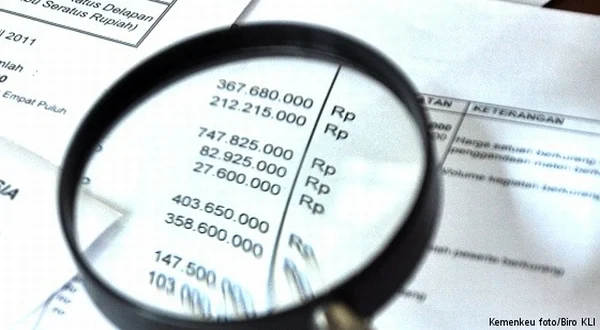
The Indonesian government officially presented the Draft Law on the Accountability for the Execution of the 2013 State Budget, commonly known as the RUU APBN-P, during a plenary session at the House of Representatives (DPR RI) in Senayan, Jakarta. The submission marked a crucial constitutional step in ensuring fiscal transparency and legislative oversight regarding how public funds were allocated, managed, and utilized throughout the 2013 fiscal year.

During the parliamentary session, then-Minister of Finance Muhammad Chatib Basri delivered the government’s comprehensive report on the national financial statements. The presentation addressed not only the realized expenditures and revenues of the 2013 state budget, but also confronted head-on the complex economic headwinds, structural hurdles, and auditing complications that characterized that fiscal period.

The financial reporting for 2013 carried profound significance for the administration’s fiscal credibility, particularly because the central government’s financial statements—known as Laporan Keuangan Pemerintah Pusat (LKPP)—received a Qualified Opinion, or Wajar Dengan Pengecualian (WDP), from the Supreme Audit Agency (BPK). This designation indicated that while the financial statements were generally presented fairly, certain accounting treatments, asset classifications, and outstanding obligations required specific qualifications and corrective measures.

Background Context of the 2013 State Budget and BPK Audit Findings

The Supreme Audit Agency’s decision to grant a WDP status to the 2013 LKPP was a focal point of discussion during the parliamentary proceedings. Explaining the rationale behind the audit exception, Finance Minister Chatib Basri outlined the specific accounting friction points that prevented the government from securing an unqualified or "Wajar Tanpa Pengecualian" (WTP) opinion.

According to the Ministry of Finance, the qualifications issued by the BPK stemmed primarily from four long-standing, complex financial categories:

  1. Over-lifting receivables in the oil and gas sector.
  2. Unresolved oil and gas sales receivables.
  3. Credit assets originating from the former Indonesian Bank Restructuring Agency (BPPN), a legacy institution formed in the wake of the 1997-1998 Asian financial crisis.
  4. Civil servant and state apparatus pension expenditure liabilities.

These issues represented systemic and historical accounting challenges that required coordinated cross-sectoral interventions, often involving multiple state agencies, regulatory adjustments, and protracted asset recovery procedures. The management of former BPPN assets, for instance, had complicated government balance sheets for over a decade, involving non-performing loans, asset restructuring, and legal hurdles in transferring ownership titles definitively to the state. Similarly, fluctuations in commodity volumes and pricing frameworks made the calculation of oil and gas over-lifting receivables vulnerable to discrepancies between projected and realized figures.

Despite these accounting caveats, the submission of the accountability bill underscored the executive branch’s commitment to legislative scrutiny, allowing lawmakers to review, debate, and ultimately vote on the formal closure of the 2013 budget cycle.

Macroeconomic Pressures and External Shocks in 2013

The execution of the 2013 State Budget did not occur in a vacuum; rather, it unfolded against a backdrop of severe global and domestic economic turbulence. Throughout 2013, emerging market economies faced unprecedented capital outflows and currency volatility triggered by shifting monetary policy signals from major central banks.

Minister Chatib Basri elaborated on the external factors that exerted immense pressure on Indonesia’s macroeconomic framework. Chief among these was the signal given by the United States Federal Reserve regarding the potential tapering of its quantitative easing program—commonly referred to as "tapering off." This announcement sent shockwaves through global financial markets, prompting foreign investors to repatriate capital from emerging economies, including Indonesia, back to dollar-denominated assets.

Simultaneously, the global economic landscape was marked by a sluggish recovery from the global financial crisis, compounded by a noticeable cooling in international commodity prices. As a major exporter of raw commodities, coal, and palm oil, Indonesia experienced a sharp reduction in export earnings, which directly impacted state revenues and overall economic growth momentum.

On the domestic front, these external shocks translated into significant internal pressures. Indonesia’s current account deficit widened noticeably, driven by softening export revenues juxtaposed with robust domestic demand for imported goods. This widening deficit placed severe downward pressure on the Indonesian Rupiah, triggering a period of sharp currency depreciation that complicated corporate balance sheets, increased imported inflation risks, and inflated the costs associated with foreign-denominated debt servicing.

Government Policy Responses and Economic Stabilization Measures

To counter the compounding effects of domestic imbalances and external financial shocks, the Indonesian government, in close coordination with Bank Indonesia, deployed a series of stabilization policies designed to restore market confidence and protect the integrity of the state budget.

Among the cornerstone policies implemented during this period was the adjustment of subsidized fuel prices. In June 2013, the government raised the prices of subsidized gasoline and diesel—a politically sensitive and economically consequential move aimed at reining in the ballooning fiscal deficit caused by high global oil prices and surging domestic consumption. This fiscal consolidation measure was designed to alleviate pressure on the state budget and signal to international rating agencies and investors that Indonesia remained committed to fiscal prudence.

In addition to energy subsidy reform, the administration focused heavily on strengthening the current account balance through export promotion policies, enhancing domestic processing requirements under the newly introduced mining laws, and implementing stringent monitoring of foreign exchange earnings.

Bank Indonesia, meanwhile, acted decisively on the monetary front by raising its benchmark interest rate multiple times throughout 2013 to anchor inflation expectations, defend the Rupiah, and curb excessive capital flight. These synchronized fiscal and monetary interventions helped stabilize financial markets, preventing a more severe economic contraction, though they inevitably altered the macroeconomic assumptions upon which the original 2013 APBN targets had been constructed.

Chronology of the 2013 Budget Cycle and Legislative Review

The presentation of the RUU APBN-P 2013 on Tuesday, June 24, 2014, represented the culmination of a rigorous multi-year financial cycle that began with the formulation of the budget in mid-2012. A detailed chronology highlights the key milestones of the 2013 state budget process:

  • Mid-2012 to Late 2012: The government and the DPR deliberate on macroeconomic assumptions, revenue projections, and expenditure priorities, resulting in the enactment of the Law on the 2013 State Budget in late 2012.
  • January to December 2013: The executive branch executes the budget amid escalating global market volatility, domestic currency depreciation, and fiscal pressures that necessitate a budget revision (APBN-P 2013) mid-year to adjust subsidy allocations and revenue targets.
  • Early 2014: Following the close of the fiscal year, line ministries compile their financial reports, which are then consolidated into the Laporan Keuangan Pemerintah Pusat (LKPP) and submitted to the Supreme Audit Agency (BPK) for comprehensive auditing.
  • Mid-2014: The BPK completes its audit of the 2013 LKPP, issuing a Qualified Opinion (Wajar Dengan Pengecualian) due to unresolved accounting treatments regarding oil/gas receivables, legacy BPPN assets, and pension obligations.
  • June 24, 2014: Minister of Finance Chatib Basri formally presents the RUU APBN-P 2013 before the DPR RI plenary session at Gedung Nusantara II, Senayan, initiating the formal legislative debate and accountability review.

Implications and Future Outlook for State Financial Management

The parliamentary debates surrounding the 2013 State Budget Accountability Bill highlighted ongoing structural challenges in Indonesia’s public financial management. While the receipt of a WDP opinion indicated that the government’s financial reporting was transparent enough to identify discrepancies, it also underscored the urgent need for institutional reforms to resolve legacy accounting issues once and for all.

Economists and fiscal policy analysts noted that resolving issues surrounding former BPPN assets and oil/gas receivables required closer inter-agency cooperation between the Ministry of Finance, state-owned enterprises in the energy sector, and law enforcement or asset-recovery agencies. Failure to clear these recurring audit qualifications risked dampening investor perceptions regarding the institutional maturity of Indonesia’s public sector accounting standards.

Furthermore, the experience of executing the 2013 budget served as a valuable stress test for subsequent fiscal policymaking. It demonstrated the vulnerability of emerging market budgets to external monetary shocks, commodity price cycles, and structural current account deficits. The lessons learned from the 2013 fiscal adjustments informed subsequent administrations on the importance of maintaining fiscal buffers, accelerating structural reforms to diversify export earnings, and maintaining disciplined management of energy subsidies.

As the DPR proceeded with its review of the accountability bill, lawmakers were tasked with balancing critical oversight of past financial performance with forward-looking legislative support for policies aimed at achieving unqualified audit opinions in future fiscal years. The session ultimately reinforced the foundational principle of democratic governance in Indonesia: that executive spending of public funds must continuously be subjected to rigorous, transparent, and constructive legislative accountability.

September 16, 2026 0 comment
0 FacebookTwitterPinterestEmail
Travel & Tourism

Pokemon Collaborates with Indonesian Wayang to Globalize Cultural Heritage for 2026-2027 Fiscal Year

by Muslim September 16, 2026
written by Muslim

The Pokemon Company (TPC) has officially announced a strategic cultural partnership with Indonesia that will see the iconic Pokemon franchise integrate with the traditional Indonesian art of wayang. This ambitious collaboration, scheduled to unfold during the 2026-2027 fiscal year, aims to bridge the gap between contemporary digital entertainment and centuries-old shadow puppetry, serving as a cornerstone of TPC’s broader strategy to expand its footprint within the Southeast Asian archipelago.

The announcement, made by Indonesian Minister of Culture Fadli Zon during a press conference held in Jakarta on September 14, 2026, marks a significant milestone in cultural diplomacy. By leveraging the massive, global intellectual property (IP) of Pokemon—a franchise that has transcended its origins as a video game to become a multi-billion-dollar media empire—the Indonesian government intends to elevate the visibility of wayang, a traditional performance art recognized by UNESCO as a Masterpiece of Oral and Intangible Heritage of Humanity.

A Convergence of Two Worlds

The integration of Pokemon into the wayang medium represents a unique experiment in cross-cultural synthesis. Wayang, which typically utilizes intricate leather puppets to recount epic narratives from the Ramayana and Mahabharata, provides a sophisticated storytelling framework. By introducing Pokemon characters into this traditional format, the project seeks to revitalize interest in Indonesian heritage among younger generations while introducing foreign audiences to the aesthetic and philosophical depth of Javanese and Balinese puppetry.

Minister Fadli Zon emphasized the strategic importance of this partnership, noting that the initiative acts as a form of "cultural acculturation." The move is designed to move beyond mere merchandise, aiming instead to embed Indonesian cultural motifs into the global consciousness through one of the most recognizable brands in history. "We are looking at a symbiotic relationship," the Minister stated. "By merging the high-profile narrative power of Pokemon with the deep, storied tradition of wayang, we can ensure that our cultural identity remains relevant in an increasingly digital and globalized world."

Chronology of the Pokemon-Indonesia Initiative

The decision to collaborate on a wayang project did not occur in a vacuum; it is the culmination of years of targeted efforts by The Pokemon Company to deepen its engagement with the Indonesian market.

Pokemon Gandeng Wayang Indonesia, Fadli Zon: Bentuk Akulturasi Budaya Baru
  • 2023-2024: TPC began preliminary market research in Indonesia, observing a significant spike in interest regarding regional Pokemon events and competitive gaming tournaments.
  • May 2025: The "Pokemon Asia Championship Series" was successfully hosted in Jakarta, proving that Indonesia possesses both the infrastructure and the fan base necessary for large-scale international gaming events.
  • October 2025: Reports surfaced regarding "Pokemon Gen 10: Winds & Waves," a rumored upcoming game title allegedly inspired by the geography and mythology of Indonesia. This fueled speculation that TPC was preparing for a deeper, long-term commitment to the region.
  • September 14, 2026: The official partnership between the Ministry of Culture and The Pokemon Company was formalized, setting the stage for the 2026-2027 fiscal year roll-out.

Strategic Objectives and the 30th Anniversary Context

This collaboration is timed to coincide with the broader international celebration of the 30th anniversary of the Pokemon franchise, which originated in Japan in 1996. For TPC, the 2026-2027 fiscal year represents a period of "localized globalization." The strategy involves identifying cultural pillars in key emerging markets and building bespoke content that respects local traditions while maintaining the universal appeal of the Pokemon brand.

In Indonesia, this entails more than just a marketing campaign. The project is expected to encompass a multi-faceted approach, including:

  1. Educational Outreach: Working with local dalangs (puppeteers) to create workshops that teach traditional wayang techniques using Pokemon-themed characters.
  2. Cultural Exhibitions: Large-scale events in major Indonesian cities that showcase the intersection of digital animation and physical puppet-making.
  3. Media Integration: Potential digital content or animated shorts that feature Pokemon characters performing within the structural constraints and stylistic nuances of a traditional wayang play.

Economic and Cultural Implications

The partnership carries significant implications for both the creative economy and cultural tourism in Indonesia. From an economic perspective, the involvement of a Japanese corporate giant like TPC can catalyze investment in the local creative industry, providing jobs for artists, designers, and event coordinators who are proficient in both traditional and modern digital media.

Furthermore, there is a clear "soft power" incentive. By positioning wayang alongside an internationally recognized brand, Indonesia is effectively rebranding a traditional art form as a contemporary, dynamic asset. This could lead to increased tourism interest, as international fans of the franchise may travel to Indonesia to experience these unique collaborative performances.

However, the initiative also faces challenges. Purists of the wayang tradition may raise concerns regarding the "commodification" of sacred or classical stories. Balancing the commercial interests of a global IP holder with the artistic integrity of an ancient cultural practice will require delicate negotiation and a commitment to authenticity. The Ministry of Culture has assured stakeholders that the project will be conducted under the guidance of cultural experts and master puppeteers to ensure that the essence of wayang is preserved even as it adopts new, modern aesthetics.

Market Analysis: Why Indonesia?

Indonesia represents one of the largest and youngest demographics in the world, with a burgeoning middle class that has shown a high propensity for consuming digital entertainment. The "Blue Print" for the upcoming generation of Pokemon games, which reportedly draws inspiration from the Indonesian archipelago’s vast landscapes, underscores the country’s growing importance in the eyes of multinational gaming corporations.

Pokemon Gandeng Wayang Indonesia, Fadli Zon: Bentuk Akulturasi Budaya Baru

The success of the "Pokemon Asia Championship Series" in Jakarta served as a proof-of-concept for TPC. It demonstrated that Indonesian fans are not merely passive consumers of global content but are active participants in the community. This engagement level is critical for the success of a collaboration that relies on public reception and the willingness of local communities to embrace the fusion of the old and the new.

The Road Ahead: 2026-2027 and Beyond

As the 2026-2027 fiscal year approaches, all eyes will be on the execution of these initiatives. The Ministry of Culture has indicated that additional details regarding specific event dates, venues, and the scope of the wayang performances will be released in the coming months.

The partnership is also expected to influence other sectors. The gaming industry, in particular, will be watching closely to see if the "Winds & Waves" title effectively integrates Indonesian motifs into its gameplay mechanics. If successful, this could set a precedent for other global entertainment brands to explore similar collaborations with Indonesian cultural institutions, potentially sparking a trend of "cultural gamification."

Ultimately, the collaboration between Pokemon and Indonesian wayang is a testament to the evolving nature of global culture. It suggests that in the 21st century, the preservation of tradition is not achieved by isolating it in museums, but by inviting it into the modern conversation—even if that means sharing the stage with a pocket monster from the digital world. For Indonesia, this is a strategic move to ensure that its cultural heritage remains a living, breathing part of the global narrative for decades to come.

As the preparations continue, the collaboration serves as a reminder that the world of Pokemon, which has always been about discovery and connection, is now actively participating in the discovery and connection of world cultures, starting with the shadow-play tradition of the Indonesian archipelago. The outcome of this project will likely serve as a case study for how global IP holders can engage with indigenous cultures in a way that is mutually beneficial, respectful, and innovative.

September 16, 2026 0 comment
0 FacebookTwitterPinterestEmail
Newer Posts
Older Posts

Recent Posts

  • Levi’s and ROSÉ Unveil Exclusive Denim Capsule Collection Celebrating Individuality and Personal Expression Across Asia-Pacific
  • Teman Lagi Sedih? Kalimat Ini Bikin Mereka Merasa Nyaman dan Didengar Menurut Psikolog
  • Silence Speaks Volumes: Coordinating Minister Rizal Ramli Dodges Inquiries on the Historic Dissolution of Pertamina Energy Trading Limited
  • Mau Gaspol Saat Hyrox? Ini 8 Asupan yang Bisa Jadi Bahan Bakar
  • Pemerintah Buy Back SUN Mencapai Rp100 M

Recent Comments

No comments to show.
  • Facebook
  • Twitter

@2021 - All Right Reserved. Designed and Developed by PenciDesign


Back To Top
Dara News Media
  • Home
  • About Us
  • Contact Us
  • Cookies Policy
  • Disclaimer
  • DMCA
  • Privacy Policy
  • Terms and Conditions

We are using cookies to give you the best experience on our website.

You can find out more about which cookies we are using or switch them off in .

Dara News Media
Powered by  GDPR Cookie Compliance
Privacy Overview

This website uses cookies so that we can provide you with the best user experience possible. Cookie information is stored in your browser and performs functions such as recognising you when you return to our website and helping our team to understand which sections of the website you find most interesting and useful.

Strictly Necessary Cookies

Strictly Necessary Cookie should be enabled at all times so that we can save your preferences for cookie settings.