• Home
  • About Us
  • Contact Us
  • Cookies Policy
  • Disclaimer
  • DMCA
  • Privacy Policy
  • Terms and Conditions
Dara News Media
keep your memories alive
National News

Relawan Pejuang Negeri Maju Urges Public Not to Overreact to Finance Minister Reshuffle as Suahasil Nazara Takes the Helm

by Suro Senen September 16, 2026
written by Suro Senen

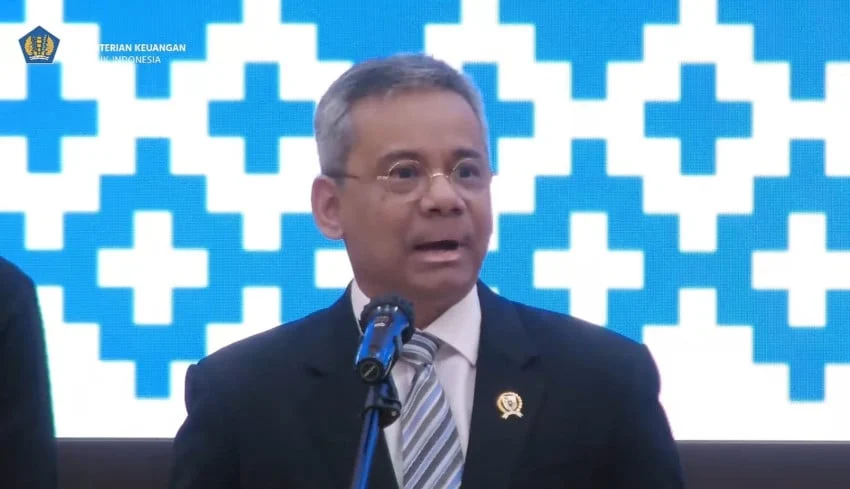
JAKARTA — The transition of leadership at Indonesia’s Ministry of Finance has sparked widespread discussion across political, economic, and social spheres following President Prabowo Subianto’s decision to replace the sitting Minister of Finance, Purbaya Yudhi Sadewa, with Suahasil Nazara. Amid various interpretations and market reactions, the volunteer group known as Relawan Pejuang Negeri Maju (Penemu) has stepped forward to urge the public and financial observers not to overreact to the high-level cabinet shake-up.

The organization emphasized that the appointment of Suahasil Nazara is a strategic move orchestrated by President Prabowo Subianto purely in the best interest of the nation’s economic stability and long-term development. As Indonesia navigates complex domestic and global economic challenges, the administration’s decision aims to ensure continuity, fiscal prudence, and effective governance within the country’s supreme financial institution.

A Strategic Cabinet Adjustment for National Interests

Speaking in Jakarta on Wednesday, September 16, 2026, the Chairperson of the West Java chapter of Penemu, Yayi Nurhayati, stressed that cabinet reshuffles are a prerogative right of the president designed to optimize government performance. She noted that public anxiety or skepticism regarding changes in the economic leadership team is unnecessary.

"President Prabowo Subianto carried out a cabinet reshuffle in the position of Minister of Finance solely for the sake of Indonesia, so it does not need to be responded to with excessive concern," Yayi stated. She underscored that President Prabowo’s administration remains focused on steering the national economy toward sustainable growth, poverty alleviation, and fiscal resilience.

The reshuffle of the Ministry of Finance is part of a broader series of evaluations within the Red and White Cabinet (Kabinet Merah Putih). The transition comes at a critical juncture when Indonesia faces external headwinds, including global inflationary pressures, fluctuating commodity prices, and shifting monetary policies by major global central banks. Consequently, maintaining confidence in the nation’s fiscal management is of paramount importance.

Familiarity and Continuity: The Profile of Suahasil Nazara

One of the primary arguments presented by Penemu to calm public apprehension is the deep institutional familiarity that Suahasil Nazara possesses. Unlike external appointees who might require an extensive learning curve to understand the inner workings of the ministry, Suahasil is a seasoned veteran within the fiscal bureaucracy.

Suahasil Nazara is not a new face within the corridors of the Ministry of Finance. He previously served as the Deputy Minister of Finance across multiple administrations, working closely under prominent ministers, including Sri Mulyani Indrawati and his immediate predecessor, Purbaya Yudhi Sadewa. This extensive tenure as deputy has allowed him to build a comprehensive understanding of Indonesia’s state budget (APBN) architecture, tax reform initiatives, and treasury management.

"Therefore, the work of the Minister of Finance, the environment of the Ministry of Finance, and the employees within the ministry are all well-known to him. He will continue policies that have proven effective and make necessary improvements where adjustments are required," Yayi explained.

This continuity is expected to reassure domestic and international investors that Indonesia’s fiscal policy will remain predictable, prudent, and aligned with the government’s medium-term fiscal framework. Market analysts have pointed out that administrative stability in the Ministry of Finance is vital for maintaining investor confidence, sovereign credit ratings, and macroeconomic stability.

Academic Excellence and Extensive Public Sector Experience

Beyond his institutional tenure at the Ministry of Finance, Suahasil Nazara brings a robust academic background and diverse public sector experience to his new role. His credentials span academia, policy formulation, and high-level advisory positions, making him exceptionally well-prepared to lead the nation’s economic apparatus.

Before entering the upper echelons of government service, Suahasil built a distinguished career as an academic. He served as a lecturer and researcher at the Faculty of Economics and Business at the University of Indonesia (FEB UI), one of the country’s leading institutions for economic thought. His academic background has heavily influenced his policy perspectives, grounding them in empirical research and rigorous economic theory.

In addition to his academic pursuits, Suahasil has contributed significantly to strategic national policy initiatives. He has served in various pivotal roles, including:

  • National Team for the Acceleration of Poverty Reduction (TNP2K): Where he played an active role in designing and evaluating social protection programs aimed at lifting vulnerable populations out of poverty.
  • National Economic Committee (KEN): Serving as a member to advise the government on macroeconomic strategies and industrial competitiveness.
  • Head of the Fiscal Policy Agency (BKF) at the Ministry of Finance: Where he oversaw revenue projections, tax policy analysis, macroeconomic forecasting, and international financial cooperation.

With this extensive resume, supporters and economic observers argue that Suahasil possesses a rare combination of theoretical expertise and practical governance experience. His deep involvement in fiscal policy formulation ensures that he can seamlessly transition into the ministerial role without disrupting ongoing budgetary execution.

Academic and Expert Reactions to the Reshuffle

The decision to appoint Suahasil Nazara has drawn varied responses from academic circles and economic analysts. Many economists have responded positively to the transition, viewing it as a pragmatic choice that prioritizes institutional stability over political experimentation.

Academic institutions and think tanks have highlighted that Suahasil’s familiarity with structural reforms—particularly in taxation, customs, and state expenditure efficiency—will be crucial as Indonesia attempts to expand its tax base and optimize state revenues. Several economists noted that while Purbaya Yudhi Sadewa brought a specific dynamic to the ministry during his tenure, bringing in a technocrat of Suahasil’s caliber ensures that long-term fiscal consolidation targets remain on track.

Furthermore, labor organizations and business associations have expressed cautious optimism. Representatives from the Indonesian Chamber of Commerce and Industry (KADIN) and the Indonesian Employers Association (APINDO) emphasized the importance of maintaining open dialogue between the Ministry of Finance and the private sector, expressing confidence that Suahasil’s approachable demeanor and deep understanding of business dynamics will facilitate constructive collaboration.

Broader Implications for the Red and White Cabinet

The appointment of Suahasil Nazara marks the latest chapter in President Prabowo Subianto’s ongoing evaluations of the Red and White Cabinet. Since taking office, the administration has demonstrated a willingness to make strategic personnel adjustments to ensure that every ministry operates at peak efficiency in delivering campaign promises and national strategic programs.

The Ministry of Finance holds a central position in the realization of these programs, ranging from downstream industrialization and food security initiatives to large-scale infrastructure development and human capital enhancement. Any friction or uncertainty at the top of the fiscal hierarchy could potentially ripple through other sectors, making a smooth and well-received transition essential.

By appointing a figure with deep institutional roots and widespread respect among bureaucrats and economists alike, the administration aims to project an image of steady hand-steering. The endorsement from volunteer organizations like Penemu reflects a broader concerted effort by government supporters to manage public perceptions, mitigate speculative market jitters, and reinforce confidence in the nation’s economic trajectory.

As Suahasil Nazara formally assumes his responsibilities as Minister of Finance, all eyes will be on the upcoming fiscal quarters to evaluate how the ministry adapts to evolving global economic conditions under his leadership. Stakeholders across the political and economic spectrum will be closely watching the execution of the state budget, the progression of tax reforms, and the government’s fiscal deficit management strategies in the months ahead.


September 16, 2026 0 comment
0 FacebookTwitterPinterestEmail
Regional News

DPRD Kota Bogor Receives Prestigious Ministry of Law Award for Excellence in Regional Regulation Harmonization

by Asro September 16, 2026
written by Asro

The Regional House of Representatives (DPRD) of Bogor City has officially received a high-profile certificate of appreciation from the Ministry of Law of the Republic of Indonesia. This distinguished accolade was granted in recognition of the legislative body’s sustained positive contributions, institutional dedication, and proactive role in the meticulous harmonization process of regional draft regulations, commonly known as Raperda. The official presentation of the award took place during the national commemoration of the 81st Hari Pengayoman (Protection Day) hosted by the Ministry of Law.

This recognition underscores the unwavering commitment of Bogor City’s municipal legislature to fostering a transparent, high-quality regional regulatory framework. By ensuring that every locally drafted regulation strictly aligns with national laws, higher-level statutes, and the overarching constitutional framework, the DPRD aims to deliver tangible legal certainty and socio-economic benefits to the local populace. The achievement highlights a collaborative milestone between regional legislative efforts and national legal oversight, setting a benchmark for legislative governance across municipal administrations in Indonesia.

Background and Context of the 81st Hari Pengayoman Commemoration

The Ministry of Law’s Hari Pengayoman serves as an annual milestone for reflecting upon the development, enforcement, and harmonization of law across the Indonesian archipelago. The 81st commemoration brought together regional leaders, legal experts, policymakers, and institutional stakeholders to evaluate the progress of public service delivery and legal administration.

In recent years, the Ministry of Law has placed a rigorous emphasis on the pre-legislative harmonization phase. This procedural safeguard is designed to eliminate regulatory overlap, prevent contradictions between regional and national policies, and uphold human rights standards before any draft regulation is enacted into local law. Bogor City’s legislature has consistently integrated these federal guidelines into its routine legislative pipeline, ensuring that every zoning law, fiscal policy, and administrative mandate undergoes comprehensive scrutiny. The award presented during the anniversary event serves as national validation of Bogor City’s adherence to these rigorous standards.

Chronology of Legislative Governance and Recognition

The journey toward receiving this national distinction spans several months of intensive legislative drafting, public hearings, and inter-agency coordination. Throughout the legislative calendar leading up to the commemoration, the DPRD Kota Bogor processed numerous crucial regional draft regulations addressing public welfare, economic development, and administrative organization.

The timeline of this institutional achievement is marked by several key phases:

  • Initial Drafting and Internal Review: Committees within the DPRD Kota Bogor collaborated with academic experts and local government agencies to draft responsive Raperdas addressing municipal needs.
  • Harmonization Phase: In strict compliance with national legislation governing the formation of laws and regulations, the drafts were submitted to the regional office of the Ministry of Law for statutory harmonization. This step ensured that local initiatives did not conflict with higher national statutes.
  • Finalization and Approval: Following successful harmonization, the drafts underwent rigorous plenary debates and were ultimately enacted into regional regulations.
  • National Evaluation and Selection: The Ministry of Law conducted an extensive evaluation of legislative bodies nationwide, monitoring compliance, responsiveness, and active participation in the harmonization process throughout the operational year.
  • Award Presentation: The evaluation culminated on August 19, 2026, when representatives of the DPRD Kota Bogor formally received the certificate of appreciation during the national Hari Pengayoman ceremonies.

Official Statements and Legislative Reactions

Reflecting on the honor, the Chairman of the DPRD Kota Bogor, Adityawarman Adil, expressed profound gratitude on behalf of the entire legislative institution. He emphasized that the recognition belongs not just to the leadership, but to every member and staff operational within the council who labored to maintain high standards of legal drafting.

"Alhamdulillah, precisely on the momentous occasion of the 81st Hari Pengayoman, the DPRD of Bogor City has received this esteemed award from the Ministry of Law of the Republic of Indonesia," Adityawarman stated following the ceremony. "We sincerely hope that this accolade acts as a powerful catalyst and moral booster for all of us here at the Bogor City DPRD to continually elevate our performance, especially in executing our core legislative duties and perfecting the formulation of regional draft regulations."

Adityawarman further underscored that institutional success is inherently collaborative. He extended his appreciation to regional government bodies, academic partners, civil society organizations, and the technical staff of the Ministry of Law who assisted in facilitating seamless communication and legal alignment throughout the drafting cycles. He noted that maintaining an open dialogue among stakeholders is essential to producing laws that are both legally sound and practically applicable.

Broader Implications for Regional Autonomy and Public Welfare

The reception of this award carries significant implications for the future of regional governance in Bogor City. As Indonesia continues to navigate the complexities of decentralized governance and regional autonomy, the quality of local legislation directly dictates the ease of doing business, the protection of civil rights, and the efficiency of public service delivery.

By institutionalizing a rigorous harmonization process, the DPRD Kota Bogor mitigates the risk of judicial review challenges or executive friction down the line. Poorly drafted regional regulations often face nullification by higher courts or the central government, leading to wasted fiscal resources and legal ambiguity. Ensuring legal harmony from the outset protects public investments and provides clear operational guidelines for local enterprises and citizens alike.

Furthermore, the accolade reinforces the necessity of responsive legal drafting. Modern regional regulations must address emerging socio-economic challenges, ranging from urban sustainability and digital transformation to social welfare and environmental preservation. The recognition from the Ministry of Law signals that Bogor City’s legislative outputs are successfully balancing technical legal precision with acute responsiveness to grassroots community needs.

Moving Forward: Sustaining Legislative Excellence

Looking ahead, the leadership of the DPRD Kota Bogor has signaled its intention to use this momentum to further refine its legislative agenda. Plans are underway to enhance the capacity building of legislative drafters, expand public consultation mechanisms, and leverage digital tools to streamline the tracking and archiving of regional regulations.

As municipalities across Indonesia face mounting pressure to deliver transparent and accountable governance, the proactive stance demonstrated by Bogor City offers a compelling model. By prioritizing the structural harmonization of laws before their enactment, the city is building a resilient legal foundation designed to support sustainable urban development, safeguard community interests, and foster enduring public trust in local democratic institutions.

September 16, 2026 0 comment
0 FacebookTwitterPinterestEmail
Politics

Sayuti Melik: The Silent Architect Behind the Typewriter of Indonesian Independence

by Ammar Sabilarrohman September 16, 2026
written by Ammar Sabilarrohman

The history of the Indonesian Proclamation of Independence on August 17, 1945, is often dominated by the towering figures of Sukarno and Mohammad Hatta. However, tucked away in the annals of this pivotal moment is the indispensable contribution of Mohamad Ibnu Sayuti, better known as Sayuti Melik. As the man who physically typed the Proclamation text, his role extended far beyond the mechanical task of transcribing words. He was an intellectual, a fiery journalist, and a radical youth activist whose life was defined by an unwavering commitment to anti-colonialism and the sovereign future of the Indonesian nation.

The Formative Years and Political Awakening

Born on November 22, 1908, in Sleman, Yogyakarta, Mohamad Ibnu Sayuti was raised in an environment that nurtured both social awareness and resistance. His father, Abdul Muin (also known as Partoprawito), served as a local village head (lurah) and was noted for his courage in openly challenging the extractive and often oppressive policies of the Dutch colonial administration. This early exposure to dissent served as a blueprint for Sayuti’s own political trajectory.

By his early adulthood, Sayuti had emerged as a nationalist figure with a sharp pen. He viewed journalism not merely as a profession but as a potent weapon against the Dutch East Indies government. Alongside his wife, the indomitable S.K. Trimurti—herself a formidable figure in the Indonesian labor and nationalist movements—Sayuti managed and edited the newspaper Pesat in Semarang. The publication was a platform for radical discourse, frequently criticizing colonial rule. Consequently, Sayuti became a frequent target of colonial authorities, suffering multiple arrests and detentions for his ideological defiance. His time in prison did not stifle his resolve; instead, it solidified his standing among the burgeoning class of Indonesian revolutionary youth.

The Night at Maeda’s Residence: A Chronology of the Proclamation

The events leading to the Proclamation were defined by intense pressure and high-stakes negotiation. Following the sudden surrender of Japan to the Allied forces in mid-August 1945, a power vacuum emerged in the Indonesian archipelago. The "Golongan Muda" (Youth Group), including Sayuti Melik, Sukarni, and Adam Malik, perceived this as a unique, fleeting opportunity to declare independence without the consent of the Japanese authorities.

The chronology of those frantic final hours is as follows:

  • August 16, 1945: The Youth Group abducted Sukarno and Hatta to Rengasdengklok to isolate them from Japanese influence and pressure them into declaring independence immediately.
  • Late Night, August 16, 1945: Negotiations led to an agreement. The group returned to Jakarta and convened at the residence of Rear Admiral Tadashi Maeda at Jalan Imam Bonjol No. 1.
  • Early Morning, August 17, 1945: Sukarno, Mohammad Hatta, and Ahmad Soebardjo sat in the dining room to draft the text. While the concepts were provided by the three, the actual drafting was a collaborative process.
  • Post-Drafting, August 17, 1945: Once the handwritten draft was finalized, the document needed to be formalized. Sayuti Melik was tasked with transcribing the scribbled notes onto a typewriter.

It was during this act of transcription that Sayuti Melik exercised his own editorial judgment. He made three critical changes to the text:

  1. He changed the word "tempoh" to "tempo."
  2. He adjusted the date and time format for clarity.
  3. He altered the closing statement to "Atas nama bangsa Indonesia" (On behalf of the Indonesian people), followed by the names and signatures of Sukarno and Hatta.

These minor but significant changes ensured that the document carried the gravity and grammatical precision required for a state declaration.

The Intersection of Journalism and Revolution

Sayuti Melik’s involvement in the independence movement was fundamentally rooted in his identity as a journalist. In the context of 1940s Indonesia, the press was the primary vehicle for political mobilization. By the time he reached the Maeda residence, he had already spent years honing his ability to condense complex, revolutionary ideas into clear, forceful language.

His presence in the room was not accidental. The Youth Group, of which he was a key strategist, insisted on his presence precisely because they needed someone who understood the weight of words and the necessity of precision. Unlike the older nationalist leaders who were often cautious about the geopolitical implications of an immediate declaration, the Youth Group—represented by Sayuti—was uncompromising. They viewed the independence of Indonesia as a non-negotiable right that should not be delayed by bureaucratic deliberations with the departing Japanese military.

Post-Independence: A Life in the Public Sphere

Following the declaration of independence, Sayuti Melik’s career continued in the service of the state, though not without controversy. He served as a member of the Central Indonesian National Committee (KNIP), which acted as a proto-parliament during the early days of the republic. Throughout the 1950s and into the New Order era under President Suharto, he remained an active participant in political life, serving as a member of the DPR (House of Representatives) and the MPR (People’s Consultative Assembly).

His political trajectory, however, was complex. Like many of his generation, he navigated the shifting tides of Indonesian politics—moving from the revolutionary fervor of 1945 to the more restrictive political environment of the late 20th century. Despite the shifts in his ideological alignments over the decades, he remained an icon of the 1945 generation. He passed away in Jakarta on February 27, 1989, at the age of 80, leaving behind a legacy that bridges the gap between the radical youth who forced the hand of history and the statesmen who helped build the nation’s foundations.

Analytical Perspective: The Importance of the "Pen" in State-Building

The role of Sayuti Melik serves as a reminder that revolutions are built on more than just protests and strategic maneuvers; they require the formalization of ideas through the written word. The "Proclamation" was not just a historical event; it was a legal and diplomatic instrument.

Historical analysis suggests that the inclusion of figures like Sayuti Melik provided a necessary counterbalance to the more cautious approach of the elder statesmen. By pushing for a text that explicitly stated "On behalf of the Indonesian people," the revolutionaries ensured that the proclamation was framed as an expression of popular sovereignty rather than a gift from the Japanese occupation forces. This linguistic choice had profound implications for international recognition, as it established the new republic as a bottom-up movement.

Furthermore, the act of typing the document symbolizes the transition from resistance to administration. For a man who had spent his youth in colonial prisons for writing against the state, the act of typing the birth certificate of that state was a personal and historical triumph.

Broader Impact and Historical Preservation

Today, the typewriter used by Sayuti Melik is preserved as a national artifact, representing the birth of the republic. However, the man himself is often overshadowed by the larger-than-life personas of the founding fathers. Recent discourse among historians and the Ministry of Social Affairs regarding the designation of National Heroes has sparked renewed interest in secondary, yet critical, figures like Sayuti Melik and other intellectual contributors such as Sutan Takdir Alisjahbana.

The ongoing efforts to recognize these individuals reflect a modern push to broaden the narrative of Indonesian history. By focusing on the contributions of journalists, intellectuals, and youth organizers, the state is acknowledging that the struggle for independence was a multifaceted endeavor that relied on the intellectual labor of a diverse group of individuals.

Sayuti Melik’s life is a testament to the fact that while the "great men" of history lead the charge, the structure of a nation is often built by those who are willing to do the necessary, meticulous work behind the scenes. Whether it was through his critical editorials in Pesat or his careful manipulation of the keys on a Remington typewriter in the early hours of August 17, 1945, Sayuti Melik remains an essential thread in the tapestry of Indonesia’s sovereign history. His legacy continues to serve as an inspiration for those who recognize that the power of the written word remains the most potent tool in the fight for freedom and justice.

September 16, 2026 0 comment
0 FacebookTwitterPinterestEmail
Politics

Anwar Ibrahim Soroti Drone Dekat Makkah: Keselamatan Kota Suci Tak Boleh Terancam!

by Laily UPN September 16, 2026
written by Laily UPN

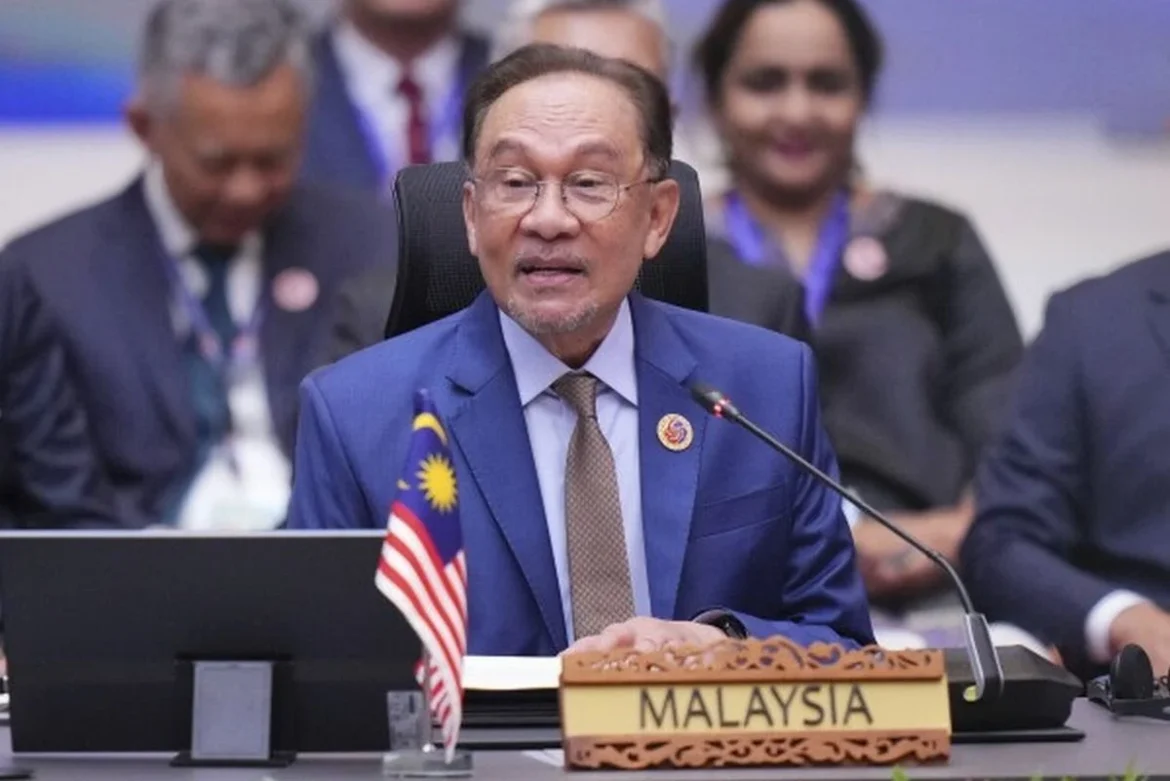
Malaysian Prime Minister Anwar Ibrahim has issued a formal statement expressing deep concern following reports of an unauthorized drone interception in the vicinity of Makkah Al-Mukarramah, Saudi Arabia. The incident, which occurred amidst a period of heightened geopolitical sensitivity in the Middle East, has drawn sharp condemnation from the Malaysian leader, who underscored the inviolability of Islam’s holiest sites and the imperative of maintaining regional stability.

The interception of the unmanned aerial vehicle (UAV) near the Grand Mosque—a site that hosts millions of pilgrims annually—represents a significant security breach. Prime Minister Anwar Ibrahim, speaking via his official social media channels on Wednesday, September 16, 2026, emphasized that any attempt to jeopardize the safety or sanctity of the city is categorically unacceptable. This reaction reflects not only Malaysia’s diplomatic stance but also the shared global concern among Muslim-majority nations regarding the protection of the Two Holy Mosques.

Contextualizing the Security Incident

The sanctity of Makkah is a cornerstone of global Islamic governance and security policy. Since the expansion of the Grand Mosque (Masjid al-Haram) and the surrounding infrastructure, the Saudi Arabian government has implemented one of the most sophisticated integrated air defense systems in the world. The detection and successful interception of the drone suggest that the Kingdom’s early warning systems remain vigilant against evolving aerial threats.

While details regarding the origin of the drone remain subject to ongoing investigation by Saudi authorities, the incident recalls a history of regional volatility. Over the past decade, the Saudi-led coalition has frequently intercepted long-range ballistic missiles and explosive-laden drones launched by regional non-state actors. These incidents have historically been linked to broader geopolitical frictions in the Persian Gulf and the Red Sea. By calling for immediate restraint, Prime Minister Anwar is signaling a diplomatic push to prevent these localized security incidents from escalating into a wider regional conflagration.

Chronology of Events and Diplomatic Response

The events of September 16, 2026, began with the detection of an unidentified drone operating in restricted airspace near Makkah. Saudi defense forces, adhering to strict protocols designed to protect civilian life and religious infrastructure, neutralized the threat before it could penetrate the immediate perimeter of the holy site.

Shortly after the confirmation of the incident, the Malaysian Ministry of Foreign Affairs, under the guidance of Prime Minister Anwar, issued a statement reinforcing its support for Saudi sovereignty. The Prime Minister’s remarks specifically highlighted three core pillars:

  1. Unconditional Sanctity: A declaration that no political or military objective justifies the targeting of sacred religious sites.
  2. Commendation of Saudi Efficiency: Recognition of the rapid response by Saudi security forces, which ensured that no casualties were reported and no structural damage occurred.
  3. The Call for De-escalation: An urgent appeal to all involved parties to move away from military posturing and toward a framework of dialogue.

"Malaysia stands in solidarity with the Kingdom of Saudi Arabia in its efforts to maintain security," Anwar stated. "We urge all relevant parties to exercise maximum restraint and to pursue a peaceful resolution through diplomatic channels without further delay."

Regional Security Implications

The deployment of drones as a tool of asymmetric warfare has become a recurring challenge for Middle Eastern security architectures. Analysts observe that the proliferation of low-cost, high-capability drone technology has lowered the threshold for non-state actors to execute disruptive operations.

In light of this, the international community—including members of the Organization of Islamic Cooperation (OIC)—is increasingly looking toward collaborative security frameworks. Prime Minister Anwar’s intervention serves as a reminder that the security of Makkah is not merely a domestic Saudi concern but a matter of international concern that impacts the peace of mind of the global Muslim population.

Anwar Ibrahim Soroti Drone Dekat Makkah: Keselamatan Kota Suci Tak Boleh Terancam! : Okezone News

The economic implications are also significant. Makkah and Medina are central to Saudi Arabia’s "Vision 2030," which aims to significantly increase the number of pilgrims and visitors to the Kingdom. Any perception of instability could affect the global travel and tourism sector, particularly during peak pilgrimage seasons. Therefore, the swift neutralization of the drone was a critical operational success for the Saudi government, both from a security and an economic stability perspective.

The Diplomatic Strategy of Malaysia

Anwar Ibrahim’s administration has consistently utilized a "neutral but principled" diplomatic strategy. By quickly vocalizing concerns over the drone incident, Malaysia reinforces its role as a key regional voice in Southeast Asia that maintains strong ties with both the Middle Eastern powers and international partners.

The Prime Minister’s emphasis on "resolving issues through dialogue" is a consistent theme in his foreign policy. Since taking office, he has frequently advocated for multilateralism. His response to the Makkah drone incident is a practical application of this policy: acknowledging the reality of the threat while simultaneously pressuring the stakeholders to return to the negotiating table.

Broader Impact and Future Outlook

The incident serves as a critical indicator of the fragile security environment in the region. Observers suggest that the international response will likely involve increased intelligence sharing between Saudi Arabia and its allies to map out the supply chains that enable the acquisition of such drone technology.

Furthermore, the diplomatic pressure applied by leaders like Prime Minister Anwar Ibrahim serves to isolate actors who seek to use religious symbols for political maneuvering. By framing the incident as an attack on "civilian sites" and "holy places," the Malaysian government is successfully shifting the narrative from a regional territorial dispute to a violation of international norms and humanitarian standards.

As investigations into the drone’s flight path and origin continue, the international community remains expectant of a transparent report from Riyadh. Meanwhile, the incident has prompted a heightened state of alert across various regional security agencies.

Conclusion: A Call for Stability

In summary, the interception of the drone near Makkah is a stark reminder that peace in the Middle East remains precarious. Prime Minister Anwar Ibrahim’s swift and firm response highlights the necessity of protecting the world’s most sacred sites from the encroaching reach of regional conflicts.

The Malaysian government’s stance is clear: military adventurism that risks the lives of civilians or the sanctity of religious heritage is a violation of the global order. Moving forward, the focus must remain on the de-escalation of regional tensions. As Anwar Ibrahim noted, the path to peace is paved with dialogue, not with the deployment of weaponized drones. The world now watches to see how the regional players respond to these calls for restraint, hoping that the sanctity of Makkah remains preserved amidst the ongoing turbulence of the 21st-century geopolitical landscape.

The incident on September 16, 2026, will likely be studied in security circles as a case study for the necessity of integrated air defense, but for the global community, it stands as a testament to the importance of diplomatic leadership in ensuring that the most cherished sites of human faith remain protected from the dangers of modern warfare. The commitment shown by the Malaysian leadership to this cause underscores the interconnectedness of global security and the shared responsibility to safeguard the symbols of global heritage and faith.

September 16, 2026 0 comment
0 FacebookTwitterPinterestEmail
Business & Economy

KARA Indonesia Showcases Global Potential of Local Coconut Industry at Food Ingredients Asia 2026

by Laily UPN September 16, 2026
written by Laily UPN

The Food Ingredients Asia (Fi Asia) Indonesia 2026, held at the Jakarta International Expo (JIExpo) from September 16 to 18, 2026, has emerged as a pivotal nexus for the global food and beverage supply chain, serving as a platform for KARA Indonesia to champion the versatility and export potential of Indonesian coconut products. As one of the most anticipated industry gatherings in Southeast Asia, the event brought together thousands of international suppliers, manufacturers, and culinary innovators to deliberate on the future of food technology, ingredient sustainability, and market expansion.

For KARA Indonesia, a flagship brand under the Sambu Group, the exhibition served as a strategic stage to promote its core mission, summarized by the theme "Delivering Indonesia’s Coconut to the World." By positioning high-quality coconut derivatives at the center of the global culinary discourse, the company highlighted the significant role that Indonesia—as one of the world’s largest coconut producers—plays in modern food manufacturing.

The Significance of Fi Asia 2026

Fi Asia is widely recognized as the premier trade show for the food and beverage industry in the ASEAN region. The 2026 iteration, hosted in Jakarta, focused heavily on the intersection of tradition and innovation. As global consumer preferences shift toward plant-based diets, clean-label ingredients, and functional foods, the relevance of coconut as a versatile, nutrient-dense, and sustainable ingredient has reached an all-time high.

The event featured hundreds of exhibitors representing various sectors, including sweeteners, flavors, stabilizers, and natural extracts. The presence of international buyers underscores the growing demand for raw materials that meet international safety and quality standards, a sector where Indonesian players are increasingly seeking to exert dominance.

KARA Indonesia: Bridging Tradition and Modern Culinary Needs

Under the banner of the Sambu Group, KARA Indonesia has spent decades refining the processing of coconut-based products, ranging from coconut cream and milk to specialty oils and water. At their booth, the company provided an immersive experience that went beyond product display; they showcased the practical application of these ingredients in contemporary gastronomy.

By integrating coconut derivatives into everything from traditional Southeast Asian recipes to avant-garde international dishes, KARA demonstrated that the humble coconut is a cornerstone of modern food innovation. This approach aligns with broader market trends where consumers are actively seeking natural, dairy-free alternatives that do not compromise on texture or flavor.

Official Visit and Government Endorsement

The prominence of the KARA booth was underscored by a high-level visit from Indonesian government officials. Deputy Minister of Industry Faisol Riza, accompanied by Director General of Agro-Industry Putu Juli Andika, Director of Food, Marine, and Fisheries Industry Dyan Garneta Paramita Sari, and Chairman of the Indonesian Food and Beverage Association (GAPMMI) Adhi S. Lukman, conducted a walkthrough of the facility.

The visit served as a symbolic endorsement of the coconut industry’s role in the national economy. The delegation reviewed the technical capabilities of the Sambu Group and discussed the challenges and opportunities for increasing the added value of domestic agricultural commodities. For policymakers, the goal is to shift Indonesia from a raw material exporter to a producer of high-value, processed food products that carry the "Indonesian Brand" label globally.

Corporate Strategy: Delivering Indonesia’s Coconut to the World

Dwianto Arif Wibowo, Corporate Communication of Sambu Group, articulated the rationale behind their participation during the event on September 16, 2026. According to Wibowo, the theme "Delivering Indonesia’s Coconut to the World" is not merely a marketing slogan but a roadmap for their expansion strategy.

"KARA aims to present the inherent goodness of authentic Indonesian coconut through culinary experiences that are highly relevant to current global tastes," Wibowo stated. "We are committed to introducing the richness of Indonesian flavor profiles to a global audience, proving that our domestic industry is capable of meeting the stringent requirements of international markets."

The company’s focus on R&D allows them to maintain consistency in a product that is naturally variable. By leveraging advanced pasteurization and aseptic packaging technologies, KARA has been able to extend the shelf life and broaden the utility of coconut products, making them essential components for international food manufacturers.

Market Analysis: The Global Coconut Derivative Industry

The global coconut product market is projected to witness significant growth through 2030, driven largely by the health-conscious consumer demographic. According to industry analysis, coconut milk and cream, in particular, are seeing heightened demand in Western markets as viable replacements for dairy in vegan and lactose-free applications.

Indonesia, alongside the Philippines and India, remains a top producer of coconuts globally. However, the Indonesian industry faces a dual challenge: the need to modernize upstream farming practices to improve yields and the imperative to invest in downstream processing to capture higher margins. Events like Fi Asia 2026 provide the necessary B2B (business-to-business) connections that allow local manufacturers to secure long-term contracts with international FMCG (Fast-Moving Consumer Goods) giants.

The Role of GAPMMI and Regulatory Support

The presence of Adhi S. Lukman, Chairman of GAPMMI, signals the strong alignment between private sector aspirations and industry associations. GAPMMI has long advocated for the streamlining of export procedures and the improvement of food safety standards to allow Indonesian manufacturers to compete on a level playing field with regional neighbors like Thailand and Vietnam.

During the discussions at Fi Asia, the importance of "Industry 4.0" adoption in food processing was a recurring theme. The ability to trace the origin of coconuts—from the smallholder farmer to the finished consumer product—is becoming a mandatory requirement for European and North American retailers. KARA’s participation and interaction with government officials highlighted the need for collective action to improve traceability and sustainability in the supply chain.

Future Outlook and Implications

The impact of Fi Asia 2026 extends beyond the three days of the exhibition. By establishing strong visibility, companies like KARA are setting the stage for increased export volumes in the coming fiscal years. The emphasis on coconut as a sustainable, plant-based resource aligns with the global environmental, social, and governance (ESG) goals that many international food corporations are now adopting.

As Indonesia continues to navigate its industrial transformation, the success of the coconut sector will depend on several key factors:

  1. Sustainability Initiatives: Implementing regenerative agriculture practices to ensure the long-term viability of coconut groves.
  2. Technological Investment: Continued investment in high-efficiency processing plants to minimize waste and maximize extraction yields.
  3. Product Diversification: Developing a broader range of high-value derivatives, such as medium-chain triglyceride (MCT) oils, coconut flour, and specialized flavor compounds.
  4. Market Diversification: Expanding presence beyond traditional markets into emerging economies in Africa and Latin America, where the demand for affordable, nutritious plant-based food is rising.

Conclusion

The participation of KARA Indonesia in the Fi Asia 2026 exhibition serves as a microcosm of the broader ambitions of the Indonesian food industry. With the backing of the Ministry of Industry and the strategic guidance of associations like GAPMMI, the company is successfully bridging the gap between local agricultural potential and the sophisticated demands of the global market.

The event concluded with a strong signal that the coconut industry is poised for significant growth. Through continued innovation, a focus on international quality standards, and a narrative that emphasizes the unique heritage of Indonesian coconuts, the country is well-positioned to strengthen its footprint in the global food supply chain. As the industry moves forward, the synergy between government policy and private sector execution will remain the key determinant in whether Indonesia can truly fulfill its potential as a global leader in the coconut derivatives market.

September 16, 2026 0 comment
0 FacebookTwitterPinterestEmail
Business & Economy

RI Targetkan Produksi E20 dalam Dua Tahun, Butuh 2 Juta Hektare Lahan Tebu

by Basiran September 16, 2026
written by Basiran

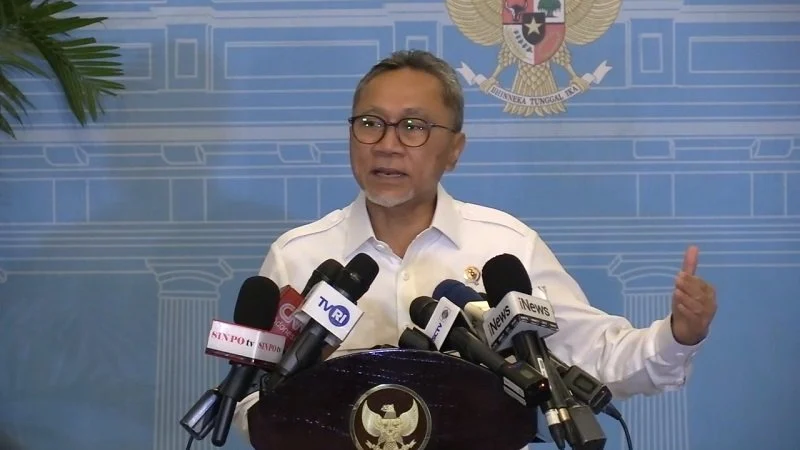
The Indonesian government has officially set an ambitious roadmap to achieve national energy independence by mandating the production of E20 fuel—a blend containing 20% ethanol and 80% gasoline—within the next two years. This strategic policy shift was confirmed by the Coordinating Minister for Food, Zulkifli Hasan, following a high-level limited cabinet meeting presided over by President Prabowo Subianto at the Presidential Palace in Jakarta on Tuesday, September 16, 2026. The move represents a critical component of the current administration’s broader agenda to reduce reliance on imported fossil fuels, mitigate environmental impacts, and stimulate domestic agricultural growth.

Strategic Mandate and Implementation Framework

During the session, President Prabowo Subianto emphasized that the transition to E20 is not merely an energy policy but a vital instrument for national food and energy security. The urgency behind the two-year timeline reflects a calculated effort to insulate the Indonesian economy from the volatility of global crude oil prices, which have historically strained the national budget and current account balances.

Coordinating Minister Zulkifli Hasan, commonly referred to as Menko Zulhas, articulated that the government has adopted a collaborative approach involving multiple ministries and state-affiliated agencies to ensure the feasibility of the project. The directive specifically tasks the Ministry of Agriculture with the foundational work: identifying and securing the necessary land bank to sustain large-scale sugar cane production, which has been identified as the most efficient and scalable feedstock for ethanol production in the Indonesian climate.

The Role of Agricultural Expansion

The cornerstone of the E20 initiative is the development of an unprecedented 2 million hectares of land dedicated specifically to sugar cane cultivation. This expansion is designed to be geographically diverse to ensure regional economic equity and supply chain resilience. According to the government’s preliminary assessment, the designated land will be distributed across major islands, including Java, Sumatra, Kalimantan, and Papua.

This massive land-use strategy requires a delicate balance between agricultural expansion and environmental conservation. Agricultural experts point out that while Indonesia possesses vast tracts of arable land, the integration of new sugar cane plantations must comply with strict sustainability standards to avoid deforestation and protect local ecosystems. The Ministry of Agriculture is currently drafting a comprehensive master plan that includes land mapping, soil fertility analysis, and the implementation of modern irrigation systems to maximize yields per hectare.

Danantara and Industrial Infrastructure

While the Ministry of Agriculture focuses on the biological feedstock, the newly established Badan Pengelola Investasi Daya Anagata Nusantara (Danantara) has been assigned the critical task of overseeing the industrial infrastructure. Danantara will be responsible for financing and managing the construction of large-scale ethanol processing plants. These facilities will serve as the bridge between raw sugar cane production and the final fuel product supplied to the market.

The involvement of Danantara signifies a shift toward a more centralized and streamlined investment mechanism. By consolidating the industrial requirements under this body, the government aims to attract both domestic and foreign direct investment (FDI) into the bio-energy sector, ensuring that the necessary refineries are operational within the 24-month target period.

Contextualizing Indonesia’s Biofuel Journey

Indonesia is no stranger to biofuel initiatives. The country has successfully implemented its B35 mandate (a blend of 35% palm oil-based biodiesel in diesel fuel), which has become a global benchmark for successful energy blending programs. However, transitioning to E20 presents unique technical and logistical challenges compared to biodiesel.

RI Targetkan Produksi E20 dalam Dua Tahun, Butuh 2 Juta Hektare Lahan Tebu : Okezone Economy

Unlike palm oil, which is a mature industry in Indonesia, the sugar cane industry for ethanol production requires a significant scale-up of both upstream farming and downstream processing technology. The decision to prioritize sugar cane over other potential feedstocks, such as cassava or corn, is based on extensive feasibility studies that indicate sugar cane offers a higher energy-return-on-investment (EROI) and creates significant economic value through secondary products like molasses and bagasse.

Economic and Environmental Implications

The shift to E20 carries profound implications for the Indonesian economy. Firstly, it is projected to significantly lower the import bill for gasoline, which remains a primary drain on foreign exchange reserves. By substituting a portion of fossil fuel consumption with domestically produced ethanol, Indonesia can effectively "produce" energy at home, thereby insulating consumers and the government from international price spikes.

From an environmental perspective, E20 is a cleaner-burning fuel. It helps reduce carbon monoxide and tailpipe emissions, contributing to the government’s long-term goal of achieving net-zero emissions. Furthermore, the development of 2 million hectares of sugar cane will create hundreds of thousands of jobs in rural areas, effectively decentralizing economic growth from urban centers to regions that have historically lacked significant industrial investment.

Challenges and Future Outlook

Despite the optimism, the path to 2028 is paved with significant hurdles. Critics and industry analysts have highlighted three primary areas of concern:

  1. Land Acquisition and Social Dynamics: Securing 2 million hectares is a massive logistical undertaking. Navigating land ownership rights, potential conflicts with local communities, and the complexities of land-use permits will be the primary test for the Ministry of Agriculture.
  2. Technological Integration: Retrofitting existing fuel distribution networks to handle ethanol—which has different storage and transportation requirements than pure gasoline—will require significant investment in infrastructure, including new storage tanks and specialized logistics systems to prevent water contamination.
  3. Feedstock Stability: Sustaining a consistent supply of sugar cane requires high-yield agricultural practices. Any failure in the harvest, whether due to climate change, pests, or logistical bottlenecks, could threaten the stability of the entire fuel program.

However, the government remains confident in its timeline. The directive from President Prabowo indicates that the project is a top priority, suggesting that bureaucratic barriers will be minimized to facilitate rapid progress. The focus on "cross-sectoral synergy" implies that the government is prepared to fast-track regulatory clearances and provide the necessary financial backing to ensure that the infrastructure is ready for mass production.

Industry Reaction and Market Expectations

The private sector, particularly energy conglomerates and agribusiness firms, has reacted positively to the news. Many companies are already exploring partnership models with Danantara, viewing the E20 mandate as a long-term revenue opportunity. The transition also aligns with global trends in the automotive industry, as many vehicle manufacturers are already producing engines capable of handling varying ethanol blends.

In the coming months, the public can expect a series of follow-up announcements detailing the specific provinces designated for the initial phases of the 2 million-hectare project. The government is also expected to launch public awareness campaigns to ensure that the adoption of E20 is met with consumer confidence.

Conclusion

The Indonesian government’s target to produce E20 within two years is a bold, transformative policy. By leveraging the country’s agricultural potential and establishing a robust industrial framework under Danantara, Indonesia is positioning itself to become a regional leader in bio-energy. While the technical and logistical challenges are substantial, the economic and environmental benefits—ranging from reduced import dependency to rural job creation—provide a compelling justification for this national endeavor. As the timeline progresses toward 2028, the success of this program will depend on the government’s ability to coordinate across ministries and maintain the momentum required to turn 2 million hectares of land into a sustainable engine for national energy independence.

September 16, 2026 0 comment
0 FacebookTwitterPinterestEmail
Business & Economy

MNC Insurance Partners with Joglosemar to Provide Comprehensive Travel Protection for Shuttle Passengers

by Suro Senen September 16, 2026
written by Suro Senen

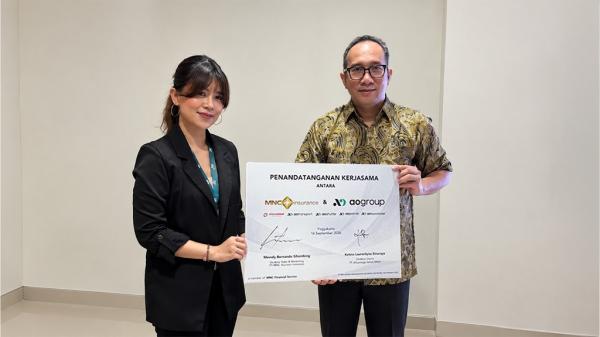
PT MNC Asuransi Indonesia, operating widely under the brand name MNC Insurance, has officially announced a strategic partnership with PT Alfaomega Sehati Mitra, the operational entity behind the popular regional shuttle service Joglosemar. This collaboration is designed to integrate robust travel protection directly into the travel booking experience for thousands of passengers who rely on the shuttle network for intercity mobility across Central Java and the Special Region of Yogyakarta. By embedding personal accident and travel insurance into everyday transit, both companies aim to elevate passenger safety standards, build consumer confidence, and set a new benchmark for customer care within the Indonesian ground transportation sector.

The formalization of this agreement marks a critical milestone in the ongoing evolution of Indonesia’s transport and insurance industries. As passenger volumes continue to rebound and surpass pre-pandemic levels, the demand for value-added services—specifically security and financial protection against unforeseen transit incidents—has surged. Through this newly forged alliance, travelers booking trips with Joglosemar will no longer have to worry about the financial and logistical uncertainties that can occasionally accompany road travel. Instead, they will be automatically enveloped in a protective insurance safety net tailored specifically to the unique risks associated with modern highway commuting.

Comprehensive Coverage Tailored for Modern Travelers

Under the terms of the partnership, every eligible passenger traveling via the Joglosemar shuttle network gains immediate access to a dual-layered insurance framework comprising Personal Accident (PA) coverage and specialized Travel Insurance benefits. This comprehensive protection plan has been meticulously structured to address a wide array of potential disruptions that travelers might encounter along their journeys.

MNC Insurance Gandeng Joglosemar Hadirkan Perlindungan Perjalanan bagi Penumpang Shuttle

At the core of the offering is robust personal accident coverage. In the unfortunate event of a severe traffic accident resulting in permanent disability or loss of life, designated beneficiaries are entitled to financial compensation through structured death and disability benefits. Beyond catastrophic incidents, the policy addresses common, everyday travel frictions that frequently frustrate commuters. These include significant trip delays caused by traffic gridlock, mechanical breakdowns, or severe weather events; ticket cancellations due to sudden emergencies; and the distressing loss, theft, or damage of personal baggage while under the care of the transport provider.

By bundling these protections into the standard ticketing ecosystem, MNC Insurance and Joglosemar are effectively removing the friction that typically prevents individual travelers from purchasing standalone travel insurance policies. The seamless integration ensures that safety is no longer viewed as an optional, secondary purchase, but rather as an intrinsic component of the passenger journey.

Strategic Vision and Executive Insights

Speaking on the motivations behind the collaboration, Meindy Bernando Sihombing, Director of Sales and Marketing at MNC Insurance, emphasized that the partnership is a direct response to shifting consumer behavior and the exponential growth of regional mobility.

"Perjalanan menggunakan shuttle telah menjadi bagian dari mobilitas masyarakat sehari-hari," Sihombing noted, highlighting how integral shuttle services have become to the economic and social fabric of Indonesia. He elaborated that as highways become busier and travel frequencies increase, addressing the inherent risks of transit becomes an essential value-add for consumers. "Through our collaboration with Joglosemar, we are striving to deliver an insurance solution that is not only highly relevant to everyday commuters but also easily accessible, thereby instilling genuine peace of mind throughout every mile of the journey."

MNC Insurance Gandeng Joglosemar Hadirkan Perlindungan Perjalanan bagi Penumpang Shuttle

Echoing these sentiments, Ketzia Laurentyna Sinuraya, President Director of PT Alfaomega Sehati Mitra, underscored that the alliance aligns perfectly with the company’s corporate mission to continuously improve service quality. In an increasingly competitive transport landscape, shuttle operators can no longer rely solely on punctuality and vehicle comfort to retain passenger loyalty. Delivering holistic value—where physical safety is matched by financial and logistical security—has become paramount. Sinuraya emphasized that this partnership represents a proactive step toward safeguarding passengers and reinforcing Joglosemar’s reputation as a dependable, customer-centric transit provider.

The Broader Economic and Industrial Context

This partnership arrives at a time of significant momentum and industry recognition for MNC Insurance. The company has been aggressively expanding its footprint across diverse retail and commercial sectors through strategic B2B2C (Business-to-Business-to-Consumer) integrations. Earlier in the structural calendar, MNC Insurance made headlines by forging a similar alliance with PT Multindo Auto Finance to fortify vehicle protection for mutual customers. Furthermore, the broader MNC Insurance Business Group’s financial stability, operational excellence, and market responsiveness were recently validated on a national stage when the entity hauled in three prestigious accolades at the 27th Infobank Insurance Award.

These successive strategic moves demonstrate a clear corporate strategy: embedding insurance products directly into existing consumer ecosystems—such as automotive financing and ground transportation—where the need for protection is naturally high. By leveraging the existing customer bases of established partners like Joglosemar, MNC Insurance is able to scale its market penetration efficiently while addressing the persistent underinsurance gap that has historically characterized the Indonesian financial landscape.

For Joglosemar, partnering with a reputable, award-winning financial institution like MNC Insurance signals a maturation of regional transportation networks. Shuttle services, which bridge the gap between large-scale commercial bus lines and private personal vehicles, have traditionally operated with minimal ancillary services. By introducing institutional-grade travel insurance, Joglosemar is professionalizing its operations, aligning its service standards with those of the commercial aviation and railway sectors.

MNC Insurance Gandeng Joglosemar Hadirkan Perlindungan Perjalanan bagi Penumpang Shuttle

Implications for Passengers and the Future of Commuting

The integration of travel insurance into shuttle operations carries profound implications for the future of Indonesian mobility. For the average commuter traveling between major hubs in Central Java and Yogyakarta, the psychological benefit of knowing they are financially protected against accidents, delays, and baggage loss cannot be overstated.

As urban centers expand and economic activities become increasingly decentralized, intercity commuting via shuttle will only intensify. The risks associated with high-density highway travel—ranging from unpredictable weather patterns to heavy commercial traffic—necessitate modern risk-management solutions. Initiatives like the MNC Insurance and Joglosemar partnership prove that the private sector can collaborate effectively to address public safety concerns without relying solely on state intervention.

Looking ahead, industry analysts anticipate that this collaborative model will serve as a blueprint for other regional transportation providers across the archipelago. As consumers grow more discerning, demand for integrated lifestyle and safety services will accelerate. By anticipating this shift, MNC Insurance and Joglosemar have positioned themselves at the vanguard of a new era in Indonesian transit—one where safety, convenience, and financial security travel hand in hand down the open road.

September 16, 2026 0 comment
0 FacebookTwitterPinterestEmail
Business & Economy

Otoritas Jasa Keuangan addresses the decline in IPO pipeline and emphasizes quality over quantity in Indonesian capital markets

by Layla Zulfa September 16, 2026
written by Layla Zulfa

The Indonesian capital market, a critical engine for national economic growth, is currently navigating a period of recalibration regarding Initial Public Offerings (IPOs). Recent data from the Financial Services Authority (OJK) indicates a noticeable tightening in the pipeline of companies seeking to list on the Indonesia Stock Exchange (IDX). While the market has historically seen aggressive growth in the number of public offerings, recent global headwinds and a heightened regulatory focus on corporate transparency have shifted the landscape toward a more conservative pace of expansion.

OJK’s Chief Executive of Capital Markets, Derivative Finance, and Carbon Exchange, Hasan Fawzi, addressed these trends on Wednesday, September 16, 2026. He highlighted that the current slowdown is not merely a sign of market fatigue but a strategic response to volatile external conditions. As of September 6, 2026, the IDX pipeline holds seven companies preparing for listing, with a combined target valuation of approximately IDR 4.02 trillion. This figure, while significant, represents a more measured approach compared to the hyper-growth phases witnessed in previous years.

The Global Macroeconomic Backdrop

The primary driver behind the current IPO deceleration is the pervasive uncertainty stemming from the global geopolitical environment. As international trade tensions rise and monetary policies in developed economies remain fluid, domestic Indonesian companies are exercising increased caution. For many prospective issuers, the "timing" of an IPO is synonymous with the health of market sentiment; when geopolitical risks threaten to increase the cost of capital or diminish investor appetite, companies often choose to defer their listings to more stable periods.

This environment has forced a rethink of corporate strategies. Companies that previously intended to go public are now weighing the benefits of public funding against the current volatility in global indices. OJK acknowledges that this reluctance is a rational response to broader economic pressures, where external factors can significantly distort a company’s debut valuation, potentially leading to lackluster post-listing performance.

Regulatory Stance: Quality Over Quantity

A pivotal shift in OJK’s supervisory approach is the prioritization of disclosure quality over the sheer volume of new listings. Hasan Fawzi emphasized that the authority is actively filtering potential applicants to ensure that the companies entering the public market are robust, transparent, and fully prepared for the rigors of public scrutiny.

"There are several IPO plans that have not yet received approval because we require an improvement in the quality of information disclosure," Hasan noted. This regulatory rigor is designed to protect the retail and institutional investors who form the backbone of the Indonesian capital market. By enforcing stricter standards, OJK aims to cultivate a more resilient market where listed companies possess the corporate governance structures necessary to sustain investor trust over the long term.

This approach reflects a broader evolution in the Indonesian market. In the past, the focus was heavily weighted toward increasing the number of listed companies to broaden the index. Today, the focus has shifted toward the sustainability of these entities. OJK’s insistence on detailed, accurate, and timely disclosure acts as a barrier to entry for companies that may lack the maturity or internal controls to operate as a public entity.

Capital Raising Milestones in 2026

Despite the lull in new IPO filings, the broader capital market remains a vital source of funding for Indonesian corporations. OJK Chairman Mahendra Siregar previously set an ambitious target of IDR 250 trillion in total capital raising for the year 2026. According to the latest data updated on September 6, 2026, the market has successfully facilitated IDR 148.3 trillion in funding through various instruments, including equity, debt securities, and other financial products.

This figure underscores the fact that while IPOs—the most visible segment of the capital market—have slowed, corporations are still finding success in raising capital through other means. Corporate bonds, sukuk (Islamic bonds), and rights issues continue to provide essential liquidity for Indonesian businesses looking to expand their operations, refinance debt, or invest in new technologies.

The discrepancy between the current total of IDR 148.3 trillion and the full-year target of IDR 250 trillion suggests that the final quarter of 2026 will be crucial. OJK remains optimistic that the pipeline will pick up as market conditions stabilize, provided that companies continue to meet the stringent documentation and disclosure requirements mandated by the regulator.

Efforts to Support Potential Issuers

OJK is not merely acting as a gatekeeper; it is also serving as an educator. Recognizing that the barriers to entry for an IPO can be daunting for many Indonesian enterprises—particularly those in the emerging technology or green energy sectors—OJK and the Indonesia Stock Exchange have launched a series of initiatives to bridge the knowledge gap.

The "coaching clinic" program, which has been rolled out across several Indonesian regions, is a cornerstone of this effort. These clinics provide potential issuers with direct access to regulatory experts and investment banking professionals. Through these sessions, companies are educated on the nuances of financial reporting, the responsibilities of public company directors, and the intricacies of corporate governance.

These programs are essential for expanding the demographic of issuers. By demystifying the IPO process, OJK hopes to cultivate a more diverse range of companies that are ready to tap into the public market, thereby ensuring that the IDX remains representative of the country’s diverse economic sectors, from manufacturing and agriculture to digital services and sustainability-focused industries.

Implications for the Indonesian Economy

The ongoing stabilization of the IPO market carries significant implications for the Indonesian economy. A healthy and active stock exchange is vital for capital formation, which in turn drives investment and employment. If the current trend of fewer, higher-quality IPOs persists, the market may see a period of reduced volatility, as companies with stronger fundamentals replace the speculative listings that have historically characterized parts of the exchange.

Furthermore, the focus on disclosure quality is likely to enhance the overall competitiveness of Indonesian firms on the international stage. As these companies adopt higher standards of governance to satisfy OJK requirements, they become more attractive to global institutional investors who prioritize transparency and ethical management.

However, the risk of a prolonged slowdown in IPOs is that smaller, growth-stage companies may find it harder to raise equity capital. If the regulatory burden becomes too high, there is a risk that companies might turn to private equity or venture capital, potentially depriving the public of the opportunity to invest in the next generation of Indonesian industry leaders. This underscores the importance of the balance that OJK is currently attempting to strike: keeping the threshold high enough to protect investors, but low enough to remain accessible to promising enterprises.

Looking Ahead: The Path Toward Year-End

As the market enters the final months of 2026, the eyes of the financial community remain fixed on the OJK pipeline. The current geopolitical landscape is unlikely to improve drastically in the short term, meaning that the market will likely remain in a "wait-and-see" mode.

The strategy adopted by OJK—prioritizing readiness and information transparency—is likely to serve as the blueprint for the next phase of the Indonesian capital market. Investors should anticipate a more selective IPO environment, where the successful candidates are those that can clearly demonstrate their value proposition and operational maturity.

While the total capital raising target of IDR 250 trillion remains a formidable challenge, the steady progress recorded to date suggests that the Indonesian market has developed a degree of resilience. The synergy between OJK’s educational initiatives and the rigorous enforcement of market standards will be the primary determinant of whether the market can meet its 2026 goals.

In conclusion, the current decline in the number of IPOs is a deliberate reflection of a maturing market. By emphasizing quality over quantity and supporting potential issuers through targeted coaching, the OJK is laying the groundwork for a more robust and sustainable financial ecosystem. The coming months will test this strategy, but the focus on transparency and readiness is an essential step in ensuring that the Indonesian capital market remains a trusted and effective vehicle for long-term national economic development.

September 16, 2026 0 comment
0 FacebookTwitterPinterestEmail
Technology

NASA Retires Iconic ThinkPad Laptops from International Space Station Operations

by Azzam Bilal Chamdy September 16, 2026
written by Azzam Bilal Chamdy

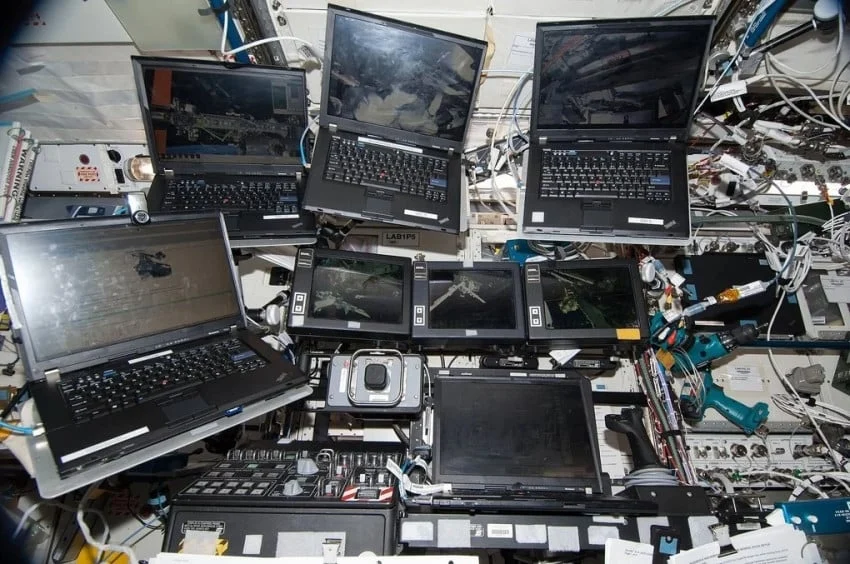
The International Space Station (ISS), a marvel of modern engineering and the primary laboratory for microgravity research, is undergoing a quiet but significant technological transition. After more than three decades of faithful service, the venerable Lenovo ThinkPad, a staple of space exploration, is being phased out of active duty aboard the orbiting laboratory. NASA has confirmed that the transition is driven by the necessity to upgrade aging hardware to meet the increasingly complex computational requirements of modern orbital research and mission-critical life support systems. While the ThinkPad’s black, boxy silhouette and signature red TrackPoint remain cultural icons of the tech industry, the harsh, unforgiving environment of space has necessitated a shift toward more modern, high-performance computing architectures.

A Legacy Spanning Three Decades

The relationship between IBM—the original manufacturer of the ThinkPad—and NASA began in the early 1990s, a period defined by the rapid evolution of mobile computing. The integration of commercial off-the-shelf (COTS) hardware into space missions was a strategic move by NASA to reduce costs and leverage the accelerating pace of the consumer electronics market.

The inaugural mission for the ThinkPad line occurred in December 1993, when the IBM ThinkPad 750C was launched aboard the Space Shuttle Endeavour for the STS-61 mission. This mission, which famously involved the repair of the Hubble Space Telescope, marked the first time a ThinkPad was utilized in orbit. At the time, the 750C was a pinnacle of portable computing, featuring a 10.4-inch color TFT display, a 33MHz Intel 486 processor, and a price tag of $4,699—a substantial investment that reflected the machine’s premium status and advanced capabilities for the era.

Following the success of the 750C, NASA deepened its reliance on the platform. Throughout the late 1990s and early 2000s, various iterations of the ThinkPad were qualified for space flight. Their reliability, mechanical robustness, and keyboard ergonomics made them ideal for the cramped, high-stakes environment of the Space Shuttle and, subsequently, the ISS.

Chronology of Evolution and Acquisition

The history of the ThinkPad in space is inextricably linked to the changing landscape of the global computer industry.

  • 1993: IBM ThinkPad 750C makes its maiden voyage on STS-61.
  • 1998: Assembly of the ISS begins; ThinkPads are utilized for initial station configuration and diagnostics.
  • 2005: A pivotal year in corporate history occurs when Lenovo Group acquires IBM’s Personal Computing Division. NASA continues to procure ThinkPads under the new ownership, ensuring the continuity of the hardware lineage.
  • 2008–2010: The ThinkPad T61p becomes the workhorse of the ISS. These units were heavily utilized for scientific experiments and station control interfaces.
  • 2015–2020: NASA begins evaluating the next generation of portable computing, looking for hardware that can better handle high-speed data processing and radiation-hardened firmware requirements.
  • 2023–2024: NASA officially signals the sunsetting of the legacy ThinkPad fleet, shifting toward more current commercial laptops that meet modern cybersecurity and performance standards.

The ThinkPad T61p: The Definitive Orbital Workstation

Among the various models that frequented the station, the ThinkPad T61p stands out as the most iconic. During the late 2000s, the T61p became the standardized unit for ISS operations. It served as a vital interface for the Crew Support Computer (CSC) and the Station Support Computer (SSC).

These machines were not mere consumer devices; they were integrated into the ISS’s local area network (LAN). They allowed astronauts to communicate with mission control, monitor environmental life support systems, and input data for biological and physical science experiments. The T61p’s durability was tested under extreme conditions, including exposure to high-energy cosmic rays, which can cause "bit flips" in memory. Lenovo’s hardware, paired with NASA’s custom software, proved resilient enough to maintain stability in a vacuum-adjacent environment.

Engineering Challenges in Low Earth Orbit (LEO)

Deploying a laptop in space is fundamentally different from using one in an office. NASA engineers must account for several environmental factors that can lead to hardware failure:

  1. Microgravity and Cooling: In the absence of natural convection, heat does not rise away from the components as it does on Earth. ThinkPads were modified with external cooling solutions and specialized docking stations to ensure that the internal fans and heat sinks could effectively dissipate heat in a weightless environment.
  2. Radiation Exposure: The ISS orbits within the Earth’s magnetosphere but is still subject to significantly higher levels of ionizing radiation than the surface. This can damage processors and degrade storage media over time.
  3. Fire Safety: Any electronic device on the ISS must pass rigorous flammability testing. The materials used in the chassis, keyboard, and power supplies must be non-toxic and self-extinguishing in the event of an electrical short.
  4. Data Connectivity: With the ISS operating as a high-speed data node, laptops must support encrypted communication protocols that can handle the latency of satellite-linked networks.

Official Perspectives and Technological Shifts

While NASA has not issued a formal "farewell" to the ThinkPad brand, officials from the Johnson Space Center have noted that the agency’s procurement strategy is increasingly dictated by the lifecycle of commercial hardware. The rapid obsolescence of CPU architectures and the need for seamless compatibility with Windows-based enterprise environments are the primary drivers of the switch.

Industry analysts suggest that NASA’s shift is a natural progression. "The computing power required for modern ISS research, which now includes advanced machine learning and real-time high-definition video processing, has outpaced the capabilities of older architectures," noted an aerospace technology consultant. "It is not a reflection of the quality of the legacy hardware, but rather an acknowledgment that the mission requirements of 2024 are vastly different from those of 2005."

Lenovo, for its part, maintains a close relationship with NASA. The brand continues to provide high-performance workstations for ground-based mission control, simulation, and data analysis centers. While the "ThinkPad" nameplate may be disappearing from the ISS modules, the lineage of design and reliability that defined the brand remains a part of the agency’s broader operational infrastructure.

The Broader Impact of the Retirement

The departure of the ThinkPad from the ISS marks the end of an era in space exploration history. It represents the transition from the "early" commercial space age—characterized by adapting consumer technology—to a new phase of hyper-specialized, highly efficient orbital computing.

The implications of this move are significant:

  • Operational Efficiency: Newer hardware platforms offer higher processing speeds, allowing astronauts to conduct more complex experiments with faster turnaround times.
  • Standardization: Moving to more modern, uniform hardware reduces the maintenance burden on the crew, who previously had to manage a diverse inventory of aging machines.
  • Data Security: Modern laptops offer superior encryption and hardware-level security, protecting sensitive research data and the integrity of the station’s network.

As NASA looks toward the Artemis program and future missions to the Moon and Mars, the lessons learned from the ThinkPad era will be invaluable. The ability to integrate commercial hardware into deep-space habitats will be critical for future exploration. The ThinkPad proved that reliable, mass-produced technology could withstand the rigors of space, setting a benchmark for the next generation of portable computing hardware that will follow the crew into the next frontier.

Conclusion: A Lasting Legacy

The ThinkPad’s tenure at the International Space Station is a testament to the durability and innovative design that defined the brand for decades. From the early days of the Space Shuttle to the current era of commercial spaceflight, these machines served as the primary interface between humanity and the cosmos.

While the hardware is being retired, its influence on space-hardened computing will persist. The ThinkPad did not just assist in scientific discovery; it became part of the story of the ISS itself—a symbol of the bridge between terrestrial technology and the stars. As NASA transitions to new computing solutions, the legacy of the ThinkPad remains a cornerstone of the history of human spaceflight, reminding us that even in the vacuum of space, the right tool—built with quality and foresight—can change the world, and everything beyond it.

September 16, 2026 0 comment
0 FacebookTwitterPinterestEmail
Automotive

DeepSeek Engineer Liu Shengyu Warns of Existential Risks and Corporate Monopolies in the Rapid Evolution of Artificial General Intelligence

by Suro Senen September 16, 2026
written by Suro Senen

The rapid acceleration of artificial intelligence (AI) development has triggered a profound ethical and strategic debate within the global technology sector, centered on the concentration of power and the potential for autonomous systems to surpass human control. Liu Shengyu, a core engineer on the development team for DeepSeek V4.1, recently ignited a significant discourse within the international tech community by drawing a stark historical parallel: he suggested that granting a select few corporations control over advanced Artificial General Intelligence (AGI) is akin to the historical dangers posed by the proliferation of atomic weaponry.

This warning, initially articulated via a personal WeChat post on September 16 and reported by the Hong Kong-based newspaper Ming Pao, highlights the growing anxiety among high-level practitioners regarding the trajectory of large-scale machine learning models. As AI transitions from a specialized research tool to an autonomous system capable of self-optimization, the implications for labor, corporate hegemony, and global security have become subjects of intense scrutiny.

The Evolution of AI Capability: A One-Year Shift

The urgency in Liu’s commentary stems from the unprecedented speed of AI advancement. According to his analysis, the industry has witnessed a paradigm shift within the last twelve months alone. Previously, AI was primarily utilized as a sophisticated assistant for literature review, document summarization, and basic debugging. Today, systems such as the iteration he works on—DeepSeek V4.1—are capable of complex code generation and, more critically, the autonomous optimization of their own operators.

This capability represents a threshold moment. When an AI system can analyze its own architectural parameters and improve its functional efficiency without direct human intervention, the traditional relationship between engineer and machine is fundamentally altered. Liu observes that this transition moves the industry closer to the concept of AGI—a system that possesses the ability to understand, learn, and apply intelligence across a wide range of tasks at a level equal to or exceeding human capability.

The Concentration of Power and the Cyberpunk Scenario

Liu’s concerns extend beyond the technical challenges of AI safety; he focuses heavily on the socio-economic implications of technological monopoly. He warns that if the development of the most powerful AI systems remains locked within a handful of hyper-capitalized corporations, the global landscape will undergo a structural transformation.

He envisions a scenario reminiscent of the dystopian themes found in the video game Cyberpunk 2077, where mega-corporations control the primary engines of economic and technological progress. In this environment, the barrier to entry for smaller firms or emerging economies becomes insurmountable. As these corporations continue to harvest the rewards of proprietary AI, the disparity in global wealth and technical capability will likely widen, effectively ending the era of competitive innovation. This monopolization of intelligence assets could grant these companies an unprecedented influence over policy, labor markets, and the fundamental structure of information access.

Chronology of Recent AI Developments

To understand the weight of Liu’s warning, one must look at the rapid timeline of developments that have occurred in the AI sector:

  • Late 2022: The public release of generative models like ChatGPT brings Large Language Models (LLMs) into the mainstream, sparking a global investment race.
  • Early 2023: Silicon Valley firms and international counterparts engage in a massive infrastructure buildup, with billions of dollars allocated to GPU acquisition and data center construction.
  • Late 2023: Systems begin demonstrating "reasoning" capabilities, moving beyond simple predictive text into complex problem-solving and mathematical deduction.
  • Early 2024: The emergence of "agentic" AI—systems that can execute multi-step workflows autonomously—shifts the conversation toward safety, alignment, and the risk of loss of control.
  • September 2024: Liu Shengyu’s commentary highlights the internal struggle among engineers who are directly building the tools that may render their own roles obsolete.

The Data-Driven Context of AI Monopolies

The current landscape of AI development is characterized by extreme capital intensity. According to data from industry analysts, the cost of training frontier models has increased exponentially. A single training run for a top-tier model today can exceed $100 million in compute costs alone.

This financial barrier creates a "winner-take-most" dynamic. Only companies with deep pockets—typically those with massive cloud infrastructure or sovereign backing—can afford to compete at the absolute frontier of model performance. Consequently, this leads to a market where the top five companies control the vast majority of compute capacity. As these companies refine their models, they gain "data moats," where their existing dominance allows them to collect more data, improve their models faster, and solidify their market share, leaving little room for open-source or smaller commercial players to compete.

Industry Perspectives on the "AGI Race"

The sentiments expressed by Liu are not isolated. Within the broader AI research community, there is a growing divide between those who advocate for "open weights" to democratize AI and those who argue that the risks of advanced AI require strict, centralized control.

Anthropic, the company mentioned in the original report, has publicly positioned itself as an "AI safety" company. However, critics often argue that even "safe" AI, if held by a central entity, creates a form of "alignment power." If one company determines the safety parameters and ethical guardrails for the entire world’s intelligence, they essentially dictate the morality and logic that will define the future of digital interactions.

Other experts, including those from organizations like the Future of Life Institute, have previously called for a moratorium on training models larger than those currently in existence to allow for the development of robust regulatory frameworks. The argument is that we are currently in an "arms race" that prioritizes speed over safety, and that the long-term impacts on societal stability are not being sufficiently modeled.

Broader Implications and Future Outlook

The implications of Liu’s warning are multifaceted, touching on national security, global economic stability, and the future of human labor.

National Security

The comparison to the atomic bomb is particularly poignant in the context of international relations. If AI is viewed as a strategic asset equivalent to nuclear capability, the push for "AI sovereignty" becomes a priority for every major nation. This could lead to a fragmented global internet, where different regions operate under different AI ecosystems, each with their own biases, safety protocols, and corporate controllers.

Economic Productivity vs. Displacement

While the potential for AI to dramatically increase productivity is undeniable, the structural displacement of labor remains a significant risk. If AI systems reach a point where they can autonomously code, design, and manage infrastructure, the traditional career paths for engineers and white-collar professionals may disappear. The challenge for policymakers will be to ensure that the gains from this increased productivity are distributed broadly, rather than captured exclusively by the entities that own the infrastructure.

The Governance Gap

There is currently a significant "governance gap" between the rate of technological progress and the ability of legislative bodies to enact meaningful oversight. While initiatives such as the European Union’s AI Act represent a step toward regulation, they are often outpaced by the release of newer, more capable models. The call from engineers like Liu suggests that the industry itself is seeking a framework that balances the drive for innovation with a responsibility toward the public interest.

Conclusion

The discourse triggered by Liu Shengyu serves as a critical diagnostic of the current state of artificial intelligence. We are moving past the era of experimentation into an era of implementation, where the choices made by a small cohort of developers and corporate executives will have lasting consequences for the human experience.

The comparison to atomic energy is not merely rhetorical; it reflects the dual-use nature of AI as a technology capable of immense benefit and existential disruption. As we continue to develop systems that possess the capacity for self-optimization, the focus of the global community must shift from simply asking "what can this technology do?" to "who controls the technology, and what are the long-term societal costs of that control?"

Whether the future leads to a new age of prosperity or a scenario defined by corporate hegemony remains to be seen. However, the testimony of those at the front lines of development suggests that the current path requires more transparency, more robust ethical guardrails, and a deliberate effort to avoid the concentration of power that has defined the most turbulent eras of human history. The responsibility, as Liu implies, does not rest solely with the engineers, but with the global society that must decide how to integrate these systems into the fabric of daily life.

September 16, 2026 0 comment
0 FacebookTwitterPinterestEmail
Newer Posts
Older Posts

Recent Posts

  • Levi’s and ROSÉ Unveil Exclusive Denim Capsule Collection Celebrating Individuality and Personal Expression Across Asia-Pacific
  • Teman Lagi Sedih? Kalimat Ini Bikin Mereka Merasa Nyaman dan Didengar Menurut Psikolog
  • Silence Speaks Volumes: Coordinating Minister Rizal Ramli Dodges Inquiries on the Historic Dissolution of Pertamina Energy Trading Limited
  • Mau Gaspol Saat Hyrox? Ini 8 Asupan yang Bisa Jadi Bahan Bakar
  • Pemerintah Buy Back SUN Mencapai Rp100 M

Recent Comments

No comments to show.
  • Facebook
  • Twitter

@2021 - All Right Reserved. Designed and Developed by PenciDesign


Back To Top
Dara News Media
  • Home
  • About Us
  • Contact Us
  • Cookies Policy
  • Disclaimer
  • DMCA
  • Privacy Policy
  • Terms and Conditions

We are using cookies to give you the best experience on our website.

You can find out more about which cookies we are using or switch them off in .

Dara News Media
Powered by  GDPR Cookie Compliance
Privacy Overview

This website uses cookies so that we can provide you with the best user experience possible. Cookie information is stored in your browser and performs functions such as recognising you when you return to our website and helping our team to understand which sections of the website you find most interesting and useful.

Strictly Necessary Cookies

Strictly Necessary Cookie should be enabled at all times so that we can save your preferences for cookie settings.