• Home
  • About Us
  • Contact Us
  • Cookies Policy
  • Disclaimer
  • DMCA
  • Privacy Policy
  • Terms and Conditions
Dara News Media
keep your memories alive
Lifestyle & Fashion

3 Kalimat Biasa yang Bisa Memicu Orang Bermental Lemah Tersakiti

by Reynand Wu September 16, 2026
written by Reynand Wu

The nuances of human communication are often defined not only by the intent of the speaker but by the internal resilience of the listener. In professional and personal environments, emotional intelligence—the ability to perceive, control, and evaluate emotions—serves as a critical buffer against the stressors of daily interaction. However, psychologists have long observed a segment of the population that struggles to maintain emotional equilibrium when faced with common, objective feedback. For these individuals, standard interpersonal exchanges can be perceived as profound threats, leading to defensive reactions that hinder collaboration and personal growth.

The Anatomy of Emotional Fragility in Communication

Emotional resilience is defined as the ability to adapt to stressful situations or crises. Individuals with high emotional resilience do not necessarily avoid negative emotions; rather, they process them without internalizing them as personal failures. Conversely, those categorized as having lower emotional fortitude often suffer from a blurred line between objective reality and subjective interpretation.

When an individual lacks a strong emotional foundation, the brain’s amygdala—the region responsible for the fight-or-flight response—can trigger a defensive reaction to neutral stimuli. This phenomenon, often referred to as "emotional reactivity," explains why mundane observations can be interpreted as personal attacks. This reaction is not merely a matter of being "sensitive"; it is a systemic difficulty in decoupling one’s self-worth from external events.

Kalimat yang Bisa Memicu Orang Bermental Lemah Tersakiti

The Trigger: "I Do Not Agree With You"

In any healthy discourse, the statement "I do not agree with you" is a cornerstone of critical thinking and creative problem-solving. It represents the freedom of thought and the diversity of opinion necessary for innovation. Yet, for someone with low emotional resilience, this simple assertion is frequently decoded as a rejection of their entire persona.

According to behavioral studies, this stems from a cognitive distortion known as "personalization." When the subject believes their ideas are synonymous with their identity, a disagreement becomes a character assassination. Data from organizational psychology suggests that teams with high rates of emotional fragility suffer from "groupthink" or stifled communication, as individuals fear that offering a dissenting opinion will cause a collapse in workplace harmony. The consequence is a toxic environment where growth is sacrificed for the sake of avoiding conflict.

Managing Feedback: "You Have Made a Mistake"

The second common trigger is the acknowledgment of error. "You have made a mistake" is a neutral statement of fact, yet it serves as a significant hurdle for those with fragile self-esteem. In professional settings, the ability to receive corrective feedback is a primary predictor of long-term career success. However, for those who equate competence with worth, a mistake is viewed as a definitive label of failure.

This reaction often leads to a phenomenon where the individual shifts from a "growth mindset"—a term coined by psychologist Carol Dweck—to a "fixed mindset." Instead of viewing the mistake as an opportunity for learning, the individual focuses on self-preservation. They may resort to deflection, blame-shifting, or becoming overly apologetic to the point of stagnation. From a leadership perspective, managing such individuals requires an immense amount of emotional labor, as managers must wrap objective feedback in excessive "cushioning" to prevent the employee from disengaging or becoming hostile.

Kalimat yang Bisa Memicu Orang Bermental Lemah Tersakiti

The Challenge of Change: "I Will Do This Differently"

The final, often overlooked trigger is the expression of autonomy: "I will do this differently." This phrase, which implies a divergence from an established method, is often viewed by less resilient individuals as a direct critique of their previous work or a lack of trust in their capabilities.

In a modern, agile work environment, the iterative process—where methods are constantly refined—is essential. However, to an emotionally fragile individual, the implementation of a new method represents a "loss of status." They perceive the introduction of a new, potentially more efficient process as a personal insult to their past efforts. This can lead to passive-aggressive behavior or resistance to change, which negatively impacts the productivity of the entire team. Research on workplace dynamics indicates that teams that struggle with these types of personal interpretations of objective process changes see a 15% to 20% decline in operational efficiency over time.

Contextualizing Emotional Resilience in the Modern Era

The timeline of emotional discourse has shifted significantly in the 21st century. With the rise of social media and the constant feedback loops provided by digital platforms, the threshold for what constitutes an "insult" has arguably lowered. A 2026 study by the Institute for Emotional Intelligence found that individuals under the age of 35 are increasingly likely to seek external validation for their professional contributions, making them more susceptible to the stressors of minor criticism.

This trend has forced human resources departments and management consultants to implement "radical candor" training. This approach encourages leaders to be direct and honest while maintaining a supportive relationship, aiming to decouple the "what" from the "who." By normalizing the idea that critique is a tool for improvement rather than a tool for degradation, organizations hope to cultivate a culture where these three phrases are accepted as neutral parts of a productive dialogue.

Kalimat yang Bisa Memicu Orang Bermental Lemah Tersakiti

Broader Implications and Institutional Impact

The implications of this issue extend beyond individual comfort. At the macro level, a workforce that cannot process neutral feedback is a workforce that cannot innovate. In industries such as technology, medicine, and engineering, the ability to accept that one’s hypothesis is incorrect is a fundamental requirement. If "I disagree" or "you made a mistake" triggers a defensive or emotional collapse, the margin for error in high-stakes fields shrinks significantly.

Furthermore, the social cost of emotional fragility is high. It places an undue burden on colleagues and peers, who must constantly navigate the "emotional landmines" of those around them. This results in burnout for the more resilient individuals, who find themselves acting as amateur therapists rather than productive collaborators.

Conclusion: Moving Toward Professional Maturity

To foster a more resilient environment, experts suggest a two-pronged approach. First, individuals must practice "metacognition"—thinking about their own thinking. When a person feels offended by a neutral statement, they should pause and ask: "Is this a fact, or is this my interpretation?" Second, organizations must promote a culture of psychological safety, where the distinction between a person’s value and their output is consistently reinforced.

Ultimately, the words themselves—disagreement, error, and change—are not inherently harmful. They are the building blocks of progress. Learning to view them through a lens of growth rather than a lens of personal affront is the defining characteristic of a mature, resilient, and effective professional. While the process of building this resilience is long, it is an essential evolution for any individual operating in an increasingly complex and interconnected world. As we move further into the decade, the ability to remain composed in the face of these common phrases will likely become a primary indicator of who succeeds and who remains trapped in a cycle of defensive reaction.

September 16, 2026 0 comment
0 FacebookTwitterPinterestEmail
Health & Wellness

Sudirman Said Merasa Kecolongan Soal Direksi Baru PLN

by Neng Nana September 16, 2026
written by Neng Nana

The governance of state-owned enterprises in Indonesia faced a moment of internal friction in late 2015 when then-Minister of Energy and Mineral Resources (ESDM), Sudirman Said, voiced public discontent regarding the appointment of four new board of directors members at Indonesia’s state electricity monopoly, PT PLN (Persero). Speaking from the State Palace in Jakarta on Wednesday, November 4, 2015, Sudirman revealed that the state-owned utility had proceeded with the inductions without waiting for the imminent installation of a new President Commissioner (Komisaris Utama).

The incident cast a spotlight on the intricate coordination dynamics, jurisdictional overlaps, and communication protocols between the Ministry of Energy and Mineral Resources, the Ministry of State-Owned Enterprises (SOEs), and the corporate governance boards of major state monopolies. While acknowledging that no explicit legal violations had occurred, Sudirman emphasized that the move defied administrative etiquette, creating an avoidable perception of haste and poor inter-agency synchronization.

Background Context on SOE Governance and Ministerial Oversight

To understand the weight of Sudirman Said’s remarks, one must examine the complex regulatory framework governing Indonesian state-owned enterprises (Badan Usaha Milik Negara, or BUMN). At the time, the stewardship of strategic national assets like PLN involved a dual-tier governance structure comprising the Board of Directors (Direksi), responsible for day-to-day operations, and the Board of Commissioners (Dewan Komisaris), tasked with supervisory and advisory duties.

Ministerial oversight of PLN was shared—often contentiously—between the Ministry of SOEs, led at the time by Rini Soemarno, and the Ministry of Energy and Mineral Resources, which held jurisdiction over the strategic, technical, and regulatory policies of the energy sector. While the Ministry of SOEs held the ultimate shareholder authority regarding appointments and corporate restructuring, the Ministry of ESDM maintained a critical interest in the operational leadership of PLN due to its mandate over national electrification, power tariff policies, and strategic energy infrastructure projects.

The appointment of executive board members within a utility of PLN’s scale—which supplies electricity to tens of millions of customers across the archipelago and manages multi-billion-dollar infrastructure projects—typically demands rigorous alignment among stakeholders. The absence of a newly designated President Commissioner at the time of the directorate appointments meant that crucial supervisory inputs and consensus-building mechanisms were bypassed, setting off a minor political and administrative controversy.

Chronology of Events Leading to the Controversy

The sequence of events leading up to Sudirman Said’s public statement unfolded over several weeks in October and November 2015, marked by shifting leadership dynamics within Indonesia’s energy sector.

Early October 2015: Discussions concerning corporate restructuring and executive refreshes at PT PLN (Persero) intensified as the state utility faced mounting pressure to accelerate the government’s ambitious 35,000-megawatt power plant procurement program.

Mid-to-Late October 2015: Preparations for structural changes within the PLN board gained momentum. Simultaneously, executive search and vetting procedures were underway within the Ministry of SOEs to finalize the selection of a new President Commissioner to head the utility’s supervisory board.

November 4, 2015: PT PLN (Persero) officially swore in four new members to its Board of Directors. The ceremony proceeded without waiting for the formal installation of the incoming President Commissioner, whose appointment was already widely known within bureaucratic circles to be imminent.

Later on November 4, 2015: Speaking to reporters at the State Palace following a cabinet engagement, Minister Sudirman Said publicly addressed the matter. He expressed surprise at the speed of the induction, stating that while the utility was not strictly legally bound to delay executive appointments until a new commissioner assumed office, administrative customs and good corporate governance dictated otherwise. He noted his intention to seek clarification from Minister of SOEs Rini Soemarno regarding the background and rationale of the decision.

Administrative Etiquette Versus Legal Compliance

The crux of the disagreement centered on the tension between strict legal compliance and institutional courtesy. Under Indonesian corporate law and specific regulations governing BUMNs, operational decisions regarding executive appointments are executed under the authority of the controlling shareholder, represented by the Ministry of SOEs.

Sudirman pointed out that although existing commissioners remained on the board at the time of the induction, the impending arrival of a new President Commissioner warranted a period of consultation. According to the energy minister, standard corporate decorum requires the Chief Executive Officer (CEO/Direktur Utama) of a company to consult closely with an incoming supervisory head before finalizing high-level personnel changes.

Furthermore, Sudirman underscored that the standard procedure for proposing executive directors within a state enterprise fundamentally relies on constructive dialogue and vetting alongside the supervisory board. Bypassing this consultative phase, even if technically permissible under procedural loopholes, risked undermining internal cohesion and establishing a precedent where strategic appointments are rushed prior to leadership transitions on the supervisory board.

Reactions and Institutional Dynamics

The public airing of the "kecolongan" (caught off guard) sentiment highlighted underlying bureaucratic frictions between key ministries during the administration of President Joko Widodo. While the administration frequently emphasized cabinet solidarity and streamlined governance, policy execution across overlapping jurisdictions occasionally exposed divergent approaches to state enterprise management.

Minister of SOEs Rini Soemarno, whose ministry held direct administrative authority over the corporate actions of PLN, did not immediately issue a detailed public counter-statement on the day of Sudirman’s remarks. Observers noted that the appointment process fell squarely within the purview of the SOE Ministry’s prerogative to ensure operational agility. However, the lack of advance notice or informal alignment with the Ministry of ESDM—which bore the responsibility for the broader success of national energy policies—demonstrated systemic gaps in inter-ministerial communication.

Industry analysts and governance watchdogs weighed in on the episode, noting that strategic alignment between the Ministry of ESDM and the Ministry of SOEs was paramount. At the time, PLN was tasked with executing the monumental 35,000 MW electrification program, a flagship infrastructure initiative of the national government. Any friction between the sector regulator (ESDM) and the corporate shareholder (SOEs) risked creating operational bottlenecks or conflicting signals for PLN’s executive leadership.

Broader Implications for State-Owned Enterprise Reform

The 2015 PLN directorship episode served as a case study in the ongoing challenges of reforming Indonesia’s vast state-owned enterprise sector. Key implications derived from the event include:

  1. The Need for Integrated Human Capital Governance in BUMNs
    The incident underscored the necessity of harmonizing how executive talent is selected, vetted, and appointed within strategic monopolies. When multiple ministries hold stakes in the outcomes of an SOE—such as energy security versus financial asset management—structured coordination protocols become indispensable.

  2. Managing Bureaucratic Transparency and Communication
    Public disagreements among high-ranking ministers can project uncertainty to investors, creditors, and international partners involved in large-scale infrastructure financing. The episode prompted internal calls within the Indonesian bureaucracy for improved pre-consultation frameworks to resolve administrative nuances behind closed doors rather than through media statements.

  3. Strengthening Supervisory Board Efficacy
    The debate highlighted the vital role of the Board of Commissioners as a bridge between shareholders and executive management. Ensuring that new directors take office in tandem with, or with the full endorsement of, a fully constituted supervisory board reinforces checks and balances within state enterprises.

Conclusion

While the induction of the four new PLN directors proceeded without formal legal interruption in November 2015, Sudirman Said’s critique left an enduring mark on the discourse surrounding bureaucratic synergy in Indonesia. By spotlighting the departure from standard administrative customs, the episode catalyzed broader reflections on how executive appointments in critical national utilities should be managed. Ultimately, the incident reinforced the principle that for state-owned enterprises charged with driving national development, seamless coordination between regulatory bodies and shareholder ministries is just as vital as legal compliance.

September 16, 2026 0 comment
0 FacebookTwitterPinterestEmail
Travel & Tourism

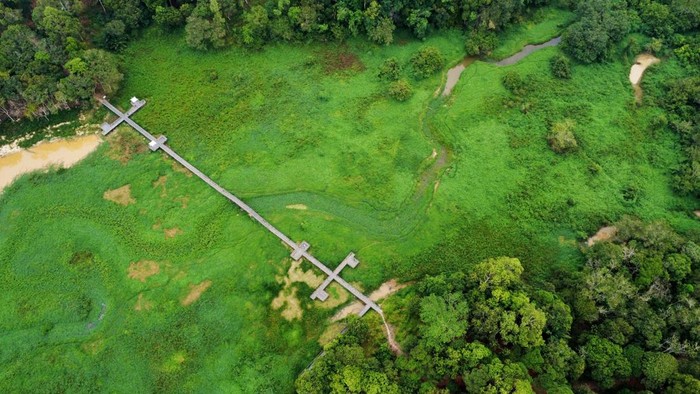
Waduk Manggar Balikpapan Terancam Gulma Masif yang Melumpuhkan Ekonomi dan Infrastruktur Air

by Nana September 16, 2026
written by Nana

Waduk Manggar, yang terletak di kawasan Wisata Meranti, Balikpapan, Kalimantan Timur, saat ini menghadapi krisis ekologis yang signifikan akibat proliferasi gulma air yang tidak terkendali. Fenomena ini telah menyelimuti permukaan waduk seluas 500 hektare, menciptakan hambatan fisik yang melumpuhkan aktivitas ekonomi lokal, terutama sektor pariwisata perahu, serta mengancam keberlanjutan pasokan air baku dan irigasi bagi wilayah penyangga di sekitarnya. Kondisi yang terdokumentasi pada Rabu, 16 September 2026, ini menandai puncak dari akumulasi masalah lingkungan yang telah mengkhawatirkan masyarakat setempat dan para pemangku kepentingan dalam beberapa bulan terakhir.

Kronologi dan Kondisi Lapangan Terkini

Berdasarkan pemantauan udara dan laporan lapangan, permukaan Waduk Manggar kini hampir tertutup sepenuhnya oleh vegetasi liar dan gulma air. Pertumbuhan yang masif dan cepat ini telah menciptakan lapisan tebal yang tidak hanya merusak estetika kawasan Wisata Meranti, tetapi juga secara praktis menutup akses navigasi bagi perahu-perahu wisata yang menjadi tulang punggung pendapatan ekonomi warga sekitar.

Para pengelola perahu wisata melaporkan bahwa sejak beberapa pekan terakhir, mesin perahu sering kali mengalami kerusakan akibat tersangkut akar dan batang gulma yang terjalin rapat di bawah permukaan air. Situasi ini memaksa sebagian besar operator perahu untuk menghentikan operasional mereka demi menghindari kerugian yang lebih besar. Bagi warga lokal yang menggantungkan hidup pada arus wisatawan, penurunan drastis jumlah pengunjung yang datang ke kawasan ini telah menyebabkan hilangnya mata pencaharian harian secara signifikan.

Gulma Penuhi Waduk Manggar, Perahu Wisata Sulit Melintas

Analisis Dampak Ekologis dan Pendangkalan

Masalah gulma di Waduk Manggar bukanlah sekadar persoalan estetika atau wisata semata. Secara ekologis, akumulasi gulma yang mati dan membusuk di dasar waduk berkontribusi langsung pada proses pendangkalan atau sedimentasi yang dipercepat. Tanaman air yang tumbuh tak terkendali ini menjebak sedimen dan materi organik, yang seiring berjalannya waktu akan memperkecil volume tampungan waduk.

Waduk Manggar memegang peranan krusial sebagai sumber air baku utama bagi penduduk Balikpapan dan sebagai infrastruktur penunjang irigasi untuk sektor pertanian di wilayah penyangga. Pendangkalan yang disebabkan oleh gulma ini secara langsung mengurangi kapasitas tampung air waduk. Ketika musim kemarau tiba, kapasitas yang berkurang drastis akan memicu kerentanan pasokan air bersih, yang berpotensi menimbulkan krisis air di wilayah urban Balikpapan dan kegagalan panen di lahan-lahan pertanian yang mengandalkan irigasi dari waduk tersebut.

Selain itu, keberadaan gulma dalam jumlah masif dapat menurunkan kadar oksigen terlarut (Dissolved Oxygen) di dalam air. Proses pembusukan biomassa gulma di bawah permukaan air mengonsumsi oksigen secara besar-besaran, yang pada akhirnya dapat membunuh ekosistem ikan lokal dan menurunkan kualitas air secara keseluruhan. Air yang kualitasnya menurun akan memerlukan biaya pengolahan yang lebih tinggi oleh perusahaan daerah pengelola air untuk memenuhi standar konsumsi masyarakat.

Konteks Kebijakan dan Manajemen Sumber Daya Air

Secara historis, waduk-waduk di wilayah tropis seperti Kalimantan Timur memang rentan terhadap pertumbuhan eceng gondok atau gulma air serupa karena limpasan nutrisi dari aktivitas pertanian (seperti pupuk yang terbawa air hujan) dan limbah domestik yang masuk ke dalam badan air. Fenomena ini sering disebut sebagai eutrofikasi, di mana kelebihan nutrisi di perairan memicu ledakan populasi tanaman air.

Gulma Penuhi Waduk Manggar, Perahu Wisata Sulit Melintas

Manajemen Waduk Manggar saat ini dituntut untuk melakukan tindakan mitigasi yang lebih agresif. Selama ini, pembersihan waduk sering kali hanya dilakukan secara manual atau dengan peralatan terbatas, yang terbukti tidak mampu mengejar laju pertumbuhan gulma yang sangat cepat. Dibutuhkan integrasi antara teknologi pembersihan mekanis, pemantauan kualitas air secara berkala, dan penegakan regulasi terkait pencegahan pencemaran di hulu sungai yang mengalir ke waduk.

Pihak otoritas terkait diharapkan segera melakukan langkah strategis, termasuk pengerukan sedimen dan pembersihan skala besar dengan menggunakan alat berat khusus. Namun, tantangan utama yang dihadapi adalah bagaimana memutus siklus pertumbuhan gulma agar tidak terus berulang setiap tahun. Hal ini memerlukan kerja sama lintas sektor, mulai dari dinas pekerjaan umum, dinas lingkungan hidup, hingga partisipasi aktif masyarakat di sekitar kawasan wisata untuk tidak membuang sampah atau limbah rumah tangga ke aliran air menuju waduk.

Implikasi Ekonomi bagi Sektor Pariwisata

Kawasan Wisata Meranti di Balikpapan selama ini dikenal sebagai destinasi rekreasi keluarga yang menawarkan ketenangan di tengah alam. Dengan terganggunya aksesibilitas perahu, citra kawasan wisata ini terancam menurun di mata wisatawan, baik lokal maupun domestik. Jika tidak segera ditangani, penurunan kunjungan ini dapat menyebabkan efek domino bagi pelaku usaha kecil di sekitar lokasi, seperti warung makan, penyedia jasa parkir, dan pedagang cendera mata.

Ekonomi kreatif berbasis pariwisata yang telah dirintis oleh warga setempat selama bertahun-tahun kini berada di titik nadir. Kehilangan pendapatan bagi warga lokal yang terdampak langsung menuntut adanya program pemulihan atau bantuan dari pemerintah daerah. Selain itu, diperlukan rencana jangka panjang untuk revitalisasi kawasan wisata agar lebih tangguh terhadap gangguan lingkungan di masa depan.

Gulma Penuhi Waduk Manggar, Perahu Wisata Sulit Melintas

Tanggapan dan Harapan Pemangku Kepentingan

Meskipun belum ada pernyataan resmi dari otoritas tertinggi mengenai langkah teknis yang akan diambil pasca-insiden ini, para pemerhati lingkungan di Balikpapan telah menyerukan pentingnya audit lingkungan terhadap Waduk Manggar. Mereka menekankan bahwa infrastruktur sepenting waduk tidak boleh hanya dipandang sebagai aset ekonomi, tetapi juga sebagai ekosistem yang harus dijaga keseimbangannya.

Masyarakat sekitar berharap pemerintah tidak hanya melakukan pembersihan temporer, tetapi juga membangun sistem pemantauan yang memungkinkan intervensi dini sebelum gulma menutupi seluruh permukaan air. Selain itu, edukasi kepada masyarakat mengenai dampak pembuangan limbah ke sungai menjadi sangat krusial agar beban nutrisi yang masuk ke waduk dapat diminimalisir.

Kesimpulan: Pentingnya Aksi Kolektif

Krisis gulma di Waduk Manggar merupakan alarm bagi manajemen infrastruktur air di Kalimantan Timur. Sinergi antara pemerintah, akademisi, dan masyarakat lokal menjadi kunci dalam menghadapi tantangan ini. Pembersihan fisik secara masif adalah kebutuhan mendesak untuk memulihkan fungsi waduk, namun perbaikan tata kelola lingkungan di hulu dan area sekitar waduk adalah solusi yang bersifat permanen.

Waduk Manggar tidak hanya sekadar destinasi wisata; ia adalah nadi kehidupan bagi ribuan warga Balikpapan yang bergantung pada pasokan airnya setiap hari. Mengembalikan kejernihan dan kelancaran alirannya adalah tanggung jawab kolektif yang harus diprioritaskan demi keberlangsungan ekonomi lokal dan keamanan pasokan air baku bagi generasi mendatang. Dengan penanganan yang tepat dan berkelanjutan, diharapkan Waduk Manggar dapat kembali berfungsi secara optimal, memberikan manfaat bagi sektor pariwisata sekaligus menjamin keamanan sumber daya air bagi seluruh masyarakat Balikpapan.

September 16, 2026 0 comment
0 FacebookTwitterPinterestEmail
Travel & Tourism

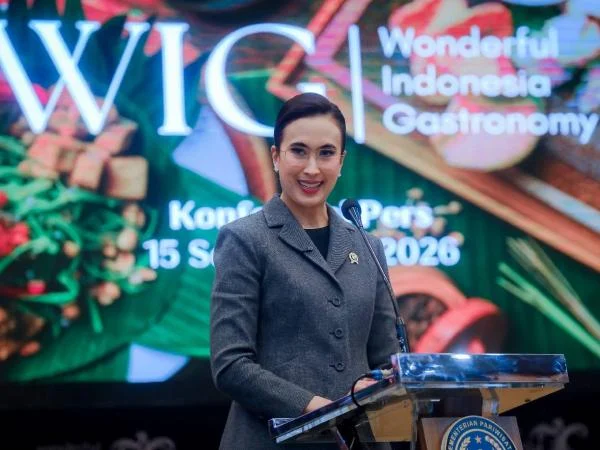
Wonderful Indonesia Gastronomy 2026 to Spotlight Culinary Heritage of Yogyakarta and Solo on Global Stage

by Lina Hope September 16, 2026
written by Lina Hope

The Indonesian Ministry of Tourism, in strategic collaboration with the Indonesia Gastronomy Network (IGN), has officially announced the upcoming Wonderful Indonesia Gastronomy (WIG) 2026, an ambitious initiative designed to elevate the nation’s culinary identity to a position of international prominence. With a specific focus on the deep-rooted food cultures of Yogyakarta and Solo, the event aims to bridge the gap between traditional local heritage and the contemporary global gastronomic market. Scheduled to take place from September 26 to October 4, 2026, the festival represents the second iteration of a program that has become a cornerstone of the country’s tourism development strategy.

This year’s edition, operating under the thematic banner "From Local Roots to Global Recognition," seeks to provide more than just a culinary exhibition. It is structured as a comprehensive cultural narrative that traces the historical, social, and geographical origins of Indonesian food, positioning it as a sophisticated asset for global cultural diplomacy.

The Strategic Importance of Yogyakarta and Solo

The selection of Yogyakarta and Solo as the host cities is not merely incidental; it is a calculated decision based on the cities’ historical significance as the twin heartlands of Javanese culture. Both cities serve as custodians of the royal culinary traditions of the Surakarta and Yogyakarta sultanates, which have profoundly influenced the broader Indonesian flavor profile.

Yogyakarta, often described as a melting pot of artistic and intellectual traditions, offers a unique blend of "ndeso" (rustic) flavors and refined royal cuisine. Conversely, Solo, known formally as Surakarta, is frequently cited by culinary historians as the epicenter of authentic Javanese taste, particularly noted for its mastery of spice balancing, street food culture, and the preservation of ancestral recipes. By anchoring the event in these two cities, the Ministry of Tourism intends to provide international visitors and industry experts with a holistic experience that spans from high-end heritage dining to the vibrant, accessible world of traditional markets.

Wonderful Indonesia Gastronomy 2026 Angkat Kuliner Yogyakarta dan Solo ke Panggung Global

Chronology and Event Structure

The 2026 iteration of WIG follows a carefully curated timeline designed to maximize engagement and ensure long-term industry impact.

  • Pre-Event Phase (August – Mid-September 2026): Preparatory workshops and regional selection processes were conducted to ensure that the small and medium-sized enterprises (SMEs) featured in the event meet the international standards required for export and global tourism appeal.
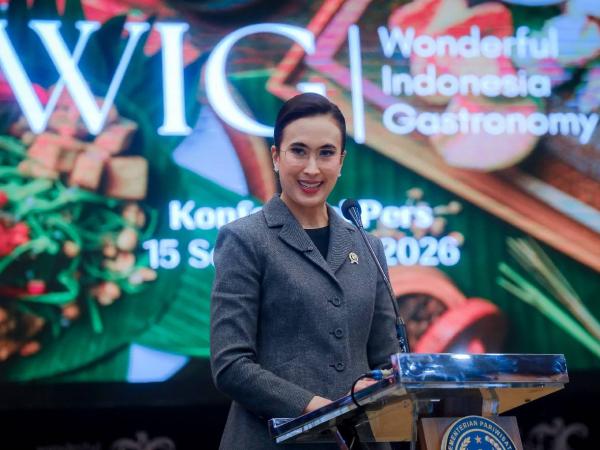
  • Official Launch (September 15, 2026): The formal announcement ceremony held at the Gedung Balairung Soesilo Soedarman in Jakarta, where Minister of Tourism Widiyanti Putri Wardhana set the tone for the event.
  • Primary Festival (September 26 – October 4, 2026): The core festival period, featuring immersive culinary tours, cooking demonstrations, symposiums on food preservation, and B2B (business-to-business) sessions between Indonesian producers and international culinary buyers.
  • Post-Event Expansion (October – December 2026): A series of satellite programs, including culinary roadshows and digital storytelling campaigns, designed to sustain the momentum created during the primary event throughout the remainder of the year.

The Vision of the Ministry: From Local to Global

During the press conference on September 15, Minister Widiyanti Putri Wardhana emphasized that the program is a vehicle for national branding. "Through Wonderful Indonesia Gastronomy 2026, we are inviting the world to look closer and discover that the journey from local roots to global recognition starts here, in Indonesia," the Minister stated.

The Ministry’s objective is to professionalize the Indonesian culinary sector so that it can compete with established gastronomic powerhouses like Thailand, France, or Japan. This involves not only promoting existing dishes but also standardizing culinary education, improving food safety protocols, and fostering a digital ecosystem where traditional recipes can be accessed and appreciated by a global audience. The focus is on "gastro-diplomacy," using food as a soft-power tool to increase foreign tourist arrivals and stimulate the national economy.

Economic Implications and Industry Analysis

The tourism sector has faced significant challenges in 2026, including the recent natural disasters in the East Nusa Tenggara region—specifically the impact of the M7.7 earthquake on the Golo Koe festival in Manggarai Barat. These events have highlighted the need for greater resilience and geographic diversification in the tourism portfolio. By concentrating efforts on the cultural hubs of Central Java, the government is diversifying the national tourism narrative away from the over-reliance on Bali, thereby spreading economic benefits to a broader demographic of local business owners and artisans.

Economically, the WIG 2026 program is expected to yield several measurable benefits:

Wonderful Indonesia Gastronomy 2026 Angkat Kuliner Yogyakarta dan Solo ke Panggung Global
  1. SME Empowerment: Local food producers will receive direct exposure to international distribution channels and culinary influencers, facilitating potential export opportunities.
  2. Tourism Diversification: By highlighting the culinary identity of Yogyakarta and Solo, the government aims to increase the average length of stay for international tourists in Central Java, moving beyond the "one-day trip to Borobudur" model.
  3. Cultural Preservation: The focus on traditional techniques—such as slow-cooking in clay pots, the use of indigenous spices like kluwek, and the preservation of traditional fermentation—acts as an incentive for local communities to maintain their intangible heritage.

Addressing the Challenges of Global Recognition

While Indonesia boasts an incredibly diverse food landscape, it faces challenges in global standardization and international marketing. Unlike some neighboring countries that have successfully exported their food culture through government-backed restaurant chains and standardized training, Indonesia’s culinary sector has historically been fragmented.

The Indonesia Gastronomy Network (IGN) plays a critical role in addressing these gaps. By partnering with the Ministry, the network provides the technical expertise necessary to translate local culinary practices into a format that is digestible for the international market. This includes developing "gastronomy maps," curating experiences that align with the expectations of international tourists regarding hygiene and service quality, and creating educational content that explains the history behind the food.

The Broader Impact on Tourism Policy

The decision to continue the WIG program for a second year indicates a long-term commitment to culinary tourism as a pillar of the Indonesian economy. Data from previous years suggest that gastronomy contributes a significant portion to the average visitor’s spending, yet it is often an overlooked component of the broader travel experience.

By integrating culinary events with broader infrastructure projects—such as the improvement of transport links to the new Yogyakarta International Airport and the modernization of hotel facilities in Solo—the government is creating a seamless environment for "gastronomic tourism." Furthermore, the emphasis on the "roots" of the food—the farmers, the spice growers, and the traditional markets—ensures that the economic benefits of the festival are distributed throughout the supply chain, rather than just benefiting the hospitality industry.

Future Outlook: Beyond 2026

As the September 2026 festival date approaches, the focus is shifting toward logistics, international marketing, and ensuring that the local infrastructure in Yogyakarta and Solo is prepared for an influx of domestic and international visitors.

Wonderful Indonesia Gastronomy 2026 Angkat Kuliner Yogyakarta dan Solo ke Panggung Global

The success of this initiative will likely serve as a blueprint for future regional programs. If WIG 2026 proves successful in significantly increasing tourism traffic to Central Java, the Ministry is expected to roll out similar programs in other gastronomically rich regions, such as West Sumatra (known for its unique spice profiles and Padang cuisine) and the North Sulawesi region (famed for its distinct, bold flavors).

In conclusion, the Wonderful Indonesia Gastronomy 2026 is more than a series of food festivals. It is a strategic intervention aimed at rebranding Indonesia as a premier destination for global food enthusiasts. By grounding its global ambitions in the authentic, historic, and vibrant culinary traditions of Yogyakarta and Solo, Indonesia is positioning itself to capture a larger share of the lucrative cultural tourism market, ensuring that its rich heritage not only survives but thrives in the modern, globalized era.

September 16, 2026 0 comment
0 FacebookTwitterPinterestEmail
National News

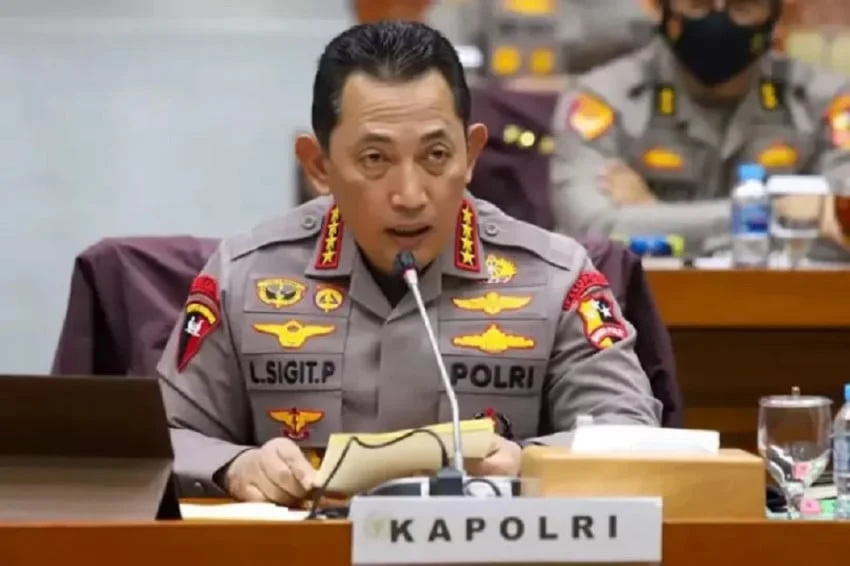
Pengamat Apresiasi Komitmen Kapolri Berantas Impor Tekstil Ilegal

by Raul Delapena Setiawan September 16, 2026
written by Raul Delapena Setiawan

The ongoing battle against illicit trade within the Indonesian archipelago has reached a critical juncture, drawing widespread praise from various observers and economic analysts. Director of the Indonesian Public Institute (IPI), Karyono Wibowo, has recently voiced strong commendation for the firm stance taken by the Chief of the Indonesian National Police (Kapolri), General Listyo Sigit Prabowo, in aggressively targeting and eradicating illegal textile imports. This decisive action by law enforcement is widely viewed as a vital catalyst capable of breathing new life into a domestic manufacturing sector that has long struggled under the heavy burden of unfair foreign competition.

Speaking in Jakarta on Wednesday, September 16, 2026, the prominent political analyst and former 1998 activist highlighted that the unchecked influx of illegal commodities has historically served as a profound structural impediment. For decades, this illicit trade systematically suppressed the growth and expansion of local industries, undercutting domestic pricing and eroding profit margins for legal manufacturers. By stepping into the fray with targeted enforcement, the National Police have provided a much-needed beacon of hope, signaling to the market that the state is genuinely committed to offering tangible, robust protection to domestic producers and the massive workforce they sustain.

Background Context of the Textile Industry Crisis

To fully grasp the significance of the National Police’s intervention, one must examine the turbulent landscape of Indonesia’s textile and garment sector over recent years. As one of the country’s oldest and most labor-intensive manufacturing pillars, the textile industry has historically been a cornerstone of the national economy. It provides millions of jobs ranging from factory floor operators to skilled artisans, significantly contributing to national export revenues and regional economic development.

However, the sector has faced unprecedented turbulence, characterized by a flood of cheap, substandard, and illicit imported goods entering the domestic market through both official ports and illegal entry points—commonly known as black markets or grey markets. These unauthorized imports bypass standard customs duties, value-added taxes, and compliance checks regarding environmental and labor standards. Consequently, these goods are sold at predatory prices that domestic producers, who strictly adhere to national regulations and taxation laws, simply cannot match.

Over the past decade, this unfair competition has resulted in widespread factory shutdowns, massive waves of layoffs, and a drastic reduction in operational capacity across major textile hubs in West Java, Central Java, and Banten. Industry associations have repeatedly sounded the alarm, warning that without immediate and aggressive state intervention, the domestic textile ecosystem faced total collapse. The intervention led by General Listyo Sigit Prabowo therefore addresses a long-standing structural vulnerability that previous bureaucratic measures alone failed to resolve.

The Role of Law Enforcement and Structural Protection

The proactive stance adopted by the Indonesian National Police represents a strategic shift from traditional regulatory oversight to direct law enforcement action against smuggling syndicates and corrupt distribution networks. Analysts note that while ministries such as the Ministry of Trade and the Directorate General of Customs and Excise hold primary administrative authority, the inclusion of law enforcement agencies introduces a necessary deterrent element capable of dismantling organized crime syndicates operating behind the scenes.

Pengamat Apresiasi Komitmen Kapolri Berantas Impor Tekstil Ilegal

"Illegal imports have long been a structural bottleneck that continuously stifles the potential of domestic industries," Karyono Wibowo stated. He further emphasized that the direct involvement of the police force delivers a reassuring message to investors and business owners alike, proving that the state is prepared to use its full coercive and investigative powers to uphold the rule of law in the economic sphere.

This development does not stand in isolation. It aligns closely with broader institutional initiatives, such as the recent establishment of the National Police Labor Desk (Desk Ketenagakerjaan Polri), which has been widely praised as a concrete manifestation of the police force’s commitment to safeguarding workers’ rights and bolstering the sustainability of national industries. By safeguarding factories from unfair competition, law enforcement indirectly secures the livelihoods of hundreds of thousands of factory workers who would otherwise face sudden termination due to corporate insolvency.

The Necessity of Public Oversight and Democratic Accountability

While the aggressive crackdown on textile smuggling has generated considerable optimism among economists and business leaders, experts caution that execution and transparency remain paramount. Karyono Wibowo underscored the necessity for continuous public scrutiny and rigorous oversight regarding how these enforcement policies are implemented on the ground.

In a healthy democratic society, law enforcement operations targeting commercial sectors must be conducted with absolute integrity, transparency, and accountability to prevent potential abuse of power or selective enforcement. Public monitoring ensures that the campaign against illegal imports remains genuinely focused on protecting the national economy and leveling the playing field, rather than creating new bureaucratic bottlenecks or monopolistic practices. Civil society organizations, trade unions, and industry watchdogs are encouraged to maintain active participation in evaluating the long-term outcomes of these police-led interventions.

Broader Economic Implications and Future Outlook

The implications of successfully curbing illegal textile imports extend far beyond the immediate financial relief of local garment factories. A revived domestic textile sector triggers a positive multiplier effect throughout the entire national supply chain. Upstream industries, including domestic cotton producers, synthetic fiber manufacturers, and chemical suppliers, stand to benefit significantly from increased operational demand by local textile mills. Similarly, downstream sectors such as local fashion brands, retail distributors, and logistics providers experience a healthier, more predictable business climate.

Furthermore, a crackdown on contraband goods directly bolsters state revenue collection. When imported textiles enter the country legally, they are subject to standard import tariffs, luxury taxes, and income taxes. The proliferation of illegal imports deprives the state budget of trillions of rupiah annually in potential customs duties and tax revenues. By cutting off illicit supply chains, the government not only protects local jobs but also secures crucial fiscal resources needed for public infrastructure and social welfare programs.

As Indonesia navigates its path toward sustainable economic resilience and self-sufficiency, the commitment demonstrated by the National Police under the leadership of General Listyo Sigit Prabowo marks a vital turning point. If sustained through transparent coordination between law enforcement agencies, regulatory bodies, and industry stakeholders, this initiative could serve as a successful blueprint for combating illegal trade across other strategic commodities, ultimately ensuring a secure and prosperous future for the nation’s industrial landscape.

September 16, 2026 0 comment
0 FacebookTwitterPinterestEmail
National News

Pria di Jaktim dihajar massa hingga babak belur diduga lecehkan anak

by Nana September 16, 2026
written by Nana

A 49-year-old man identified by his initials YAB is currently under medical supervision at the Kramat Jati Police Hospital following a violent confrontation with an enraged crowd in Jatinegara, East Jakarta. The incident, which occurred on Tuesday, September 15, 2026, was triggered by allegations that the suspect engaged in inappropriate physical contact with two minors at a local convenience store. The situation quickly escalated into a vigilante attack, highlighting the volatile public sentiment surrounding child protection cases in urban centers.

The incident has since circulated widely on social media platforms, with Instagram accounts such as @otistanews documenting the immediate aftermath of the assault. The viral footage has reignited discussions regarding community safety and the recurring nature of such offenses within the Jatinegara and Bidaracina districts. According to preliminary reports, this is not the first time allegations of this nature have surfaced in the area, leading to heightened public frustration and a perceived lack of security for vulnerable children in public spaces.

Chronology of the Incident

The sequence of events leading to the suspect’s hospitalization began on Sunday, September 13, 2026. According to official statements provided by the East Jakarta Metro Police, the suspect, YAB, had invited two 14-year-old girls to a local minimarket in the Cipinang area under the guise of buying them snacks.

Police investigators revealed that during this excursion, YAB allegedly initiated inappropriate physical contact. "The suspect invited the two victims to a minimarket. During the visit, he allegedly embraced the victims and touched their waists," explained AKP Made Budi, Head of Public Relations for the East Jakarta Metro Police.

Following the incident, the victims returned home and immediately disclosed the encounter to their parents. This revelation sparked outrage among the victims’ families and the local community. By Tuesday evening, residents had tracked down YAB and confronted him. The suspect was initially taken to the home of the local neighborhood association (RT) head, intended as a neutral ground to address the grievances. However, the situation spiraled out of control as a large gathering of neighbors arrived, leading to a violent mob reaction.

YAB was subjected to a severe beating by the gathered crowd, leaving him with significant physical injuries. Law enforcement officers arrived at the scene shortly after the escalation, successfully extracting the suspect from the mob and transporting him to the Kramat Jati Police Hospital for urgent medical treatment. As of Wednesday, September 16, 2026, the suspect remains in police custody, receiving care for the wounds sustained during the incident.

Broader Context of Child Safety in Urban Jakarta

The incident in Jatinegara serves as a stark reminder of the persistent challenges regarding child safety in densely populated urban environments. In Indonesia, cases of child molestation are governed by strict statutes, including the Law on Child Protection (Undang-Undang Perlindungan Anak). Under these regulations, perpetrators of sexual violence against minors face severe legal consequences, including lengthy prison sentences and potential additional sanctions such as chemical castration in extreme cases.

Sociologists and legal experts often point to the high incidence of such crimes in crowded urban areas like East Jakarta as a systemic issue. The lack of adequate public monitoring, combined with the relative ease of access to children in public spaces such as convenience stores or parks, creates environments where offenders can operate with perceived impunity. The public’s decision to take the law into their own hands, while legally prohibited, is often cited as a symptom of a deep-seated distrust in the swiftness of the formal justice system.

Public Reaction and Vigilantism

The surge of "vigilante justice" in cases involving children is a recurring phenomenon in the Greater Jakarta area. When a community feels that a predator is operating within their midst, the threshold for public patience often vanishes. While the police strictly advise against mob violence—emphasizing that it complicates investigations and constitutes a criminal act in itself—such incidents continue to occur.

Digital media has played a significant role in accelerating these responses. Once an accusation is posted online, the ability for the community to mobilize is near-instantaneous. While this transparency can aid in the apprehension of suspects, it also poses risks to due process, as the court of public opinion often bypasses the presumption of innocence. Authorities in East Jakarta have issued a firm reminder to the public that all accusations must be handled through legal channels to ensure that justice is served appropriately and that the rights of all parties are respected under the rule of law.

Official Response and Legal Implications

The East Jakarta Metro Police have launched a formal investigation into the case. Beyond the physical assault on the suspect, the police are conducting interviews with the victims, their guardians, and witnesses present at the minimarket to build a comprehensive case against YAB.

"We are currently processing the reports and gathering evidence. The suspect will be held accountable for his actions as soon as he is medically fit to face questioning," stated AKP Made Budi. The police are also looking into whether there is a pattern of behavior, given the reports suggesting that similar incidents may have occurred in the surrounding Bidaracina area previously.

Legal analysts suggest that if the evidence supports the allegations of sexual harassment or abuse of minors, the suspect faces significant jail time. Under Indonesian law, crimes involving minors are treated with the utmost gravity, and the court system rarely offers leniency for such offenses. The involvement of the police in securing the suspect is the first step in a long legal process that will include forensic psychological evaluations, witness testimonies, and a trial.

The Role of Community Surveillance

The incident has prompted local community leaders in Jatinegara to call for increased vigilance and better security infrastructure. Neighborhood heads (Ketua RT and RW) are being encouraged to organize better watch programs and to educate parents on the importance of monitoring their children’s interactions with strangers, even those known to them.

Furthermore, the management of retail chains, such as the minimarket involved, is often brought into these discussions. Experts suggest that installing better CCTV surveillance and ensuring that staff are trained to recognize suspicious adult-child interactions could act as a deterrent. However, the responsibility ultimately falls on the broader societal framework to protect children from exploitation.

Conclusion and Future Outlook

The case of YAB is a tragic illustration of the intersection between criminal misconduct and the dangerous impulse for community retribution. As the investigation proceeds, the primary focus for the authorities remains the recovery of the victims and the legal processing of the suspect.

The incident also serves as a sobering reminder for the public. While the desire to protect children is universal and natural, the reliance on violence to achieve "justice" undermines the stability of the community and the integrity of the judicial process. As Jakarta continues to expand and modernize, the necessity for robust, institutionalized child protection services—coupled with community-led awareness programs—becomes increasingly vital.

The events in Jatinegara on September 16, 2026, will likely remain a focal point for local discussions on public safety. For now, the residents wait for the legal system to take its course, hoping that a definitive verdict will provide some measure of closure for the families affected and a warning to those who would seek to harm the most vulnerable members of society. The police continue to urge anyone with further information regarding YAB’s past conduct to come forward, ensuring that if there are other victims, their stories are heard and justice is served for them as well.

September 16, 2026 0 comment
0 FacebookTwitterPinterestEmail
Regional News

Jakarta Set to Go Dark for One Hour on September 19, 2026, to Mark World Ozone Day

by Suro Senen September 16, 2026
written by Suro Senen

The Jakarta Provincial Government is preparing to implement a temporary, citywide blackout as part of its ongoing environmental campaign. Residents, businesses, and municipal authorities across the Indonesian capital will pause their electricity consumption for a symbolic sixty minutes on Saturday, September 19, 2026. This coordinated blackout is designed to observe World Ozone Day, a global event dedicated to raising awareness about the depletion of the ozone layer and the urgent need to mitigate climate change through energy conservation.

The initiative, announced via the Jakarta administration’s official communication channels, requires households, commercial properties, and public spaces to extinguish non-essential lighting and power sources. While temporary, the citywide measure highlights the growing urgency of urban sustainability initiatives in one of Southeast Asia’s most densely populated and rapidly developing metropolitan areas.

Background and Context of World Ozone Day

World Ozone Day, officially designated as the International Day for the Preservation of the Ozone Layer by the United Nations General Assembly, is commemorated annually on September 16. The date marks the signing of the Montreal Protocol on Substances that Deplete the Ozone Layer in 1987. This landmark environmental treaty was designed to phase out the production and consumption of ozone-depleting substances, such as chlorofluorocarbons (CFCs) and halons, which were historically found in refrigeration, air conditioning, and aerosol propellants.

While the Montreal Protocol has achieved notable success in healing the stratospheric ozone layer, modern environmental observances have expanded to address broader atmospheric concerns, including greenhouse gas emissions, energy efficiency, and urban heat island effects. For a megacity like Jakarta, observing World Ozone Day extends beyond historical protocol achievements. It serves as an immediate, practical exercise in reducing carbon footprints and lowering energy demand. Fossil fuel-reliant power plants heavily supply Jakarta’s electricity grid, meaning that a temporary reduction in power consumption directly translates to a significant, albeit short-term, drop in carbon dioxide emissions and particulate air pollution.

Implementation and Scope of the Jakarta Blackout

The one-hour blackout will be enforced across all five administrative municipalities of Jakarta: Central Jakarta, South Jakarta, East Jakarta, West Jakarta, and North Jakarta, alongside the Thousand Islands regency. The initiative mandates that participating residents and businesses turn off non-essential lights, electrical appliances, and promotional billboards from a designated evening hour.

Municipal authorities have coordinated with building managers, corporate office complexes, shopping centers, and residential associations to ensure maximum compliance. Essential infrastructure, including hospitals, police stations, fire departments, and public transportation networks, will remain fully operational to guarantee public safety and continuity of critical services. Streetlights along major thoroughfares and iconic landmarks may also experience targeted shutdowns, echoing previous successful environmental campaigns conducted by the provincial government.

Chronology of Jakarta’s Energy Conservation Campaigns

Jakarta’s upcoming September 19 event is part of a broader, established pattern of municipal environmental policies aimed at curbing energy waste and combating climate change.

In preceding years, the Jakarta Provincial Government has systematically utilized targeted blackouts as both a policy instrument and a public awareness tool. The administration frequently designates specific dates throughout the year—often aligning with global observances such as Earth Hour in March or World Environment Day in June—to execute coordinated power reductions.

The administrative groundwork for the 2026 World Ozone Day campaign began months in advance, involving inter-agency coordination between the Jakarta Environmental Agency (Dinas Lingkungan Hidup), the Jakarta Information, Communication, and Statistics Department, and regional state-owned electricity enterprises such as PT PLN (Persero). Planning sessions focused on determining the precise hourly window for the shutdown, launching public service announcements across digital and traditional media, and securing voluntary commitments from major commercial real estate developers operating within the central business district.

Official Responses and Stakeholder Perspectives

Hari Ozon Sedunia, Listrik di Jakarta Bakal Padam Selama 1 Jam pada 19 September

The initiative has garnered support from municipal officials, environmental organizations, and urban planners, who view the symbolic blackout as an effective educational tool, despite its limited direct impact on overall annual energy consumption.

A spokesperson for the Jakarta Environmental Agency emphasized that the primary objective of the campaign is behavioral modification rather than immediate grid relief. "While turning off lights for a single hour will not permanently solve global climate change, it serves as a powerful reminder of our collective responsibility," the official noted in a recent statement. "Urban energy consumption is a major driver of carbon emissions in our city. By participating in this global movement, Jakarta demonstrates its commitment to international climate goals and encourages citizens to adopt energy-saving habits in their daily lives."

Environmental NGOs have largely welcomed the measure, though some advocacy groups continue to urge the local government to complement symbolic actions with structural, long-term policy reforms. Recommendations from civil society organizations frequently include accelerating the transition of public buses to electric fleets, expanding solar panel installations on government buildings, and enforcing stricter energy-efficiency standards for commercial high-rises.

Economic and Environmental Implications

From an analytical standpoint, coordinated citywide blackouts yield both immediate and deferred impacts. On the environmental front, a one-hour reduction in electricity demand across millions of households and commercial units results in a measurable, quantifiable decrease in fossil fuel combustion at regional thermal power plants. This temporary reduction prevents thousands of metric tons of greenhouse gases and sulfur dioxide from entering the atmosphere over the course of the sixty-minute window.

Furthermore, the initiative provides valuable empirical data for energy providers. PT PLN frequently utilizes such controlled demand-reduction periods to study grid behavior, analyze baseline residential load curves, and assess the logistical feasibility of large-scale demand-response management systems.

Economically, the direct financial savings for individual households and businesses during the one-hour blackout are nominal. However, the indirect economic implications are significant. The campaign serves as a platform for promoting energy-efficient technologies, encouraging building owners to invest in smart-lighting systems, automated HVAC controls, and LED retrofits. Energy audits conducted in the wake of such awareness campaigns often reveal substantial opportunities for long-term cost reductions through optimized power usage.

Challenges and Public Reception

Despite widespread institutional support, implementing a citywide blackout in a dynamic megacity presents notable logistical challenges. Public reception among residents is generally mixed. While environmentally conscious citizens and local communities often embrace the initiative as a community-building exercise that fosters local solidarity and reduces light pollution, some business owners express concerns regarding potential disruptions to evening commerce, particularly in the hospitality and retail sectors.

To mitigate these concerns, the Jakarta Provincial Government has emphasized that participation in residential areas is largely voluntary, though strongly encouraged, while commercial compliance relies heavily on pre-arranged agreements with building management associations. Public safety remains a primary concern for local law enforcement agencies. Consequently, the Jakarta Metro Police have announced plans to increase patrols during the blackout hour to prevent opportunistic crime and ensure traffic safety in areas where street lighting is temporarily dimmed.

Looking Forward: Jakarta’s Broader Climate Strategy

The September 19 blackout is one component of Jakarta’s comprehensive, long-term climate action strategy, which aligns with Indonesia’s national commitment to achieving net-zero emissions by 2060 or sooner. The provincial administration has set ambitious targets to reduce greenhouse gas emissions by 30 percent by 2030, relative to a business-as-usual scenario, and to achieve complete climate neutrality across municipal operations over the subsequent decades.

Achieving these targets requires a multifaceted approach that extends far beyond one-hour symbolic events. Ongoing municipal efforts focus on expanding the Mass Rapid Transit (MRT) and Light Rail Transit (LRT) networks, revitalizing pedestrian infrastructure, enforcing stringent vehicle emission standards, and transitioning municipal waste management systems toward renewable energy generation, such as waste-to-energy conversion plants.

As Jakarta prepares to go dark for sixty minutes on September 19, 2026, the event will serve as both a moment of global solidarity and a local litmus test for public engagement in environmental stewardship. As the city navigates the dual pressures of rapid urbanization and intensifying climate vulnerability, initiatives like World Ozone Day underscore the critical intersection between individual behavioral change and systemic municipal policy in shaping a sustainable urban future.

September 16, 2026 0 comment
0 FacebookTwitterPinterestEmail
Politics

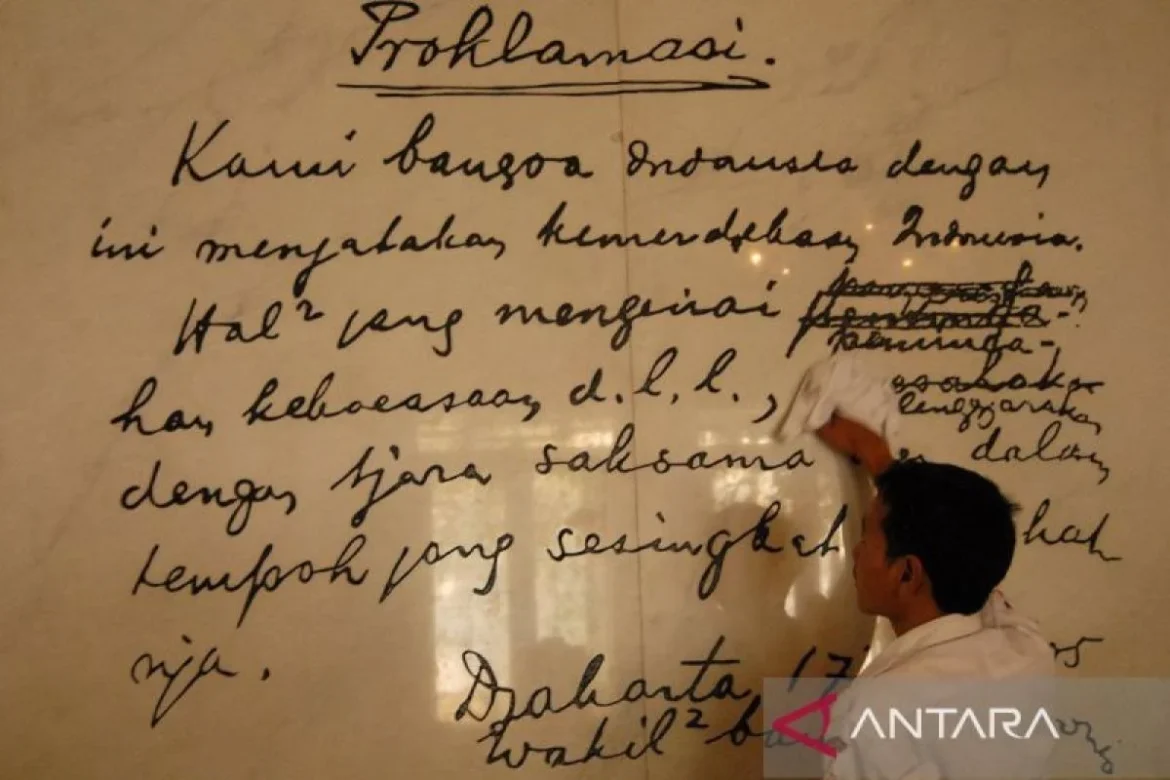
The Historical Genesis and Collective Struggle Behind the Proclamation of Indonesian Independence

by Asro September 16, 2026
written by Asro

The Proclamation of Indonesian Independence, read by Sukarno on August 17, 1945, stands as the foundational document of the Indonesian nation, marking the definitive end of centuries of colonial rule. While the proclamation is often distilled into the image of Sukarno and Mohammad Hatta standing at Pegangsaan Timur 56, the reality of its birth was a complex, high-stakes political drama. It was the culmination of clandestine negotiations, intense pressure from youth movements, and a fragile alignment of interests that occurred in the immediate power vacuum following the sudden collapse of the Imperial Japanese Army.

The Strategic Vacuum: August 1945

The context of the proclamation was dictated by the rapid shifting of the global geopolitical landscape. On August 15, 1945, Japan officially announced its surrender to the Allied powers following the atomic bombings of Hiroshima and Nagasaki. This surrender created a precarious state of affairs in the Indonesian archipelago—a "status quo" period where the Japanese military forces were still present but effectively stripped of their mandate, while the Allied forces had not yet arrived to establish administration.

Indonesian youth organizations, or the Golongan Muda, were acutely aware of this transition. They recognized that if the declaration of independence were delayed, it risked being perceived as a gift from the Japanese occupation forces rather than an authentic expression of the people’s will. This urgency triggered the Rengasdengklok Incident, where Sukarno and Hatta were temporarily sequestered by radical youth leaders to isolate them from Japanese influence and pressure them into an immediate, unilateral declaration of sovereignty.

A Chronology of the Final Hours

The path to the proclamation moved with dizzying speed between August 16 and 17:

  • August 16, 21:00 WIB: Sukarno and Hatta returned to Jakarta from Rengasdengklok after negotiations led by Ahmad Soebardjo, who promised that the proclamation would be enacted that night.
  • August 16, 23:00 WIB: The drafting session commenced at the residence of Rear Admiral Tadashi Maeda on Jalan Imam Bonjol, Jakarta. Maeda, a Japanese naval officer, had expressed sympathy for the Indonesian independence movement, providing a safe harbor for the nationalist leaders.
  • August 17, 03:00 WIB: The final draft of the proclamation text was agreed upon in the dining room of Maeda’s residence.
  • August 17, 04:00 WIB: Sayuti Melik finalized the typed version of the text, incorporating minor editorial changes to the original handwritten draft.
  • August 17, 10:00 WIB: The proclamation was read to a gathered crowd at Pegangsaan Timur 56, Jakarta, signaling the birth of the Republic.

The Key Architects and Their Contributions

The drafting process was a collaborative effort, though the roles were distinct and deeply impactful.

Sukarno served as the primary scribe, synthesizing the ideological foundations of the nation into a brief, potent statement. His role was not merely that of a writer, but as the orator who would ultimately bestow legitimacy upon the text. Mohammad Hatta provided the intellectual scaffolding, particularly regarding the phrasing of the transfer of power, ensuring the document would stand up to the scrutiny of international law.

Ahmad Soebardjo acted as the crucial diplomat. His ability to negotiate with the Japanese military leadership, specifically securing Maeda’s residence, was the logistical catalyst that made the meeting possible. Without his intervention in Rengasdengklok, the timeline of the proclamation would have been delayed, potentially allowing Allied forces to intervene or re-establish colonial structures.

Sayuti Melik’s role as the typist was arguably more significant than mere clerical work. His decision to alter specific words—such as changing "tempoh" to "tempo"—refined the document into the definitive version now preserved in the National Archives. Furthermore, the contribution of Sukarni, a firebrand youth leader, cannot be overstated. It was Sukarni who insisted that the proclamation be signed only by Sukarno and Hatta on behalf of the Indonesian people, a move that solidified the dual-leadership identity of the nation at its inception.

Supporting Figures: The Invisible Infrastructure

The proclamation would have been impossible without the logistical and symbolic contributions of others. Fatmawati, the wife of Sukarno, spent the preceding days sewing the Bendera Pusaka (the Heirloom Flag) from red and white cotton. This flag was not merely a textile; it was the visual embodiment of the state.

Rear Admiral Tadashi Maeda’s role remains a subject of historical analysis. While he was a Japanese officer, his defiance of the broader Japanese policy of maintaining the status quo provided the essential physical space for the drafting. His house has since been repurposed as the Museum of the Proclamation Formulation, serving as a permanent record of this cross-cultural cooperation during a period of war.

Fact-Based Analysis of Implications

The proclamation of 1945 did not merely declare an end to colonial rule; it fundamentally altered the trajectory of the 20th century in Southeast Asia. It served as a catalyst for other independence movements in the region, providing a blueprint for the rejection of re-established colonial administrative structures.

However, the implications were immediate and severe. The declaration triggered a four-year diplomatic and armed struggle, known as the National Revolution, against the Dutch who sought to reclaim their former colony. The brevity of the proclamation—comprising only two main sentences—was a strategic choice. By keeping the text simple, the founders focused on the essence of sovereignty rather than providing an exhaustive list of governance details that might have invited internal dissent or provided the Dutch with specific legal points to argue against.

Official Historical Preservation

In contemporary Indonesia, the preservation of the original manuscripts and the artifacts surrounding the proclamation has become a matter of national security and cultural heritage. The National Archives of the Republic of Indonesia (ANRI) currently holds the original handwritten and typed drafts. The government’s recent efforts to rotate these artifacts between the National Monument (Monas) in Jakarta and the new capital city (IKN) reflect a symbolic bridging of the nation’s historical origins with its future trajectory.

These logistical operations—the Kirab or procession of the flag and documents—are more than ceremonial. They represent the institutional recognition that the proclamation is a living document. The involvement of the State Secretariat (Setpres) in managing these items ensures that they are protected from environmental degradation and historical erasure.

Historical Reflections

Historians note that the atmosphere of the 1945 drafting was one of intense, controlled chaos. The lack of a unified Japanese directive allowed for a "window of opportunity" that lasted roughly 48 hours. Had the nationalist leaders waited for the arrival of the Allied Civil Affairs Administration (NICA), the legal path to independence would have been significantly more difficult, likely requiring long-term negotiations that could have been derailed by colonial interests.

The reaction from the international community at the time was cautious. Many Allied powers were initially unaware of the gravity of the situation in Jakarta, viewing it through the lens of a regional uprising rather than a formal declaration of statehood. It took the subsequent years of the National Revolution to transform the proclamation from a statement of intent into a recognized reality on the world stage.

Conclusion

The proclamation of August 17, 1945, was not an accidental occurrence, nor was it the work of a single man. It was a precise, calculated intervention by a group of leaders and activists who understood the ephemeral nature of power. By securing the site, drafting the text, and forcing the signatures within the narrow timeframe afforded by the Japanese surrender, these individuals secured the sovereignty of a nation that would eventually become the world’s fourth most populous country.

The legacy of the proclamation remains in the daily governance of the Indonesian state. Every year, the commemoration serves as a reminder that sovereignty was not handed down, but rather seized through intellectual courage and strategic collaboration. The diverse roles played by the "Golongan Tua" (the older generation, including Sukarno and Hatta) and the "Golongan Muda" (the youth, including Sukarni) remind us that the foundation of a nation is often built on the tension between caution and radical action, eventually finding common ground in the pursuit of national dignity.

September 16, 2026 0 comment
0 FacebookTwitterPinterestEmail
Politics

Helikopter Berita NBC Los Angeles Jatuh saat Liput Kecelakaan, 3 Orang Tewas

by Asep Darmawan September 16, 2026
written by Asep Darmawan

A tragic aviation incident unfolded in the Chatsworth neighborhood of San Fernando Valley, Los Angeles, on Tuesday evening, September 15, 2026, when a news helicopter belonging to NBC Los Angeles crashed while reporting on a separate road accident. The catastrophe, which resulted in the loss of three lives and left one individual hospitalized with serious injuries, has sent shockwaves through the local community and the broader media industry. The wreckage, which ignited upon impact, was discovered situated between two commercial properties, complicating the initial rescue and containment efforts of the Los Angeles Fire Department (LAFD).

Chronology of the Incident

The sequence of events began shortly before 7:00 PM local time. NBC Los Angeles had dispatched the aircraft to provide aerial coverage of a severe collision involving a sport utility vehicle (SUV) and a bus on the ground. At approximately 6:57 PM, the helicopter—a critical asset for real-time news gathering—suffered a catastrophic failure while hovering over the 9151 North Mason Avenue area in Chatsworth.

Witnesses in the vicinity reported seeing the aircraft descend rapidly before losing control and impacting the ground. The crash occurred in a densely developed area, pinning the wreckage between two commercial buildings. The resulting fire was intense, fueled by the helicopter’s aviation fuel and debris from the immediate impact zone. LAFD units were dispatched at 7:02 PM, arriving on the scene within minutes to find the helicopter engulfed in flames. Despite the rapid response of firefighting teams, the structural integrity of the aircraft had been severely compromised, and the fire had spread to nearby stationary vehicles.

Official Response and Rescue Operations

The Los Angeles Fire Department coordinated an immediate search and rescue operation under challenging conditions. Firefighters worked to extinguish the blaze while simultaneously attempting to extract occupants from the mangled wreckage. According to the official statement provided by the LAFD, three individuals were pronounced dead at the scene.

A fourth individual was recovered from the site and transported to a nearby trauma center. As of the latest reports, hospital staff have not disclosed the specific nature of the survivor’s injuries or their current condition, though medical experts emphasize that survival in such high-impact aviation accidents often involves complex polytrauma. The identities of the deceased remain withheld pending formal notification of next of kin, a process that is currently being managed by the Los Angeles County Medical Examiner-Coroner.

Contextualizing News Aviation Risks

The use of helicopters for news gathering has been a staple of Los Angeles media for decades, serving as the "eyes in the sky" for traffic reporting and breaking news. However, this incident brings renewed scrutiny to the inherent dangers of low-altitude flight in urban environments.

Data from the National Transportation Safety Board (NTSB) has historically indicated that while news helicopters are operated by professional pilots, they are frequently required to operate in high-stress environments, often hovering for extended periods and maneuvering in tight, low-altitude patterns to secure the best camera angles. These conditions increase the risk of mechanical failure, bird strikes, or pilot disorientation.

Historically, the Los Angeles basin has seen several high-profile aviation incidents involving news and private helicopters. The crash in Chatsworth serves as a stark reminder of the volatility of urban airspace. Industry analysts suggest that as urban density increases, the margin for error for aerial news operations continues to shrink, prompting calls for stricter safety protocols or a broader transition toward drone-based technology for aerial reporting.

Helikopter Berita NBC Los Angeles Jatuh saat Liput Kecelakaan, 3 Orang Tewas : Okezone News

Analysis of the Accident Scene

The crash site in Chatsworth is characterized by its mix of industrial and commercial zoning. The impact occurring between two buildings suggests that the pilot may have been attempting to navigate a controlled descent or was caught in an unexpected mechanical malfunction that made a safe emergency landing impossible.

Aviation safety experts monitoring the early reports note that the presence of fire upon impact is a critical factor in the investigation. The NTSB and the Federal Aviation Administration (FAA) have already launched a joint investigation into the crash. The investigation will likely focus on three primary pillars:

  1. Mechanical Integrity: Examination of the rotor system, engine performance, and maintenance logs of the NBC Los Angeles aircraft.
  2. Environmental Factors: Assessing the weather conditions and potential ground-level obstructions that may have impacted the flight path.
  3. Human Factors: Reviewing the pilot’s flight hours, recent rest periods, and communication logs with Air Traffic Control (ATC) prior to the crash.

Industry and Community Impact

NBC Los Angeles, a cornerstone of local news in Southern California, has expressed profound grief over the incident. In a statement released shortly after the confirmation of the fatalities, representatives from the network emphasized that their primary concern remains the families of those lost and the well-being of the injured survivor. The station has temporarily suspended aerial reporting operations as a mark of respect and to facilitate a thorough internal safety review.

The local community in Chatsworth has also expressed concern regarding the safety of low-flying aircraft over their residential and commercial districts. Several local officials have called for a transparent investigation, citing the need for clarity on why the helicopter was in the immediate vicinity of the previous ground accident and whether current flight corridors over the San Fernando Valley are sufficient for modern urban traffic.

Broader Implications for Media and Aviation

The tragedy is expected to trigger a significant regulatory debate regarding the use of helicopters for journalism. While the public relies on live aerial footage for traffic updates and breaking news, the cost in human life has led many to question whether the risk-to-benefit ratio remains acceptable.

Technological advancements, such as high-resolution, long-range camera drones, offer a safer alternative for capturing aerial footage without putting human pilots at risk. This accident may accelerate the shift toward uncrewed aerial systems (UAS) in the news industry. Furthermore, the FAA is likely to review the flight paths and hover protocols utilized by news organizations in the Los Angeles airspace, potentially leading to new altitude restrictions or more stringent requirements for emergency maneuver training for news pilots.

Conclusion and Ongoing Investigation

As the investigation proceeds, the wreckage is expected to be moved to a secure facility for detailed forensic analysis. The NTSB typically issues a preliminary report within weeks of such an incident, though a final determination of the cause could take upwards of twelve to eighteen months.

For the residents of Chatsworth and the families of the victims, the coming days will be marked by mourning and the slow process of seeking answers. The loss of the three individuals serves as a sobering reminder of the hazards faced by those who work in the media to keep the public informed. As the aviation community mourns, the focus remains on ensuring that such a tragedy is not repeated, reinforcing the necessity for rigorous maintenance, stringent safety regulations, and the constant evolution of aviation technology. The story continues to develop, and updates will be provided as official agencies release findings from the black box data and forensic reconstruction of the flight.

September 16, 2026 0 comment
0 FacebookTwitterPinterestEmail
Business & Economy

Indonesia Prepares Automatic Bank Account Opening for 17-Year-Old Citizens to Boost Financial Inclusion

by Pevita Pearce September 16, 2026
written by Pevita Pearce

Turning 17 is universally recognized in Indonesia as a crucial milestone of transition into legal adulthood, marked by the acquisition of a national identity card (KTP) and an increased capacity for civic and personal independence. Building upon this foundational rite of passage, the Indonesian government is currently formulating a sweeping economic policy designed to automatically grant a formal bank account to every citizen upon reaching their seventeenth birthday. Announced in September, this ambitious initiative aims to bridge historical gaps in financial accessibility, streamline government subsidy distributions, and instill prudent monetary habits among the nation’s burgeoning youth population.

While the overarching framework has been formally introduced by high-ranking economic officials, the operational protocols remain under intensive inter-ministerial review. The policy represents a significant paradigm shift in how the state approaches financial literacy and inclusion, moving from voluntary adoption models to a more integrated, systemic approach that leverages existing demographic data architectures.

Strategic Objectives and the Push for Financial Inclusion

At the heart of the initiative is a concerted drive to expand financial inclusion across the archipelago. Despite significant strides made by regulatory bodies over the past decade, a portion of Indonesia’s vast population remains unbanked or underbanked, particularly in remote regions and among lower-income demographics. By synchronizing national population registry data with formal banking infrastructure, the government intends to eliminate traditional administrative barriers—such as initial deposit requirements, cumbersome paperwork, and geographical distance from bank branches—that often deter young citizens from entering the formal financial system.

This policy builds upon previous cooperative efforts between the government and the Financial Services Authority (OJK), notably the "Satu Rekening Satu Pelajar" (KEJAR) program. The KEJAR initiative was engineered to cultivate early savings habits among school-aged children. Data from the OJK highlights the relative success of these preparatory measures, showing that by 2025, approximately 88 percent of Indonesian students—equating to 58.32 million individuals—had established savings accounts under the program, accumulating a collective savings volume exceeding Rp34 trillion. The new automatic 17-year-old account policy acts as a natural progression from these student-focused savings campaigns into full-fledged adult financial participation.

Implementation Framework and Institutional Roles

The orchestration of this large-scale rollout involves key state-owned financial institutions and sovereign wealth management entities. According to statements delivered by Coordinating Minister for Economic Affairs Airlangga Hartarto, the execution strategy relies heavily on state-owned banking giants PT Bank Rakyat Indonesia (Persero) Tbk (BRI) and PT Bank Syariah Indonesia Tbk (BSI).

Under the planned distribution matrix, BRI will shoulder the responsibility of handling account openings across the vast majority of Indonesian territories, leveraging its extensive rural and urban branch networks. Meanwhile, BSI has been designated to manage the operational rollout specifically within the Special Autonomy Region of Aceh, aligning the policy with regional regulatory frameworks.

Technical coordination is also being overseen by Danantara, the newly established state investment management body. Chief Executive Officer Rosan Roeslani noted that while the institutional responsibilities are mapped out, critical operational components—including digital activation pathways, data-sharing protocols, and inter-bank integration—are still being refined alongside Bank Indonesia (BI) and the OJK.

State-Backed Initial Deposits and Regulatory Safeguards

To ensure that the newly created accounts are immediately functional rather than remaining dormant, the government has proposed seeding each account with an initial startup balance of Rp35,000 to Rp50,000. Financing for this initial monetary injection is slated to originate from the State Revenue and Expenditure Budget (APBN).

Recognizing past consumer grievances regarding administrative fees eroding small-scale balances, policymakers are simultaneously drafting specific regulatory protections. These rules are intended to shield the state-provided opening balance from being diminished or entirely depleted by standard bank maintenance fees, dormant account penalties, or unexpected administrative deductions. The precise regulatory language governing these protections is currently being harmonized among fiscal authorities and central banking regulators.

Beyond serving as a basic savings receptacle, the accounts are structurally designed to integrate seamlessly with the nation’s expanding digital payment ecosystems. Plans include incorporating the Quick Response Code Indonesian Standard (QRIS) framework under specialized, low-cost or fee-free promotional structures tailored for young adults. This integration is expected to accelerate familiarity with cashless transactions, reduce reliance on physical cash, and foster a tech-savvy consumer base capable of navigating modern digital economies.

Streamlining Government Subsidies and Social Assistance

A secondary, yet equally vital, dimension of the policy involves the rationalization of government welfare and social assistance programs. Minister Airlangga emphasized that the automated accounts will be architected to interface directly with government databases and disbursement systems.

Historically, the distribution of targeted financial aid, educational scholarships, and conditional cash transfers has occasionally suffered from leakage, administrative delays, or infrastructural friction due to the absence of formal bank accounts among recipient families or maturing dependents. By ensuring that every citizen possesses an active, verified bank account upon reaching adulthood, the state aims to establish a direct pipeline for future targeted interventions. This infrastructure could theoretically facilitate everything from youth-oriented employment grants to broader national economic stimulus distributions with heightened transparency and minimized intermediary costs.

Addressing Existing Accounts and Consolidation Challenges

A complex logistical hurdle currently facing the task force involves citizens who have already opened bank accounts independently prior to their seventeenth birthday—whether through the aforementioned KEJAR program or via commercial digital banking applications.

Rather than issuing redundant accounts that could clutter national financial registries and inflate institutional administration costs, the government is developing a comprehensive data consolidation protocol. Minister Airlangga indicated that existing account profiles will be audited and cross-referenced against the civil registration database (Dukdukcapil). Technical teams are currently determining whether pre-existing accounts will simply be upgraded and integrated into the new state framework or if a unified secondary account will be maintained alongside existing personal assets. This deduplication process is considered paramount to maintaining systemic integrity and preventing financial fraud or identity duplication.

Timeline, Public Guidance, and Future Outlook

As the regulatory framework undergoes final inter-departmental drafting, the target implementation window has been set for completion before the end of the year. Despite ministerial projections pointing toward initial rollouts, comprehensive operational mechanisms have yet to be formally gazetted.

Consequently, financial regulators and banking authorities have issued advisories urging the public—particularly parents and teenagers approaching adulthood—to refrain from visiting commercial bank branches with expectations of immediate enrollment. Official announcements regarding activation procedures, documentation requirements, and distribution timelines will be disseminated exclusively through official government and regulatory channels once the legal foundation is fully enacted.

The initiative to automatically provision bank accounts for 17-year-olds transcends a mere administrative convenience; it represents a structural intervention aimed at embedding financial literacy into the baseline of Indonesian citizenship. By combining state-funded seed capital, digital payment integration, and streamlined welfare delivery, the policy holds the potential to permanently alter the financial landscape for millions of young Indonesians. However, the ultimate success of the program will heavily depend on robust data privacy safeguards, seamless inter-institutional coordination, and long-term user engagement to ensure that these newly minted accounts transition from passive ledger entries into active tools for personal economic empowerment.

September 16, 2026 0 comment
0 FacebookTwitterPinterestEmail
Newer Posts
Older Posts

Recent Posts

  • Levi’s and ROSÉ Unveil Exclusive Denim Capsule Collection Celebrating Individuality and Personal Expression Across Asia-Pacific
  • Teman Lagi Sedih? Kalimat Ini Bikin Mereka Merasa Nyaman dan Didengar Menurut Psikolog
  • Silence Speaks Volumes: Coordinating Minister Rizal Ramli Dodges Inquiries on the Historic Dissolution of Pertamina Energy Trading Limited
  • Mau Gaspol Saat Hyrox? Ini 8 Asupan yang Bisa Jadi Bahan Bakar
  • Pemerintah Buy Back SUN Mencapai Rp100 M

Recent Comments

No comments to show.
  • Facebook
  • Twitter

@2021 - All Right Reserved. Designed and Developed by PenciDesign


Back To Top
Dara News Media
  • Home
  • About Us
  • Contact Us
  • Cookies Policy
  • Disclaimer
  • DMCA
  • Privacy Policy
  • Terms and Conditions

We are using cookies to give you the best experience on our website.

You can find out more about which cookies we are using or switch them off in .

Dara News Media
Powered by  GDPR Cookie Compliance
Privacy Overview

This website uses cookies so that we can provide you with the best user experience possible. Cookie information is stored in your browser and performs functions such as recognising you when you return to our website and helping our team to understand which sections of the website you find most interesting and useful.

Strictly Necessary Cookies

Strictly Necessary Cookie should be enabled at all times so that we can save your preferences for cookie settings.