• Home
  • About Us
  • Contact Us
  • Cookies Policy
  • Disclaimer
  • DMCA
  • Privacy Policy
  • Terms and Conditions
Dara News Media
keep your memories alive
Business & Economy

Grab and OVO Finansial Conclude Nationwide Teras Perwira 2026 Program Empowering 1,400 MSMEs Across Indonesia

by Iffa Jayyana September 16, 2026
written by Iffa Jayyana

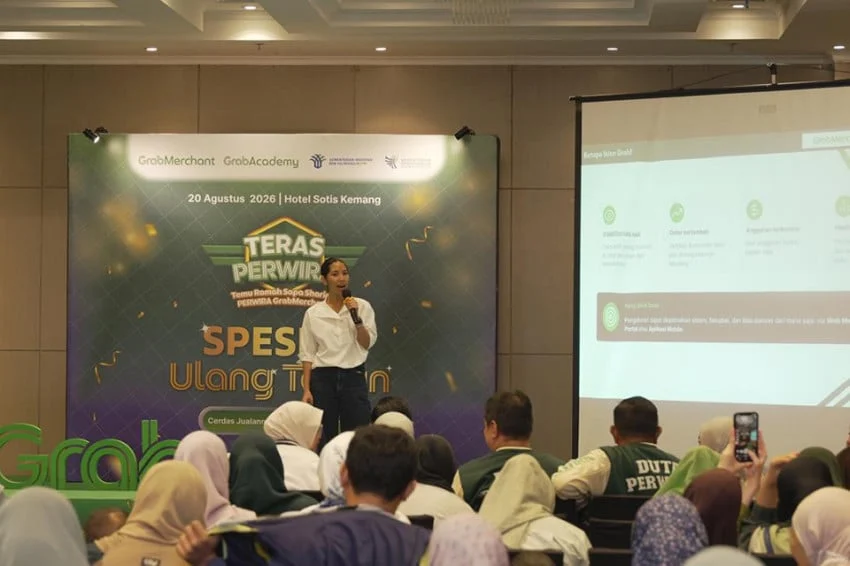
Grab and OVO Finansial have officially concluded their flagship capacity-building initiative, Teras Perwira (Temu Ramah Sapa dan Sharing Perkumpulan Wirausaha), marking the program’s fifth consecutive year of supporting the Indonesian micro, small, and medium enterprise (MSME) sector. The 2026 edition, designated as the "Special Anniversary" series, spanned 10 major Indonesian cities, providing comprehensive digital and financial literacy training to 1,400 selected Mitra GrabMerchant. The initiative, which ran from August 19 to September 7, 2026, aligned with the dual momentum of National MSME Day on August 12 and the Financial Literacy Month promoted by the Financial Services Authority (OJK).

The program covered a broad geographic footprint, engaging entrepreneurs in Medan, Bandung, Palembang, Semarang, Yogyakarta, Surabaya, Denpasar, Makassar, Balikpapan, and Jakarta. By addressing the critical intersection of digital marketing, financial management, and operational efficiency, Grab and OVO Finansial aim to fortify the resilience of local businesses amidst an increasingly digitized and competitive economic landscape.

A Strategic Response to Economic Shifts

The theme for this year’s Teras Perwira, "Cerdas Jualannya, Tangguh Usahanya" (Smart Selling, Resilient Business), reflects a strategic shift in how digital platforms are supporting merchant partners. In an era defined by rapid changes in consumer behavior—specifically the preference for on-demand services and digital payments—the ability of a merchant to adapt is no longer an advantage but a necessity for survival.

The selection process for the 1,400 participants was rigorous. Rather than an open-enrollment model, organizers employed a curation system that prioritized merchants demonstrating a high aptitude for growth, a willingness to share knowledge with peers, and a commitment to integrating technology into their daily operations. This approach ensured that the workshop sessions were populated by "agent-of-change" entrepreneurs capable of cascading the information back to their respective business communities.

Chronology and Geographical Reach

The 2026 tour commenced in Makassar on August 19, serving as a symbolic kickoff for the nationwide effort. Over the subsequent three weeks, the training teams traversed the archipelago, conducting intensive workshops in major urban hubs. The logistics of the tour were meticulously planned to ensure that local market nuances were addressed in each city.

  • August 19: Opening ceremony in Makassar.
  • Late August: Regional sessions in Medan, Surabaya, and Denpasar, focusing on tourism-linked hospitality and culinary businesses.
  • Early September: Operations moved to Central and West Java (Semarang, Yogyakarta, Bandung) and Kalimantan (Balikpapan).
  • September 7: The series concluded simultaneously in Palembang and Semarang, marking the official end of the anniversary tour.

Core Curricula: Beyond Basic Digitization

The curriculum for Teras Perwira 2026 was designed based on feedback from the previous four years of the program. It specifically addressed three pain points identified by the merchant ecosystem: low product visibility, inaccurate pricing structures, and stagnant market penetration.

Mastering Digital Visibility with GrabAds

A primary focus of the sessions was the effective utilization of GrabAds. Many MSME owners understand the importance of being on a platform, but few grasp the intricacies of paid promotion and algorithmic targeting. The workshop provided practical, hands-on guidance on how to set budget caps, choose target demographics, and design promotional assets that convert impressions into orders.

Financial Precision: The Role of BisaMatika

Financial leakage remains a significant issue for small businesses, often stemming from an inability to accurately calculate the Cost of Goods Sold (HPP). The introduction of "BisaMatika"—a specialized tool for calculating HPP—allowed merchants to input their raw material costs, service fees, and platform commissions. By providing a clear view of their margins, the tool helps merchants set competitive yet sustainable prices, a critical factor in maintaining profitability in the online food delivery sector.

Artificial Intelligence as a Business Consultant

Perhaps the most forward-looking aspect of the training was the integration of the GrabMerchant AI Assistant. This tool acts as a virtual business consultant, capable of analyzing store performance data to provide actionable insights. Merchants were trained to use the AI to generate menu inspirations, identify peak demand hours, and craft promotional campaigns based on historical data. This effectively democratizes access to data science, a resource usually reserved for large-scale corporations.

Financial Inclusion and Capital Access

Coinciding with the OJK’s Financial Literacy Month, the program placed significant emphasis on responsible borrowing and financial health. Grab and OVO Finansial showcased the "GrabModal Mantul" facility, which provides access to capital with streamlined processing and flexible installment plans.

The inclusion of the "Jeda Bayar" (Payment Pause) feature was particularly well-received by participants. This feature provides a safety net for merchants during periods of personal hardship, such as medical emergencies or family bereavement, allowing for a temporary suspension of debt obligations. By humanizing the credit-lending process, the program aims to build long-term trust between the platform and its merchant partners, reducing the risks associated with predatory informal lending.

Implications for the Indonesian MSME Sector

The scale of this initiative—1,400 businesses across 10 cities—represents a significant contribution to the digital transformation of the Indonesian economy. MSMEs account for over 60% of Indonesia’s GDP and provide the vast majority of national employment. Therefore, the ripple effect of this training is substantial.

Analysts observe that programs like Teras Perwira are essential for bridging the "digital divide." While smartphone penetration in Indonesia is high, the "digital capability" divide—the ability to leverage tools for business growth—remains a barrier. By providing structured training, Grab and OVO are effectively reducing the cost of acquisition for these small businesses to enter the formal economy.

Furthermore, the focus on financial literacy is a direct response to the broader national effort to curb the prevalence of illegal online lending (pinjol ilegal). By providing regulated, transparent, and accessible financial tools, these platforms are steering MSMEs toward institutional finance, which is safer and more conducive to long-term growth.

Official Perspective and Future Outlook

While specific quotes were not provided in the announcement, the scale and structure of the 2026 program underscore a commitment from both Grab and OVO to move beyond a transactional relationship with their partners. The emphasis on "community" is a strategic choice; by fostering a network of successful, educated merchants, the platform ensures a healthier ecosystem of partners, which in turn improves service quality for end-consumers.

The success of the 2026 anniversary series suggests that future iterations will likely expand in both scope and depth. As Artificial Intelligence and advanced data analytics continue to evolve, the challenge for the next iteration of Teras Perwira will be to maintain simplicity while introducing more sophisticated operational tools.

In conclusion, the Teras Perwira 2026 program serves as a model for how major tech conglomerates can actively participate in the national development agenda. By combining high-level technological infrastructure with localized, human-centric training, the program provides a blueprint for sustainable growth in the MSME sector, ensuring that as the Indonesian economy digitizes, its smallest participants are not left behind. The program’s completion marks a milestone in the digital journey of 1,400 businesses, each of which now possesses a more robust toolkit to navigate the complexities of the modern marketplace.


September 16, 2026 0 comment
0 FacebookTwitterPinterestEmail
Business & Economy

OJK Pastikan Direksi dan Komisaris BEI Tetap Independen meski Kepemilikan Saham Bursa Berubah

by Neng Nana September 16, 2026
written by Neng Nana

The Financial Services Authority of Indonesia, known as Otoritas Jasa Keuangan (OJK), has reaffirmed its commitment to maintaining the institutional integrity and operational independence of the Indonesia Stock Exchange (BEI). This commitment comes amidst ongoing structural shifts toward demutualization, a process that transitions the exchange from a member-owned entity—traditionally dominated by brokerage firms—to a more diversified shareholding structure. As the market landscape evolves to accommodate broader ownership, the OJK has clarified that the governance of the bourse, specifically regarding its Board of Directors and Board of Commissioners, will remain strictly insulated from external shareholder influence to ensure fair and transparent market operations.

Understanding the Demutualization Context

Demutualization is a global trend among stock exchanges, aimed at improving governance, increasing capital flexibility, and enhancing operational efficiency. Historically, the Indonesia Stock Exchange functioned as a mutual entity, where the members—the brokerage firms—held ownership and voting rights. By transitioning to a corporate structure with shareholders, the exchange gains the ability to raise capital, invest in cutting-edge technology, and respond more agilely to global market fluctuations.

However, this transition introduces potential conflicts of interest. If a major stakeholder, such as a large institutional investor or a state-owned entity, gains significant control, there is a risk that the bourse’s decision-making process could be skewed to favor private interests over the broader public interest of market integrity. To mitigate this, the OJK is finalizing a new regulatory framework, the Draft OJK Regulation (RPOJK) on Stock Exchange Shareholders, which is currently undergoing harmonization with the Ministry of Law and Human Rights.

Regulatory Safeguards for Governance

Hasan Fawzi, the OJK’s Chief Executive for Capital Market, Derivative Finance, and Carbon Exchange Supervision, emphasized that the regulatory framework is designed to prioritize the "fit and proper" status of the exchange’s leadership. According to the OJK, regardless of who holds the majority stake, the appointment of directors and commissioners must undergo a rigorous vetting process conducted by the regulator.

"The management of the Stock Exchange, including both the Board of Directors and the Board of Commissioners, must operate with total independence," Hasan stated during the monthly Board of Commissioners Meeting (RDKB) press conference in August 2026. "Their selection process is subject to our strict fit and proper assessment, ensuring that individuals in these roles are qualified and free from undue influence from the shareholders who appointed them."

This mechanism serves as the primary firewall between capital ownership and operational management. By retaining the authority to approve or reject candidates, the OJK ensures that the exchange’s leadership remains accountable to the law and the capital market ecosystem rather than to the individual profit motives of shareholders.

Chronology of the Regulatory Evolution

The roadmap toward this structural shift did not occur overnight. It is the culmination of years of institutional reform within the Indonesian capital market:

  • 2020-2023: Preliminary Studies: The OJK initiated internal reviews regarding the modernization of the capital market infrastructure, identifying the need for improved corporate governance to attract foreign institutional investors.
  • 2024: Legislative Groundwork: Discussions regarding the Omnibus Law on Financial Sector Development and Strengthening (UU P2SK) provided the legal basis for more flexible capital structures for the exchange.
  • 2025: Stakeholder Consultations: The OJK engaged in extensive dialogues with industry players, including the Indonesian Securities Companies Association (APEI) and various foreign institutional stakeholders, to address concerns about the shift in ownership dynamics.
  • Mid-2026: Draft Regulation Formulation: The RPOJK on Stock Exchange Shareholders reached the final stages of drafting, focusing on preventing concentration of power and ensuring that the exchange remains a "public utility" in spirit, even if it is a corporate entity in structure.
  • September 2026: Official Clarification: The OJK issued its formal stance on maintaining independence during the RDKB, signaling that the regulations are nearing implementation.

Preventing Regulatory Overlap and Conflicts

One of the primary concerns regarding demutualization is the potential entry of state-owned enterprises (SOEs) or government-affiliated institutions as shareholders. Critics argue that this could blur the lines between market regulation and political policy. Addressing this, the OJK has clarified that the inclusion of government-linked entities as shareholders will not result in a dilution of the OJK’s role as the sole regulator.

Hasan Fawzi noted that the oversight structure is clear: "The entry of state institutions as shareholders does not create overlapping authority. The OJK remains the sole, independent regulator of the Stock Exchange. All shareholders, whether private, public, or state-owned, must strictly adhere to existing capital market laws."

This separation ensures that while the government may have a seat at the table as a shareholder, it does not gain the power to dictate regulatory policies. The OJK retains the authority to enforce rules, impose sanctions, and oversee the integrity of trading activities, effectively creating a "regulatory moat" that protects the exchange from political or commercial encroachment.

Economic Implications for the Indonesian Market

The shift toward a demutualized exchange is expected to have several long-term benefits for the Indonesian economy. Firstly, it allows for a more diverse shareholder base, which could bring in international expertise and capital, potentially increasing the liquidity of the Jakarta Composite Index (JCI).

Secondly, by enforcing strict independence for the Board of Directors and Commissioners, the OJK is signaling to international markets that Indonesia is a safe, transparent, and robust environment for investment. Global institutional investors prioritize governance above all else; by codifying this independence into law, Indonesia lowers the "risk premium" associated with emerging market investments.

Furthermore, the focus on technological advancement is paramount. As a demutualized entity, the exchange can prioritize investments in blockchain-based settlements, enhanced cybersecurity, and more efficient trading algorithms—technologies that require significant capital expenditure that might be difficult to approve in a traditional member-owned model.

Analytical Perspectives on Market Integrity

Market analysts suggest that the success of this transition hinges on the OJK’s ability to consistently enforce these rules. The "fit and proper" test is a standard tool, but its effectiveness depends on the transparency of the evaluation criteria.

According to market observers, the OJK’s insistence on "independent management" is a necessary hedge against "crony capitalism." In many developing economies, the failure of stock exchanges to modernize often stems from the control exerted by a small circle of domestic broker-dealers who prioritize their own brokerage fees over market volume. By opening up ownership, the OJK is essentially breaking this monopoly while ensuring that the new shareholders remain subservient to the exchange’s mandate as a national asset.

The challenge, however, will be the transition phase. As the ownership structure changes, there will inevitably be a period of adjustment for current members. The OJK’s role will be to act as an arbitrator, ensuring that the transition does not disrupt market stability. The current regulatory path—focusing on legal clarity and institutional firewalls—is seen as a prudent approach to minimizing market volatility during this transformation.

Conclusion and Future Outlook

As the Indonesia Stock Exchange moves toward a new era of ownership, the OJK has laid the groundwork to ensure that the exchange’s core function—the fair and efficient mobilization of capital—remains uncompromised. By finalizing the RPOJK and maintaining firm control over the appointment of the exchange’s leadership, the regulator is balancing the need for modernization with the absolute necessity of institutional independence.

The upcoming implementation of these regulations will serve as a litmus test for the OJK’s influence. If successful, the demutualization will likely serve as a catalyst for a more vibrant, competitive, and globally integrated Indonesian capital market. For investors, the message is clear: while the faces of the shareholders may change, the rigorous regulatory oversight and the independence of the bourse’s management remain the bedrock of the market’s future stability. The OJK’s proactive stance underscores a clear message to all market participants—the Indonesia Stock Exchange is evolving, but its commitment to integrity remains non-negotiable.

September 16, 2026 0 comment
0 FacebookTwitterPinterestEmail
Business & Economy

MNK Rokan: Tonggak Baru Pionir Pengembangan MNK Indonesia oleh Pertamina

by Raul Delapena Setiawan September 16, 2026
written by Raul Delapena Setiawan

JAKARTA — PT Pertamina Hulu Rokan (PHR), operating as a core subsidiary under Pertamina’s Upstream Subholding, has officially fortified its strategic roadmap for the development of Non-Conventional Oil and Gas (Migas Non Konvensional – MNK) within the Rokan Zone. This pivotal milestone was realized through the formal signing of the MNK Rokan Production Sharing Contract (Kontrak Bagi Hasil – KBH) executed by its dedicated subsidiary, PT PHE Rokan Nonkonvensional. This landmark agreement represents far more than a routine corporate transaction; it heralds a foundational shift in Indonesia’s national energy landscape, positioning the Rokan MNK project as the absolute pioneer of large-scale non-conventional hydrocarbon exploration and exploitation in the archipelago.

As conventional oil and gas fields worldwide and across Indonesia experience a natural decline in productivity and mature into latter stages of their economic lifecycles, energy stakeholders face mounting pressure to secure sustainable production streams. For PHR, the systematic development of non-conventional resources is not merely an optional diversification exercise, but rather a vital, long-term operational strategy. By unlocking previously untapped hydrocarbon resources trapped in tight geological formations, the company aims to safeguard domestic energy security, bridge potential supply deficits, and stabilize national energy reserves for decades to come.

The Genesis of the Rokan MNK Journey: Exploration Milestones

The formalization of the KBH MNK Rokan is the culmination of years of rigorous geological studies, high-risk exploration investments, and advanced technical evaluations. The foundational chapter of the Rokan MNK journey began in earnest in 2023 with the high-profile exploratory drilling of the Gulamo DET-1 well. This strategic initiative was specifically designed to evaluate and unlock tight oil and shale gas plays that had historically remained unexploited due to technical complexities and the absence of tailored regulatory frameworks.

Building upon the promising data and operational insights gathered from Gulamo DET-1, PHR advanced its exploratory campaign in 2024 with the spudding of the Kelok DET-1 well. Located within the highly prospective North Aman structure, the Kelok DET-1 project served as a critical appraisal step to further delineate the subsurface boundaries and confirm the commercial viability of the non-conventional hydrocarbons present in the area. The success of both the Gulamo DET-1 and Kelok DET-1 drilling programs—validated through extensive core sampling, hydraulic fracturing testing, and long-term production testing—has fundamentally transformed management and engineering confidence regarding the viability of MNK extraction in the Rokan block.

MNK Rokan: Tonggak Baru Pionir Pengembangan MNK Indonesia oleh Pertamina

Subsurface Potential and the North Aman Structure

At the heart of this new production frontier is the North Aman structure, which geological mapping and reservoir modeling suggest holds massive economic promise. Preliminary assessments indicate that the structure boasts an estimated recoverable resources volume of approximately 724 million barrels of oil equivalent (MMBOE). This staggering figure represents a colossal addition to Indonesia’s national hydrocarbon inventory and serves as the primary justification for advancing the project into the subsequent appraisal and development phases.

With the North Aman structure established as the baseline proving ground, PHR is laying the groundwork for a systematic, multi-phase expansion across other highly promising structures within the expansive Rokan Working Area. Following the stabilization of operations in North Aman, future developmental horizons are expected to target neighboring structures such as South Aman, Rangau, and Balam. Each of these zones exhibits geological characteristics favorable to non-conventional extraction methodologies, promising a sustained pipeline of development projects for the foreseeable future.

Leveraging Existing Infrastructure for Operational Efficiency

One of the most distinct strategic advantages possessed by the Rokan MNK project is its operational environment. Unlike greenfield projects situated in remote, undeveloped frontiers, the Rokan Zone is supported by a mature, highly sophisticated, and integrated operational ecosystem. Decades of conventional production activity have left behind a robust legacy of infrastructure that can be strategically repurposed or leveraged to support MNK operations.

From extensive pipeline networks and power generation facilities to water management systems, logistics hubs, and specialized maintenance workshops, the Rokan Zone offers a ready-made operational backbone. Furthermore, the local ecosystem features a highly mature supply chain network, complete with specialized oilfield service providers, skilled local talent, and established transportation corridors. This pre-existing infrastructure significantly mitigates capital expenditure risks, shortens project execution timelines, and optimizes operational expenditure, enabling PHR to develop the MNK resources in a phased, cost-effective manner.

MNK Rokan: Tonggak Baru Pionir Pengembangan MNK Indonesia oleh Pertamina

Regulatory Tailwinds and Fiscal Incentives: The Role of Kepmen ESDM No. 246/2026

Developing non-conventional oil and gas resources—characterized by low permeability reservoirs that require advanced technologies such as multi-stage hydraulic fracturing and horizontal drilling—demands not only sophisticated engineering expertise but also a supportive regulatory and fiscal environment. Recognizing the unique risk-reward profile of MNK projects, the Indonesian government has moved decisively to eliminate regulatory bottlenecks and enhance investment attractiveness.

A critical catalyst for this milestone is the issuance of Ministry of Energy and Mineral Resources (ESDM) Decree Number 246.K/MG.04/MEM.M/2026 concerning the Acceleration of Non-Conventional Oil and Gas Business Implementation in the Rokan Working Area. This regulatory framework provides much-needed legal certainty, clarifying operational guidelines and streamlining administrative approval processes for contractors.

Crucially, the decree introduces an adaptive fiscal regime designed to balance national revenue generation with investor appeal. It incorporates flexible cost recovery mechanisms paired with adaptive profit-sharing splits and targeted investment incentives. By mitigating the high upfront capital risks associated with tight oil and shale development, the regulatory framework ensures that contractors like PHR can secure long-term project financing and commit to sustained, multi-year capital expenditure programs without compromising the economic returns due to the state.

Strategic Implications for National Energy Security

The formal signing of the KBH MNK Rokan and the implementation of supportive regulatory policies arrive at a critical juncture for Indonesia. As domestic energy demand continues to climb on the back of industrial expansion and population growth, arresting the decline of legacy oil and gas fields is a top national priority. The successful commercialization of non-conventional resources in Rokan holds the potential to serve as a national blueprint for similar unconventional basins across the archipelago, including the vast shale oil and gas potential found in Sumatra and Kalimantan.

MNK Rokan: Tonggak Baru Pionir Pengembangan MNK Indonesia oleh Pertamina

From a macroeconomic perspective, a thriving MNK sector will reduce Indonesia’s reliance on imported crude oil, improve the country’s current account balance, and secure a reliable domestic energy supply for strategic industries. Moreover, the multi-year development cycle of the Rokan MNK project will generate widespread economic multipliers, fostering technology transfer, boosting local employment, and stimulating regional industrial growth in Riau Province and surrounding areas.

Looking Ahead: The Road to Commercialization

With the Production Sharing Contract officially secured and regulatory frameworks firmly in place, PT Pertamina Hulu Rokan is poised to transition from exploration and appraisal to the pilot development and early commercialization phases. The coming years will witness intensive engineering studies, pilot well pad constructions, and the deployment of cutting-edge completion technologies tailored specifically to the unique geological properties of the Rokan tight formations.

As PHR charts this uncharted territory, the success of the Rokan MNK project will be closely watched by international energy observers, policymakers, and industry peers alike. By successfully unlocking the vast potential of the North Aman structure and establishing a viable commercial model for non-conventional hydrocarbons, Pertamina is not only securing the future of the historic Rokan block but is also charting a bold, resilient path toward long-term national energy self-sufficiency.

September 16, 2026 0 comment
0 FacebookTwitterPinterestEmail
Business & Economy

OJK Imposes Financial Penalties on Major Public Companies Including Salim and Bakrie Group Entities for Regulatory Breaches

by Asro September 16, 2026
written by Asro

The Indonesian Financial Services Authority (OJK) has intensified its oversight of the capital market, issuing a series of administrative sanctions against 23 publicly listed companies as of August 31, 2026. Among the entities cited in the latest enforcement actions are PT Nippon Indosari Corpindo Tbk. (ROTI), the producer of the well-known Sari Roti brand affiliated with the Salim Group, and PT Bakrie & Brothers Tbk. (BNBR), a prominent holding company within the Bakrie Group. These enforcement actions underscore the regulator’s commitment to enforcing strict corporate governance, particularly regarding transparency in material transactions and the procedural integrity of appointing independent auditors.

Hasan Fawzi, the Chief Executive of Capital Markets, Derivatives, and Carbon Exchange Supervision at OJK, confirmed that the penalties were issued following thorough investigations into non-compliance with the Financial Services Authority Regulations (POJK). The sanctions highlight a broad spectrum of regulatory requirements that listed companies must navigate, ranging from the appointment of Public Accountants (AP) and Public Accounting Firms (KAP) to the disclosure and approval requirements for material financial transactions.

The Case of PT Nippon Indosari Corpindo Tbk. (ROTI)

PT Nippon Indosari Corpindo Tbk. (ROTI), a market leader in the mass-produced bread industry, was hit with an administrative fine of Rp150 million. The sanction stems from a procedural breach regarding the appointment of its external auditor for the 2023 and 2024 financial years.

According to OJK’s findings, the company’s Board of Directors appointed and approved the KAP prior to the holding of the Annual General Meeting of Shareholders (RUPST) for the respective financial years. Under the provisions of POJK No. 9/2023, the appointment of an external auditor is a mandate reserved for the shareholders via a resolution in the General Meeting of Shareholders (RUPS). By bypassing this stage, ROTI failed to adhere to the governance protocols designed to ensure the independence of the auditing process.

While the fine itself is relatively modest compared to the company’s market capitalization, the incident serves as a significant reminder to the corporate sector regarding the hierarchy of decision-making. Proper governance requires that the oversight body—the shareholders—maintain control over the selection of the parties responsible for verifying the company’s financial statements.

The Case of PT Bakrie & Brothers Tbk. (BNBR)

The sanction against PT Bakrie & Brothers Tbk. (BNBR) is substantially heavier, totaling Rp1.2 billion. The OJK’s investigation revealed a complex failure to comply with disclosure and approval requirements regarding a major loan transaction.

The core of the violation involves a loan secured by a controlled entity of BNBR, amounting to Rp4.81 trillion—a figure equivalent to 115.87% of the company’s equity. Under POJK No. 17/2020, which governs material transactions, such a high-value transaction necessitates rigorous disclosure and, crucially, explicit approval from the shareholders.

OJK identified several layers of failure in this transaction:

  1. Change of Counterparty: The actual lender was different from the one originally presented to and approved by shareholders during the RUPS.
  2. Lack of Independent Valuation: The company failed to utilize an independent appraiser to assess the transaction, a requirement meant to protect minority shareholders from potential conflicts of interest or unfavorable terms.
  3. Disclosure Failures: BNBR did not perform the mandatory public disclosure nor did it notify the OJK regarding the actual identity of the lender, thereby keeping the market and regulators in the dark about the true nature of the material transaction.

The severity of the fine reflects the systemic nature of the breach, as it involved not just a failure to follow meeting procedures, but an avoidance of the checks and balances required for transactions that fundamentally alter the company’s risk profile.

Regulatory Context and OJK Enforcement Trends

The sanctions against ROTI and BNBR are part of a broader, more aggressive enforcement posture adopted by the OJK throughout 2026. Data up to August 31, 2026, reveals that the OJK has issued a total of 1,277 administrative sanctions, warnings, and written orders to market participants.

Of this total, 93 were formal administrative sanctions specifically targeting violations of capital market regulations. The composition of these enforcement actions is as follows:

  • Financial Fines: Totaling Rp73.99 billion.
  • Written Warnings: Eight instances.
  • Written Orders: Five instances.
  • Prohibitions: Ten instances.
  • License Suspensions: Six instances.

These figures illustrate a regulatory environment where the OJK is increasingly utilizing its authority to penalize both minor procedural lapses and major governance failures. The objective is to cultivate a "culture of compliance" that aligns with international standards, particularly as the Indonesian capital market seeks to attract more foreign institutional investment.

Chronology of Enforcement

The OJK’s oversight process involves a continuous audit cycle. Throughout the first eight months of 2026, the regulator conducted a series of "thematic inspections" focused on transparency in financial reporting and the conduct of General Meetings of Shareholders.

Following the discovery of discrepancies in the 2023-2024 audit cycles and the review of material transactions filed in the public disclosure system, the OJK issued Requests for Information (RFI) to the companies involved. Upon review of the responses, the OJK determined that the actions of ROTI and BNBR constituted clear violations of existing POJK statutes. Formal notification of the fines was finalized in the late summer of 2026, culminating in the public announcement released this September.

Implications for Market Governance

The imposition of these fines carries significant implications for the Indonesian stock exchange. Firstly, it signals to listed companies that the OJK is utilizing advanced data analytics to cross-reference shareholder resolutions with actual corporate actions. The days of "rubber-stamping" auditor appointments or obscuring the true nature of material loans are increasingly coming to an end.

For investors, these sanctions are a double-edged sword. While the fines indicate that regulatory enforcement is working, they also highlight governance risks inherent in large holding companies. Investors are advised to pay closer attention to the "Notes to Financial Statements" and the specific terms of material transactions disclosed on the Indonesia Stock Exchange (IDX) website.

Furthermore, the BNBR case highlights the risks associated with "Company Controlled Entities." Often, large conglomerates utilize subsidiaries to undertake debt, which may not always be immediately visible to the retail investor. The OJK’s move to penalize BNBR for the lack of transparency in its subsidiary’s loan is a positive step toward ensuring that the true debt burden of a group is properly represented to the public.

Expert Perspectives and Future Outlook

While neither the Salim Group nor the Bakrie Group has issued a comprehensive formal defense beyond their initial responses to the OJK, market analysts suggest that these fines will lead to a stricter internal compliance regime for both companies.

"The OJK is signaling a shift from a reactive regulator to a proactive, risk-based supervisor," said a senior analyst at a Jakarta-based brokerage. "Companies that fail to recognize that the rules of the game have changed regarding material transactions and auditor independence will find themselves facing not just financial penalties, but also reputational damage that could impact their cost of capital."

As the market progresses toward the end of 2026, the OJK is expected to maintain its enforcement intensity. For listed companies, the message is clear: compliance with POJK No. 9/2023 and POJK No. 17/2020 is not merely a box-ticking exercise, but a fundamental prerequisite for operating within the Indonesian capital market. The regulator’s focus on these specific statutes suggests that future audits will continue to scrutinize the interplay between board decisions, shareholder approvals, and independent financial verification.

Ultimately, the goal of these interventions is to bolster investor confidence. By holding large, influential groups accountable to the same regulations as smaller entities, the OJK is fostering a more equitable playing field, which is essential for the long-term health and growth of the Indonesian financial ecosystem. As of mid-September 2026, the market remains expectant of further disclosures from the OJK regarding the remaining 21 entities currently under investigation, suggesting that the regulatory cleanup initiated earlier this year is far from over.

September 16, 2026 0 comment
0 FacebookTwitterPinterestEmail
Technology

Chip Otak Bantu Membaca Bahasa dan Gerakan Isyarat Orang

by Jia Lissa September 16, 2026
written by Jia Lissa

A groundbreaking leap in neurotechnology has emerged from the University of California, San Francisco (UCSF), where researchers have successfully developed a brain-computer interface (BCI) capable of simultaneously translating both spoken language and physical gestures into digital outputs. This dual-modality system represents a significant milestone in the quest to restore naturalistic communication for individuals living with severe paralysis, effectively bridging the gap between internal neurological intent and external expression. By decoding neural signals into both text and the movements of a digital avatar, the technology addresses a long-standing limitation in the field: the reductionist nature of current BCI systems that focus solely on speech or cursor control.

The Evolution of Neural Decoding

For decades, the field of neuroprosthetics has sought to restore autonomy to those suffering from conditions such as amyotrophic lateral sclerosis (ALS), stroke, or traumatic brain injuries. Early iterations of BCIs focused primarily on simple binary switches or basic cursor movement. In the last decade, advancements in high-density electrode arrays—specifically Electrocorticography (ECoG)—have allowed researchers to capture complex neural firing patterns directly from the surface of the brain.

The UCSF project builds upon the foundational research of the past twenty years. Historically, the primary challenge for neuroscientists has been the "bandwidth" of neural data. Speech is a high-speed, multi-layered process involving the rapid coordination of the vocal tract, while gestures add a spatial and emotional dimension to communication. By utilizing high-density ECoG grids placed over the motor cortex—the region responsible for planning and executing movement—the UCSF team has managed to isolate the specific electrical signatures that correspond to both the intent to speak and the intent to gesture.

Technical Architecture and Methodology

The system utilizes two distinct Artificial Intelligence (AI) decoders working in parallel. When a participant attempts to speak or move, the ECoG array captures the electrical impulses and streams them into the processing unit. The first decoder specializes in linguistic patterns, converting neural intent into phonemes and, eventually, coherent text. The second decoder interprets the spatial and motor commands intended for the upper limbs and facial muscles.

Crucially, the system does not require the participant to physically move or speak. It relies on the "phantom" motor commands generated by the brain when a person merely visualizes an action. This is a vital distinction, as it allows individuals with complete motor loss to utilize the device without the physical fatigue or impossibility of executing the actual movement. The output is then mapped onto a personalized, full-body avatar, which replicates the user’s intended movements and speech in real-time, creating a cohesive, immersive communication experience.

Chronology of the Research

The path to this achievement was paved by a series of incremental successes in the neuro-engineering space:

  • 2010–2015: Initial trials focused on decoding simple vowel sounds and basic cursor control using stationary, lower-density arrays.
  • 2017: Researchers demonstrated the ability to decode full sentences, though the latency remained high, and the system was prone to frequent errors.
  • 2021: A landmark study from UCSF demonstrated the successful translation of "word-level" neural signals into text, marking the first time a BCI could predict full words rather than just individual letters.
  • 2023–2024: The current phase of research introduced the integration of gesture recognition. By coupling linguistic intent with gestural intent, the system achieved a level of human-like fluidity that had previously been considered unattainable.

Supporting Data and Performance Metrics

According to data released by the UCSF research team, the system’s performance metrics indicate a significant improvement in communication speed compared to traditional spelling-based BCIs. While conventional assistive devices—such as eye-tracking software—often allow for the typing of 5 to 10 words per minute, the new BCI system has demonstrated the potential to reach speeds upwards of 60 to 80 words per minute, depending on the complexity of the sentence structure.

Furthermore, the error rate in decoding has dropped significantly. By utilizing a "co-adaptive" AI model, the decoders learn the specific neural "accent" of the participant over time, refining their accuracy with every interaction. Clinical testing with the two initial participants showed that the system maintained a high degree of fidelity even during multi-tasking scenarios, such as when the user gestured while speaking.

Expert Perspectives and Implications

The scientific community has reacted with cautious optimism regarding these developments. Dr. Edward Chang, a lead investigator at UCSF, has emphasized that the goal is not merely to restore the ability to communicate, but to restore the "personhood" of the patient. "Communication is not just about data transfer; it is about social connection," Dr. Chang stated in a summary of the project’s findings. "By including gestures, we are allowing patients to convey nuance, emphasis, and intent—the very things that make human interaction meaningful."

Ethicists, however, have raised important questions regarding the long-term implications of such technology. The integration of high-density electrodes into the brain requires invasive neurosurgery, which carries inherent risks. Furthermore, the storage and processing of neural data raise significant privacy concerns. If an AI can decode the "intent" of a user, what safeguards are in place to ensure that this data is not misused or accessed without consent?

Broader Impact on Neuroprosthetics

The implications of this research extend far beyond the laboratory. If the technology can be miniaturized and made more accessible, it could revolutionize the standard of care for patients with "locked-in" syndrome. Currently, many of these patients rely on slow, cumbersome interfaces that isolate them from the nuance of daily life. A fully integrated BCI could allow a person with paralysis to participate in video calls, professional meetings, and personal interactions with a level of agency previously unavailable.

Beyond the medical field, this research serves as a cornerstone for the future of Human-Computer Interaction (HCI). As AI models continue to grow in sophistication, the ability to "bridge" the brain directly to the digital world will become a central theme in technological development. While the current focus is purely on therapeutic applications, the methodology developed at UCSF provides a roadmap for how we might eventually interface with more complex virtual environments and augmented reality systems.

Addressing Technical and Regulatory Hurdles

Despite the success of the initial trials, the path to widespread clinical adoption remains steep. Regulatory bodies such as the FDA require rigorous, long-term safety studies to ensure that the hardware components, such as the electrode arrays, do not cause neural inflammation or signal degradation over years of use. There is also the issue of calibration; currently, the system requires a baseline training period where the AI must "learn" the specific neural pathways of each user. Reducing this setup time is a primary focus for the next generation of the technology.

Moreover, the cost of such advanced neuro-interfacing hardware is currently prohibitive. For this technology to reach the population that needs it most, significant investment in manufacturing efficiency and insurance-based medical coverage models will be required.

Conclusion

The work conducted by the researchers at the University of California, San Francisco, is a testament to the convergence of neuroscience, computer science, and engineering. By treating communication as a holistic act—incorporating both the linguistic and the physical—the team has moved the field of brain-computer interfaces from the realm of science fiction into a tangible, life-altering reality. While challenges regarding safety, privacy, and accessibility persist, the successful synchronization of speech and gesture decoding marks a definitive shift in how we perceive the limits of the human body and the potential of the human mind. As the research moves toward larger clinical trials, the promise of a more inclusive, communicative future for those with severe physical disabilities grows brighter, setting a new benchmark for the next decade of neuro-technological innovation.

September 16, 2026 0 comment
0 FacebookTwitterPinterestEmail
Technology

ASRock Expands Its Compact Computing Portfolio with the Official Launch of the NUC BOX 300 Series Powered by Intel Wildcat Lake Processors

by Lina Hope September 16, 2026
written by Lina Hope

ASRock, a globally recognized leader in motherboard, graphics card, and small-form-factor PC manufacturing, has officially announced the expansion of its mini PC lineup with the introduction of the NUC BOX 300 Series. Aimed at bridging the gap between ultra-compact footprint constraints and enterprise-grade performance demands, the new series initially features two distinct models: the NUC BOX-320 and the NUC BOX-304. Both devices harness the computational capabilities of Intel’s latest Core 300 processors, which are built upon the advanced Wildcat Lake architecture. Despite occupying a physical volume of a mere 0.63 liters, these systems defy conventional expectations of small-form-factor (SFF) hardware by delivering substantial memory capacities, robust networking capabilities, and a comprehensive array of display and peripheral outputs.

The launch of the NUC BOX 300 Series represents a significant strategic maneuver in the rapidly evolving mini PC market. As remote work environments, digital signage deployments, and space-constrained office setups continue to proliferate, the demand for high-efficiency, low-power desktop replacements has escalated exponentially. By integrating Intel’s Wildcat Lake processors—silicon specifically engineered to balance thermal constraints with multi-threaded performance—ASRock aims to capture market share across commercial enterprises, educational institutions, and power-conscious prosumers.

Technical Specifications and Internal Architecture

At the heart of the NUC BOX 300 Series lies Intel’s heterogeneous processor design. The higher-tier model, the NUC BOX-320, is powered by the Intel Core 5 320 processor. This CPU features a six-core configuration divided into two performance cores (P-cores) and four efficient cores (E-cores), striking an optimal balance for demanding multitasking environments and localized computational workflows. Meanwhile, the NUC BOX-304 is equipped with the Intel Core 3 304 processor, featuring a leaner configuration comprising one P-core and four E-cores, tailored for lighter administrative tasks, edge computing, and media playback applications.

Memory and storage expansion capabilities within the NUC BOX 300 Series are uncommonly robust for a chassis of this scale. Both models support up to 64GB of high-speed DDR5-6400 memory via a single SODIMM slot, enabling substantial data bandwidth for memory-intensive workloads. Storage configuration is similarly versatile, accommodating dual internal drives through a compact M.2 2242 PCIe Gen 4 x1 slot alongside a standard M.2 2280 PCIe Gen 4 x2 slot. This dual-drive architecture allows users to configure high-speed caching solutions or separate operating system partitions from bulk data storage. Furthermore, ASRock has integrated a dedicated M.2 2230 key E slot pre-populated for wireless communication modules, delivering modern connectivity standards including Wi-Fi 6E and Bluetooth 5.3 out of the box.

ASRock Rilis NUC BOX 300 Series, Dibekali Prosesor Intel Wildcat Lake • Jagat Review

Physical Design, Dimensions, and Ergonomics

The engineering philosophy behind the NUC BOX 300 Series prioritizes spatial economy without sacrificing structural integrity or thermal dissipation efficiency. The chassis measures precisely 117.5 x 110 x 49 millimeters, resulting in a total volumetric footprint of 0.63 liters and a baseline weight of approximately 1 kilogram. This diminutive physical scale permits seamless integration into cramped enterprise environments, retail kiosks, or behind display monitors via standard VESA mounting brackets.

The industrial design features clean geometric lines with strategic ventilation grill placement designed to maintain optimal thermal thresholds for the Intel Wildcat Lake processors under sustained workloads. Given the thermal density inherent in systems of this size, ASRock’s thermal solution utilizes a custom-engineered heatsink and fan assembly designed to dissipate heat quietly, ensuring acoustic comfort in noise-sensitive settings such as professional recording studios, libraries, or executive boardrooms.

Connectivity, Peripheral Interfacing, and Enterprise Integration

Enterprise readiness is frequently dictated by a device’s input/output flexibility, and the NUC BOX 300 Series addresses this requirement comprehensively. Despite its micro-scale dimensions, the rear and front panels are densely populated with modern communication and display interfaces. Video output capabilities are exceptionally versatile, featuring dual HDMI 2.1 ports capable of handling high-resolution displays at high refresh rates, supplemented by two USB Type-C ports equipped with DisplayPort 1.4a alternate mode support. This configuration empowers users to drive up to four independent displays simultaneously, making the units ideal for multi-monitor workstations, financial trading desks, or sophisticated digital signage networks.

For peripheral connectivity, the systems offer three traditional USB Type-A ports, ensuring backward compatibility with legacy keyboards, mice, and specialized industrial hardware. Network infrastructure integration is spearheaded by dual 2.5GbE Ethernet ports. The inclusion of dual high-speed LAN ports is a critical feature for enterprise and commercial deployments, enabling functions such as network link aggregation, redundancy failover, or the creation of localized software-defined networking (SDN) firewalls and gateways. Audio input and output are managed via a standard 3.5mm combination audio jack, completing an interface suite that rivals many mid-tower desktop computers.

ASRock Rilis NUC BOX 300 Series, Dibekali Prosesor Intel Wildcat Lake • Jagat Review

Market Context, Background, and Evolution of the NUC Form Factor

The release of ASRock’s NUC BOX 300 Series arrives at a transitional period for the ultra-compact desktop ecosystem. The "Next Unit of Computing" (NUC) concept, originally pioneered and popularized by Intel over a decade ago, underwent a major structural shift when Intel dissolved its internal NUC division and transferred future development rights and hardware roadmaps to industry partners like ASUS. In the wake of this industry realignment, manufacturers such as ASRock have aggressively expanded their proprietary small-form-factor portfolios to fill the void, introducing increasingly sophisticated designs that push the boundaries of performance-per-liter metrics.

ASRock’s timing with the Wildcat Lake architecture aligns with a broader industry push toward energy-efficient, AI-ready edge computing. As businesses increasingly migrate data processing closer to the point of generation—often referred to as edge computing—hardware platforms must deliver reliable, 24/7 operational stability while consuming minimal electrical power. The NUC BOX 300 Series is positioned squarely to capture this segment, offering the reliability and manageability traditionally demanded by corporate IT departments within a consumer-friendly form factor.

Implications and Industry Outlook

While ASRock has officially unveiled the physical architecture and technical specifications of the NUC BOX-320 and NUC BOX-304, the company has yet to disclose official pricing structures or exact regional rollout timelines. Industry analysts project that pricing will be a decisive factor in determining the commercial success of the series, particularly as competition within the entry-level and mid-range mini PC market intensifies from rival manufacturers utilizing competing processor architectures.

The broader market implications of the NUC BOX 300 Series point toward a continued contraction in the market share of traditional desktop towers for standard office automation and administrative environments. As integrated graphics capabilities improve and memory bandwidths expand via technologies like DDR5, small-form-factor PCs are increasingly capable of handling professional workloads—including software development, heavy spreadsheet manipulation, and 4K media consumption—without thermal throttling or performance degradation. Whether these specific models will be officially imported and distributed in markets like Indonesia remains to be seen, but early reception from global tech communities indicates strong baseline interest among system integrators and technology enthusiasts seeking high-density, low-power computing solutions.

September 16, 2026 0 comment
0 FacebookTwitterPinterestEmail
Automotive

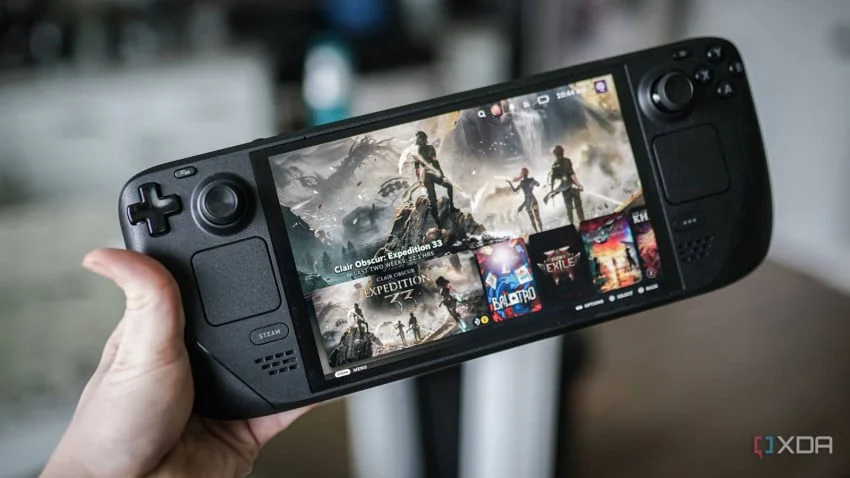
Valve Steam Deck 2 development remains on track despite global supply chain challenges for memory components

by Azzam Bilal Chamdy September 16, 2026
written by Azzam Bilal Chamdy

The gaming industry is currently tracking the progress of Valve Corporation as it navigates the complex landscape of hardware development for its next-generation handheld console, the Steam Deck 2. Despite persistent global fluctuations in the semiconductor and memory markets, Valve has confirmed that its internal development and design processes for the successor to its highly successful handheld platform remain on schedule. Industry projections currently point toward a tentative market debut around 2028, a timeline that allows the company to iterate on its hardware architecture while aligning with the evolution of mobile computing performance.

A Foundation Built on Success

The original Steam Deck, launched in February 2022, effectively redefined the handheld gaming market. By providing a Linux-based environment optimized for a vast library of PC titles, Valve bridged the gap between desktop gaming and portable convenience. The success of the initial device and its subsequent OLED iteration served as a proof-of-concept that validated the demand for high-performance mobile gaming PCs.

According to data from industry analytics firms, the handheld gaming PC market has grown significantly in the wake of the Steam Deck’s release. Competitors such as ASUS, Lenovo, and MSI have since entered the space with their own iterations, further cementing the "handheld PC" as a legitimate hardware category. Valve’s ability to maintain a development cadence for the Steam Deck 2 is therefore not merely a project milestone but a strategic necessity to maintain its position as the market leader in this burgeoning segment.

Navigating Supply Chain Volatility

One of the primary concerns for hardware manufacturers in the current economic climate is the volatility of the supply chain, specifically regarding dynamic random-access memory (DRAM) and high-bandwidth memory (HBM). As artificial intelligence (AI) and data center demand consume a significant portion of global memory production, smaller-scale consumer hardware manufacturers often face procurement hurdles.

However, recent statements from Valve’s engineering team have provided clarity on the matter. Pierre-Loup Griffais and Jeff Leinbaugh, two key software engineers at Valve, have indicated that the company is not currently experiencing supply chain disruptions that would impede the progress of the Steam Deck 2. This assurance is significant, as it suggests that Valve has likely secured strategic partnerships or established long-term procurement agreements that insulate its development timeline from short-term market volatility. For stakeholders and observers, this indicates a level of operational maturity that was perhaps not as robust during the initial launch phase of the first Steam Deck, which suffered from significant production delays due to global component shortages in 2021 and 2022.

Architectural Speculation and Technical Expectations

While Valve has remained tight-lipped regarding the specific silicon that will power the Steam Deck 2, the consensus among industry analysts is that the company will continue its partnership with AMD. The current Steam Deck utilizes a custom-designed AMD Accelerated Processing Unit (APU) that leverages the Zen 2 CPU architecture and RDNA 2 graphics.

The move toward a successor will likely focus on improving power efficiency and thermal management—two critical factors for any handheld device. A transition to newer manufacturing nodes, such as 4nm or 3nm processes, would be a logical step to increase performance-per-watt. By sticking with AMD, Valve ensures a seamless transition for its proprietary SteamOS. This software-hardware synergy is the cornerstone of the Steam Deck experience; developers are accustomed to the AMD-based instruction sets, and keeping the architecture consistent reduces the friction involved in software optimization and Proton compatibility.

Chronology of the Handheld Revolution

To understand the weight of the Steam Deck 2 development, one must review the timeline of Valve’s recent hardware efforts:

  • July 2021: Valve officially announces the original Steam Deck, surprising the industry and setting a new expectation for portable PC gaming.
  • February 2022: The Steam Deck begins shipping to customers, overcoming early manufacturing constraints.
  • October 2022: Valve expands availability to new regions, including Japan, South Korea, Taiwan, and Hong Kong, signaling a massive scale-up in distribution.
  • November 2023: Valve releases the Steam Deck OLED, an iterative improvement that addresses screen quality, battery life, and weight, proving that Valve is committed to refining the existing platform.
  • Present (2024-2025): Development focus shifts heavily toward the Steam Deck 2, with engineering teams prioritizing architecture and long-term supply chain planning.
  • 2028 (Projected): The anticipated launch window for the next generation of Valve’s handheld hardware.

Strategic Implications for the Gaming Ecosystem

The development of the Steam Deck 2 carries significant implications for the broader gaming ecosystem. Valve is not just a hardware manufacturer; it is the operator of Steam, the largest digital distribution platform for PC gaming globally. By controlling both the storefront and the hardware, Valve holds a unique advantage in influencing software development standards.

If the Steam Deck 2 offers significantly higher compute capabilities, it may force developers to reconsider the system requirements of modern PC games. Currently, developers often use the Steam Deck as a baseline for optimization. A more powerful successor would raise the "floor" of what constitutes a playable experience, potentially leading to better-optimized games across the entire PC ecosystem.

Furthermore, the stability of Valve’s supply chain indicates a long-term commitment to the Linux-based gaming environment. As Windows continues to be the dominant operating system for desktop PCs, Valve’s continued investment in SteamOS and the Proton compatibility layer ensures that the PC gaming market remains platform-agnostic. This is a strategic hedge against potential shifts in Microsoft’s software policies or licensing structures.

Analyst Perspectives and Industry Outlook

Market analysts observe that Valve’s approach to hardware is distinctly different from that of console manufacturers like Sony or Nintendo. Whereas Sony and Nintendo often sell hardware at a loss (or razor-thin margins) to capture users for their closed ecosystems, Valve treats the Steam Deck as an extension of its existing store. This business model allows Valve to remain flexible with its hardware roadmap.

"Valve does not need to rush the Steam Deck 2 to market to protect a market share that they already dominate through their storefront," says one industry consultant familiar with the matter. "By taking their time and ensuring the supply chain is resilient, they are prioritizing the sustainability of the device over the short-term pressure of quarterly hardware sales."

This measured pace also allows the technology to catch up to the ambitious goals Valve likely has for the device. Battery technology, in particular, remains the "Holy Grail" for handheld gaming. If the 2028 window allows for advancements in solid-state batteries or more efficient power management controllers, the Steam Deck 2 could offer a leap in performance that current lithium-ion technology cannot support without excessive heat output.

Conclusion

The confirmation that the Steam Deck 2 is moving forward as planned—undeterred by the broader economic challenges facing the semiconductor industry—is a testament to Valve’s strategic planning. By maintaining a clear focus on architectural consistency and supply chain security, the company is positioning itself to maintain its leadership in the handheld PC space well into the next decade.

As the industry looks toward 2028, the success of this project will depend on how effectively Valve can translate its vision of portable, high-performance gaming into a device that meets the expectations of an increasingly demanding consumer base. For now, the narrative remains one of steady, deliberate progress, providing a stable foundation for what promises to be one of the most anticipated hardware releases in the history of the gaming industry. As more technical details emerge, the focus will likely turn toward how the device utilizes AI upscaling technologies and advancements in display tech to redefine the limits of what a portable console can achieve. Valve’s commitment to this segment underscores a broader trend: the PC gaming experience is no longer tethered to the desk, and the future of the platform is increasingly mobile.

September 16, 2026 0 comment
0 FacebookTwitterPinterestEmail
Automotive

Menaklukan Medan Ekstrem Gumuk Pasir Yogyakarta Bersama Toyota Land Cruiser 300 Hybrid EV dan All-New Land Cruiser FJ

by Nana Wu September 16, 2026
written by Nana Wu

YOGYAKARTA – The iconic dunes of Gumuk Pasir, located on the southern coast of Yogyakarta, served as the challenging backdrop for the Toyota Journalist Test Drive: Drive & Joy Beyond The Road 2026. On Monday, September 14, 2026, automotive journalists were granted a rare opportunity to push the limits of Toyota’s latest flagship SUVs, the Toyota Land Cruiser 300 Hybrid EV and the All-New Land Cruiser FJ, in an environment that demands both precision engineering and raw power.

The event, designed to demonstrate the versatility of Toyota’s latest technological advancements, shifted the focus from urban asphalt to the shifting, unstable sands of the Indonesian coastline. By navigating these vehicles through steep gradients and loose terrain, Toyota aimed to highlight the evolution of its off-road pedigree in the age of electrification.

The Evolution of Off-Road Dominance

The Land Cruiser nameplate carries a legacy that spans over seven decades. Since its inception in 1951, the model has evolved from a utility vehicle into a global symbol of luxury, reliability, and extreme off-road capability. The introduction of the Land Cruiser 300 Hybrid EV represents a pivotal moment in this history.

Menguji Ketangguhan Toyota Land Cruiser Hybrid di Jalan Berpasir, Serasa Rally Dakar

With a price point hovering around Rp2.7 billion, the vehicle is not merely a luxury status symbol but a sophisticated piece of machinery. The integration of hybrid technology into the Land Cruiser 300 series marks Toyota’s commitment to reducing carbon emissions without compromising the vehicle’s legendary torque and traction capabilities. The transition to hybrid power in such a heavy-duty platform addresses the growing demand for sustainable mobility in the luxury SUV segment, proving that high-performance off-roaders can adapt to global environmental standards.

Technical Performance in Shifting Sands

The testing session at Gumuk Pasir provided an ideal laboratory to evaluate the SUV’s electronic traction control systems. Participants engaged in both Taxi Drive sessions, where professional drivers demonstrated the vehicle’s threshold capabilities, and Test Drive sessions, which allowed media personnel to experience the vehicle’s handling firsthand.

The sand at Gumuk Pasir is notoriously difficult to navigate due to its varying density and the constant risk of "bogging down." The Land Cruiser 300 Hybrid EV, equipped with advanced multi-terrain select systems, managed the loose surface with remarkable composure. The hybrid powertrain provides immediate low-end torque—a critical advantage when attempting to climb steep, unstable dunes.

Unlike traditional internal combustion engines, which may require higher RPMs to generate maximum torque, the electric motor assists in providing instantaneous power. This prevents wheel spin, allowing the vehicle to maintain momentum even when the tires are buried in soft, shifting grains of sand.

Menguji Ketangguhan Toyota Land Cruiser Hybrid di Jalan Berpasir, Serasa Rally Dakar

Two Faces of the Land Cruiser 300

Toyota offers the new Land Cruiser 300 Hybrid EV in two distinct configurations: the VX-R Hybrid EV and the GR-S Hybrid EV. Each caters to a different segment of the luxury SUV market.

The VX-R variant emphasizes opulence, sophisticated interior materials, and a smooth ride quality tailored for high-end urban use and long-distance touring. Conversely, the GR-S (GAZOO Racing Sport) Hybrid EV brings the competition-bred DNA of the Toyota GAZOO Racing team to the consumer market. It features more aggressive suspension tuning and structural reinforcements, mirroring the engineering philosophies applied to the vehicles that dominate the grueling Rally Dakar.

Historical Context and Rally Heritage

The prowess displayed in Yogyakarta is deeply rooted in Toyota’s participation in international motorsports. The Land Cruiser has become synonymous with the Rally Dakar, one of the most punishing endurance races on the planet. The lessons learned from the mechanical failures and successes in the desert have directly influenced the chassis development of the 300 series.

Industry analysts note that the brand’s presence in rally raids is not just for marketing, but serves as a crucial R&D cycle. The durability of the drivetrain, the heat dissipation of the braking systems, and the structural integrity of the frame are all battle-tested in these races before they reach the production line. This lineage provides the "bulletproof" reputation that justifies the premium valuation of the Land Cruiser series.

Menguji Ketangguhan Toyota Land Cruiser Hybrid di Jalan Berpasir, Serasa Rally Dakar

Chronology of the 2026 Test Drive Event

The event in Yogyakarta was part of a larger, multi-stage initiative by Toyota to reintroduce its off-road lineup to the Indonesian market following recent product refreshes.

  • Early August 2026: Toyota officially showcased the Land Cruiser 300 series at the GIIAS (Gaikindo Indonesia International Auto Show), where professional driver Julian Johan shared insights into the mechanical challenges faced during competitive rally events.
  • Early September 2026: Initial reports regarding the release of competitor models, such as the latest generation Mitsubishi Pajero, surfaced, signaling an intensification of the rivalry in the premium SUV segment.
  • September 14, 2026: The formal "Drive & Joy Beyond The Road" event took place in Yogyakarta, serving as the official media debut for the hybrid-integrated Land Cruiser 300 and the All-New Land Cruiser FJ on native soil.

Industry Implications and Competitive Landscape

The launch of the Land Cruiser 300 Hybrid EV comes at a time when the automotive industry is undergoing a structural shift. As manufacturers pivot toward electrification, luxury SUV owners are increasingly seeking vehicles that provide the "green" credentials of a hybrid or EV without sacrificing the go-anywhere capability associated with traditional 4x4s.

The competition is fierce. The recent release of the latest Mitsubishi Pajero has effectively reignited the "classic" rivalry between the two Japanese giants. While the Pajero is often lauded for its agility and mechanical ingenuity, the Land Cruiser has moved firmly into the premium luxury space, leveraging its hybrid powertrain to justify a higher market position.

Market observers suggest that the Land Cruiser 300 Hybrid EV acts as a bridge technology. It allows consumers to transition into electrified mobility while retaining the familiarity of a large-displacement internal combustion engine, which remains essential for high-load, off-road applications where pure battery-electric vehicles (BEVs) may still face challenges regarding range and energy density.

Menguji Ketangguhan Toyota Land Cruiser Hybrid di Jalan Berpasir, Serasa Rally Dakar

Future Outlook

Toyota’s strategy appears to be one of "Evolution through Heritage." By maintaining the robust ladder-frame chassis while integrating modern electrical propulsion, the company is catering to a loyal customer base that values the traditional Land Cruiser experience.

However, the path forward will likely involve further hybridization and potentially hydrogen-combustion experiments, as seen in other Toyota R&D projects. The success of the test drive in Yogyakarta proves that the brand remains the benchmark for off-road performance in the Indonesian market.

As the company looks toward the next phase of its product cycle, the focus will remain on the balance between luxury comfort and extreme capability. The Land Cruiser 300 Hybrid EV is not just a car; it is a manifestation of Toyota’s engineering philosophy: that no matter how much the world changes, the capability to traverse the most difficult terrains must remain an absolute constant.

For potential owners, the investment in a Land Cruiser remains an investment in a machine designed to survive conditions that most owners will likely never encounter. Yet, for those who do venture off the beaten path, the technology within the 300 series provides a safety net of power and control that is currently unrivaled in the mainstream luxury SUV market. As the sun set over the dunes of Yogyakarta, the gleaming silhouettes of the Land Cruiser 300 and the FJ served as a testament to a legacy that shows no signs of slowing down in the face of the electric revolution.

September 16, 2026 0 comment
0 FacebookTwitterPinterestEmail
Sports

Mantan Juara Dunia Tinju Ricky The Hitman Hatton Meninggal Dunia di Usia 46 Tahun

by Reynand Wu September 16, 2026
written by Reynand Wu

The global sporting community is in deep mourning following the sudden and tragic passing of Ricky "The Hitman" Hatton, one of Britain’s most beloved, tenacious, and celebrated boxing icons. The former multiple-division world champion was discovered lifeless at his residential property in Hyde, Greater Manchester, on Sunday morning, September 14, at approximately 6:45 local time. Emergency services and law enforcement rushed to the scene, but the charismatic brawler could not be revived, leaving millions of fans, peers, and family members grappling with an irreplaceable loss.

Greater Manchester Police issued a formal statement shortly after the discovery, confirming the grim reality that sent shockwaves through the international sports landscape. Authorities noted that a body was recovered at an address on Bowlacre Road in Gee Cross during the early morning hours. Crucially, the police explicitly stated that the death is not being treated as suspicious, alleviating immediate concerns of foul play while local coroners prepare to conduct standard investigative procedures to determine the exact medical cause of death.

The unexpected demise of the 46-year-old athlete brings an abrupt and sorrowful end to a complex life defined by monumental athletic triumphs, fierce in-ring bravery, and deeply personal, highly publicized battles outside the squared circle. Hatton was not merely a former world champion; he was a cultural phenomenon whose aggressive fighting style, relentless pressure, and working-class Manchester roots transformed him into a transcendent figure in modern boxing history.

A Meteoric Rise: From Stockport Amateur to Global Super-Stardom

Born in Stockport on October 6, 1978, Ricky Hatton displayed an innate toughness and affinity for combat sports from an early age. He entered the amateur boxing scene in the late 1990s, quickly demonstrating the extraordinary stamina and relentless body-punching prowess that would later become his trademark. Transitioning to the professional ranks in 1997, Hatton embarked on a relentless march toward global recognition, captivating British sports fans with his fierce work ethic and electric charisma.

Over a glittering 15-year professional career, Hatton compiled an astonishing record of 45 victories against only 3 defeats. Of his 45 wins, an impressive 32 came by way of knockout, illustrating the concussive power hidden behind his relentless forward-moving onslaught. Fighting primarily out of Manchester, he galvanized a loyal army of supporters known as the "Hatton Battalion," who famously traveled by the tens of thousands to foreign arenas—particularly Las Vegas—turning his bouts into massive, boisterous carnivals of British sporting pride.

Hatton’s career reached its zenith in June 2005 during a career-defining showdown against the undefeated, pound-for-pound elite fighter Kostya Tszyu. Entering the bout as an underdog against the fearsome Russian-Australian champion, Hatton executed a suffocating, high-pressure game plan at the Manchester Evening News Arena. The relentless body attack wore Tszyu down to the point where his corner was forced to pull him out before the 12th round. This monumental upset captured the IBF light-welterweight world championship, instantly elevating Hatton into the upper echelons of the global boxing hierarchy and cementing his legacy as an all-time great.

Expanding the Legacy: Multi-Division Dominance and High-Stakes Battles

Following his historic victory over Tszyu, Hatton continued to etch his name into boxing lore by conquering multiple weight classes and facing the finest fighters of his generation. In 2006, he claimed the WBA welterweight title by defeating Carlos Maussa, further expanding his championship credentials.

His undefeated streak eventually led him to the pinnacle of pay-per-view boxing, setting up mega-fights against legendary undefeated champions Floyd Mayweather Jr. in December 2007 and Manny Pacquiao in May 2009. Although Hatton suffered the first defeats of his professional career against these two generational greats—showcasing the brutal realities of elite-level combat sports—his courage under fire and the magnitude of those events further amplified his international fame.

After a period of inactivity and retirement considerations, Hatton attempted a comeback in November 2012 against Vyacheslav Senchenko, which unfortunately ended in a ninth-round knockout defeat. Following this bout, Hatton permanently hung up his gloves, transitioning into a promotional and coaching role to foster the next generation of British boxing talent through Hatton Promotions.

Battles Outside the Ring: Mental Health Advocacy and Resilience

While Hatton’s professional accomplishments inside the ring were celebrated worldwide, his personal life following retirement was fraught with significant emotional and psychological challenges. For years, the former champion spoke with raw, admirable candor about his intense battles with severe clinical depression, anxiety, and alcohol abuse. The sudden void left by walking away from the sport that defined his entire identity triggered a downward spiral that tested his resilience to the absolute limit.

Despite these harrowing personal struggles, Hatton consistently demonstrated the same fighting spirit outside the ring that made him a legend inside it. He sought professional help, actively championed mental health awareness within the athletic community, and used his platform to encourage other athletes and men struggling in silence to seek support. By transforming his vulnerability into a tool for advocacy, Hatton arguably saved as many lives outside the ring as the inspiration he provided inside it.

In a poignant testament to his enduring passion for the sport, Hatton had recently begun plotting a return to physical conditioning and athletic endeavors. Just days prior to his untimely passing, he shared a video clip of his training regimen on his official Instagram account (@rickyhitmanhatton), showcasing his continued dedication to physical fitness and martial arts culture. This active engagement makes the news of his sudden death all the more jarring to his global fanbase, who viewed his recent recovery and outlook as a symbol of ongoing triumph over adversity.

Tributes and Broad Implications for the Boxing Community

As news of his passing reverberated across the globe, tributes poured in instantaneously from legendary fighters, promoters, sports organizations, and devoted fans alike. Former opponents, contemporaries, and current champions took to social media and broadcast networks to express their profound grief, highlighting not only his formidable skill as a fighter but his infectious warmth, humility, and accessibility outside the ring. Promoters praised his contributions to British boxing, noting how his massive drawing power single-handedly revitalized the domestic fight scene and paved the way for modern British pay-per-view success.

From a broader sociological perspective, Hatton’s life and tragic end cast a sharp light on the critical need for comprehensive mental health infrastructure within combat sports. Experts and sports psychologists emphasize that the abrupt transition from the intense adulation and adrenaline of professional fighting to post-retirement obscurity remains one of the most perilous psychological hazards for elite athletes. Hatton’s legacy, therefore, extends far beyond his championship belts and knockout statistics; it serves as a enduring reminder of the human cost of combat sports and the imperative to support athletes long after the referee has waved off their final fight.

As Greater Manchester Police finalize their procedural reports and forensic investigations conclude, the sporting world is left to mourn a warrior who gave every ounce of his being to the sport he loved. Ricky "The Hitman" Hatton leaves behind a legacy defined by courage, championship glory, vulnerability, and an unshakeable connection to the working-class fans who chanted his name through decades of triumph and turmoil. His memory will forever remain etched in the annals of boxing history as the embodiment of British grit and fighting heart.

September 16, 2026 0 comment
0 FacebookTwitterPinterestEmail
Sports

Profil Kevin Hansen, Pembalap Swedia yang Akan Tampil di FIA Rallycross World Cup Indonesia 2026

by Dwi Wanna September 16, 2026
written by Dwi Wanna

The landscape of global motorsport is set to shift significantly as Indonesia prepares to host the inaugural FIA Rallycross World Cup in Jakarta from December 5 to 6, 2026. Among the elite drivers confirmed for this landmark event is Swedish rallycross sensation Kevin Hansen. Representing the modern evolution of off-road racing, Hansen brings a wealth of championship experience to the Jakarta circuit, signaling the sport’s aggressive expansion into the Southeast Asian market.

A Career Built on Precision and Pace

Born on May 28, 1998, Kevin Hansen has rapidly ascended the ranks to become one of the most recognizable figures in professional rallycross. His career is defined by a consistent ability to adapt to high-pressure environments, a trait that served him well when he secured the FIA European Rallycross Championship title in 2016. This early success served as a springboard for his entry into the FIA World Rallycross Championship (World RX), where he has remained a perennial contender.

Hansen’s consistency is perhaps his most formidable asset. Over the past several years, he has cemented his status as a world-class athlete, finishing as the runner-up in the FIA World Rallycross Championship in both 2023 and 2024. In 2025, he further diversified his racing portfolio by clinching the title in the FIA Extreme H World Cup, demonstrating his versatility across different vehicle platforms and regulatory environments. His participation in the Jakarta event is viewed by industry analysts as a major coup for the organizers, Suarga Motorsport, ensuring that the inaugural Indonesian round maintains the highest level of competitive integrity.

The Jakarta Challenge: Physical and Climatic Adaptation

For international drivers, the FIA Rallycross World Cup in Jakarta presents challenges that extend far beyond the technical requirements of the track. The tropical climate of Indonesia, characterized by high temperatures and significant humidity, requires a level of physiological preparation rarely seen in European-based racing.

Hansen has been transparent about his rigorous preparation, noting that the cockpit of a rallycross car can reach extreme temperatures, often peaking between 60 and 65 degrees Celsius. To combat the potential for heat exhaustion and loss of focus, Hansen has implemented a specialized training regimen. "I have been spending significant time in the sauna at home," Hansen explained. "The goal is to habituate my body to extreme heat and high humidity so that I can maintain peak performance levels when the race weekend arrives in December."

Beyond his physical training, Hansen is prioritizing a tactical acclimatization period. He plans to arrive in Jakarta roughly ten days before the event to allow his body to adjust to the local climate. This strategic approach highlights the professional maturity required to compete at the world level, where the margin between victory and defeat is often measured in milliseconds.

The Role of Suarga Motorsport and Local Integration

The success of international racing events in new territories often hinges on the quality of local partnerships. In this instance, Suarga Motorsport has acted as the primary facilitator for Hansen’s entry into the Indonesian scene. The collaboration between Hansen and the team, spearheaded by local motorsport icons Rifat Sungkar and TB Adhi, has been described as a comprehensive cultural and technical exchange.

The preparation phase has involved intensive testing sessions, including a stint in France where the team focused on chassis refinement and team-building exercises. Logistics have also played a crucial role; the rallycross vehicle earmarked for the Jakarta event has already begun its transit via sea freight to ensure it arrives well in advance of the competition.

Beyond the technical aspect, Hansen has embraced the cultural nuances of his host country. His interactions with local figures like Rifat Sungkar have provided him with a unique window into Indonesian society. Hansen’s remarks regarding his first impressions of the country—specifically the ubiquity of scooters and the warmth of the local populace—reflect a genuine appreciation for the host nation. Furthermore, his culinary exploration, including an appreciation for Nasi Padang and the sophisticated use of spices, serves to bridge the gap between the racing paddock and the local community, fostering goodwill and engagement.

Contextualizing the FIA Rallycross World Cup

The arrival of the FIA Rallycross World Cup in Indonesia is part of a broader, long-term strategy by the FIA to diversify the geographical reach of rallycross. Traditionally dominated by European circuits, the sport is looking to capture new audiences in Asia, where automotive culture is burgeoning.

The inclusion of high-profile names such as Sebastien Loeb—the nine-time World Rally Champion—alongside Hansen, signals that the Jakarta event is not merely a regional exhibition but a cornerstone of the global calendar. The presence of such legends adds a layer of prestige and historical significance to the event, providing a benchmark for the sport’s future in the region.

From an economic and developmental perspective, hosting such a high-caliber event is expected to bolster Indonesia’s reputation as a destination for international motorsports. The infrastructure requirements, the logistics of team arrivals, and the demand for technical expertise create a ripple effect that benefits local industries, from hospitality to automotive engineering.

Analytical Perspective: What to Expect in December

The competition in the RX1 class is expected to be fierce. Rallycross is inherently volatile, with short, sharp races that reward aggressive driving and tactical decision-making. The track layout in Jakarta will likely be designed to test both the acceleration of the cars and the technical capabilities of the drivers in tight corners.

Analysts suggest that the "wildcard" factor will be the track surface and the ambient weather conditions. If the race weekend coincides with the onset of the monsoon season, the track conditions could change rapidly, forcing teams to make split-second decisions regarding tire choice and vehicle setup. Hansen’s ability to remain composed under such conditions, coupled with his recent success in the Extreme H series, makes him one of the favorites to secure a podium finish.

Furthermore, the introduction of electric or hybrid elements within the modern rallycross framework means that technical reliability will be just as important as driver skill. The Suarga Motorsport team will need to ensure that the car’s cooling systems are optimized for the Indonesian climate, as overheating remains a primary concern for high-performance vehicles in tropical environments.

Looking Toward the Future

The 2026 event is intended to be a foundational milestone. Should the event prove successful in terms of attendance, media reach, and operational efficiency, it is likely that the FIA will commit to a multi-year deal in Indonesia. For Kevin Hansen, this race represents more than just another entry in his logbook; it is an opportunity to cement his influence in a new market and to showcase the excitement of rallycross to a new generation of fans.

As December approaches, the eyes of the motorsport world will turn toward Jakarta. With a blend of seasoned veterans like Loeb and hungry, modern stars like Hansen, the FIA Rallycross World Cup promises to deliver a high-octane spectacle that aligns perfectly with Indonesia’s growing ambition in the global sporting arena. The fusion of Swedish technical precision and Indonesian hospitality, combined with the raw intensity of the sport, sets the stage for a transformative moment in the history of international rallycross.

As the countdown to the green flag continues, the focus remains on the meticulous preparation of both man and machine. Whether it is the sauna sessions in Sweden or the logistics of shipping a race car across the globe, every detail is being calculated to ensure that when the engines roar to life in Jakarta, the performance delivered matches the high expectations of the international racing community.

September 16, 2026 0 comment
0 FacebookTwitterPinterestEmail
Newer Posts
Older Posts

Recent Posts

  • Levi’s and ROSÉ Unveil Exclusive Denim Capsule Collection Celebrating Individuality and Personal Expression Across Asia-Pacific
  • Teman Lagi Sedih? Kalimat Ini Bikin Mereka Merasa Nyaman dan Didengar Menurut Psikolog
  • Silence Speaks Volumes: Coordinating Minister Rizal Ramli Dodges Inquiries on the Historic Dissolution of Pertamina Energy Trading Limited
  • Mau Gaspol Saat Hyrox? Ini 8 Asupan yang Bisa Jadi Bahan Bakar
  • Pemerintah Buy Back SUN Mencapai Rp100 M

Recent Comments

No comments to show.
  • Facebook
  • Twitter

@2021 - All Right Reserved. Designed and Developed by PenciDesign


Back To Top
Dara News Media
  • Home
  • About Us
  • Contact Us
  • Cookies Policy
  • Disclaimer
  • DMCA
  • Privacy Policy
  • Terms and Conditions

We are using cookies to give you the best experience on our website.

You can find out more about which cookies we are using or switch them off in .

Dara News Media
Powered by  GDPR Cookie Compliance
Privacy Overview

This website uses cookies so that we can provide you with the best user experience possible. Cookie information is stored in your browser and performs functions such as recognising you when you return to our website and helping our team to understand which sections of the website you find most interesting and useful.

Strictly Necessary Cookies

Strictly Necessary Cookie should be enabled at all times so that we can save your preferences for cookie settings.