• Home
  • About Us
  • Contact Us
  • Cookies Policy
  • Disclaimer
  • DMCA
  • Privacy Policy
  • Terms and Conditions
Dara News Media
keep your memories alive
Travel & Tourism

Liburan Hemat dengan Cashback Kartu Kredit MNC Bank di Mister Aladin Menjadi Solusi Cerdas Melepas Penat di Tengah Rutinitas Padat

by Azzam Bilal Chamdy September 15, 2026
written by Azzam Bilal Chamdy

Navigating the complexities of modern professional life often results in significant mental and physical fatigue, leading to a decline in productivity and overall well-being. In an era defined by high-stress environments and constant connectivity, the necessity of taking a sabbatical or a short vacation has shifted from a luxury to a fundamental requirement for maintaining long-term mental health. However, a pervasive barrier remains for many individuals: the financial strain associated with travel planning, which frequently forces people to postpone or cancel their restorative getaways.

Addressing this intersection of human need and financial constraint, a strategic partnership between the travel platform Mister Aladin and MNC Bank has been introduced to provide a scalable solution. By offering a cashback incentive of IDR 350,000 for users who apply for an MNC Bank Visa credit card to facilitate their travel bookings, the initiative aims to democratize access to leisure travel. This development arrives at a critical juncture in the post-pandemic tourism landscape, where cost-efficiency has become a primary driver of consumer behavior.

The Psychology of Burnout and the Necessity of Leisure

Modern occupational psychology extensively documents the impact of chronic workplace stress. According to data from the World Health Organization (WHO), burnout is characterized by feelings of energy depletion, increased mental distance from one’s job, and reduced professional efficacy. Short-term travel serves as a vital circuit breaker for these cycles. Experts suggest that even a brief change in environment can trigger cognitive restoration, a concept supported by Attention Restoration Theory (ART).

Despite these clear physiological and psychological benefits, financial anxiety remains the primary deterrent. A survey conducted by the Indonesian Travel Industry Association indicates that nearly 60% of potential travelers cite the "unpredictability of ancillary costs" as the main reason for delaying vacation plans. The collaboration between Mister Aladin and MNC Bank is designed to mitigate this anxiety by lowering the entry barrier for high-quality travel experiences.

Financial Incentives as a Catalyst for Tourism

The promotion, which remains valid until December 31, 2026, functions as a targeted financial instrument. By integrating credit card application processes with travel booking platforms, the initiative creates a seamless "travel-now, pay-later" ecosystem that rewards fiscal planning.

The mechanism is straightforward: users applying for an MNC Bank Visa credit card via the official MotionBank portal must utilize the referral code "MA350." Upon successful verification and approval, the cardholder becomes eligible for the IDR 350,000 cashback, which can be applied toward any transaction within the Mister Aladin ecosystem. This includes flights, hotel reservations, and tour packages.

Makin Mudah dan Nyaman Berlibur dengan Cashback Rp350.000

From an economic standpoint, this partnership reflects a broader trend in the Indonesian fintech sector where banking institutions leverage lifestyle ecosystems to increase user acquisition. By aligning financial products with consumer spending habits, MNC Bank secures a more engaged user base while Mister Aladin drives conversion rates through tangible value propositions.

Strategic Context and Market Implications

The decision to extend this offer through late 2026 suggests a long-term strategy by both entities to capture the mid-to-high-tier travel market. Industry analysts note that travel spending in Indonesia has shown a robust recovery trajectory following the global health crisis, with a growing preference for digital-first booking platforms.

"The integration of financial services into the travel sector is no longer an optional feature; it is a competitive necessity," stated an industry observer familiar with regional travel tech trends. "Consumers are looking for end-to-end solutions where the financial burden of a trip is managed as efficiently as the itinerary itself."

Furthermore, the choice of a Visa-backed credit card provides international utility, allowing users to leverage these benefits not just for domestic travel, but for regional excursions. This is particularly significant as the Southeast Asian tourism sector seeks to normalize cross-border travel patterns following several years of volatility.

Analyzing the Impact on Consumer Behavior

The availability of such incentives fundamentally alters the decision-making process for the average consumer. In the absence of a cashback incentive, a prospective traveler might opt for a lower-tier hotel or a less convenient flight schedule to minimize costs. With a direct financial rebate, that same traveler is empowered to upgrade their experience—perhaps extending their stay by a night or choosing a more central location—without exceeding their initial budget.

This "nudge" in consumer behavior is beneficial not only to the individual traveler but also to the hospitality industry. Increased spending on travel services helps hotels and airlines maintain higher occupancy and load factors, which in turn supports the wider economic recovery of tourist destinations.

Operational Steps for Participants

For those interested in capitalizing on this initiative, the process is designed to be streamlined via digital channels. The primary steps are as follows:

Makin Mudah dan Nyaman Berlibur dengan Cashback Rp350.000
  1. Access the Portal: Navigate to the official MotionBank electronic form specifically designated for the Mister Aladin partnership.
  2. Application: Complete the required documentation for the MNC Bank Visa credit card.
  3. Referral Code: During the application phase, ensure the referral code "MA350" is correctly entered into the designated field. Failure to do so may result in the forfeiture of the cashback benefit.
  4. Verification: Wait for the bank’s internal processing and approval.
  5. Execution: Once the card is issued, utilize it for travel bookings on Mister Aladin to trigger the cashback incentive.

The longevity of the program, extending through the end of 2026, provides a stable window for planning multiple trips, potentially allowing users to maximize their benefits over several fiscal quarters.

Broader Economic and Societal Impact

The broader implications of this initiative touch upon the digitization of the Indonesian economy. By shifting users toward credit-based payments and digital banking portals like MotionBank, the initiative contributes to the government’s goal of increasing financial literacy and digital inclusion.

However, stakeholders are encouraged to exercise caution. The use of credit cards for travel necessitates disciplined financial management. While the cashback provides an immediate incentive, the long-term benefit of such programs is only realized when the cardholder manages their credit responsibly, paying balances in full to avoid interest charges that would negate the value of the cashback.

Conclusion

The partnership between Mister Aladin and MNC Bank represents a pragmatic alignment of travel and finance. By addressing the psychological need for rest and the economic reality of travel costs, the initiative provides a clear path for individuals to reclaim their time and mental well-being. As the tourism sector continues to evolve, such collaborative efforts between lifestyle platforms and financial institutions will likely remain a cornerstone of the consumer experience, helping to ensure that the "need" for a vacation is met with the "means" to make it a reality.

As the program proceeds toward its December 2026 conclusion, its success will serve as a bellwether for future collaborations, potentially setting a standard for how travel services can be integrated into the everyday financial lives of the modern Indonesian worker. Whether for a quick weekend getaway or a longer, well-deserved annual holiday, the availability of these tools empowers the traveler to prioritize their health and happiness without compromising their financial stability.

September 15, 2026 0 comment
0 FacebookTwitterPinterestEmail
National News

President Prabowo Subianto Appoints Suahasil Nazara as Finance Minister Following Sudden Reshuffle Amid High-Stakes Fiscal Adjustments

by Basiran September 15, 2026
written by Basiran

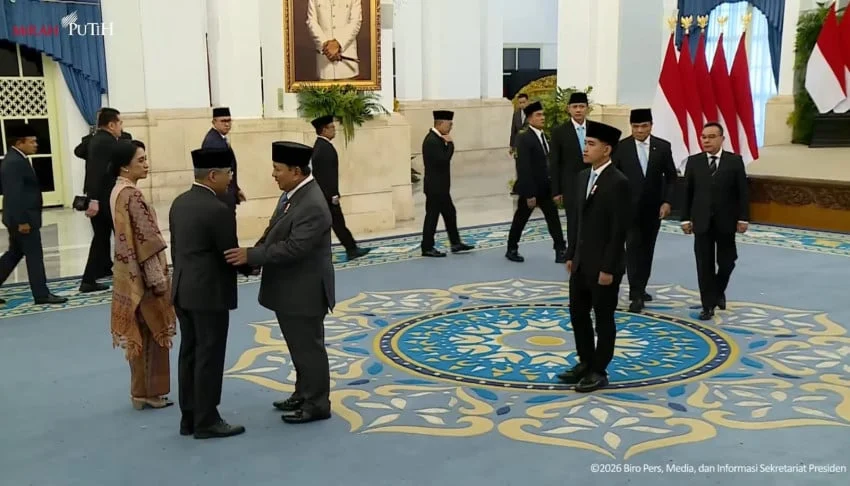
JAKARTA — The political landscape of Indonesia experienced another significant shift as President Prabowo Subianto executed yet another structural adjustment within the executive branch. Suahasil Nazara was officially sworn in as the new Minister of Finance on Monday, September 14, 2026, stepping into the role under high-pressure economic circumstances. This transition marks a critical juncture for the administration’s economic governance, occurring just over a year after the previous finance chief assumed office.

The latest change at the helm of the Ministry of Finance highlights a period of intense administrative agility and continuous evaluation under the current government. Since the official formation and inauguration of the Red and White Cabinet in October 2024, President Prabowo has demonstrated a willingness to frequently adjust his ministerial lineup to align with shifting domestic priorities, macroeconomic challenges, and strategic governance goals.

The High-Profile Departure of Purbaya Yudhi Sadewa

The transition of power within the Ministry of Finance caught both financial markets and political observers by surprise. The former Minister of Finance, Purbaya Yudhi Sadewa, whose tenure began on September 8, 2025, had his term cut short abruptly while he was actively participating in a working meeting at the Regional Representative Council (DPD RI) on Monday, September 14, 2026. The sudden nature of the recall underscored the fast-paced and demanding oversight maintained by the executive leadership over key economic portfolios.

Purbaya had originally stepped into the role following the departure of long-serving technocrat Sri Mulyani Indrawati in September 2025. During his brief tenure, Purbaya focused on navigating complex fiscal policies, managing state revenues, and addressing post-pandemic budgetary constraints. However, mounting pressures regarding national economic performance and fiscal execution ultimately led to a swift executive decision to restructure leadership at the ministry.

Stepping into the vacancy is Suahasil Nazara, a seasoned bureaucrat and economist who previously served as the Deputy Minister of Finance. His promotion to the top cabinet post is viewed by financial analysts as a move toward administrative continuity. Having worked closely within the ministry’s core leadership structure, Nazara possesses an intimate understanding of ongoing fiscal reforms, state budget negotiations with the House of Representatives (DPR), and the intricate mechanisms of national financial planning.

A Chronology of Red and White Cabinet Reshuffles

The departure of Purbaya Yudhi Sadewa and the subsequent elevation of Suahasil Nazara represent the seventh cabinet reshuffle since President Prabowo Subianto took office in October 2024. The frequency of these structural adjustments reflects an administration prioritizing performance, responsiveness, and ideological alignment across all state sectors. Below is the comprehensive timeline of major cabinet realignments that have shaped the Red and White Cabinet.

The First Reshuffle: February 2025

The initial test of cabinet stability occurred on Wednesday, February 19, 2025. President Prabowo executed his first targeted replacement by altering the leadership of the Ministry of Higher Education, Science, and Technology (Mendiktisaintek). Satryo Soemantri Brodjonegoro stepped down from the ministerial post and was succeeded by Brian Yuliarto. This early change signaled the administration’s intent to closely monitor institutional performance in the education and research sectors, which are vital for human capital development.

The Second Reshuffle: September 8, 2025

A major turning point for the Red and White Cabinet occurred on Monday, September 8, 2025, when President Prabowo orchestrated a sweeping overhaul involving four ministerial positions and one high-level vice-ministerial post. This reshuffle aimed to revitalize key economic, social, and religious portfolios.

The prominent changes included the appointment of Purbaya Yudhi Sadewa as Minister of Finance, taking over from Sri Mulyani. In the same decree, Mukhtarudin was installed as the Minister of Migrant Worker Protection and Head of the Indonesian Migrant Worker Protection Agency, replacing Abdul Kadir Karding. Furthermore, Ferry Joko Yuliantono was appointed Minister of Cooperatives, succeeding Budi Arie Setiadi. The religious sector also saw expansion with the establishment and staffing of the Ministry of Haji and Umrah, featuring Mochamad Irfan Yusuf as Minister and Dahnil Anzar Simanjuntak as Vice Minister.

The Third Reshuffle: September 17, 2025

Barely ten days after the substantial September 8 overhaul, a third wave of adjustments took place on September 17, 2025. This round addressed national security and youth affairs, alongside targeted replacements in sub-cabinet leadership.

Djamari Chaniago was brought in as the new Coordinating Minister for Political and Security Affairs (Menko Polkam), taking over the critical security portfolio from Budi Gunawan. Concurrently, Erick Thohir transitioned to lead the Ministry of Youth and Sports, succeeding Dito Ariotedjo.

In addition to the cabinet-level shifts, three vice-ministerial positions were reassigned. Afriansyah Noor took office as the Deputy Minister of Manpower, replacing Immanuel Ebenezer. Rohmat Marzuki was appointed Deputy Minister of Forestry, succeeding Sulaiman Umar. Finally, Farida Farichah assumed the role of Deputy Minister of Cooperatives, stepping in for Ferry Joko Yuliantono, who had been promoted to full minister just weeks prior.

Macroeconomic Implications and Market Reactions

The rapid succession of leadership changes at the Ministry of Finance naturally invites scrutiny from international rating agencies, foreign investors, and domestic economic stakeholders. Financial markets inherently value stability and predictability, particularly regarding fiscal policy, sovereign debt management, and the national budget deficit.

The appointment of Suahasil Nazara, however, has provided a degree of reassurance to the financial sector. Because Nazara is a familiar face to international financial institutions, central bank officials, and market analysts, his ascension minimizes the friction typically associated with sudden ministerial transitions. His academic background in economics and extensive experience within the Ministry of Finance ensure that policy formulation regarding tax reform, state expenditure, and economic stimulus packages will face minimal interruption.

Economic analysts note that the new Finance Minister faces a demanding checklist. Indonesia continues to navigate global economic uncertainties, fluctuating commodity prices, and inflationary pressures. Maintaining fiscal discipline while ensuring adequate funding for the government’s flagship social and infrastructure programs will be Nazara’s primary challenge. Furthermore, coordinating closely with Bank Indonesia to maintain monetary and fiscal synergy remains paramount as the nation targets sustainable economic growth.

Political Context and Governance Dynamics

The frequent reshuffling within the Red and White Cabinet underscores President Prabowo’s hands-on management style. Political observers suggest that the administration is operating with a low tolerance for administrative stagnation, preferring to replace officials immediately if performance metrics or policy execution fall short of expectations.

While frequent cabinet changes can sometimes be interpreted as political instability, in the context of the current administration, they are largely viewed as a mechanism of continuous calibration. President Prabowo has consistently emphasized the need for a "gotong royong" (mutual cooperation) cabinet capable of delivering tangible results to the public rapidly.

The inclusion of experienced technocrats like Suahasil Nazara alongside political appointees reflects a pragmatic balancing act. The government aims to maintain strong political coalition support in the legislature while simultaneously placing competent professionals at the helm of technical ministries that dictate the nation’s financial and economic health.

Outlook for the Ministry of Finance

As Suahasil Nazara assumes his duties as Minister of Finance, all eyes will be on the upcoming fiscal quarters and the execution of the state budget. The ministry must balance ambitious state development agendas with prudent debt management and revenue optimization.

With international markets closely monitoring Indonesia’s fiscal stance, Nazara’s immediate priority will be to project confidence, ensure regulatory transparency, and maintain open communication channels with domestic and global investors. The success of his tenure will ultimately be measured by his ability to safeguard Indonesia’s economic resilience amidst a complex and rapidly evolving global financial landscape.

September 15, 2026 0 comment
0 FacebookTwitterPinterestEmail
Regional News

Tim DVI Dikerahkan Identifikasi Korban KM Virgo Transport 8 Terbalik di Laut Jawa

by Ammar Sabilarrohman September 15, 2026
written by Ammar Sabilarrohman

The waters of the Java Sea near the remote Masalembo islands have once again proven to be a treacherous maritime corridor following the tragic capsizing of the motor vessel KM Virgo Transport 8. The maritime disaster, which occurred on Sunday, September 13, 2026, resulted in at least six confirmed fatalities, sending shockwaves through Indonesia’s national transportation and logistics sectors. In the wake of the tragedy, the Indonesian National Police (Polri) swiftly mobilized its elite Disaster Victim Identification (DVI) units, establishing dedicated crisis posts in major regional hubs to manage the grim and delicate task of identifying the recovered victims and supporting grieving families.

The incident highlights ongoing safety concerns within the archipelago’s domestic shipping industry, prompting coordinated multi-agency responses from search and rescue authorities, police medical divisions, and transportation watchdogs. As search operations continue in the unpredictable currents of the Java Sea, the focus has shifted toward uncovering the root causes of the disaster, determining accountability, and ensuring that every victim is accounted for with dignity and scientific precision.

Chronology of the Disaster in the Java Sea

According to preliminary reports released by maritime authorities, KM Virgo Transport 8 was navigating through the notoriously challenging waters surrounding the Masalembo island chain when disaster struck on Sunday afternoon. The Masalembo area, situated at the crossroads of major shipping lanes in the central Java Sea, is historically recognized by mariners for its extreme weather volatility, strong cross-currents, and rapid meteorological shifts.

While the exact sequence of events leading to the capsizing remains under active investigation by the National Transportation Safety Committee (KNKT) and maritime police, initial indicators suggest that the vessel encountered severe sea conditions characterized by high waves and sudden squalls. The vessel lost stability, ultimately overturning before the crew could issue a comprehensive distress signal or execute a controlled evacuation.

Nearby commercial vessels and local fishermen in the vicinity of the accident site were the first to respond to drifting debris and calls for help, alerting the National Search and Rescue Agency (Basarnas). Rapid deployment vessels from Basarnas, supported by the Indonesian Navy (TNI AL) and marine police units, rushed to the coordinates to conduct search and rescue operations. Despite battling adverse weather and high swells, rescue teams managed to rescue a number of survivors, while recovering six bodies from the sea. The survivors were rushed to the nearest medical facilities for trauma care and evaluation, while the deceased were transported to designated ports for forensic processing.

Mobilization of National Police DVI Operations

In response to the rising death toll and the logistical challenge of repatriating victims to their respective hometowns, the Indonesian National Police activated a comprehensive DVI response. Brigadier General Dr. Sumy Hastry Purwanti, the Head of the Police Medical and Health Center (Biddokkes), formally announced the mobilization of regional DVI teams on Tuesday, September 15, 2026.

Expressing deep condolences on behalf of the national police leadership, Brigadier General Hastry confirmed that specialized DVI command centers had been established in Surabaya, East Java, and Banjarmasin, South Kalimantan. These two strategic locations were chosen due to their proximity to the departure and destination ports of the ill-fated vessel, as well as the home addresses of many passengers and crew members.

"The national police will continuously assist in the search and recovery operations alongside the Indonesian DVI team. DVI personnel are embedded within every regional police headquarters under the direction of the respective Heads of Medical and Health Services. Following the tragic capsizing of KM Virgo Transport 8, all designated members are fully prepared to contribute their expertise," stated Brigadier General Hastry.

The establishment of Post-Mortem and Ante-Mortem posts in Surabaya and Banjarmasin marks a critical phase in the handling of the disaster. Forensic pathologists, odontologists, fingerprint experts, and DNA specialists have been deployed to these facilities to conduct rigorous scientific examinations. These specialized procedures are essential not only for confirming the identities of the deceased with absolute legal certainty but also for ensuring that remains are correctly returned to their families for traditional burial rites.

Collaboration with Families and Forensic Protocols

Tim DVI Dikerahkan Identifikasi Korban KM Virgo Transport 8 Terbalik di Laut Jawa

The success of any DVI operation relies heavily on the collection of accurate ante-mortem data—information gathered from families regarding the physical characteristics of the missing persons before the accident occurred. Brigadier General Hastry issued a direct appeal to the families of the victims, urging them to come forward and cooperate closely with the DVI task force stationed at the crisis posts.

"We strongly urge families to share any pertinent information, ranging from medical and dental records to recent photographs, distinctive physical marks, tattoos, and descriptions of personal belongings or clothing worn at the time of departure. Furthermore, personal effects and property recovered from the victims will serve as invaluable evidentiary markers for our field teams during the identification process," Hastry explained.

The ante-mortem protocol involves gathering DNA buccal swabs from biological relatives to facilitate familial DNA profiling, which is often the definitive method used when visual identification is impossible due to prolonged exposure to water. The DVI teams are working hand in hand with Basarnas and local hospitals to streamline the chain of custody for both biological samples and personal effects, maintaining international standards of disaster victim identification established by Interpol.

Broader Safety Debates and the Question of Vessel Age

Beyond the immediate human tragedy and forensic recovery efforts, the sinking of KM Virgo Transport 8 has reignited a fierce national debate regarding maritime safety regulations, vessel maintenance standards, and fleet modernization in Indonesia. The maritime sector serves as the economic lifeblood of the world’s largest archipelagic nation, connecting thousands of islands through a vast network of passenger and cargo ferries. However, accidents involving domestic vessels continue to pose persistent challenges to regulatory bodies.

In the aftermath of the accident, transportation think tanks and industry experts weighed in on the potential factors contributing to the disaster. Notably, discussions have centered around the structural integrity and operational lifespan of domestic transport ships. The Indonesian Transportation Society (MTI) released an official statement emphasizing that the chronological age of a vessel should not automatically be used as a premature verdict or the sole explanation for maritime accidents.

According to MTI representatives, an older vessel, when subjected to rigorous, scheduled maintenance, rigorous dry-dock inspections, and strict adherence to cargo capacity limits, can remain entirely seaworthy. Conversely, younger vessels can fall victim to catastrophic failures if operational protocols, weather warnings, and maintenance schedules are compromised. This nuanced perspective underscores the complexity of marine accident investigations, which must look beyond surface-level assumptions to evaluate human error, loading practices, regulatory oversight, and meteorological phenomena.

Implications for Indonesian Maritime Transport

The tragedy in the Java Sea serves as a sobering reminder of the inherent risks associated with domestic maritime transit, particularly during transitional weather seasons characterized by unpredictable maritime conditions. The incident is expected to trigger intensified safety audits across regional ports, with particular scrutiny placed on vessels operating along the high-traffic Java-Kalimantan and Java-Sulawesi sea lanes.

Furthermore, the coordinated response between the National Police, Basarnas, and health authorities demonstrates improvements in institutional readiness during mass casualty events. The seamless integration of DVI protocols into maritime disaster management highlights Indonesia’s evolving capacity to handle complex forensic operations across vast geographical distances.

As the investigation progresses, maritime regulators face mounting pressure to enforce stricter adherence to real-time weather advisories issued by the Meteorology, Climatology, and Geophysical Agency (BMKG). Ensuring that commercial vessels heed sailing bans and weather warnings before embarking on trans-archipelagic voyages will be paramount in preventing future tragedies.

For the families of the victims in Surabaya, Banjarmasin, and across the wider maritime community, the coming days will be defined by the solemn closure provided by the DVI teams. As forensic experts complete their painstaking work, the nation mourns those lost aboard KM Virgo Transport 8, while maritime stakeholders reflect on the collective responsibility required to secure Indonesia’s watery highways.

September 15, 2026 0 comment
0 FacebookTwitterPinterestEmail
Politics

Rancangan Undang-Undang Perampasan Aset Tindak Pidana: Menuju Era Baru Pemulihan Kerugian Negara di Indonesia

by Iffa Jayyana September 15, 2026
written by Iffa Jayyana

The pursuit of corruption eradication in Indonesia is entering a pivotal phase as the government and the House of Representatives (DPR) accelerate the deliberation of the Asset Recovery Bill (RUU Perampasan Aset). After more than a decade of legislative stagnation, the mandate to secure the nation’s wealth—not merely punish offenders—has become a cornerstone of the 2026 anti-corruption agenda. With the DPR setting a strict deadline for the bill’s completion by December 2026, the nation stands at a crossroads regarding how it handles the illicit proceeds of white-collar crime.

The Evolution of Asset Recovery in Indonesia

The discourse surrounding the recovery of stolen state assets is not a new phenomenon. The initial concept emerged as early as 2008, driven by the realization that traditional punitive measures, such as imprisonment, often fail to address the primary motivation behind corruption: financial gain.

For years, the legal framework relied heavily on the Criminal Code (KUHP), the Corruption Eradication Law, and the Anti-Money Laundering Law. While these statutes allowed for asset confiscation, they were tethered to the conviction of a suspect. This meant that if a perpetrator passed away, fled the jurisdiction, or successfully obscured the legal trail of their assets, the state faced significant hurdles in reclaiming its losses. The proposed RUU Perampasan Aset aims to bridge these systemic gaps, providing a dedicated legal instrument that prioritizes the return of state capital regardless of the perpetrator’s fate.

Statistical Justification for Legislative Reform

The urgency behind the bill is underscored by the dramatic rise in asset recovery figures. Data from 2025 reveals a significant leap in successful state interventions. The Corruption Eradication Commission (KPK) reported that it successfully recovered assets totaling Rp1.53 trillion throughout 2025, more than doubling the Rp739.6 billion recovered in 2024. When aggregated across all major law enforcement agencies—including the Attorney General’s Office (Kejaksaan Agung), the KPK, and the National Police—the total value of recovered assets in 2025 reached an impressive Rp28.6 trillion.

These figures serve as empirical proof that asset recovery is not merely a supplementary goal but a central pillar of fiscal justice. By formalizing the asset recovery process through the RUU, the government anticipates a more streamlined, efficient mechanism that can reduce the bureaucratic friction currently hindering recovery efforts.

The Core Innovation: Non-Conviction Based Forfeiture

Perhaps the most controversial and transformative element of the RUU Perampasan Aset is the integration of the non-conviction based forfeiture (NCBF) mechanism. In the current judicial system, asset forfeiture is typically conviction-based, requiring a court ruling that declares a defendant guilty of a specific crime before their assets can be seized.

The NCBF approach shifts the focus from the individual to the asset itself. Under specific, clearly defined conditions, the state may pursue the forfeiture of property suspected of being derived from illicit activity without needing to secure a criminal conviction first. While this is a common practice in international jurisdictions—often referred to as in rem jurisdiction—its implementation in Indonesia requires meticulous legal safeguards.

Legal scholars and human rights advocates have expressed concerns regarding the potential for abuse. To mitigate these risks, the current draft of the bill emphasizes stringent requirements for the burden of proof, transparent judicial oversight, and protections for third-party claimants who may possess assets in good faith. The objective is to ensure that the state can move swiftly against "unexplained wealth" while maintaining the integrity of the constitutional right to property.

Alignment with International Commitments

The push for this legislation is also a direct response to Indonesia’s international commitments, specifically the United Nations Convention Against Corruption (UNCAC), which Indonesia ratified via Law Number 7 of 2006. The convention underscores the necessity of international cooperation in tracking and repatriating assets that have been laundered across borders.

By modernizing its domestic law to match international standards, Indonesia is positioning itself to be more effective in transnational investigations. As corruption increasingly involves sophisticated money laundering techniques and offshore accounts, having a robust domestic legal framework for asset seizure becomes a prerequisite for international legal assistance (MLA). Without the RUU Perampasan Aset, Indonesia remains at a disadvantage in requesting that foreign jurisdictions freeze or return assets stolen from the Indonesian treasury.

Official Stances and Legislative Hurdles

The legislative process in 2026 has been marked by a concerted effort from the DPR’s Commission III to reconcile competing interests. There is a general consensus that the bill must not become a "tool of power" that could be weaponized against political opponents. Consequently, the deliberation process is characterized by intense debates over the definitions of "illicit assets" and the thresholds for initiating an NCBF proceeding.

The National Police (Polri), through the newly formed Directorate of Corruption Crimes (Kortastipidkor), has signaled its strong support for the bill. Law enforcement agencies argue that the current legal tools are insufficient to keep pace with the complex financial engineering employed by modern corruptors. By empowering the state to seize assets early in the investigative process, law enforcement can effectively "freeze" the proceeds of crime, preventing them from being dissipated during lengthy trials.

Challenges to Implementation: Transparency and Protection

Despite the widespread support for the bill’s intent, critics and observers have highlighted that the effectiveness of the RUU will ultimately depend on its implementation. Key concerns include:

  1. Judicial Professionalism: The capacity of the judiciary to handle NCBF cases without bias or corruption is paramount.
  2. Protection of Third Parties: Ensuring that individuals or institutions that innocently acquired assets are not unfairly penalized.
  3. Institutional Synergy: Harmonizing the roles of the KPK, the Attorney General, and the Police to avoid overlapping authorities or jurisdictional disputes.

Civil society organizations have urged the government to ensure the process remains transparent. They argue that public participation is vital to prevent the inclusion of "grey area" clauses that could be exploited. The government has responded by promising a series of public consultations to refine the bill before the December 2026 deadline.

Broader Economic and Legal Implications

The successful enactment of the RUU Perampasan Aset could lead to a fundamental shift in the risk-reward calculus of corruption in Indonesia. If the state demonstrates an ability to consistently and efficiently strip corruptors of their illicit wealth—regardless of the legal maneuverings of the criminals—the deterrent effect will be significantly amplified.

Furthermore, the recovery of trillions of rupiah annually provides a tangible boost to the state budget, which can be reallocated toward public infrastructure, education, and healthcare. It transforms the fight against corruption from a purely legalistic endeavor into a tangible economic policy that benefits the broader public.

A Look Ahead: Toward December 2026

The timeline set by the DPR is ambitious. The next several months are expected to involve rigorous debates in the parliament, involving both legislative experts and constitutional law scholars. The goal is to reach a final draft that satisfies the constitutional requirements of due process while providing the executive branch with the "teeth" necessary to combat systemic graft.

As the December 2026 deadline approaches, the focus will remain on the balance between state power and individual rights. The RUU Perampasan Aset represents the most significant attempt yet to modernize Indonesia’s anti-corruption toolkit. If implemented with the necessary checks and balances, it promises to reshape the landscape of law enforcement, ensuring that corruption becomes a "high-risk, low-reward" activity, and that the assets lost to the nation are restored to those to whom they rightfully belong: the citizens of Indonesia.

September 15, 2026 0 comment
0 FacebookTwitterPinterestEmail
Business & Economy

Profile and Trajectory of Suahasil Nazara: From Academic Halls to Leading Indonesia’s Fiscal Policy as the New Minister of Finance

by Asro September 15, 2026
written by Asro

Jakarta faces another high-profile transition within its top economic leadership as structural shifts continue to define the current administration. On September 14, 2026, Suahasil Nazara officially took the oath of office as the new Minister of Finance of the Republic of Indonesia. Appointed under Presidential Decree Number 97P of 2026, Suahasil steps into the role to succeed Purbaya Yudhi Sadewa, marking a significant personnel change in the economic command center under the administration of President Prabowo Subianto.

This appointment brings to the forefront a seasoned fiscal technocrat with deep roots in both macroeconomic academia and structural public policy. Having served extensively as the Deputy Minister of Finance across different administrations, Suahasil’s transition to the top financial post represents continuity mixed with institutional familiarity. As global economic pressures, domestic fiscal targets, and market expectations converge, the newly inaugurated minister assumes stewardship of Southeast Asia’s largest economy at a critical juncture.

A Strong Academic Foundation Rooted in Global and Domestic Institutions

Suahasil Nazara’s journey to the helm of the Ministry of Finance is underpinned by a robust and internationally recognized educational background in economics. Born in Jakarta on November 23, 1970, Suahasil laid the groundwork for his career at Indonesia’s premier institution of higher learning. He enrolled in the Faculty of Economics at the University of Indonesia (UI), where he earned his Bachelor of Economics degree in 1994. This foundational academic training in Jakarta provided him with a localized yet comprehensive understanding of Indonesia’s unique economic landscape, socio-economic disparities, and development challenges.

Seeking to broaden his analytical toolkit and engage with global macroeconomic theories, Suahasil moved to the United States for his postgraduate studies. He attended Cornell University, where he successfully completed a Master of Science program in 1997. This international academic exposure sharpened his expertise in quantitative economic analysis and advanced fiscal frameworks.

Determined to reach the pinnacle of academic qualification, Suahasil continued his doctoral pursuits at the University of Illinois at Urbana-Champaign. In 2003, he was conferred a Doctor of Philosophy (Ph.D.) in Economics. This comprehensive academic trifecta—a bachelor’s degree from UI, a master’s from Cornell, and a doctorate from the University of Illinois—cemented his status as a rigorously trained economist equipped to handle complex national financial architectures.

Transitioning to Academia and Shaping Future Economists

Before stepping into the high-stakes arena of national policymaking, Suahasil dedicated a substantial portion of his professional life to molding the next generation of economists and researchers. He began his tenure as a lecturer at the Faculty of Economics and Business at the University of Indonesia (FEB UI) in 1999.

Within the academic ecosystem of FEB UI, Suahasil quickly ascended through various leadership and administrative roles. He served as the Head of the Graduate Program in Economics from 2004 to 2005, guiding advanced research initiatives and curriculum development. Shortly after, he was appointed Head of the Demographic Institute at FEB UI, serving from 2005 to 2008, where he focused on population dynamics, labor economics, and their broader implications for national growth. His academic leadership culminated in his appointment as Chairman of the Department of Economics from 2009 to 2013. In recognition of his scholarly contributions, research output, and dedication to economic education, the University of Indonesia granted him the prestigious title of Professor of Economics in 2009.

Stepping into the Realm of Fiscal Policy and Bureaucracy

Suahasil’s transition from theoretical academia to practical government policy was a natural progression. His profound understanding of market dynamics and economic modeling caught the attention of policymakers, leading to his deep involvement in public sector reforms.

In 2015, Suahasil entered the bureaucratic machinery of the Ministry of Finance when he was appointed Acting Head of the Fiscal Policy Agency (BKF). Recognizing his strategic vision and administrative competence, the government confirmed him as the definitive Head of the Fiscal Policy Agency a year later, a position he held until 2019. During his tenure at the BKF, Suahasil played a pivotal role in formulating revenue strategies, analyzing macro-fiscal projections, and designing tax policy adjustments. This intensive four-year stint provided him with firsthand experience in navigating the intricate bureaucracy of state finance and equipped him with the institutional memory necessary to manage national budgetary levers.

A Decade of Service as Deputy Minister of Finance

Suahasil’s extensive bureaucratic and academic credentials made him an invaluable asset to successive national administrations. On October 25, 2019, President Joko Widodo appointed Suahasil as the Deputy Minister of Finance in the Advanced Indonesia Cabinet, working alongside long-serving Finance Minister Sri Mulyani Indrawati. In this capacity, he was instrumental in steering the nation’s fiscal response through the unprecedented economic shocks triggered by the global COVID-19 pandemic, guiding fiscal stimulus programs, and managing national economic recovery efforts.

Demonstrating cross-administration trust and recognized competence, Suahasil was retained in his position when President Prabowo Subianto took office. On October 21, 2024, he was officially inaugurated as the Deputy Minister of Finance in the Red and White Cabinet. His continuity as deputy ensured a steady hand during the initial transition phases of the current administration’s economic agenda.

The Third Minister of Finance Under President Prabowo

The appointment on September 14, 2026, marks a watershed moment as Suahasil becomes the third Minister of Finance to serve under President Prabowo Subianto’s administration. The position was initially held by Sri Mulyani Indrawati at the commencement of the administration, followed by Purbaya Yudhi Sadewa, before ultimately landing on Suahasil Nazara.

This transition reflects the dynamic nature of President Prabowo’s cabinet adjustments, aimed at optimizing institutional performance and ensuring that fiscal execution aligns seamlessly with the state’s broader development targets, such as food security, infrastructure continuity, and robust economic growth. Following the handover of duties from Purbaya Yudhi Sadewa, market watchers and economic analysts have expressed optimism regarding Suahasil’s deep familiarity with ongoing fiscal commitments.

Implications, Market Reactions, and Forward-Looking Challenges

Financial markets and economic analysts have closely monitored the leadership shuffle at the Ministry of Finance. Observers have highlighted that one of the primary public relations and policy priorities for the new minister will be ensuring that fiscal policies remain transparent, stable, and easily predictable for domestic and international markets. Predictability in regulatory frameworks, tax structures, and state spending is vital for maintaining investor confidence and stabilizing the rupiah.

Furthermore, Suahasil’s deep institutional background positions him well to manage the structural realignment of Indonesia’s fiscal engine. Economists note that his immediate task involves balancing the ambitious social and developmental programs promised by the administration with strict adherence to fiscal discipline, particularly maintaining the statutory budget deficit limit under 3 percent of Gross Domestic Product (GDP).

As Suahasil Nazara assumes the responsibilities of Minister of Finance, his unique blend of rigorous academic training, decades of teaching experience at the University of Indonesia, and extensive bureaucratic tenure within the Fiscal Policy Agency and the deputy ministerial office provides him with a formidable toolkit. Whether he can successfully navigate the balancing act of fostering aggressive economic growth while preserving fiscal prudence will define his legacy at the pinnacle of Indonesia’s economic governance.

September 15, 2026 0 comment
0 FacebookTwitterPinterestEmail
Politics

United States Officially Acknowledges Deployment of Space-Based Weapons to Counter Global Threats

by Lina Hope September 15, 2026
written by Lina Hope

In a historic and highly consequential shift in military doctrine, the United States has officially confirmed the presence of operational space-based weapons systems within its military arsenal. The disclosure, which marks the first time Washington has openly acknowledged possessing offensive or defensive capabilities positioned in orbit, signals a profound transition in the nature of modern warfare. This admission comes at a time of heightened geopolitical friction, specifically involving competition with near-peer adversaries Russia and China, both of whom have been rapidly expanding their own orbital capabilities.

The revelation was made by Secretary of the Air Force Troy Meink on Monday, September 14, 2026, during his keynote address at the Air, Space & Cyber Conference in National Harbor, Maryland. The event, hosted by the Air & Space Forces Association, serves as a primary venue for military leadership to discuss the strategic trajectory of the United States Space Force. Meink’s confirmation effectively ends years of speculation regarding the nature of the “Golden Dome” defense initiative and other classified programs that have remained under intense scrutiny by global intelligence agencies.

The Strategic Shift: From Deterrence to Orbital Dominance

During his address, Secretary Meink framed the deployment as a necessary evolution in national security. "Today, we continue to ensure our readiness in the face of evolving threats, regardless of where those threats reside," Meink stated. He explicitly confirmed that the United States Space Force has successfully deployed space-control weapons that are currently operational in orbit. According to Meink, these systems are designed to protect joint forces from hostile actions initiated by adversaries.

While the Secretary declined to provide granular technical details, citing the need to maintain operational security and a "highly deliberate" communication strategy, the implications of his statement are far-reaching. The primary function of these systems, as alluded to by military experts and leaked intelligence, is to maintain space superiority—a concept that has moved from theoretical doctrine to an active, physical requirement of the United States military. By positioning assets in orbit, the U.S. is signaling that it no longer views space as a sanctuary, but as a contested theater of operations where the laws of conventional conflict now apply.

Chronology of Militarization in Space

The path to this moment has been paved by decades of technological development and shifting international norms. The following timeline outlines the key milestones that led to the 2026 acknowledgment:

  • 1967: The Outer Space Treaty is signed, prohibiting the placement of weapons of mass destruction in orbit. While it restricts nuclear weapons, it remains ambiguous regarding conventional space-based weaponry.
  • 2019: The United States officially establishes the Space Force as the sixth branch of the U.S. Armed Forces, signaling a major organizational pivot toward orbital dominance.
  • 2023–2024: Multiple intelligence reports surface suggesting that both Russia and China are testing co-orbital interceptors and satellite-jamming technologies, prompting a shift in U.S. procurement strategies.
  • 2025: The "Golden Dome" initiative is introduced at the White House by President Donald Trump, initially described as a comprehensive shield for U.S. assets.
  • September 2026: Secretary Troy Meink officially confirms the operational status of space-based weapons, ending the era of plausible deniability.

Technical Capabilities and Tactical Implications

Although the Pentagon has been reticent to disclose the exact nature of these weapons, defense analysts and sources within the Washington establishment have provided some clarity. According to reports from The Washington Post, the capabilities mentioned by Meink are believed to be "non-kinetic" and "kinetic" space-control systems.

These technologies are capable of "neutralizing" or disabling the functionality of an adversary’s satellite. This could include electronic warfare suites that jam communication frequencies, laser-based systems that blind optical sensors, or even proximity-based maneuverable platforms capable of physically disabling a target satellite. The necessity for such systems stems from the fact that modern military operations—including precision-guided munitions, troop communications, and global logistics—rely heavily on the Global Positioning System (GPS) and orbital reconnaissance.

If an adversary were to target the U.S. satellite constellation, the ability to respond in kind or preemptively neutralize that threat is now considered a vital pillar of the U.S. national defense strategy.

The Geopolitical Landscape and Global Reactions

The acknowledgment has sent shockwaves through international diplomatic circles. The move is expected to accelerate the "space race" between the world’s superpowers. China’s Foreign Ministry has frequently criticized the United States for "weaponizing space," and this official admission will likely provide further fodder for Beijing to justify its own military space programs.

Russia, similarly, has long maintained that the deployment of any defensive or offensive systems in space constitutes a direct violation of the spirit of international treaties. However, the U.S. position, as articulated by the Department of Defense, is that the current international framework is outdated and does not account for the rapid advancement of anti-satellite (ASAT) capabilities.

"It is critical for us to maintain dominance, not only in the air but also in space," Meink remarked during a follow-up Q&A session. This sentiment reflects the prevailing view in Washington that the United States cannot afford to be the only power adhering to a doctrine of restraint while competitors actively build offensive capabilities.

Economic and Strategic Impact

The financial commitment required to maintain a persistent presence of offensive weapons in orbit is substantial. The development of the "Golden Dome" system alone has accounted for a significant portion of the defense budget increase over the last two fiscal years. This investment represents not just the cost of hardware, but also the massive infrastructure of ground stations, cyber-security layers, and specialized personnel training required to manage these assets.

Beyond the cost, the strategic implications include:

  1. Increased Risk of Accidental Escalation: With weapons actively orbiting the planet, the margin for error is near zero. A malfunctioning satellite or an misinterpreted maneuver could potentially trigger an unwanted kinetic confrontation.
  2. Pressure on Space Norms: International organizations, including the United Nations Office for Outer Space Affairs (UNOOSA), face renewed pressure to establish binding rules of the road for space operations. The current lack of a "Space Traffic Control" or a formal treaty governing space weapons creates a dangerous vacuum.
  3. The Shift in Intelligence Gathering: The ability to blind or disable surveillance satellites fundamentally alters how nations conduct military intelligence. If satellites are no longer immune from attack, nations may return to older, ground-based or aerial reconnaissance methods, or accelerate the development of "swarm" satellite constellations that are harder to target.

Conclusion: A New Frontier of Conflict

As the world processes this historic admission, it is clear that the final frontier has become the next front line. The United States’ acknowledgment that it possesses and operates weapons in orbit marks the end of an era of relative peace in space. Whether this deployment serves as a deterrent that keeps the peace or an accelerant that leads to the first major conflict in space remains to be seen.

What is certain is that the global balance of power has shifted. As space-based assets become increasingly integrated into the daily functioning of global economies and military operations, the protection—and the ability to contest—those assets will define the geopolitical stability of the 21st century. The Pentagon’s move is a clear signal that the United States intends to remain the preeminent power in this new, high-altitude theater, regardless of the diplomatic or strategic costs.

As the international community awaits further details, the focus will likely turn to the upcoming summit on space security, where the major powers will be forced to address the reality of a militarized orbit. The era of space being solely a domain for exploration and communication is over; it is now a domain of hard power, where the security of nations rests on their ability to command the heights of the cosmos.

September 15, 2026 0 comment
0 FacebookTwitterPinterestEmail
Business & Economy

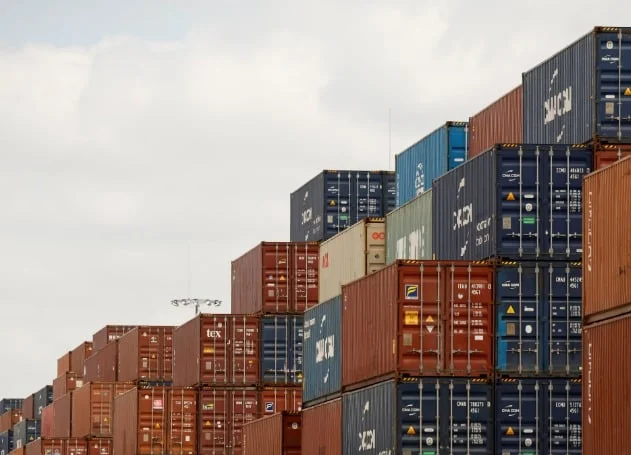
WTO warns global trade is at a critical juncture as fragmentation threatens economic stability.

by Neng Nana September 15, 2026
written by Neng Nana

The World Trade Organization (WTO) has issued a stark warning, signaling that the international trading system is approaching a precarious tipping point. In its latest annual assessment, the Geneva-based body emphasized that the current framework of global commerce is struggling to adapt to a rapidly shifting geopolitical and economic landscape. Unless member nations commit to urgent, comprehensive reforms, the world risks sliding into a state of deep fragmentation—a scenario that economists warn could trigger a significant contraction in global output and disproportionately harm the world’s most vulnerable economies.

The Anatomy of the Current Crisis

Chief Economist at the WTO, Rob Staiger, has underscored that the postwar multilateral trading system is under unprecedented stress. According to the organization, the primary drivers of this instability include a fundamental shift in the distribution of economic power, a surge in state-led industrial interventions, the rapid digitalization of cross-border services, and an escalation in political friction between major global powers.

The era of hyper-globalization, which characterized the late 20th and early 21st centuries, is being replaced by a more fragmented order. This transition is marked by the proliferation of regional trade blocs, the return of protectionist industrial policies, and the use of trade as a tool of geopolitical leverage. For decades, the WTO served as the primary arbiter of international trade disputes and the architect of tariff reductions. However, as trade becomes increasingly intertwined with national security concerns, the institution’s ability to enforce rules and mediate conflicts has been severely hampered.

Staiger noted that the failure to update the rulebook is not merely an academic concern but a functional crisis. "The rules are under pressure, and it is having real-world consequences. If the multilateral global system collapses, our projections indicate that the costs will be severe, potentially leading to a permanent reduction in global GDP and a reversal of the poverty reduction gains achieved over the last thirty years," Staiger stated in recent comments reported by Reuters.

Chronology of Growing Instability

The current climate of trade uncertainty did not emerge in a vacuum. It is the culmination of several years of escalating tensions that have eroded the consensus-based approach to international commerce.

  • 2018–2019: The onset of the U.S.-China trade war marked a departure from the norms of the WTO. The imposition of massive tariffs on goods ranging from steel to consumer electronics signaled a pivot toward protectionism.
  • 2020–2021: The COVID-19 pandemic exposed the fragility of global supply chains. Governments across the globe began prioritizing "reshoring" or "friend-shoring," moving away from the efficiency-first model of global trade in favor of domestic supply security.
  • 2022–2023: The conflict in Ukraine further disrupted energy and food markets, leading to widespread export restrictions and further complicating the WTO’s mission to ensure open and transparent trade.
  • 2024–2026: The current period has seen a surge in industrial subsidies, with major economies implementing large-scale green energy transition incentives that often favor domestic production, triggering retaliatory tariffs and complaints from trading partners.

The Data Behind the Warning

The WTO’s concerns are backed by data indicating a cooling in trade growth. While trade volume continues to increase, it is doing so at a slower rate than global economic growth—a phenomenon known as "slowbalization." Furthermore, the composition of trade is shifting. The rise of digital trade has outpaced physical goods, yet the regulatory framework for data flows, digital services, and artificial intelligence in trade remains largely unharmonized.

A critical point of concern is the impact of protectionist measures on emerging markets. Recent data suggests that trade-restrictive measures have reached record levels. For instance, the recent imposition of high tariffs on Asian-manufactured solar components by the United States—with some levies reaching as high as 173%—highlights how industrial policy in developed nations can inadvertently stifle development in emerging markets that rely on export-led growth. Such measures create a domino effect, as countries feel compelled to retaliate, leading to a "race to the bottom" in terms of tariff wars.

The Risk of Fragmentation

Fragmentation poses the most significant threat to the global economy since the 1930s. According to IMF and WTO collaborative research, if the global economy were to split into two competing blocs—one centered around the U.S. and Europe, and another around China and its partners—the loss to global GDP could range from 2% to 7% in the long term.

This fragmentation is not just about tariffs. It involves a "spaghetti bowl" of overlapping and sometimes contradictory regional trade agreements, divergent technical standards, and sanctions regimes that make it increasingly difficult for multinational corporations to navigate global operations. For developing nations, the danger is twofold: they lose access to traditional export markets and find themselves forced to choose sides in a geopolitical competition, which limits their ability to leverage trade for economic modernization.

Official Responses and Institutional Challenges

The WTO’s leadership has been vocal in calling for a "re-globalization" effort rather than a retreat from international trade. Director-General Ngozi Okonjo-Iweala has consistently argued that the solution is not to abandon the WTO but to modernize it. Key areas for reform include:

  1. Dispute Settlement Reform: The WTO’s Appellate Body has been largely paralyzed due to the inability to appoint new members, rendering the final stage of dispute resolution non-functional.
  2. Transparency and Notification: Member states are increasingly failing to notify the WTO of new trade policies, leading to an information vacuum that breeds suspicion and retaliatory measures.
  3. Modernizing Rulemaking: Developing new rules for digital trade, environmental sustainability, and the role of state-owned enterprises is essential to keep the organization relevant.

However, the political will for such reform remains elusive. Many member nations argue that the WTO’s existing rules are outdated and fail to address the realities of modern state-led capitalism. The challenge for the WTO is to prove that a multilateral system is more beneficial than a series of bilateral "minilateral" deals.

Implications for the Global Economy

The economic implications of this crisis are far-reaching. As businesses face higher uncertainty, capital expenditure is likely to remain subdued. Investors tend to avoid markets where the "rules of the game" are subject to sudden, unilateral change. This, in turn, slows the diffusion of technology and innovation, which are the primary engines of long-term economic growth.

Moreover, the poorest nations are the most vulnerable to the erosion of the multilateral system. Without the protection of a rules-based system, smaller economies have little leverage in negotiations with economic superpowers. The WTO’s warning serves as a reminder that the stability of the global economic order is a public good; once it is lost, the cost of rebuilding it is significantly higher than the cost of maintaining and reforming it.

Path Forward: Reform or Irrelevance

The WTO is currently at a juncture where it must decide between maintaining the status quo—which is increasingly viewed as ineffective—and undertaking a structural transformation. For the international community, the path forward requires a renewed commitment to transparency and a recognition that trade policy is intrinsically linked to broader geopolitical stability.

As the WTO prepares for its upcoming ministerial meetings, the focus is expected to remain on how to integrate the disparate pieces of the current trade puzzle. Whether the organization can successfully navigate these challenges will determine the trajectory of the global economy for the next decade. The warning from Geneva is clear: trade is not just about the exchange of goods and services; it is the infrastructure upon which modern international relations are built. If that infrastructure is allowed to crumble under the weight of fragmentation, the global economic landscape will become increasingly unpredictable, inefficient, and divided.

The task ahead is immense, requiring a level of cooperation that has been absent in recent years. However, the WTO’s recent assessment suggests that the cost of inaction has now reached a level where stakeholders can no longer afford to ignore the structural rot within the global trading system. The coming years will likely be defined by whether the world chooses to return to the path of integration or continues down the road of fragmentation, with the latter promising a future of diminished prosperity and increased global volatility.

September 15, 2026 0 comment
0 FacebookTwitterPinterestEmail
Business & Economy

IHSG Closes Sharply Lower in the Red Zone Amid Broader Market Pressures on Tuesday

by Dwi Wanna September 15, 2026
written by Dwi Wanna

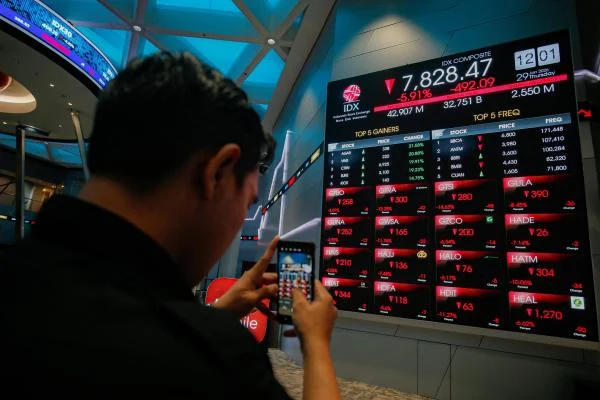
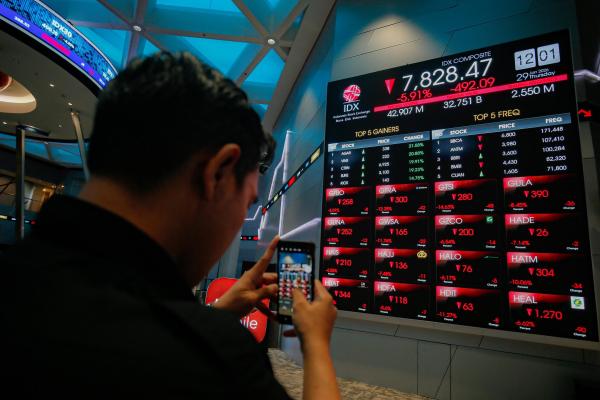
The Jakarta Composite Index (Indeks Harga Saham Gabungan or IHSG) experienced a significant downturn during the final trading session on Tuesday, September 15, 2026, settling firmly in negative territory. Market sentiment remained fragile as selling pressure intensified across multiple major sectors, dragging the benchmark index down by 73.54 points, or 1.13 percent, to close at 6,461. This latest market movement reflects ongoing volatility within the domestic financial landscape, compounded by cautious investor sentiment and broader macroeconomic headwinds influencing both equity and currency markets across Indonesia.

Market Turnover and Trading Activity Overview

During Tuesday’s trading session, market participation remained active despite the downward trajectory of the index. A total of 25.5 billion shares changed hands across the Indonesia Stock Exchange (IDX), generating a substantial total transaction value of Rp12.6 trillion. Market breadth indicated a remarkably balanced yet cautious struggle between buyers and sellers, with 330 stocks managing to post gains, while 332 stocks suffered declines, and 301 stocks remained stagnant at their previous closing prices.

332 Saham di Zona Merah, IHSG Hari Ini Ditutup Melemah ke 6.461

Major subsidiary indices mirrored the broader market’s bearish sentiment. The LQ45 index, which tracks the 45 most liquid stocks on the exchange, fell by 1.25 percent to close at 650. Similarly, the Jakarta Islamic Index (JII) declined by 0.41 percent to finish at 395. The IDX30 index dropped 1.32 percent to 361, while the MNC36 index recorded a loss of 1.20 percent, ending the session at 283.

Sectoral Performance: Broad-Based Declines

The downward pressure on Tuesday was distributed across a vast majority of the IDX sectoral indices. Out of the primary sectors, eight closed in the red zone, while only three managed to buck the trend by staying afloat in positive territory.

The sectors that suffered the heaviest losses and weighed down the IHSG included energy, non-cyclical consumer goods, financials, property, basic materials, transportation, industrial goods, and technology. The contraction in the financial and technology sectors was particularly notable, as these heavily weighted segments often dictate the broader direction of the main composite index.

332 Saham di Zona Merah, IHSG Hari Ini Ditutup Melemah ke 6.461

Conversely, pockets of resilience emerged within the consumer cyclical, infrastructure, and healthcare sectors. These three segments managed to register modest gains, offering limited relief to investors holding sector-specific portfolios amidst an otherwise gloomy market backdrop.

Top Gainers and Losers of the Day

Individual stock movements presented distinct highlights on both ends of the performance spectrum. Leading the top gainers list was PT Danasupra Erapacific Tbk (DEFI), which surged by an impressive 34.95 percent to close at Rp139 per share. It was followed closely by PT Communication Cable Systems Indonesia Tbk (CCSI), which climbed 24.86 percent to finish at Rp442, and PT Voksel Electric Tbk (VOKS), which recorded a 24.62 percent jump to close at Rp324.

On the flip side, the top losers category was heavily populated by exchange-traded funds (ETFs) and select equities facing severe profit-taking or liquidation pressures. The Pinnacle Core High Dividend ETF suffered the steepest decline among major instruments, tumbling 14.94 percent to Rp655. PT Satria Antaran Prima Tbk (SAPX) followed closely, dropping 14.85 percent to Rp430, while the Batavia SRI-KEHATI ETF Index experienced a comparable loss of 14.84 percent, ending the day at Rp482.

332 Saham di Zona Merah, IHSG Hari Ini Ditutup Melemah ke 6.461

Macroeconomic Context and Currency Pressures

The bearish sentiment in the equity market did not occur in a vacuum; it coincided with continued weakness in the domestic currency. On the same day, the Indonesian rupiah remained under sustained pressure, closing weaker against the United States dollar at Rp17,694 per USD. The simultaneous pullback in both the IHSG and the rupiah highlights a challenging macroeconomic environment for Indonesian financial assets. Foreign exchange volatility and shifting global interest rate expectations continue to prompt foreign capital outflows, exerting downward momentum on local equities.

Furthermore, market participants have been closely monitoring recent domestic fiscal and political developments. The market continues to absorb structural shifts within the economic governance team, including the recent transition in the Ministry of Finance, which has kept institutional and retail investors in a cautious holding pattern as they evaluate future policy directions, budget allocations, and economic growth forecasts for the remainder of the fiscal year.

Broader Implications for Investors and Analysts

332 Saham di Zona Merah, IHSG Hari Ini Ditutup Melemah ke 6.461

Market analysts suggest that the current technical correction in the IHSG points toward a phase of consolidation. With the index slipping below key psychological thresholds, short-term volatility is expected to persist as traders navigate external global economic indicators and domestic currency fluctuations.

For institutional and retail investors alike, the prevailing market conditions necessitate a defensive investment strategy. Diversification into resilient sectors—such as healthcare and infrastructure, which demonstrated relative strength during Tuesday’s session—may offer a buffer against ongoing equities turbulence. Meanwhile, market watchers will remain vigilant for any monetary policy adjustments by Bank Indonesia or intervention measures aimed at stabilizing the rupiah, which could subsequently restore confidence and attract renewed capital inflows back into the Indonesian capital market.

September 15, 2026 0 comment
0 FacebookTwitterPinterestEmail
Business & Economy

Navigating the Electric Shift: Indonesia’s Strategic Push Toward Sustainable Mobility and the Evolving EV Landscape

by Pevita Pearce September 15, 2026
written by Pevita Pearce

The global transition toward renewable energy and the urgent mandate to mitigate carbon emissions have catalyzed a seismic shift in the automotive industry, placing electric vehicles (EVs) at the forefront of Indonesia’s economic and environmental agenda. As the nation seeks to leverage its vast nickel reserves and burgeoning manufacturing capacity, the adoption of EVs has transitioned from a niche pursuit to a national strategic priority. During the latest episode of AutoBizz on CNBC Indonesia, aired on July 31, 2026, industry leaders and market experts convened to dissect the infrastructure, consumer psychology, and economic incentives currently shaping the archipelago’s path toward electrification.

The Pillars of EV Adoption: Infrastructure and Ecosystem Integration

For the average Indonesian consumer, the decision to pivot from internal combustion engine (ICE) vehicles to electric alternatives is not merely an environmental choice but a logistical and financial calculation. Antonio Zara, CEO of VinFast Southeast Asia, emphasizes that market penetration is fundamentally tethered to the robustness of the supporting ecosystem. According to Zara, the "range anxiety" often cited by prospective buyers is effectively neutralized only when charging infrastructure becomes ubiquitous—not just in public spaces, but within the domestic sphere.

The accessibility of home-charging solutions, coupled with a dense network of Stasiun Pengisian Kendaraan Listrik (SPKLU), serves as the primary benchmark for consumer confidence. VinFast, as a newcomer aggressively expanding its footprint in Southeast Asia, identifies that hardware availability is only half the battle. The other half lies in the seamless integration of charging technology into the daily routines of urban commuters. As Indonesia urbanizes, the integration of smart-grid technology and residential charging ports is becoming a non-negotiable requirement for real estate developers and municipal planners alike.

The Battery Dilemma: Consumer Concerns and Technological Trust

While infrastructure remains a critical barrier, the core of the EV value proposition—and arguably its most significant point of friction—is the battery. Bebin Djuana, a prominent automotive observer, notes that Indonesian consumers are increasingly sophisticated in their evaluation of EV components. The battery is no longer viewed as a black box; rather, it is scrutinized for its longevity, replacement cost, and degradation rate.

"The Indonesian market is highly pragmatic," Djuana explains. "Before committing to a high-ticket electric vehicle, consumers are intensely focused on the lifecycle of the battery. They want to know the warranty terms, the technological lifespan, and the secondary market value of the vehicle once the battery’s peak efficiency begins to wane."

This scrutiny has forced manufacturers to innovate not only in chemistry—moving toward Lithium Iron Phosphate (LFP) or Nickel Manganese Cobalt (NMC) variants—but also in service models. Battery leasing programs and comprehensive long-term warranties are emerging as the industry standard to mitigate the perceived risk of ownership. Manufacturers that provide transparent, localized support for battery maintenance are consistently outperforming those that rely on centralized, imported service models.

Chronology of Indonesia’s Electrification Roadmap

The current momentum is the culmination of years of targeted regulatory frameworks. The journey began in earnest with Presidential Regulation (Perpres) No. 55 of 2019, which laid the foundation for the Battery-Based Electric Motor Vehicle (KBLBB) program.

  • 2019: The issuance of Perpres 55/2019 signaled the government’s intent to position Indonesia as a global hub for EV battery production, leveraging domestic nickel resources.
  • 2021-2022: The government introduced fiscal incentives, including luxury tax exemptions and import duty reductions, to lower the barrier to entry for early adopters.
  • 2023: The Ministry of Industry launched a subsidy program for two-wheeled electric vehicles, aimed at mass-market adoption in the country’s most popular vehicle segment.
  • 2024-2025: Increased foreign direct investment (FDI) from global players—including BYD, Hyundai, and VinFast—saw the establishment of localized assembly plants, reducing the reliance on imported completely built-up (CBU) units.
  • 2026 (Present): The focus has shifted from initial market entry to infrastructure scalability and the development of a secondary battery recycling industry.

Economic Incentives and the Role of Fiscal Stimulus

The transition to EVs is heavily subsidized by fiscal policy designed to equalize the price gap between ICE and electric models. Government-backed stimulus packages, including tax holidays for manufacturers and value-added tax (VAT) incentives for consumers, have played a vital role in stimulating demand.

However, Bebin Djuana points out that fiscal incentives are only a "bridge" to mass adoption. "While incentives provide the initial spark, long-term sustainability depends on the competitive pricing of vehicles. Manufacturers must balance aggressive marketing strategies with the inherent cost of high-technology components. We are seeing a healthy competition where brands are using financing options and loyalty programs to lower the total cost of ownership (TCO) for the average consumer."

Data from the Indonesian Automotive Industry Association (GAIKINDO) suggests that EV sales have seen a consistent year-on-year growth trajectory. While the market share of EVs remains in the single digits compared to total vehicle sales, the growth rate is exponential, particularly in the premium and fleet-operator segments.

Broader Implications for the Indonesian Economy

The transition to an electric fleet has implications that extend far beyond the automotive sector. By prioritizing EVs, Indonesia is effectively attempting to decouple its energy sector from volatile global fossil fuel prices. Furthermore, the push for local battery production—facilitated by state-owned enterprises like Indonesia Battery Corporation (IBC)—aims to integrate the nation into the global EV supply chain at the highest value-added level.

There are, however, significant challenges. The electrical grid in many parts of the country requires substantial upgrades to handle the concurrent demand of mass EV charging. Additionally, the development of a circular economy—specifically the ability to recycle lithium-ion batteries—remains a nascent industry that requires significant investment in research and development.

Analysis: Future Outlook and Strategic Challenges

As the market matures, the competition between legacy manufacturers and EV-native brands will likely intensify. The "winner" in the Indonesian market will be the entity that can solve the "Trilemma" of EV ownership: affordable pricing, accessible charging, and reliable long-term battery support.

From an analytical perspective, the Indonesian government’s strategy of using domestic resources as leverage to attract manufacturing FDI is a high-stakes, high-reward approach. By requiring companies to commit to local content requirements (TKDN), the government is ensuring that the transition to green energy also serves as a catalyst for industrial modernization.

The dialogue between Antonio Zara and Bebin Djuana highlights a consensus: the appetite for electric vehicles in Indonesia is genuine and growing, but it is not unconditional. Consumers are becoming more discerning, and the infrastructure is being tested against the realities of a developing nation. The next five years will be critical in determining whether Indonesia can successfully transition its transportation sector, transforming from a consumer of imported technology to a producer and innovator in the global electric mobility space.

In conclusion, while the path toward a fully electrified transport network is fraught with logistical and economic hurdles, the convergence of government will, private sector investment, and a shifting consumer mindset provides a compelling foundation for the future. As Indonesia navigates this transition, the focus will inevitably shift from "why switch?" to "how can we make the switch easier for everyone?" The answers to that question will define the nation’s economic and environmental landscape for the decades to come.

September 15, 2026 0 comment
0 FacebookTwitterPinterestEmail
Technology

Ten Essential Factors to Consider Before Purchasing the iPhone 18 Pro and Pro Max in Indonesia

by Siti Muinah September 15, 2026
written by Siti Muinah

Apple Inc. officially unveiled its highly anticipated flagship smartphone lineup, the iPhone 18 Pro and iPhone 18 Pro Max, during a special media event broadcast globally from Apple Park in Cupertino, California, on September 9, 2026. The introduction of these next-generation high-end devices immediately captured the attention of the global tech community, primarily due to groundbreaking hardware innovations, including a revolutionary variable aperture camera system, a cutting-edge 2-nanometer A20 Pro chip, and unprecedented leaps in energy efficiency and computational photography.

Following the global announcement, Apple scheduled pre-orders to commence on September 12, 2026, with the official first-wave retail launch slated for September 18 across key international markets. However, notable omissions in the initial launch phase have left consumers in Southeast Asia’s largest economy waiting. Indonesia was conspicuously absent from the first wave of releases, echoing historical trends where local regulatory approvals and telecommunications certification processes dictate a staggered timeline for domestic availability.

For prospective buyers across the archipelago, navigating the impending launch requires careful strategic planning. Industry analysts and consumer advocates advise a measured approach before committing funds to Apple’s latest hardware. To help consumers make informed decisions, market researchers and retail specialists have outlined ten critical factors to evaluate before purchasing the iPhone 18 Pro or iPhone 18 Pro Max once they officially land in Indonesia.

1. Differentiating Between the iPhone 18 Pro and iPhone 18 Pro Max

The foundational decision for any prospective buyer lies in choosing between the two form factors: the standard Pro and the larger Pro Max variant. Both models share identical internal architectures, boasting the exact same high-performance processing chips, graphics engines, and core camera technology. The fundamental divergences are limited to physical dimensions, display screen real estate, and battery endurance.

The iPhone 18 Pro features a compact 6.3-inch OLED display, tailored for users who prefer single-handed operation and a pocket-friendly footprint. Conversely, the iPhone 18 Pro Max scales up to a sprawling 6.9-inch display, appealing to media consumers and mobile professionals who demand maximum viewing space. This physical scale directly translates to longevity; Apple’s official specifications indicate that the iPhone 18 Pro supports up to 34 hours of continuous video playback, whereas the larger Pro Max battery extends this capability to an impressive 43 hours. Consequently, buyers must weigh daily portability against sustained off-grid endurance.

2. Navigating Currency Fluctuations and Projected Pricing Structures

Pricing remains a primary friction point for international consumers, particularly in markets subject to import tariffs, value-added taxes, and currency exchange volatility. In the United States, baseline pricing begins at $1,199 for the iPhone 18 Pro and $1,299 for the iPhone 18 Pro Max. At current exchange rates, these baseline figures roughly translate to Rp21.1 million and Rp22.9 million, respectively.

However, financial experts emphasize that direct currency conversions are fundamentally misleading. Official retail prices within Indonesia traditionally incorporate localized import duties, luxury goods taxes, logistics overhead, and authorized distributor margins. Historical precedent suggests that final retail figures set by authorized resellers in Jakarta and other major Indonesian metropolitan areas will likely exceed direct US conversions. Consumers are strongly advised to budget beyond the baseline US retail figures to avoid unexpected financial strain upon domestic release.

3. The Technological Leap in Camera Capabilities

For mobile photographers, content creators, and digital artists, the camera suite serves as the most compelling justification for an upgrade. Apple has transitioned its Pro lineup to a sophisticated 48-megapixel Fusion primary camera system, introducing a mechanical variable aperture to the iPhone ecosystem for the very first time.

This mechanical innovation grants users physical control over light intake, directly manipulating depth of field without relying entirely on computational software blurring. Furthermore, Apple has integrated advanced manual override features into the native camera application, including precise shutter speed adjustments, granular white balance calibration, and real-time histogram monitoring. This evolution shifts the focus from raw pixel counts to professional-grade optical versatility, making the device a viable tool for independent filmmakers and mobile journalists operating in the field.

4. Evaluating Real-World Utility of the A20 Pro Processor

Under the hood, both the iPhone 18 Pro and Pro Max are driven by the new A20 Pro system-on-chip, manufactured using an advanced 2-nanometer semiconductor process node. The silicon architecture features a 6-core central processing unit, a 7-core graphics processing unit, and a dual 16-core Neural Engine designed to accelerate on-device artificial intelligence workloads and complex machine learning tasks.

To sustain peak performance under heavy loads, Apple has incorporated a significantly enlarged vapor chamber thermal management system. Despite these impressive technological metrics, technology analysts recommend a pragmatic assessment of personal usage habits. Consumers whose daily workflows are limited to messaging, social media browsing, web navigation, and casual streaming will likely exhaust only a fraction of the A20 Pro’s potential. Conversely, power users engaged in 4K video editing, heavy 3D gaming, or local AI processing will immediately benefit from the thermal stability and computational speed.

5. Strategic Selection of Internal Storage Capacity

Apple continues to offer a tiered storage lineup for the iPhone 18 Pro series, spanning capacities of 256 GB, 512 GB, 1 TB, and a massive 2 TB ceiling. While the allure of maximum storage is undeniable, the corresponding price escalations require deliberate financial calculation.

For average users who primarily rely on cloud storage services, streaming platforms, and standard messaging applications, the entry-level 256 GB configuration provides ample headroom. On the other hand, professional creators who routinely capture Apple ProRes video, store extensive offline media libraries, or handle large raw photo files should carefully evaluate the higher tiers. Purchasing a 1 TB or 2 TB variant purely for prestige, without a concrete data storage requirement, represents an unnecessary capital expenditure.

6. Understanding the Staggered International Release Timeline

A crucial reality for Indonesian consumers is the country’s exclusion from Apple’s initial distribution rollout. While regional neighbors such as Malaysia, Singapore, and Vietnam secured first-wave allocation with retail availability beginning September 18, 2026, Indonesia’s domestic launch schedule remains unconfirmed by official corporate channels.

Historically, the delay between global announcements and authorized domestic distribution spans several weeks or even months, pending the completion of domestic telecommunications certification (TKDN requirements) and bureaucratic clearance. Industry observers caution buyers against relying on unverified gray-market imports or black-market channels, recommending instead that consumers monitor official announcements from Apple Authorized Resellers within the country.

7. Assessing the Necessity of an Immediate Upgrade

The debut of a flagship smartphone generation predictably triggers a wave of consumer desire, often fueled by aggressive marketing campaigns and tech media enthusiasm. However, financial advisors and consumer psychologists advocate for a critical assessment of utility before replacing existing hardware.

Consumers whose current devices—whether an iPhone 15, 16, or earlier generation—continue to perform daily tasks reliably, maintain adequate battery health, and support essential software updates face no urgent necessity to transition. Because the technological leaps in the iPhone 18 Pro are heavily concentrated in specific areas such as the variable aperture optics, thermal processing, and advanced AI execution, everyday utility for casual operators may not justify the considerable financial outlay.

8. Prioritizing Authorized Channels and Warranty Security

When the iPhone 18 Pro series eventually clears regulatory hurdles and officially debuts in Indonesia, selecting the correct purchasing channel will be paramount. Securing devices through authorized distributors guarantees full access to official local warranties, authentic replacement parts, and reliable after-sales customer service.

Purchasing devices through unofficial grey-market channels to bypass domestic delays frequently exposes buyers to severe risks, including voided manufacturer warranties, incompatible regional hardware configurations, and a lack of recourse should hardware failures occur. Long-term device ownership relies heavily on robust domestic support infrastructure, making patience a financially safer strategy than pursuing early gray-market acquisition.

9. Clarifying the Nomenclature: The Absence of a Standard iPhone 18

Market confusion frequently arises during annual product cycles regarding the specific models introduced by manufacturers. It is essential for buyers to note that Apple’s September 2026 event focused exclusively on the premium tier, debuting the iPhone 18 Pro and iPhone 18 Pro Max.

Apple has historically separated its product timelines, with baseline non-Pro models and alternative form factors traditionally slated for subsequent release cycles, projected by industry analysts to arrive in 2027. Consequently, discussions surrounding the "new iPhone 18" currently refer entirely to the high-end Pro iterations, and consumers waiting for a standard, more affordably priced base model must exercise extended patience.

10. Aligning Technical Specifications with Personal Lifestyles

Ultimately, the decision to invest in the iPhone 18 Pro or iPhone 18 Pro Max must be anchored in personal utility rather than technological novelty. The inclusion of a variable aperture lens, a 2-nanometer processor, enhanced neural processing units, and extended battery endurance represent remarkable engineering feats, yet their true value is unlocked only when matched with the user’s daily requirements.

For mobile professionals, professional photographers, and heavy multimedia producers, the flagship devices offer transformative capabilities. For everyday users whose digital lives require basic communication and media consumption, waiting for broader market availability or retaining functional legacy hardware remains the most logical course of action. In a market defined by delayed local distribution and substantial premium pricing, informed deliberation remains the consumer’s most effective tool.

September 15, 2026 0 comment
0 FacebookTwitterPinterestEmail
Newer Posts
Older Posts

Recent Posts

  • Levi’s and ROSÉ Unveil Exclusive Denim Capsule Collection Celebrating Individuality and Personal Expression Across Asia-Pacific
  • Teman Lagi Sedih? Kalimat Ini Bikin Mereka Merasa Nyaman dan Didengar Menurut Psikolog
  • Silence Speaks Volumes: Coordinating Minister Rizal Ramli Dodges Inquiries on the Historic Dissolution of Pertamina Energy Trading Limited
  • Mau Gaspol Saat Hyrox? Ini 8 Asupan yang Bisa Jadi Bahan Bakar
  • Pemerintah Buy Back SUN Mencapai Rp100 M

Recent Comments

No comments to show.
  • Facebook
  • Twitter

@2021 - All Right Reserved. Designed and Developed by PenciDesign


Back To Top
Dara News Media
  • Home
  • About Us
  • Contact Us
  • Cookies Policy
  • Disclaimer
  • DMCA
  • Privacy Policy
  • Terms and Conditions

We are using cookies to give you the best experience on our website.

You can find out more about which cookies we are using or switch them off in .

Dara News Media
Powered by  GDPR Cookie Compliance
Privacy Overview

This website uses cookies so that we can provide you with the best user experience possible. Cookie information is stored in your browser and performs functions such as recognising you when you return to our website and helping our team to understand which sections of the website you find most interesting and useful.

Strictly Necessary Cookies

Strictly Necessary Cookie should be enabled at all times so that we can save your preferences for cookie settings.