• Home
  • About Us
  • Contact Us
  • Cookies Policy
  • Disclaimer
  • DMCA
  • Privacy Policy
  • Terms and Conditions
Dara News Media
keep your memories alive
Technology

AQUA Elektronik Launches Healthy Living Campaign to Revolutionize Modern Residential Standards Through Smart Appliance Integration

by Layla Zulfa September 15, 2026
written by Layla Zulfa

The rapid evolution of smart home technology has fundamentally altered the paradigm of residential living, transitioning from simple utility-based appliances to sophisticated ecosystems that actively promote human wellness. As urban living spaces in major metropolitan areas like Jakarta face increasing demands for efficiency, health-conscious consumers are prioritizing household tools that minimize manual labor, optimize air quality, and preserve the nutritional integrity of food. Recognizing this shifting consumer behavior, AQUA Elektronik has officially inaugurated its nationwide campaign, titled AQUA Healthy Living, which is set to run from August through September 2026. This initiative serves as both a strategic market engagement tool and a consumer-centric effort to modernize households with high-efficiency, health-oriented electronic appliances.

The Intersection of Technology and Wellness

The modern home is increasingly viewed as an extension of one’s personal health regimen. Research conducted by the Global Wellness Institute suggests that the residential sector is undergoing a "wellness transformation," where air purification, water quality, and food preservation technologies are no longer luxury items but essential components of preventative health. AQUA Elektronik’s latest campaign is built upon this understanding. The integration of advanced features—such as anti-bacterial cooling systems in refrigerators, high-temperature sanitization in washing machines, and smart climate control in air conditioners—creates a symbiotic environment that mitigates common household pollutants and preserves essential resources.

By leveraging the "Healthy Living" theme, AQUA Elektronik intends to address the pain points of modern families who struggle to maintain a hygienic environment amidst their busy, high-pressure professional lives. The company’s focus on the "smart home" ecosystem implies a shift toward interconnected devices that communicate to provide a seamless user experience, thereby reducing the mental and physical load of domestic management.

Campaign Structure and Strategic Incentives

The AQUA Healthy Living campaign, characterized by the slogan "More Promos, More Gifts, Complete Your Smart Home," is designed to lower the financial barrier to entry for high-end home appliances. During the two-month promotional window, the company has structured its offerings to maximize value for the average household. The incentive package is categorized into three distinct tiers of benefits:

  1. Financial Rebates: Consumers purchasing qualifying appliances are eligible for E-Vouchers worth up to Rp750,000. This incentive is specifically designed to alleviate the initial capital expenditure associated with upgrading to energy-efficient, higher-tier appliances.
  2. Direct Hardware Integration: A major component of the campaign is the inclusion of complimentary flat-screen televisions. Depending on the scale and value of the primary appliance purchase, consumers can receive units ranging from 32 inches to 50 inches. This serves as a strategic move to encourage multi-product acquisition, allowing customers to furnish multiple rooms simultaneously.
  3. Supplemental Merchandise: To foster brand loyalty and provide immediate utility, AQUA is offering exclusive, branded merchandise and accessory kits with select purchases. These items are curated to complement the primary product, ensuring that the consumer has a "plug-and-play" experience from the moment of installation.

Market Context and Historical Chronology

The decision to launch this campaign in the third quarter of 2026 follows a broader trend of market stabilization in the Southeast Asian consumer electronics sector. Following a period of supply chain volatility and inflationary pressures in previous years, manufacturers are now focusing on volume and market share retention through value-added service models.

The chronology of AQUA Elektronik’s recent strategic pivots reveals a consistent focus on the "smart" segment:

  • Q1 2025: AQUA introduced its line of AI-integrated cooling units, setting a new benchmark for energy efficiency.
  • Q4 2025: The company expanded its service network to ensure that smart appliance maintenance could be handled with minimal downtime.
  • August 2026: The commencement of the AQUA Healthy Living campaign marks the first large-scale, multi-category promotion of the year, signaling a renewed confidence in consumer purchasing power.

Industry analysts observe that such campaigns are vital for maintaining domestic manufacturing output. By incentivizing the purchase of high-tech units, the company effectively promotes the transition from older, energy-inefficient appliances to modern units that consume significantly less electricity, contributing to national sustainability goals.

Professional Perspectives on Smart Home Trends

Industry experts suggest that the integration of smart appliances into the home is not merely a trend, but a necessary response to changing demographics. Dr. Aris Pratama, a technology policy analyst, noted that "The move toward smart, healthy homes is a reflection of a society that is becoming more cognizant of long-term health risks associated with poor indoor air quality and food spoilage. When manufacturers like AQUA Elektronik bundle these products with meaningful financial incentives, they are essentially subsidizing a higher quality of life for the average family."

From a retail perspective, the campaign is expected to stimulate the "ecosystem effect." Consumers who invest in one high-quality, smart appliance—such as a modern, sanitizing-ready refrigerator—are statistically more likely to return for a matching washing machine or smart television within a six-month period. By offering tiered gifts, AQUA is effectively capturing the full wallet share of the consumer while simultaneously upgrading the technological standard of the household.

Socio-Economic Implications

The broader impact of the AQUA Healthy Living campaign extends beyond the retail sector. As households upgrade to more efficient appliances, the aggregate energy demand of the residential sector is positively affected. Modern appliances are designed to operate at peak performance with lower wattage, which, at scale, reduces the strain on national electrical grids during peak hours.

Furthermore, the emphasis on "healthy living" through appliance technology addresses the "silent" health issues in urban environments. For instance, advanced washing machines with steam-wash functions help eliminate allergens, which is particularly relevant in densely populated cities where air quality and dust levels are common concerns. By making these technologies more accessible, AQUA is democratizing access to health-positive infrastructure.

Challenges and Future Outlook

While the campaign offers significant benefits, it also highlights the ongoing challenge of digital literacy and infrastructure readiness. As home appliances become increasingly "smart," the requirement for stable internet connectivity and reliable power supply becomes paramount. AQUA Elektronik has indicated that it is addressing these concerns through its after-sales service infrastructure, ensuring that technical support is readily available for consumers who may be integrating these systems into their homes for the first time.

Looking ahead, the period of August to September 2026 will be a litmus test for consumer sentiment in the region. If the AQUA Healthy Living campaign meets its internal targets, it is likely that the company will continue to push for deeper integration of artificial intelligence and IoT (Internet of Things) capabilities in its future product lines. This trajectory aligns with the global vision of "Smart Cities," where the home acts as the foundational node of a connected, health-conscious urban network.

Conclusion

The AQUA Healthy Living campaign is a comprehensive response to the multifaceted needs of the modern consumer. By balancing aggressive financial incentives with a clear focus on the health benefits of modern appliances, AQUA Elektronik has created a blueprint for future retail engagements. As the market continues to evolve, the ability to synthesize technology, health, and affordability will remain the primary differentiator for electronics manufacturers. For the Indonesian consumer, this period represents a unique opportunity to not only upgrade their domestic environment but to actively contribute to a more sustainable, healthier, and technologically integrated future. Whether through the reduction of energy consumption or the improvement of domestic hygiene, the impact of these smart home upgrades is expected to resonate well beyond the promotional period, shaping the standard of living for years to come.
September 15, 2026 0 comment
0 FacebookTwitterPinterestEmail
Technology

Catat Sejarah, Robot Humanoid Chery Jadi yang Pertama Kantongi 3 Sertifikasi Uni Eropa

by Basiran September 15, 2026
written by Basiran

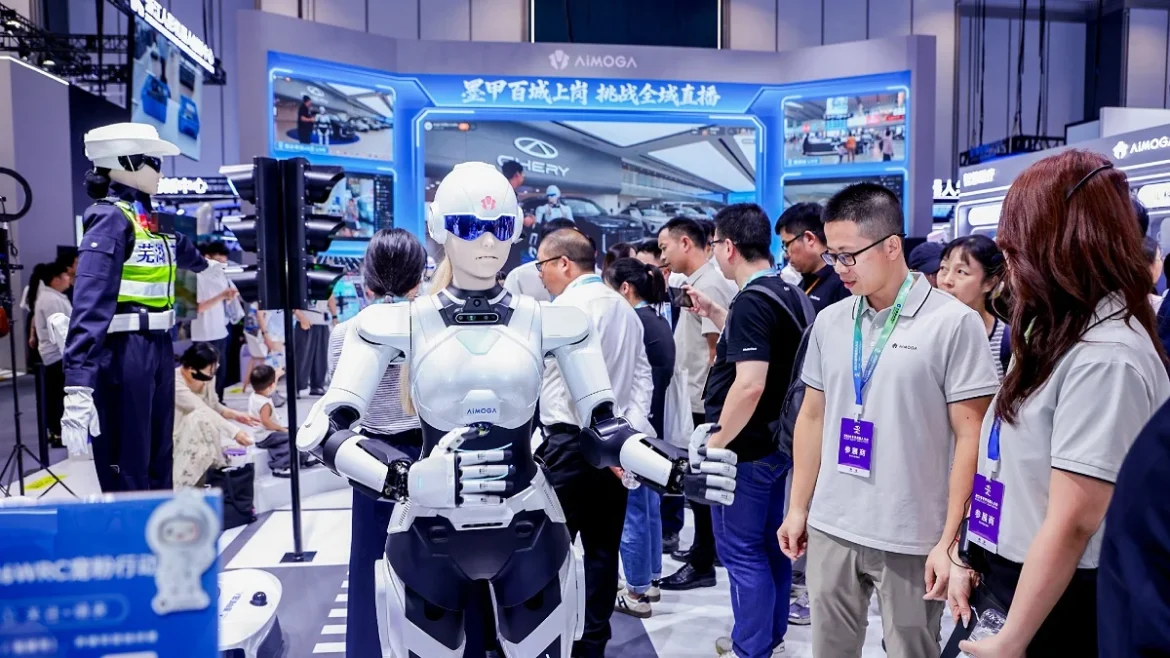
AiMOGA Robotics, an innovative subsidiary operating in partnership with the global automotive powerhouse Chery, has officially etched its name into the annals of technological history. The company’s flagship humanoid robot, Mornine, has successfully secured three rigorous European Union certifications, marking a significant milestone as the first humanoid robot in the world to achieve such comprehensive regulatory compliance. This breakthrough not only validates the sophisticated engineering behind Mornine but also signals a pivotal shift in the global robotics landscape, where high-level hardware safety, cybersecurity, and radio frequency standards are now being harmonized for the next generation of autonomous human-robot interaction.

The certifications obtained by Mornine are not merely bureaucratic achievements; they represent the gold standard for high-tech equipment entering the European market. Specifically, the robot has been granted CE-MD (Machinery Safety Directive) certification, ensuring its physical design meets stringent safety protocols for human proximity; EN 18031, which focuses on critical cybersecurity and data protection standards; and CE-RED (Radio Equipment Directive), which governs the secure use of radio spectrums for wireless communication. By clearing these three hurdles, AiMOGA Robotics has established a blueprint for international commercial deployment, proving that humanoid technology can be both functional and strictly compliant with the EU’s evolving regulatory framework.

A Chronology of Compliance and Innovation

The journey of Mornine from a concept in a laboratory to a certified, globally compliant humanoid has been a fast-paced evolution. While the announcement on September 7, 2026, marks the pinnacle of this process, the groundwork was laid years earlier.

AiMOGA Robotics was born from the strategic vision of Chery, which sought to pivot its automotive expertise—specifically in areas like autonomous driving, intelligent sensor fusion, and high-performance motors—into the burgeoning field of general-purpose robotics. The development timeline was characterized by rapid prototyping, where the company leveraged Chery’s existing supply chain and AI research facilities to expedite hardware refinement.

Earlier in 2026, the company achieved its first major international milestone when Mornine successfully secured the FCC (Federal Communications Commission) certification from the United States. This served as the testing ground for the robot’s wireless capabilities. Following the American certification, the development team immediately pivoted toward the European market, recognizing that the EU’s regulatory environment—known for being among the most stringent in the world—would be the ultimate litmus test for the robot’s long-term commercial viability. The successful completion of the CE-MD, EN 18031, and CE-RED certifications in September 2026 confirms that Mornine is now technically ready for deployment in sectors ranging from industrial manufacturing and logistics to high-end service environments within Europe.

Decoding the Certification Standards

To understand the magnitude of this achievement, one must examine the specific hurdles that Mornine cleared. In the realm of robotics, hardware is often the easiest to regulate, but integrating complex, AI-driven software with secure, standardized wireless communication is significantly more difficult.

The CE-MD (Machinery Safety Directive) certification is arguably the most critical for a humanoid robot. It mandates that a machine must be designed to prevent accidents, minimize mechanical risks, and feature failsafe mechanisms that protect humans during interaction. For a robot that mimics human movement, this implies highly sophisticated torque control and collision-avoidance sensors.

Simultaneously, the EN 18031 certification addresses the modern reality of the Internet of Things (IoT). As robots become more connected, they become potential vectors for cyberattacks. Achieving this standard indicates that Mornine’s internal software architecture is hardened against unauthorized access, data breaches, and remote hijacking, providing users and businesses with the necessary confidence to integrate the robot into sensitive environments.

Catat Sejarah, Robot Humanoid Chery Jadi yang Pertama Kantongi 3 Sertifikasi Uni Eropa : Okezone Ototekno

Finally, the CE-RED certification ensures that the robot’s wireless communication systems—essential for real-time remote operation, cloud computing, and fleet management—do not interfere with other critical radio services. This trifecta of certifications effectively clears the regulatory path for Mornine to operate as a standardized unit within the European single market.

Official Perspectives on the Milestone

In a press release issued from the company’s headquarters on Monday, September 7, 2026, Zhang Guibing, the President of Chery International and President of AiMOGA Robotics, emphasized that the achievement was part of a broader corporate strategy. "For AiMOGA Robotics, certification has never been merely an administrative milestone; it is the fundamental launchpad for a robot’s transition into real-world utility," Zhang stated.

Zhang further highlighted the philosophy guiding the development team: "We have consistently prioritized safety, system reliability, and data integrity above all else. The successful compliance of Mornine with this full suite of European standards is a testament to our commitment to delivering robotics technology that is not only innovative but also deeply trustworthy for diverse, real-world applications."

Industry observers note that this statement reflects a shift in the robotics sector from "showcase technology"—where robots perform tasks in controlled, sterile environments—to "deployable technology," where the focus shifts toward liability, safety, and operational consistency in the wild.

The Broader Economic and Industrial Implications

The implications of a Chinese-developed humanoid meeting European standards are profound. Historically, the robotics market has been dominated by a handful of players in the United States, Japan, and Europe. By achieving this level of regulatory compliance, AiMOGA Robotics—supported by the massive industrial scale of Chery—is signaling its intent to compete on a global stage.

  1. Supply Chain Integration: Chery’s involvement suggests that Mornine will benefit from automotive-grade manufacturing processes. This means that instead of producing robots in small, custom batches, the company could potentially utilize existing automotive production lines to scale output, drastically lowering the cost per unit.
  2. Standardization as a Competitive Advantage: By being the first to secure these certifications, Mornine sets the bar for other competitors. New entrants into the humanoid market will now be judged against the benchmarks established by AiMOGA, creating a barrier to entry that favors companies with the resources to pursue rigorous compliance.
  3. The Humanoid Labor Force: The deployment of robots like Mornine is expected to address labor shortages in the manufacturing and service sectors. With the legal and safety frameworks now in place, industries in Europe that are currently struggling with aging workforces may find a viable partner in humanoid automation, provided the technology proves its economic return on investment.

Future Outlook and Challenges Ahead

While the certification is a major victory, the road ahead remains complex. The next phase for AiMOGA Robotics will involve large-scale field testing in European commercial environments. Compliance is a static measure, but real-world performance is dynamic. The company must now demonstrate that Mornine can navigate unpredictable human environments—such as busy retail spaces, complex assembly lines, or healthcare facilities—without compromising the safety and reliability standards it has just officially attained.

Furthermore, as humanoid robotics enters the workforce, public perception and labor policy will play an increasingly important role. AiMOGA Robotics will likely need to engage with European policymakers, labor unions, and industrial safety boards to ensure that the deployment of these robots is perceived as a collaborative effort to enhance productivity rather than a displacement of human labor.

In conclusion, the successful certification of the Mornine robot is more than just a headline; it is a turning point for the industry. It proves that the era of the regulated, safe, and commercial-grade humanoid is no longer a distant futuristic dream but a tangible reality. With the combined industrial might of Chery and the innovative spirit of AiMOGA Robotics, the global market is set to see a surge in the adoption of autonomous humanoids that meet the highest standards of safety and cybersecurity. As these machines begin to integrate into the European landscape, the lessons learned from Mornine’s certification process will likely shape the trajectory of robotics for years to come, setting a precedent that prioritizes the harmonization of technology with global safety and ethical standards.

September 15, 2026 0 comment
0 FacebookTwitterPinterestEmail
Technology

Mengenal AI Chatbot: Definisi, Cara Kerja, Contoh, dan Batasan Teknologi Kecerdasan Buatan Terkini

by Asep Darmawan September 15, 2026
written by Asep Darmawan

The rapid evolution of artificial intelligence has transformed conversational interfaces from rigid, rule-based scripts into sophisticated systems capable of understanding nuanced human language. Central to this technological shift is the AI chatbot, a tool that has quickly become ubiquitous in both consumer technology and enterprise operations. Whether answering complex technical queries, drafting professional correspondence, or assisting customer service operations, AI chatbots represent a major leap forward in human-computer interaction. Understanding the mechanics, capabilities, and inherent limitations of these systems is crucial for navigating the modern digital landscape.

Defining AI Chatbot and Its Core Evolution

At its core, an AI chatbot is a software application powered by artificial intelligence designed to comprehend user prompts, questions, or commands and generate automated, context-aware responses. Unlike legacy chatbots of the past—which relied strictly on pre-determined decision trees, keyword matching, and rigid menu selections—modern AI chatbots utilize advanced computational linguistics to parse the fluidity and complexity of natural human language.

The distinction between traditional automated response systems and contemporary conversational AI lies in comprehension. Traditional bots fail when a user deviates from expected phrasing, often resulting in frustrating loops of unrecognized commands. In contrast, AI chatbots evaluate intent, context, and sentiment to deliver dynamic answers. This advancement stems largely from the integration of Large Language Models (LLMs), deep learning architectures trained on vast corpuses of text data. These models recognize statistical patterns in language, enabling the system to synthesize coherent, contextually relevant paragraphs rather than merely retrieving static pre-written replies.

Apa Itu AI Chatbot? Ini Penjelasannya • Jagat Review

The Historical Timeline and Technological Milestones

The journey toward modern conversational AI spans several decades, marked by pivotal milestones in computer science and natural language processing.

The earliest precursor to modern chatbots emerged in the mid-1960s with the creation of ELIZA at the Massachusetts Institute of Technology by Joseph Weizenbaum. ELIZA simulated a Rogerian psychotherapist by using pattern matching and substitution methodology to rephrase user statements into questions. While groundbreaking for its time, it possessed no actual understanding of language or context.

Over the subsequent decades, incremental progress was made through rule-based expert systems and early statistical machine learning approaches. However, the true inflection point arrived in the late 2010s with the introduction of the Transformer neural network architecture. This breakthrough allowed models to process entire sentences simultaneously rather than word-by-word, dramatically improving contextual awareness.

By the early 2020s, commercial deployment of generative AI accelerated rapidly. The public release of advanced conversational agents such as OpenAI’s ChatGPT in late 2022 catalyzed widespread global adoption. Shortly thereafter, major technology conglomerates introduced competing platforms, including Google’s Gemini, Anthropic’s Claude, and Microsoft’s Copilot, cementing AI chatbots as fundamental pillars of contemporary software ecosystems.

Apa Itu AI Chatbot? Ini Penjelasannya • Jagat Review

How AI Chatbots Operate Under the Hood

The operational workflow of an AI chatbot involves a sophisticated sequence of computational steps executed in fractions of a second. While the underlying mathematics and neural network architectures are highly complex, the functional process can be broken down into three primary stages: input processing, contextual analysis, and response generation.

When a user submits a prompt—such as inquiring about the mechanics of mirrorless cameras or requesting assistance with coding syntax—the text is first tokenized. Tokenization breaks the input down into smaller fragments, such as words or sub-words, which are then converted into numerical representations that the neural network can interpret.

Next, the model applies its learned parameters to evaluate the semantic meaning and intent behind the sequence of tokens. Utilizing attention mechanisms inherent to modern LLMs, the system weighs the significance of specific words relative to one another within the broader context of the conversation.

Finally, the chatbot predicts and generates the most statistically probable sequence of output tokens to form a coherent reply. This entire cycle occurs almost instantaneously, creating the illusion of a fluid, real-time dialogue between human and machine.

Apa Itu AI Chatbot? Ini Penjelasannya • Jagat Review

Industry Examples and Enterprise Integration

While consumer-facing applications command significant public attention, enterprise adoption of conversational AI has fundamentally reshaped customer relationship management and operational efficiency.

In the consumer sphere, platforms like OpenAI’s ChatGPT, Google Gemini, Anthropic Claude, and Microsoft Copilot serve millions of daily active users for diverse applications ranging from creative writing and brainstorming to data analysis and language translation.

In the corporate sector, businesses deploy customized AI chatbots to streamline customer support operations. These enterprise-grade systems integrate directly with internal knowledge bases, inventory databases, and CRM platforms. Consequently, customers interacting with corporate support portals can receive immediate, accurate resolutions regarding order statuses, troubleshooting guides, and product specifications without requiring human intervention for routine inquiries.

Capabilities and Functional Scope of Conversational AI

Apa Itu AI Chatbot? Ini Penjelasannya • Jagat Review

The versatility of modern AI chatbots stems from their general-purpose design. Depending on the specific model architecture and integrated toolsets, these systems can perform a wide array of tasks:

  • Information Retrieval and Synthesis: Compiling comprehensive summaries from extensive text documents, research papers, or web-based repositories.
  • Content Generation: Drafting emails, creating marketing copy, writing software code across numerous programming languages, and composing academic outlines.
  • Data Analysis: Processing tabular data, identifying trends, and generating visual data representations when paired with appropriate execution environments.
  • Multilingual Translation: Facilitating real-time translation between dozens of global languages with high contextual accuracy.

Furthermore, when connected to external application programming interfaces (APIs), AI chatbots can execute external actions, such as scheduling calendar events, reserving travel itineraries, or retrieving live weather updates.

Inherent Limitations and the Phenomenon of AI Hallucinations

Despite their advanced capabilities, AI chatbots possess significant limitations that necessitate careful oversight. A primary vulnerability is the occurrence of hallucinations—instances where the model generates factually incorrect or completely fabricated information while maintaining a confident, authoritative tone.

Because LLMs function by predicting statistically likely word sequences rather than retrieving verified database entries, they do not inherently "know" truth in the human sense. They recognize patterns of plausibility. Consequently, if a model is trained on incomplete data or encounters ambiguous prompts, it may generate convincing falsehoods regarding historical dates, scientific figures, or legal precedents.

Apa Itu AI Chatbot? Ini Penjelasannya • Jagat Review

Industry experts and regulatory bodies continuously emphasize that critical decision-making processes—particularly in fields such as healthcare, legal counsel, and financial planning—should not rely solely on unverified AI outputs. Human validation and cross-referencing with authoritative primary sources remain essential safeguards.

Implications and Future Outlook

The rapid proliferation of AI chatbot technology carries profound implications for the global workforce, education, and cybersecurity.

From an economic perspective, businesses are experiencing efficiency gains through automated workflow integration, though this shift also raises valid concerns regarding workforce displacement and the evolving nature of knowledge-based employment. In educational sectors, institutions are actively redesigning curricula and assessment frameworks to adapt to the widespread availability of generative writing and problem-solving tools.

Ultimately, AI chatbots have fundamentally altered the paradigm of human-computer interaction. By bridging the gap between natural human communication and machine execution, these technologies eliminate the need to memorize rigid programmatic syntax or navigate complex structural menus. As underlying models continue to advance in accuracy, reasoning capability, and contextual retention, conversational AI will undoubtedly remain a transformative force across global industries for decades to come.

September 15, 2026 0 comment
0 FacebookTwitterPinterestEmail
Automotive

Perusahaan Turki Dituding Eksploitasi AI yang Membidik Malaysia

by Dwi Wanna September 15, 2026
written by Dwi Wanna

Ankara-based technology firm BBS Bilisim Teknolojileri has officially denied allegations linking it to a sophisticated, AI-driven influence campaign targeting the Malaysian political landscape. The controversy erupted following the publication of a Threat Intelligence Report by Anthropic, the San Francisco-based AI safety and research company, which identified the misuse of its Claude large language models (LLMs) to generate deceptive content. As global scrutiny over the intersection of artificial intelligence and democratic integrity intensifies, this case serves as a critical focal point for international cybersecurity regulators and geopolitical analysts.

The Core Allegations: Anthropic’s September 2026 Disclosure

In its comprehensive Threat Intelligence Report released in September 2026, Anthropic detailed the discovery of a network utilizing its AI services to engage in covert influence operations. The report alleged that the platform operated by BBS Bilisim Teknolojileri was instrumental in facilitating these activities. According to Anthropic, the platform was specifically designed to scale the production of misleading information, utilizing the linguistic and generative capabilities of Claude to manipulate public discourse in Malaysia.

Anthropic’s findings suggested that the actors behind the campaign sought to leverage the sophisticated, human-like output of LLMs to generate content that could sway public opinion or destabilize political sentiment. By automating the production of articles, social media posts, and commentary, the operation aimed to bypass traditional detection methods used by platforms to identify bot-driven or malicious activity. This incident is among the first instances where an AI developer has publicly identified and taken action against a specific commercial entity for the systematic abuse of its proprietary technology for state-level or political interference.

Chronology of the Incident

The sequence of events leading to the current legal and diplomatic standoff highlights the rapid evolution of digital warfare:

  • Mid-2026: Anthropic’s internal safety monitoring systems detect anomalous patterns of usage linked to a specific commercial API client. The patterns suggest high-volume, repetitive, and ideologically skewed content generation.
  • August 2026: Anthropic security teams conduct an extensive investigation into the source of the traffic. They trace the activity to a platform managed by the Ankara-based BBS Bilisim Teknolojileri.
  • September 2026: Anthropic publishes its Threat Intelligence Report, explicitly naming the company and detailing how its AI models were being weaponized to target Malaysia’s political stability.
  • Late September 2026: International media outlets begin reporting on the findings. Global cybersecurity firms and Malaysian authorities express concern over the potential breach of digital sovereignty.
  • October 2026: BBS Bilisim Teknolojileri issues a formal statement via LinkedIn, denying any institutional involvement in the operations and announcing an internal audit to determine if the company’s digital infrastructure was hijacked.

BBS Bilisim Teknolojileri’s Defense and Internal Investigation

In a formal statement issued on Friday, BBS Bilisim Teknolojileri, led by owners Turker Batuhan Sari and Bedri Sari, vehemently rejected the accusations. The firm emphasized its commitment to ethical technology practices and claimed total ignorance regarding the activities described in the Anthropic report.

"We were shocked by the contents of the report," the company stated in its Turkish-language post. "BBS Bilisim Teknolojileri has not engaged in, nor authorized, any operations to influence foreign elections or disseminate misinformation."

The company has launched an internal investigation to determine whether its proprietary assets, API keys, or corporate identity were misappropriated by third parties. A particularly critical component of their defense is the potential for "insider threat" or the misuse of the platform by former employees who may have retained access to company credentials.

"We are currently reviewing all logs and access points to determine if individuals previously associated with our firm were responsible for this breach of protocol," the statement continued. The company has further committed to escalating the matter to the Office of the Chief Public Prosecutor in Turkey once they gather sufficient preliminary evidence to substantiate the claim of identity theft or digital sabotage.

Global Context: AI as a Tool for Political Interference

The situation in Malaysia is symptomatic of a broader, systemic risk identified by global intelligence agencies. The democratization of AI tools—specifically generative LLMs—has lowered the barrier to entry for "influence-for-hire" firms. Unlike traditional bot networks that rely on simple, repetitive scripts, modern AI-driven campaigns can produce localized, context-aware, and highly persuasive content in various languages, including Malay.

According to data from cybersecurity think tanks, the market for "disinformation-as-a-service" has grown by an estimated 40% annually since 2024. These services often target developing nations where social media penetration is high but regulatory oversight for AI-generated content remains in its infancy. By utilizing powerful models like Claude, bad actors can mass-produce content that mimics the tone and style of local influencers, making it exponentially harder for the average user to distinguish between authentic political discourse and synthetic propaganda.

Implications for Malaysia and Regulatory Responses

The revelation that a foreign entity may have been manipulating domestic political sentiment has prompted urgent calls for a review of Malaysia’s digital security frameworks. Malaysian authorities, while yet to issue a formal indictment against specific individuals, have signaled that they are coordinating with international partners to trace the origin of the malicious traffic.

For Malaysia, the implications are significant. As the nation prepares for future electoral cycles, the threat of foreign-manufactured consent poses a risk to democratic legitimacy. The incident has intensified calls for:

  1. Stricter API Oversight: Calls for AI companies to implement more robust "Know Your Customer" (KYC) requirements for high-volume API users.
  2. Cross-Border Legal Cooperation: The need for a standardized legal framework to address digital interference when the actors reside in one jurisdiction and the targets in another.
  3. Digital Literacy Initiatives: Strengthening the ability of the Malaysian public to recognize AI-generated synthetic media through enhanced digital literacy campaigns.

The Role of Anthropic and Corporate Responsibility

Anthropic’s decision to name and shame the Turkish firm marks a shift in how AI developers are handling safety. Historically, tech companies have been hesitant to publicly name their clients, citing contractual obligations and privacy concerns. However, as the potential for AI-driven electoral interference grows, the industry is moving toward a more transparent, albeit aggressive, posture.

By releasing the Threat Intelligence Report, Anthropic is setting a precedent. They are effectively signaling to other commercial entities that the misuse of their models will be met with public disclosure and termination of access. Nevertheless, critics argue that this approach puts the burden of policing the global internet on private corporations rather than sovereign governments.

Future Outlook and Legal Recourse

The path forward for BBS Bilisim Teknolojileri remains precarious. If the company fails to provide evidence that their systems were indeed compromised by an external or rogue actor, they could face significant legal challenges in both Turkey and potentially through international requests for cooperation from Malaysian authorities.

Furthermore, the case highlights the vulnerability of small-to-medium-sized technology firms. If a firm’s infrastructure can be repurposed for large-scale political interference without the knowledge of its owners, it suggests a profound weakness in how cloud-based AI services are currently secured.

As the legal proceedings in Ankara unfold, the international community will be watching closely. The outcome of this case will likely influence future policies regarding the export of AI technology and the legal liability of service providers when their tools are utilized to undermine the democratic processes of sovereign nations. For now, the digital landscape remains volatile, with AI continuing to be both a revolutionary tool for progress and a dangerous weapon in the hands of those seeking to distort the truth.

September 15, 2026 0 comment
0 FacebookTwitterPinterestEmail
Automotive

Profile of Taufiequrachman Ruki: The Decorated Police General Turned Anti-Corruption Pioneer

by Pevita Pearce September 15, 2026
written by Pevita Pearce

The return of Inspector General of Police (Retired) Taufiequrachman Ruki to the leadership of Indonesia’s Corruption Eradication Commission (KPK) marks a critical juncture in the nation’s ongoing battle against graft. Appointed during a period of institutional turbulence following the temporary suspension of then-Chairman Abraham Samad and Deputy Chairman Bambang Widjojanto, Ruki brought decades of law enforcement experience, administrative acumen, and historical institutional memory back to the anti-graft body. Born in Rangkasbitung, Lebak, Banten, on May 18, 1946, Ruki’s journey from a top-ranking police academy graduate to the founding chairman of the KPK illustrates a career defined by discipline, academic excellence, and public service.

This comprehensive profile examines the background, professional trajectory, academic achievements, and strategic implications of Taufiequrachman Ruki’s leadership roles within Indonesia’s legal and law enforcement frameworks.

Early Life, Academic Excellence, and Police Career

Taufiequrachman Ruki’s trajectory in public service began long before the establishment of the KPK in 2002. Enrolling in the Police Academy (Akademi Kepolisian or Akpol), Ruki distinguished himself early through rigorous discipline and academic aptitude. Upon his graduation in 1971, he earned the prestigious Adhi Makayasa award, an accolade bestowed upon the best graduate of the police academy corps, recognizing his holistic excellence in academic, physical, and leadership training.

His commitment to continuous professional and academic development persisted throughout his active service. When pursuing further specialization at the Police Science College (PTIK), Ruki maintained his high standards, graduating among the top four students in his cohort. Recognizing the necessity of a strong legal foundation for law enforcement officers navigating complex criminal codes, he pursued higher education outside the police apparatus. In 1987, he successfully earned his Bachelor of Laws (S-1) degree from the Faculty of Law at the 17 August 1945 University (UTA ’45) in Jakarta.

Ruki’s career in the Indonesian National Police (Polri) commenced formally when he served as a Platoon Commander of Academy Cadets (Komandan Peleton Taruna Akpol) from 1970 to 1971, bridging his transition from cadet leadership to active-duty assignments. Over a multi-decade career within the police force, Ruki navigated various structural and operational posts. Notably, throughout his extensive tenure in law enforcement, his record remained unblemished by major disciplinary scandals or controversies, enabling him to retire with a reputation for integrity—a crucial prerequisite for his eventual transition into anti-corruption oversight.

The Genesis of the KPK and Ruki’s Inaugural Leadership

The establishment of the Corruption Eradication Commission in 2002 under the administration of President Megawati Sukarnoputri was a direct response to the systemic corruption entrenched during the New Order era, which conventional law enforcement agencies like the police and the Attorney General’s Office were widely perceived as unequipped to eradicate independently.

As an independent state institution vested with extraordinary powers—including wiretapping authority, asset-freezing capabilities, and the jurisdiction to supersede other law enforcement agencies in graft investigations—the KPK required a leader who understood the institutional mindset of traditional law enforcement while fully committing to uncompromising anti-corruption reforms.

Taufiequrachman Ruki was selected as the inaugural chairman of the KPK, serving his primary term from 2003 to 2007. Alongside a collective board of commissioners, Ruki laid the institutional foundation of the agency. During his tenure, the KPK established its foundational Standard Operating Procedures (SOPs), built its internal investigative methodologies, and prosecuted several high-profile cases involving high-ranking state officials, parliamentarians, and judicial figures.

Setting up an independent anti-corruption agency from scratch presented immense bureaucratic resistance and institutional skepticism, particularly from established bodies like the police and the judiciary. Ruki’s background as a senior police general played a vital role in navigating these tensions. His insider credibility helped mitigate immediate institutional pushback, even as the KPK aggressively pursued corruption cases that previously would have fallen outside the bounds of conventional prosecutorial reach.

Institutional Crisis and the Return in 2015

Taufiequrachman Ruki : Okezone News

The trajectory of the KPK has historically been marked by high-stakes friction between the anti-graft agency and traditional law enforcement bodies, often referred to in Indonesian political discourse as the conflict between "Cicak dan Buaya" (The Gecko and the Crocodile). In early 2015, the KPK entered one of its most severe institutional crises when then-Chairman Abraham Samad and Deputy Chairman Bambang Widjojanto were embroiled in legal controversies and subsequently suspended from their duties by presidential decree.

With the leadership quorum of the five-member commission severely compromised, President Joko Widodo (Jokowi) needed to appoint acting commissioners to ensure the continuous operation of the KPK’s investigative and prosecutorial machinery. On February 20, 2015, Taufiequrachman Ruki was officially appointed as the acting chairman of the KPK, serving alongside Indriyanto Seno Adji and Johan Budi.

Ruki’s return to the commission was widely interpreted by legal analysts and political observers as a stabilizing measure. Given his historical status as the founding chairman, his appointment provided a sense of institutional continuity and reassurance to the public that the KPK would remain functional despite the sudden removal of its active leadership.

Mandate and Challenges of the Interim Leadership

Stepping back into the commission nearly a decade after his first tenure, Ruki faced a radically different political and operational landscape. The KPK had grown into a formidable investigative body with massive public support, but it was also experiencing unprecedented political pressure, institutional countermeasures from legislative bodies, and internal operational strain.

During his 2015 interim tenure, Ruki’s primary objectives were explicitly defined:

  1. Stabilization of Internal Operations: Restoring administrative order and maintaining staff morale within the commission following the suspension of key leaders.
  2. De-escalation of Institutional Tensions: Managing the volatile relationship between the KPK and the Indonesian National Police, particularly in the wake of the Budi Gunawan nomination controversy which had triggered the 2015 crisis.
  3. Ensuring Continuity of Case Processing: Overseeing ongoing investigations and ensuring that high-profile corruption cases did not stall due to administrative vacuum or leadership transitions.

Ruki’s leadership style during this period was characterized by pragmatism and institutional diplomacy. While maintaining the KPK’s aggressive stance against graft, he emphasized the importance of synergy among law enforcement agencies, arguing that sustainable anti-corruption efforts required cooperation rather than perpetual conflict between the KPK, the police, and the Attorney General’s Office.

Broader Implications and Legacy

The career of Taufiequrachman Ruki reflects the complex interplay between traditional state apparatuses and specialized reform institutions in post-Suharto Indonesia. As a retired police general who dedicated his post-retirement life to leading the nation’s premier anti-corruption body, Ruki occupies a unique position in modern Indonesian legal history.

His contributions can be analyzed through several institutional dimensions:

First, as a bridge-builder, Ruki demonstrated that institutional reform does not necessarily require the complete dismantling of traditional bureaucratic structures. By applying his extensive knowledge of police administration to the nascent KPK in 2003, he helped institutionalize investigative standards that could withstand judicial scrutiny.

Second, his 2015 appointment highlighted the reliance on veteran figures during times of acute institutional vulnerability. While civil society groups occasionally expressed concern that figures from a traditional law enforcement background might hesitate to investigate police-related graft, Ruki’s dual stewardship demonstrated a consistent adherence to statutory investigative mandates.

Ultimately, Taufiequrachman Ruki’s legacy is intertwined with the institutional maturation of the KPK. From laying its administrative bricks in the early 2000s to steering it through stormy political waters in 2015, his career underscores the ongoing, structural challenges of building resilient, independent anti-corruption institutions in a developing democracy.

September 15, 2026 0 comment
0 FacebookTwitterPinterestEmail
Automotive

BYD expands global logistics dominance with massive order of ten new car carrier vessels to solidify international export capacity

by Layla Zulfa September 15, 2026
written by Layla Zulfa

In a bold strategic move aimed at securing its position as a global leader in electric vehicle (EV) exports, BYD is reportedly finalizing an order for ten large-scale car carrier vessels. Each of these ships is designed with a capacity of 9,200 Car Equivalent Units (CEU), a massive expansion that signals the Chinese automotive giant’s intent to bypass reliance on third-party shipping logistics and exert greater control over its international supply chain. If these reports, initially circulated by maritime industry publications New Ships and the shipping platform Robin Assasfina, prove accurate, the company’s dedicated fleet will grow to 18 vessels, boasting a combined capacity exceeding 130,000 CEU.

The Strategic Shift Toward Vertical Integration

For years, the global automotive industry has been heavily reliant on specialized shipping companies to transport vehicles from manufacturing hubs to international markets. However, the post-pandemic era saw a massive surge in demand for shipping space, leading to a bottleneck that crippled many automakers. BYD, which has seen its international sales volume explode, appears to be applying its signature "vertical integration" philosophy to its logistics operations.

By owning and operating its own fleet of Pure Car and Truck Carriers (PCTC), BYD is effectively insulating itself from the volatility of the global shipping market. This move allows the company to dictate its own shipping schedules, reduce reliance on external freight contractors, and optimize costs as it scales up its presence in Europe, Southeast Asia, and South America.

Technical Specifications and Construction Timeline

According to industry reports, the ten new vessels are slated for construction at the China Merchants Industry facilities in the Jinling and Haimen shipyards. These facilities are recognized as some of the most capable in the world for producing specialized PCTC vessels.

BYD Pesan 10 Kapal Raksasa, Bisa Angkut 92.000 Mobil Sekaligus

The construction timeline is projected to span from 2027 through 2029, with the ships being delivered in staggered intervals. This phased delivery is crucial for BYD, as it matches the company’s anticipated ramp-up in manufacturing capacity at its various overseas plants and the projected growth of its export destinations.

It is important to understand the metric of "Car Equivalent Unit" (CEU). While a ship is rated for 9,200 CEU, this does not represent a static number of physical vehicles. Because vehicles vary in size—from compact city cars to large electric SUVs and trucks—the actual load-bearing capacity will fluctuate based on the specific product mix being transported at any given time. Regardless of the variance, a 9,200 CEU vessel is considered a "mega-ship" in the automotive logistics sector, designed to maximize efficiency for high-volume trade routes.

Chronology of BYD’s Maritime Ambitions

The journey to becoming a maritime powerhouse did not happen overnight. BYD’s entry into the shipping sector has been a calculated progression:

  • 2022–2023: As export numbers began to climb exponentially, BYD recognized that the global shortage of PCTC vessels was a primary risk to its international expansion plans.
  • Early 2024: The company took delivery of its first purpose-built vessel, the BYD Explorer No. 1, marking the beginning of its proprietary shipping operations. This vessel, built by CIMC Raffles, served as a proof-of-concept for the company’s internal logistics model.
  • Late 2024–2025: Throughout this period, industry insiders noted that BYD continued to seek additional capacity through long-term charters and new build orders.
  • September 2026: The current reports regarding the order of ten additional 9,200 CEU vessels emerged, representing the largest single expansion of the company’s fleet to date.

Market Context and Economic Implications

The decision to expand its fleet comes at a time when BYD is facing increasing scrutiny and trade barriers in Western markets, particularly the European Union and North America. By controlling its own transport, BYD can potentially manage costs more effectively, allowing it to remain competitive even when faced with tariffs or other regulatory hurdles.

Furthermore, this expansion represents a significant shift in the competitive landscape of the shipping industry. Traditional shipping giants, which have historically enjoyed lucrative contracts with automotive manufacturers, may find themselves losing one of their largest potential clients.

BYD Pesan 10 Kapal Raksasa, Bisa Angkut 92.000 Mobil Sekaligus

From an economic perspective, this investment underscores the sheer scale of China’s EV push. By investing in maritime infrastructure, BYD is not just selling cars; it is building a permanent, structural link between its domestic factories and its global consumer base. This infrastructure is a long-term asset that will serve the company for decades, regardless of short-term fluctuations in the automotive market.

Silence from Corporate Headquarters

As of mid-September 2026, both BYD and the identified shipyards have maintained a strategic silence regarding the specific value of the contract. In the world of high-stakes shipbuilding, this is standard practice. Such contracts often involve complex financing structures, government-backed export credits, and multi-layered negotiations that are not typically disclosed in full detail during the initial phases of an announcement.

Analysts suggest that the total investment for ten such vessels would likely run into the billions of dollars, reflecting the high costs of specialized maritime engineering and the advanced environmental standards now required for international shipping, such as dual-fuel propulsion systems that utilize Liquefied Natural Gas (LNG) or other greener alternatives to reduce the carbon footprint of long-haul transport.

Broader Industry Impact

The implications of this move extend far beyond BYD. Other major automotive manufacturers, particularly those in the EV space, are likely watching these developments with great interest. If BYD’s model of owning its entire logistics chain proves successful—resulting in lower shipping costs and more reliable delivery schedules—it could trigger a trend where other major automakers attempt to secure their own shipping capacity.

However, the barrier to entry is high. Building and operating a fleet requires immense capital, specialized expertise in maritime logistics, and the ability to manage complex international port regulations. Most automakers lack the logistical infrastructure to replicate what BYD is doing, which may give the Chinese firm a distinct "first-mover" advantage in the global logistics theater.

BYD Pesan 10 Kapal Raksasa, Bisa Angkut 92.000 Mobil Sekaligus

Environmental Considerations

With the International Maritime Organization (IMO) tightening emissions standards, the design of these ten new ships is likely to be a major focus. Modern car carriers are increasingly moving away from heavy fuel oil toward more sustainable options. Given BYD’s focus on renewable energy and clean mobility, it is highly probable that these new vessels will feature advanced emission-reduction technologies, perhaps even incorporating wind-assisted propulsion or advanced hull designs to minimize drag and fuel consumption.

Conclusion

The reported order of ten 9,200 CEU vessels is a clear signal that BYD is preparing for a future where it is not just an automaker, but a global logistics entity. By taking control of its supply chain, the company is insulating itself against the uncertainties of the global shipping market and positioning itself for sustained growth. While the official confirmation of the contract is still pending, the implications of such a move are clear: BYD is betting big on its international future, and it is building the literal ships required to carry that future across the world’s oceans.

As the industry moves toward 2027 and the start of the delivery cycle, the global automotive and shipping sectors will be paying close attention. Whether this massive expansion will be met with further regulatory resistance or whether it will be viewed as a benchmark for industrial efficiency remains to be seen. What is certain, however, is that the maritime landscape for vehicle transport is changing, and BYD is at the helm of this transformation.

September 15, 2026 0 comment
0 FacebookTwitterPinterestEmail
Sports

FIFA President Gianni Infantino Congratulates Erick Thohir on Appointment as Indonesia’s New Minister of Youth and Sports

by Basiran September 15, 2026
written by Basiran

JAKARTA — In a significant development that has resonated both domestically and internationally, Indonesian President Prabowo Subianto officially inaugurated Erick Thohir as the country’s new Minister of Youth and Sports (Menpora). The swearing-in ceremony, held at the State Palace in Jakarta on Wednesday, September 17, marks a pivotal moment for the nation’s sports administration. The appointment of Thohir—who continues to serve as the General Chairman of the Football Association of Indonesia (PSSI)—has drawn widespread attention, culminating in a high-profile endorsement from the highest echelons of global football governance.

The transition in the Ministry of Youth and Sports comes at a crucial juncture for Indonesia, a nation of over 275 million people with an increasingly passionate sporting culture. As the government seeks to synergize various institutional bodies to foster athletic excellence and youth empowerment, Thohir’s dual leadership roles have sparked discussions regarding the centralization of sports management and the potential for accelerated development across multiple disciplines.

Global Recognition from the Heart of World Football

Among the most notable international reactions to Thohir’s new ministerial portfolio was a public message from Fédération Internationale de Football Association (FIFA) President Gianni Infantino. Taking to his official and verified Instagram account, @gianni_infantino, the leader of world football expressed his enthusiastic support for the newly appointed Indonesian cabinet minister.

Accompanying a photograph of himself alongside Thohir, Infantino wrote a warm congratulatory message that quickly drew engagement from football fans and sports enthusiasts worldwide. "Sincere congratulations to @erickthohir on his appointment as the new Minister of Youth and Sports of Indonesia," Infantino stated.

The FIFA President did not hold back in praising Thohir’s previous and ongoing contributions to the development of the sport in Southeast Asia’s largest economy. Highlighting Thohir’s tenure at the helm of PSSI, Infantino underscored the transformative impact of his leadership. "As President of @pssi, he has done an incredible job, and I am certain he will bring that same strong leadership and vision to his new role. Wishing you the absolute best, my friend, in your ongoing efforts to develop sports and introduce the beauty of football to every young person in Indonesia," Infantino added.

This public endorsement from the head of global football underscores the strong, collaborative ties that have been forged between FIFA and the Indonesian government in recent years. It also serves as an acknowledgment of Thohir’s extensive international network and his proven track record in sports diplomacy and corporate governance.

Chronology of the Cabinet Reshuffle and Inauguration

The appointment of Erick Thohir as Minister of Youth and Sports was part of a broader strategic cabinet adjustment initiated by President Prabowo Subianto on September 17. The day began with meticulous preparations at the State Secretariat, followed by the official afternoon inauguration ceremony attended by senior government officials, military leaders, and invited dignitaries.

The timeline of events surrounding the September 17 cabinet reshuffle highlights the administration’s urgency in solidifying its policy execution teams:

  • Morning of September 17: Speculation mounts across national media outlets regarding impending changes to the Red and White Cabinet lineup.
  • Midday: Official invitations are dispatched to designated ministers and deputy ministers, confirming the afternoon swearing-in schedule at the State Palace in Jakarta.
  • 15:00 Western Indonesia Time (WIB): President Prabowo Subianto officially inaugurates the new ministers and deputy ministers, administering the oath of office in accordance with state protocols.
  • Post-Inauguration: Newly appointed officials deliver brief press statements outlining their immediate priorities, with Thohir emphasizing cross-ministerial synergy and international alignment.
  • Evening of September 17: International congratulations begin to pour in, led by FIFA President Gianni Infantino, alongside widespread messages of support from national team players, sports observers, and civil society organizations.

The decision to entrust Thohir with the youth and sports portfolio while maintaining his responsibilities at PSSI has been interpreted by political and sports analysts as a calculated move to streamline coordination between national sports federations and state apparatuses.

Erick Thohir’s Response and Vision for National Sports

Responding to the outpouring of international goodwill, Erick Thohir expressed his deep gratitude to FIFA and President Gianni Infantino for their unwavering support. In his official statement addressing the global football body’s remarks, Thohir emphasized that the advancement of Indonesian sports relies heavily on structural collaboration and shared visions.

"We firmly believe that through strong collaboration and commitment, Indonesian sports and youth can continue to develop and make significant contributions on the international stage," Thohir stated. He further reiterated the indispensable role that international federations play in domestic athletic reforms, particularly in elevating the standards of Indonesian football. "May the synergy between FIFA and Indonesia continue to thrive and play a pivotal role in the advancement of world football."

Thohir’s dual mandate places him at the intersection of state policy and sports administration. Analysts point out that having a cabinet minister who also leads the national football association could eliminate traditional bureaucratic bottlenecks, facilitating faster approval for infrastructure development, training camps, and international tournament hosting bids.

Cross-Ministerial Sinergy and Domestic Reactions

Following his inauguration, Thohir immediately signaled his intention to break down silos within the government. In alignment with broader administration goals, the Ministry of Youth and Sports announced plans to intensify cross-ministerial synergies. This includes collaborating with the Ministry of Education, Culture, Research, and Technology to integrate grassroots athletic programs into the national school curriculum, as well as partnering with the Ministry of Tourism and Creative Economy to leverage international sporting events for economic gain.

Domestically, the reaction from the athletic community has been overwhelmingly positive. Prominent members of the Indonesian national football team, including key players such as Jay Idzes and Rizky Ridho, publicly extended their congratulations to Thohir via social media. Their endorsements reflect a broader sentiment among athletes who view Thohir as a hands-on leader capable of addressing long-standing structural issues within Indonesian sports, ranging from athlete welfare to training facilities.

Furthermore, local sports observers and independent analysts have noted that Thohir’s appointment demonstrates the government’s serious commitment to systemic sports reform. By placing a seasoned executive and former owner of prominent international football clubs (such as Inter Milan and D.C. United) in charge of the ministry, the administration has signaled its intent to run sports governance with professional, corporate efficiency.

Broader Implications and Future Outlook

The implications of Erick Thohir’s appointment extend far beyond immediate administrative adjustments. As Indonesia strives to position itself as a rising power in Asian sports, the harmonization of youth development programs and elite sports training will be critical.

Key areas expected to receive prioritized attention under Thohir’s leadership include:

  1. Youth Talent Identification: Establishing a systematic, nationwide scouting and development pipeline to ensure that young athletes from all provinces have access to professional training facilities.
  2. Infrastructure Maintenance and Utilization: Ensuring that venues constructed or renovated for international events are sustainably managed and utilized for domestic athlete training.
  3. Good Governance and Transparency: Implementing stringent financial and administrative standards across all national sports federations (Cabor) to eradicate corruption and mismanagement.
  4. International Partnerships: Leveraging relationships with global bodies like FIFA, the International Olympic Committee (IOC), and various Asian sports confederations to host high-profile events and secure technical assistance.

As the dust settles on the September 17 cabinet reshuffle, all eyes will be on the Ministry of Youth and Sports to deliver tangible results. With the backing of the presidency, the endorsement of global sports leaders like Gianni Infantino, and the support of the nation’s athletes, Erick Thohir faces a demanding yet transformative tenure in shaping the future of Indonesian youth and athletics.

September 15, 2026 0 comment
0 FacebookTwitterPinterestEmail
Sports

Liverpool Singkirkan Tottenham 3-1, Melaju ke Babak Keempat Piala Liga Inggris

by Lina Hope September 15, 2026
written by Lina Hope

Liverpool secured a commanding 3-1 victory over Tottenham Hotspur at Anfield on Wednesday, September 16, 2026, marking their advancement to the fourth round of the Carabao Cup. In a high-stakes fixture that showcased the tactical depth of both squads, the Merseyside club demonstrated resilience and offensive precision, effectively neutralizing Tottenham’s efforts to mount a comeback in the second half. The match served as a significant litmus test for both clubs early in the 2026/2027 season, highlighting the evolving dynamics of their respective rosters under current managerial strategies.

Match Chronology and Tactical Breakdown

The encounter began with a high-intensity tempo, as both sides sought to establish early dominance in the midfield. Liverpool, benefiting from the vocal support of the Anfield faithful, maintained a slight edge in possession. The breakthrough arrived in the 21st minute through Alexis Mac Allister. The Argentine midfielder, positioned perfectly at the edge of the penalty area, connected with a precise cutback from teenage sensation Rio Ngumoha. Mac Allister’s first-time strike bypassed the Tottenham defense and buried itself into the top corner, setting the tone for the remainder of the first half.

Tottenham struggled to find a response before the interval, as Liverpool’s defensive structure, anchored by a blend of experienced veterans and rising talents, successfully stifled the visitors’ creative outlets. The halftime break allowed Tottenham manager Ange Postecoglou to reorganize, yet the momentum remained firmly with the hosts as the second half commenced.

In the 54th minute, Liverpool doubled their advantage. Mac Allister shifted from scorer to playmaker, delivering a clinical pass to Cody Gakpo on the left flank. Gakpo, demonstrating superior individual skill, navigated past his marker before curling a composed shot toward the far post. The goal left the Tottenham goalkeeper with little chance, extending the lead to 2-0 and placing significant pressure on the North London side.

The match entered a tense phase in the 69th minute when Tottenham managed to narrow the gap. A defensive lapse during a corner kick sequence saw Giorgi Mamardashvili fail to secure the ball cleanly, allowing Conor Gallagher to capitalize with a well-timed header. The goal injected a surge of energy into the Tottenham ranks, leading to a period of sustained pressure that tested Liverpool’s resolve. However, the Reds maintained their composure, defending in numbers and utilizing tactical substitutions to stabilize the midfield. The final blow came in the 91st minute, as Liverpool capitalized on a late defensive scramble to secure a 3-1 finish, sealing their place in the next round.

Contextual Background of the Carabao Cup 2026/2027

The Carabao Cup, or the English Football League Cup, continues to serve as a critical component of the English domestic calendar. For clubs of the stature of Liverpool and Tottenham, the competition offers an opportunity to integrate youth prospects while maintaining the intensity required for top-flight success.

Entering the 2026/2027 edition, Liverpool sought to maintain the momentum built during the previous campaign. With a squad depth bolstered by the emergence of academy players like Rio Ngumoha, the club has shown a willingness to rotate personnel without sacrificing results. For Tottenham, the tournament represented a chance to secure long-awaited silverware, a goal that remains a primary focus for their supporters and leadership. The defeat at Anfield represents a setback for Tottenham’s early-season objectives, necessitating a rapid recalibration of their defensive setups as they look toward upcoming Premier League fixtures.

Analytical Perspective: Implications for Both Squads

The tactical battle at Anfield offered several key takeaways for analysts. Liverpool’s ability to transition from defense to attack with such fluidity suggests a sophisticated understanding of the manager’s tactical instructions. Alexis Mac Allister’s performance, in particular, underscored his importance as a multifunctional midfielder capable of both disrupting opposing play and providing decisive attacking output.

For Tottenham, the reliance on set-pieces as a primary source of threat—as evidenced by Gallagher’s goal—highlights a potential area for development in their open-play creative process. While the team showed admirable tenacity in attempting a comeback, the defensive vulnerability displayed during the second goal suggests that the backline requires more consistency when facing high-pressing opposition.

Liverpool Singkirkan Tottenham 3-1, Melaju ke Babak Keempat Piala Liga Inggris

Statistically, the match reflected Liverpool’s efficiency. Despite Tottenham maintaining competitive possession percentages, the hosts demonstrated higher accuracy in the final third. The failure of the visitors to convert their late-game dominance into an equalizer proved to be the defining difference in the outcome.

Statements and Reactions

While official post-match press conferences were characterized by professional restraint, the sentiment from the Liverpool camp was one of satisfaction regarding the integration of younger players. "Matches like these are essential for the growth of our squad," a source within the club noted. "Seeing players like Rio contribute at this level against a top-tier opponent like Tottenham is testament to the work being done on the training pitch."

Conversely, the atmosphere within the Tottenham dressing room was reportedly one of frustration. Having identified the Carabao Cup as a viable route to success, the early exit is viewed as a missed opportunity to build confidence ahead of the congested winter schedule. Analysts suggest that the defeat will likely lead to increased scrutiny on the team’s defensive rotation policies, particularly regarding the coordination between the goalkeeper and the central defenders during dead-ball situations.

The Broader Impact on the 2026/2027 Campaign

As the Carabao Cup progresses to the fourth round, the landscape of the competition begins to shift. Liverpool’s victory cements their status as one of the favorites for the trophy, provided they can manage the physical demands of playing in multiple competitions. The depth they displayed against Tottenham—relying on a mix of starters and emerging talent—serves as a cautionary tale for other contenders in the tournament.

For Tottenham, the focus now pivots entirely toward their domestic league standings and other remaining cup competitions. The challenge for the coaching staff will be to ensure that the disappointment of the Anfield defeat does not carry over into their upcoming league engagements. In the highly competitive environment of the Premier League, where every point is contested with immense intensity, the ability to rebound from such losses is a hallmark of a successful season.

Furthermore, the emergence of players like Rio Ngumoha provides a blueprint for how elite clubs can balance the necessity of immediate success with long-term squad development. As the season progresses, the integration of such talent will likely prove to be a defining feature of the top-four race. The Carabao Cup, once often dismissed as a secondary priority, continues to prove its value as a proving ground for the next generation of footballing stars and a crucible for tactical innovation.

Looking Ahead: The Fourth Round

With the draw for the fourth round imminent, attention now turns to which opponents await the remaining clubs. Liverpool will look to build upon this victory, aiming to maintain their defensive stability while continuing to exploit the creative potential of their midfield. The tactical discipline shown against Tottenham—specifically the ability to weather the storm following the visitors’ goal—indicates a maturity within the squad that will be vital as the competition reaches its decisive stages.

For fans and pundits alike, the 3-1 result serves as a reminder of the unpredictable nature of cup football. While Liverpool entered the match with a slight historical advantage at Anfield, the game remained in the balance until the final minutes. As the season unfolds, the lessons learned from this fixture—both the tactical successes of the winners and the defensive shortcomings of the defeated—will undoubtedly shape the preparations for the months to come.

The Carabao Cup remains a unique spectacle in English football, bridging the gap between the established giants and the challengers. As Liverpool advances, the narrative shifts toward their ability to sustain this level of performance. Whether this victory serves as a springboard for a deeper run in the competition or merely a highlight in a long season remains to be seen, but for now, the Anfield faithful have every reason to be optimistic about the direction of their team under the current regime.

In conclusion, the match between Liverpool and Tottenham was a quintessential example of high-stakes domestic cup football. It offered a blend of individual brilliance, tactical tension, and the raw emotion that defines the sport. As the dust settles on this clash, the focus shifts to the next set of challenges, with Liverpool positioned in a strong place to contend for honors, and Tottenham left to reflect on the nuances of a high-pressure night in Merseyside. The trajectory of both clubs in the coming weeks will be closely monitored, as the early-season form begins to harden into the definitive patterns that will determine the final standings of the 2026/2027 season.

September 15, 2026 0 comment
0 FacebookTwitterPinterestEmail
Sports

Minim Aksi Salip, F1 GP Spanyol 2026 di Sirkuit Madring Disebut Bencana

by Ammar Sabilarrohman September 15, 2026
written by Ammar Sabilarrohman

The introduction of the Madring Circuit to the FIA Formula One World Championship calendar was meant to usher in a new era of thrilling street-circuit racing in the heart of Spain. Instead, the 2026 Spanish Grand Prix held on Sunday, September 13, 2026, has erupted into a storm of heavy criticism, with high-ranking officials and motorsport experts labeling the inaugural event a complete disaster. The primary point of contention centers around the layout of the newly minted track, which drivers, teams, and spectators found severely lacking in overtaking opportunities, ultimately reducing the prestigious Grand Prix into a processional train from the opening lights to the checkered flag.

As the motorsport community reflects on the weekend’s events, questions are being raised regarding the viability of modern Formula One street circuits, regulatory design standards, and the future of the Spanish Grand Prix at its new home. With prominent political figures voicing their dissatisfaction publicly, the race has triggered a broader debate over whether aesthetics and commercial interests are superseding the core sporting spectacle of wheel-to-wheel combat.

Political Backlash and Public Outcry

The most scathing critiques of the event did not come from disgruntled fans on social media alone, but from the upper echelons of the Spanish government. Spain’s Minister of Transport, Oscar Puente, took to the social media platform X immediately following the conclusion of the race to voice his unfiltered assessment. Citing reports from specialized motorsport publication GP Blog, Puente did not mince words, famously categorizing the Grand Prix weekend as a "total disaster."

Puente’s critique focused heavily on the architectural layout of the Madring Circuit. According to the minister, the track’s geometry creates an environment where overtaking is practically impossible. In a striking analogy that resonated deeply with purists, Puente compared the Madring layout to "Monaco version two, but faster." Just like the historic Circuit de Monaco, where overtaking is notoriously difficult due to the tight and twisty nature of the principality’s streets, Madring allegedly offered zero margin for drivers to make aggressive moves under braking or through high-speed complexes.

The Minister of Transport further pointed out that any positional changes witnessed during the 57-lap encounter were strictly the byproduct of pit-stop strategies, tyre degradation management, and mechanical attrition, rather than genuine, heart-pounding on-track duels. For a sport that relies heavily on dramatic overtaking maneuvers to captivate global audiences, the absence of positional battles on the tarmac left a bitter taste for both local dignitaries and international observers.

Context and Background of the Madring Circuit

To understand the magnitude of the backlash, one must look at the immense hype and infrastructural investment that preceded the 2026 Spanish Grand Prix. For decades, the Circuit de Barcelona-Catalunya served as the traditional spiritual home of Formula One in Spain, hosting the race annually with mixed reviews regarding its own ability to produce thrilling races, though it offered a comprehensive technical test for the cars.

However, Formula One management, under the stewardship of Liberty Media, has increasingly leaned toward hosting Grands Prix in major metropolitan hubs to maximize tourism, local economic impact, and global entertainment value. This strategic pivot paved the way for the development of the Madring Circuit—a semi-permanent, hybrid street facility designed to weave through urban infrastructure while promising high speeds and dramatic elevation changes.

The inclusion of Madring on the 2026 calendar was hailed as a commercial triumph for regional promoters. Billions of euros in public and private capital were funneled into infrastructural upgrades, safety barrier installations, paddock construction, and local transport adjustments to accommodate the influx of hundreds of thousands of racing enthusiasts. Yet, while the logistical machinery operated smoothly, the fundamental product delivered on the track failed to meet the baseline expectations of modern Formula One racing.

The Anatomy of a Procession: Race Chronology and Dynamics

The problems plaguing the 2026 Spanish Grand Prix were subtly hinted at during Friday practice sessions, where drivers reported immense difficulty in following preceding cars closely through the second and third sectors. Clean air proved to be an absolute premium, with dirty air generated by the 2026-spec ground-effect aerodynamic packages exacerbating the inherent flaws of the narrow Madring asphalt.

By Saturday’s qualifying session, grid position became paramount. Engineers acknowledged in media briefings that qualifying effectively dictated the final finishing order, barring reliability failures or strategic masterstrokes in the pit lane.

When the lights went out on Sunday, September 13, 2026, the anticipated chaos of the opening lap dissolved into orderly single-file driving. Throughout the Grand Prix, DRS (Drag Reduction System) zones—which were heavily relied upon by the FIA to artificially stimulate passing—proved entirely ineffective against the aerodynamic wake and the geometric pinch points of the circuit. Drivers broadcasted their frustrations over team radio, noting that even with a significant tyre advantage, attempting a lunge up the inside was an exercise in extreme risk with a near-zero probability of success.

Consequently, the race transformed into a high-speed high-stakes endurance test of fuel saving and tyre preservation. The visual spectacle of Formula One cars operating at their absolute technical limits was undermined by the static nature of the race order, leading to widespread dissatisfaction among spectators who had paid premium prices for grandstand tickets.

Broader Implications for the 2026 Formula One Season

The debacle at the Madring Circuit arrives at a critical juncture for the sport. The 2026 Formula One season represents a massive technical reset, featuring entirely revised power unit regulations—with a 50-50 split between internal combustion and electrical power—alongside active aerodynamics designed to improve racing closeness and sustainability.

While the power units and chassis regulations were crafted to enhance competitiveness, the venue selection continues to expose a disconnect between circuit designers and sporting entertainment values. Tracks that prioritize real estate availability and municipal promotional partnerships over racing pedigree risk alienating the core fanbase.

Industry analysts suggest that the negative reception of the Madring GP will prompt urgent closed-door discussions between the FIA, Formula One Management (FOM), and the circuit promoters. Potential layout modifications, tweaking of DRS zones, and adjustments to entry/exit radii of specific corners will likely be evaluated ahead of the 2027 championship calendar. If structural adjustments are deemed impossible due to the urban nature of the facility, the long-term future of the race could face intense political scrutiny, especially given the vocal opposition from figures like Minister Oscar Puente.

Conclusion and Future Outlook

The inaugural F1 Grand Prix at the Madring Circuit was envisioned as a glittering showcase of modern Spanish infrastructure and motorsport passion. Instead, the 2026 event has delivered a harsh reality check regarding the complex engineering challenges of designing modern Formula One circuits.

As the circus packs up and moves to the next destination on the global calendar, the lasting memory of Madring’s debut will not be the champagne on the podium, but rather the stark imagery of a high-speed procession devoid of overtaking. For Formula One and its regulatory bodies, the challenge moving forward is clear: balancing the commercial allure of city-center street circuits with the fundamental athletic necessity of wheel-to-wheel combat, ensuring that future editions of the Spanish Grand Prix do not repeat the tactical stalemate witnessed in September 2026.

September 15, 2026 0 comment
0 FacebookTwitterPinterestEmail
Entertainment & Celebrity

Maudy Ayunda Faces Social Media Backlash Over Mindfulness Advice Amid Indonesian National Crises

by Nana September 15, 2026
written by Nana

Jakarta is grappling with an intersection of severe socio-economic pressures, environmental anxieties, and the rapid democratization of digital discourse. In this high-tension climate, public figures often find themselves navigating a precarious tightrope between personal brand management and public accountability. This reality struck prominent Indonesian public figure, activist, and entrepreneur Maudy Ayunda in late August 2026, when a seemingly benign YouTube video on mental health management ignited a massive nationwide debate on social privilege, tone-deaf communication, and the ethical responsibilities of influencers during times of crisis.

The controversy centers on a video published by Ayunda on her official YouTube channel on August 21, 2026, titled Mindfulness in the Age of Bad News. In the video, Ayunda discussed her personal struggles with emotional exhaustion caused by the constant barrage of negative information in the media. To combat burnout, she advocated for "news diets"—the practice of consciously stepping away from daily news consumption to preserve one’s mental well-being.

While the advice is a common psychological recommendation in Western wellness circles, its deployment in the Indonesian digital landscape triggered an immediate and hostile reaction. Netizens across various platforms, most notably on the platform X (formerly Twitter), argued that advising people to ignore the news was not only out of touch with reality but also demonstrated a profound lack of empathy toward marginalized communities actively suffering from intersecting national crises.

The Genesis of the Backlash on Social Media

The digital tempest began when an X user, operating under the handle @pandaleezasol, publicly announced a decision to unsubscribe from Maudy Ayunda’s YouTube channel. The user pointed out that the timing and messaging of the video were deeply tone-deaf, arriving as Indonesia faced a compounding series of systemic challenges. At the time of the video’s release, large segments of the population were dealing with the devastating socio-economic impacts of forest fires, ongoing climate-induced natural disasters, and contentious public policy decisions that directly affected the livelihoods of ordinary citizens.

Within hours, the initial critique snowballed into a broader public discourse. Thousands of users echoed the sentiment, arguing that the luxury of ignoring the news is a direct byproduct of socio-economic security. Critics emphasized that while an affluent individual with elite educational credentials—such as Ayunda’s degrees from Oxford and Stanford universities—can afford to disconnect from the daily turmoil without facing immediate physical or financial consequences, the average citizen does not have that privilege. For millions of Indonesians, staying informed about policy changes, economic inflation, and environmental hazards is a matter of basic survival, not a lifestyle choice.

The Intersection of Wellness Culture and Socio-Economic Disparity

The public critique quickly expanded beyond the initial video content to scrutinize Ayunda’s commercial ventures. Netizens trained their focus on From This Island, a local beauty and skincare brand co-founded by Ayunda. Observers pointed out a glaring contradiction in the brand’s supply chain: the company utilizes tengkawang fat—a natural ingredient harvested from the rainforests of Kalimantan—as a core component in its lip-care products.

This revelation added fuel to the fire. Critics argued that it was hypocritical for an entrepreneur to extract commercial value from natural resources located in ecologically fragile regions of Indonesia while simultaneously telling the public to tune out news regarding environmental degradation and ecological crises. The juxtaposition of corporate resource extraction and wellness-oriented escapism created a public relations crisis that challenged Ayunda’s long-standing reputation as a socially conscious intellectual and youth role model.

Social scientists and digital media analysts note that this controversy highlights a growing fatigue among the Indonesian public regarding wellness culture promoted by the ultra-privileged. In recent years, as economic inequality has widened and climate vulnerabilities have intensified, citizens have become increasingly critical of content creators who use universal self-care tropes without acknowledging systemic inequalities. Ayunda, given her academic pedigree and status as a government-appointed spokesperson for international forums like the G20, was held to an exceptionally high standard of social awareness.

The Chronology of the Controversy

The timeline of the event unfolded rapidly over a 72-hour period, illustrating the speed at which modern digital controversies evolve and demand resolution.

August 21, 2026: Maudy Ayunda publishes the video Mindfulness in the Age of Bad News on her YouTube channel, aiming to provide strategies for managing emotional burnout and digital fatigue.

August 22, 2026: User @pandaleezasol posts a critique on X, detailing reasons for unsubscribing and highlighting the insensitivity of the video’s message amidst ongoing national crises. The post gains rapid traction, accumulating thousands of reposts and quote tweets.

August 22–23, 2026: The discourse broadens. Discussions migrate to Instagram and TikTok, where users begin analyzing Ayunda’s business ventures, specifically the sourcing of ingredients for From This Island. The debate shifts from simple media consumption habits to structural critiques of wealth, corporate responsibility, and class privilege in Indonesia.

August 24, 2026: Recognizing the gravity of the backlash and the legitimacy of the public’s core arguments, Maudy Ayunda issues a formal apology and a detailed written clarification pinned to the comment section of the controversial YouTube video.

Maudy Ayunda’s Public Apology and Reflection

Faced with mounting criticism and a potential threat to her personal brand and business integrity, Ayunda took a direct and reflective approach to damage control. Rather than ignoring the backlash or issuing a defensive statement, she chose to engage directly with her critics by acknowledging her blind spots.

In her pinned comment, Ayunda clarified that her original intention was never to encourage the public to become apolitical or indifferent to societal suffering. Instead, her goal was purely to share psychological coping mechanisms for individuals experiencing acute burnout in an era of relentless digital information. However, she readily admitted that her delivery failed to account for structural realities.

"Being able to step away from the news is itself a privilege," Ayunda wrote, directly addressing the core criticism levied by her audience. "Not everyone has that choice, especially when what is happening impacts their daily lives, their families, their jobs, or their communities directly."

She continued by offering an unreserved apology for her oversight, noting that the intersection of personal mental health and systemic socio-economic struggle required a level of nuance that her initial video lacked. "I apologize because this part was not sufficiently reflected upon in the video," she stated.

Ayunda concluded her statement by validating the concept of mindfulness as something that should enhance, rather than obstruct, social empathy. She emphasized that mental health practices must not serve as an excuse to turn a blind eye to real-world injustices. Expressing gratitude to the digital community for holding her accountable, she closed with a commitment to continuous growth: "I hear and I appreciate the feedback. I’m listening and learning."

Broader Implications for Content Creators and Public Figures

The controversy surrounding Maudy Ayunda serves as a watershed moment for the influencer ecosystem in Indonesia and Southeast Asia at large. It underscores a fundamental shift in audience expectations: audiences are increasingly intolerant of superficial positivity and demand that public figures demonstrate contextual awareness and systemic literacy.

As digital platforms continue to democratize information, influencers and entrepreneurs can no longer operate within an insulated bubble of wellness and lifestyle content without acknowledging the material conditions of their broader audience. The incident highlights that privilege, when unacknowledged, can quickly alienate the very communities that form the foundation of a public figure’s commercial and social success.

For Ayunda, the rapid acknowledgment and transparent apology helped defuse the immediate crisis, preventing a total erosion of public trust. However, the event leaves a lasting imprint on her public narrative, reminding both creators and consumers that in an era marked by simultaneous ecological and socio-economic trials, empathy and awareness must precede escapism.

September 15, 2026 0 comment
0 FacebookTwitterPinterestEmail
Newer Posts
Older Posts

Recent Posts

  • Levi’s and ROSÉ Unveil Exclusive Denim Capsule Collection Celebrating Individuality and Personal Expression Across Asia-Pacific
  • Teman Lagi Sedih? Kalimat Ini Bikin Mereka Merasa Nyaman dan Didengar Menurut Psikolog
  • Silence Speaks Volumes: Coordinating Minister Rizal Ramli Dodges Inquiries on the Historic Dissolution of Pertamina Energy Trading Limited
  • Mau Gaspol Saat Hyrox? Ini 8 Asupan yang Bisa Jadi Bahan Bakar
  • Pemerintah Buy Back SUN Mencapai Rp100 M

Recent Comments

No comments to show.
  • Facebook
  • Twitter

@2021 - All Right Reserved. Designed and Developed by PenciDesign


Back To Top
Dara News Media
  • Home
  • About Us
  • Contact Us
  • Cookies Policy
  • Disclaimer
  • DMCA
  • Privacy Policy
  • Terms and Conditions

We are using cookies to give you the best experience on our website.

You can find out more about which cookies we are using or switch them off in .

Dara News Media
Powered by  GDPR Cookie Compliance
Privacy Overview

This website uses cookies so that we can provide you with the best user experience possible. Cookie information is stored in your browser and performs functions such as recognising you when you return to our website and helping our team to understand which sections of the website you find most interesting and useful.

Strictly Necessary Cookies

Strictly Necessary Cookie should be enabled at all times so that we can save your preferences for cookie settings.