• Home
  • About Us
  • Contact Us
  • Cookies Policy
  • Disclaimer
  • DMCA
  • Privacy Policy
  • Terms and Conditions
Dara News Media
keep your memories alive
Entertainment & Celebrity

Perselisihan Ruben Onsu dan Sarwendah kini merembet ke ranah harta gono-gini dan memicu ketegangan hukum baru antara kedua belah pihak.

by Suro Senen September 15, 2026
written by Suro Senen

The dissolution of the marriage between television personality Ruben Onsu and former Cherrybelle member Sarwendah Tan has entered a complex new phase, shifting from personal reconciliation attempts to a high-stakes legal dispute over marital assets. As the divorce proceedings unfold in the public eye, the focus has pivoted sharply toward financial obligations, banking liabilities, and the status of shared property. This escalation has drawn in legal counsel from both sides, transforming what was once a private family matter into a multi-front legal battle that involves property rights, debt management, and institutional banking concerns.

Chronology of the Legal Escalation

The friction between the two parties began in the early months of 2024, when reports first surfaced regarding marital discord. While the couple initially attempted to manage the situation away from the media spotlight, the situation deteriorated rapidly by mid-year. In recent weeks, the conflict moved from the domestic sphere to the courtroom, specifically regarding the handling of assets and financial liabilities accrued during their marriage.

The latest development involves a formal legal notice, or "somasi," issued by Sarwendah’s camp regarding outstanding bank debts. Ruben Onsu’s legal representative, Minola Sebayang, recently addressed these claims, expressing confusion over the nature of the demands. According to Sebayang, the legal notice from Sarwendah’s side appears to overstep the bounds of typical divorce settlements by assuming the role of a banking representative. This development signals a lack of communication between the two parties, as legal intermediaries are now the primary channel for discourse regarding financial matters.

The Core Dispute: Debts and Asset Transparency

At the heart of the current dispute is the categorization of debts and the administration of property. Sarwendah’s legal team has raised significant concerns regarding the repayment of bank loans tied to the couple’s properties. In response, Ruben Onsu’s legal team has maintained that the financial obligations were joint responsibilities, intended to be satisfied by both parties until fully extinguished.

Minola Sebayang highlighted that while Ruben Onsu has historically acted as the technical executor of these payments, this role does not equate to sole liability. The confusion expressed by the Onsu camp stems from the perception that Sarwendah’s legal team is acting as an extension of the lending institutions, pressuring for repayment in a manner that disregards the collaborative nature of the initial loan agreements.

The legal complexity is further compounded by the issue of document retention. Ruben Onsu’s camp has officially stated their intention to issue a counter-somasi against Sarwendah, demanding the surrender of documents related to specific assets, including land titles and a villa located in Bogor, West Java. The refusal to provide these documents has stalled the asset division process, leading to a state of legal impasse.

Implications of Asset Division in Indonesian Law

Under Indonesian matrimonial law, assets acquired during a marriage are generally considered harta gono-gini (joint marital property), subject to equal division upon divorce. However, the application of this law becomes significantly more difficult when there are outstanding debts and complex business holdings.

Legal analysts note that cases involving celebrity assets often suffer from "transparency fatigue," where the valuation of properties and the verification of debt status become points of contention. In the case of Onsu and Sarwendah, the presence of real estate holdings, such as the villa in Bogor, adds a layer of complexity. If these assets are held in a manner that obscures legal ownership or if they are tied to specific collateral for bank loans, the process of liquidation or division can take months, if not years, to resolve through the court system.

Furthermore, the involvement of third-party financial institutions adds a layer of urgency to the proceedings. If debt repayments are neglected during the legal transition, the risk of foreclosure or penalty interest increases, which could adversely affect the net value of the marital estate.

The Human Element and Public Perception

While the legal battle over assets continues, the personal toll of this dispute is underscored by the involvement of the family’s children. Recently, Ruben Onsu addressed external pressures involving his eldest son, Betrand Peto, who has been subjected to public scrutiny. The intersection of personal tragedy, professional reputation, and financial litigation has created a difficult environment for the family members involved.

The public nature of these legal filings—often disseminated through press conferences and social media—has contributed to the polarization of public opinion. Fans and followers of the couple have been vocal on various platforms, often taking sides based on the fragmented information released by the respective legal teams. However, from a judicial standpoint, these outside perspectives carry no weight. The courts are expected to focus strictly on the financial records, the marriage certificate, and the documented history of asset acquisition.

Strategic Legal Posturing

The decision by Ruben Onsu’s team to issue a counter-somasi is a tactical move designed to force transparency. By demanding the physical documentation of the Bogor property, Onsu’s legal counsel is attempting to regain control over the narrative of asset management. In legal circles, this is often seen as a "tit-for-tat" maneuver, common in high-profile divorce cases where both parties seek to ensure that they are not disadvantaged during the final settlement.

Minola Sebayang’s statement that they were "confused" by the initial somasi serves as a strategic public relations narrative. By characterizing the opponent’s legal team as "acting like a bank," they are delegitimizing the severity of the claim, suggesting that the demands are performative rather than substantive.

Future Outlook and Resolution

As both parties prepare for further hearings, the likely trajectory of this case involves an intensive period of document discovery. The court will require a comprehensive audit of all marital assets, including bank accounts, real estate holdings, and potentially intellectual property associated with their public careers.

If the parties cannot reach an out-of-court settlement, the court will appoint an appraiser to determine the fair market value of the contested assets. This process is time-consuming and expensive, often leading to significant erosion of the asset pool due to legal fees. The urgency expressed by both camps suggests that they are aware of these risks, yet the current breakdown in communication suggests that a mediated resolution remains elusive.

The case of Ruben Onsu and Sarwendah serves as a high-profile case study on the complexities of modern Indonesian marital dissolution. It highlights the importance of pre-nuptial agreements and clear financial record-keeping, which are often overlooked in the early stages of a marriage but become critical in the event of a separation.

Broader Impact on Celebrity Culture

The visibility of this dispute highlights a growing trend in Indonesian entertainment news where legal proceedings involving celebrities are increasingly transparent and litigious. This shift reflects a broader societal change where personal financial matters are no longer handled behind closed doors but are subjected to the rigorous, and often harsh, scrutiny of the legal system.

For the public, this case is a reminder that the glamour of celebrity life is not immune to the mundane, yet devastating, realities of financial litigation. As the legal battle persists, the focus remains on whether the parties can find a compromise that protects their individual interests while minimizing the long-term impact on their respective professional lives and family stability.

The upcoming weeks will be critical. Should the parties continue to exchange formal legal notices without engaging in direct negotiation, the matter will likely proceed to a full trial, where the details of their financial lives will become a matter of public record. For now, the legal teams remain the primary spokespeople, and the resolution of the "Bogor villa" and the "bank debt" issues will be the key indicators of how this high-profile divorce will conclude.

In summary, the dispute between Ruben Onsu and Sarwendah has moved beyond a simple separation. It has morphed into a complex financial investigation involving debt obligations, asset verification, and strategic legal maneuvering. The outcome of this case will not only determine the future of their shared assets but will also set a precedent for how they navigate their professional and personal legacies in the years to come. As the legal filings pile up, the only certainty is that the court will have the final say on the division of a life once shared, now dissected into balance sheets and legal clauses.

September 15, 2026 0 comment
0 FacebookTwitterPinterestEmail
Entertainment & Celebrity

Buah yang Bagus Dimakan Sebelum Tidur, Bikin Lebih Nyenyak?

by Raul Delapena Setiawan September 15, 2026
written by Raul Delapena Setiawan

Experiencing a hunger pang just as the lights go out is a common nocturnal dilemma. While the reflexive instinct might be to reach for processed snacks, high-sugar or high-fat foods can lead to insulin spikes and digestion-related discomfort, ultimately undermining sleep quality. Nutritional science suggests that shifting toward whole foods—specifically certain fruits—can provide a more balanced, nutrient-dense solution that may facilitate better sleep architecture.

The relationship between diet and sleep is multifaceted. Recent insights from nutritionists and sleep researchers emphasize that certain fruits do not merely serve as a light snack but act as functional foods. These selections are rich in natural melatonin, complex carbohydrates, and essential phytonutrients that work in tandem with the body’s circadian rhythm to promote restorative rest.

The Science of Nocturnal Nutrition

For decades, the standard medical advice regarding sleep hygiene focused on environment: lowering ambient temperature, reducing blue light exposure, and maintaining a consistent schedule. However, current research into chronobiology has placed a renewed focus on nutritional intake.

Sapna Peruvemba, MS, RDN, a noted plant-based diet expert, highlights that the metabolic impact of a pre-sleep snack is significant. Choosing fruits over heavy snacks allows for a steady release of energy and provides fiber, vitamins, and minerals without overloading the digestive system. The key lies in the presence of phytochemicals—naturally occurring compounds that can influence physiological functions, including the modulation of sleep-wake cycles.

The Primacy of Tart Cherries

Among the various fruits studied for their sleep-promoting properties, tart cherries (or sour cherries) have emerged as the gold standard in nutritional research. Unlike sweet cherries, the tart variety (Prunus cerasus) possesses a unique biochemical profile that makes it a potent dietary aid for those struggling with insomnia or fragmented sleep.

Several systematic reviews have analyzed the efficacy of tart cherry juice and whole fruit consumption. The findings consistently suggest a positive correlation between regular consumption and improved sleep parameters. Specifically, tart cherries are high in procyanidins and contain a high concentration of melatonin. Melatonin is the neurohormone responsible for signaling to the brain that it is time to transition into a resting state. By introducing an exogenous source of melatonin shortly before bed, individuals may find it easier to fall asleep and experience higher sleep efficiency—the ratio of time spent asleep to the total time spent in bed.

Chronology of Sleep Research and Dietary Interventions

The investigation into the link between diet and sleep is a relatively modern field. In the early 2000s, studies began to move beyond the traditional "warm milk" remedy to identify specific food groups with pharmacological potential.

  • 2010–2014: Initial clinical trials began isolating the effects of tart cherry juice on athletes and elderly populations. Researchers observed that the anti-inflammatory properties of the cherries, combined with their melatonin content, helped mitigate delayed sleep onset.
  • 2015–2019: The focus expanded to the general population. Large-scale surveys conducted during this period highlighted that individuals who consumed whole fruits as evening snacks reported lower levels of daytime fatigue compared to those who consumed processed sugars.
  • 2020–Present: Current studies are investigating the role of the gut-brain axis. Emerging evidence suggests that the fiber content in fruits supports a healthy gut microbiome, which in turn influences the production of serotonin—a precursor to melatonin.

Nutrient Density: Why Fruit Works

The nutritional profile of fruit makes it an ideal candidate for a pre-sleep snack. Unlike high-glycemic snacks, which trigger a rapid increase in blood glucose followed by a crash, fruit provides a slow-release of carbohydrates. This stability is crucial for maintaining blood sugar levels throughout the night, preventing the body from waking due to hypoglycemic stress.

Furthermore, many fruits contain magnesium and potassium. These minerals act as natural muscle relaxants. Magnesium, in particular, plays a vital role in regulating the body’s stress response system by binding to gamma-aminobutyric acid (GABA) receptors. GABA is the primary inhibitory neurotransmitter in the brain, responsible for calming the nervous system and preparing the body for the restorative stages of sleep.

Analyzing the Impact of Dietary Choices

The implications of these findings are substantial for public health. According to data from the National Sleep Foundation, nearly one-third of the global population suffers from some form of sleep disorder. While clinical insomnia requires professional medical intervention, mild sleep disturbances are often manageable through lifestyle adjustments.

The "food as medicine" approach offers a low-risk, high-reward strategy. By replacing ultra-processed snacks with whole foods like tart cherries, individuals can avoid the metabolic disruptions caused by refined sugars and artificial additives. However, experts warn that portion control remains essential. Even healthy foods, if consumed in large quantities, can cause digestive distress or acid reflux, both of which are detrimental to sleep quality. A small serving—typically half a cup—is sufficient to gain the therapeutic benefits without placing an undue burden on the digestive system.

Official Perspectives and Recommendations

Nutritionists and sleep clinicians generally agree that the "best" time for a snack is one to two hours before bedtime. This window ensures that the nutrients are being processed by the body as the natural melatonin production cycle begins, yet the volume of intake is low enough to prevent physical discomfort while lying down.

While tart cherries are the most researched, other fruits have also shown promise. Kiwifruit, for instance, contains high levels of serotonin and antioxidants, which may also assist in sleep onset. Similarly, bananas provide a blend of magnesium and potassium, which can assist in muscle relaxation.

Public health organizations, including the Academy of Nutrition and Dietetics, emphasize that diet is just one piece of the puzzle. While adding tart cherries to one’s evening routine may improve sleep quality, this should be part of a broader commitment to sleep hygiene, which includes limiting caffeine intake in the afternoon and ensuring that the bedroom is optimized for rest.

Broader Implications for Wellness

The shift toward understanding the impact of dietary choices on sleep quality reflects a broader trend in health consciousness. As individuals become more aware of the long-term consequences of chronic sleep deprivation—ranging from cardiovascular issues to cognitive decline—the demand for non-pharmacological, evidence-based solutions has surged.

The role of nutrition in regulating the sleep-wake cycle represents a sophisticated understanding of human physiology. By leveraging the natural chemistry of plants, individuals are empowered to take control of their sleep health. As more research is conducted, it is likely that we will see more specific dietary guidelines tailored to sleep optimization, moving away from generic advice toward personalized nutritional strategies.

Conclusion

The recommendation to incorporate fruits like tart cherries into a pre-sleep routine is backed by a growing body of evidence. These foods provide the necessary biochemical precursors for a healthy sleep cycle while offering a nutrient-dense alternative to processed snacks. As we continue to navigate the challenges of modern life, where stress and screen time often disrupt our natural rhythms, returning to the fundamentals of nutrition may be one of the most effective ways to ensure the quality of rest we require.

Whether it is the melatonin in cherries or the magnesium in other fruit varieties, the inclusion of these items in an evening snack routine is a simple, scientifically sound practice. By prioritizing whole foods and maintaining a mindful approach to evening consumption, individuals can improve their sleep efficiency and, by extension, their overall health and daily performance. For those struggling with consistent sleep, it may be time to look not at the medicine cabinet, but at the fruit bowl.

September 15, 2026 0 comment
0 FacebookTwitterPinterestEmail
Entertainment & Celebrity

Ruben Onsu and Sarwendah Legal Dispute Escalates: Counter-Somasi Prepared Over Bogor Villa and Asset Documents

by Nila Kartika Wati September 15, 2026
written by Nila Kartika Wati

The ongoing legal and personal friction between prominent Indonesian celebrity figures Ruben Onsu and Sarwendah has taken a fresh, contentious turn. Legal representatives for Ruben Onsu have announced preparations to issue a formal counter-somasi (legal notice/demand letter) directed at Sarwendah. This escalation centers primarily on the contentious control and possession of crucial asset documents, most notably land certificates and a sprawling villa located in the scenic highland region of Bogor, West Java.

The brewing conflict underscores deep-seated post-separation property and financial complications that have spilled from private negotiations into the public domain. As both parties navigate the complex aftermath of their high-profile relationship dissolution, the involvement of legal heavyweights signals that a swift, amicable resolution may be further away than initially anticipated.

Genesis of the Latest Legal Clash

The latest catalyst for this renewed tension stems from an initial legal notice, or somasi, sent by Sarwendah’s legal counsel to Ruben Onsu. That initial communication heavily addressed outstanding financial obligations, specifically targeting the management and clearance of bank debt installments tied to shared assets acquired during their marriage.

Rather than addressing the matter quietly through private mediation, the exchange of formal legal letters has intensified the rift. Minola Sebayang, the chief legal counsel representing Ruben Onsu, expressed profound bewilderment regarding the tone, focus, and legal standing of the demands laid out in Sarwendah’s notice. According to Sebayang, the contents of the initial somasi overstepped conventional boundaries, creating a bizarre dynamic wherein Sarwendah’s legal team appeared to be advocating on behalf of institutional lenders rather than addressing the core familial and property disputes.

The Core Argument: Asset Documents Versus Banking Obligations

Speaking to members of the media in the Kuningan area of South Jakarta, Minola Sebayang did not mince words regarding his client’s stance on the matter. He highlighted the apparent incongruity of focusing intensely on bank installments while simultaneously withholding or contesting the possession of foundational property documents.

"So, if you look at their somasi, we are quite confused," Minola stated during the press briefing. "The confusion arises because everything they conveyed—in our perspective, at least—makes them seem as though they are acting as the legal counsel for the bank. Because the primary topics they keep hammering on are debt installments, debt installments, and more debt installments."

Minola’s commentary points to a broader strategic disagreement between the two camps. While Sarwendah’s side appears preoccupied with securing financial accountability regarding institutional loans—potentially to mitigate future liabilities or credit score ramifications—Ruben’s camp maintains that the obligations remain mutual and structured.

Furthermore, Ruben’s legal team emphasizes that the formal responsibility for the bank loans is legally bound to both individuals and will remain so until the liabilities are formally and fully settled. Minola clarified that Ruben Onsu has consistently shouldered the practical and technical responsibilities of executing these payments, managing the operational side of the banking obligations even as the personal relationship deteriorated.

Somasi Balik Sarwendah, Kuasa Hukum Ruben Onsu Singgung Dugaan Penggelapan

Background Context: The Anatomy of Celebrity Asset Splitting

To fully understand the gravity of the current dispute over the Bogor villa and associated asset documents, it is essential to examine the broader context of high-net-worth celebrity divorces in Indonesia. When public figures of Ruben Onsu and Sarwendah’s stature part ways, the division of marital property—known legally as gono-gini—is rarely straightforward.

Over years of successful careers in the Indonesian entertainment industry, spanning television hosting, culinary enterprises, digital content creation, and brand endorsements, the couple amassed a substantial portfolio of residential and commercial real estate. Properties such as the Bogor villa represent significant financial value and sentimental investments made during their union.

In many high-profile separations, physical control of real estate often becomes a powerful leverage tool. While living arrangements and asset preservation are managed during initial separation agreements, secondary issues—such as who holds the physical land certificates (Sertifikat Hak Milik or SHM) and who services the underlying mortgages—frequently trigger secondary legal battles. When trust diminishes, simple administrative acts, such as obtaining a bank release or transferring document custody, transform into high-stakes legal standoffs.

The Legal Mechanics of a Counter-Somasi

In Indonesian civil practice, a somasi (from the Dutch summation) serves as a formal warning or legal reprimand before a lawsuit is formally filed in a civil court. It acts as a final opportunity for the recipient to fulfill an obligation, rectify an action, or cease behavior deemed detrimental by the sender.

By preparing a counter-somasi, Ruben Onsu’s legal team is signaling a refusal to be put solely on the defensive. Instead of reacting passively to demands concerning bank installments, the counter-notice aims to pivot the legal narrative back toward what Ruben’s side views as the wrongful or unjustified retention of property documents.

Legal analysts note that a counter-somasi typically outlines opposing demands, establishes deadlines for compliance—such as the return of disputed land certificates—and lays the groundwork for potential civil litigation for breach of agreement or unlawful detention of documents if the demands are ignored. However, legal experts also view this stage as a high-stakes psychological maneuver designed to bring the opposing party back to the negotiating table on more balanced terms.

Financial Liabilities and Bank Obligations

A critical point of contention in the ongoing war of words is the management of existing banking liabilities. High-value properties in prime locations like Bogor are frequently acquired or leveraged through commercial bank loans.

Minola Sebayang’s defense relies heavily on the principle of shared contractual liability. According to Ruben’s legal representation, the loan documentation bears the names of both parties, meaning the legal obligation to the financial institution remains a joint responsibility until the principal is completely paid off.

Somasi Balik Sarwendah, Kuasa Hukum Ruben Onsu Singgung Dugaan Penggelapan

"The obligation to settle those debts is officially recorded under both names until they are declared fully paid," Minola emphasized. He added that Ruben Onsu has not shirked these duties, pointing out that Ruben has actively managed the technical execution of the payment cycles.

This assertion addresses potential public relations damage. By clarifying that Ruben has continued to service the financial commitments, his legal team aims to neutralize any narrative portraying him as financially negligent or uncooperative regarding shared debts. Conversely, Sarwendah’s legal strategy appears aimed at ensuring that these liabilities do not disproportionately impact her credit standing or create unforeseen financial vulnerabilities post-separation.

Broader Implications for the Parties and Public Perception

The public escalation of this property dispute carries significant implications for both Ruben Onsu and Sarwendah, extending far beyond the courtroom. Both individuals maintain massive digital footprints, commercial ventures, and extensive endorsement deals that rely heavily on positive public image and consumer trust.

Prolonged legal battles involving real estate and debt obligations risk overshadowing their respective professional achievements. In Indonesia’s vibrant entertainment ecosystem, protracted public disputes can occasionally influence corporate sponsors, brand partners, and television producers evaluating talent stability.

Furthermore, the emotional and psychological toll on the family cannot be understated. While high-profile divorces frequently transition into cold, transactional asset divisions, the inclusion of iconic family assets like the Bogor villa suggests that emotional attachments to these properties remain strong. The villa, often associated with family retreats and personal milestones during happier times, now serves as a focal point for institutional friction.

Next Steps in the Legal Process

As the legal teams prepare their next moves, the immediate future of this dispute hinges on the formal delivery and response timeline of the impending counter-somasi.

If Sarwendah’s camp responds constructively to the demand for document handover, both parties may transition back into private mediation, potentially utilizing retired judges or professional mediators to finalize the division of remaining assets without a full-scale court trial. However, should both sides remain entrenched in their respective positions—insisting on the validity of their initial demands—the conflict is expected to escalate from formal warnings to formal civil lawsuits filed in the district court system.

For now, observers, media outlets, and fans of both public figures are closely monitoring developments. The unfolding situation serves as a stark reminder of the intricate legal complexities that accompany the dissolution of high-profile marriages, where separating personal lives is often eclipsed by the monumental challenge of untangling shared financial empires.

September 15, 2026 0 comment
0 FacebookTwitterPinterestEmail
Lifestyle & Fashion

10 Beauty Trends That Defined the 78th Primetime Emmy Awards Red Carpet

by Raul Delapena Setiawan September 15, 2026
written by Raul Delapena Setiawan

The 78th Primetime Emmy Awards, held at the Peacock Theater in Los Angeles, served as more than just a celebration of television excellence; it functioned as a definitive barometer for the beauty industry’s trajectory in 2026. As the industry continues to move away from the hyper-contoured, heavy-handed aesthetic of the early 2020s, the red carpet this year showcased a sophisticated pivot toward intentional minimalism, editorial experimentation, and the elevation of natural textures. From the return of classic hair silhouettes to the calculated use of monochromatic color palettes, the beauty choices of the night’s attendees provided a roadmap for high-fashion grooming standards for the remainder of the year.

10 Tampilan Beauty Terbaik di Emmy Awards 2026

The Evolution of the Emmy Awards Aesthetic

The Primetime Emmy Awards, organized by the Television Academy, have historically functioned as a slightly more relaxed counterpart to the Academy Awards. While the Oscars often demand a level of Old Hollywood formality, the Emmys permit a broader range of artistic expression. In 2026, this manifested in a rejection of "perfected" glamour in favor of "effortless" styling. Industry analysts note that this shift reflects a broader consumer preference for "skin-first" makeup and low-maintenance, yet high-impact, hair styling. The transition is not merely stylistic but economic; data from major beauty retailers suggests that sales of sheer, buildable products—such as serum-based foundations and cream blushes—have outpaced traditional full-coverage cosmetics for three consecutive quarters leading into the 2026 awards season.

Chronology of the 2026 Beauty Narrative

The preparation for the red carpet began weeks prior, with celebrity stylists and makeup artists coordinating with fashion houses to ensure a cohesive visual story. On the evening of the ceremony, the progression of the carpet revealed a distinct narrative arc. Early arrivals favored monochromatic, warm-toned makeup, setting a tone of understated elegance. As the event progressed, several stars introduced "statement" elements, such as bold lip colors or avant-garde hair cuts, which served to anchor the night’s most viral moments. This strategic planning ensures that even amidst a crowded field of nominees, individual stars remain memorable in the digital archive of the event.

10 Tampilan Beauty Terbaik di Emmy Awards 2026

Analysis of Leading Beauty Trends

The beauty trends seen at the Peacock Theater can be categorized into three distinct pillars: the resurgence of natural texture, the modernization of classic silhouettes, and the "less-is-more" approach to color.

1. The Modern Pixie and Structural Hair

Zendaya’s appearance on the red carpet was perhaps the most analyzed beauty moment of the night. Her adoption of a modern pixie cut, styled by Coree Moreno, represented a departure from the long, flowing waves that have dominated red carpet hair for a decade. According to Moreno, the objective was to create a look that was "refined" yet "rebellious." This choice signals a shift toward structural, short-hair aesthetics that require technical precision rather than just volume. The look highlights a growing trend in editorial styling where the haircut itself serves as the primary accessory.

10 Tampilan Beauty Terbaik di Emmy Awards 2026

2. The "Sun-Kissed" Color Palette

Sarah Pidgeon’s transition to a "beach blond" shade marks a significant deviation from the ultra-cool, ash-toned blonds that defined the previous season. Working with colorist Kari Hill, Pidgeon utilized professional-grade coloring techniques to achieve a warmer, lived-in aesthetic. This trend toward "warmth" is consistent with broader shifts in the hair color market, where consumers are increasingly moving away from high-maintenance platinum toward low-maintenance, dimensional honey and golden hues that suggest health and vitality rather than chemical processing.

3. Strategic Minimalism and the "Red Lip" Anchor

Dakota Fanning’s decision to pair a minimalist, color-blocked ensemble with a bold, classic red lip exemplifies the "anchor" technique. By keeping the complexion fresh and the eye makeup understated, the lip color becomes the focal point of the face. This trend has been amplified by the rise of "blurred" lip products, which allow for a soft-focus application that feels less rigid than a traditional lip liner application. This technique was also seen on Emmy Rossum, who utilized a blurred red lip to complement her natural curls, emphasizing an "ethereal" quality that rejects the harsh lines of 2010s-era makeup.

10 Tampilan Beauty Terbaik di Emmy Awards 2026

Notable Looks and Technical Executions

The diversity of styling on display highlighted the versatility of current beauty standards:

  • Quinta Brunson: Her monochromatic approach served as a masterclass in harmony. By matching her blush and lip tones to the subtle undertones of her gown, she achieved a cohesive look that felt both polished and effortless. The "mermaid" wave hair, which provided a sense of movement, served to balance the formality of her structured dress.
  • Selena Gomez: Gomez continued her streak of "soft-glam" mastery. Her reliance on gilded, bronze-toned makeup complemented her gown while maintaining the integrity of her natural features. Her look suggests that the "no-makeup makeup" trend is evolving into a more elevated version, utilizing high-pigment cream products that melt into the skin.
  • Sheryl Lee Ralph: Demonstrating the efficacy of a singular focus, Ralph utilized an intricate eye look—mixing rose gold and green—to serve as the centerpiece of her aesthetic. By choosing a nude lip, she avoided the common pitfall of "over-styling," where too many competing elements distract from the wearer’s features.
  • Ayo Edebiri: Edebiri’s attention to detail was evident in the "kiss curl" styling and the subtle highlight in the inner corners of her eyes. These minor technical additions demonstrate the importance of intentionality in red carpet styling; the look was designed to be appreciated at a macro level, showing that small details often carry the most weight.
  • Jessica Williams: By pairing "baby bangs" with Old Hollywood waves, Williams bridged the gap between historical influence and contemporary trends. This juxtaposition is essential in the current beauty landscape, where vintage aesthetics are frequently updated with modern textures to ensure they do not appear like a costume.

Broader Industry Implications

The trends observed at the 2026 Emmy Awards suggest that the beauty industry is entering a phase of "intentional authenticity." Consumers are less interested in the artifice of heavy contouring and are increasingly valuing products that improve skin texture and offer long-wear performance without the "mask-like" appearance of traditional cosmetics.

10 Tampilan Beauty Terbaik di Emmy Awards 2026

Furthermore, the influence of celebrity stylists cannot be understated. These professionals are now acting as brand ambassadors for the techniques they employ, often using social media to document the tools and products—such as those from Schwarzkopf Professional or luxury skincare lines—that create these looks. This transparency has changed the relationship between the consumer and the red carpet; the audience no longer just admires the look, they seek to replicate it.

Conclusion

As the 78th Primetime Emmy Awards conclude, the beauty industry is left with a clear directive: beauty in 2026 is defined by individual expression supported by high-performance technique. Whether it is the bold, structural choice of a pixie cut or the delicate, ethereal application of a blurred lip, the common thread is a sense of ease. For the remainder of the year, expect to see these trends trickle down from the red carpet to high-street beauty, as the push toward natural, healthy, and highly personalized aesthetics continues to dominate the cultural conversation. The Emmy Awards have once again proven that while the fashion may change, the power of a well-executed beauty look remains the most effective way to command the spotlight.

September 15, 2026 0 comment
0 FacebookTwitterPinterestEmail
Lifestyle & Fashion

Kalimat yang Diucapkan Orang yang Merasa Lelah dengan Hidupnya

by Ammar Sabilarrohman September 14, 2026
written by Ammar Sabilarrohman

Konteks Psikologis dan Fenomena Kelelahan Mental

Kelelahan hidup atau life burnout bukanlah diagnosis klinis tunggal dalam DSM-5 (Diagnostic and Statistical Manual of Mental Disorders), namun ia merupakan kondisi yang diakui secara luas oleh para praktisi kesehatan mental sebagai bentuk stres kronis yang tidak tertangani dengan baik. Data dari World Health Organization (WHO) sebelumnya telah menyoroti burnout sebagai fenomena okupasional yang dihasilkan dari stres kronis di tempat kerja yang tidak berhasil dikelola. Namun, dalam konteks yang lebih luas, kelelahan ini merambah ke ranah personal, sosial, dan domestik.

Secara kronologis, proses menuju kelelahan ini sering dimulai dengan fase "keterlibatan tinggi" di mana individu berusaha memenuhi semua ekspektasi. Seiring berjalannya waktu, tanpa mekanisme koping yang efektif, fase ini bergeser menjadi kelelahan emosional (emotional exhaustion), depersonalisasi, dan penurunan rasa pencapaian diri. Ketika seseorang mencapai fase ini, kalimat-kalimat tertentu mulai muncul sebagai bentuk mekanisme pertahanan diri (defense mechanism).

Kalimat Pertama: "Aku Tidak Sanggup Menghadapi Ini Sekarang"

Pernyataan "Aku tidak sanggup menghadapi ini sekarang" sering kali dianggap sebagai bentuk penolakan atau kemalasan oleh orang awam. Namun, dari perspektif neuropsikologi, ini adalah indikasi bahwa sistem saraf individu tersebut telah berada dalam kondisi overload. Ketika seseorang dihadapkan pada tanggung jawab yang terus menumpuk, otak kehilangan kemampuan untuk memproses stresor tambahan, sekecil apa pun itu.

Kalimat yang Diucapkan Orang yang Merasa Lelah dengan Hidupnya

Sebuah studi mengenai beban kognitif menunjukkan bahwa ketika seseorang sudah mencapai batas ambang stres, gangguan kecil—seperti notifikasi pesan yang menumpuk atau tugas rumah tangga yang tertunda—dapat memicu respons "fight or flight". Kalimat tersebut sebenarnya bukan merupakan bentuk pernyataan ketidakmampuan permanen, melainkan sinyal bahwa kapasitas pemrosesan emosional individu tersebut sedang berada dalam status "darurat". Ketidakmampuan untuk melakukan tugas sepele bukan berarti hilangnya keterampilan, melainkan hilangnya cadangan energi mental.

Kalimat Kedua: "Aku Cuma Perlu Tidur untuk Memulihkan Diri"

Tidur sering dianggap sebagai obat mujarab untuk segala jenis kelelahan. Namun, bagi individu yang mengalami kelelahan kronis atau burnout, tidur hanyalah solusi sementara yang tidak menyentuh akar permasalahan. Fenomena ini sering dikaitkan dengan konsep rest (istirahat) yang keliru. Dokter Saundra Dalton-Smith dalam penelitiannya mengenai tujuh jenis istirahat menjelaskan bahwa jika seseorang mengalami kelelahan mental atau sosial, tidur fisik tidak akan memberikan pemulihan yang memadai.

Ketika seseorang terus-menerus mengatakan bahwa mereka hanya butuh tidur, ada kemungkinan besar mereka sebenarnya membutuhkan "istirahat kreatif", "istirahat sensorik", atau "istirahat sosial". Jika mereka terus merasa lelah setelah tidur cukup, ini adalah indikator bahwa penyebabnya bukan sekadar utang tidur (sleep debt), melainkan akumulasi dari ketegangan batin, kecemasan terhadap masa depan, atau beban tanggung jawab yang tidak kunjung usai. Mengabaikan kebutuhan ini dan hanya mengandalkan tidur dapat memperpanjang siklus kelelahan, yang pada akhirnya berdampak pada penurunan produktivitas dan kualitas hidup jangka panjang.

Kalimat Ketiga: "Aku Baik-Baik Saja, Aku Hanya Lelah"

Pernyataan ini merupakan salah satu bentuk mekanisme penyangkalan (denial) yang paling umum. Kalimat "Aku baik-baik saja, aku hanya lelah" adalah cara seseorang untuk melakukan social distancing emosional. Mereka merasa bahwa menjelaskan kompleksitas perasaan mereka kepada orang lain akan memakan energi yang lebih besar daripada sekadar memendamnya.

Kalimat yang Diucapkan Orang yang Merasa Lelah dengan Hidupnya

Secara sosiologis, tekanan untuk selalu tampil produktif dan bahagia di media sosial atau lingkungan profesional menciptakan beban tambahan. Individu merasa harus menormalkan kondisi mereka agar tidak dianggap lemah atau tidak kompeten. Dalam analisis psikologis, perilaku ini berisiko menciptakan isolasi sosial. Ketika seseorang tidak mampu mengomunikasikan kesulitan yang sebenarnya, mereka kehilangan dukungan emosional yang sangat mereka butuhkan. Ketidakmampuan untuk berkata jujur tentang kondisi kesehatan mental sering kali menjadi titik balik di mana kelelahan berubah menjadi depresi klinis yang lebih serius.

Analisis Implikasi dan Dampak Sosial

Fenomena kelelahan ini memiliki implikasi yang luas bagi masyarakat. Secara ekonomi, produktivitas yang menurun akibat burnout menyebabkan kerugian besar bagi dunia kerja. Menurut data dari beberapa lembaga riset ekonomi, kehilangan hari kerja akibat stres dan kesehatan mental mencatatkan angka yang signifikan setiap tahunnya.

Lebih jauh lagi, dampak sosial dari kelelahan kronis ini memengaruhi kualitas hubungan interpersonal. Seseorang yang lelah dengan hidupnya cenderung menarik diri dari lingkungan sosial, yang memicu siklus kesepian dan perasaan terasing. Penting bagi lingkungan sekitar—keluarga, teman, dan rekan kerja—untuk memahami bahwa kalimat-kalimat di atas bukanlah keluhan biasa, melainkan permohonan tersirat akan pemahaman atau bantuan.

Upaya Mitigasi dan Respons yang Dibutuhkan

Pakar kesehatan mental menyarankan beberapa langkah preventif untuk menangani gejala-gejala ini sebelum berkembang menjadi krisis kesehatan mental yang lebih parah:

Kalimat yang Diucapkan Orang yang Merasa Lelah dengan Hidupnya
  1. Validasi Perasaan: Mengakui bahwa merasa lelah adalah hal yang manusiawi dan bukan merupakan tanda kegagalan atau kelemahan karakter.
  2. Audit Prioritas: Melakukan evaluasi terhadap beban kerja dan tanggung jawab pribadi. Sering kali, kelelahan muncul karena ketidakmampuan untuk menetapkan batasan (boundaries) yang sehat.
  3. Komunikasi Terbuka: Mencari bantuan profesional, baik melalui konseling maupun psikoterapi, untuk mengurai benang kusut penyebab kelelahan tersebut.
  4. Istirahat yang Relevan: Mengidentifikasi jenis istirahat yang sebenarnya dibutuhkan, apakah itu istirahat dari teknologi, istirahat dari interaksi sosial, atau istirahat dari tekanan pekerjaan.

Kesimpulan

Kehidupan modern menuntut ketahanan yang tinggi, namun setiap individu memiliki kapasitas terbatas. Memahami kalimat-kalimat yang diucapkan oleh mereka yang merasa lelah dengan hidupnya adalah langkah awal untuk menciptakan lingkungan yang lebih suportif. Kelelahan bukan berarti akhir dari segalanya, namun itu adalah peringatan dari tubuh dan pikiran bahwa ada perubahan gaya hidup yang harus segera dilakukan. Dengan menyadari tanda-tanda ini secara dini, masyarakat dapat beralih dari budaya "bekerja hingga kelelahan" menuju budaya yang lebih menghargai kesehatan mental dan keseimbangan hidup yang berkelanjutan. Pengabaian terhadap tanda-tanda ini hanya akan memperburuk kondisi individu dan pada akhirnya berdampak negatif pada stabilitas komunitas secara keseluruhan. Penting bagi setiap individu untuk belajar mendengarkan apa yang dikatakan diri sendiri sebelum mencapai titik di mana suara tersebut tidak lagi mampu terdengar.

September 14, 2026 0 comment
0 FacebookTwitterPinterestEmail
Health & Wellness

Tarif Listrik 450 Va Batal Naik

by Reynand Wu September 14, 2026
written by Reynand Wu

The Government of Indonesia officially reversed its controversial plan to revoke electricity subsidies for households utilizing the 450 volt-ampere (VA) power tier, ensuring that electricity tariffs for the nation’s most vulnerable demographic would remain unchanged. The decision, announced in Jakarta on November 5, 2015, marked a significant pivot in the administration’s fiscal policy regarding energy subsidies, reflecting heightened sensitivity toward the socioeconomic burdens carried by lower-income households.

The reversal was formally communicated by the then-Minister of Energy and Mineral Resources (ESDM), Sudirman Said, following a series of extensive evaluations regarding household energy consumption patterns, subsidy distribution mechanisms, and broader economic pressures. While the lifeline tariff for the 450 VA tier was firmly preserved, the government maintained its focus on restructuring subsidies for the higher 900 VA tier, arguing that a significant portion of its beneficiaries fell outside the economically disadvantaged criteria. This policy adjustment initiated a complex, multi-month data reconciliation process tasked to state electricity monopoly PT Perusahaan Listrik Negara (PLN), setting the stage for a broader debate on energy subsidy reform, fiscal deficit management, and targeted social assistance in Indonesia.

Background Context of Indonesia’s Energy Subsidy Reform

For decades, energy subsidies formed the bedrock of Indonesia’s social welfare architecture, consuming a substantial portion of the state budget (APBN). Historically, these subsidies were implemented as a broad-based fiscal measure to keep the cost of living manageable for the general populace, encompassing fuels, liquefied petroleum gas (LPG), and electricity. However, broad-based subsidies faced fierce criticism from economists, international financial institutions, and fiscal policy experts. The core argument against generalized subsidies was their inherent inefficiency: wealthier segments of the population—who consumed larger quantities of electricity and fuel—disproportionately captured the financial benefits compared to the targeted low-income households the subsidies were originally designed to protect.

When President Joko Widodo’s administration assumed office in late 2014, undertaking structural fiscal reforms became an urgent priority. The administration inherited a national budget heavily burdened by energy subsidies, which frequently constrained government spending on high-priority developmental sectors such as infrastructure, education, and healthcare. In response, the government initiated bold steps to rationalize energy expenditures, starting with the historic restructuring of fuel subsidies in late 2014, which shifted domestic fuel prices closer to floating global market rates.

Following the fuel subsidy overhaul, the attention of policymakers turned toward the electricity sector. State utility PT PLN managed millions of customers categorized across various power tiers, ranging from subsidized low-voltage connections (450 VA and 900 VA) to non-subsidized commercial and industrial tiers. Within this framework, households utilizing 450 VA and 900 VA constituted the primary recipients of government-backed electricity subsidies. Policymakers argued that reforming these tiers was essential to create fiscal headroom and ensure that state funds were channeled exclusively to citizens genuinely in need. Nevertheless, any contemplation of altering tariffs for the poorest segments immediately triggered intense public debate, social anxiety, and political pushback, forcing the Ministry of ESDM to tread carefully as it weighed fiscal sustainability against social stability.

Chronology of the Policy Shift and the November 5 Announcement

The trajectory leading to the November 5, 2015 announcement involved months of deliberation between the Ministry of Energy and Mineral Resources, the Ministry of Finance, PT PLN, and various legislative oversight bodies within the House of Representatives (DPR). Throughout mid-2015, as the government drafted the State Budget (RAPBN) for the 2016 fiscal year, officials signaled intentions to streamline electricity subsidies to optimize state expenditure. Initial proposals suggested adjustments not only to the 900 VA tier but potentially a realignment of the 450 VA tier to reflect actual energy supply costs.

As details of the potential subsidy adjustments leaked into the public sphere, civil society organizations, labor unions, and regional representatives voiced strong concerns. Critics pointed out that lower-income households were already grappling with high inflation, weakening purchasing power driven by currency depreciation, and rising basic commodity prices. Adjusting the 450 VA tariff, they argued, would push millions of near-poor families below the poverty line.

Recognizing the gravity of the socioeconomic implications, Minister Sudirman Said convened with energy officials and policymakers at the Indonesian Institute of Sciences (LIPI) in Jakarta on Thursday, November 5, 2015. During this briefing, the minister officially put an end to the speculation surrounding the lowest power tier.

"For 450 VA, there is no price change. Because we want to provide convenience for small communities. For 450 VA, we know the users still live below [the poverty line]," Sudirman stated during the press conference.

The announcement formalized a clear policy division: while the 450 VA category was deemed unambiguously deserving of state support, the 900 VA category was subjected to stricter scrutiny. Rather than implementing an immediate blanket tariff increase for 900 VA users, the government adopted a transitional verification approach, granting PT PLN a specific mandate and timeframe to audit its customer base.

Tarif Listrik 450 Va Batal Naik : Okezone Economy

Targeting the 900 VA Tier: The Six-Month Audit Mandate

While the 450 VA subsidy remained untouched, the government maintained that the 900 VA electricity subsidy was plagued by misallocation. Statistical assessments indicated that a large percentage of households connected to the 900 VA grid possessed living standards well above the official poverty threshold, meaning state funds intended for the underprivileged were indirectly subsidizing middle-class energy consumption.

To rectify this discrepancy without causing immediate widespread shock, Minister Sudirman Said announced that PT PLN would be given a six-month grace period to conduct a comprehensive data audit, field verification, and cross-reconciliation of all 900 VA subscribers. The objective of this intensive vetting process was to separate eligible low-income recipients from ineligible households that should rightfully transition to non-subsidized tariff schemes.

"The ones above that, we will comb through first to see if the subsidy recipients are truly eligible. That is why we are giving a period of six months to comb through the data and conduct reconciliation. When the time comes, we will determine what to do next," Sudirman explained.

This targeted approach aligned with broader national efforts to integrate social registry databases—such as the Unified Database (UDB) managed by the Central Bureau of Statistics (BPS) and the National Team for the Acceleration of Poverty Reduction (TNP2K)—with utility customer records. By cross-referencing electricity meters with socioeconomic indicators, the government sought to establish a data-driven foundation for future energy pricing policies, minimizing political friction and ensuring greater equity in state spending.

Implications for the State Budget (RAPBN 2016) and Fiscal Policy

The decision to cancel the 450 VA tariff hike directly impacted the formulation and execution of the 2016 State Budget (RAPBN 2016). Reductions in allocated subsidy funds within the fiscal plan were initially projected based on the assumption of a broader subsidy removal across both low-voltage tiers. However, the preservation of the 450 VA subsidy meant that fiscal planners had to absorb the projected expenditure within acceptable deficit boundaries, relying instead on expected savings from the eventual purging of ineligible 900 VA recipients and fluctuating global fossil fuel prices.

Addressing concerns regarding whether reduced budgetary allocations for electricity subsidies in the 2016 RAPBN would compromise the delivery of assistance to the poor, Minister Sudirman insisted that nominal planning figures should not be viewed as rigid obstacles to social welfare protection. He emphasized that budgetary allocations function as projections that can be adapted to evolving economic realities on the ground, provided that policy adjustments are transparently communicated to the public and legislative bodies.

"Budget figures are merely plans. Realization depends on circumstances; the important thing is that we can explain it. The subsidy policy was cancelled, and this requires preparation," Sudirman concluded.

Broader Socioeconomic Impact and Long-Term Analysis

The policy reversal of November 2015 highlighted the delicate balancing act required of emerging market economies attempting to reform structural subsidies. On one hand, maintaining untargeted or poorly targeted subsidies strains national budgets, diverts capital from productive investments, and encourages inefficient energy consumption. On the other hand, rapid subsidy removal risks triggering social unrest, fueling inflation, and undermining the welfare of vulnerable populations.

By insulating the 450 VA consumer base—representing millions of households reliant on basic lighting and low-wattage appliances—the Indonesian government demonstrated pragmatism in its reform agenda. The strategy of deferring broad tariff increases while pursuing a micro-level audit of the 900 VA tier established a precedent for subsequent energy policy frameworks in Indonesia. It underscored the reality that fiscal consolidation cannot succeed without robust data infrastructure, inter-agency coordination, and a phased implementation schedule that earns public trust. Ultimately, the 2015 decision preserved immediate economic stability for the nation’s poorest citizens while setting in motion a long-term transition toward precision, accountability, and sustainability in public expenditure.

September 14, 2026 0 comment
0 FacebookTwitterPinterestEmail
Food & Culinary

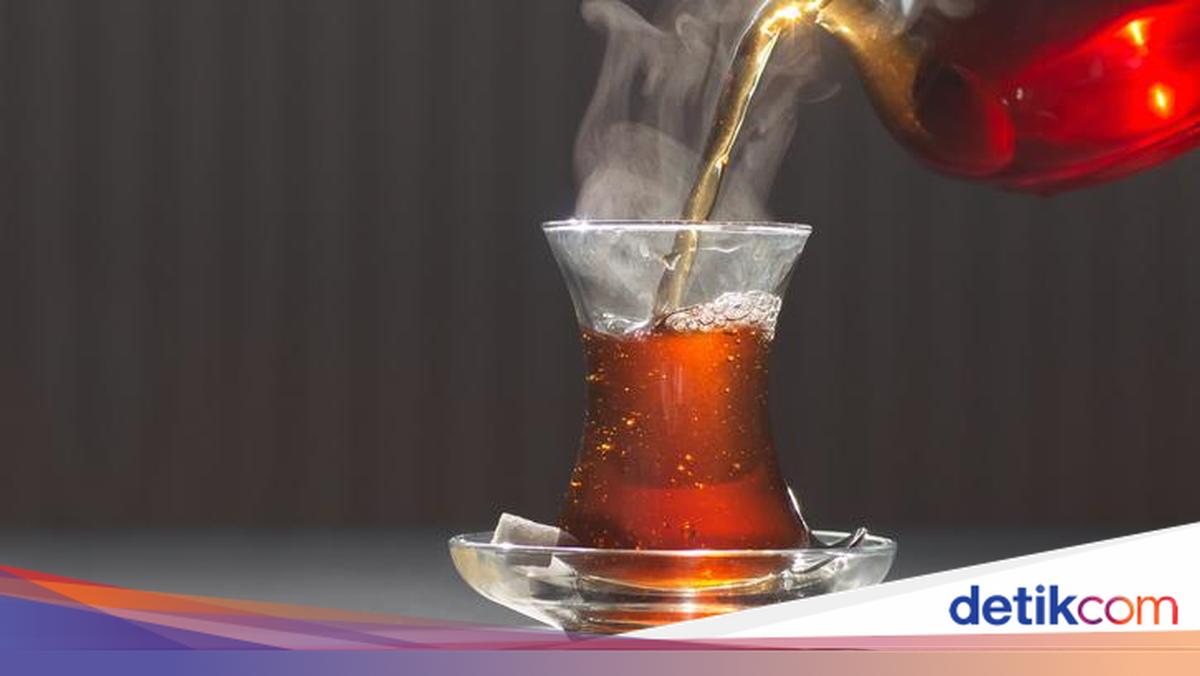
Perut Begah dan Kembung? 5 Teh Ini Bisa Bantu Pulihkan Pencernaan

by Iffa Jayyana September 14, 2026
written by Iffa Jayyana

The sensation of abdominal bloating, fullness, and discomfort is a pervasive global health complaint, often arising from dietary indiscretions, rapid consumption patterns, or underlying digestive sensitivities. As modern lifestyles increasingly favor processed foods and erratic eating schedules, the frequency of gastrointestinal distress—characterized by trapped gas, nausea, and cramping—has prompted a renewed interest in traditional, plant-based remedies. Among the most accessible interventions are various forms of tea, which have served as post-prandial staples in diverse cultures for centuries. While hydration is a fundamental pillar of digestive health, recent physiological research suggests that specific compounds found in tea leaves, roots, and fermented brews offer targeted relief for the gastrointestinal tract.

The Physiology of Digestive Distress

Digestive discomfort, medically referred to as dyspepsia or functional bloating, occurs when the digestive system struggles to process food efficiently. This can manifest as delayed gastric emptying, an imbalance in the gut microbiome, or localized inflammation within the intestinal lining. According to medical data, gastrointestinal issues affect millions of individuals annually, with a significant percentage of these cases attributed to the consumption of high-FODMAP foods or excessive gas-producing ingredients.

In the historical context, the use of botanical infusions for medicinal purposes dates back to ancient Ayurvedic and Traditional Chinese Medicine (TCM) practices. These traditions utilized heat-extracted compounds to stimulate digestive enzymes and soothe intestinal spasms. In contemporary settings, the integration of these practices with clinical nutrition has provided a scientific framework for why certain teas function effectively as carminatives—substances that prevent or relieve gas.

1. The Anti-Inflammatory Power of Ginger Tea

Ginger (Zingiber officinale) remains the gold standard in herbal digestive support. The efficacy of ginger is primarily attributed to its bioactive compounds, gingerols and shogaols. These substances act as potent anti-inflammatory and antioxidant agents that target the gastrointestinal mucosa.

Scientific analysis suggests that ginger facilitates gastric motility, meaning it helps move food from the stomach to the small intestine more efficiently. By accelerating this process, ginger reduces the duration that food sits in the stomach, which is a primary trigger for feelings of "heaviness" and acid reflux. Furthermore, clinical trials have consistently demonstrated that ginger effectively suppresses the chemoreceptor trigger zone in the brain, thereby acting as a reliable anti-emetic for those experiencing nausea. Whether prepared from fresh rhizomes or standardized tea bags, ginger tea serves as an immediate, non-pharmacological intervention for acute abdominal discomfort.

Perut Begah dan Kembung? 5 Teh Ini Bisa Bantu Pulihkan Pencernaan

2. Peppermint: The Natural Antispasmodic

Peppermint tea (Mentha piperita) is perhaps the most widely recognized remedy for abdominal tension. The active ingredient in peppermint, menthol, functions as a natural antispasmodic. By inhibiting calcium channels in the smooth muscle cells of the gastrointestinal tract, menthol induces relaxation in the gut wall.

This mechanism is particularly beneficial for individuals suffering from Irritable Bowel Syndrome (IBS), a condition where the gut muscles become over-reactive. By relaxing these muscles, peppermint tea helps alleviate the cramping and sharp pains associated with trapped gas. However, health experts advise that while peppermint is effective for bloating, individuals with gastroesophageal reflux disease (GERD) should exercise caution. Because peppermint can also relax the lower esophageal sphincter, it may exacerbate heartburn in susceptible individuals. Consequently, the timing of consumption—ideally between meals rather than immediately after—is crucial for maximizing benefits while minimizing risks.

3. Probiotic Support Through Kombucha

Moving beyond traditional herbal infusions, kombucha represents a growing sector in the functional beverage market. Unlike standard tea, kombucha is a fermented product created by adding a symbiotic culture of bacteria and yeast (SCOBY) to a base of sweetened black or green tea.

The fermentation process yields a beverage rich in probiotics—live microorganisms that contribute to a balanced gut microbiome. A robust microbiome is essential for the efficient breakdown of complex carbohydrates and the regulation of digestive transit times. Furthermore, the organic acids produced during fermentation, such as acetic acid, have been shown to inhibit the growth of pathogenic bacteria in the gut.

From an economic and market perspective, the rise of kombucha reflects a broader consumer shift toward "gut-first" wellness. However, nutritionists caution that commercial kombucha brands often contain significant amounts of added sugar to mask the natural sourness of the fermentation process. To achieve the intended digestive health benefits, consumers are encouraged to select products with lower glycemic indices and minimal additives, ensuring that the health-promoting bacteria are not overshadowed by an excess of simple sugars.

4. The Curcumin Advantage in Turmeric Tea

Turmeric (Curcuma longa), a staple of Southeast Asian cuisine, has gained international attention for its primary active compound: curcumin. While turmeric is widely lauded for its systemic anti-inflammatory benefits, its impact on the digestive system is equally profound.

Perut Begah dan Kembung? 5 Teh Ini Bisa Bantu Pulihkan Pencernaan

Curcumin modulates the body’s inflammatory response, which can be critical for individuals with chronic digestive conditions such as mild colitis or persistent gas. Research indicates that turmeric can stimulate the gallbladder to produce bile, a digestive fluid essential for the emulsification and absorption of fats. By improving fat digestion, turmeric tea reduces the likelihood of post-meal bloating. Moreover, the antioxidant properties of curcumin protect the intestinal barrier from oxidative stress, potentially reducing the frequency of flare-ups in sensitive individuals. It is important to note that curcumin has low bioavailability; therefore, adding a pinch of black pepper (which contains piperine) to turmeric tea can significantly enhance the absorption of the active compounds.

5. Black Tea and the Dandelion Root Prebiotic

While black tea is often categorized merely as a caffeinated stimulant, its chemical profile is complex and beneficial. The fermentation of black tea leaves produces high concentrations of theaflavins and thearubigins, which are flavonoids known for their positive impact on gut health. Recent longitudinal studies suggest that regular black tea consumption can shift the microbiome toward a healthier composition by promoting the growth of beneficial bacteria, which in turn reinforces the intestinal barrier.

Complementing this is dandelion root tea, which functions differently as a prebiotic. Dandelion roots are a rich source of inulin, a type of soluble fiber that passes through the digestive system undigested, serving as a primary fuel source for beneficial gut bacteria. By nourishing these microbes, dandelion root tea indirectly supports regular bowel movements and reduces the accumulation of gas. This dual approach—black tea for microbiome modulation and dandelion for fiber-based support—provides a comprehensive strategy for maintaining long-term digestive health.

Broader Implications for Digestive Health

The movement toward using tea as a digestive aid is part of a larger trend in "preventative nutrition." In an era where pharmaceutical interventions for digestive issues are frequently associated with side effects, the turn toward botanicals signifies a desire for more holistic, low-risk health management.

Medical experts observe that while these teas are highly effective for functional digestive issues, they should not be considered replacements for professional medical diagnosis. Chronic bloating, sudden changes in bowel habits, or persistent pain may indicate underlying pathologies such as food intolerances, structural obstructions, or more severe inflammatory bowel diseases. In such instances, the use of tea should be viewed as an adjunct to, rather than a substitute for, clinical medical advice.

Furthermore, the integration of these habits into daily life requires consistency. Digestive health is not a state that can be achieved through sporadic intervention; it is the result of long-term dietary patterns. The adoption of these five teas—ginger, peppermint, kombucha, turmeric, and black/dandelion—provides a sustainable, science-backed methodology for managing the daily challenges of the digestive system. By understanding the specific biological mechanism of each tea, individuals can make informed choices that align with their specific health needs, ultimately fostering a more resilient and comfortable digestive experience.

September 14, 2026 0 comment
0 FacebookTwitterPinterestEmail
Travel & Tourism

BEI Buka Suspensi UNSP, ELTY, dan BTEL Pasca Keterbukaan Informasi Emiten Grup Bakrie

by Nana Wu September 14, 2026
written by Nana Wu

The Indonesia Stock Exchange officially lifted the trading suspension on three prominent subsidiaries of the Bakrie Group, namely PT Bakrie Sumatera Plantations Tbk, PT Bakrieland Development Tbk, and PT Bakrie Telecom Tbk. This decision followed a comprehensive review of the corporate clarifications and documentation submitted by the respective managements to regulatory authorities. The move marked a significant development in a high-stakes regulatory standoff that had gripped the domestic capital market earlier that month, highlighting the delicate balance between aggressive corporate restructuring and the strict transparency mandates governing public companies in Indonesia.

The suspension rollback, announced following a meticulous evaluation by exchange officials, addressed only a portion of the broader Bakrie conglomerate. While market access was restored to the agricultural, property, and telecommunications arms of the group, other flagship entities remained frozen as regulators demanded deeper disclosures. The unfolding events offered a rare glimpse into the regulatory mechanics of the Indonesia Stock Exchange during periods of extreme financial volatility, corporate asset rationalization, and heightened scrutiny over major Indonesian business groups.

Background Context of the October 2008 Market Freeze

The trading halts implemented in October 2008 did not occur in a vacuum. During this period, global financial markets were experiencing severe tremors, culminating in the 2008 global financial crisis triggered by the subprime mortgage collapse in the United States. Domestic equities in Indonesia were not immune to these external shocks, suffering sharp corrections, liquidity squeezes, and extreme volatility. Against this turbulent macroeconomic backdrop, the Bakrie Group—one of Indonesia’s largest and most influential business conglomerates—embarked on an aggressive strategy of asset rationalization and corporate restructuring.

As part of this strategic pivot, the group moved to divest ownership stakes across several major subsidiaries to shore up liquidity, manage mounting debt obligations, and optimize operational efficiencies. However, the sheer scale of these corporate actions raised immediate red flags among market regulators. Under Indonesian capital market regulations, publicly listed companies are legally bound to provide timely, accurate, and comprehensive disclosures regarding any material corporate actions that could influence share prices or investor decision-making.

The management of the Bakrie Group initially failed to deliver the level of detail required by the Indonesia Stock Exchange regarding the identities of prospective buyers, the valuation of the assets being divested, and the precise mechanics of the ongoing restructuring processes. Concerned about potential information asymmetries and the risk of disorderly trading, exchange authorities invoked their regulatory powers to halt trading across the board for all entities affiliated with the conglomerate.

Chronology of Regulatory Action and Compliance

The sequence of events leading to the partial lifting of the suspension began in early October 2008, setting off a frantic period of communication between corporate boardrooms and the regulatory oversight division of the stock exchange.

October 7, 2008: The Indonesia Stock Exchange officially imposed a sweeping trading suspension on all listed entities belonging to the Bakrie Group. This decisive action affected a wide array of sectors, including plantations, property, telecommunications, mining, and diversified industrials. The exchange mandated that management teams from the affected companies provide comprehensive disclosures explaining their ongoing corporate restructuring and asset sale initiatives.

October 8 to October 15, 2008: Legal, financial, and executive teams within PT Bakrie Sumatera Plantations Tbk (UNSP), PT Bakrieland Development Tbk (ELTY), and PT Bakrie Telecom Tbk (BTEL) scrambled to compile the necessary documentation. This included disclosing transaction structures, buyer profiles, and the intended utilization of proceeds from the asset sales. The exchange’s evaluation teams worked around the clock to analyze the incoming data, assessing whether the disclosures met the stringent standards required to protect public shareholders.

BEI Buka Suspensi UNSP, ELTY, dan BTEL : Okezone Economy

October 16, 2008: Following a thorough verification process, exchange leadership determined that the documents submitted by UNSP, ELTY, and BTEL were sufficient. Erry Firmansyah, serving as the President Director of the Indonesia Stock Exchange at the time, formally announced the decision to lift the trading suspension for these three specific entities, allowing them to resume normal trading sessions.

Official Statements and Regulatory Stance

The decision to selectively lift the suspensions underscored the pragmatic yet firm approach adopted by Indonesian market regulators during a period of acute corporate stress. In his official statements to the press in Jakarta, Erry Firmansyah emphasized that regulatory compliance remained non-negotiable, regardless of a corporate group’s size or economic footprint.

"After reviewing the documents that they sent, we decided to lift the suspension for ELTY, UNSP, and BTEL," Firmansyah stated, confirming that the companies had successfully satisfied the information requirements set forth by the exchange. He elaborated that the primary stumbling block had been the lack of clarity surrounding major asset divestments and buyer credentials. "They have already sent the necessary documents. Our team has studied them," he added, noting that the submitted data adequately clarified the ongoing restructuring processes and the identity of the entities acquiring the divested assets.

However, Firmansyah maintained a strict posture regarding the remaining suspended entities within the conglomerate. As of mid-October 2008, three other major Bakrie Group companies—PT Bumi Resources Tbk (BUMI), then a titan in the coal mining sector; PT Energi Mega Persada Tbk (ENRG), focused on oil and gas exploration; and the parent holding company PT Bakrie Brothers Tbk (BNBR)—remained locked in regulatory limbo.

"Until the information provided is sufficient, the suspension will not be lifted," Firmansyah asserted, sending a clear signal to the market that partial compliance would not grant blanket immunity to the entire group.

Broader Impact and Market Implications

The selective reopening of trading for UNSP, ELTY, and BTEL carried profound implications for the domestic financial ecosystem. For investors holding shares in these three companies, the resumption of trading provided much-needed liquidity, allowing them to adjust their portfolios in response to changing market conditions and the newly disclosed corporate restructuring details.

Conversely, the continued suspension of BUMI, ENRG, and BNBR served as a stark reminder of the risks associated with opaque corporate maneuvers during times of financial distress. Minority shareholders in these companies faced prolonged uncertainty, unable to trade their holdings while awaiting further clarifications from management. This divergence in regulatory treatment highlighted the growing maturity of Indonesia’s capital market regulator in enforcing transparency and protecting retail investors from speculative volatility driven by asymmetric information.

Furthermore, the episode underscored the systemic importance of the Bakrie Group within the Indonesian economy. Spanning agriculture, real estate, telecommunications, and natural resources, the conglomerate’s financial health was inextricably linked to broader market sentiment. The aggressive restructuring efforts, while controversial due to initial transparency lapses, reflected the broader corporate scramble in 2008 to deleverage balance sheets in the face of tightening global liquidity.

Ultimately, the events of October 2008 reinforced the evolution of corporate governance standards in Indonesia. By compelling major business groups to adhere strictly to disclosure rules, the Indonesia Stock Exchange demonstrated its commitment to maintaining market integrity, fostering investor confidence, and ensuring that corporate actions are executed under the clear light of public scrutiny.

September 14, 2026 0 comment
0 FacebookTwitterPinterestEmail
Travel & Tourism

AladinTravel by Mister Aladin Streamlines Corporate Travel Management and Global Business Connectivity

by Evan Lee Salim September 14, 2026
written by Evan Lee Salim

In the contemporary era of hyper-globalization, the ability for corporations to facilitate seamless international travel is no longer a luxury but a fundamental operational necessity. As businesses expand their footprints across borders, the complexity of managing cross-border logistics—ranging from stringent visa regulations to intricate scheduling—has grown exponentially. For many organizations, the administrative burden of international mobility often becomes a bottleneck, distracting leadership and staff from their primary objective: driving business growth. Addressing this critical challenge, AladinTravel by Mister Aladin has positioned itself as a comprehensive travel management solution, integrating high-level professional expertise with advanced technological infrastructure to simplify the corporate travel ecosystem.

The Growing Complexity of Corporate Mobility

The landscape of international business travel has undergone a profound transformation over the last decade. Post-pandemic recovery has seen a resurgence in face-to-face meetings, which remain the gold standard for high-stakes negotiations and relationship building. However, the regulatory environment governing travel has become increasingly rigid.

Documentation processes, such as passport procurement and visa applications, are notoriously labor-intensive. These procedures demand an uncompromising level of precision; a minor clerical error or a missing document can lead to significant delays, potentially resulting in the collapse of high-value business deals or missed attendance at pivotal global conferences. Statistics from industry analysts suggest that companies lose billions of dollars annually due to "travel friction"—a term encompassing the time wasted on administrative bureaucracy, the cost of emergency travel rebookings, and the loss of productivity when employees are preoccupied with travel logistics rather than business deliverables.

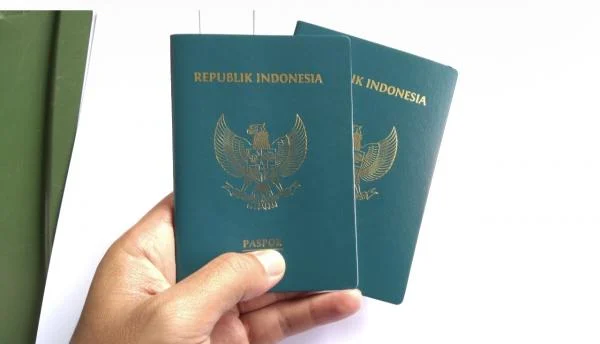
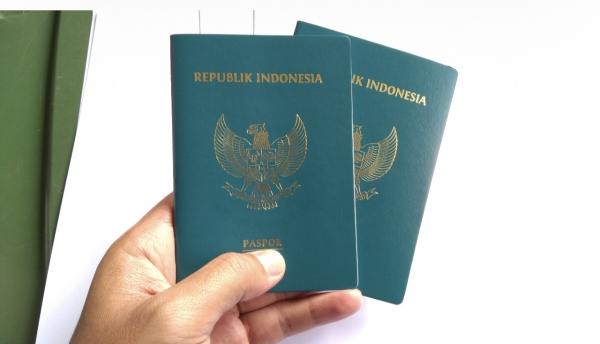
Cara Tepat Pengurusan Paspor dan Visa untuk Perjalanan Bisnis Perusahaan

AladinTravel by Mister Aladin: A Strategic Response

To mitigate these risks, AladinTravel by Mister Aladin offers a holistic suite of services designed to handle the "heavy lifting" of corporate travel management. By outsourcing these functions to a specialized partner, companies can shift their focus toward core competencies.

The firm’s approach is multi-dimensional. At the forefront is their document management division, which provides professional guidance through the maze of international visa requirements. By ensuring that every application is meticulously prepared and verified against the latest immigration laws of destination countries, the firm minimizes the risk of rejection or delay. This service is not merely administrative; it is a risk management tool that protects a company’s operational schedule.

Beyond documentation, the service encompasses a wide range of logistical support, including:

  • Corporate Logistics: Tailored arrangements for hotel bookings, flight reservations, and efficient ground transportation.
  • MICE Services: Specialized handling of Meetings, Incentives, Conferences, and Exhibitions, which require complex coordination of large groups and specialized venue requirements.
  • VIP Concierge: High-touch support for executive travel, ensuring seamless transit and premium service standards.
  • Implant Services: The provision of an on-site expert within the client’s organization, facilitating a direct, internal bridge to external travel management resources.

Technological Integration: The Role of the ATBS

A key differentiator for AladinTravel by Mister Aladin is the AladinTravel Booking System (ATBS). In a digital-first economy, manual booking processes are increasingly obsolete. The ATBS provides corporations with a centralized, integrated platform that allows for autonomous planning and budgeting.

Cara Tepat Pengurusan Paspor dan Visa untuk Perjalanan Bisnis Perusahaan

The implications of this system for corporate governance are significant. By digitizing the travel booking process, companies gain real-time visibility into their travel expenditure. This enables better financial control, as stakeholders can monitor, track, and approve travel budgets in real-time, preventing the "leakage" of funds that often occurs in decentralized, manual booking environments. Instant confirmation protocols further enhance the efficiency of the workflow, ensuring that plans are locked in immediately, thereby shielding the company from price fluctuations in the travel market.

Professional Support and Operational Footprint

The efficacy of a travel management company is often measured by its responsiveness. A 24/7 hotline service is an essential component of the AladinTravel model, providing an immediate safety net for business travelers navigating time zone differences or unexpected disruptions. Whether it is a delayed flight, a lost document, or an urgent change in meeting itinerary, the availability of professional support ensures that the business traveler remains supported, secure, and productive.

With an operational presence spanning major economic hubs in Indonesia—including Jakarta, Surabaya, and Bali—the company has scaled its operations to meet the needs of a diverse clientele, ranging from small-to-medium enterprises to large multinational corporations. This regional coverage ensures that clients have access to localized knowledge, which is vital when navigating specific regional travel regulations and local transport networks.

Economic Implications for Businesses

The integration of professional travel management services like those provided by AladinTravel by Mister Aladin yields clear, fact-based economic advantages. Primarily, it converts a variable and often volatile expense—the cost of travel disruption—into a predictable, managed cost.

Cara Tepat Pengurusan Paspor dan Visa untuk Perjalanan Bisnis Perusahaan
  1. Increased Productivity: By offloading administrative burdens, employees can devote their transit time to preparation and post-meeting analysis, rather than troubleshooting travel logistics.
  2. Cost Optimization: Through bulk negotiating power and the use of the ATBS for better budgeting, companies can achieve substantial savings on flights, hotels, and ground services.
  3. Risk Mitigation: Professional oversight of visas and international documentation significantly reduces the risk of legal or entry-related issues that can lead to significant financial loss and reputational damage.
  4. Strategic Alignment: Travel becomes a strategic tool rather than an administrative burden, enabling companies to pursue market expansion with confidence.

Future Outlook and Industry Context

The global business travel sector is expected to continue its upward trajectory as industries become increasingly interconnected. However, the premium will continue to be placed on efficiency, safety, and technological agility. Companies that rely on antiquated, manual systems for travel management will likely find themselves at a competitive disadvantage, both in terms of cost and the ability to mobilize personnel at short notice.

The emergence of comprehensive service providers like AladinTravel by Mister Aladin reflects a broader trend toward the professionalization of corporate support services. By treating travel as a specialized discipline rather than an incidental task, businesses can ensure that their human capital is deployed effectively, safely, and in accordance with the fast-paced demands of the global market.

As organizations navigate the complexities of international trade and cooperation, the necessity for a reliable partner in the travel sector remains paramount. Through a combination of human expertise, 24/7 availability, and sophisticated booking technology, the firm continues to set a standard for corporate travel management in the region. For businesses aiming to optimize their global operations, the transition toward a managed travel environment is a logical, necessary step toward sustainable international growth.

For further inquiries, organizations can contact the service through their dedicated channel, ensuring that their corporate travel strategy remains agile, secure, and fully aligned with their broader commercial objectives. As the boundaries of business continue to expand, the infrastructure supporting that expansion must be equally robust, ensuring that when the world opens up, businesses are prepared to meet the opportunities it presents.

September 14, 2026 0 comment
0 FacebookTwitterPinterestEmail
Travel & Tourism

Government Approves Lebaran 2021 Mudik With Strict Protocols Amid Public Health Warnings

by Reynand Wu September 14, 2026
written by Reynand Wu

The annual migration of millions of Indonesians heading back to their hometowns for the Eid al-Fitr holiday, widely known as mudik, became a subject of intense national debate in March 2021. Breaking away from the blanket travel bans implemented during the onset of the COVID-19 pandemic in 2020, the Indonesian government officially announced that mudik would be permitted for Lebaran 1442 Hijriah. This policy shift, confirmed by Minister of Transportation Budi Karya Sumadi during a working session with House of Representatives (DPR) Commission V on Tuesday, March 16, 2021, aimed to balance economic reactivation with pandemic containment. However, the decision immediately drew scrutiny from epidemiologists and public health experts who warned of potential transmission spikes in rural areas where vulnerable populations reside.

Chronology of Policy Shifts: From Total Ban to Regulated Travel

To understand the gravity of the 2021 policy, one must examine the timeline of government interventions preceding it. In March and April 2020, as the novel coronavirus began spreading rapidly across the archipelago, the central government initially issued strong discouraging advisories before enacting a formal, nationwide prohibition on mudik in late April 2020. Law enforcement agencies set up numerous checkpoints across major arterial roads, forcing thousands of travelers to turn around to curb the importation of the virus from urban centers, particularly Jakarta, to rural provinces in Java, Sumatra, and beyond.

By early 2021, the landscape had evolved with the introduction of the national vaccination program, which commenced in January 2021. Buoyed by the rollout targeting frontline workers and senior citizens, the government began evaluating the feasibility of relaxing mobility restrictions. On March 16, 2021, Minister Budi Karya Sumadi delivered the landmark statement before Commission V of the DPR. He clarified that while the Ministry of Transportation would not actively encourage or sponsor mudik—as such promotional campaigns fall outside its administrative jurisdiction—the government would not outright prohibit citizens from traveling. Instead, the strategy shifted toward regulation, coordination, and enforcement of health protocols in collaboration with the COVID-19 Task Force.

Regulatory Framework and Screening Mechanisms

Recognizing the immense logistical challenges posed by the mass exodus, the Ministry of Transportation outlined a comprehensive framework designed to mitigate contagion risks. The strategy relied heavily on three core pillars: stringent health protocols, enhanced contact tracing, and shortened validity periods for viral screening tools.

First, adherence to health guidelines was mandated across all phases of travel—from departure terminals and transit zones to onboard vehicles and arrival destinations. Authorities enforced mandatory mask-wearing, physical distancing, frequent disinfection of public transportation infrastructure, and strict passenger capacity caps, typically limited to 50 percent to 70 percent depending on the transportation mode.

Second, to address potential passenger surges, the government coordinated with regional task forces to implement rigorous tracing protocols at major transportation hubs.

Third, the validity period for pre-travel health screenings, such as rapid antigen tests and polymerase chain reaction (PCR) swabs, was significantly compressed to ensure that travelers were not carrying the virus at the time of transit. Furthermore, the government integrated innovative local screening technologies, such as the GeNose C19 breathalyzer developed by Universitas Gadjah Mada, deploying the affordable and rapid detection devices across numerous bus terminals, railway stations, and domestic airports.

Epidemiological Concerns and Public Health Warnings

Despite the Ministry of Transportation’s assurances, the decision to greenlight mudik was met with widespread skepticism and alarm from the scientific community. Prominent epidemiologists argued that premature relaxation of mobility controls could undo months of hard-fought pandemic management.

Dr. Riris Andono Ahmad, an epidemiologist from Universitas Gadjah Mada (UGM), provided critical analysis regarding the policy’s underlying assumptions. According to Dr. Riris, the government’s permissive stance appeared to stem from an overestimation of the population coverage provided by the early stages of the national vaccination campaign. She emphasized that while immunization significantly reduces the severity of illness and hospitalization rates, it does not provide absolute immunity against contracting or transmitting the virus, particularly in crowded public spaces where adherence to health protocols wanes.

Dr. Riris noted that the core vulnerability did not lie within the vaccinated status of travelers alone, but rather in human behavior. If millions of citizens resumed traditional social gatherings, communal dining, and close-contact family visits without strict mask compliance and ventilation, rural areas would inevitably experience transmission waves mirroring those seen in major metropolitan areas during previous holiday seasons.

The Dilemma of Private Versus Public Transportation

A focal point of the epidemiological debate centered on the choice of transportation used by travelers. Public transportation systems—while carrying higher passenger volumes—are subject to regulatory oversight, mandatory screening, and centralized contact tracing. Airports, state railway stations, and official bus terminals were heavily outfitted with screening apparatuses, allowing authorities to monitor passenger health compliance systematically.

Conversely, public health experts expressed grave concern over the reliance on private vehicles, such as motorcycles and personal cars. Millions of citizens traditionally undertake long-distance journeys on motorcycles, often traveling with entire families and making unregulated stops at roadside eateries, rest areas, and local villages. Dr. Riris highlighted that without centralized checkpoints or systematic oversight, private vehicle travel serves as an invisible vector for viral transmission, introducing the pathogen directly into rural communities with limited healthcare infrastructure.

Consequently, the government and independent health experts continuously urged the public to utilize regulated public transport if travel was unavoidable, ensuring that any potential exposure could be more easily traced by health authorities.

Broader Socioeconomic Implications and Outlook

The 2021 mudik debate underscored the delicate balancing act facing governments worldwide: navigating the tension between macroeconomic recovery, psychological well-being, and public health preservation. For millions of Indonesians, mudik is not merely a holiday ritual but a profound cultural and psychological necessity tied to familial solidarity and religious observance after a year of isolation.

However, public health officials maintained that the macro-level risks outweighed individual desires. Epidemiological projections indicated that the cumulative impact of unregulated mobility during a period when national vaccination coverage remained below herd immunity thresholds could trigger localized surges, placing immense strain on regional healthcare facilities.

Ultimately, the events surrounding the March 2021 policy announcement served as a critical precursor to subsequent national policy adjustments. As infection rates fluctuated throughout the year, the government’s approach to holiday travel continued to adapt, reinforcing the lesson that institutional preparedness, rigorous screening, and individual compliance remain indispensable pillars in managing public health crises during major cultural milestones.

September 14, 2026 0 comment
0 FacebookTwitterPinterestEmail
Newer Posts
Older Posts

Recent Posts

  • Levi’s and ROSÉ Unveil Exclusive Denim Capsule Collection Celebrating Individuality and Personal Expression Across Asia-Pacific
  • Teman Lagi Sedih? Kalimat Ini Bikin Mereka Merasa Nyaman dan Didengar Menurut Psikolog
  • Silence Speaks Volumes: Coordinating Minister Rizal Ramli Dodges Inquiries on the Historic Dissolution of Pertamina Energy Trading Limited
  • Mau Gaspol Saat Hyrox? Ini 8 Asupan yang Bisa Jadi Bahan Bakar
  • Pemerintah Buy Back SUN Mencapai Rp100 M

Recent Comments

No comments to show.
  • Facebook
  • Twitter

@2021 - All Right Reserved. Designed and Developed by PenciDesign


Back To Top
Dara News Media
  • Home
  • About Us
  • Contact Us
  • Cookies Policy
  • Disclaimer
  • DMCA
  • Privacy Policy
  • Terms and Conditions

We are using cookies to give you the best experience on our website.

You can find out more about which cookies we are using or switch them off in .

Dara News Media
Powered by  GDPR Cookie Compliance
Privacy Overview

This website uses cookies so that we can provide you with the best user experience possible. Cookie information is stored in your browser and performs functions such as recognising you when you return to our website and helping our team to understand which sections of the website you find most interesting and useful.

Strictly Necessary Cookies

Strictly Necessary Cookie should be enabled at all times so that we can save your preferences for cookie settings.