• Home
  • About Us
  • Contact Us
  • Cookies Policy
  • Disclaimer
  • DMCA
  • Privacy Policy
  • Terms and Conditions
Dara News Media
keep your memories alive
Technology

Realme 16 Pro Harry Potter Edition Set for Indonesian Launch as Tech and Pop Culture Converge

by Suro Senen September 15, 2026
written by Suro Senen

Realme has officially announced the upcoming launch of the realme 16 Pro Harry Potter Edition in the Indonesian market, a strategic collaboration with Warner Bros. Discovery Global Consumer Products. This release marks a significant milestone in the brand’s "Special Edition" series, aiming to capture the intersection of high-performance mobile technology and global pop-culture fandom. By blending the aesthetic sensibilities of J.K. Rowling’s Wizarding World with the technical specifications of the realme 16 Pro, the company is positioning this device not merely as a communication tool, but as a collector’s item for enthusiasts of the Harry Potter franchise.

Aesthetic Design and Material Innovation

The design philosophy behind the realme 16 Pro Harry Potter Edition deviates from the standard industrial minimalism typically seen in contemporary smartphones. Instead, the device utilizes a premium aesthetic inspired by the "Wizard’s Chess" sequences popularized in the Harry Potter series. The rear panel is finished in a deep, sophisticated brown, utilizing a high-grade faux-leather texture featuring an Argyle pattern. This choice of material serves to evoke the nostalgic, tactile feel of vintage leather-bound spellbooks and trunks associated with Hogwarts School of Witchcraft and Wizardry.

The attention to detail extends to the camera module and the device’s chassis. The Camera Deco, crafted with a "Metal Mirror" finish, is designed to mimic the appearance of Hedwig’s eyes, a subtle nod that fans of the series will immediately recognize. Complementing this is a laser-engraved "Welcome to Hogwarts" slogan on the metallic middle frame, providing a permanent, high-precision aesthetic signature. These design choices reflect a growing trend in the smartphone industry where manufacturers move beyond internal specifications to offer highly personalized, thematic hardware that serves as an extension of a consumer’s personal interests.

The Hogwarts Limited Edition Gift Box

Central to the product launch is the inclusion of a limited-edition gift box, a strategy designed to heighten the "unboxing experience"—a critical component in modern consumer electronics marketing. Realizing the value of exclusivity, realme has limited the global production of this specific gift set to 5,000 units. The box is engineered as a 1:1 scale replica of the iconic trunk used by Harry Potter to transport his belongings to Hogwarts.

Inside, the packaging includes customized accessories designed to immerse the user in the theme. Historically, limited-edition bundles of this nature have shown high appreciation value in the secondary market, making this release a point of interest for both gadget enthusiasts and memorabilia collectors. The scarcity of the 5,000-unit global inventory suggests that the company is targeting a premium, niche segment of the market, prioritizing brand prestige and engagement over mass-market volume for this specific SKU.

Strategic Collaboration and Market Context

The partnership with Warner Bros. represents a broader trend of technology companies leveraging Intellectual Property (IP) to differentiate themselves in a saturated smartphone market. In Indonesia, where the realme brand has seen significant growth over the past five years, the Harry Potter franchise maintains a robust and multi-generational fan base.

Market analysts observe that such collaborations are effective in building brand loyalty. By aligning with a globally recognized franchise, realme is attempting to transcend the "budget-friendly" label that characterized its early years, moving toward a more lifestyle-oriented brand image. This launch follows a series of successful limited-edition releases by various tech firms, which have proven that consumers are increasingly willing to pay a premium for hardware that reflects their cultural affinities.

Chronology of the Real-Me Expansion

Realme’s trajectory in the Indonesian market has been marked by rapid expansion and aggressive localization. Since its entry into the country, the brand has focused on integrating local market preferences into its global product roadmaps.

realme 16 Pro Edisi Khusus Harry Potter Segera Meluncur di Indonesia, Intip Tampilannya : Okezone Ototekno
  • 2018: Realme enters the Indonesian market, focusing on mid-range performance devices.
  • 2020-2022: The company pivots toward design-centric models, launching the "Pro" series, which focuses on camera capabilities and slim design.
  • 2024: Realme begins integrating AI-driven camera features across its flagship line.
  • 2025: The company formalizes its "Culture-Tech" initiative, leading to high-profile IP collaborations.
  • September 2026: The announcement of the realme 16 Pro Harry Potter Edition signals a shift toward high-end, limited-production aesthetic hardware.

Technical Specifications and Performance Expectations

While the aesthetic modifications are the primary draw, the realme 16 Pro is expected to maintain the high-performance standards associated with its series. Based on the baseline model, the device features a high-refresh-rate AMOLED display, a high-density battery with rapid charging capabilities, and a multi-lens camera system optimized for low-light photography.

The software experience will likely include a customized user interface (UI) theme, featuring Harry Potter-inspired iconography, wallpapers, and perhaps even custom system sounds, ensuring that the thematic experience remains consistent from the moment the device is powered on. Analysts suggest that the software integration is just as vital as the hardware; a cohesive theme prevents the device from feeling like a standard phone in a branded case, thereby increasing the overall product value.

Broader Impact on the Consumer Electronics Industry

The introduction of the realme 16 Pro Harry Potter Edition carries several implications for the electronics market. Firstly, it highlights the importance of "phygital" (physical and digital) experiences. As smartphones become increasingly commoditized, the differentiator becomes the narrative surrounding the device.

Secondly, this launch serves as a case study for supply chain management in limited-run products. Producing 5,000 units of a complex, custom-molded box while maintaining quality control across a global distribution network requires significant operational maturity. If the launch proves successful, it may encourage other manufacturers to pursue similar "drop" models, where products are released in restricted quantities to generate hype and demand.

Official Stance and Market Reaction

While official statements from Warner Bros. emphasize the desire to bring the magic of the Wizarding World into the daily lives of fans, realme’s representatives have highlighted the importance of craftsmanship. According to company insiders, the design process for this specific model took over twelve months, involving iterative testing to ensure that the faux-leather finish could withstand the rigors of daily use without degrading.

Early reactions from tech enthusiasts in Indonesia have been largely positive. Tech forums and social media channels have noted the distinctiveness of the Hedwig-inspired camera module, with many users praising the move away from the traditional, utilitarian designs that have dominated the market for the last decade.

Future Implications for Smartphone Design

Looking ahead, the success of the realme 16 Pro Harry Potter Edition could dictate future design trends. If the collaboration yields strong sales and positive reception, the industry may see a surge in "fan-first" hardware. This does not necessarily mean every phone will feature a fantasy theme, but it does suggest that manufacturers are becoming more comfortable experimenting with textures, materials, and thematic storytelling.

Furthermore, the environmental impact of such special editions is being scrutinized. However, given the limited run, the impact is likely minimal compared to mass-market production. The durability of the device, coupled with its status as a collector’s item, may also contribute to a longer lifecycle for the hardware, as owners are less likely to discard or replace a device that holds personal or sentimental value.

Conclusion

The realme 16 Pro Harry Potter Edition is more than just a smartphone; it is a manifestation of the synergy between narrative-driven entertainment and modern hardware engineering. By tapping into the enduring appeal of the Harry Potter universe, realme has crafted a product that resonates on an emotional level with its audience. As the company prepares for the official Indonesian launch, the market will be watching closely to see how effectively this blend of technology and magic performs in a competitive landscape. Whether it becomes a standard-bearer for future collaborations or remains a unique outlier, the device stands as a testament to the evolving nature of consumer electronics in the modern era.

September 15, 2026 0 comment
0 FacebookTwitterPinterestEmail
Technology

OPPO Confirms Official Launch Date for the Flagship Find X10 Series Featuring Advanced Camera Technology and Massive Battery Capacity

by Lina Irawan September 15, 2026
written by Lina Irawan

OPPO has officially confirmed that its highly anticipated next-generation flagship smartphone lineup, the Find X10 Series, is scheduled to make its global debut in China on September 22, 2026. As the official launch date approaches, the technology conglomerate has begun unveiling key design elements and select technical specifications through a series of official promotional teasers. The upcoming flagship family represents a significant leap forward in mobile engineering, combining cutting-edge processing architecture, industry-leading display technology, and exceptional battery endurance. With a total of three distinct models slated for release, the Find X10 series is positioned to compete aggressively in the upper echelon of the global smartphone market.

Lineup Diversification: Three Unique Models Tailored for Consumers

The OPPO Find X10 Series will launch with three distinct iterations designed to cater to varying consumer preferences and technical requirements. The lineup consists of the base OPPO Find X10, the ultra-premium OPPO Find X10 Pro Max, and the more accessible OPPO Find X10 E. While all three devices share a cohesive design language characteristic of OPPO’s flagship philosophy, subtle variations set them apart visually and functionally.

Dikonfirmasi Debut 22 September, Begini Desain dan Bocoran Spesifikasi OPPO Find X10 Series! • Jagat

The standard OPPO Find X10 and the ultra-tier Pro Max variant showcase a refined aesthetic that departs from previous generations. However, the Find X10 Pro Max distinguishes itself most notably through a redesigned rear camera arrangement. It features a prominent square camera module accompanied by an adjacent pill-shaped secondary housing, signaling advanced hardware integration. Conversely, the entry-level Find X10 E adopts a more traditional approach, retaining a squared camera island reminiscent of older iterations, providing a familiar aesthetic for long-time users of the brand.

Cutting-Edge Optics and Hasselblad Collaboration

Photography remains a focal point of the Find X10 Series, with OPPO heavily emphasizing high-resolution sensor integration across the board. The flagship OPPO Find X10 Pro Max is equipped with an unprecedented camera configuration, boasting three high-performance 200-megapixel sensors. This setup covers both the primary wide-angle shooter and the dedicated telephoto lens, promising exceptional clarity and dynamic range. Furthermore, the Pro Max integrates the Hasselblad Ultra-Clear Original Camera technology, a continuation of OPPO’s strategic partnership with the legendary Swedish camera manufacturer to ensure color accuracy and professional-grade tuning.

The standard OPPO Find X10 also punches above its weight class by incorporating dual 200-megapixel sensors dedicated to its primary and telephoto systems. Meanwhile, specific optical details for the Find X10 E remain under wraps, though industry analysts anticipate competent multi-sensor capabilities aligned with its positioning as a more budget-conscious alternative within the flagship ecosystem.

Dikonfirmasi Debut 22 September, Begini Desain dan Bocoran Spesifikasi OPPO Find X10 Series! • Jagat

Display Innovation and Massive Battery Longevity

Display technology on the Find X10 Series sets a new benchmark for industrial design. The standard OPPO Find X10 utilizes an advanced OLED panel—specifically the Tiangong Screen 2.0 developed by Tianma. A standout feature of this display is its remarkably slim bezel profile, measuring a mere 0.99mm across all four sides, offering a near-borderless viewing experience. The premium Find X10 Pro Max maintains a similarly ultra-narrow profile, featuring a 1.15mm bezel that maximizes screen-to-body ratios without compromising structural integrity.

Power management and battery technology represent another major breakthrough for the lineup. The Find X10 series houses an impressive 8,000mAh battery capacity. Beyond raw capacity, OPPO has engineered the power architecture to maintain optimal cell performance and energy retention over an extended operational lifespan, guaranteeing stable health for more than five years of daily usage. This development addresses one of the primary pain points for power users who retain their devices for multiple upgrade cycles.

Next-Generation Processing Power and Software Integration

Under the hood, the Find X10 Series relies on cutting-edge semiconductor architecture designed to deliver flagship-tier computing power and energy efficiency. The standard OPPO Find X10 is powered by the high-performance Dimensity 9500 processor. In comparison, the top-tier Find X10 Pro Max utilizes an advanced 2nm chipset, widely believed within the industry to be the unreleased Dimensity 9600 Pro.

Dikonfirmasi Debut 22 September, Begini Desain dan Bocoran Spesifikasi OPPO Find X10 Series! • Jagat

Early benchmark sightings on Geekbench have further substantiated these performance claims, revealing configurations featuring 16GB of high-speed RAM running on the latest Android 17 operating system. These hardware specifications ensure seamless multitasking, robust artificial intelligence processing capabilities, and future-proof performance for demanding mobile applications and high-end gaming.

Market Implications and Strategic Positioning

The official confirmation of the September 22, 2026, launch date underscores OPPO’s aggressive timeline to capture market share during the fiercely competitive autumn release window. By packing unprecedented specifications—such as triple 200-megapixel cameras, 2nm processing nodes, and an 8,000mAh battery—into a refined form factor, OPPO is directly challenging rival manufacturers in the premium segment.

Industry analysts observe that the integration of multi-year battery health guarantees and ultra-thin bezel technology could establish a new industry standard for flagship smartphones moving forward. As the official unveiling event draws near next week, attention will undoubtedly shift toward official pricing, global availability timelines, and the complete detailing of regional launch strategies for the OPPO Find X10 Series.

September 15, 2026 0 comment
0 FacebookTwitterPinterestEmail
Automotive

Apple Releases iOS 26.7 to Address Critical Security Vulnerabilities for Legacy iPhone Users

by Laily UPN September 15, 2026
written by Laily UPN

In a strategic move to prioritize system integrity and user protection, Apple has officially rolled out iOS 26.7 for a wide range of compatible iPhone models. While the global technology community remains largely fixated on the cutting-edge features and architectural shifts introduced in iOS 27, this latest update serves as a vital safeguard for users who, for professional or personal reasons, have chosen to remain on the previous iteration of Apple’s mobile operating system. By decoupling security maintenance from major feature deployments, Apple is reinforcing its commitment to the long-term viability and data privacy of its vast installed user base.

The Scope of iOS 26.7: A Security-First Mandate

Unlike traditional software updates that typically introduce aesthetic refinements, new functionalities, or user interface (UI) enhancements, iOS 26.7 is exclusively an engineering response to identified security threats. The decision to forgo new features is a deliberate choice intended to minimize the "attack surface" of the operating system. By focusing entirely on the underlying architecture, Apple developers have successfully patched critical vulnerabilities that could have potentially been exploited by malicious actors.

In the current digital landscape, where the frequency and sophistication of cyberattacks are reaching unprecedented levels, the role of "out-of-band" security updates has become paramount. These patches are designed to mitigate risks that cannot wait for the next major OS release cycle. By deploying these fixes now, Apple provides a robust shield for devices that contain sensitive personal data, corporate communications, and financial information, effectively neutralizing potential zero-day exploits before they can be weaponized in the wild.

Chronology of the Release and Strategic Positioning

The release of iOS 26.7 follows a period of rapid development within Apple’s software division. The company typically maintains a bifurcated update strategy during the transition between major OS versions. Historically, Apple provides support for the previous version for several months following the launch of a new major iteration to ensure that enterprise clients and individual users have sufficient time to test their apps and workflows against the new environment.

The chronology of this release highlights Apple’s tiered approach to software lifecycle management:

  1. Initial Discovery Phase: Security researchers and Apple’s internal threat intelligence teams identify a series of vulnerabilities within the core kernel and web-rendering engines of the iOS 26 architecture.
  2. Development and Testing: Engineers prioritize the development of a patch that addresses these vulnerabilities without altering the existing API structure, ensuring that the stability of the system remains uncompromised.
  3. Deployment Strategy: Apple implements a UI change within the "Software Update" settings menu, positioning iOS 26.7 as the primary, recommended update for devices still running the legacy software, while relegating the upgrade to iOS 27 to a secondary, optional position.
  4. Public Rollout: The update is pushed to global servers, allowing millions of users to secure their devices with minimal disruption to their daily usage patterns.

The Importance of Patch Management in Modern Computing

The cybersecurity landscape of the mid-2020s is defined by the rapid emergence of vulnerabilities. Data from industry analysts indicates that the time between the discovery of a vulnerability and the development of an exploit is shrinking. Consequently, the onus is on hardware manufacturers to deliver timely patches.

For corporate environments, where thousands of iPhones may be deployed across a workforce, the ability to maintain a stable, secure environment while delaying a move to a new major OS—which may require significant IT validation—is invaluable. iOS 26.7 provides this stability. By addressing critical bugs that could lead to unauthorized access or remote code execution, Apple ensures that the transition period between OS versions does not become a period of heightened risk for its users.

Analyzing the User Experience and UI Adjustments

A notable aspect of this update is how Apple has modified the user experience within the Settings application. By listing iOS 26.7 as the default recommended update, Apple is implicitly acknowledging that not every user is ready to migrate to the next major version of iOS. This design choice is rooted in data-driven user behavior analysis, which shows that a significant percentage of users prefer to defer major OS updates to avoid potential compatibility issues with specialized enterprise applications or to wait for the first "point-one" release of a new OS to ensure stability.

By creating a clear, two-track update system, Apple is effectively providing a "safety lane" for its users. This serves as a testament to the maturity of the iPhone ecosystem, where the company recognizes that security is a universal requirement, while feature adoption is a matter of user preference and timing.

Implications for the Broader Apple Ecosystem

The release of iOS 26.7 also has implications for the broader Apple hardware lifecycle, particularly as newer devices like the iPhone 18 begin to dominate the market. As Apple introduces more sophisticated hardware features, the demand on the software to support those features grows. However, the maintenance of legacy software ensures that older devices remain functional and secure for as long as possible.

This approach has profound benefits for:

  • Enterprise Security: IT departments can maintain a consistent security posture across their entire device fleet.
  • Device Longevity: By keeping older phones secure, Apple encourages a longer device replacement cycle, which aligns with the company’s environmental sustainability goals.
  • Consumer Trust: When users know that their devices will continue to receive critical security updates even after a new major OS is released, the value proposition of the iPhone as a long-term investment is solidified.

Technical Perspectives on Zero-Day Protection

Security experts emphasize that the vulnerabilities addressed in iOS 26.7 are not merely theoretical. They represent the type of "zero-day" flaws that are highly sought after in the private exploit market. These flaws often reside in low-level system components—such as the memory management unit or the network stack—where they can bypass standard user-level permissions.

By issuing this patch, Apple is demonstrating its capacity to respond to advanced persistent threats. The update likely includes hardening measures that make it significantly more difficult for malicious actors to chain multiple vulnerabilities together to achieve a full system compromise. While the specific details of these vulnerabilities are often kept under embargo until a significant majority of the user base has updated, the necessity of the patch is underscored by the urgency with which it was pushed to the public.

The Balancing Act: Security vs. Feature Innovation

The release of iOS 26.7 is a perfect case study in the balancing act of modern software engineering. Innovation is the engine that drives interest in new devices like the iPhone 18, but stability and security are the foundations that maintain customer loyalty.

Industry analysts suggest that Apple’s ability to manage two parallel software development tracks—the development of iOS 27 features and the maintenance of iOS 26 security—is a core competency that differentiates it from competitors. It requires a significant allocation of engineering resources to backport security fixes to an older branch of code, a task that many smaller manufacturers often fail to perform adequately.

Future Outlook and Recommendations for Users

Looking ahead, as Apple continues to advance its software capabilities, it is expected that this dual-track update policy will remain a staple of the iOS ecosystem. Users are strongly encouraged to navigate to their Settings menu to verify their current version.

For those who rely on their iPhones for critical tasks—such as accessing sensitive company data, banking, or storing proprietary information—the installation of iOS 26.7 is not merely a recommendation; it is a necessity. Even if one intends to eventually upgrade to iOS 27, ensuring the current system is fortified against known threats is a best practice in digital hygiene.

In conclusion, the release of iOS 26.7 underscores a fundamental truth about the modern smartphone era: a device is only as secure as its most recent update. Apple’s dedication to providing a secure environment for legacy users, even while the spotlight shines on newer iterations of its hardware and software, highlights a responsible and forward-thinking approach to product management. By prioritizing security through this targeted update, Apple has once again affirmed its position as a leader in maintaining the integrity of the personal computing experience. As the digital landscape continues to evolve, the ability to deliver such precise, effective, and timely interventions will remain a critical metric of success for technology leaders globally.

September 15, 2026 0 comment
0 FacebookTwitterPinterestEmail
Automotive

Nursyahbani Katjasungkana A Lifelong Champion of Women Rights and Legal Aid in Indonesia

by Nana Muazin September 15, 2026
written by Nana Muazin

The landscape of Indonesian human rights activism and legal defense has been shaped by a dedicated cohort of pioneers who emerged during the late 20th century, among whom Nursyahbani Katjasungkana stands out as a preeminent figure. Born in Jakarta on April 7, 1955, Nursyahbani has dedicated decades of her life to advancing the emancipation of women, reforming the national legal framework, and providing institutional support to marginalized communities, particularly female victims of violence. Her career spans grassroots legal advocacy, institutional leadership within the Legal Aid Institute, international research, legislative representation, and high-profile defense assignments. This comprehensive examination explores her formative years, her extensive career trajectory within Indonesia’s civil society, her tenure in the national legislature, and her enduring legacy as a feminist jurist inspired by the ideals of Raden Adjeng Kartini.

Early Life and Academic Foundations

Nursyahbani Katjasungkana spent her formative years in the province of East Java, a period that instilled in her a deep awareness of the social disparities and cultural constraints faced by women in post-colonial Indonesia. As she navigated her education, she developed a profound interest in jurisprudence as a mechanism for societal change and justice.

In 1978, she achieved a significant academic milestone by earning her Bachelor of Laws (S-1) degree from the Faculty of Law at Airlangga University (Unair) in Surabaya, one of Indonesia’s most prestigious institutions of higher education. Demonstrating a strong commitment to deepening her expertise in the intricacies of the penal system, she pursued further specialization in criminal law at the same university, completing her advanced studies a year later in 1979. This rigorous academic foundation equipped her with the technical legal knowledge necessary to challenge systemic injustices and defend the rights of vulnerable populations within a legal system historically dominated by patriarchal structures.

Entry into Legal Activism and the Legal Aid Institute

Nursyahbani’s professional journey began in the trenches of public interest law. She joined the Legal Aid Institute (Lembaga Bantuan Hukum, or LBH), an organization that has historically served as the vanguard of human rights defense in Indonesia. Initially serving as an advocate within LBH Jakarta, she later expanded her geographical and operational scope by working with LBH Yogyakarta, where she gained invaluable experience in addressing regional human rights abuses and labor disputes.

Seeking to maximize her impact at the national center of political and legal gravity, Nursyahbani eventually returned to the capital, Jakarta. Her dedication, intellectual rigor, and leadership capabilities did not go unnoticed within the organization. Over a span of four years, her responsibilities within LBH Jakarta scaled upward until she was appointed Deputy Director of the institution.

Her ascent culminated between 1987 and 1990, when she was entrusted with the position of Director of LBH Jakarta. During her directorship, the organization navigated complex socio-political dynamics under the authoritarian New Order regime, consistently offering legal representation to political dissidents, oppressed laborers, and women facing structural discrimination. Her leadership cemented LBH Jakarta’s reputation as a vital sanctuary for the defense of civil liberties and human rights.

Institutionalizing Women Rights: Founding KPI and LBH Apik

Recognizing that mainstream legal aid structures often failed to adequately address the specific, gendered dimensions of human rights violations, Nursyahbani spearheaded critical institutional innovations. Deeply inspired by the pioneering feminist and national heroine Raden Adjeng Kartini—whose compiled letters fueled her lifelong passion for female emancipation and educational equity—she took concrete steps to build sustainable organizational infrastructure for women.

Nursyahbani was instrumental in the establishment of the Indonesian Women Coalition (Koalisi Perempuan Indonesia, or KPI), a mass-based organization designed to unite women across diverse socioeconomic and ethnic backgrounds to advocate for policy reform and gender equality. Furthermore, she played a foundational role in creating the Legal Aid Institute for Women Victims of Violence (LBH Apik). LBH Apik filled a critical vacuum in the Indonesian legal landscape by providing specialized legal counsel, psychological support, and advocacy for women suffering from domestic abuse, sexual assault, and workplace discrimination—issues that were frequently dismissed as private domestic matters by the formal legal apparatus.

Nursyahbani Katjasungkana : Okezone News

In addition to her domestic activism, Nursyahbani’s expertise was recognized internationally. She was selected to lead a comprehensive research project focusing on gender and access to justice in Malaysia, contributing valuable comparative insights to the broader discourse on women rights within Southeast Asia.

Legislative Tenure and the Defense of Secular Legal Principles

Transitioning from civil society advocacy to formal state politics, Nursyahbani entered the national legislative arena during the 2004–2009 period. Running under the banner of the National Awakening Party (Partai Kebangkitan Bangsa, or PKB), she successfully secured a seat as a member of the People Representative Council (DPR RI).

Her tenure in parliament coincided with a period of intense ideological debate regarding the intersection of morality, religion, and state law. One of the most contentious legislative battles during her time in office was the deliberation surrounding the Anti-Pornography and Porno-Action Bill (Rancangan Undang-undang Anti Pornografi dan Pornoaksi, or RUU APP).

Nursyahbani emerged as one of the most vocal and articulate opponents of the bill in its proposed form. She argued persistently that the legislation was inherently patriarchal and would disproportionately criminalize women, restrict female bodily autonomy, and infringe upon Indonesia’s constitutional commitment to cultural and regional diversity. Her opposition positioned her at the center of a national controversy, earning her both praise from progressive civil society groups and sharp criticism from conservative religious factions. Despite her efforts, the broader political momentum ultimately favored the bill’s passage, but her principled dissent underscored her unwavering commitment to defending women autonomy against majoritarian legislative pressures.

High-Profile Legal Defense and Later Career Developments

Nursyahbani’s reputation as a fearless legal defender extended far beyond her early years at LBH. In subsequent years, her legal acumen and integrity led to high-profile appointments. Notably, she was tapped by prominent anti-corruption figures Abraham Samad and Bambang Widjojanto to handle their complex legal matters during times of intense institutional pressure involving the Corruption Eradication Commission (KPK). This assignment further cemented her status as a trusted defender of justice advocates facing systemic state overreach.

Analysis of Implications and Enduring Legacy

The trajectory of Nursyahbani Katjasungkana’s career offers a compelling case study on the evolution of modern Indonesian feminism and public interest law. By bridging the gap between grassroots activism and institutional policymaking, she demonstrated that sustainable social change requires both external pressure and internal legislative engagement.

Her contributions have had profound structural implications for Indonesia. The institutions she helped build—most notably LBH Apik and KPI—continue to operate as critical bulwarks against gender-based violence and discrimination, offering frontline services to thousands of Indonesian women annually. Furthermore, her willingness to challenge regressive legislation during her time in parliament established a vital precedent for feminist parliamentarians navigating conservative political environments.

As Indonesia continues to grapple with issues of legal reform, gender equity, and the protection of civil liberties, the foundational work laid by figures like Nursyahbani Katjasungkana remains profoundly relevant. Her life’s work serves as an enduring testament to the power of principled legal advocacy and the persistent pursuit of social justice in a developing democracy.

September 15, 2026 0 comment
0 FacebookTwitterPinterestEmail
Sports

Marc Marquez Secures Historic Seventh MotoGP World Championship in 2025 After Epic Career Resurgence

by Nana Muazin September 15, 2026
written by Nana Muazin

The premier class of motorcycle Grand Prix racing has witnessed one of the most remarkable and emotionally charged comebacks in the history of motorsport, as Spanish icon Marc Marquez officially reclaimed the MotoGP throne in the 2025 season. Marking a triumphant return to the absolute peak of the sport after a grueling six-year title drought defined by severe physical trauma, career-threatening injuries, and high-stakes factory team migrations, Marquez secured his seventh premier class crown. With this latest championship, the rider from Cervera has not only cemented his legacy as one of the greatest athletes to ever straddle a racing motorcycle, but he has also drawn level with the legendary Valentino Rossi in terms of premier class titles, bringing his total career world championships across all categories to an astonishing nine.

The journey to this historic milestone required profound resilience. Having burst onto the international scene a decade and a half ago, Marquez’s career has traced a trajectory of unprecedented dominance, devastating setbacks, and ultimate redemption. As the paddock prepares for the upcoming Indonesian Grand Prix—where ticket sales for exclusive categories such as the deluxe and royal box have completely sold out amid mounting anticipation—the global motorsport community continues to dissect the layers of a championship campaign that will be studied for generations.

A Chronicle of Triumph: The Anatomy of a Record-Breaking Career

To understand the magnitude of Marquez’s 2025 resurgence, one must examine the foundational years that established him as the undisputed king of the premier class. Born on February 17, 1993, in Cervera, Spain, Marquez displayed prodigious talent from a very young age, securing the 125cc world championship in 2010 before following it up with the Moto2 world title in 2012.

His transition to the MotoGP class in 2013 with the Repsol Honda Team initiated an era of unprecedented statistical milestones. In his debut premier class season, Marquez made global headlines by securing pole position and his maiden victory at Laguna Seca. At just 20 years and 63 days old, he shattered the longstanding record held by Freddie Spencer—who was 20 years and 196 days old when he won the 1982 Belgian Grand Prix at Spa-Francorchamps—to become the youngest premier class Grand Prix winner in history. That same season culminated in his first MotoGP world title.

Momentum continued in 2014 when Marquez secured his second consecutive premier class title by finishing second at the Twin Ring Motegi circuit, accumulating 20 crucial championship points. In doing so, he became the first Honda rider to clinch a world championship on home soil at Motegi. Furthermore, at 21 years and 237 days old, he eclipsed Mike Hailwood’s 1963 record as the youngest rider to capture back-to-back premier class titles, a record Hailwood had set at 23 years and 152 days old.

Following a challenging and turbulent 2015 campaign plagued by machine struggles and uncharacteristic crashes, Marquez engineered a masterclass in tactical consistency for the 2016 season. Despite facing formidable opposition, he secured his third premier class title at the age of 23, once again surpassing Hailwood’s historical benchmark as the youngest rider to claim three premier class championships.

The ensuing years showcased a period of absolute hegemony. The 2017 season witnessed a relentless campaign where Marquez fended off a ferocious challenge from Ducati’s Andrea Dovizioso, securing his fourth premier class crown and breaking yet another of Hailwood’s longevity records. In 2018, despite early-season adversity—including three separate penalties at the tumultuous Grand Prix of Argentina—Marquez displayed supreme adaptability to secure nine Grand Prix victories. He clinched the title at Motegi, Honda’s home turf, etching his name into the history books as the youngest rider ever to secure seven total world championships across all classes.

The 2019 season represented the zenith of his first dominant era. Engaging in breathtaking wheel-to-wheel combat with Andrea Dovizioso and rising star Fabio Quartararo, Marquez secured his sixth premier class title in dominant fashion, bringing his cumulative world championship tally across all categories to eight. However, the trajectory of his career was violently altered in 2020 when a catastrophic crash at the Spanish Grand Prix in Jerez resulted in a severe right humerus fracture. This injury precipitated a multi-year nightmare involving multiple major surgeries, chronic bone infection, and debilitating diplopia (double vision).

The Wilderness Years and the Bold Factory Transition

The period between 2020 and 2023 tested the mental and physical fortitude of the Spanish champion. While Honda struggled to develop a competitive RC213V machine under the sweeping aerodynamic and technical evolution of the sport, Marquez battled continuously against physical limitations. Recognizing that his competitive window was narrowing, Marquez made the seismic, emotional decision to sever his decade-long ties with the Repsol Honda Team at the end of the 2023 season.

Opting for a one-year stint with the satellite Gresini Racing Team aboard a year-old Ducati Desmosedici for the 2024 season, Marquez silenced his doubters by proving he could still win races against younger opposition riding current-specification machinery. This strategic gamble served as the ultimate audition, leading directly to his high-profile recruitment by the factory Ducati Lenovo Team for the 2025 season. Transitioning to the benchmark motorcycle of the modern era provided Marquez with the technological platform necessary to launch a systematic assault on the championship.

The 2025 Redemption: Clinching Title Number Seven

The culmination of this multi-year rehabilitation and team transition materialized on Sunday, September 28, 2025, precisely at the Twin Ring Motegi circuit in Japan—the very venue that had witnessed so many of his past triumphs. Delivering a calculated, mature, and tactically flawless performance, Marquez crossed the finish line in second place, securing the points required to mathematically seal the 2025 MotoGP World Championship.

Significantly, the championship battle featured an intense familial storyline, with Marquez fending off the spirited challenge of his younger brother and competitor, Alex Marquez, who has enjoyed a career-best run of form. By securing this seventh premier class title, Marc Marquez officially tied with Italian icon Valentino Rossi, drawing level in the elite echelon of premier class history and cementing his status as the defining motorcycle racer of the 21st century.

Industry Reactions and Rival Awe

The confirmation of Marquez’s seventh premier class crown sent shockwaves of admiration and professional respect throughout the global motorsport paddock. Longtime rivals, factory executives, and organizational stakeholders were quick to publicly acknowledge the historical weight of his achievement. Competitors who had spent over a decade battling the Spaniard wheel-to-wheel praised not only his supernatural riding ability and innate talent on the motorcycle, but also his psychological resilience in the face of career-ending medical prognoses.

"What Marc has achieved this season is not merely a sporting victory; it is a masterclass in human perseverance," noted one senior paddock insider. "To endure the physical trauma he went through, to completely reinvent his riding style, and to adapt to a new factory team after spending his entire prime with one manufacturer requires a level of mental fortitude that very few athletes in any discipline possess."

Official bodies and event organizers have also moved swiftly to celebrate the newly crowned world champion. Injourney, the state-owned tourism holding company overseeing major Indonesian tourism and sporting assets, announced that special surprise celebratory events are currently being curated for Marquez upon his arrival in the country. The timing coincides perfectly with the upcoming Indonesian Grand Prix at the Mandalika International Street Circuit, where local enthusiasm has reached a fever pitch. Confirmation of the complete sell-out of premium ticketing categories—specifically the deluxe and royal box allocations—underscores the profound commercial and cultural draw that Marquez commands globally, particularly within Southeast Asia’s immensely passionate MotoGP fan base.

Broader Implications and the Legacy of the King of the Premier Class

Marquez’s 2025 championship victory carries profound implications for the competitive landscape of Grand Prix motorcycle racing. Tactically, it validates Ducati’s aggressive rider acquisition strategy, proving that combining the sport’s most advanced engineering package with its most naturally gifted tactician yields unbeatable results. For the broader sport, Marquez’s resurgence injects massive global mainstream appeal back into the championship, bridging the gap between the Rossi era of dominance and the modern generation of aerodynamic-heavy, high-speed racing.

Furthermore, his record now stands as a towering monument in sports history. With nine total world titles—seven in the premier class, one in Moto2, and one in 125cc—Marquez joins an exclusive pantheon of multi-class legends. Yet, unlike many of his predecessors who dominated in eras of mechanical parity, Marquez achieved his modern triumphs while bridging two distinct technical revolutions in motorcycle design, surviving severe physiological degradation, and proving that sheer willpower can rewrite the biological and professional limits of elite motorsport.

As the paddock packs its freight and transitions from the celebratory atmosphere of Motegi to the tropical shores of Lombok for the Indonesian GP, the narrative is entirely unified. Marc Marquez is no longer just the dominant prodigy of the 2010s; he is the undisputed survivor, strategist, and king of the modern MotoGP era, whose seventh premier class crown will forever stand as one of the greatest comeback stories in the history of professional sport.

September 15, 2026 0 comment
0 FacebookTwitterPinterestEmail
Sports

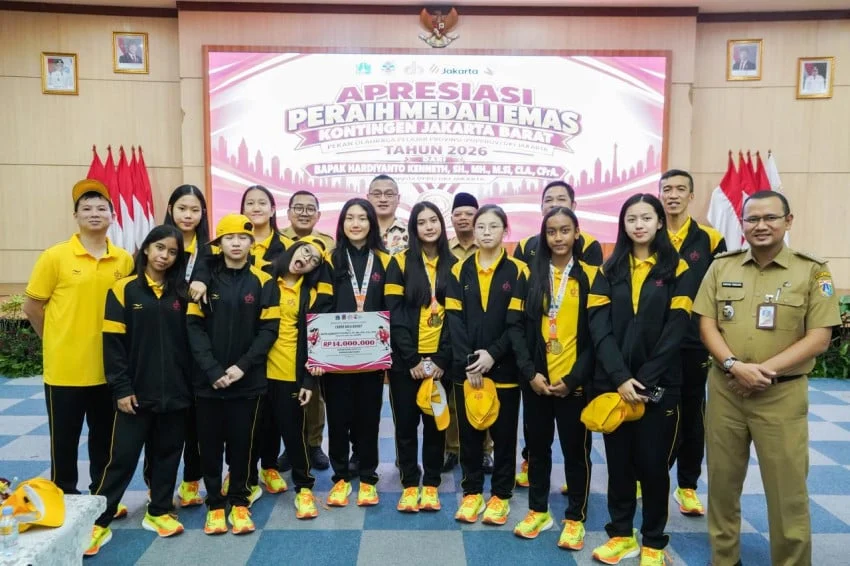
Jakarta Barat Makes History by Securing First-Ever Overall Title at the 2026 DKI Jakarta Student Sports Week

by Dwi Wanna September 15, 2026
written by Dwi Wanna

The sporting landscape of the Indonesian capital underwent a significant shift on September 5, 2026, as the West Jakarta contingent officially claimed the title of overall champion at the Pekan Olahraga Pelajar Provinsi (Popprov) DKI Jakarta 2026. This victory marks a watershed moment in the region’s athletic history, representing the first time since the inception of the Popprov tournament in 2017 that West Jakarta has ascended to the top of the medal standings. To celebrate this unprecedented achievement, Hardiyanto Kenneth, a member of the Jakarta Regional House of Representatives (DPRD) from the Indonesian Democratic Party of Struggle (PDI-P), spearheaded a ceremonial appreciation event, providing financial bonuses to the gold medalists during a formal gathering at the West Jakarta Mayor’s Office on Tuesday, September 15, 2026.

A New Era for West Jakarta Athletics

The Popprov DKI Jakarta is a premier multi-sport event designed to identify and cultivate young athletic talent across the five administrative cities and the Thousand Islands regency. Since the tournament’s inaugural edition in 2017, the competition has been dominated by traditional powerhouses, particularly South Jakarta and East Jakarta, which have historically benefited from more robust infrastructure and centralized training programs.

The 2026 edition, hosted at the Hall A Gelanggang Mahasiswa Soemantri Brodjonegoro in South Jakarta from August 31 to September 5, 2026, served as a rigorous testing ground for student-athletes. West Jakarta’s path to the overall title was characterized by high-intensity performances across team sports, which proved to be the decisive factor in their overall medal tally. By securing 7 gold medals, 2 silver medals, and 7 bronze medals, the West Jakarta delegation managed to outperform East Jakarta and South Jakarta, both of which finished with 5 gold medals apiece, while North Jakarta secured 3 gold medals.

Chronology of the 2026 Popprov Campaign

The tournament began with high expectations, as participating contingents arrived at the Soemantri Brodjonegoro sports complex with updated rosters following a series of regional qualifiers. The first three days of the competition were dominated by individual preliminary rounds in badminton and tactical group matches in football and basketball.

By the fourth day, the leaderboard began to tighten. While other regions focused on individual athletics, West Jakarta’s strategy prioritized team cohesion. The momentum shifted significantly when the West Jakarta squads advanced to the finals in multiple disciplines simultaneously. The culmination of the event on September 5 saw a frantic push for podium spots, where West Jakarta successfully defended its leads in the final matches of sepak takraw and team basketball, effectively cementing their status as the overall champions before the closing ceremony.

Strategic Disciplines and Medal Distribution

The success of the West Jakarta contingent was not a result of individual brilliance alone but rather a testament to the depth of their team-based sports programs. The seven gold medals were distributed across four major categories:

  1. Women’s U-15 Basketball: A tactical victory that showcased the strength of the grassroots youth basketball system in West Jakarta.
  2. Men’s U-15 and U-18 Badminton: Continued dominance in the regional badminton circuit, highlighting the effectiveness of club-school partnerships.
  3. Men’s U-15 and U-18 Football: The most significant point contributors, requiring high stamina and endurance over the week-long tournament.
  4. Men’s and Women’s U-18 Sepak Takraw: An impressive display of agility and technique that proved vital in the final medal count.

The financial recognition provided by Hardiyanto Kenneth reflected the scale of these efforts. The bonus structure was tiered based on the size and logistical complexity of the teams:

  • Football Teams: Received a total of Rp18 million per gold-winning squad.
  • Basketball Teams: Received Rp14 million per squad.
  • Sepak Takraw Teams: Received Rp6 million per squad.
  • Badminton Teams: Received Rp5 million per squad.

Official Responses and Community Impact

The ceremony at the West Jakarta Mayor’s Office was attended by local officials and the athletes themselves. Mayor Iin Mutmainnah expressed pride in the students, noting that the victory was a result of long-term investment in regional training centers. "This is not just a trophy; it is a signal that our youth development programs are working," she stated during the event.

Hardiyanto Kenneth, who has been a vocal proponent of sports development in the legislature, emphasized that the bonuses were intended to serve as a catalyst for future performance rather than merely a reward for past efforts. "We recognize the immense dedication required to balance academic responsibilities with elite-level sports training," Kenneth remarked. "By providing these incentives, we aim to ensure that our athletes feel supported by their government and are motivated to pursue higher levels of competition at the national and international stages."

Broader Implications for DKI Jakarta Sports

The victory of West Jakarta raises critical questions regarding the future of sports development in the province. Historically, the disparity in sports facilities between administrative regions has led to uneven success rates. West Jakarta’s breakthrough suggests that decentralizing training resources and increasing the frequency of inter-regional competitions can yield tangible results in a relatively short period.

Analysts suggest that the success of the 2026 Popprov will likely prompt other administrative regions to re-evaluate their youth athletic policies. If West Jakarta can maintain this momentum, it could challenge the hegemony of South and East Jakarta in future iterations of the event. Furthermore, the inclusion of team sports like sepak takraw and basketball as the primary drivers of this victory highlights a shifting focus toward collective discipline, which is essential for grooming athletes for the professional leagues.

Challenges Ahead: Sustainability and Talent Retention

While the celebration in West Jakarta is currently at its peak, sports administrators warn of the "retention challenge." Many student-athletes often face a performance plateau once they transition from junior to senior levels. The challenge for the West Jakarta government will be to integrate these medalists into a sustainable pathway that provides continuous coaching and advanced training, potentially through scholarships or regional sports academies.

The bonus program initiated by Hardiyanto Kenneth is a positive step toward professionalizing the student sports experience. However, the long-term impact will depend on the continuity of such support. The success of the 2026 Popprov serves as a benchmark. It proves that with the right combination of athletic infrastructure, coaching talent, and legislative support, regional delegations can overcome historical disadvantages to reach the pinnacle of the provincial stage.

As the dust settles on the Soemantri Brodjonegoro sports complex, the narrative for the coming year is clear: West Jakarta is no longer an underdog in the Jakarta sports scene. They have set a new standard for excellence, and the pressure will now be on the other regions to match this intensity in the upcoming cycle of student sports competitions. For the students of West Jakarta, this victory serves as a reminder that consistency and teamwork are the cornerstones of athletic achievement, qualities that will undoubtedly serve them well as they progress in their sporting careers.

September 15, 2026 0 comment
0 FacebookTwitterPinterestEmail
Sports

Latih Tanding Lawan Pasangan Jepang Jelang Asian Games 2026, Ganda Putri Indonesia Dapat Modal Berharga

by Neng Nana September 15, 2026
written by Neng Nana

The Indonesian national badminton team’s preparations for the upcoming quadrennial multi-sport event received a substantial boost this week as the national contingent landed in Japan for a high-intensity training camp. Among the standout participants, the Indonesian women’s doubles pair of Rachel Allessya Rose and Febi Setianingrum expressed immense satisfaction with their specialized sparring sessions against formidable Japanese club pairings. Conducted on the second day of the national team’s specialized overseas training camp ahead of the Asian Games Aichi-Nagoya 2026, these collaborative drills are designed to inject tactical variety, physical endurance, and psychological resilience into the squad’s preparations.

As the continental championship draws closer, the Badminton Association of Indonesia (PBSI) has intensified its strategic roadmap, emphasizing overseas sparring partnerships to expose athletes to contrasting playing styles, regional nuances, and high-pressure competitive environments. For Rachel Allessya Rose and Febi Setianingrum, the opportunity to train shoulder-to-shoulder with athletes from the prestigious Nippon Telegraph and Telephone (NTT) East Badminton Club has provided a refreshing departure from their routine domestic regimens, unlocking invaluable insights into modern doubles strategies perfected in East Asia.

Strategic Preparations for the Asian Games Aichi-Nagoya 2026

The Asian Games Aichi-Nagoya 2026 stands as one of the most anticipated milestones in the international sports calendar, bringing together elite athletes from across the continent to compete for ultimate supremacy. For badminton, a sport deeply rooted in the cultural and athletic fabric of Asia, the competition level at the Asian Games often mirrors, and occasionally surpasses, that of the World Championships. Nations such as China, Japan, South Korea, and Indonesia consistently field world-class rosters, making every preparatory phase vital for medal contention.

Recognizing the immense challenges posed by regional powerhouses, the Indonesian badminton coaching staff engineered a comprehensive training camp in Japan to acclimatize the athletes to local conditions, time zones, and atmospheric variables. Sparring against domestic Japanese pairs offers a distinct tactical advantage, as Japanese badminton is globally renowned for its defensive tenacity, relentless retrieving capabilities, high-speed tactical transitions, and extraordinary physical conditioning. By immersing themselves in this demanding environment, the Indonesian representatives are systematically exposed to the rigorous standards required to secure podium finishes on the international stage.

Inside the NTT East Badminton Club Training Sessions

The collaborative training sessions on day two of the overseas camp featured intensive match simulations, multi-shuttle drills, and tactical point-construction exercises. Traditionally, pairs like Rachel and Febi only encounter Japanese opponents across the net during high-stakes BWF World Tour quarterfinals or semifinals, where tension runs high and strategic adjustments must be made instantaneously. Transforming these fierce rivals into temporary training partners has fostered a unique environment of mutual learning and professional exchange.

Speaking on the dynamics of the joint sessions, Rachel Allessya Rose highlighted the psychological and atmospheric benefits of the sparring setup. Breaking away from the monotonous repetition of internal team matches allows players to test novel tactical variations against unfamiliar execution patterns.

Latih Tanding Lawan Pasangan Jepang Jelang Asian Games 2026, Ganda Putri Indonesia Dapat Modal Berharga : Okezone Sports

"It was really exciting to be able to spar with the Japanese pairs today," Rachel remarked in an official PBSI media release. "Usually, we face them as opponents on the court, but today we had the opportunity to train alongside them. The overall atmosphere was exceptionally positive, and it brought a refreshing new dynamic to our training routine."

This cross-border collaboration allows both coaching teams to evaluate technical deficiencies, refine service-return strategies, and test defensive configurations under simulated match pressure. For Rachel and Febi, adapting quickly to the distinct tactical choices favored by Japanese athletes is a crucial stepping stone toward international maturity.

Deconstructing the Japanese Playing Style: Insights from Febi Setianingrum

Complementing her partner’s assessment, Febi Setianingrum emphasized that the physical and tactical demands of facing Japanese doubles pairs serve as an invaluable diagnostic tool for their Asian Games campaign. Japanese women’s doubles has long been celebrated for its extraordinary court coverage, airtight defense, and unwavering stamina—qualities that frequently force opponents into unforced errors through extended rallies.

Febi pointed out that the sparring sessions featured high-caliber competitors, including established international campaigners such as Hinata Suzuki and Nao Yamakita, both of whom have accumulated extensive experience on the prestigious BWF World Tour circuit. Testing their skills against competitors who regularly battle the world’s top ten pairs provides the Indonesian duo with a realistic benchmark of their current standing and areas requiring immediate refinement.

"Japanese doubles pairs are widely recognized for their tenacity and tremendous physical power," Febi observed. "Today, we faced pairs like Hinata Suzuki and Nao Yamakita, who regularly compete in the World Tour Series. This experience acts as an essential supplementary asset for us as we head toward the Asian Games."

The ability to sustain high-speed rallies, absorb fierce smashes, and counter-attack with precision are hallmarks of elite women’s doubles. By enduring the heavy physical workload imposed by the NTT East players, Rachel and Febi are actively building the cardiovascular and muscular endurance necessary to outlast protracted battles against top-tier continental rivals.

The Broader Landscape of Indonesian Women’s Doubles

The development of Rachel Allessya Rose and Febi Setianingrum reflects PBSI’s broader strategic vision of nurturing the next generation of world-class doubles contenders. Over recent years, the global women’s doubles landscape has witnessed a generational shift, characterized by dynamic pairings capable of blending traditional Asian technical finesse with modern, power-based offensive schemes.

Latih Tanding Lawan Pasangan Jepang Jelang Asian Games 2026, Ganda Putri Indonesia Dapat Modal Berharga : Okezone Sports

Indonesian women’s doubles has historically been a pillar of national pride, producing legendary figures who have conquered Olympic, World Championship, and Asian Games podiums. However, maintaining this legacy requires rigorous talent identification, scientific training methodologies, and strategic international exposure. By dispatching young yet proven pairs like Rachel and Febi to high-performance hubs in badminton powerhouses like Japan, the national federation is proactively bridging the competitive gap that often separates promising talents from established global champions.

These preparatory camps are not merely about physical conditioning; they are psychological crucibles designed to forge competitive maturity. Athletes learn to manage fatigue, adapt to foreign training cultures, and maintain tactical discipline when executing game plans under duress. The insights gathered by the coaching staff during these sessions will directly inform the personalized training regimens implemented upon the team’s return to the national training center in Cipayung, Jakarta.

Implications for the Asian Games Aichi-Nagoya 2026

As the countdown to the Asian Games Aichi-Nagoya 2026 continues, the performance of the badminton contingent will be closely scrutinized by millions of sports enthusiasts across the archipelago. Badminton remains one of Indonesia’s most reliable sources of international glory, and expectations for the upcoming multi-sport extravaganza are exceptionally high.

The integration of overseas training camps and specialized sparring against regional rivals forms the backbone of a data-driven, highly targeted preparation strategy. By neutralizing the tactical surprises that opponents like Japan, China, and South Korea typically bring to major championships, Indonesian pairs increase their statistical probability of deep tournament runs.

The immediate takeaways from the Tokyo training camp—focusing on defensive resilience against heavy smashes, tactical discipline during long rallies, and mental composure under high-intensity pressure—will serve as foundational pillars for Rachel and Febi. As they reintegrate these lessons into their competitive repertoire, the Indonesian women’s doubles division edges closer to realizing its full potential on the grandest stages of Asian sport.

Ultimately, the collaborative exchange between the Indonesian national team and the NTT East Badminton Club underscores the universal language of high-performance sport: mutual respect, relentless pursuit of excellence, and the constant evolution of athletic mastery. With valuable lessons secured and physical boundaries tested, Rachel Allessya Rose and Febi Setianingrum stand better equipped to shoulder the nation’s aspirations when the individual and team battles commence at the Asian Games Aichi-Nagoya 2026.

September 15, 2026 0 comment
0 FacebookTwitterPinterestEmail
Entertainment & Celebrity

The Resurgence of Analog Media: Why Generation Z is Driving the Physical Music Boom in the Digital Age

by Layla Zulfa September 15, 2026
written by Layla Zulfa

The dominance of digital streaming in the modern music landscape faces an unexpected counter-movement as Generation Z and younger consumers increasingly embrace analog formats, turning compact discs, cassette tapes, vinyl records, and vintage cameras into sought-after cultural commodities. Far from being a fleeting novelty, this revival is reshaping global music consumption patterns, proving that tangible media offers psychological and aesthetic rewards that algorithms and cloud-based libraries simply cannot replicate.

Recent data from the Recording Industry Association of America (RIAA) highlights this physical renaissance. In the first half of 2026, compact disc sales in the United States surged to 17.5 million units, marking a substantial increase from approximately 12 million units during the same period in the previous year. Concurrently, vinyl record sales sustained their multi-year growth trajectory, while the broader "other physical" category—which encompasses cassette tapes and niche formats—experienced an explosive year-over-year jump exceeding 70 percent. Despite streaming services retaining their status as the primary revenue engine for the global music industry, the parallel ascent of physical media signals a fundamental shift in how younger demographics interact with art.

The Evolution of a Cultural Phenomenon: A Timeline of the Analog Revival

The return of physical music formats did not happen overnight; it represents a gradual cultural correction spanning over a decade. The resurgence began earnestly in the early 2010s with the unexpected revival of the vinyl record, initially driven by independent record stores and older audiophiles. However, the movement entered a new phase between 2018 and 2022, as mainstream pop acts and K-pop groups began leveraging physical albums as collectible visual artifacts, incorporating intricate packaging, randomized photocards, and limited-edition colorways.

By 2024 and 2025, this trend expanded beyond vinyl to encompass cassette tapes and compact discs, spearheaded by both independent alternative bands and major pop superstars. Independent labels and legacy acts worldwide began issuing limited cassette pressings to cater to dedicated fanbases. By mid-2026, the movement solidified into a recognized consumer demographic shift, where younger buyers—many of whom grew up entirely in the smartphone era—actively sought out physical items not merely as playback devices, but as tangible anchors in an increasingly virtual world.

Dissecting the Appeal: Seven Drivers Behind the Physical Music Boom

Market analysts and cultural observers attribute the enduring popularity of analog formats among digital natives to several distinct psychological, aesthetic, and economic factors.

1. The Quest for Intentional Listening Experiences

Digital streaming platforms offer unprecedented convenience, allowing users to stream tens of millions of tracks instantly via a smartphone and an internet connection. Yet, this extreme accessibility often leads to passive consumption, where music serves as mere background noise. In contrast, physical formats demand deliberate engagement. The ritual of handling a CD jewel case, sliding out liner notes, inspecting artwork, and physically placing the disc into a tray transforms listening into an active, mindful ceremony. Observers note that this desire for intentionality reflects a broader psychological pushback against perpetual digital multitasking.

2. Tangible Ownership and Personal Identity

In an era where music exists purely as digital files licensed through cloud services, consumers technically own nothing; they merely rent access. Physical albums restore a genuine sense of ownership. Furthermore, a physical music collection serves as an outward projection of personal identity and taste. Displaying vinyl records, cassettes, or CDs on shelves or bedroom walls allows young consumers to curate their physical environments and visually signal their artistic affinities. This identity-driven consumption has been heavily amplified by K-pop fandom culture, where multi-version CD releases encourage collectors to display entire sets as interior design elements.

3. Retro Aesthetics and the Allure of Nostalgia

Curiously, much of the demand for 1990s and early 2000s artifacts—including cassette tapes, vintage digital cameras, and transparent electronic devices—comes from consumers who were either infants or entirely unborn during the original heyday of these technologies. For this younger demographic, retro hardware does not evoke personal childhood memories; rather, it represents a striking visual aesthetic. The physical heft, tactile buttons, and mechanical imperfections of analog devices contrast sharply with the hyper-minimalist, glass-and-metal uniformity of modern smartphones.

4. Combating Digital Fatigue

Modern life is mediated almost entirely through glowing screens. From professional communication and education to entertainment, financial management, and socializing, virtually every daily activity occurs within the confines of digital interfaces. The embrace of analog devices acts as a form of digital detox. By engaging with non-connected hardware, consumers can enjoy leisure activities without the constant distraction of push notifications, algorithm-driven recommendations, and pop-up advertisements.

5. Distinct Visual and Fashion Appeal

Beyond their primary function as audio containers, analog formats possess high visual and material value. Intricate gatefold sleeves, typography choices, cassette shell colors, and vintage industrial designs function as wearable or displayable art. Consequently, physical media has successfully integrated into modern fashion and lifestyle subcultures. Items once discarded during the early digitization wave are now styled as retro accessories, props for social media content, and prominent elements of contemporary interior decor.

6. Direct Financial Support for Artists

In the contemporary streaming economy, artists frequently voice concerns over microscopic per-stream royalty payouts, which often leave independent and mid-tier musicians struggling to sustain their careers. Purchasing a physical record, CD, or cassette provides a direct, impactful revenue stream for creators. For dedicated fans, buying physical merchandise is viewed as an ethical transaction—a tangible way to directly subsidize the continued output of their favorite artists while securing a collectible memento in return.

7. The Thrill of the Hunt and Collecting as a Hobby

As physical music ownership becomes less ubiquitous, the act of collecting transforms into an engaging hobby. Sourcing rare pressings, hunting for vintage releases in thrift stores, cleaning vinyl grooves, and maintaining specialized audio equipment offer a gamified, tactile satisfaction. Intriguingly, market data reveals that a notable percentage of young CD and cassette buyers do not even own functional playback equipment; they acquire the items purely for their collectible value, treating music albums much like traditional art prints or trading cards.

Industry Implications and the Coexistence of Digital and Analog

Despite the impressive statistical growth of compact discs, vinyl, and cassettes, industry analysts emphasize that physical formats are not poised to overthrow digital streaming. The economic disparity remains vast; streaming platforms continue to account for the overwhelming majority of global music consumption and revenue generation. Instead of a zero-sum replacement war, the current market represents a pluralistic ecosystem where analog and digital formats comfortably coexist.

For major record labels and independent distributors alike, the physical revival offers a lucrative diversification strategy. By offering limited-edition vinyl variants, nostalgic cassette releases, and deluxe CD packages alongside standard digital availability, the music industry can successfully monetize different segments of the consumer base.

Ultimately, the resurgence of analog media in the mid-2020s transcends a simple longing for antiquated technology. It reflects a deeper cultural evolution: a generation seeking tangible connection, aesthetic individuality, and deliberate engagement in a world dominated by invisible data. Whether spinning a vinyl record or displaying an unopened cassette on a shelf, modern music consumers are demonstrating that the physical manifestation of art still holds irreplaceable value.

September 15, 2026 0 comment
0 FacebookTwitterPinterestEmail
Entertainment & Celebrity

Perselisihan Ruben Onsu dan Sarwendah kini merembet ke ranah harta gono-gini dan memicu ketegangan hukum baru antara kedua belah pihak.

by Suro Senen September 15, 2026
written by Suro Senen

The dissolution of the marriage between television personality Ruben Onsu and former Cherrybelle member Sarwendah Tan has entered a complex new phase, shifting from personal reconciliation attempts to a high-stakes legal dispute over marital assets. As the divorce proceedings unfold in the public eye, the focus has pivoted sharply toward financial obligations, banking liabilities, and the status of shared property. This escalation has drawn in legal counsel from both sides, transforming what was once a private family matter into a multi-front legal battle that involves property rights, debt management, and institutional banking concerns.

Chronology of the Legal Escalation

The friction between the two parties began in the early months of 2024, when reports first surfaced regarding marital discord. While the couple initially attempted to manage the situation away from the media spotlight, the situation deteriorated rapidly by mid-year. In recent weeks, the conflict moved from the domestic sphere to the courtroom, specifically regarding the handling of assets and financial liabilities accrued during their marriage.

The latest development involves a formal legal notice, or "somasi," issued by Sarwendah’s camp regarding outstanding bank debts. Ruben Onsu’s legal representative, Minola Sebayang, recently addressed these claims, expressing confusion over the nature of the demands. According to Sebayang, the legal notice from Sarwendah’s side appears to overstep the bounds of typical divorce settlements by assuming the role of a banking representative. This development signals a lack of communication between the two parties, as legal intermediaries are now the primary channel for discourse regarding financial matters.

The Core Dispute: Debts and Asset Transparency

At the heart of the current dispute is the categorization of debts and the administration of property. Sarwendah’s legal team has raised significant concerns regarding the repayment of bank loans tied to the couple’s properties. In response, Ruben Onsu’s legal team has maintained that the financial obligations were joint responsibilities, intended to be satisfied by both parties until fully extinguished.

Minola Sebayang highlighted that while Ruben Onsu has historically acted as the technical executor of these payments, this role does not equate to sole liability. The confusion expressed by the Onsu camp stems from the perception that Sarwendah’s legal team is acting as an extension of the lending institutions, pressuring for repayment in a manner that disregards the collaborative nature of the initial loan agreements.

The legal complexity is further compounded by the issue of document retention. Ruben Onsu’s camp has officially stated their intention to issue a counter-somasi against Sarwendah, demanding the surrender of documents related to specific assets, including land titles and a villa located in Bogor, West Java. The refusal to provide these documents has stalled the asset division process, leading to a state of legal impasse.

Implications of Asset Division in Indonesian Law

Under Indonesian matrimonial law, assets acquired during a marriage are generally considered harta gono-gini (joint marital property), subject to equal division upon divorce. However, the application of this law becomes significantly more difficult when there are outstanding debts and complex business holdings.

Legal analysts note that cases involving celebrity assets often suffer from "transparency fatigue," where the valuation of properties and the verification of debt status become points of contention. In the case of Onsu and Sarwendah, the presence of real estate holdings, such as the villa in Bogor, adds a layer of complexity. If these assets are held in a manner that obscures legal ownership or if they are tied to specific collateral for bank loans, the process of liquidation or division can take months, if not years, to resolve through the court system.

Furthermore, the involvement of third-party financial institutions adds a layer of urgency to the proceedings. If debt repayments are neglected during the legal transition, the risk of foreclosure or penalty interest increases, which could adversely affect the net value of the marital estate.

The Human Element and Public Perception

While the legal battle over assets continues, the personal toll of this dispute is underscored by the involvement of the family’s children. Recently, Ruben Onsu addressed external pressures involving his eldest son, Betrand Peto, who has been subjected to public scrutiny. The intersection of personal tragedy, professional reputation, and financial litigation has created a difficult environment for the family members involved.

The public nature of these legal filings—often disseminated through press conferences and social media—has contributed to the polarization of public opinion. Fans and followers of the couple have been vocal on various platforms, often taking sides based on the fragmented information released by the respective legal teams. However, from a judicial standpoint, these outside perspectives carry no weight. The courts are expected to focus strictly on the financial records, the marriage certificate, and the documented history of asset acquisition.

Strategic Legal Posturing

The decision by Ruben Onsu’s team to issue a counter-somasi is a tactical move designed to force transparency. By demanding the physical documentation of the Bogor property, Onsu’s legal counsel is attempting to regain control over the narrative of asset management. In legal circles, this is often seen as a "tit-for-tat" maneuver, common in high-profile divorce cases where both parties seek to ensure that they are not disadvantaged during the final settlement.

Minola Sebayang’s statement that they were "confused" by the initial somasi serves as a strategic public relations narrative. By characterizing the opponent’s legal team as "acting like a bank," they are delegitimizing the severity of the claim, suggesting that the demands are performative rather than substantive.

Future Outlook and Resolution

As both parties prepare for further hearings, the likely trajectory of this case involves an intensive period of document discovery. The court will require a comprehensive audit of all marital assets, including bank accounts, real estate holdings, and potentially intellectual property associated with their public careers.

If the parties cannot reach an out-of-court settlement, the court will appoint an appraiser to determine the fair market value of the contested assets. This process is time-consuming and expensive, often leading to significant erosion of the asset pool due to legal fees. The urgency expressed by both camps suggests that they are aware of these risks, yet the current breakdown in communication suggests that a mediated resolution remains elusive.

The case of Ruben Onsu and Sarwendah serves as a high-profile case study on the complexities of modern Indonesian marital dissolution. It highlights the importance of pre-nuptial agreements and clear financial record-keeping, which are often overlooked in the early stages of a marriage but become critical in the event of a separation.

Broader Impact on Celebrity Culture

The visibility of this dispute highlights a growing trend in Indonesian entertainment news where legal proceedings involving celebrities are increasingly transparent and litigious. This shift reflects a broader societal change where personal financial matters are no longer handled behind closed doors but are subjected to the rigorous, and often harsh, scrutiny of the legal system.

For the public, this case is a reminder that the glamour of celebrity life is not immune to the mundane, yet devastating, realities of financial litigation. As the legal battle persists, the focus remains on whether the parties can find a compromise that protects their individual interests while minimizing the long-term impact on their respective professional lives and family stability.

The upcoming weeks will be critical. Should the parties continue to exchange formal legal notices without engaging in direct negotiation, the matter will likely proceed to a full trial, where the details of their financial lives will become a matter of public record. For now, the legal teams remain the primary spokespeople, and the resolution of the "Bogor villa" and the "bank debt" issues will be the key indicators of how this high-profile divorce will conclude.

In summary, the dispute between Ruben Onsu and Sarwendah has moved beyond a simple separation. It has morphed into a complex financial investigation involving debt obligations, asset verification, and strategic legal maneuvering. The outcome of this case will not only determine the future of their shared assets but will also set a precedent for how they navigate their professional and personal legacies in the years to come. As the legal filings pile up, the only certainty is that the court will have the final say on the division of a life once shared, now dissected into balance sheets and legal clauses.

September 15, 2026 0 comment
0 FacebookTwitterPinterestEmail
Entertainment & Celebrity

Buah yang Bagus Dimakan Sebelum Tidur, Bikin Lebih Nyenyak?

by Raul Delapena Setiawan September 15, 2026
written by Raul Delapena Setiawan

Experiencing a hunger pang just as the lights go out is a common nocturnal dilemma. While the reflexive instinct might be to reach for processed snacks, high-sugar or high-fat foods can lead to insulin spikes and digestion-related discomfort, ultimately undermining sleep quality. Nutritional science suggests that shifting toward whole foods—specifically certain fruits—can provide a more balanced, nutrient-dense solution that may facilitate better sleep architecture.

The relationship between diet and sleep is multifaceted. Recent insights from nutritionists and sleep researchers emphasize that certain fruits do not merely serve as a light snack but act as functional foods. These selections are rich in natural melatonin, complex carbohydrates, and essential phytonutrients that work in tandem with the body’s circadian rhythm to promote restorative rest.

The Science of Nocturnal Nutrition

For decades, the standard medical advice regarding sleep hygiene focused on environment: lowering ambient temperature, reducing blue light exposure, and maintaining a consistent schedule. However, current research into chronobiology has placed a renewed focus on nutritional intake.

Sapna Peruvemba, MS, RDN, a noted plant-based diet expert, highlights that the metabolic impact of a pre-sleep snack is significant. Choosing fruits over heavy snacks allows for a steady release of energy and provides fiber, vitamins, and minerals without overloading the digestive system. The key lies in the presence of phytochemicals—naturally occurring compounds that can influence physiological functions, including the modulation of sleep-wake cycles.

The Primacy of Tart Cherries

Among the various fruits studied for their sleep-promoting properties, tart cherries (or sour cherries) have emerged as the gold standard in nutritional research. Unlike sweet cherries, the tart variety (Prunus cerasus) possesses a unique biochemical profile that makes it a potent dietary aid for those struggling with insomnia or fragmented sleep.

Several systematic reviews have analyzed the efficacy of tart cherry juice and whole fruit consumption. The findings consistently suggest a positive correlation between regular consumption and improved sleep parameters. Specifically, tart cherries are high in procyanidins and contain a high concentration of melatonin. Melatonin is the neurohormone responsible for signaling to the brain that it is time to transition into a resting state. By introducing an exogenous source of melatonin shortly before bed, individuals may find it easier to fall asleep and experience higher sleep efficiency—the ratio of time spent asleep to the total time spent in bed.

Chronology of Sleep Research and Dietary Interventions

The investigation into the link between diet and sleep is a relatively modern field. In the early 2000s, studies began to move beyond the traditional "warm milk" remedy to identify specific food groups with pharmacological potential.

  • 2010–2014: Initial clinical trials began isolating the effects of tart cherry juice on athletes and elderly populations. Researchers observed that the anti-inflammatory properties of the cherries, combined with their melatonin content, helped mitigate delayed sleep onset.
  • 2015–2019: The focus expanded to the general population. Large-scale surveys conducted during this period highlighted that individuals who consumed whole fruits as evening snacks reported lower levels of daytime fatigue compared to those who consumed processed sugars.
  • 2020–Present: Current studies are investigating the role of the gut-brain axis. Emerging evidence suggests that the fiber content in fruits supports a healthy gut microbiome, which in turn influences the production of serotonin—a precursor to melatonin.

Nutrient Density: Why Fruit Works

The nutritional profile of fruit makes it an ideal candidate for a pre-sleep snack. Unlike high-glycemic snacks, which trigger a rapid increase in blood glucose followed by a crash, fruit provides a slow-release of carbohydrates. This stability is crucial for maintaining blood sugar levels throughout the night, preventing the body from waking due to hypoglycemic stress.

Furthermore, many fruits contain magnesium and potassium. These minerals act as natural muscle relaxants. Magnesium, in particular, plays a vital role in regulating the body’s stress response system by binding to gamma-aminobutyric acid (GABA) receptors. GABA is the primary inhibitory neurotransmitter in the brain, responsible for calming the nervous system and preparing the body for the restorative stages of sleep.

Analyzing the Impact of Dietary Choices

The implications of these findings are substantial for public health. According to data from the National Sleep Foundation, nearly one-third of the global population suffers from some form of sleep disorder. While clinical insomnia requires professional medical intervention, mild sleep disturbances are often manageable through lifestyle adjustments.

The "food as medicine" approach offers a low-risk, high-reward strategy. By replacing ultra-processed snacks with whole foods like tart cherries, individuals can avoid the metabolic disruptions caused by refined sugars and artificial additives. However, experts warn that portion control remains essential. Even healthy foods, if consumed in large quantities, can cause digestive distress or acid reflux, both of which are detrimental to sleep quality. A small serving—typically half a cup—is sufficient to gain the therapeutic benefits without placing an undue burden on the digestive system.

Official Perspectives and Recommendations

Nutritionists and sleep clinicians generally agree that the "best" time for a snack is one to two hours before bedtime. This window ensures that the nutrients are being processed by the body as the natural melatonin production cycle begins, yet the volume of intake is low enough to prevent physical discomfort while lying down.

While tart cherries are the most researched, other fruits have also shown promise. Kiwifruit, for instance, contains high levels of serotonin and antioxidants, which may also assist in sleep onset. Similarly, bananas provide a blend of magnesium and potassium, which can assist in muscle relaxation.

Public health organizations, including the Academy of Nutrition and Dietetics, emphasize that diet is just one piece of the puzzle. While adding tart cherries to one’s evening routine may improve sleep quality, this should be part of a broader commitment to sleep hygiene, which includes limiting caffeine intake in the afternoon and ensuring that the bedroom is optimized for rest.

Broader Implications for Wellness

The shift toward understanding the impact of dietary choices on sleep quality reflects a broader trend in health consciousness. As individuals become more aware of the long-term consequences of chronic sleep deprivation—ranging from cardiovascular issues to cognitive decline—the demand for non-pharmacological, evidence-based solutions has surged.

The role of nutrition in regulating the sleep-wake cycle represents a sophisticated understanding of human physiology. By leveraging the natural chemistry of plants, individuals are empowered to take control of their sleep health. As more research is conducted, it is likely that we will see more specific dietary guidelines tailored to sleep optimization, moving away from generic advice toward personalized nutritional strategies.

Conclusion

The recommendation to incorporate fruits like tart cherries into a pre-sleep routine is backed by a growing body of evidence. These foods provide the necessary biochemical precursors for a healthy sleep cycle while offering a nutrient-dense alternative to processed snacks. As we continue to navigate the challenges of modern life, where stress and screen time often disrupt our natural rhythms, returning to the fundamentals of nutrition may be one of the most effective ways to ensure the quality of rest we require.

Whether it is the melatonin in cherries or the magnesium in other fruit varieties, the inclusion of these items in an evening snack routine is a simple, scientifically sound practice. By prioritizing whole foods and maintaining a mindful approach to evening consumption, individuals can improve their sleep efficiency and, by extension, their overall health and daily performance. For those struggling with consistent sleep, it may be time to look not at the medicine cabinet, but at the fruit bowl.

September 15, 2026 0 comment
0 FacebookTwitterPinterestEmail
Newer Posts
Older Posts

Recent Posts

  • KPK Urged to Unmask Masterminds Behind ATR/BPN Bribery and Gratuity Scandal
  • Residivis Narkoba Kembali Berulah di Mampang, Ngaku Dapat Sabu dari Lapas
  • Jakarta Plunges Into Darkness: Iconic Landmarks Switch Off Lights for One Hour to Mark World Ozone Day
  • Green SM Officially Launches Electric Motorcycle Ride-Hailing Service Green SM Bike in Jakarta With Flexible Rent-to-Own Schemes
  • Hanwha Life Indonesia Strengthens Market Presence with Strategic Expansion and Robust Financial Performance in 2026

Recent Comments

No comments to show.
  • Facebook
  • Twitter

@2021 - All Right Reserved. Designed and Developed by PenciDesign


Back To Top
Dara News Media
  • Home
  • About Us
  • Contact Us
  • Cookies Policy
  • Disclaimer
  • DMCA
  • Privacy Policy
  • Terms and Conditions

We are using cookies to give you the best experience on our website.

You can find out more about which cookies we are using or switch them off in .

Dara News Media
Powered by  GDPR Cookie Compliance
Privacy Overview

This website uses cookies so that we can provide you with the best user experience possible. Cookie information is stored in your browser and performs functions such as recognising you when you return to our website and helping our team to understand which sections of the website you find most interesting and useful.

Strictly Necessary Cookies

Strictly Necessary Cookie should be enabled at all times so that we can save your preferences for cookie settings.