• Home
  • About Us
  • Contact Us
  • Cookies Policy
  • Disclaimer
  • DMCA
  • Privacy Policy
  • Terms and Conditions
Dara News Media
keep your memories alive
Sports

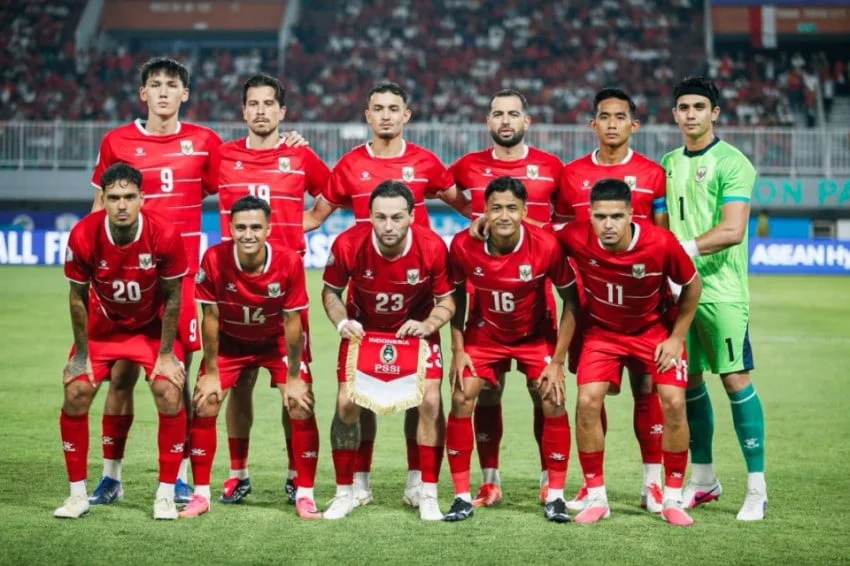
Daftar 23 Pemain Timnas Indonesia di FIFA ASEAN Cup 2026: Ada Luke Vickery!

by Pevita Pearce September 18, 2026
written by Pevita Pearce

The Indonesian National Football Team has officially finalized its roster for the highly anticipated FIFA ASEAN Cup 2026. Under the strategic direction of head coach John Herdman, the Football Association of Indonesia (PSSI) announced the 23-man squad on Friday, September 18, 2026, via the official national team social media channels. The announcement, captioned with the rallying cry "Garuda Calling," marks the beginning of an intensive preparation period for a tournament that carries significant weight for the regional standing of Indonesian football. The inclusion of new talent, most notably the highly touted Luke Vickery, has signaled a shift in the tactical approach under Herdman’s tenure.

The Road to the 2026 ASEAN Cup

The FIFA ASEAN Cup 2026 represents a milestone in the regional football calendar. Hosted jointly by Indonesia, the tournament will utilize two major venues: the historic Gelora Bung Karno Stadium (SUGBK) in Jakarta and the Si Jalak Harupat Stadium in Bandung. Scheduled to run from September 25 to October 5, 2026, the tournament serves as both a showcase of regional talent and a crucial testing ground for teams looking to refine their squads ahead of future FIFA World Cup qualification cycles.

Indonesia’s campaign begins in Group A, where they are set to face stiff competition from regional rivals Singapore and Malaysia, as well as an improving Bangladesh side. The group stage fixtures are condensed, requiring optimal physical conditioning and squad rotation. Indonesia will open its campaign against Singapore on September 25, followed by the high-profile encounter against Malaysia on September 28, and concluding the group stage against Bangladesh on October 1.

Tactical Evolution Under John Herdman

The appointment of John Herdman as head coach was viewed as a transformative move by the PSSI leadership. Herdman, known for his analytical approach and focus on high-performance culture, has been tasked with bridging the gap between Indonesia’s regional dominance and its international aspirations. The selection of the 23-man squad reflects a blend of seasoned veterans and young prospects.

The inclusion of Luke Vickery is perhaps the most scrutinized element of the announcement. A versatile player capable of operating across the midfield and defensive flanks, Vickery’s integration into the national setup is expected to provide Herdman with the tactical flexibility required to navigate the different playing styles of Group A opponents. Analysts suggest that Vickery’s experience in international-standard conditioning environments will be pivotal in maintaining the high-intensity press that Herdman prefers.

The 23-Man Squad Composition

While the full list includes a mix of domestic league standouts and international diaspora players, the depth of the squad is designed to mitigate the risks of injury and fatigue during the tight tournament window. Herdman has prioritized players who demonstrate high tactical discipline and the ability to adapt to varying defensive structures.

  1. Goalkeepers: The selection in goal emphasizes both shot-stopping ability and ball-playing capacity, a prerequisite for modern tactical systems.
  2. Defenders: The backline features a combination of physical presence and technical proficiency, aimed at nullifying the counter-attacking threats posed by Malaysian and Singaporean wingers.
  3. Midfielders: This sector is the engine room of Herdman’s philosophy. The inclusion of playmakers capable of dictating tempo is essential for breaking down the defensive blocks often employed by opponents in the ASEAN region.
  4. Forwards: The striking department has been bolstered by players who excel in both aerial duels and link-up play, ensuring the team remains clinical in the final third.

Chronology of Preparation

The journey to this roster announcement began months prior, with scouting networks expanding across Europe and Asia to identify dual-eligible players who could bolster the national team’s depth. Since Herdman’s arrival, the team has undergone several mini-camps, focusing on psychological resilience and tactical synchronization.

  • June 2026: Initial scouting reports finalized for the ASEAN Cup cycle.
  • July 2026: Selection of the preliminary squad; internal testing of physical benchmarks.
  • August 2026: Tactical workshops and simulation matches conducted in Jakarta.
  • September 18, 2026: Official release of the final 23-man squad.
  • September 25, 2026: Tournament commencement.

Official Responses and Stakeholder Sentiment

The PSSI has expressed confidence in the current squad, emphasizing that the selection process was data-driven. "Our primary objective is to maintain a balance between competitive urgency and the long-term development of the squad," stated a PSSI spokesperson following the announcement. "Coach Herdman has evaluated every candidate based on their performance in recent club matches and their fit within our specific match-day protocols."

Supporters have reacted with a mix of optimism and critical analysis. The presence of Luke Vickery has sparked significant online debate regarding the national team’s commitment to integrating diaspora talent. However, the general consensus among local pundits is that the inclusion of such players is necessary to raise the overall technical floor of the team as they compete for higher honors on the international stage.

Broader Impact and Implications

The 2026 FIFA ASEAN Cup is not merely a regional trophy contest; it is a barometer for the health of the Indonesian football ecosystem. Success in this tournament would translate to increased momentum for domestic leagues and potentially higher viewership figures, which in turn drive commercial investment.

From a technical perspective, the tournament acts as a stress test for the national team’s defensive structure. Historically, Indonesian sides have struggled with defensive transitions against quick, counter-attacking teams. Herdman’s emphasis on tactical organization is a direct response to these recurring issues. If the squad can maintain a clean sheet in their opening fixture against Singapore, it would provide the necessary psychological boost to carry them through the group stage and into the knockout rounds.

Strategic Analysis: Facing Group A Rivals

The group stage draw presents a complex set of challenges. Singapore, often known for a pragmatic and compact defensive approach, will likely look to frustrate Indonesia in the opener. The match against Malaysia is traditionally the most emotionally charged, requiring the coaching staff to manage the players’ temperament effectively. Finally, Bangladesh, while statistically the underdog, has shown significant improvement in recent years, making them a potential "banana skin" fixture that requires absolute focus.

The venue advantage cannot be understated. Playing at the Gelora Bung Karno Stadium provides a significant home-field advantage, with the passionate support of the local fans often serving as the "twelfth man." However, the pressure of playing at home can also be a double-edged sword, and Herdman’s emphasis on psychological conditioning will be tested in the high-pressure environment of the Jakarta heat.

Conclusion and Outlook

As the kickoff date approaches, the focus for the 23 selected players will shift to final team-building exercises and tactical rehearsals. The inclusion of Luke Vickery and other new faces signifies a proactive approach to the evolving landscape of regional football. By combining traditional domestic talent with international tactical standards, Indonesia aims to establish itself as a dominant force in the ASEAN region.

The coming weeks will reveal whether the strategic adjustments implemented by John Herdman will yield the desired results on the pitch. With the full support of the PSSI and the intense expectation of the Indonesian public, the national team stands at a threshold. The FIFA ASEAN Cup 2026 will ultimately serve as the definitive assessment of the team’s current trajectory and their readiness to compete at higher, more demanding levels of global football. For now, the roster is set, the strategy is defined, and the nation waits to see how the Garuda will perform when the first whistle blows on September 25.
September 18, 2026 0 comment
0 FacebookTwitterPinterestEmail
Sports

Marc Marquez Eyes Continental Supremacy as the 2026 MotoGP Austrian Grand Prix Schedule Unfolds at the Red Bull Ring

by Rifan Muazin September 18, 2026
written by Rifan Muazin

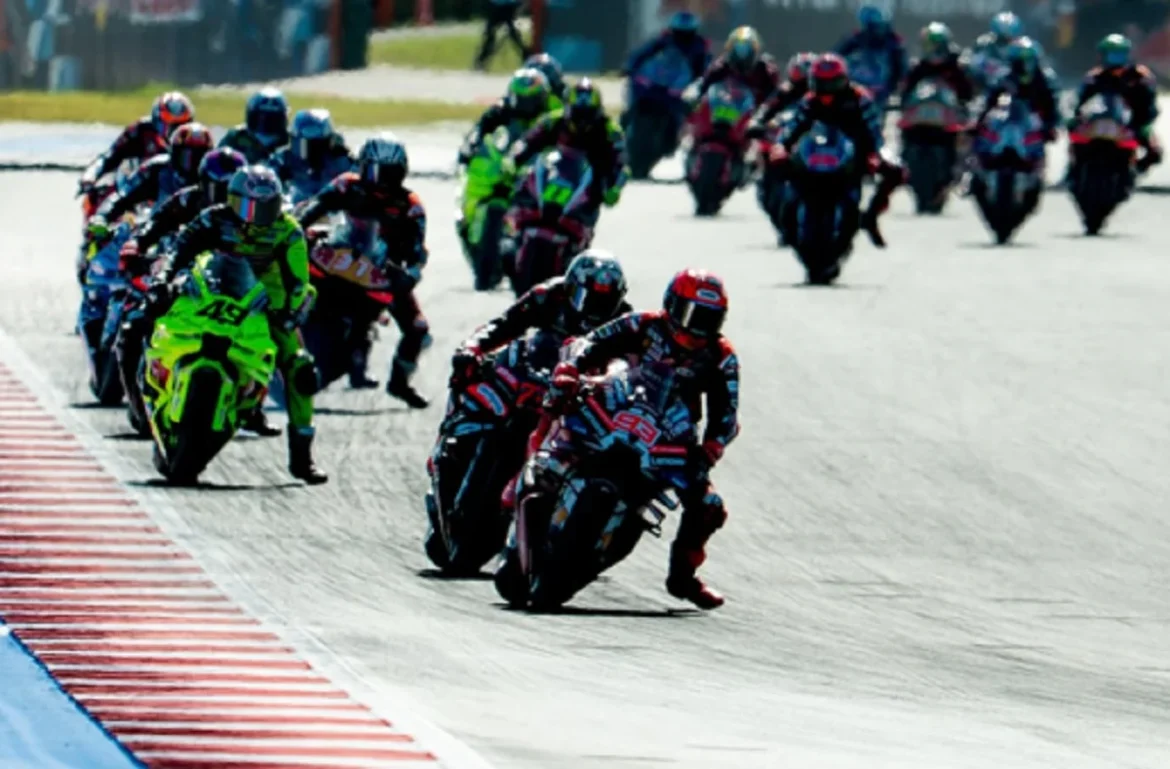
The 2026 MotoGP World Championship arrives at its pivotal European leg this weekend, as the Red Bull Ring prepares to host the high-stakes Austrian Grand Prix on Saturday, September 19, 2026. Motorsport enthusiasts and industry analysts alike have turned their attention toward a fiercely contested championship battle, headlined by the remarkable career resurgence of veteran superstar Marc Marquez. As the official schedule for Saturday gets underway, encompassing Free Practice 2, the high-intensity qualifying sessions, and the much-anticipated Sprint Race, the atmosphere in Spielberg is charged with anticipation. Marquez, now competing under the banner of the factory Ducati Lenovo Team, enters the weekend not merely as a contender, but as the man to beat.

Main Facts of the Austrian Grand Prix Weekend

Saturday’s itinerary at the Red Bull Ring marks a critical juncture in the 2026 season calendar. Teams and riders face a compressed and demanding schedule designed to test machine reliability and rider endurance to the absolute limit. Free Practice 2 opens the morning track activities, serving as the final crucial window for race engineers and riders to fine-tune electronic mappings, tire strategies, and suspension configurations before the competitive action begins. Following this, the knockout qualifying format—Q1 and Q2—will determine the definitive starting grid for both the afternoon Sprint Race and Sunday’s Grand Prix.

The spotlight remains firmly fixed on the factory Ducati contingent, particularly the 33-year-old Spanish maestro Marc Marquez. Sporting the iconic red livery, Marquez has exhibited a masterclass in modern racecraft throughout the 2026 campaign. Media representatives and sports journalists, including reports filed from the paddock, have highlighted Marquez’s undisputed favoritism heading into the qualifying and sprint sessions. His blistering pace during Friday practice sessions suggested that the Ducati Desmosedici GP26 is exceptionally well-suited to the heavy braking zones, sweeping corners, and grueling elevation changes characteristic of the Styrian circuit.

Chronology of a Phenomenal Season Turnaround

Jadwal MotoGP 2026 Hari Ini: Marc Marquez Tercepat di Kualifikasi dan Sprint Race MotoGP Austria 2026? : Okezone Sports

To fully grasp the magnitude of Marc Marquez’s current campaign, one must examine the dramatic trajectory of his 2026 season. The opening rounds of the championship presented significant hurdles for the eight-time world champion. Early-season mechanical adaptation issues and fiercely competitive rivalries saw Marquez struggle to find consistent footing, leading many pundits to question whether the veteran rider could maintain a sustained championship challenge against a younger generation of aggressive talent.

However, the turning point arrived midway through the European calendar. Entering the summer break and carrying that momentum into the latter half of the season, Marquez unlocked an unprecedented level of synergy with his Ducati machine. In the last seven consecutive Grands Prix, the rider affectionately known in the paddock as ‘The Baby Alien’ has secured an astonishing five victories. This relentless string of triumphs transformed a sluggish start into a commanding championship charge, erasing deficits and culminating in a dramatic takeover of the top spot in the riders’ standings.

Statistical Breakdown and Championship Implications

The mathematical reality of the 2026 MotoGP World Championship highlights the razor-thin margins defining this year’s title race. Heading into the Austrian Grand Prix weekend, Marc Marquez sits proudly at the summit of the riders’ standings with a formidable total of 274 championship points. Yet, his ascent to the top has not gone uncontested. Tied down to the exact same points tally of 274 is Aprilia Racing’s star contender, Jorge Martin, whose own remarkable consistency has kept him deadlocked with the Ducati rider at the pinnacle of the sport.

Despite sharing an identical points haul, Marquez officially holds the upper hand in the standings hierarchy, occupying the premier position due to a vital tie-breaking metric: race victories. Marquez has successfully converted his speed into five Grand Prix triumphs over the course of the season. In stark contrast, Jorge Martin—frequently referred to by fans and commentators as ‘The Martinator’—has secured a single Grand Prix victory thus far, relying instead on a relentless accumulation of podium finishes, consistency in sprint races, and stellar qualifying performances to match Marquez stride for stride.

Adding further psychological weight to Marquez’s weekend campaign is his formidable history at the Red Bull Ring. The Styrian circuit has historically favored machinery with immense horsepower and superior stability under severe braking—qualities deeply embedded in the DNA of the Borgo Panigale factory bikes. Moreover, Marquez arrives in Austria as the reigning victor of the 2025 Austrian Grand Prix. His deep institutional knowledge of the circuit’s optimal racing lines, combined with data gathered from previous triumphs, provides him with an invaluable technical edge as he seeks to defend his turf against Martin and the chasing pack.

Jadwal MotoGP 2026 Hari Ini: Marc Marquez Tercepat di Kualifikasi dan Sprint Race MotoGP Austria 2026? : Okezone Sports

Inside the Paddock: Team Strategies and Rivalry Dynamics

Behind closed doors, team garages are a hive of meticulous planning and high-stakes tension. Ducati Lenovo Team principals have emphasized the importance of capitalising on Saturday’s sessions to secure pole position, noting that overtaking at the Red Bull Ring can prove exceptionally difficult once the pack settles into a rhythm during the early laps of a race. The implementation of the Sprint Race format on Saturday afternoon means that valuable championship points are immediately on the line, elevating the pressure on both Marquez and Martin to execute flawless qualifying laps.

Aprilia Racing, meanwhile, has doubled down on its technical development program to counter Ducati’s straight-line supremacy. Jorge Martin’s technical crew has focused heavily on corner-exit traction and tire preservation, recognizing that maintaining rear-grip over the full distance of both the Sprint and Sunday’s main event will be the decisive factor in breaking Marquez’s stranglehold on the championship lead. Aprilia’s engineering department has worked tirelessly to ensure Martin can exploit the agile handling characteristics of the RS-GP machine through the circuit’s tighter chicane sections.

Broader Impact and the Road Ahead

The outcome of the 2026 Austrian Grand Prix carries profound implications for the remainder of the MotoGP season. With only a handful of rounds remaining after the Spielberg weekend, any slip-up by either Marquez or Martin could prove fatal to their championship aspirations. A dominant performance by Marquez on Saturday—translating pole position into a Sprint Race victory—would not only extend his points margin over Martin but would also send an unmistakable psychological message to the entire paddock regarding his championship intent.

Furthermore, the battle at the top of the standings continues to captivate a global audience, driving unprecedented engagement across digital platforms, including the official MotoGP broadcasts and dedicated channels such as the WhatsApp Channel of sports networks, which have reported record follower growth as fans clamor for real-time paddock updates. As the engines roar to life for Free Practice 2 and the tension peaks during the afternoon qualifying showdown, the 2026 MotoGP Austrian Grand Prix is firmly set to etch another unforgettable chapter into the rich history of motorcycle grand prix racing.

September 18, 2026 0 comment
0 FacebookTwitterPinterestEmail
Sports

Brentford Stings Chelsea in Stunning 3-0 Premier League Upset at Gtech Community Stadium

by Neng Nana September 18, 2026
written by Neng Nana

The fifth week of the 2026/2027 Premier League season delivered a seismic result at the Gtech Community Stadium on Saturday, September 19, 2026, as Brentford dismantled Chelsea in a clinical 3-0 victory. Under the tactical guidance of Keith Andrews, the Bees exploited a high-pressing Chelsea defensive line with surgical precision, leaving Xabi Alonso’s side struggling to find answers. This emphatic win propels Brentford up the table, while Chelsea’s title aspirations hit a significant speed bump as they remain anchored in the mid-table positions.

Tactical Overview and Pre-Match Context

The buildup to the match was defined by significant personnel adjustments for Chelsea. Manager Xabi Alonso opted for a reshuffled starting lineup, most notably omitting Joao Pedro and handing a start to veteran goalkeeper Dean Henderson—a decision that would later come under scrutiny given the sheer dominance of Brentford’s attacking transitions. For Brentford, the game plan was clear from the opening whistle: absorb Chelsea’s possession-heavy approach and utilize the pace of their wingers to punish the visitors’ expansive backline.

Chelsea entered the contest with the intention of controlling the tempo. Through the industrious efforts of Pedro Neto and Morgan Rogers, the visitors dominated the majority of the ball in the first 45 minutes. However, the lack of a clinical edge in the final third proved costly. Despite forcing the play, Chelsea’s inability to penetrate the resolute Brentford defensive structure, led by Jannick Schuster, allowed the hosts to grow in confidence as the game progressed.

A Game of Two Halves: The Chronological Breakdown

The first half was a tactical stalemate characterized by Chelsea’s frustration. Despite dominating the ball, their best chance came in the 42nd minute when Morgan Rogers connected with a precise cutback from Pep Chavarria. The strike, while well-directed, was expertly blocked, keeping the deadlock intact at the interval.

The narrative shifted dramatically in the second half. Brentford emerged with greater intensity, shifting from a reactive posture to an aggressive, forward-thinking approach. The deadlock was finally broken in the 61st minute. Following a well-worked corner kick, Jannick Schuster rose highest to provide a delicate header, which was expertly turned home by Jaidon Anthony from inside the six-yard box. The goal served as a catalyst for Brentford, forcing Chelsea to push higher and commit more bodies forward, which inevitably opened up the spaces the Bees were looking to exploit.

As Chelsea scrambled to find an equalizer—most notably through a blocked Cole Palmer attempt—they left themselves dangerously exposed at the back. The second goal for the hosts arrived in the 83rd minute in a move that encapsulated the tactical mismatch of the night. Kevin Schade beat the offside trap, driving directly at the Chelsea goal. Although Emiliano Martinez made an initial save, the ball fell kindly for Igor Thiago, who tapped home to double the lead. The final nail in the coffin came in stoppage time, as substitute Fabio Carvalho capitalized on a disoriented Chelsea defense to round off a comprehensive 3-0 victory.

Statistical Analysis and Performance Metrics

The disparity in efficiency between the two sides was stark. While Chelsea maintained a higher percentage of ball possession throughout the 90 minutes, their expected goals (xG) metrics reflected a lack of high-quality chances. Chelsea’s reliance on long-range efforts and deflected shots contrasted sharply with Brentford’s high-conversion rate.

Brentford’s defensive unit, commanded by the pairing of Jannick Schuster and Kristoffer Ajer, successfully neutralized Chelsea’s attacking threats. The substitution of key personnel by Keith Andrews in the final 20 minutes—bringing on fresh legs like Aaron Hickey and Mamadou Sangare—ensured that Brentford maintained their defensive discipline even as Chelsea threw everything forward. On the other side, Xabi Alonso’s substitutions, including the introduction of Estevao and Josh Acheampong, failed to provide the necessary spark to alter the momentum of the game.

Managerial Reflections and Post-Match Reactions

While official press conferences following the match were measured, the implications of the loss were clearly felt in the Chelsea camp. Xabi Alonso, known for his tactical rigidity and focus on ball retention, faced questions regarding his defensive transition strategies. The decision to maintain such a high defensive line against a counter-attacking side like Brentford was highlighted by analysts as a primary factor in the team’s vulnerability.

Conversely, the atmosphere in the Brentford dressing room was one of validation. For Keith Andrews, this victory serves as a hallmark achievement in his tenure, demonstrating that his side can compete with the league’s elite through disciplined structure and opportunistic counter-attacking. The synergy between the midfield pivot of Vitaly Janelt and the attacking trio of Anthony, Damsgaard, and Schade proved to be the difference-maker.

Broader Implications for the 2026/2027 Season

The results of matchday five have created a congested and unpredictable Premier League table. Chelsea now sits with 8 points from five matches, placing them in fifth position—a start that leaves little room for error if they intend to challenge for the title. The club’s inconsistency in the opening weeks suggests that Alonso is still refining his system, particularly in defensive phases where the team has shown susceptibility to quick transitions.

For Brentford, the victory is a massive morale booster, pushing them to 7 points and signaling their intent to challenge for a top-half finish. The win against a high-profile opponent like Chelsea provides the squad with the psychological edge needed to navigate the demanding winter schedule.

Looking Ahead

As the Premier League enters its next phase, both teams face significant challenges. Chelsea must address their defensive lapses and find a more consistent source of goals, especially given the ongoing reliance on individual brilliance rather than sustained collective play. The pressure on the coaching staff to stabilize the defensive unit will be high, as they prepare for upcoming fixtures against league rivals who will undoubtedly have noted the blueprints for exposing Chelsea’s high line.

Brentford, meanwhile, will look to maintain their momentum. The ability to perform under pressure against a team of Chelsea’s caliber is a hallmark of a side that has matured significantly. As the season progresses, the tactical discipline displayed at the Gtech Community Stadium will be the benchmark by which the Bees measure their success.

Summary of Match Statistics

Brentford:

  • Goalscorers: Jaidon Anthony (61’), Igor Thiago (83’), Fabio Carvalho (90+).
  • Key Defensive Contributors: Jannick Schuster, Kristoffer Ajer.
  • Manager: Keith Andrews.

Chelsea:

  • Key Personnel: Emiliano Martinez, Cole Palmer, Morgan Rogers.
  • Manager: Xabi Alonso.
  • Current Standing: 5th Place (8 points).

This fixture will likely be remembered as one of the standout tactical upsets of the early season. For the neutral observer, it highlights the enduring unpredictability of the Premier League, where well-drilled teams with a clear identity can systematically dismantle sides with more high-profile talent. As the 2026/2027 campaign unfolds, both clubs find themselves at critical junctures, with the lessons learned in this match set to dictate their respective trajectories in the weeks to come. The defeat is a sobering reality check for Chelsea, while for Brentford, it is a statement of intent that they belong in the upper echelons of English football.

September 18, 2026 0 comment
0 FacebookTwitterPinterestEmail
Entertainment & Celebrity

Ariel Noah Celebrates 45th Birthday with Manchester United Themed Party and Nostalgic Motorbike Gift

by Sagoh September 18, 2026
written by Sagoh

The Indonesian music landscape recently turned its attention toward the iconic frontman of the band Noah, Nazril Irham, better known to the public as Ariel Noah, as he celebrated his 45th birthday in a gathering that blended personal nostalgia with high-profile camaraderie. The event, held in Jakarta, was marked by a distinct Manchester United theme and the surprise presentation of a vintage motorcycle that holds significant sentimental value for the artist. Attended by a prominent circle of fellow entertainers and close friends, the celebration served as both a milestone birthday and a testament to the enduring professional and personal bonds within the Indonesian entertainment industry.

The Chronology of the Celebration

The festivities unfolded in a private setting in Jakarta, where Ariel’s inner circle orchestrated a surprise party that deviated from traditional gala celebrations in favor of a thematic, highly personalized experience. The event was documented extensively across social media platforms, providing fans and the public with a rare glimpse into the private life of one of Indonesia’s most guarded musical figures.

The evening began with the arrival of several high-profile guests, including Raffi Ahmad, Gading Marten, Desta, Uus, Surya Insomnia, Andre Taulany, Boris, and Ananda Omesh. The camaraderie was immediately visible, with attendees donning custom-made white t-shirts emblazoned with the phrase "Glory Glory Boriel"—a play on the famous Manchester United anthem "Glory Glory Man United"—featuring a stylized portrait of Ariel on the chest. The venue was meticulously decorated with red and white aesthetics, incorporating club motifs to mirror the artist’s well-known passion for English football.

The highlight of the evening, beyond the decorative flair, was the presentation of a specific gift: a Suzuki RGR motorcycle. This particular model represents the first motorcycle Ariel ever owned, a vehicle that he has frequently referenced in past interviews as a primary symbol of his formative years and early pursuit of his musical career.

Contextualizing the Legacy of Ariel Noah

To understand the significance of this milestone, one must consider the trajectory of Nazril Irham’s career. Emerging in the early 2000s as the lead vocalist of Peterpan, Ariel became a foundational figure in the Indonesian pop-rock scene. Following the transition to the band Noah in 2012, his influence has remained constant, bridging the gap between millennial nostalgia and contemporary music consumption.

Turning 45 places Ariel in a unique demographic within the Indonesian music industry. Unlike many contemporaries who have faded from the spotlight, Ariel has maintained a consistent level of relevance through strategic collaborations, high-quality production, and a carefully curated public persona. His birthday, therefore, is not merely a personal occasion but an industry event that brings together the power players of Indonesian television and media.

The Significance of the Suzuki RGR Gift

The choice of the Suzuki RGR as a birthday gift is particularly poignant. In the late 1990s and early 2000s, the RGR was a status symbol among young motorcyclists in Indonesia. For an artist who often expresses a deep interest in automotive engineering and restoration, the motorcycle serves as a bridge to his past.

Industry observers suggest that such gestures among celebrities underscore the depth of their off-camera relationships. In an industry often characterized by fleeting partnerships, the presence of figures like Andre Taulany and Raffi Ahmad—who have their own substantial automotive collections—indicates that this gift was likely curated with an intimate understanding of Ariel’s hobbies. By gifting a piece of machinery that represents a "lost" or "sold" item from his youth, the group provided an experience that transcends material value, tapping into the emotional narrative of the recipient.

Professional Dynamics and Industry Impact

The presence of such a high density of media personalities at a private birthday party highlights the shift in how Indonesian celebrities interact. The "Glory Glory Boriel" theme demonstrates the power of brand identity. Even in a social setting, these figures engage in a form of soft-branding that resonates with their massive collective following.

From a marketing perspective, the birthday celebration functioned as an organic promotional event. With millions of combined followers across the Instagram and TikTok accounts of the attendees, the "Boriel" brand identity was amplified to a global audience. This underscores the professional synergy between these artists; they are not only colleagues but also part of a self-sustaining ecosystem of influence that keeps their collective public profile at the forefront of Indonesian culture.

Analysis of the "Boriel" Phenomenon

"Boriel," a nickname derived from his name combined with the Sundanese honorific/slang, has become a moniker synonymous with a specific type of Indonesian masculinity: understated, musically talented, and deeply rooted in hobbyist culture.

The integration of the Manchester United theme is also indicative of the broader cultural crossover between European sports and Indonesian entertainment. Manchester United, in particular, has maintained a massive, multi-generational fan base in Indonesia. By aligning his birthday with the "Red Devils" aesthetic, Ariel effectively solidified his connection with a segment of his audience that shares his sporting interests, further humanizing his image.

Official Responses and Social Media Reception

While no formal press statements were issued regarding the event—as it was a private gathering—the collective reaction from the attendees via social media provided the necessary public narrative. Gading Marten and Raffi Ahmad, both known for their active presence in the automotive and entertainment sectors, used their platforms to emphasize the "brotherhood" aspect of the event.

The reaction from the public was largely positive, with fans noting the authenticity of the gesture. Unlike many celebrity events that lean into opulence, the focus here was on nostalgia and shared identity. The visual consistency of the attendees wearing the same uniform created a sense of unity that fans found relatable and endearing.

Broader Implications: The Evolution of the Rockstar Image

The 45th birthday of Ariel Noah marks a transition in the archetype of the Indonesian "rockstar." He has moved from the rebellious, youthful image of his Peterpan years into a more mature, respected, and highly connected figure.

  1. Longevity in the Industry: Ariel’s ability to remain at the top of the charts for over two decades is a feat rarely achieved in the Indonesian music industry. His birthday celebration reflects a level of stability that few artists attain.
  2. The "Circle" Effect: The attendance list reveals the power structure of the current Indonesian entertainment landscape. These individuals occupy the most prominent slots in television and digital media, and their public association with Ariel reinforces his standing as a central figure in this hierarchy.
  3. Automotive Culture as Social Currency: The motorcycle gift highlights a growing trend among Indonesian male celebrities to center their social interactions around automotive hobbies. This has created a new sub-industry of influencers, restorers, and collectors that Ariel is now a central part of.

Conclusion: Looking Toward the Future

As Ariel Noah enters his mid-40s, the focus of his career appears to be shifting toward maintaining his legacy while exploring personal interests. The celebration in Jakarta was more than a party; it was an affirmation of his status, his friendships, and his past.

For the music industry, the event serves as a case study in effective personal branding. By keeping the event intimate yet highly visible, the organizers ensured that the focus remained on the artist’s personal history and his relationships with peers. As he continues his work with the band Noah and his various solo endeavors, the support of this core group of friends—as evidenced by the "Glory Glory Boriel" initiative—will likely remain a cornerstone of his professional and personal life.

The celebration leaves a clear message: Ariel Noah is not just an artist, but a central node in a vast network of influence. Whether he is on stage or in a private garage restoring a classic motorcycle, his ability to capture the public imagination remains undiminished. As he steps into his 45th year, he does so with the backing of an industry that views him not just as a contemporary, but as a standard-bearer for a generation of Indonesian music.

September 18, 2026 0 comment
0 FacebookTwitterPinterestEmail
Entertainment & Celebrity

Mengapa Sudah Vaksin Influenza Masih Kena Flu?

by Ali Ikhwan September 18, 2026
written by Ali Ikhwan

Receiving an annual influenza vaccine is widely considered the cornerstone of public health efforts to mitigate the seasonal impact of respiratory viruses, yet a common point of public confusion remains: why do individuals still contract the flu despite being immunized? The reality of clinical immunology is that the influenza vaccine is not a monolithic shield but rather a strategic preparation of the immune system. While it significantly reduces the likelihood of infection, it does not guarantee total immunity. The virus’s inherent biological instability and the complexity of human immune responses mean that even vaccinated individuals may occasionally experience illness, though typically in a much milder form than they would have otherwise.

The Biological Nature of Influenza Viruses

To understand why "breakthrough" flu cases occur, one must first understand the nature of the virus itself. Influenza is characterized by its high rate of genetic mutation, a process known as antigenic drift. Small genetic changes occur as the virus replicates, which can alter the surface proteins—hemagglutinin (HA) and neuraminidase (NA)—that the immune system uses to identify and neutralize the pathogen.

Influenza A, which is the most virulent form and responsible for the majority of seasonal epidemics, includes common subtypes such as H1N1 and H3N2. Because these subtypes evolve rapidly, the specific virus strain circulating in a given year may be slightly different from the strain used to formulate the vaccine months earlier. Influenza B, while generally less prone to rapid mutation than Type A, also evolves, typically circulating in two main lineages: Victoria and Yamagata.

When a vaccine is developed, researchers from global health organizations, including the World Health Organization (WHO), analyze surveillance data to predict which strains will be most prevalent in the upcoming season. However, if a novel strain emerges or a dominant strain mutates significantly after the vaccine formulation is finalized, the resulting vaccine may offer "mismatched" protection. While the vaccine still provides a baseline level of cross-reactive immunity, this mismatch is a primary reason why vaccinated individuals may still test positive for the virus.

Understanding Vaccine Efficacy and Effectiveness

In clinical terms, "efficacy" and "effectiveness" are distinct metrics. Vaccine efficacy is measured in controlled clinical trials, while effectiveness is measured by how well the vaccine works in the "real world" once it is distributed to the general population.

According to data from the Centers for Disease Control and Prevention (CDC), flu vaccine effectiveness typically ranges from 40% to 60% during seasons when the vaccine strains are well-matched to circulating viruses. This percentage does not mean that the vaccine only works for 40% of the population; rather, it indicates that the average vaccinated person is 40% to 60% less likely to require medical attention for the flu compared to an unvaccinated person.

Even when infection occurs, the vaccine serves a vital secondary purpose: the mitigation of symptom severity. For individuals who have been vaccinated, the immune system has already been "primed" to recognize the viral markers. Consequently, the body can mount a faster, more robust response. This often translates to fewer days of high fever, less severe respiratory distress, and, crucially, a significant reduction in the risk of secondary complications such as pneumonia, bronchitis, or worsening of chronic conditions like asthma and heart disease.

The Chronology of Transmission and Symptom Onset

The transmission of influenza is remarkably efficient, occurring primarily through respiratory droplets expelled when an infected person coughs, sneezes, or talks. These droplets can travel one to two meters, landing in the mouths or noses of people nearby. In some cases, infection can occur by touching a surface contaminated with the virus and subsequently touching the eyes, nose, or mouth.

Once the virus gains entry into the respiratory tract, the incubation period is relatively short, typically ranging from one to four days. This rapid onset is one of the reasons influenza remains a persistent public health challenge. Because an infected individual can shed the virus—and thus transmit it to others—before they even show symptoms, the virus spreads through communities with high velocity.

For a vaccinated individual, the immune response begins the moment the virus enters the body. However, because the virus replicates so quickly, it can cause localized inflammation and symptoms before the adaptive immune system fully neutralizes the pathogen. This is why a person might feel "under the weather" after vaccination, which is often misinterpreted as the vaccine causing the flu. In reality, the vaccine is an inactivated or attenuated product that cannot cause influenza infection; symptoms reported shortly after vaccination are usually the result of the body’s natural inflammatory response to the vaccine antigens.

High-Risk Populations and the Necessity of Vaccination

While the general population is advised to seek annual vaccination, certain groups are at significantly higher risk of experiencing severe, life-threatening complications from influenza. These include children under the age of five, adults over the age of 65, pregnant women, and individuals with underlying medical conditions such as diabetes, cardiovascular disease, and chronic lung disease.

For these populations, the goal of vaccination is not necessarily the prevention of every mild cough or sneeze. The primary clinical objective is the prevention of hospitalization and mortality. Public health officials emphasize that even in years with lower vaccine effectiveness, the vaccination of high-risk groups remains the most effective intervention available to prevent mass morbidity.

The Role of Global Surveillance

The global response to influenza is managed through the Global Influenza Surveillance and Response System (GISRS), a network of national influenza centers and WHO collaborating centers. This network conducts year-round monitoring of influenza viruses, tracking their evolution and geographic spread.

Twice a year, the WHO holds consultations to determine the composition of the influenza vaccine for the Northern and Southern Hemispheres. This rigorous process requires synthesizing data from thousands of samples collected globally. Despite the technological sophistication of these monitoring systems, the biological volatility of the virus means that perfect prediction is an impossibility. This inherent unpredictability underscores the importance of secondary preventative measures, such as frequent handwashing, respiratory etiquette, and staying home when sick.

Implications for Public Health Policy

The continued persistence of influenza despite widespread vaccination programs has led to a shift in public health messaging. Health agencies are moving away from promising "prevention of infection" toward emphasizing "prevention of severe disease." This shift is critical for maintaining public trust. If the public perceives the flu vaccine as a complete barrier to illness, any breakthrough case can lead to skepticism regarding the vaccine’s utility.

Furthermore, the integration of flu vaccination with other respiratory virus prevention strategies—such as the development of combined COVID-19 and influenza vaccines—is currently a major focus of pharmaceutical research. By targeting multiple pathogens simultaneously, health officials hope to simplify the immunization schedule and increase uptake rates.

Conclusion

The question of why one can contract influenza after vaccination is rooted in the complex interplay between a rapidly mutating virus and the dynamic nature of human immunity. Vaccination is a highly successful public health tool, yet it operates on the principle of risk reduction rather than absolute immunity. By understanding that the flu vaccine serves to shorten the duration of illness, reduce the severity of symptoms, and prevent critical medical complications, individuals can make informed decisions about their health.

In the face of an ever-evolving respiratory threat, the annual flu vaccine remains an essential, albeit imperfect, shield. The data consistently demonstrates that the benefits of vaccination far outweigh the risks, providing a critical layer of protection that helps keep the global healthcare infrastructure from being overwhelmed during peak transmission seasons. As medical research continues to pursue universal influenza vaccines—which would target the stable parts of the virus that do not change over time—the current annual vaccination strategy remains the most effective defense available to the modern public.

September 18, 2026 0 comment
0 FacebookTwitterPinterestEmail
Entertainment & Celebrity

Doctor Gia Pratama Reveals Past as an Extra Playing a Physician in the Popular Indonesian Soap Opera Tukang Ojek Pengkolan

by Asro September 18, 2026
written by Asro

The evolution of modern media personalities often conceals fascinating trajectories of humble beginnings before achieving widespread digital prominence. A compelling example of this phenomenon has recently surfaced involving Dr. Gia Pratama, a well-known Indonesian medical practitioner and digital health influencer. Long before he commanded a substantial following across social media platforms and authored acclaimed literary works inspired by his medical career, Dr. Gia navigated the competitive entertainment industry in minor roles. Specifically, archival footage recently brought to light revealed that he once appeared as an extra, portraying a physician in the long-running, immensely popular Indonesian soap opera Tukang Ojek Pengkolan, which formerly broadcasted on the RCTI network.

This surprising revelation came to public attention during a candid and engaging episode of the digital talk show Podcast Pulang Praktik. Hosted on his official YouTube channel, the program featured a collaborative conversation between Dr. Gia and fellow prominent healthcare professional and digital creator Dr. Tirta Mandira Hudhi. The two medical figures, known for their outspoken commentary and robust online presence, sat down to dissect, analyze, and humorously critique various media depictions of the medical profession. Their discussion initially centered on the frequent dramatization, medical inaccuracies, and clichés often employed in television soap operas and feature films when portraying hospital environments and clinical scenarios.

However, the tone of the broadcast shifted dramatically from analytical critique to lighthearted revelation when the production team surprised Dr. Gia by unearthing and broadcasting a vintage television clip. The archival footage showcased a much younger Dr. Gia stepping onto the screen in full character. Dressed in a crisp white medical coat, wearing characteristic eyeglasses, and sporting a hairstyle distinct from his current professional presentation, he emerged from a set styled to resemble a hospital consultation room. Maintaining a serious and focused expression, the cameo captured him executing a brief walk-on moment intended to convey the high-pressure atmosphere of medical professionals managing emergency patient care.

The Historical Context of Medical Portrayals in Indonesian Media

Kaget! Dokter Gia Ternyata Pernah Jadi Figuran di Sinetron Tukang Ojek Pengkolan RCTI

To fully understand the significance of Dr. Gia Pratama’s brief foray into television acting, it is essential to examine the broader relationship between the medical profession and the Indonesian entertainment industry. For decades, local soap operas—locally known as sinetron—have relied heavily on medical settings to create dramatic tension, emotional stakes, and narrative urgency. Hospitals serve as universal backdrops where life, death, romance, and familial conflict intersect. Consequently, production houses frequently require background actors, or figuran, to populate these scenes, ensuring the visual authenticity of busy clinical corridors, emergency rooms, and surgical waiting areas.

In the Indonesian television landscape, background roles are critical yet frequently overlooked components of production value. While principal actors drive the primary plotlines, extras provide the ambient realism necessary to make fictional medical institutions believable to millions of daily viewers. For medical students, young practitioners, or individuals connected to the healthcare sector, participating in such productions occasionally offers a unique avenue for supplemental income, networking, or simply experiencing the behind-the-scenes mechanics of broadcast media. Dr. Gia’s past participation reflects a time when his professional identity was still developing, bridging the gap between rigorous academic medical training and his eventual transition into public advocacy, creative writing, and digital media production.

The Journey from Clinical Practice to Digital Infuence

Dr. Gia Pratama has built a multifaceted career that extends far beyond the traditional boundaries of clinical medicine. Following his formal education and medical degree, he gained widespread recognition not only for his medical expertise but also for his literary contributions and engaging presence on social media. He famously authored bestselling novels that drew deeply from his authentic experiences working in hospital emergency departments, effectively translating the emotional weight, ethical dilemmas, and human drama of clinical practice into accessible narratives for the general public.

As the media ecosystem shifted toward digital platforms, Dr. Gia successfully positioned himself as a trusted health educator and influencer. By leveraging platforms such as Instagram, YouTube, and X (formerly Twitter), he has consistently utilized his background to debunk medical myths, promote public health awareness, and discuss the realities of the healthcare system in Indonesia. His collaboration with Dr. Tirta on Podcast Pulang Praktik represents a continuation of this mission, combining professional insight with entertainment to engage younger demographics who consume information primarily through digital video channels.

Kaget! Dokter Gia Ternyata Pernah Jadi Figuran di Sinetron Tukang Ojek Pengkolan RCTI

The Dynamics of Podcast Pulang Praktik and Collaborative Media

Podcast Pulang Praktik has emerged as a notable digital platform within the Indonesian creator economy, specifically occupying the niche where professional expertise intersects with casual, conversational commentary. Hosted by Dr. Gia Pratama, the podcast frequently invites prominent guests from various industries, with a particular emphasis on healthcare professionals, public figures, and cultural commentators. The format typically balances serious discussions regarding health literacy, lifestyle choices, and professional ethics with lighthearted banter, personal anecdotes, and cultural critiques.

The inclusion of Dr. Tirta Mandira Hudhi in this specific episode amplified its reach and engagement. Dr. Tirta, widely recognized for his outspoken advocacy, entrepreneurship, and influential digital footprint, brought a dynamic conversational energy to the broadcast. The synergy between the two physicians allowed for a nuanced exploration of how popular culture perceives and portrays the medical community. When the conversation pivoted to the archival footage of Dr. Gia’s television cameo, it underscored a broader cultural trend: the humanization of public figures through the acknowledgement of their past struggles, unorthodox career steps, and formative experiences.

Implications and Public Reception of the Archival Reveal

The unearthing of Dr. Gia Pratama’s acting past generated significant positive engagement across social media channels and digital news outlets. Rather than diminishing his professional credibility, the revelation was met with amusement, warmth, and respect from his audience and peers. In an era where digital influencers often curate flawless, highly polished personas, transparent moments of vulnerability and humor serve to bridge the psychological gap between public figures and their followers.

Kaget! Dokter Gia Ternyata Pernah Jadi Figuran di Sinetron Tukang Ojek Pengkolan RCTI

From a media analysis perspective, such incidents illustrate the fluidity of contemporary career paths. The traditional boundaries separating clinical medicine, creative arts, and digital content creation are increasingly porous. Professionals are no longer confined to singular, rigid career tracks; instead, they frequently leverage diverse skill sets across multiple mediums. Dr. Gia’s journey—from an anonymous extra in a popular daily soap opera to a recognized physician, author, and prominent digital influencer—demonstrates adaptability and a willingness to engage with the entertainment industry from both behind and in front of the camera.

As digital platforms continue to reshape how public figures communicate with their audiences, retrospective moments such as the one shared on Podcast Pulang Praktik provide valuable context regarding the perseverance required to build a lasting public profile. Dr. Gia Pratama’s ability to laugh at his early television appearance reinforces his relatable public image, ensuring that his ongoing contributions to health education and digital media continue to resonate with a broad and diverse audience across Indonesia.

September 18, 2026 0 comment
0 FacebookTwitterPinterestEmail
Lifestyle & Fashion

Bella Hadid Redefines Corporate Chic During Surprise Appearance at New York Fashion Week

by Asep Darmawan September 18, 2026
written by Asep Darmawan

On the final day of New York Fashion Week (NYFW), supermodel and entrepreneur Bella Hadid delivered a masterclass in transitional professional styling, effectively reminding the fashion industry that the most impactful sartorial statements are often made on the streets rather than the runway. Her sudden appearance in Manhattan on Tuesday marked a notable departure from her recent professional trajectory, which has seen her largely absent from the New York circuit in favor of the European fashion capitals of Paris and Milan.

The primary objective of Hadid’s visit to New York was to attend an exclusive event hosted by the luxury jewelry house Chopard. The gala served as a platform to celebrate the ongoing collaboration between the house and Hadid, who has recently pivoted her career focus toward her wellness and beauty venture, Orebella. While the gala appearance garnered significant attention for its high-glamour quotient, it was Hadid’s daytime ensemble—a carefully curated "office-ready" look—that captured the interest of industry observers and trend analysts alike.

A Departure from Established Aesthetics

Hadid has long been recognized for her chameleon-like ability to navigate various fashion subcultures. Over the past several years, her public image has oscillated between the "Sciura" aesthetic—a sophisticated, often vintage-driven look associated with affluent Milanese women—and a bohemian, romantic sensibility. Furthermore, her recent embrace of "cowgirl" motifs, influenced by her high-profile relationship with equestrian Adan Banuelos, suggested a transition toward rustic, Americana-inspired fashion.

However, her appearance this past Tuesday signaled a pivot toward a more structured, corporate-minimalist aesthetic. Working alongside her longtime stylist, Mimi Cuttrell, Hadid transitioned away from the casual or theme-heavy looks that have defined her street style in recent months. This shift toward "corporate chic" aligns with a broader trend in the fashion industry, as luxury houses and retail giants alike move away from the hyper-casual post-pandemic era toward a more disciplined, tailored silhouette.

Anatomy of the Look: Technical Breakdown

The outfit, which has been widely analyzed by fashion commentators, was anchored by a grey knit minidress layered over a crisp, white button-down shirt. The construction of the dress was particularly noteworthy; it featured an integrated, sweater-like component that wrapped around the waist and knotted at the front. This design choice provided a textural contrast against the structured, pointed collar and cuffed sleeves of the shirt, which emerged from beneath the knitwear to provide a sharp, clean line.

To accessorize the look, Hadid utilized a vintage Givenchy necklace, sourced from the specialized archive boutique In the Mood Archives. This inclusion of archival luxury pieces is a hallmark of the current "quiet luxury" movement, which emphasizes the value of heritage items over seasonal trends. The ensemble was completed with oval-shaped Ray-Ban sunglasses, maintaining a minimalist profile, and high-heeled Valentino pumps. The footwear provided the only overt flourish of color and complexity, featuring black-and-white striped detailing on the vamp, complemented by the brand’s signature red sole.

The Role of Stylist Mimi Cuttrell

The influence of Mimi Cuttrell in this transition cannot be overstated. Cuttrell has been instrumental in shaping Hadid’s public persona, moving her from the logo-heavy trends of the late 2010s to a more refined, archive-conscious aesthetic. By layering the knit dress over a formal shirt, Cuttrell successfully bridged the gap between professional office attire and high-fashion editorial styling. This approach mirrors current movements in luxury retail, where brands such as Prada and Miu Miu have been championing the return of "workwear" as a high-fashion staple.

Chronology of NYFW 2026 and Hadid’s Attendance

The 2026 iteration of New York Fashion Week saw a significant focus on the intersection of commerce and creativity. For many years, the influence of NYFW has been challenged by the digital migration of fashion shows and the rise of "see-now-buy-now" models. Hadid’s presence on the final day provided a much-needed focal point for the closing events.

Bella Hadid Beri Sentuhan Cool-Girl pada Gaya Corporate
  • Early September 2026: NYFW commences with a focus on sustainable manufacturing and the "back to office" trend.
  • Mid-September 2026: Hadid arrives in New York, shifting the media narrative from the runway to street style.
  • Tuesday Morning: Hadid is spotted in Midtown Manhattan, wearing the grey knit-and-shirt combination, signaling a shift in her personal brand.
  • Tuesday Evening: Hadid attends the Chopard gala, fulfilling her commercial obligations to the brand and closing her brief stint in the city.

Market Implications and Fashion Analysis

Hadid’s sartorial choices carry significant weight in the global fashion economy. Data from fashion search engines and social media analytics consistently show that items worn by Hadid during public appearances see an immediate spike in search volume. This phenomenon, often referred to as the "Hadid Effect," highlights the influence of celebrity styling on mass-market retail trends.

The shift toward corporate-coded clothing is not merely a stylistic preference; it is reflective of a wider economic context. As global markets stabilize and the workforce returns to traditional office environments, consumer demand for "office-ready" apparel has surged. Brands are responding by integrating traditional business silhouettes with modern fabric technology. The use of knitwear for professional settings, as seen in Hadid’s outfit, suggests a move toward "soft tailoring"—a category that prioritizes comfort without sacrificing the visual authority required in professional spaces.

Furthermore, the emphasis on vintage and archival pieces highlights the growing consumer interest in sustainability. By incorporating a vintage Givenchy piece, Hadid promotes the circular economy, encouraging followers to invest in high-quality items that retain value over time. This is a critical pivot for the industry, which faces increasing pressure to address the environmental impact of rapid production cycles.

Official Responses and Industry Context

While neither Hadid nor her representatives have issued formal statements regarding the specific stylistic intent of her look, the fashion community has received it as a definitive statement on the "new workwear." Representatives from Chopard noted that Hadid’s involvement with the brand is centered on a shared vision of "timeless elegance," a sentiment that clearly permeated her choice of attire throughout her stay in New York.

Industry insiders suggest that Hadid’s decision to skip runway duties this season was a calculated choice to focus on her personal brand, Orebella, and her high-level partnerships. By appearing in a curated, street-style context rather than on the catwalk, she maintains a sense of autonomy over her image while remaining relevant to the high-fashion narrative.

The Broader Impact on Autumnal Fashion

As the summer season concludes and the fashion cycle moves into the autumn/winter 2026 period, Hadid’s appearance serves as a blueprint for the "9-to-5" wardrobe. The transition from light summer linens to heavier knits and structured cottons is a standard seasonal pivot, but Hadid’s execution offers a nuanced approach that avoids the traditional tropes of office fashion.

Her influence on the current landscape suggests that the upcoming season will be dominated by:

  1. Layered Professionalism: The use of knitwear over shirting as a primary styling device.
  2. Archival Integration: A move toward blending contemporary fast-fashion or high-fashion pieces with authentic vintage accessories.
  3. Subtle Branding: A departure from loud, logo-centric branding in favor of subtle luxury, characterized by high-quality materials and classic silhouettes.

In conclusion, Bella Hadid’s recent activities in New York highlight a maturing phase in her career. Her ability to synthesize high-fashion trends with practical, wearable concepts ensures her continued dominance in the industry. As the fashion world looks toward the next cycle of trends, Hadid’s "corporate chic" aesthetic is likely to serve as a key reference point for both luxury designers and high-street retailers, solidifying the trend of professional-minimalism as the defining look for the remainder of the year. Through this brief but impactful appearance, she has successfully bridged the divide between the high-octane environment of New York Fashion Week and the pragmatic realities of the modern, style-conscious professional.

September 18, 2026 0 comment
0 FacebookTwitterPinterestEmail
Lifestyle & Fashion

Etihad Airways Redefines Long-Haul Travel with the Launch of the Comprehensive Etihad Wellbeing Programme

by Evan Lee Salim September 18, 2026
written by Evan Lee Salim

Modern air travel has long been associated with the physical toll of crossing multiple time zones, fluctuating cabin pressure, and the general fatigue of the jet-set lifestyle. Recognizing that international mobility should not come at the expense of personal health and vitality, Etihad Airways has officially rolled out its comprehensive Etihad Wellbeing programme. Designed to support urban travelers and long-haul passengers from the moment they arrive at the airport until they reach their final destination, this multi-layered initiative integrates nutrition, sleep science, holistic spa therapies, and ambient cabin design into a single, cohesive travel experience.

The launch of the Etihad Wellbeing programme marks a strategic evolution in premium commercial aviation, shifting the industry standard from mere luxury to proactive wellness. As global travel rebounds and corporate and leisure passengers spend increasingly significant portions of their lives in the air, airlines are facing mounting consumer demand for health-conscious services. Etihad’s holistic approach addresses the physiological stressors of flying—such as dehydration, sleep disruption, and dietary imbalances—through scientifically backed solutions deployed across airport lounges and airborne cabins alike.

Pre-Flight Wellness at Zayed International Airport

Etihad Wellbeing, Tetap Bugar dalam Penerbangan

The journey toward holistic wellbeing begins long before boarding, rooted in the state-of-the-art Etihad Lounges located within Terminal A of Zayed International Airport in Abu Dhabi. Here, passengers are introduced to a pre-flight environment specifically engineered to lower cortisol levels and encourage deep relaxation. Rather than navigating the chaotic and stressful environment typical of major international transit hubs, Etihad passengers have access to dedicated quiet zones designed for mental decompression.

A cornerstone of the airport experience is the partnership with Be Relax by Etihad Spa, situated conveniently within the lounge complex. Passengers can partake in a curated menu of treatments, ranging from targeted muscle-release massages to specialized facial skincare and hair treatments. These therapies are specifically timed to prepare the circulatory system for long periods of sedentariness, helping to prevent the stiffness and sluggishness commonly associated with long-haul flights. Furthermore, the lounge environment utilizes biophilic design principles, natural lighting, and acoustic dampening to ease the transition from the bustling outside world into a state of pre-flight tranquility.

Nutritional Science and Tailored Dining at 35,000 Feet

Dietary choices play a pivotal role in how the human body reacts to altitude, cabin pressure, and compressed time zones. In response, Etihad Airways has overhauled its in-flight dining concepts to prioritize nutritional density, digestibility, and hydration. The airline now offers a vastly expanded menu featuring high-protein, nutrient-rich meals designed to maintain steady blood sugar levels and sustain energy without causing the post-meal lethargy often induced by heavy, sodium-laden airline food.

Etihad Wellbeing, Tetap Bugar dalam Penerbangan

Understanding that modern travelers adhere to diverse dietary philosophies for health, medical, or religious reasons, Etihad has diversified its specialized meal categories. Passengers can pre-order options that include lactose-free, low-sodium, low-fat, and gluten-free meals, alongside robust plant-based and vegetarian alternatives. Every dish is crafted using fresh, locally sourced ingredients where possible, ensuring high antioxidant content to combat cellular oxidative stress caused by cosmic radiation at high altitudes.

Hydration is treated as a clinical necessity within the Etihad Wellbeing framework. The airline has introduced an upgraded beverage selection that goes beyond standard water and soft drinks, featuring electrolyte-infused waters and vitamin-rich botanical tonics designed to maintain cellular fluid balance. Dehydration is a primary catalyst for jet lag, and these targeted beverages help mitigate its symptoms, allowing passengers to step off the aircraft feeling revitalized rather than depleted.

Engineering the Ultimate Quiet Cabin and Sleep Architecture

One of the most persistent complaints among frequent flyers is the cumulative fatigue caused by ambient cabin noise, irregular lighting, and uncomfortable sleeping arrangements. Etihad Airways has addressed these pain points directly through the implementation of its Quiet Cabin initiative. Under this operational protocol, cabin crew significantly reduce non-essential public announcements, particularly during overnight sectors, ensuring that passengers are not abruptly awakened during crucial sleep cycles.

Etihad Wellbeing, Tetap Bugar dalam Penerbangan

To complement the auditory calm, Etihad has invested heavily in sleep science across its fleet. The airline’s newer aircraft are equipped with advanced mood-lighting systems that simulate natural circadian rhythms. By gradually shifting color temperatures from warm golden hues at sunset to cool, crisp tones at sunrise, the lighting helps reset the body’s internal clock, mitigating the severity of jet lag upon arrival.

In the premium cabins, specifically First Class and The Residence, the focus on sleep reaches an elite tier. Passengers are provided with bespoke sleep systems featuring natural cotton luxury linens, ergonomic memory foam mattresses, and exclusive loungewear designed for maximum breathability and comfort. These elements are paired with an immersive suite of digital wellness content available through the inflight entertainment system. Passengers can access guided meditations, sleep stories, breathing exercises, and in-seat stretching guides led by global wellness experts, turning the private suite into a personal sanctuary for mental and physical restoration.

Furthermore, Etihad has introduced a signature ambient scent across both its airport lounges and aircraft cabins. Formulated with subtle, natural botanical extracts, the proprietary fragrance creates an immediate sense of familiarity, warmth, and calm, grounding the passenger in a soothing sensory environment from the moment they step onboard.

Holistic Skincare Partnerships: LANEIGE and ESPA

Etihad Wellbeing, Tetap Bugar dalam Penerbangan

Environmental factors inside an aircraft cabin, particularly the extremely low humidity levels—often hovering around 10 to 20 percent—can wreak havoc on the skin’s moisture barrier. To combat this, Etihad has forged strategic partnerships with world-renowned beauty and skincare brands to provide elite amenity kits tailored to each cabin class.

In Business Class, Etihad has broken new ground by partnering with LANEIGE, the celebrated South Korean skincare innovator renowned for its hydration science. Etihad is notably the first and currently the only airline globally to feature LANEIGE products in-flight. Business Class passengers receive curated Destination Collection amenity kits containing signature items such as the famous Water Sleeping Mask, Lip Sleeping Mask, and intensely hydrating hand creams. These products actively replenish moisture lost to the arid cabin air, ensuring travelers maintain a healthy complexion throughout the journey.

For First Class passengers, the pampering escalates with an exclusive suite of premium skincare products from ESPA, a luxury wellness brand synonymous with holistic therapies. The First Class amenity offerings include nutrient-dense facial sheet masks and cooling eye masks specifically formulated to reduce puffiness, stimulate micro-circulation, and revive tired skin before landing.

Broader Implications for the Aviation Industry

Etihad Wellbeing, Tetap Bugar dalam Penerbangan

The rollout of the Etihad Wellbeing programme reflects a fundamental shift in how legacy carriers compete for high-value travelers. As post-pandemic consumer priorities increasingly lean toward holistic health, self-care, and preventative wellness, airlines can no longer rely solely on flat-bed seats and fine dining to secure brand loyalty. Passengers are demanding an end-to-end travel experience that actively protects their physical and mental well-being.

Industry analysts note that Etihad’s integrated approach—combining airport spa therapies, clinical hydration strategies, circadian lighting, and high-end dermatological partnerships—sets a new benchmark for premium service design. By treating wellness not as an optional add-on, but as an operational philosophy embedded in every phase of the flight, Etihad Airways is effectively rewriting the rules of long-haul aviation. For the modern jet-setter, the long-held fear of arriving at a destination exhausted and misaligned with local time is finally becoming a relic of the past, replaced by the promise of arriving fresh, balanced, and ready to engage with the world.

September 18, 2026 0 comment
0 FacebookTwitterPinterestEmail
Lifestyle & Fashion

3 Cara Mengenali Anak yang Tumbuh Besar Dimanjakan Orang Tua Dilihat dari Ucapannya

by Layla Zulfa September 18, 2026
written by Layla Zulfa

Effective parenting is defined by the delicate balance between providing unconditional emotional support and establishing firm, healthy boundaries. While the primary objective of child-rearing is to cultivate resilience and self-confidence, an over-reliance on permissive parenting styles—often characterized by an inability to say "no"—can lead to significant developmental challenges. When children are shielded from the natural consequences of their actions, they may fail to develop the necessary emotional intelligence and psychological fortitude required for adulthood. Recent behavioral studies suggest that the remnants of such upbringing often manifest in specific, recurrent verbal patterns. By examining how individuals articulate their frustrations and responsibilities, one can identify the long-term impacts of being over-indulged during formative years.

The Developmental Consequences of Permissive Parenting

The psychological framework surrounding child development emphasizes that children require "scaffolding"—a process where parents provide guidance, set boundaries, and gradually remove that support as the child matures. However, when parents adopt a strictly permissive approach, they inadvertently strip their children of the opportunity to experience frustration, failure, and the subsequent recovery process.

According to developmental psychologists, the absence of accountability in childhood leads to a distorted perception of the world. As these children transition into adulthood, they frequently struggle with the realities of professional environments, romantic relationships, and social dynamics. This phenomenon is often observed in the workplace, where individuals may react defensively to constructive criticism or struggle to integrate into collaborative teams.

Verbal Indicators of Over-Indulgence

Experts in family dynamics have identified three distinct linguistic markers that frequently signify an adult who was consistently over-indulged by their parents. These phrases serve as defense mechanisms, reflecting a lack of internal locus of control and a deficiency in empathy.

Cara Mengenali Anak yang Dimanjakan Orang Tua Dilihat dari Ucapannya

1. The Avoidance of Accountability: "It’s Not My Fault"

The most prominent indicator is the habitual usage of the phrase, "It’s not my fault." When an individual reflexively deflects blame, they are demonstrating a failure to internalize the concept of personal responsibility. In a healthy developmental environment, children learn that mistakes are not inherently negative, but are instead vital learning opportunities.

Research published in the Journal of Business Ethics highlights that individuals who learn to accept responsibility for their errors early in life are significantly more likely to achieve long-term success. The study notes that accountability acts as a foundational skill for career progression and personal health. Conversely, those who habitually deflect blame often remain trapped in a "victim mentality." This mindset inhibits personal growth because it prevents the individual from analyzing their own behavior, thereby ensuring that the same mistakes are repeated indefinitely.

2. The Absence of Empathy: "That’s Not My Problem"

A hallmark of mature emotional development is the capacity for empathy—the ability to recognize and value the feelings and needs of others. Permissive parenting often centers the child’s desires at the expense of communal needs. As a result, these individuals may frequently state, "That’s not my problem," when confronted with the challenges or emotions of those around them.

This verbal habit is indicative of an egocentric worldview that was never challenged or expanded during childhood. Because these individuals were accustomed to having their needs prioritized without question, they struggle to conceive of a social contract that involves mutual care or sacrifice. In professional and social settings, this creates a significant barrier to effective teamwork. The inability to acknowledge the plight of others, even when it does not directly impact the individual, limits their capacity for leadership and sustainable relationship-building.

3. The Sense of Entitlement: "That’s Not Fair"

The third indicator is the frequent complaint that "that’s not fair." This phrase is often deployed when life’s natural unpredictability or the requirements of a structured society conflict with the individual’s expectations. It reveals an underlying belief that the world should function according to their personal preferences.

Cara Mengenali Anak yang Dimanjakan Orang Tua Dilihat dari Ucapannya

When expectations are consistently met in childhood without the necessity of effort or negotiation, the individual develops a sense of entitlement. As adults, when they encounter obstacles or rejection, they interpret these normal human experiences as personal injustices. This leads to chronic dissatisfaction and an externalization of their frustration, often manifesting as anger toward authority figures or peers. The refusal to accept that fairness is not a universal constant of the human experience prevents them from developing the adaptive strategies needed to navigate the complexities of adult life.

The Role of Resilience and Growth

To understand the broader implications of these patterns, it is essential to look at the historical context of modern parenting. Over the last three decades, there has been a marked shift toward intensive, child-centered parenting. While the intent is to foster happiness and security, the lack of exposure to "micro-stressors"—small, manageable challenges—has resulted in a generation that may struggle with emotional regulation.

Data from longitudinal studies on personality development indicate that children who are required to participate in household chores, manage their own minor conflicts, and adhere to consistent household rules demonstrate higher levels of executive functioning. These individuals are better equipped to handle the stresses of higher education and early-career challenges. Conversely, the absence of these responsibilities creates a "buffer" that, while comfortable in the short term, leaves the individual vulnerable to the inevitable harshness of the real world.

Mitigating the Impact: A Path Forward

While the linguistic patterns identified above suggest a history of being over-indulged, they do not constitute a permanent state. The plasticity of the human brain and the capacity for self-reflection allow adults to unlearn these behaviors.

Professional counselors and therapists often work with individuals to identify these "automatic responses" and replace them with more constructive dialogue. For instance, shifting from "It’s not my fault" to "I take responsibility for my part in this outcome" is a fundamental step toward reclaiming personal agency. Similarly, replacing "That’s not my problem" with "How can I support you in this situation?" can significantly improve social and professional standing.

Cara Mengenali Anak yang Dimanjakan Orang Tua Dilihat dari Ucapannya

Conclusion: The Necessity of Reality-Based Parenting

The discourse surrounding parenting styles is not merely academic; it has real-world consequences for the individuals entering the workforce and society. By recognizing these verbal cues, parents, educators, and the individuals themselves can begin to address the root causes of these behaviors.

Encouraging children to face the consequences of their actions—whether that means apologizing for a mistake, contributing to the needs of the family, or accepting that not every desire can be met—is not an act of harshness. It is, in fact, the highest form of support a parent can offer. It prepares the child for the reality that while the world may not always be "fair" or accommodating, they possess the internal tools to navigate it, adapt to it, and ultimately thrive within it. As society continues to evolve, the focus must remain on raising individuals who are not only supported but also capable, accountable, and profoundly aware of their role within the wider community.

September 18, 2026 0 comment
0 FacebookTwitterPinterestEmail
Health & Wellness

Indonesia Harus Cari Alternatif Energi Selain Batu Bara

by Layla Zulfa September 18, 2026
written by Layla Zulfa

JAKARTA — Amidst the relentless global transition toward clean and sustainable energy sources, the Indonesian government faced mounting internal pressure to aggressively accelerate its energy diversification roadmap. Speaking from his office in Jakarta on Monday, November 9, 2015, the Coordinating Minister for Maritime Affairs and Resources, Rizal Ramli, made a firm and unequivocal declaration that Southeast Asia’s largest economy must urgently move away from its heavy, near-total reliance on coal-fired power generation.

For decades, the nation’s power grid has been fundamentally anchored by coal, a commodity abundant within the archipelago but increasingly scrutinized for its severe environmental consequences. Minister Ramli emphasized that while numerous policy speeches, international climate discussions, and academic seminars had repeatedly underscored the absolute necessity of transitioning toward renewable and alternative energy sources, tangible action on the ground had fallen drastically short of expectations. The stark reality, as acknowledged by the Coordinating Ministry, was that the actual deployment of alternative energy infrastructure remained dangerously sluggish, threatening the country’s long-term energy security and its international climate commitments.

The urgency of this policy pivot highlights a historical vulnerability in Indonesia’s energy matrix. For generations, national electrification and industrial expansion were powered almost exclusively by cheap domestic coal reserves. However, as global financial markets, international development agencies, and environmental science converged on the imperative of decarbonization, Indonesia found itself at a crucial crossroads. Minister Ramli’s statements brought to light the widening gap between high-level diplomatic rhetoric and the slow pace of domestic execution, setting off a critical evaluation of the structural bottlenecks plaguing the nation’s energy sector.

The Bottlenecks of Renewable Energy Development

During his briefing with ministry officials and industry stakeholders, Minister Ramli zeroed in on the glaring discrepancies between Indonesia’s vast renewable energy potential and the painfully slow implementation of green energy projects. Despite boasting one of the world’s largest potentials for geothermal energy—owing to its geographical position along the Pacific Ring of Fire—as well as abundant solar, hydro, and biomass resources, actual generation figures remained negligible compared to fossil fuel output.

When examining why alternative energy projects such as hydroelectric power plants and geothermal facilities had barely moved past the drawing board, the ministry identified financial viability as the primary culprit. Investors, both domestic and international, had consistently shown hesitation in committing the massive capital required for green energy infrastructure. The root of this reluctance, according to preliminary evaluations by the Coordinating Ministry, lay in uncompetitive pricing structures mandated by the state.

"We are currently discussing, still in the deliberation phase, and we have heard countless speeches and lectures stating that Indonesia must diversify its energy supply away from coal and toward renewables," Ramli stated during the briefing. "Yet, very little has actually been built in the field. Whether we look at micro-hydro sources or geothermal power, we are thoroughly analyzing why progress has been agonizingly slow."

The core diagnostic pointed directly to the economic incentives—or the lack thereof—for independent power producers (IPPs). Under the regulatory and pricing frameworks active at the time, the tariffs offered for electricity generated from renewable sources failed to provide a compelling risk-adjusted return for private investors. When compared to the heavily subsidized and legally protected coal sector, renewable energy projects often presented prohibitive upfront capital costs paired with restrictive feed-in tariffs. Ramli asserted that unless the government reformed its pricing models to create a genuinely attractive commercial environment, private capital would continue to bypass Indonesia’s immense green potential in favor of more lucrative markets abroad or traditional fossil fuel investments.

Historical Background and the Coal Dependency Paradigm

To fully comprehend the gravity of Minister Ramli’s 2015 statements, one must examine the historical trajectory of Indonesia’s energy policy. Following the 1997-1998 Asian Financial Crisis, Indonesia sought rapid economic recovery through industrialization and resource extraction. Coal mining emerged as a primary economic engine, providing millions of jobs, substantial export revenues, and cheap fuel for domestic power plants managed by the state electricity monopoly, Perusahaan Listrik Negara (PLN).

By the early 2010s, coal accounted for nearly half of Indonesia’s total primary energy supply and generated over 50 percent of its electricity. Mega-projects, such as the government’s ambitious 35,000-megawatt (MW) power plant fast-track program initiated under the administration of President Joko Widodo, initially leaned heavily on coal-fired thermal plants to meet surging electricity demand across Java, Sumatra, and outer islands.

However, this heavy reliance exposed the nation to significant macroeconomic and environmental vulnerabilities. Globally, international financial institutions and bilateral lenders began phasing out funding for coal projects, bowing to pressure from environmental groups and institutional investors prioritizing Environmental, Social, and Governance (ESG) criteria. Domestically, relying heavily on a single commodity exposed the state budget and PLN’s financial health to global price volatility. Furthermore, the environmental toll—ranging from severe air pollution in urban centers to massive land degradation in coal-rich provinces like East and South Kalimantan—sparked growing civil unrest and international criticism.

Against this backdrop, the intervention by the Coordinating Ministry for Maritime Affairs and Resources signaled a nascent ideological shift within high-level government circles. It recognized that energy diversification was no longer merely an environmental luxury or a topic for academic debate, but an urgent economic necessity for national resilience.

Economic Implications and the Investment Climate

The observations made by Rizal Ramli opened a broader, critical dialogue regarding the systemic overhaul required within Indonesia’s regulatory landscape. At the heart of the debate was the delicate balance between maintaining affordable electricity prices for the general population and offering attractive economic incentives to attract high-risk, capital-intensive renewable energy investments.

Geothermal development, in particular, serves as a prime case study of these structural impediments. Indonesia holds roughly 40 percent of the world’s geothermal reserves, estimated at around 29,000 megawatts of potential capacity. Yet, by late 2015, only a tiny fraction of this capacity had been successfully harnessed. Geothermal exploration is fraught with high upfront geological risks; drilling exploratory wells requires millions of dollars with no guarantee of discovering commercially viable steam reservoirs.

When regulatory frameworks imposed strict price caps that failed to account for these exploration risks and the high capital expenditure (CapEx) associated with geothermal plants, private investors understandably balked. Independent power producers faced prolonged contract negotiations with PLN, protracted land acquisition processes—often complicated by overlapping forestry and regional autonomy laws—and bureaucratic red tape that discouraged long-term capital deployment.

Minister Ramli’s insistence on attractive pricing mechanisms served as a direct challenge to existing energy economics. A market-driven or appropriately incentivized feed-in tariff system was viewed by market analysts as indispensable for mitigating investor risk. Without policy adjustments that guaranteed a fair return on investment over a 20-to-30-year concession period, the capital markets would remain closed to Indonesia’s green transition.

Broader Policy Responses and the Path Forward

The dialogue initiated in November 2015 reverberated across various government ministries, forcing a collaborative reassessment between the Ministry of Energy and Mineral Resources (ESDM), the Ministry of Finance, and state-owned enterprises. While the immediate policy environment remained constrained by legacy contracts and a deeply entrenched coal lobby, the public acknowledgment of pricing failures marked a turning point in official discourse.

Experts and energy economists pointed out that reforming the energy sector required a multifaceted approach:

  1. Tariff Restructuring: Aligning power purchase agreements (PPAs) to reflect the true economic and social value of renewable energy, thereby encouraging private sector participation.
  2. Streamlining Bureaucracy: Reducing the complex web of permits required at both central and regional government levels to accelerate project development timelines.
  3. Mitigating Exploration Risk: Expanding government-backed exploration programs—such as drilling exploratory wells prior to tender processes—to lower the financial barrier for private developers entering the geothermal market.
  4. Grid Modernization: Upgrading PLN’s transmission and distribution networks to seamlessly integrate intermittent renewable sources like solar and wind power without destabilizing the national grid.

The long-term implications of these policy adjustments extended far beyond domestic energy security. As global trade increasingly penalizes carbon-intensive supply chains through mechanisms like carbon border adjustments, Indonesia’s ability to power its manufacturing and industrial sectors with clean energy would directly dictate its global economic competitiveness.

Ultimately, Rizal Ramli’s call to action in late 2015 laid bare the uncomfortable truths of Indonesia’s energy landscape. It bridged the gap between idealistic climate goals and pragmatic economic hurdles, reminding policymakers that systemic change requires more than rhetoric—it demands deliberate financial structuring, regulatory courage, and an unwavering commitment to a sustainable energy future.

September 18, 2026 0 comment
0 FacebookTwitterPinterestEmail
Newer Posts
Older Posts

Recent Posts

  • Levi’s and ROSÉ Unveil Exclusive Denim Capsule Collection Celebrating Individuality and Personal Expression Across Asia-Pacific
  • Teman Lagi Sedih? Kalimat Ini Bikin Mereka Merasa Nyaman dan Didengar Menurut Psikolog
  • Silence Speaks Volumes: Coordinating Minister Rizal Ramli Dodges Inquiries on the Historic Dissolution of Pertamina Energy Trading Limited
  • Mau Gaspol Saat Hyrox? Ini 8 Asupan yang Bisa Jadi Bahan Bakar
  • Pemerintah Buy Back SUN Mencapai Rp100 M

Recent Comments

No comments to show.
  • Facebook
  • Twitter

@2021 - All Right Reserved. Designed and Developed by PenciDesign


Back To Top
Dara News Media
  • Home
  • About Us
  • Contact Us
  • Cookies Policy
  • Disclaimer
  • DMCA
  • Privacy Policy
  • Terms and Conditions

We are using cookies to give you the best experience on our website.

You can find out more about which cookies we are using or switch them off in .

Dara News Media
Powered by  GDPR Cookie Compliance
Privacy Overview

This website uses cookies so that we can provide you with the best user experience possible. Cookie information is stored in your browser and performs functions such as recognising you when you return to our website and helping our team to understand which sections of the website you find most interesting and useful.

Strictly Necessary Cookies

Strictly Necessary Cookie should be enabled at all times so that we can save your preferences for cookie settings.