• Home
  • About Us
  • Contact Us
  • Cookies Policy
  • Disclaimer
  • DMCA
  • Privacy Policy
  • Terms and Conditions
Dara News Media
keep your memories alive
Food & Culinary

Dewi Gita Asyik Kulineran, Minum Kopi hingga Makan Es Krim di Jepang

by Reynand Wu September 18, 2026
written by Reynand Wu

The public spotlight has recently intensified on veteran Indonesian singer and television personality Dewi Gita, particularly following a surge of online speculation regarding her personal life. Amidst the swirling rumors—initially ignited by social media disclosures from Erin Taulany, who alleged a past connection between her husband, Andre Taulany, and an "Opera Van Java" (OVJ) sinden from 2017—Dewi Gita has maintained a composed public presence. Rather than engaging directly with the tabloid discourse, the 56-year-old artist has consistently utilized her social media platforms to document her lifestyle, focusing heavily on her passion for culinary exploration both within Indonesia and abroad.

Dewi Gita Asyik Kulineran, Minum Kopi hingga Makan Es Krim di Jepang

A Focus on Lifestyle Amidst Media Scrutiny

In the world of Indonesian entertainment, the intersection of celebrity personal life and public consumption of content is often volatile. The allegations, which point to a timeline nearly a decade old, have created a complex narrative for followers of both Dewi Gita and the Taulany family. However, Dewi Gita’s recent digital footprint offers a stark contrast to the high-pressure environment of entertainment journalism. By curating a feed centered on gastronomy, family moments, and travel, the singer appears to be emphasizing a narrative of stability and personal enjoyment.

This strategic pivot toward lifestyle content serves as a mechanism for public figures to maintain control over their image. By sharing photos of herself enjoying coffee, sampling street food in Japan, or hosting intimate family dinners, Dewi Gita effectively humanizes her image beyond the reach of industry gossip.

Dewi Gita Asyik Kulineran, Minum Kopi hingga Makan Es Krim di Jepang

Culinary Journeys: From Local Cafes to International Delights

Dewi Gita’s documented culinary adventures provide a window into her personal habits and travel preferences. Her recent trip to Japan serves as a prime example of her engagement with international food culture. One particular highlight shared with her audience was her experience with "Cremia" ice cream—a premium Japanese soft-serve known for its high milk fat content and distinctive langue de chat (cat’s tongue) biscuit cone. The attention to detail in these posts, describing the buttery, sweet, and savory profiles of the treat, suggests a genuine appreciation for the culinary arts rather than mere aesthetic curation.

Closer to home, the singer’s social media activity paints a picture of a socialite who enjoys the vibrant dining scene of Jakarta. From gatherings at upscale cafes like Simetri with fellow celebrities such as Asri Welas and Malik Denny, to relaxed weekend meals at Cilandak Town Square, her choices reflect a lifestyle that balances professional commitments with leisure. Her interactions—whether she is enjoying a simple meal of chicken goreng or participating in a collaborative BBQ session at home—highlight a preference for shared experiences with friends and family.

Dewi Gita Asyik Kulineran, Minum Kopi hingga Makan Es Krim di Jepang

Contextualizing the OVJ Legacy

To understand the current media interest in Dewi Gita, one must acknowledge her professional background. As a prominent former sinden on the long-running comedy program Opera Van Java, she became a household name. This role was not merely a performance; it was a cultural touchstone that defined a generation of Indonesian variety television.

The 2017 timeline mentioned in the recent controversy refers to a period when Opera Van Java was at its peak influence. Because the allegation specifically names a "sinden from OVJ," it naturally draws in those who held that position during that era. Consequently, the public’s curiosity is as much about the history of the show and its cast as it is about the current status of the individuals involved. This historical context is vital; it explains why, years later, the public remains invested in the personal narratives of the program’s former stars.

Dewi Gita Asyik Kulineran, Minum Kopi hingga Makan Es Krim di Jepang

The Dynamics of Celebrity and Social Media

The rise of the "lifestyle influencer" model among established Indonesian artists has shifted the power dynamic between celebrities and the press. When controversies arise, celebrities no longer rely solely on press conferences to address the public. Instead, they leverage their own platforms to project an alternative reality.

For instance, when Dewi Gita shared content featuring her husband, Armand Maulana—the iconic frontman of the band Gigi—the narrative of the "troubled celebrity" was immediately challenged by the image of a long-married couple sharing a lighthearted moment over a bag of chips. These small, mundane interactions act as a rebuttal to negative speculation. By projecting normalcy, the artist manages to retain a level of privacy while still appearing accessible to her fanbase.

Dewi Gita Asyik Kulineran, Minum Kopi hingga Makan Es Krim di Jepang

Analyzing the Impact of Public Speculation

The impact of such allegations on a public figure’s career can be multifaceted. In the Indonesian market, brand endorsements and public image are tightly linked. While rumors of personal scandal can sometimes lead to a loss of brand confidence, the shift toward authentic lifestyle content often mitigates this risk. By positioning herself as a food enthusiast and a dedicated family person, Dewi Gita reinforces her brand as someone who values connection and quality of life.

Furthermore, the public’s reaction to these posts reveals a divide in consumption habits. While a segment of the audience continues to chase the sensationalist "gossip" angles, a significant portion of her followers engages with the content on its own merits—appreciating the food photography, travel tips, and the relatability of her home life.

Dewi Gita Asyik Kulineran, Minum Kopi hingga Makan Es Krim di Jepang

A Chronology of Current Narratives

  • September 2026: Public discourse reaches a peak following the resurfacing of comments regarding 2017-era affairs involving prominent figures in the entertainment industry.
  • Ongoing: Dewi Gita continues to share updates from her personal life, focusing on her travel experiences in Japan and local dining moments, effectively ignoring the direct mention of the rumors.
  • The 2017 Context: Analysts note that the period of 2017 was a time of significant transition for many television programs, with Opera Van Java undergoing various cast changes, which provides the fertile ground for current, albeit unverified, speculation.

Official Responses and Media Silence

It is noteworthy that none of the parties involved—including Dewi Gita, Armand Maulana, or the Taulany family—have issued formal, legalistic statements regarding the specific allegations. In the world of Indonesian celebrity PR, this "strategic silence" is often the preferred method of handling inflammatory gossip. By not confirming or denying the claims, the parties prevent the media from gaining a new "hook" to drive the news cycle further. This silence, combined with the continuous flow of lifestyle content, serves as a barrier that prevents the rumors from escalating into a full-blown crisis.

The Broader Cultural Implication

The case of Dewi Gita serves as a study in the resilience of legacy artists in the digital age. It highlights how the boundary between a celebrity’s private life and their public persona is increasingly porous. The fascination with the 2017 timeline suggests that the Indonesian public has a long memory for the stars they grew up watching.

Dewi Gita Asyik Kulineran, Minum Kopi hingga Makan Es Krim di Jepang

However, the enduring popularity of such figures lies in their ability to evolve. Whether through her music, her role as a mother, or her current digital identity as an enthusiast of international culinary trends, Dewi Gita maintains a presence that is defined by her own choices. Her ability to navigate the noise—by focusing on a bowl of noodles in Japan or a family BBQ at home—suggests that for established stars, the best response to the volatility of fame is a commitment to the tangible, everyday joys that remain outside the influence of the rumor mill.

As the industry moves forward, it is likely that the "lifestyle curation" approach will become even more prevalent. For Dewi Gita, the focus remains on the next meal, the next destination, and the preservation of her own narrative in a media landscape that is often more interested in the past than the present. Whether the rumors persist or fade, the singer’s strategy remains clear: she is moving forward, one culinary experience at a time.

September 18, 2026 0 comment
0 FacebookTwitterPinterestEmail
Travel & Tourism

Laba Bersih BEI Turun 19,4% di 2011

by Iffa Jayyana September 18, 2026
written by Iffa Jayyana

The Indonesia Stock Exchange (IDX), known locally as PT Bursa Efek Indonesia (BEI), and its subsidiaries experienced a notable contraction in profitability during the 2011 financial year. Despite generating higher overall revenues compared to the previous period, the exchange recorded a 19.4 percent decline in net income, falling to IDR 299.825 billion from IDR 358.041 billion in 2010.

This financial outcome was detailed in the consolidated statement of comprehensive income for the period ending December 31, 2011, which was officially published by the exchange management. The figures highlighted a complex operational landscape for Indonesia’s capital market centerpiece, characterized by expanding top-line revenue that was ultimately outpaced by surging operational expenditures and investments in market infrastructure.

Main Financial Highlights and Revenue Growth

A deeper examination of the financial statements reveals that the reduction in net profit did not stem from a lack of commercial activity or trading participation. In fact, total operating revenues for BEI and its consolidated subsidiaries actually demonstrated resilience, increasing from IDR 667.16 billion in the 2010 financial year to IDR 699.32 billion in 2011. This top-line growth was supported by steady transactional activity, listing fees, and data services provided throughout the year, reflecting the underlying expansion of the Indonesian corporate sector and growing investor participation.

However, the positive momentum generated by revenue growth was heavily offset by a significant escalation in operational expenditures. Total operating expenses jumped substantially from IDR 371.30 billion in 2010 to IDR 445.21 billion in 2011. This sharp increase in overhead costs—driven by technology upgrades, human resource development, regulatory compliance enforcement, and nationwide investor education campaigns—directly compressed the operating margins of the exchange, culminating in the double-digit drop in net earnings.

Despite the contraction in net income, the overall balance sheet of the exchange remained robust and continued to expand. Total assets managed by BEI and its subsidiaries grew to IDR 3.763 trillion by the end of 2011, marking a healthy increase from the IDR 3.555 trillion recorded at the close of 2010. This asset growth underscored the underlying financial stability of the institution and its capacity to absorb rising costs while continuing to invest in long-term market development initiatives.

Chronological Context of the 2011 Indonesian Capital Market

To fully understand the financial performance of BEI in 2011, it is essential to examine the macroeconomic and market environment in which the exchange operated during that period. The year 2011 was a dynamic and challenging year for global and domestic financial markets, marked by lingering uncertainties stemming from the European sovereign debt crisis and shifting global liquidity trends.

At the beginning of 2011, the Indonesian capital market was riding a wave of optimism following a stellar performance in 2010, during which the Jakarta Composite Index (JCI) or Indeks Harga Saham Gabungan (IHSG) achieved record highs driven by strong foreign capital inflows and robust domestic economic growth of over 6 percent. Throughout the first half of 2011, BEI focused heavily on expanding market infrastructure, improving trading technology—including preparations for the implementation of the new, more advanced trading system—and intensifying regional promotion campaigns to attract both domestic retail investors and international institutional funds.

By mid-2011, however, global market sentiments deteriorated rapidly due to credit rating downgrades in the United States and escalating debt concerns in the Eurozone. This triggered periodic capital outflows from emerging markets, including Indonesia, leading to heightened volatility on the trading floor. Despite these external shocks, domestic consumption remained strong, and numerous Indonesian corporations continued to tap the capital market through Initial Public Offerings (IPOs) and secondary share offerings, maintaining high levels of transactional activity on the exchange.

As the fourth quarter of 2011 unfolded, BEI management intensified its cost-management reviews while finalizing its annual financial audits. The consolidation of accounts, which included subsidiary entities such as PT Kliring Penjaminan Efek Indonesia (KPEI) and PT Kustodian Sentral Efek Indonesia (KSEI)—though structured independently, their performances and strategic alignments impact the broader exchange ecosystem—highlighted the financial trade-offs required to maintain a world-class trading environment amidst rising operational demands. The official release of the financial statements on March 31, 2012, formally concluded the reporting cycle for the eventful 2011 fiscal year.

Supporting Data and Comparative Financial Breakdown

A systematic review of the consolidated financial data for the fiscal years ending December 31, 2010, and December 31, 2011, provides a clear statistical picture of the exchange’s financial trajectory:

  • Net Profit (Laba Bersih):

    Laba Bersih BEI Turun 19,4% di 2011 : Okezone Economy
    • 2010: IDR 358.041 billion
    • 2011: IDR 299.825 billion
    • Change: -19.4%
  • Operating Revenue (Pendapatan Usaha):

    • 2010: IDR 667.160 billion
    • 2011: IDR 699.320 billion
    • Change: +4.8%
  • Operating Expenses (Beban Usaha):

    • 2010: IDR 371.300 billion
    • 2011: IDR 445.215 billion
    • Change: +19.9%
  • Total Assets (Total Aset):

    • 2010: IDR 3.555 trillion
    • 2011: IDR 3.763 trillion
    • Change: +5.8%

The comparative metrics clearly illustrate that while revenue grew at a moderate pace of roughly 4.8 percent, operating expenses surged by nearly 20 percent. This divergence explains the downward pressure on profitability, even as the asset base expanded by nearly 6 percent through strategic capital investments and retained earnings.

Official Perspectives and Market Management Response

Following the publication of the financial report, market analysts, institutional stakeholders, and exchange executives engaged in discussions regarding the long-term implications of these figures. Representatives from BEI management emphasized that the increase in operational expenditures was a deliberate and necessary strategic choice rather than a sign of fiscal mismanagement.

During this era, the exchange was undergoing a massive technological transformation. The migration toward more sophisticated trading platforms, enhanced surveillance systems to detect market manipulation, and strengthened cybersecurity protocols required substantial capital outlays and recurring maintenance costs. Furthermore, management prioritized nationwide investor literacy programs—often executed in collaboration with the Financial Services Authority’s predecessor structures and educational institutions—to broaden the base of domestic investors in the Indonesian market.

Industry observers and securities association representatives generally viewed the profit contraction as an acceptable short-term cost for long-term market modernization. Financial analysts noted that as an exchange operator, BEI functions not merely as a profit-maximizing commercial enterprise, but as a crucial public-interest market institution. Consequently, reinvesting revenues into system reliability, transparency, and risk mitigation infrastructure is vital for maintaining the integrity and attractiveness of the Indonesian capital market to global investors.

Broader Implications and Strategic Outlook for the Capital Market

The 2011 financial results of the Indonesia Stock Exchange carried several broader implications for the development of the nation’s financial sector. First and foremost, the findings underscored the reality that operating a modern, high-frequency, and secure stock exchange demands continuous, capital-intensive investments in technology. As global markets transitioned toward fully electronic, algorithmic, and high-speed trading environments, lagging in technological infrastructure was not a viable option for BEI if it wished to remain competitive within the Association of Southeast Asian Nations (ASEAN) region.

Secondly, the growth in total assets to over IDR 3.7 trillion demonstrated that the exchange possessed a solid financial cushion capable of absorbing margin compressions without jeopardizing its core operational duties. This financial strength provided regulatory comfort to listed companies, brokerage firms, and institutional investors who relied on the uninterrupted functioning of the clearing, settlement, and trading systems.

Looking beyond the immediate fiscal year, the strategic expenditures made in 2011 laid the foundational groundwork for subsequent years of exponential growth in the Indonesian capital market. The enhanced systems implemented during this period enabled the exchange to handle significantly higher daily trading volumes, increased numbers of listed issuers, and a rapidly expanding demographic of retail investors in the years that followed.

Ultimately, while the 19.4 percent drop in net profit appeared stark on paper, contextually it represented a pivotal phase of reinvestment and modernization. By prioritizing capacity building, technological advancement, and market reach over short-term profitability, BEI positioned itself to navigate subsequent global economic shifts and support the sustained maturation of Indonesia’s financial ecosystem.

September 18, 2026 0 comment
0 FacebookTwitterPinterestEmail
Travel & Tourism

Indonesia Shatters Tourism Records with Unprecedented Surge in Travel to South Korea in 2025

by Muslim September 18, 2026
written by Muslim

The allure of the Korean Peninsula has reached a new zenith for Indonesian travelers, cementing South Korea’s status as a premier global destination. According to the latest data released by the Korea Tourism Organization (KTO), a historic 365,596 Indonesian tourists visited South Korea throughout 2025. This figure represents the highest annual volume of Indonesian visitors in the history of diplomatic and cultural exchange between the two nations, signaling a robust recovery and expansion in the post-pandemic tourism landscape.

This milestone is not merely a statistical anomaly but the culmination of a decade-long surge in interest driven by the widespread consumption of South Korean cultural products. The increase in 2025—up from 336,185 visitors in the previous year—reflects a consistent upward trajectory. With this growth, Indonesia has firmly secured its position as the fourth-largest contributor to South Korea’s tourism sector from the ASEAN region and currently holds the ninth spot globally in terms of market share for inbound tourism to the country.

A Decade of Cultural Integration and Tourism Growth

The relationship between Indonesia and South Korea has evolved significantly over the past twenty years. While the initial wave of "Hallyu" or the "Korean Wave" in the early 2000s introduced Indonesians to K-dramas and K-pop music, the 2020s have seen this interest translate into tangible economic activity.

365 Ribu Orang Indonesia Liburan ke Korsel pada 2025, Ini yang Diburu!

Tourism experts note that the demographic of Indonesian travelers has diversified significantly. While younger generations remain the primary drivers of the "fan tourism" phenomenon—visiting filming locations or attending concerts—there has been a marked increase in family-oriented travel and luxury tourism. The Korean government’s strategic investment in tourism infrastructure, including the streamlining of visa processes and the implementation of Muslim-friendly travel initiatives, has played a pivotal role in removing barriers for the predominantly Muslim population of Indonesia.

Analyzing the Factors Behind the Surge

Several structural and cultural factors contribute to this record-breaking performance. First, the expansion of direct flight connectivity between Jakarta’s Soekarno-Hatta International Airport and Seoul’s Incheon International Airport has made travel more accessible and affordable. Major airlines have increased flight frequencies to meet the heightened demand, effectively reducing the travel friction that once existed.

Furthermore, the diversification of travel packages has expanded beyond the typical "Seoul-centric" itinerary. While the vibrant streets of Myeong-dong and the historical palaces of Gyeongbokgung remain staples, there is a growing interest in regional tourism. Provinces such as Gangwon-do, famous for its winter ski resorts, and Busan, the coastal port city, have seen an influx of Indonesian visitors looking for a more nuanced experience that blends nature, wellness, and local culinary adventures.

The influence of social media cannot be understated. Platforms like Instagram and TikTok have allowed Indonesian influencers to showcase hidden gems in South Korea, shifting the narrative from a superficial interest in entertainment to a deeper appreciation for Korean lifestyle, fashion, and history. The "Seoul-to-Jakarta" cultural exchange has become a two-way street, with Korean brands aggressively expanding their retail presence in Indonesia, which in turn fuels the desire among Indonesian consumers to experience the "source" of these products firsthand.

365 Ribu Orang Indonesia Liburan ke Korsel pada 2025, Ini yang Diburu!

Economic and Diplomatic Implications

The surge in tourism carries significant economic weight for both nations. For South Korea, the tourism industry is a vital component of its service economy. The influx of Indonesian travelers provides a substantial boost to the retail, hospitality, and aviation sectors.

Conversely, for Indonesia, this trend reflects a growing middle class with higher disposable income and a greater appetite for international travel. The Indonesian government, through its Ministry of Tourism and Creative Economy, has viewed this trend as a sign of regional integration. Diplomatic ties have been bolstered by this cultural synergy, with both nations frequently collaborating on tourism promotion events, such as the "Visit Korea Year" campaigns, which often feature Indonesian celebrities as honorary ambassadors.

However, the rapid increase in volume also presents challenges. The strain on tourist infrastructure during peak seasons—such as the cherry blossom season in spring and the foliage season in autumn—has prompted local authorities in Korea to implement better crowd management strategies. Additionally, there are ongoing discussions regarding the protection of intellectual property, as seen in recent debates regarding the unauthorized use of Indonesian music in Korean media, which highlights the need for a more structured legal framework as the bilateral relationship deepens.

Looking Ahead: The Future of Indonesian-Korean Tourism

As we look toward 2026 and beyond, industry analysts expect the trend to continue, albeit with a focus on quality over quantity. The Korean Tourism Organization has indicated that future marketing strategies will focus on "experience-based" tourism, such as K-beauty workshops, traditional medicine (Hanbang) tours, and eco-tourism in Korea’s rural provinces.

365 Ribu Orang Indonesia Liburan ke Korsel pada 2025, Ini yang Diburu!

Furthermore, the ongoing digitalization of the tourism experience—including the use of AI-powered travel apps and smart city technology in Seoul—is expected to cater to the tech-savvy Indonesian traveler. These advancements ensure that even as the number of tourists increases, the experience remains personalized and efficient.

The record-breaking 2025 performance stands as a testament to the enduring power of cultural diplomacy. What began as a fascination with pop culture has matured into a sophisticated, multi-billion-dollar travel market that bridges the distance between Jakarta and Seoul.

A Snapshot of Key Tourism Statistics (2024-2025)

  • Total Indonesian Visitors (2025): 365,596
  • Total Indonesian Visitors (2024): 336,185
  • Year-on-Year Growth: Approximately 8.7%
  • ASEAN Ranking: 4th largest source of tourists to South Korea
  • Global Ranking: 9th largest source of tourists to South Korea

The data suggests that the momentum is unlikely to wane. With continued efforts to enhance visa policies—such as the potential expansion of e-visa facilities for Indonesian citizens—South Korea is poised to remain at the top of the "must-visit" lists for Indonesians for years to come. The challenge moving forward will be to ensure that this growth remains sustainable, benefiting both the Korean tourism economy and the Indonesian travelers who seek authentic and diverse experiences in the Land of the Morning Calm.

In conclusion, the 2025 tourism figures represent a landmark moment in the relationship between Indonesia and South Korea. By moving beyond the initial hype of K-culture and into a period of deep engagement with Korean society, nature, and infrastructure, Indonesian tourists have solidified their role as a cornerstone of South Korea’s international tourism strategy. As both nations continue to navigate the complexities of global travel, this partnership serves as a model for how cultural exchange can act as a powerful engine for economic and social development.

September 18, 2026 0 comment
0 FacebookTwitterPinterestEmail
Travel & Tourism

Turning Passion into Profit: Lucrative Travel Business Models for Modern Entrepreneurs

by Iffa Jayyana September 18, 2026
written by Iffa Jayyana

The global tourism and travel sector has undergone a profound transformation over the past decade, shifting away from purely corporate-driven monoliths toward experiential, personalized, and niche-focused services. For individuals whose passion lies in exploring new destinations, the modern economic landscape presents a unique convergence of lifestyle and livelihood. Turning a personal love for traveling into a viable commercial enterprise is no longer an elusive dream, but a structured pursuit made possible by digital connectivity, shifting consumer behaviors, and an increasing global demand for authentic travel experiences. According to recent market reports by organizations such as the World Travel & Tourism Council (WTTC), the industry’s post-pandemic recovery has been characterized by a sharp rise in independent travel, bespoke itineraries, and localized tourism services. This environment offers fertile ground for aspiring entrepreneurs who possess insider knowledge of destinations and a genuine enthusiasm for exploration.

Building a business in the travel sector requires aligning individual expertise with market demand. Whether launched as a side hustle to supplement full-time income or scaled into a primary revenue-generating enterprise, travel-related ventures capitalize on the emotional and psychological value consumers place on leisure and discovery. Industry analysts note that modern travelers increasingly prioritize memorable experiences over standard luxury, creating lucrative openings for small-to-medium enterprises (SMEs) that offer specialized services. To capture this market, entrepreneurs must evaluate operational models that minimize overhead costs while maximizing value delivery. Below is a comprehensive examination of four prominent business models within the travel industry, designed to help enthusiasts transition from casual globetrotters to successful business owners.

Vehicle Rental Services: Capitalizing on the Rise of Independent Road Trips

One of the most accessible and high-potential business models in the travel and tourism ecosystem is vehicle rental provision. With the continuous expansion of domestic tourism and the growing preference for flexible, independent itineraries, travelers frequently seek reliable transportation options upon arrival at their destinations. Rather than relying solely on rigid public transit schedules or expensive corporate car rental agencies, modern tourists often favor localized, responsive rental services that offer cars, SUVs, or motorcycles.

Rekomendasi Ide Bisnis Travel yang Menguntungkan

For entrepreneurs who already own a private vehicle—whether a car or a motorbike—initiating a rental service requires relatively modest startup capital. By leveraging peer-to-peer sharing platforms or establishing a localized brand presence through social media and word-of-mouth, vehicle owners can generate consistent passive income during periods when their vehicles are not in personal use. Furthermore, for individuals who do not possess a fleet of vehicles, acting as a regional broker or partner agency presents a viable alternative. By collaborating with established central rental hubs, local entrepreneurs can function as booking agents, coordinating vehicle drop-offs and pick-ups for tourists while earning lucrative commissions on every transaction.

Market analysis indicates that competition in residential or suburban areas outside major transport hubs is often remarkably low, allowing new entrants to capture a loyal local client base. Success in this sector hinges on maintaining impeccable vehicle safety standards, transparent pricing structures, and responsive customer service. As regional tourism initiatives continue to promote off-the-beaten-path destinations not directly served by major commercial transit, the demand for localized vehicle rentals is projected to maintain a steady upward trajectory.

Curated Tour Packages and Niche Itinerary Planning

For travel enthusiasts who possess an extensive working knowledge of regional geography, hidden gems, and cultural hotspots, developing a curated tour package business offers an exceptional avenue for commercial success. Unlike traditional, mass-market travel agencies that push standardized, cookie-cutter itineraries, contemporary boutique tour operators thrive by offering hyper-personalized experiences, private trips, and themed excursions tailored to specific demographics.

The foundation of this business model lies in deep destination research and trend forecasting. Entrepreneurs must identify emerging tourist spots—particularly locations gaining traction among younger demographics through digital platforms—and assess their infrastructural readiness. A viable tour package must meticulously balance aesthetic appeal, recreational value, and logistical feasibility. This includes securing reliable partnerships with local lodging providers, dining establishments, and activity coordinators to ensure seamless execution.

Rekomendasi Ide Bisnis Travel yang Menguntungkan

Industry experts emphasize that private and small-group trips have largely eclipsed massive bus tours in popularity, driven by consumer desires for safety, exclusivity, and authentic cultural immersion. Entrepreneurs operating in this space act as curators of experience, translating their personal travel insights into structured, bookable commodities. By focusing on niche markets—such as eco-tourism, culinary trails, adventure sports, or historical deep-dives—operators can command higher profit margins while delivering superior customer satisfaction.

Professional Tour Guiding: Monetizing Cultural and Geographical Expertise

Human connection remains at the heart of memorable travel experiences. Becoming a professional tour guide is one of the most direct ways to monetize a passion for travel without requiring substantial initial financial investment. While the role traditionally brings to mind large tour groups following an umbrella-wielding leader through a museum, the modern tour guiding landscape has evolved to encompass specialized local experts, adventure leaders, and cultural ambassadors.

A critical asset for modern tour guides is linguistic versatility. Proficiency in foreign languages significantly broadens an operator’s market reach, enabling them to cater not only to domestic travelers but also to the lucrative segment of international tourists visiting the region. International visitors frequently encounter cultural and linguistic barriers that hinder their ability to fully appreciate a destination, creating a high demand for knowledgeable, articulate guides who can bridge the communication gap while providing rich historical and social context.

To formalize operations and build credibility, aspiring guides often pursue official certifications or specialized training programs offered by regional tourism boards. Certification not only enhances professional standing but also grants access to exclusive historical sites and protected natural reserves that require licensed supervision. Economic evaluations of the guided tourism sector reveal that personalized, private guiding services command premium hourly or daily rates, making it an exceptionally rewarding career path for individuals with strong interpersonal skills and comprehensive local knowledge.

Rekomendasi Ide Bisnis Travel yang Menguntungkan

Strategic Integration and Economic Implications for Travel Entrepreneurs

The decision to enter the travel and tourism market involves careful balancing of operational risks, capital allocation, and market timing. While the allure of combining work with leisure is undeniable, sustainable business growth demands rigorous planning, financial discipline, and adaptability. Entrepreneurs must navigate regulatory requirements, business licensing, liability insurance, and the inherent seasonality of the tourism industry.

Economic resilience in the travel sector often depends on diversification. Many successful travel entrepreneurs combine multiple business models—such as pairing a vehicle rental service with curated tour packages or offering guiding services alongside customized itinerary design. This multi-faceted approach helps mitigate revenue fluctuations caused by seasonal dips or unexpected global events that impact travel behavior.

Furthermore, the integration of digital tools has fundamentally altered how travel businesses operate and market themselves. Establishing a robust online presence through search engine optimization (SEO), engaging social media content, and responsive booking platforms is no longer optional; it is a core operational requirement. Consumers increasingly rely on digital reviews, visual storytelling, and seamless online transaction capabilities when selecting travel service providers. Entrepreneurs who successfully harness digital marketing while maintaining high standards of personalized, on-the-ground service are best positioned to capture long-term market share.

Ultimately, the transformation of a travel hobby into a commercial enterprise represents a rewarding convergence of personal fulfillment and economic opportunity. By identifying underserved market niches—whether through innovative vehicle rental solutions, meticulously curated tour packages, or expert guiding services—modern entrepreneurs can build sustainable enterprises that celebrate the joy of exploration while contributing to the vibrant growth of the global tourism economy.

September 18, 2026 0 comment
0 FacebookTwitterPinterestEmail
National News

Perindo Congratulates PAN on 28th Anniversary and Calls for Strengthened Synergy in Public Welfare Initiatives

by Dwi Wanna September 18, 2026
written by Dwi Wanna

JAKARTA — The Secretary-General of the Central Executive Board (DPP) of the Perindo Party, Ferry Kurnia Rizkiyansyah, officially extended warm congratulations to the National Mandate Party (PAN) on the occasion of its 28th founding anniversary. Speaking on behalf of the Perindo leadership, Rizkiyansyah underscored the importance of forging deeper collaboration between political entities, particularly in initiatives aimed at direct public assistance and community empowerment.

The statement was delivered following Rizkiyansyah’s attendance at the high-profile commemoration of PAN’s 28th anniversary, held at the Jakarta International Convention Center (JICC) in Senayan, Jakarta. The celebratory gathering brought together prominent political figures, coalition leaders, and high-ranking state officials to mark nearly three decades of PAN’s presence in the Indonesian political landscape.

Aligning Visions for Grassroots Impact

During the event, the Perindo Secretary-General specifically highlighted and commended the central theme chosen by PAN for its 28th anniversary: "Bantu Rakyat Gerak Cepat" (Helping the People with Swift Action). According to Rizkiyansyah, this guiding motto closely mirrors the foundational ideology and ongoing struggle of the Perindo Party, which has consistently prioritized grassroots welfare, economic inclusivity, and responsive social assistance.

"On behalf of our Chairperson and the entire Perindo family, I extend my heartfelt congratulations to PAN on its 28th anniversary. Twenty-eight years is a remarkable milestone, and we must remember that PAN is a party born out of the reform era, having walked a long and significant path in shaping Indonesia’s modern democracy," Rizkiyansyah stated.

He further emphasized that the Perindo Party maintains an open-door policy regarding inter-party cooperation. Perindo is fully prepared to collaborate with any political organization, including PAN, to serve as a tangible solution provider for the pressing challenges faced by ordinary citizens. This collaborative spirit, Rizkiyansyah noted, extends far beyond routine political alignment or legislative coordination; it encompasses strategic, synchronized actions designed to boost the national economy from the grassroots level upward.

Historical Context and the Evolution of PAN in Indonesia’s Reform Era

To fully understand the significance of PAN’s 28th anniversary, it is essential to contextualize the party’s origins within Indonesia’s broader modern political history. Founded in the wake of the 1998 Reformasi movement—which ended the three-decade authoritarian rule of President Suharto—PAN emerged as a progressive, reform-minded political vehicle. Spearheaded initially by prominent intellectual and reform figure Amien Rais alongside a coalition of academics, activists, and civil society leaders, the party positioned itself as an advocate of moral politics, democratization, and decentralization.

Over the past twenty-eight years, PAN has transitioned from an opposition voice to a crucial component of various ruling coalitions, demonstrating institutional resilience and adaptability. Surviving multiple electoral cycles and navigating the complex thresholds of Indonesia’s electoral system, the party has consistently maintained a stable legislative presence in the People’s Representative Council (DPR). The 28th anniversary serves not only as a celebration of longevity but also as a strategic reflection point for the party’s leadership as they prepare for future legislative and executive contests.

The JICC Anniversary Gala: A Gathering of National Leaders

The anniversary gala at the JICC in Senayan was more than a celebratory milestone; it served as an important barometer of political alliances and national solidarity. The event drew key figures from across the political spectrum, reinforcing ties among coalition partners and highlighting the cooperative dynamics currently defining the national government under President Prabowo Subianto.

Among the high-profile attendees was President Prabowo Subianto himself, whose presence added substantial gravity to the proceedings. In his address to the gathered cadres and dignitaries, President Prabowo reflected on political loyalty, shared struggles, and the enduring bonds forged among reform-minded nationalists. "I am here today in the midst of loyal comrades-in-arms," Prabowo remarked, drawing loud applause from the audience and underscoring the solidarity binding the coalition parties together.

The presence of opposition and allied leaders alike—including representatives from the Perindo Party—demonstrated a growing consensus regarding the necessity of cross-party cooperation in addressing post-pandemic economic recovery, inflation, and global supply chain pressures. By attending the gala, Perindo signaled its commitment to constructive political dialogue and collaborative governance, transcending narrow partisan boundaries in the interest of national stability.

Economic Implications and the Call for Grassroots Sinergy

Rizkiyansyah’s call for strengthened synergy between Perindo and PAN touches upon a critical vulnerability in contemporary Indonesian politics: the risk of disconnect between political elites and the daily economic struggles of the working class. While macroeconomic indicators frequently point toward steady national growth, millions of Indonesian households continue to navigate inflationary pressures, formal and informal job market fluctuations, and rising costs of basic commodities.

By emphasizing economic upliftment as a primary vector for inter-party cooperation, Perindo is advocating for a shift in how political coalitions operate. Rather than focusing exclusively on electoral arithmetic and power-sharing arrangements, political parties are increasingly pressured by the electorate to demonstrate practical utility through synchronized social programs, micro, small, and medium enterprise (MSME) support, and localized welfare interventions.

Economic analysts note that collaboration between mid-sized and large political parties can yield significant policy advantages if channeled effectively through local legislative networks. Parties like Perindo, which historically maintains strong roots in media and retail-level economic advocacy, and PAN, with its extensive network of religious and community-based constituents, possess complementary strengths. Joint initiatives targeting MSMEs—which account for the vast majority of Indonesia’s GDP and employment—could serve as a practical testing ground for this proposed synergy.

Political Analysis: The Strategic Utility of Cross-Party Cooperation

From a broader political science perspective, Rizkiyansyah’s public overture reflects a sophisticated understanding of Indonesia’s multipolar presidential system. In a system characterized by fragmented legislative representation and coalition governments, political survival and policy efficacy depend heavily on coalition maintenance and inter-party diplomacy.

By publicly lauding PAN’s anniversary theme of swift grassroots action, Perindo positions itself not as a political competitor vying for the same ideological niche, but as a constructive partner willing to pool resources for common social goals. This strategy serves multiple purposes:

  1. Brand Reinforcement: It reinforces Perindo’s core public identity as a party focused on economic pragmatism and humanitarian assistance.
  2. Coalition Goodwill: It builds diplomatic goodwill with PAN and its broader coalition partners, potentially opening doors for future electoral cooperation at both the national and regional levels.
  3. Constructive Discourse: It shifts the media narrative away from cynical political maneuvering and toward substantive public service delivery.

Looking Ahead: The Road to Future Electoral Cycles

As Indonesia looks toward future regional and national democratic exercises, the relationships forged and reinforced during events such as PAN’s 28th anniversary will undoubtedly shape the contours of political alliances. The willingness of party leaders to engage in open dialogue, cross-party praise, and collaborative planning suggests a maturing political culture where pragmatic problem-solving increasingly takes precedence over rigid ideological divides.

For the Perindo Party, the messaging delivered by Secretary-General Ferry Kurnia Rizkiyansyah at the JICC marks a continuation of an inclusive political strategy. By extending a hand of partnership to PAN, Perindo has reiterated that the ultimate metric of political legitimacy in Indonesia today is not merely electoral victory, but the tangible, measurable improvement of the people’s daily lives. As both parties navigate the complexities of the national political arena, the realization of this proposed synergy will depend heavily on translating these diplomatic overtures into concrete, joint grassroots actions in the months and years to come.

September 18, 2026 0 comment
0 FacebookTwitterPinterestEmail
Regional News

Warga Cinangka Kembali Gelar Doa Bersama untuk Yudistiro Pranoto Usai Pencarian Dihentikan

by Raul Delapena Setiawan September 18, 2026
written by Raul Delapena Setiawan

The atmosphere in the Nuansa Asri housing complex in Cinangka, Sawangan, Depok, West Java, was heavy with sorrow on Friday night, September 18, 2026. Family members, neighbors, and colleagues gathered at the Al-Wafa Mosque, located near the residence of iNews journalist Yudistiro Pranoto, to offer collective prayers. The solemn gathering was held following the official termination of search and rescue operations for a group of journalists and ship crew members who went missing while covering the catastrophic eruption of Mount Anak Krakatau in the Sunda Strait.

The prayer service underscored the profound grief gripping the local community and the broader Indonesian journalism fraternity. Yudistiro, affectionately known as Yudis by his peers and neighbors, has been missing since Monday, September 7, 2026. As hopes for finding the missing media personnel and vessel crew alive dwindle with the formal closure of search efforts, the community has turned to spiritual solace to honor his dedication and cope with the collective tragedy.

Chronology of the Sunda Strait Disaster

The sequence of events leading to the fateful disappearance began in the first week of September 2026, when seismic and volcanic activities at Mount Anak Krakatau escalated rapidly. Located in the Sunda Strait between the islands of Java and Sumatra, the volcano has historically posed significant hazards to maritime navigation and coastal settlements.

On September 7, 2026, a media expedition comprising several journalists and a chartered local vessel set out to document the heightened volcanic activity. The reporting team aimed to capture the scale of the eruption and its immediate impact on the surrounding waters. However, violent sudden eruptions and subsequent rough sea conditions in the strait disrupted communications. Contact with the vessel was abruptly lost, prompting immediate concern from newsrooms and families back on the mainland.

Emergency response protocols were triggered swiftly. The National Search and Rescue Agency (Basarnas), supported by the Indonesian Navy, maritime police, and local volunteers, deployed specialized assets including search vessels, rigid-hull inflatable boats, and aerial reconnaissance drones. Despite extensive sweeps covering hundreds of square nautical miles across the treacherous waters of the Sunda Strait, severe weather, high waves, and lingering volcanic debris hampered efforts from the outset.

Termination of the Joint SAR Operations

After nearly two weeks of intensive search efforts, the Joint SAR Team announced the official conclusion of the operation. Under international and national search and rescue protocols, operations are typically evaluated for extension after exhausting all viable survival windows. With oceanographic conditions posing continuous risks to rescue personnel and no significant traces of the missing individuals found in the final days, authorities made the difficult decision to suspend active operations.

Warga Cinangka Kembali Gelar Doa Bersama untuk Yudistiro Pranoto usai Pencarian Dihentikan

The cessation of the search sparked waves of grief across media networks and cultural circles in Indonesia. A total of eight individuals—comprising five journalists from various media outlets and three ship crew members—remained unaccounted for when the mission was called off. The transition from active rescue to recovery and memorialization has left families and colleagues grappling with closure.

Community and Solidarity Responses

The community in Cinangka has been a pillar of emotional support for Yudistiro Pranoto’s family. The gatherings at the Al-Wafa Mosque have provided a communal space for mourning. Attendees shared memories of Yudis as a dedicated professional committed to delivering factual and timely news from the frontlines of major events.

The grief extends far beyond his residential neighborhood. Earlier in the week, artists, cultural figures, and media workers gathered at Taman Ismail Marzuki (TIM) in Jakarta to host a solidarity night dedicated to the missing journalists and crew members. The event featured poetry readings, musical tributes, and speeches emphasizing the risks journalists undertake in the line of duty. Speakers at the TIM solidarity event highlighted the vital role that field reporters play in public safety and disaster awareness, often placing themselves in harms way to keep the public informed.

Broader Implications for Journalist Safety and Disaster Reporting

The tragedy in the Sunda Strait has reignited national and international discussions regarding safety protocols for media personnel covering natural disasters. Reporting on active volcanoes, tsunamis, and severe weather events carries inherent operational hazards. Industry watchdogs and press freedom organizations have called for a comprehensive review of safety standards, risk assessment procedures, and inter-agency communication protocols during high-risk field assignments.

Media organizations face the ongoing challenge of balancing the public’s right to real-time, ground-level information with the imperative duty of care owed to reporters and technical crews. Experts in disaster journalism emphasize the necessity of enhanced safety training, real-time tracking equipment, and strict adherence to exclusion zones established by vulcanology and maritime authorities.

As the search operations conclude, the focus is shifting toward supporting the affected families and commemorating the professional sacrifice of those who went missing. Memorial services, prayer vigils, and solidarity gatherings across the country serve as poignant reminders of the human cost behind frontline reporting. In Depok, the residents of Nuansa Asri continue to stand in solidarity with the Pranoto family, holding onto memories of a dedicated journalist whose commitment to his craft defined his life.

September 18, 2026 0 comment
0 FacebookTwitterPinterestEmail
Politics

Tragic Death of Aris Sanda: A Detailed Investigation into the Fatal Attack on a Civilian Driver near Lake Habema Papua Pegunungan

by Lina Irawan September 18, 2026
written by Lina Irawan

The peaceful journey of Aris Sanda, a dedicated transport driver known affectionately as Bapak Tasya, met a harrowing conclusion in the rugged highlands of Papua Pegunungan. His life was cut short following a brutal encounter with an armed criminal group on the strategic route connecting Wamena to Mbua in Jayawijaya Regency. The discovery of his remains inside his incinerated vehicle near the serene yet remote Lake Habema has sent shockwaves through the community, underscoring the deepening security crisis in the region. This incident, occurring in mid-September 2026, serves as a grim reminder of the risks faced by civilian workers navigating the volatile transport corridors of the Papuan highlands.

The Chronology of the Incident

The sequence of events began in the early hours of Tuesday, September 15, 2026. Aris Sanda was performing his routine duties as a "lajuran" driver—a vital profession for the local economy that facilitates the movement of people and essential logistics between the hub of Wamena and the isolated mountainous districts. At approximately 06:00 WIT, while traversing the route toward Mbua, his vehicle was intercepted by a group of armed individuals near the junction of Lake Habema, situated in the Gunung Boy area of Trikora District, Jayawijaya.

According to official reports provided by the Head of Information for the TNI Habema Operations Command (Koops TNI Habema), Lieutenant Colonel Inf M. Wirya Arthadiguna, the armed group halted the convoy. The perpetrators immediately initiated a selective screening process. While the passengers were ultimately ordered to turn back toward Wamena, Aris Sanda was singled out. He was forcibly separated from the group and escorted deeper into the Lake Habema region, marking the commencement of a terrifying hostage situation.

The gravity of the situation became apparent when video footage surfaced on social media platforms. The clip depicted Aris Sanda standing in the middle of a road, surrounded by heavily armed men. In a coerced display, the victim was forced to handle a Bintang Kejora flag—a symbol associated with the Free Papua Organization (OPM)—and make statements under extreme duress. This footage has since become a focal point for security forces, who are conducting a rigorous forensic analysis to map the timeline of the abduction and identify the perpetrators involved.

Discovery and Forensic Recovery

Following the report of the abduction, a search and rescue operation was immediately launched by joint security forces. However, initial efforts were severely hampered by the unforgiving geography of the Jayawijaya mountains. Dense fog, plummeting temperatures, and the treacherous terrain of the Lake Habema region made aerial and ground surveillance difficult throughout the night of September 15.

On the morning of Wednesday, September 16, the search teams redoubled their efforts. By midday, the teams discovered the charred remains of a vehicle in a remote part of the Lake Habema area. Upon closer inspection, it was confirmed that the body of Aris Sanda was inside the vehicle. The intensity of the fire had caused significant damage to both the car and the victim’s remains, necessitating a careful forensic extraction process. The body was subsequently evacuated to the Wamena Regional General Hospital (RSUD) for post-mortem examinations, which are essential for gathering definitive evidence regarding the cause of death and the methods used by the assailants.

Security Assessment and Attribution

TNI officials have pointed toward the OPM Kodap III Ndugama faction as the primary suspects behind the kidnapping and subsequent murder. The Ndugama group has historically operated in the border regions of Nduga and Jayawijaya, often utilizing the strategic transport routes as a means to project power and disrupt regional connectivity.

The "lajuran" transport sector remains one of the most vulnerable aspects of the Papuan highland infrastructure. These drivers often serve as the lifeline for isolated communities, transporting food, medicine, and building materials. The attack on Aris Sanda is viewed not merely as a crime against an individual, but as a calculated strike against the civil society and logistics networks that sustain life in these remote areas.

Following the discovery of the body, police conducted a thorough crime scene investigation (Olah TKP). This included the recovery of ballistic evidence and personal items found at the site of the interception. Law enforcement agencies are currently cross-referencing these findings with intelligence data to ascertain whether the perpetrators were part of a larger, coordinated effort to destabilize the Wamena-Mbua corridor.

Broader Implications and Legislative Response

The killing of Aris Sanda has sparked a fierce debate within the Indonesian legislature regarding the effectiveness of current security protocols in Papua. Members of the House of Representatives (DPR) Commission I, which oversees defense and foreign affairs, have issued strong condemnations, noting that the frequent targeting of civilians is a direct threat to the safety and human rights of the Papuan population.

The Committee for Regional Representatives (DPD RI) has similarly called for a comprehensive evaluation of the government’s approach to the Papuan conflict. Critics argue that the current security-heavy strategy requires a more nuanced approach that prioritizes the protection of infrastructure and civilian workers. The death of a civilian driver highlights a critical gap in the protection of the transport sector, which is essential for the economic development promised by the central government.

The incident has also had a chilling effect on the transport community. Many drivers, who are often migrant workers from other parts of Indonesia like Toraja, have expressed fear regarding their future employment in the region. The psychological impact on these workers, combined with the material loss of their vehicles, threatens to create a supply chain crisis for the residents of Mbua and surrounding villages who rely on these drivers for their daily needs.

Future Investigations and Regional Stability

As of Thursday, September 17, the investigation remains in a highly active state. Authorities are working to piece together the exact duration of the hostage period and whether the victim was subjected to prolonged torture prior to the burning of the vehicle. The military and police maintain that they are committed to pursuing the members of the OPM Kodap III Ndugama responsible for this act.

However, analysts suggest that the complexity of the terrain and the deep-seated nature of the insurgency in the Ndugama region make immediate apprehension a significant challenge. The focus for the immediate future will be on increasing the security presence along the Wamena-Mbua route, likely through a combination of increased patrols and the establishment of more robust monitoring checkpoints.

The tragedy of Aris Sanda is a somber chapter in the ongoing conflict in the Papuan highlands. It serves as a stark warning about the high costs of regional instability and the vulnerability of those working on the front lines of development in the interior of Papua. As the government, the military, and the people of Papua look for ways to move forward, the memory of Aris Sanda remains a poignant symbol of the innocent lives caught in the crossfire of a long-standing, volatile, and deeply complex political struggle. The authorities have vowed that the investigation will be transparent, promising that the perpetrators will face the full weight of the law once they are identified and captured. Until then, the community remains in a state of mourning, and the highland roads remain, for many, a path of uncertainty and grave danger.

September 18, 2026 0 comment
0 FacebookTwitterPinterestEmail
Politics

Penembakan Kembali Terjadi di Sekolah Filipina, 2 Siswa Tewas dan 7 Luka-Luka

by Nana Muazin September 18, 2026
written by Nana Muazin

A tragic outbreak of violence shattered the academic atmosphere at the Banga National High School in South Cotabato, Philippines, on Friday, September 18, 2026. The incident, which unfolded during standard operating hours, resulted in the deaths of two students, including the individual identified as the shooter, and left seven others nursing injuries. The event has sent shockwaves through the local community and has reignited a nationwide debate regarding school safety protocols, mental health support for adolescents, and the regulation of firearms within educational zones.

Chronology of the Tragedy

The incident began in the mid-morning hours, a time typically marked by classroom instruction and student mobility. According to initial reports provided by the Department of Education (DepEd) and local law enforcement, the perpetrator—also a student at the institution—opened fire on his peers. The swift transition from a peaceful learning environment to a scene of chaos prompted an immediate lockdown of the school premises.

Local emergency response units, including the City Disaster Risk Reduction and Management Office (CDRRMO) of Banga, were dispatched to the scene shortly after the first reports of gunfire were received. Upon their arrival, authorities discovered two fatalities. One victim was an innocent student, while the second was the perpetrator, whose death is currently being investigated to determine whether it was self-inflicted or the result of a confrontation. The seven injured students were stabilized on-site before being transported to nearby hospitals in South Cotabato, where they are currently receiving treatment for gunshot wounds of varying severity.

By early afternoon, the school grounds were cordoned off by local police to facilitate forensic investigations. In response to the trauma inflicted upon the student body and faculty, the Banga CDRRMO issued a mandatory directive suspending all educational activities across all levels within the municipality. This measure is intended to provide a period of mourning and to ensure the safety of the student population while authorities conduct a thorough sweep of the area.

Contextualizing the Crisis

The Banga National High School shooting is not an isolated incident in the context of recent regional trends. While the Philippines generally maintains strict laws regarding the presence of weapons on school grounds—enforced by the Comprehensive Firearms and Ammunition Regulation Act—the proliferation of illicit firearms remains a significant concern in various parts of the country.

This event follows a series of sporadic security challenges in Mindanao, a region that has historically faced complex security hurdles. However, incidents of school shootings, specifically perpetrated by students, remain relatively rare in the Philippines compared to global benchmarks. This rarity often leaves local administrative bodies, school faculties, and law enforcement agencies struggling to formulate effective preventative strategies that do not overly militarize the educational experience.

Analysts point out that the educational system in South Cotabato has been under immense pressure recently due to post-pandemic transition efforts, which have placed significant stress on both students and teachers. The intersection of academic pressure, social media influence, and the availability of firearms creates a volatile environment that experts suggest requires urgent policy intervention.

Official Responses and Institutional Reactions

The Department of Education (DepEd) issued a formal statement expressing its deepest condolences to the families of the victims. "The safety and well-being of our students remain our highest priority," the department noted. "We are coordinating closely with the Philippine National Police to piece together the events of this morning and to understand the circumstances that led to this horrific act."

Local government officials in Banga have announced that they will be initiating an immediate review of campus security protocols. This includes a potential increase in the presence of school-based safety officers, the installation of advanced surveillance systems, and the implementation of mandatory mental health screenings.

"We are devastated," said a spokesperson for the local municipal office. "Our priority right now is the medical care of the seven survivors and the psychological rehabilitation of the students who witnessed this tragedy. We are reaching out to the families of all affected parties to provide whatever support, financial or emotional, that they may require during this time."

Educational advocates have also called for an immediate nationwide review of anti-bullying programs and student counseling services. There is a growing consensus that the incident may have been preceded by unresolved social or interpersonal conflicts, highlighting the need for early intervention mechanisms that can identify students who may be at risk of lashing out violently.

Societal Implications and Analysis

The incident at Banga National High School serves as a somber reminder of the vulnerabilities inherent in public school systems. From a policy perspective, the shooting is expected to trigger a significant legislative push in the Philippine Congress to bolster "Safe Schools" initiatives. This would likely involve stronger coordination between the Department of Education, the Department of the Interior and Local Government (DILG), and local law enforcement.

Sociologically, the tragedy has sparked a national conversation about the "culture of violence" and the influence of digital platforms. Researchers are increasingly looking into how violent media and unregulated online discourse can affect the mental development of teenagers. Furthermore, the incident highlights the difficulty of managing internal school security without creating an environment that feels like a prison, which is counterproductive to the pedagogical goals of the institution.

Moreover, the financial and logistical burden of this event on the local community of Banga will be substantial. The suspension of classes is not merely a break from academic activities; it is a disruption to the social fabric of the town. Parents are now demanding answers regarding the efficacy of existing security measures, such as bag checks and restricted visitor access. The fact that the perpetrator was a student at the school adds a layer of complexity to the investigation, as it suggests that security measures failed to detect a threat from within the student population itself.

The Path Forward

As the investigation continues, the focus will shift toward the identification of motive. Understanding why a student would target their peers is essential for preventing future occurrences. Forensic investigators are currently examining the perpetrator’s digital footprint, school records, and social interactions in the weeks leading up to the shooting.

In the interim, the Philippine government is expected to roll out emergency psychosocial support services for the students and teachers of Banga National High School. This includes the deployment of crisis counselors who are trained in trauma-informed care.

For the families of the victims, the road ahead is one of profound grief. For the nation, the tragedy is a call to action. The recurring nature of such violence—even in rare instances—demands a multi-faceted approach that integrates law enforcement, mental health services, and community-based support systems. As the town of Banga mourns, the rest of the country looks on, grappling with the sobering reality that schools must evolve to become not only places of knowledge but also sanctuaries of safety in an increasingly complex world.

The investigation is ongoing, and further details are expected to be released by the authorities as they conduct their final interviews and evidentiary reviews in the coming days. For now, the school remains closed, a silent testament to a morning that irrevocably changed the lives of those in the small community of Banga.

September 18, 2026 0 comment
0 FacebookTwitterPinterestEmail
Business & Economy

Mahasiswa Indonesia dan Jepang Kembangkan Inovasi Ekonomi Sirkular Melalui Pengolahan Limbah Jaring Ikan dan Sampah Plastik di Tanimbar

by Asro September 18, 2026
written by Asro

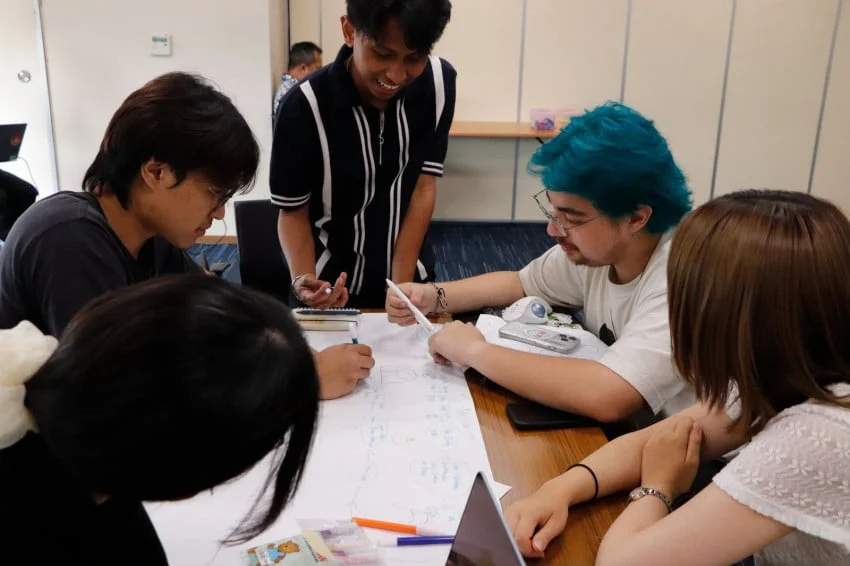
In a landmark collaborative effort aimed at addressing environmental sustainability through entrepreneurial innovation, a cohort of students from Indonesia and Japan has successfully developed groundbreaking circular economy solutions targeting waste management challenges in the Tanimbar Islands. The project, facilitated through the Building Entrepreneurial Mindset for Sustainable Technology and Society (BESTS) Program 2026, serves as a bridge between academic research and industrial application, focusing on transforming discarded fishing nets and low-value plastics into economically viable resources.

This initiative, a partnership between Sampoerna University and the Institute of Science Tokyo, underscores a growing trend in higher education where cross-border, interdisciplinary collaboration is prioritized to solve complex regional environmental issues. By integrating technical engineering with economic feasibility studies, these students are attempting to turn the tide on plastic pollution in one of Indonesia’s most ecologically sensitive maritime regions.

The Genesis of the BESTS Program 2026

The BESTS program was conceived as an intensive experiential learning platform designed to push students beyond traditional classroom boundaries. The curriculum focuses on "sustainable technology," requiring participants to identify real-world ecological pain points and design scalable, tech-driven solutions.

According to Farid Triawan, Dean of the Faculty of Engineering and Technology at Sampoerna University, the program’s primary objective is to cultivate an entrepreneurial mindset in engineering students. "BESTS provides a rare opportunity for students to step out of the classroom and witness firsthand how sustainability issues manifest in both community life and the industrial sector," Triawan stated. By involving international partners and industrial stakeholders like INPEX Masela Ltd, the program ensures that student projects are grounded in market reality rather than mere theoretical discourse.

Project One: Circular Economy for Fishing-Net Waste in Tanimbar

One of the most notable projects, titled "A Circular Economy Business for Fishing-Net Waste in Tanimbar," was spearheaded by a team consisting of Chintya Ramadhani, Keyzia Ariola Putri, Stivan Delon Sahertian, Tsukui Shun, and Mardo Malawau. The Tanimbar region, heavily reliant on the fishing industry, faces significant challenges regarding the disposal of "ghost nets"—discarded or lost fishing gear that continues to trap marine life and damage coral reefs.

The team’s research identified that current waste management systems in remote island regions are often insufficient, leading to the accumulation of non-biodegradable synthetic fibers. Their solution involves a closed-loop recycling process. By collecting discarded nets, the team proposes a mechanical recycling method that cleans, shreds, and processes the nylon or polypropylene fibers back into raw material pellets. These pellets can then be repurposed for the manufacturing of new, more durable fishing gear or other plastic-based industrial products.

This approach not only reduces the volume of marine debris but also lowers the production costs for local fishermen who currently struggle with the high price of imported equipment. The project team is currently conducting a feasibility study to determine the logistics of establishing a community-based collection center in Tanimbar, which could potentially create local employment opportunities.

Project Two: Eco-Fuel and the Pyrolysis Breakthrough

Simultaneously, a second team—comprising Harsen Ramadhan, Luthfi Ahmad, Nona Brillyanti, Koki Nakazaki, and Hiroki Nozaki—focused on the issue of non-recyclable plastic waste. Their project, "Eco-Fuel," addresses two major hurdles in Indonesia’s rural development: the high cost of fuel for agricultural machinery and the lack of an efficient waste management system for low-density plastics.

The team utilized a chemical recycling technique known as pyrolysis. In this process, waste plastic—specifically items that are usually rejected by standard recycling centers due to contamination or low quality—is heated in an oxygen-free environment to decompose into liquid fuel. The resulting synthetic oil can be refined into a fuel suitable for agricultural engines, such as tractors and water pumps.

By creating a localized "waste-to-energy" model, the team aims to provide a sustainable energy source for farmers while simultaneously providing an economic incentive for residents to collect and sort their plastic waste. If implemented at scale, this technology could mitigate the reliance on expensive fossil fuels in remote areas, effectively closing the loop on plastic pollution.

Contextualizing the Environmental Urgency

The urgency for such innovations is underscored by regional and national data. Indonesia remains one of the world’s largest contributors to ocean plastic, with studies from the National Research and Innovation Agency (BRIN) estimating that hundreds of thousands of tons of plastic enter the maritime environment annually.

In the Tanimbar Islands, the ecological stakes are particularly high. As part of the Maluku archipelago, the region is home to vast marine biodiversity. The introduction of synthetic materials into the marine ecosystem disrupts delicate habitats and threatens the long-term viability of local fisheries. Furthermore, the reliance on single-use plastics has grown rapidly in recent years, outpacing the development of municipal waste infrastructure.

The participation of INPEX Masela Ltd, a major player in the oil and gas sector with operations near the Tanimbar Islands, highlights the increasing interest of large-scale industry in supporting sustainable development. By mentoring students and providing technical guidance, the industry sector is signaling a pivot toward supporting "green" innovation as part of their corporate social responsibility and environmental, social, and governance (ESG) mandates.

Chronology of the 2026 BESTS Collaboration

The development of these projects followed a rigorous six-month timeline:

  1. Q1 2026: Problem Identification: Students from Sampoerna University and the Institute of Science Tokyo were paired into interdisciplinary teams. Initial research focused on site-specific challenges in the Maluku region.
  2. Q2 2026: Prototyping and Technical Mentorship: Teams engaged in lab work, utilizing the engineering facilities at both universities to test the mechanical properties of recycled fishing nets and the chemical efficiency of plastic pyrolysis.
  3. Q3 2026: Stakeholder Consultation: Students presented their preliminary findings to representatives from INPEX Masela Ltd, incorporating feedback regarding logistics, safety standards, and commercial viability.
  4. September 2026: Final Presentation and Implementation Roadmap: The culmination of the program resulted in the final prototypes presented this week, accompanied by business plans intended to attract potential investors or grant funding for pilot programs.

Analysis of Implications: A Model for Regional Sustainability

The success of the BESTS 2026 program suggests a replicable model for other academic institutions. By moving away from purely abstract research, the program bridges the "valley of death" that often exists between lab-scale innovation and commercial viability.

Implications for Policy:
The use of pyrolysis for fuel and the recycling of ghost nets aligns with the Indonesian government’s commitment to achieving a 70% reduction in marine plastic waste by 2025-2030. These student-led projects demonstrate that decentralized, community-level solutions can be as effective, if not more so, than centralized industrial projects in archipelagic regions where logistics costs are prohibitive.

Socio-Economic Impact:
The economic impact of these projects is twofold. First, they reduce the operating costs for local businesses—such as fishermen and farmers—who are currently burdened by the high price of imported goods. Second, they create a new value chain for waste. When waste is perceived as a "resource" rather than a "burden," community behavior regarding disposal changes. This shift is critical to the long-term success of circular economy models.

Technological Challenges:
Despite the promise of these projects, the teams acknowledge significant hurdles. For the Eco-Fuel project, the primary challenge remains the purification of the fuel to meet engine standards without damaging machinery. For the fishing net project, the sorting of different types of plastic polymers remains labor-intensive. These challenges, however, provide the basis for future research iterations.

Looking Ahead

As the BESTS 2026 program concludes, the focus shifts to implementation. The universities are exploring options to secure funding for small-scale "living labs" in Tanimbar. If these pilot programs prove successful, they could serve as a template for other regions in Indonesia grappling with similar waste management crises.

The partnership between Sampoerna University and the Institute of Science Tokyo stands as a testament to the power of international collaboration. By combining Japan’s advanced technological expertise with Indonesia’s deep understanding of local environmental challenges, the students involved in the BESTS program have provided a glimpse into a future where technology is not merely a tool for progress, but a vital instrument for preservation.

The developments in Tanimbar are more than just academic exercises; they represent a fundamental shift in how the next generation of engineers and entrepreneurs approaches the defining crisis of our time: the transition to a sustainable, circular economy. Whether these innovations will reach widespread adoption remains to be seen, but the groundwork laid by these students provides a robust framework for further development in the years to come.

September 18, 2026 0 comment
0 FacebookTwitterPinterestEmail
Business & Economy

Pemerintah Fasilitasi UMKM Sumatera yang Terdampak Bencana melalui Platform Digital Sumatera Bangkit untuk Mempercepat Pemulihan Ekonomi Regional

by Lina Irawan September 18, 2026
written by Lina Irawan

In a strategic initiative to bolster the resilience of regional economies, the Indonesian Ministry of Micro, Small, and Medium Enterprises (UMKM) has launched a targeted intervention aimed at revitalizing businesses severely impacted by recent natural disasters across the island of Sumatra. By leveraging digital infrastructure, specifically the "UMKM Sumatera Bangkit" landing page, the government is providing a lifeline for local entrepreneurs in Aceh, North Sumatra, and West Sumatra, regions that have faced significant economic disruption due to unpredictable environmental challenges.

The initiative, which serves as a central hub for business rehabilitation, was formally socialized during a series of intensive sessions hosted by the "Klinik UMKM Bangkit." The most recent coordination event took place on Thursday, September 17, 2026, at the Pidie Jaya Regent’s Office Hall, with simultaneous operations conducted in Aceh Utara and Aceh Tamiang. This rollout marks a critical phase in the government’s broader strategy to transition local businesses from traditional, localized trade models to broader, digitally integrated marketplaces.

The Strategic Importance of Digital Transformation in Disaster Zones

Natural disasters often result in a dual crisis for small businesses: the immediate physical destruction of assets and the long-term erosion of local market demand. In the aftermath of the seismic and weather-related events that struck various parts of Sumatra earlier this year, many micro-entrepreneurs found themselves unable to reach their traditional customer bases.

Ari Anindya, the Assistant Deputy for Marketing and Digitalization of Micro Enterprises at the Ministry of UMKM, emphasized that the digital transition is no longer a luxury but a necessity for survival. "This landing page is designed to facilitate both marketing access and structural digitalization," Anindya stated during the socialization event. "By providing a centralized digital footprint, we are enabling these enterprises to showcase their products to a nationwide audience, effectively bypassing the constraints imposed by the damaged physical infrastructure in their home regions."

The objective is twofold: first, to stabilize the cash flow of businesses that have seen their local revenue streams vanish; and second, to modernize their operations so they are better equipped to handle future shocks. Digital literacy training, provided through the Klinik UMKM Bangkit, is an essential component of this project, ensuring that business owners possess the technical acumen required to manage their inventory, logistics, and customer service in a digital-first environment.

A Chronology of Recovery Efforts

The government’s response to the economic fallout in Sumatra has been systematic and phased. Following the initial assessment of damage caused by the disasters, the Ministry of UMKM mobilized resources to reach the most affected provinces.

  • September 10, 2026: Initial intensive training and onboarding sessions were held in key economic hubs, including Banda Aceh, Medan, Padang, and Pidie. These sessions focused on assessing the readiness of local businesses to enter the digital ecosystem.
  • September 17, 2026: The program expanded to secondary hubs in Pidie Jaya, Aceh Utara, and Aceh Tamiang, targeting rural entrepreneurs who were previously excluded from formal digital marketing channels.
  • Future Roadmap: A follow-up session is already confirmed for Tapanuli Tengah on Tuesday, September 22, 2026, which will aim to bridge the gap for businesses in more remote areas of North Sumatra.

This timeline reflects a deliberate effort to reach the hardest-hit areas first, gradually scaling the intervention as technical infrastructure in those regions becomes stabilized.

Data-Driven Impact and Market Performance

The efficacy of the UMKM Sumatera Bangkit platform is evidenced by the participation data recorded through late August 2026. As of August 26, 2026, the platform had successfully onboarded 4,425 micro, small, and medium enterprises. This volume of participants represents a significant segment of the local business population that has been prioritized for government aid.

Pemerintah Fasilitasi UMKM Sumatera yang Terdampak Bencana : Okezone Economy

Key performance metrics as of late August include:

  • Product Diversity: 2,128 unique local products are currently listed on the landing page, ranging from artisanal textiles and traditional handicrafts to processed agricultural goods.
  • Transaction Volume: The platform has facilitated approximately 40.63 million transactions.
  • Financial Impact: The total value of these transactions has surpassed Rp32 million. While the per-transaction value remains modest—reflecting the nature of micro-enterprise goods—the volume indicates a healthy level of engagement from domestic consumers who are actively seeking to support regional recovery efforts.

These figures demonstrate that the platform acts as more than a simple directory; it functions as a dynamic marketplace that connects supply directly with demand, providing the necessary liquidity to help entrepreneurs rebuild their operational capital.

Challenges and Future Implications for Regional SMEs

While the progress is encouraging, the integration of traditional SMEs into the digital economy presents several challenges. Many of the participants in the UMKM Sumatera Bangkit program are accustomed to face-to-face commerce. The transition to e-commerce involves adapting to logistics, digital payment gateways, and remote customer management—all of which require a fundamental change in business culture.

Analysts note that the success of this government intervention depends heavily on the sustainability of the "Klinik UMKM Bangkit" as a support mechanism. Without continuous mentoring, many businesses may struggle to maintain their digital presence once the initial aid phase concludes.

However, the broader implication of this initiative is the potential for a long-term shift in the Sumatran economic landscape. By decentralizing market access, the government is effectively reducing the region’s dependency on local demand. If successful, this project could serve as a blueprint for other Indonesian regions prone to natural disasters, creating a standardized model for "digital emergency response" for the small business sector.

Expert Perspectives on the Digital Pivot

Economic observers have lauded the Ministry’s proactive stance. By focusing on digital marketing, the government is addressing the "information asymmetry" that often leaves rural businesses in the dark during a crisis. In traditional markets, a store owner can only sell to people walking past their shop. Through this platform, that same store owner can now access consumers in Jakarta, Surabaya, or Makassar.

"Consumers in major urban centers are increasingly shifting their spending habits toward digital platforms," said Ari Anindya. "By encouraging these businesses to enter the e-commerce ecosystem, we are not just helping them recover from a disaster; we are positioning them for sustainable, long-term growth. The goal is to make these businesses resilient enough that the next time a shock occurs, they have a digital sales channel already in place to buffer the impact."

Conclusion: A New Standard for Resilience

The intervention in Sumatra is a testament to the evolving role of the state in supporting the private sector during times of crisis. Rather than relying solely on direct financial grants, the government is opting for capacity-building measures that leave behind a permanent digital infrastructure.

As the project continues to roll out across Tapanuli Tengah and beyond, the focus will remain on refining the user interface of the landing page, optimizing logistics for rural areas, and ensuring that the digital skills taught during the workshops are translated into long-term business sustainability. The path to full recovery for these regions will be long, but the successful mobilization of over 4,000 businesses into the digital fold serves as a promising indicator of the resilience of Indonesia’s SME sector. Through continued collaboration between the Ministry of UMKM and local entrepreneurs, the "Sumatera Bangkit" initiative represents a vital step toward a more integrated and technologically empowered regional economy.

September 18, 2026 0 comment
0 FacebookTwitterPinterestEmail
Newer Posts
Older Posts

Recent Posts

  • Levi’s and ROSÉ Unveil Exclusive Denim Capsule Collection Celebrating Individuality and Personal Expression Across Asia-Pacific
  • Teman Lagi Sedih? Kalimat Ini Bikin Mereka Merasa Nyaman dan Didengar Menurut Psikolog
  • Silence Speaks Volumes: Coordinating Minister Rizal Ramli Dodges Inquiries on the Historic Dissolution of Pertamina Energy Trading Limited
  • Mau Gaspol Saat Hyrox? Ini 8 Asupan yang Bisa Jadi Bahan Bakar
  • Pemerintah Buy Back SUN Mencapai Rp100 M

Recent Comments

No comments to show.
  • Facebook
  • Twitter

@2021 - All Right Reserved. Designed and Developed by PenciDesign


Back To Top
Dara News Media
  • Home
  • About Us
  • Contact Us
  • Cookies Policy
  • Disclaimer
  • DMCA
  • Privacy Policy
  • Terms and Conditions

We are using cookies to give you the best experience on our website.

You can find out more about which cookies we are using or switch them off in .

Dara News Media
Powered by  GDPR Cookie Compliance
Privacy Overview

This website uses cookies so that we can provide you with the best user experience possible. Cookie information is stored in your browser and performs functions such as recognising you when you return to our website and helping our team to understand which sections of the website you find most interesting and useful.

Strictly Necessary Cookies

Strictly Necessary Cookie should be enabled at all times so that we can save your preferences for cookie settings.