
• Home
  • About Us
  • Contact Us
  • Cookies Policy
  • Disclaimer
  • DMCA
  • Privacy Policy
  • Terms and Conditions
Dara News Media
keep your memories alive
Automotive

Chinese Automakers Could Gain Access to the United States Market by Establishing Local Manufacturing Facilities and Creating Domestic Jobs

by Dwi Wanna September 14, 2026
written by Dwi Wanna

The prospect of Chinese automotive manufacturers entering the United States market has long been a subject of intense geopolitical and economic debate, but a potential pathway forward is beginning to emerge. While the current regulatory landscape remains heavily fortified against vehicles and automotive technologies originating from China, recent discourse suggests that Washington may be willing to soften its stance—provided that these companies commit to significant direct investment in the American economy, specifically through the construction of local production facilities and the creation of domestic jobs.

This shift in rhetoric, particularly from influential political figures like Donald Trump, introduces a nuanced variable into a market that has effectively remained closed to Chinese-branded vehicles for years. As the United States balances the necessity of domestic industrial growth with the complexities of global supply chains, the debate surrounding Chinese automakers has moved from a total ban to a discussion about the conditions under which such an entry could be mutually beneficial.

The Current Regulatory Blockade

For years, Chinese automotive companies have faced an uphill battle in attempting to penetrate the U.S. market. This exclusion is not merely a product of market competition but is rooted in national security concerns and protectionist economic policies. The U.S. government has systematically implemented measures to curb the influence of foreign technology in the automotive sector, citing potential risks associated with "connected vehicles."

These vehicles, which are increasingly reliant on advanced software, sensors, and internet connectivity, are viewed by U.S. regulators as potential conduits for data collection and surveillance. Consequently, the Department of Commerce has proposed and enacted rules that severely limit the use of hardware and software components originating from China and Russia in vehicles operating on American roads. These regulations are designed to protect the integrity of the U.S. automotive infrastructure from potential cyber threats and foreign intelligence gathering.

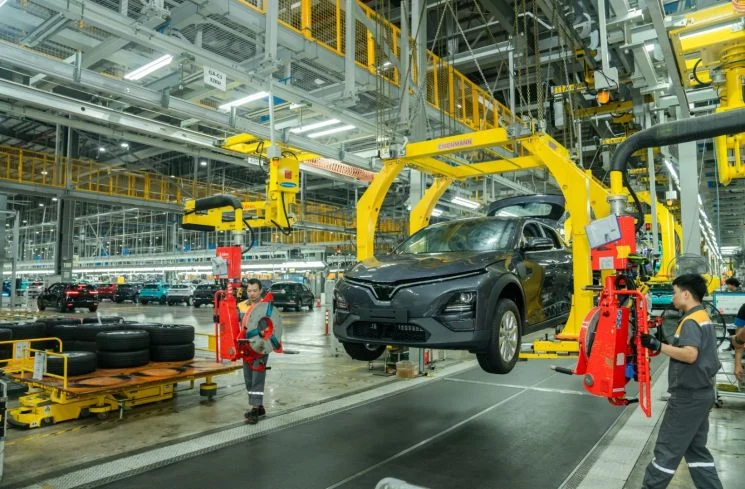
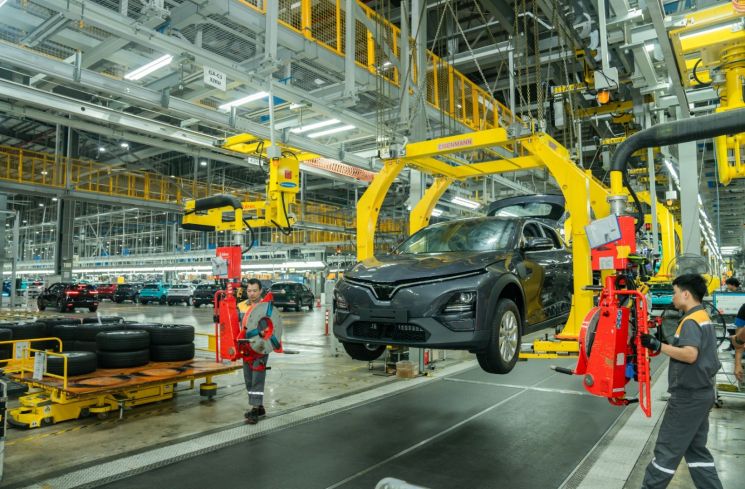
Trump Buka Peluang Mobil China Masuk Amerika, Syaratnya Produksi di AS

Beyond the technological barriers, the economic deterrents are equally formidable. Heavy tariffs on imported vehicles from China have been a centerpiece of U.S. trade policy, designed to shield domestic manufacturers like Ford, General Motors, and Stellantis from low-cost competition. In July, the situation tightened further when a Senate committee advanced a legislative package intended to bolster these restrictions, signaling a bipartisan commitment to maintaining the current status quo.

The Conditional Opening: A Strategy for Investment

Despite the prevailing climate of containment, the suggestion that Chinese companies could find a way into the U.S. market through "onshoring" reflects a pragmatic approach to industrial policy. Proponents of this view argue that if a Chinese company is willing to build factories on American soil, they are no longer merely "importers" but become "domestic employers."

This approach mirrors the historical trajectory of Japanese and German automakers. In the 1970s and 1980s, companies like Toyota, Honda, and Volkswagen faced significant hostility in the United States as they began to erode the market share of the "Big Three." However, as these companies shifted their operations to build manufacturing plants in states like Kentucky, Ohio, and Tennessee, the political friction dissipated. Today, these companies are recognized as major contributors to the U.S. labor force and the broader American economy.

The logic being applied to Chinese firms today is effectively a repeat of this historical precedent. By mandating local production, the U.S. government could ensure that the economic benefits of vehicle sales—namely jobs, supply chain integration, and tax revenue—remain within U.S. borders. This would also mitigate some of the "connected vehicle" security concerns, as manufacturing facilities, software management, and data centers would be subject to U.S. jurisdiction and oversight.

Chronology of Tensions and Trade Barriers

The relationship between the U.S. automotive market and Chinese manufacturers has evolved through several distinct phases:

Trump Buka Peluang Mobil China Masuk Amerika, Syaratnya Produksi di AS
  • 2018: The U.S. government initiates a series of trade actions, imposing a 25% tariff on a wide range of Chinese goods, including automobiles, under the auspices of Section 301 of the Trade Act of 1974.
  • 2021-2022: As the global transition to Electric Vehicles (EVs) accelerates, Chinese firms like BYD and NIO gain global prominence. The U.S. response focuses on the Inflation Reduction Act (IRA), which ties tax credits for consumers to domestic assembly requirements, effectively excluding most imported Chinese EVs.
  • 2023: The U.S. government expresses growing alarm regarding the "connected car" ecosystem. Investigations are launched into how Chinese software might be used to track U.S. infrastructure and citizen behavior.
  • July 2024: A Senate committee approves legislation that would further restrict the integration of Chinese automotive technology in U.S. vehicles, signaling that the legislative branch remains deeply skeptical of Chinese market entry.
  • Late 2024: Political rhetoric begins to distinguish between "Chinese-made imports" and "Chinese-invested domestic production," opening a theoretical window for investment-led market entry.

Economic Implications and Data Analysis

The global automotive market is currently undergoing its most significant transformation in a century. China, through its massive investment in battery technology and supply chain dominance, has emerged as the world’s largest producer of EVs. According to industry reports, China’s share of global battery production capacity exceeds 75%, a figure that makes it difficult for any global automaker to completely decouple from Chinese components.

For the United States, the dilemma is clear: attempting to exclude China entirely risks higher costs and slower adoption of green technologies, while allowing unrestricted access could threaten the stability of the domestic automotive workforce.

If Chinese companies were to establish manufacturing operations in the U.S., the economic impact could be substantial. A single major automotive assembly plant can generate between 3,000 and 5,000 direct jobs, with an additional 10,000 to 15,000 jobs created in the surrounding supplier network. However, the political cost remains high. Labor unions, particularly the United Auto Workers (UAW), have historically been wary of foreign-owned, non-unionized facilities. Any entry by a Chinese automaker would likely be contingent on their ability to navigate complex labor relations and comply with stringent U.S. environmental and safety standards.

Official Responses and Stakeholder Perspectives

While there is no formal policy yet that welcomes Chinese investment, the dialogue within political circles suggests a shift. Supporters of the "investment-first" model argue that it is the only way to modernize the U.S. fleet while maintaining geopolitical leverage. By forcing Chinese firms to use American labor and adhere to U.S. data regulations, the government could theoretically turn a security risk into an industrial asset.

Conversely, critics within the national security establishment argue that the risk of backdoors in software remains too high to trust Chinese-owned companies, regardless of where they assemble their vehicles. They contend that the software, which is often developed centrally in China, could be updated or manipulated remotely, rendering local manufacturing a moot point in terms of security.

Trump Buka Peluang Mobil China Masuk Amerika, Syaratnya Produksi di AS

Industry analysts observe that Chinese companies are already taking note of these requirements. Some have begun exploring partnerships with existing U.S. firms or considering assembly plants in Mexico—a move that would leverage the United States-Mexico-Canada Agreement (USMCA) to gain access to the U.S. market, though the U.S. government has already signaled its intent to close this "backdoor" by tightening rules of origin for EVs.

Looking Ahead: The Future of the Trans-Pacific Automotive Market

The next decade will likely be defined by a delicate dance between trade protectionism and the reality of global economic integration. If Chinese automakers are to succeed in entering the U.S. market, they must move beyond the role of manufacturers and become "corporate citizens" within the American landscape.

This evolution requires a level of transparency and compliance that few foreign firms have been forced to navigate. It would involve not just physical assembly, but also the potential for "ring-fencing" their U.S. operations to ensure that software development, data storage, and cybersecurity protocols are fully transparent and compliant with U.S. federal standards.

Ultimately, the decision rests with policymakers in Washington. The tension between the desire for affordable, high-tech EVs and the imperative of national security will continue to dictate the terms of trade. For now, the door remains cracked open, waiting to see if any Chinese manufacturer has the appetite—and the capital—to meet the rigorous, and perhaps evolving, demands of the American market. The path forward is narrow, but for the global automotive industry, it represents the most significant shift in market dynamics seen in decades. As the U.S. political landscape continues to evolve, the ability to balance domestic job creation with international investment will be the ultimate test of the country’s economic strategy.
September 14, 2026 0 comment
0 FacebookTwitterPinterestEmail
Automotive

VinFast Tantang Arus Pasar: Cara Baru Membuat Mobil Listrik Lebih Terjangkau dan Dipercaya

by Sagoh September 14, 2026
written by Sagoh

The global automotive landscape is currently embroiled in a fierce price war, as legacy manufacturers and EV-native companies battle for dominance in a slowing growth environment. Amidst this volatility, VinFast, the ambitious automotive arm of Vietnam’s largest conglomerate Vingroup, has charted a distinct course. Rather than engaging in the relentless cycle of discounting, which often erodes brand equity and long-term profitability, VinFast has opted for a structural innovation: decoupling the battery from the vehicle’s purchase price. This strategic pivot aims to redefine the barrier to entry for electric vehicles (EVs) by transforming the most expensive component of an EV from a capital expenditure into a manageable operational expense.

The Financial Architecture of the Battery Subscription Model

At the heart of VinFast’s strategy is the realization that the primary inhibitor for widespread EV adoption remains the prohibitive upfront cost, driven largely by lithium-ion battery packs. In the current market, batteries can account for up to 30% to 40% of the total vehicle manufacturing cost. By segregating the battery price, VinFast significantly lowers the point-of-sale threshold, making its fleet accessible to a broader demographic, particularly in emerging markets where financing is a primary driver of vehicle acquisition.

Under this model, consumers purchase the vehicle chassis while entering a monthly subscription agreement for the battery. In Indonesia, for instance, these subscription tiers range from approximately IDR 253,000 to IDR 1,000,000 per month, depending on the model and expected mileage. This shift effectively transfers the burden of battery depreciation and technological obsolescence from the consumer to the manufacturer. VinFast retains ownership of the battery, assuming responsibility for maintenance, repair, and eventual recycling, thereby insulating the buyer from the anxiety surrounding battery degradation.

Strategic Context and Industry Chronology

VinFast’s entry into the global market has been marked by rapid expansion and aggressive vertical integration. Founded in 2017, the company quickly transitioned from internal combustion engines to a pure-play EV manufacturer by 2022. This rapid evolution necessitated a business model that could overcome the "trust deficit" inherent in new technology.

The company’s trajectory can be summarized through several key milestones:

  • 2017-2018: Establishment of the manufacturing facility in Hai Phong, Vietnam, with a focus on localized supply chains.
  • 2021: Launch of the VF e34, the first EV produced by the company, serving as a pilot for the battery subscription model.
  • 2023: Successful listing on the NASDAQ, signaling an intent to compete with global incumbents.
  • 2024-2025: Expansion into the Southeast Asian market, specifically Indonesia and Thailand, where the subscription model serves as a primary differentiator against established Chinese and Japanese manufacturers.

The decision to implement the subscription model is not merely a promotional tactic; it is an analytical response to the specific economic conditions of the ASEAN region. In Indonesia, where the automotive sector is heavily reliant on installment-based credit, the reduction of the vehicle’s sticker price lowers the principal amount, thereby reducing the total interest paid over the life of a loan. This creates a tangible, quantifiable benefit for the middle-class consumer that goes beyond the environmental appeal of electric driving.

Building Trust Through Technical Guarantees

Beyond financial engineering, VinFast has recognized that technological longevity is a significant concern for early adopters. To combat "range anxiety" and "battery anxiety," the company has introduced a comprehensive lifecycle guarantee. If a battery’s health drops below 70% of its original capacity, VinFast provides a replacement at no additional cost. This policy effectively creates a safety net for the consumer, normalizing the ownership experience by ensuring that the vehicle’s primary energy storage remains within optimal performance parameters indefinitely.

Industry analysts have noted the brilliance of this approach. Michael Vousden, an automotive analyst at GlobalData, suggests that by separating the battery, VinFast is solving the "resale value" problem. One of the greatest uncertainties for used EV buyers is the state of the battery; by retaining ownership of the battery, VinFast ensures that the vehicle remains a standardized asset, regardless of how many times it changes hands.

VinFast Tantang Arus Pasar: Cara Baru Membuat Mobil Listrik Lebih Terjangkau dan Dipercaya

Comparative Economic Impact

To understand the scale of this disruption, one must look at the price differentials. For the VinFast VF e34, the subscription-based model allows for a price reduction of up to IDR 112 million compared to the standard purchase model. This is a massive delta in the context of the Indonesian market, where such savings represent the difference between a vehicle being an aspirational luxury and an attainable utility.

When comparing this to traditional manufacturers, the distinction becomes clear. While legacy automakers offer discounts of 5% to 10% during clearance events, VinFast’s model changes the fundamental economics of the vehicle by 20% to 30%. This is a structural change, not a temporary marketing campaign. It allows the company to maintain its margins on the vehicle hardware while creating a recurring revenue stream through the battery subscription—a model that mimics the software-as-a-service (SaaS) success seen in the technology sector.

Implications for the Global EV Transition

The implications of VinFast’s strategy extend beyond individual sales. The industry is currently facing a "chasm" in the adoption curve—the gap between early adopters, who are willing to pay a premium for technology, and the mass market, which requires cost parity with internal combustion engines. VinFast is attempting to bridge this gap by removing the price of the battery, the single largest hurdle to mass-market penetration.

However, the strategy is not without its challenges. The logistics of managing thousands of battery packs—including monitoring, logistics, and end-of-life recycling—requires significant capital and operational expertise. For VinFast to succeed, it must maintain a seamless digital infrastructure to track battery health and ensure that the subscription experience is frictionless for the user. If the company fails to maintain these batteries efficiently, the "trust" it seeks to build could easily erode.

Furthermore, the environmental aspect of the strategy is notable. By maintaining ownership of the batteries, VinFast is better positioned to implement circular economy practices. When a battery is no longer suitable for vehicular use, the manufacturer is responsible for its second-life applications (such as grid storage) or its recycling, thereby ensuring that the environmental footprint of the vehicle is managed responsibly.

Looking Toward the Future

As the automotive industry moves toward 2030, the battle for the EV market will likely be won by those who can provide the most accessible and reliable ecosystem. VinFast’s focus on long-term sustainability, rather than immediate, short-term volume, suggests a company that is looking to establish a permanent foothold in the global market.

The success of this model will depend on several variables: the stability of the global lithium supply chain, the company’s ability to scale its charging infrastructure, and the continued acceptance of the subscription-based payment model by consumers. If the model proves successful in the diverse and price-sensitive markets of Southeast Asia, it could very well serve as a blueprint for the global industry, forcing larger, more traditional automakers to rethink their own pricing structures.

In summary, VinFast is not merely selling cars; it is selling a transition. By decoupling the cost of the technology from the cost of the mobility, they are inviting the average consumer to participate in the green energy transition without the associated financial trauma. Whether this leads to a new standard in the automotive industry remains to be seen, but the company has undoubtedly succeeded in making the conversation about EVs less about the cost of entry and more about the value of the experience. The path toward a sustainable future, as VinFast demonstrates, is not found in the race to the bottom of pricing, but in the innovation of the business model itself. As the market continues to evolve, VinFast’s experiment will serve as a critical case study in how to democratize high-tech mobility in a competitive and rapidly changing global economy.

September 14, 2026 0 comment
0 FacebookTwitterPinterestEmail
Sports

Lando Norris Conquers the 2025 Formula 1 World Championship: A Historic Triumph and Complete List of All F1 World Champions from 1950 to 2025

by Dwi Wanna September 14, 2026
written by Dwi Wanna

The pinnacle of motorsport has once again written a historic chapter as the 2025 Formula 1 World Championship drew to a thrilling close at the Abu Dhabi Grand Prix. Since its inception, the FIA Formula One World Championship has served as the ultimate proving ground for the world’s most elite drivers, showcasing generations of legendary dominance, fierce rivalries, and technological evolution. The 2025 season will forever be remembered as the year British driver Lando Norris etched his name among the immortals of the sport, securing his maiden drivers’ world championship after a grueling, high-stakes campaign that went down to the final race of the calendar.

Driving for the McLaren Formula 1 Team, Norris delivered a masterclass in consistency and resilience. Entering the season-ending race at the Yas Marina Circuit on Sunday, December 7, 2025, the pressure reached a fever pitch. Needing only a calculated finish to secure the crown, Norris drove a mature and composed race, crossing the checkered flag in third place. This crucial podium finish brought his final season points tally to 423, edging out his fierce rival, Red Bull Racing’s Max Verstappen, by a razor-thin margin of just two points. Verstappen, who fought tenaciously until the very end, finished second in the overall standings, followed closely by Norris’s teammate, Oscar Piastri, cementing a remarkable competitive era for the sport.

The Road to Glory: Overcoming Adversity in 2025

Lando Norris’s journey to the 2025 world title was far from a straightforward procession. Throughout the season, the McLaren charger had to navigate intense pressure, strategic battles, and moments of profound sporting difficulty. Speaking to the media after clinching the title, Norris candidly admitted that the path to the championship was paved with grueling moments that tested his mental fortitude and racing craft.

From early-season developments that required rapid adaptation to fierce wheel-to-wheel combat against multi-time world champions like Verstappen, Norris displayed the hallmark traits of a true champion. His victory in the Brazil Grand Prix earlier in the season—including a pivotal sprint race triumph—proved to be the bedrock of his championship charge, allowing him to build and maintain the momentum needed to fend off late-season charges from his rivals.

For Max Verstappen, missing out on the 2025 title by a mere two points marked the end of a dominant multi-year streak, yet the Dutch driver expressed immense pride in his team’s efforts. Verstappen acknowledged the sheer competitiveness of the 2025 grid, noting that finishing as runner-up after such a fiercely contested season reflected the relentless dedication of the Red Bull Racing organization.

The Evolution of F1: A Historical Legacy

The addition of Lando Norris to the pantheon of Formula 1 champions highlights a rich heritage that spans three quarters of a century. Since Giuseppe Farina claimed the inaugural title in 1950, the championship has transformed from a romantic era of daring pioneers in front-engined machines into a technologically advanced, data-driven global phenomenon.

To fully understand the magnitude of Norris’s achievement, it is essential to look back at the distinguished lineage of drivers who have conquered the Formula 1 World Championship over the decades.

Complete Chronological List of Formula 1 World Champions (1950–2025)

The historical record of Formula 1 features drivers from across the globe, representing pioneering eras, golden ages of engineering, and modern dynasties:

1950: Giuseppe Farina (Alfa Romeo, Italy)
1951: Juan Manuel Fangio (Alfa Romeo, Argentina)
1952: Alberto Ascari (Ferrari, Italy)
1953: Alberto Ascari (Ferrari, Italy)
1954: Juan Manuel Fangio (Maserati/Mercedes-Benz, Argentina)
1955: Juan Manuel Fangio (Mercedes-Benz, Argentina)
1956: Juan Manuel Fangio (Ferrari, Argentina)
1957: Juan Manuel Fangio (Maserati, Argentina)
1958: Mike Hawthorn (Ferrari, United Kingdom)
1959: Jack Brabham (Cooper Climax, Australia)
1960: Jack Brabham (Cooper Climax, Australia)
1961: Phil Hill (Ferrari, United States)
1962: Graham Hill (BRM, United Kingdom)
1963: Jim Clark (Lotus Climax, United Kingdom)
1964: John Surtees (Ferrari, United Kingdom)
1965: Jim Clark (Lotus Climax, United Kingdom)
1966: Jack Brabham (Brabham Repco, Australia)
1967: Denny Hulme (Brabham Repco, New Zealand)
1968: Graham Hill (Lotus Ford, United Kingdom)
1969: Jackie Stewart (Matra Ford, United Kingdom)
1970: Jochen Rindt (Lotus Ford, Austria)
1971: Jackie Stewart (Tyrrell Ford, United Kingdom)
1972: Emerson Fittipaldi (Lotus Ford, Brazil)
1973: Jackie Stewart (Tyrrell Ford, United Kingdom)
1974: Emerson Fittipaldi (McLaren Ford, Brazil)
1975: Niki Lauda (Ferrari, Austria)
1976: James Hunt (McLaren Ford, United Kingdom)
1977: Niki Lauda (Ferrari, Austria)
1978: Mario Andretti (Lotus Ford, United States)
1979: Jody Scheckter (Ferrari, South Africa)
1980: Alan Jones (Williams Ford, Australia)
1981: Nelson Piquet (Brabham Ford, Brazil)
1982: Keke Rosberg (Williams Ford, Finland)
1983: Nelson Piquet (Brabham BMW, Brazil)
1984: Niki Lauda (McLaren TAG, Austria)
1985: Alain Prost (McLaren TAG, France)
1986: Alain Prost (McLaren TAG, France)
1987: Nelson Piquet (Williams Honda, Brazil)
1988: Ayrton Senna (McLaren Honda, Brazil)
1989: Alain Prost (McLaren Honda, France)
1990: Ayrton Senna (McLaren Honda, Brazil)
1991: Ayrton Senna (McLaren Honda, Brazil)
1992: Nigel Mansell (Williams Renault, United Kingdom)
1993: Alain Prost (Williams Renault, France)
1994: Michael Schumacher (Benetton Ford, Germany)
1995: Michael Schumacher (Benetton Renault, Germany)
1996: Damon Hill (Williams Renault, United Kingdom)
1997: Jacques Villeneuve (Williams Renault, Canada)
1998: Mika Häkkinen (McLaren Mercedes, Finland)
1999: Mika Häkkinen (McLaren Mercedes, Finland)
2000: Michael Schumacher (Ferrari, Germany)
2001: Michael Schumacher (Ferrari, Germany)
2002: Michael Schumacher (Ferrari, Germany)
2003: Michael Schumacher (Ferrari, Germany)
2004: Michael Schumacher (Ferrari, Germany)
2005: Fernando Alonso (Renault, Spain)
2006: Fernando Alonso (Renault, Spain)
2007: Kimi Räikkönen (Ferrari, Finland)
2008: Lewis Hamilton (McLaren Mercedes, United Kingdom)
2009: Jenson Button (Brawn Mercedes, United Kingdom)
2010: Sebastian Vettel (Red Bull Renault, Germany)
2011: Sebastian Vettel (Red Bull Renault, Germany)
2012: Sebastian Vettel (Red Bull Renault, Germany)
2013: Sebastian Vettel (Red Bull Renault, Germany)
2014: Lewis Hamilton (Mercedes, United Kingdom)
2015: Lewis Hamilton (Mercedes, United Kingdom)
2016: Nico Rosberg (Mercedes, Germany)
2017: Lewis Hamilton (Mercedes, United Kingdom)
2018: Lewis Hamilton (Mercedes, United Kingdom)
2019: Lewis Hamilton (Mercedes, United Kingdom)
2020: Lewis Hamilton (Mercedes, United Kingdom)
2021: Max Verstappen (Red Bull Honda, Netherlands)
2022: Max Verstappen (Red Bull RBPT, Netherlands)
2023: Max Verstappen (Red Bull Honda RBPT, Netherlands)
2024: Max Verstappen (Red Bull Honda RBPT, Netherlands)
2025: Lando Norris (McLaren Mercedes, United Kingdom)

Broader Impact and Implications of the 2025 Season

Lando Norris’s championship victory is a watershed moment not just for the driver himself, but also for the McLaren team, which has steadily rebuilt its competitive edge over several seasons to return to the summit of Formula 1. The 2025 season demonstrated a shifting paradigm in the sport’s competitive landscape, proving that multi-team battles and razor-thin performance margins are defining the modern grid.

As Formula 1 looks forward to future regulatory changes and an expanding global calendar, the psychological and competitive boost of Norris’s title will undoubtedly reverberate through the paddock. With young talents like Norris, Verstappen, and Piastri locking horns at the highest level, the sport enters its next chapter with unprecedented depth of talent, ensuring that the legacy of the Formula 1 World Championship will continue to captivate millions of fans worldwide.

September 14, 2026 0 comment
0 FacebookTwitterPinterestEmail
Sports

Bawa Kejutan Besar ke Indonesia, Pokémon Hadirkan Poke Wayang hingga Pokémon RUN 30

by Azzam Bilal Chamdy September 14, 2026
written by Azzam Bilal Chamdy

The Pokémon Company (TPC) officially unveiled a transformative strategic roadmap for the Indonesian market during the "Pokémon Press Conference: Future Plans for Indonesia 2026-2027" held in Kuningan, Jakarta, on Monday, September 14, 2026. The announcement marks a significant milestone in the franchise’s global expansion strategy, as it seeks to deepen its cultural integration within Southeast Asia’s largest economy. By blending high-technology entertainment with traditional Indonesian arts and grassroots sports development, TPC is positioning Pokémon as a multidisciplinary platform that transcends traditional gaming boundaries.

Minister of Culture Fadli Zon, who attended the conference, expressed strong support for the "Poke Wayang" initiative. This unique project seeks to bridge the gap between contemporary global pop culture and the ancient, revered art of Indonesian shadow puppetry. By incorporating Pokémon motifs into the traditional Wayang performance, the initiative aims to revitalize interest in cultural heritage among the younger generation while providing a unique localization strategy for the brand.

A Strategic Pivot: Merging Global Branding with Local Heritage

The decision to localize the Pokémon experience through "Poke Wayang" is indicative of a broader trend among global entertainment conglomerates to resonate more deeply with local audiences. Indonesia, with its demographic bonus and a rapidly expanding middle class, represents a high-priority market for TPC.

The integration of Pokémon into Wayang is not merely a marketing gimmick; it is an effort to make traditional culture accessible. Industry analysts suggest that by utilizing the high visibility of Pokémon characters, the Ministry of Culture hopes to increase the domestic consumption of indigenous arts. The collaboration is expected to feature workshops, performances, and digital displays that educate audiences on the intricate techniques of puppetry while highlighting the aesthetic versatility of Pokémon designs.

Expanding the Reach: The MilkLife Sports Project

Beyond cultural collaboration, the 2026-2027 roadmap emphasizes the role of the franchise in public health and youth development. In a strategic partnership with MilkLife, the "MilkLife Sports Project with Pokémon" aims to mobilize Indonesian youth toward more active lifestyles. This initiative is heavily focused on two high-potential sports in Indonesia: women’s football and badminton.

To provide credibility and momentum to the project, TPC secured the participation of legendary Japanese athletes. Former Japanese women’s football stars Mana Iwabuchi and Aya Miyama, alongside former world number one badminton player Kento Momota, were present to endorse the program. These athletes serve as ambassadors, illustrating how the discipline required in sports can be gamified and made more approachable for children through the Pokémon brand.

The choice of badminton and women’s football is calculated. Badminton is Indonesia’s most successful Olympic sport, while women’s football is currently undergoing a massive grassroots push across the archipelago. By leveraging the mascot power of characters like Pikachu, the project aims to reduce the barrier to entry for young girls entering competitive sports, fostering a healthier, more active generation.

Chronology of the Pokémon 30th Anniversary Celebrations

The announcement coincides with the lead-up to the 30th anniversary of the Pokémon franchise, which first debuted in Japan in 1996. The following timeline outlines the major strategic milestones leading to the current Indonesian expansion:

Bawa Kejutan Besar ke Indonesia, Pokémon Hadirkan Poké Wayang hingga Pokémon RUN 30
  • 1996: Pokémon Red and Green versions are released on the Game Boy, initiating a global phenomenon.
  • 2016: The launch of Pokémon GO triggers a global surge in interest, establishing the franchise’s viability in the mobile AR space in Indonesia.
  • 2023-2024: TPC begins increasing its footprint in Indonesia through the "Pokémon Air Adventures" campaign, which featured Pikachu-themed aircraft.
  • September 14, 2026: Official press conference in Jakarta outlining the 2026-2027 strategic vision, including the Poke Wayang project and the upcoming 30th-anniversary events.
  • December 13, 2026: Scheduled date for the Pokémon RUN 30: Indonesia Edition at the Gelora Bung Karno (GBK) complex.
  • 2027: Anticipated peak of anniversary celebrations, with the potential hosting of regional esports tournaments and international championship qualifiers in Southeast Asia.

Pokémon RUN 30: A Catalyst for Tourism and Community Engagement

The highlight of the athletic calendar for the franchise is undoubtedly the "Pokémon RUN 30: Indonesia Edition." Scheduled for December 13, 2026, the event is designed as a mass-participation fun run covering a 5-kilometer route. The course will wind through the iconic Gelora Bung Karno sports complex and the Sudirman central business district, areas that represent the heart of Jakarta’s modern urban landscape.

The event serves a dual purpose: celebrating the 30-year legacy of the franchise and promoting urban health initiatives. By hosting the event in central Jakarta, TPC is aiming for maximum visibility. Such events have historically proven to be significant draws for domestic tourism, attracting families from across West Java and beyond, which in turn benefits local small-to-medium enterprises (SMEs) operating within the hospitality and F&B sectors.

Economic and Cultural Implications

The aggressive expansion into Indonesia carries significant implications for both the local economy and the broader creative industry. First, the move signals that Indonesia is being viewed as a "hub" rather than just a "consumer base" for intellectual property. When a global brand invests in localizing its output—such as creating Poke Wayang—it necessitates the involvement of local puppeteers, craftspeople, and event organizers. This creates a value chain that supports local creative professionals.

Second, the esports angle remains a critical component of the 2026-2027 plan. While not detailed as extensively as the sports and cultural projects, TPC hinted at the strengthening of the Indonesian esports ecosystem. Given that Indonesia boasts one of the world’s most vibrant mobile gaming communities, the introduction of more structured Pokémon competitive play could provide a pathway for Indonesian gamers to enter the global professional circuit.

Finally, the government’s involvement—specifically the Ministry of Culture—suggests that this collaboration is viewed as a model for public-private partnerships. By aligning with a brand that carries immense "soft power," the Indonesian government can more effectively disseminate cultural programs to demographics that are otherwise difficult to engage through traditional channels.

Expert Analysis: The Sustainability of the Strategy

Industry observers note that the success of these initiatives will depend on the sustainability of the partnerships. While the launch event generated significant media coverage, the long-term impact on sports participation and cultural preservation will require consistent follow-through.

"The strategy is sound because it moves away from a one-size-fits-all model," says a spokesperson from a Jakarta-based creative agency. "By connecting with the Indonesian sports culture and the traditional arts, they are embedding themselves in the social fabric of the country. However, the true test will be whether they can maintain this momentum post-2027, once the 30th-anniversary buzz subsides."

TPC’s approach reflects a broader maturation of the global gaming industry, where software is increasingly treated as a gateway to lifestyle and wellness. By pivoting toward physical activity and heritage, the franchise is effectively future-proofing its relevance. For the Indonesian audience, this represents an opportunity to engage with a global brand on their own terms, blending the modern with the traditional.

As the countdown to December’s Pokémon RUN 30 begins, the focus will shift to execution. With the backing of high-profile athletes and the blessing of the Ministry of Culture, the stage is set for what promises to be an unprecedented era of Pokémon-related activity in Indonesia. Whether through the lens of a traditional shadow puppet show or the pavement of a 5K race, the message from the press conference is clear: Pokémon is no longer just a digital companion; it is becoming an integral part of the Indonesian community experience.

September 14, 2026 0 comment
0 FacebookTwitterPinterestEmail
Sports

Sambut Asian Games 2026, Leo/Daniel Tak Ingin Ulangi Kegagalan 2022

by Reynand Wu September 14, 2026
written by Reynand Wu

The Indonesian national badminton contingent is leaving no stone unturned in its rigorous preparations for the upcoming multi-sport quadrennial extravaganza, with the nation’s elite men’s doubles pair, Leo Rolly Carnando and Daniel Marthin, spearheading a renewed campaign for redemption. Having endured a sobering early exit at the previous continental showcase in Hangzhou, the dynamic duo—affectionately known to badminton aficionados as "The Babies"—are channeling past disappointments into a fierce competitive resolve as they gear up for the Asian Games 2026 in Aichi-Nagoya, Japan.

Currently undergoing an intensive overseas training camp at the state-of-the-art NTT Central Training Center in Chofu, Tokyo—the esteemed home base of the Japanese club powerhouse NTT East—the Indonesian squad is establishing a robust physical and tactical foundation. For Leo and Daniel, this rigorous training regime represents more than just routine conditioning; it marks a crucial psychological and technical transition aimed at conquering the demons of their past continental campaign and delivering a podium-worthy performance for the red-and-white flag.

The Shadow of Hangzhou: Learning from Past Shortcomings

To fully appreciate the urgency driving Leo and Daniel’s current training regimen, one must look back at the heartbreak of the 2022 Asian Games held in Hangzhou, China (which was postponed to late 2023 due to the COVID-19 pandemic). Entering the tournament with high expectations and a growing reputation on the international BWF World Tour, the young Indonesian pair struggled to find their rhythm under the immense pressure of the major multi-sport games environment.

Their campaign in Hangzhou was abruptly cut short in the Round of 16, a bitter pill to swallow for a pair widely regarded as the torchbearers of Indonesia’s illustrious men’s doubles tradition. The elimination exposed vulnerabilities in tactical execution, consistency under pressure, and the mental resilience required to navigate the grueling draws typical of continental championships. Rather than letting the defeat deter them, however, the pair has chosen to view the setback as an invaluable educational milestone.

Reflecting on the lessons learned from that tournament, Leo Rolly Carnando emphasized the importance of mental fortitude and proactive gameplay as they look toward Nagoya. "The failure at the Hangzhou Asian Games serves as a profound lesson and experience for us. We must rectify our past mistakes and ensure they are not repeated. In Nagoya, we need to step onto the court with a much bolder and more aggressive mindset," Leo asserted during a recent media briefing from their Tokyo training base.

Strategic Overseas Preparations at NTT Central Training Center

The choice of Tokyo as the pre-tournament training hub is a strategic masterstroke by the coaching staff of the Badminton Association of Indonesia (PBSI). The NTT Central Training Center in Chofu offers world-class facilities, simulated climatic conditions closely resembling the upcoming competition venues in Japan, and a controlled environment that shields the athletes from external distractions.

By relocating the squad to Japan well in advance, PBSI aims to facilitate optimal acclimatization, allowing players to adapt to the local shuttlecocks, court lighting, and environmental nuances that often play a decisive role in high-stakes matches. Furthermore, training in the backyard of one of badminton’s traditional powerhouses provides the Indonesian contingent with invaluable psychological readiness, fostering an atmosphere of intense focus and elite professionalism.

Daniel Marthin provided an optimistic progress report regarding the team’s current state of affairs in Japan, highlighting the positive team chemistry and the smooth execution of the training program. "Today’s training session went quite well; the program essentially maintains and refines the conditioning work we completed back in Indonesia recently. The atmosphere here is very conducive, and the team’s cohesion is growing stronger day by day. We hope this positive momentum continues to build continuously from one day to the next," Daniel remarked.

Sambut Asian Games 2026, Leo Daniel Tak Ingin Ulangi Kegagalan 2022 : Okezone Sports

The daily routine at the Chofu facility is grueling, combining high-intensity on-court sparring sessions with rigorous strength and conditioning regimens supervised by PBSI’s specialized coaching and medical staff. Coaches are placing heavy emphasis on refining defensive transitions, sharpening lethal attacking patterns, and enhancing the physical endurance necessary to survive marathon matches against the world’s best pairs, particularly formidable contingents from China, South Korea, Malaysia, and hosts Japan.

The Badminton Landscape at the Asian Games 2026

The men’s doubles discipline remains one of the most fiercely contested categories in international badminton, and the Asian Games field is widely considered second in difficulty only to the Olympic Games and the BWF World Championships. With almost every powerhouse nation fielding pairs ranked inside the global top tier, the margin for error is razor-thin.

For Leo and Daniel, the journey to the 2026 podium requires consistent tactical evolution. Over the past several seasons, the pair has demonstrated their world-class potential by capturing multiple BWF World Tour titles, showcasing their trademark explosive power, blistering speed, and fearless net play. However, consistency has historically been the primary hurdle in their quest for absolute dominance.

Under the watchful eyes of their coaches, the duo has been working extensively on tactical discipline—learning when to unleash their signature power smashes and when to patiently construct rallies through controlled distribution. This tactical maturity will be paramount as they face opponents who are intimately familiar with their playing style.

Broader Implications for Indonesian Badminton

The performance of the men’s doubles team at the Asian Games 2026 carries significant weight for the broader ecosystem of Indonesian badminton. Historically, the archipelago nation has viewed the men’s doubles category as a fortress of national pride, boasting legendary pairs who have dominated Olympic podiums, World Championships, and Asian Games gold medals over decades.

As badminton faces an increasingly competitive global landscape with the rapid rise of European nations and the relentless depth of Asian competitors, maintaining continental supremacy is vital for national morale. A successful campaign in Nagoya by Leo and Daniel would not only validate the strategic planning and talent development pathways implemented by PBSI but also inject a vital wave of enthusiasm back home, where badminton remains the undisputed national pastime.

Furthermore, strong results at the Asian Games serve as crucial stepping stones toward Olympic qualification cycles and world ranking consolidation. Success in Aichi-Nagoya translates directly into valuable ranking points, seeding advantages for upcoming BWF Super 750 and Super 1000 tournaments, and, above all, the invaluable self-belief that they can conquer the continent’s best.

Looking Ahead: The Road to Nagoya

As the calendar ticks closer to the opening ceremonies of the Asian Games 2026, the psychological shift observed in Leo and Daniel signals a mature, battle-tested pairing ready to embrace the weight of national expectation. Gone is the hesitant youth that stumbled in the early rounds of Hangzhou; in its place stands a pair tempered by elite competition, armed with strategic clarity, and fueled by a burning desire for redemption.

With their preparations in Tokyo proceeding according to plan and team cohesion at an all-time high, the Indonesian camp is quietly confident. If Leo Rolly Carnando and Daniel Marthin can successfully translate their training ground intensity into match-day execution, the red-and-white flag will undoubtedly loom large over the podium battles in the Aichi-Nagoya badminton arena, writing a triumphant new chapter in the storied history of Indonesian sports.

September 14, 2026 0 comment
0 FacebookTwitterPinterestEmail
Entertainment & Celebrity

The Unexpected Dissolution of Kangen Band After Two Decades of Shaping Indonesian Pop-Malay Music

by Nana Muazin September 14, 2026
written by Nana Muazin

The Indonesian music landscape was shaken to its core on Saturday, September 12, 2026, when Dodhy Hardiyanto, the founding member and lead guitarist of the legendary music group Kangen Band, officially announced the disbandment of the iconic band. Originating from Bandar Lampung, Kangen Band had successfully cemented its legacy as one of the most influential pioneers of the mid-2000s Pop-Malay wave in the archipelago. After traversing more than two decades of soaring highs, turbulent internal dynamics, lineup transformations, and triumphant reunions, the band’s journey has seemingly reached an abrupt and unanticipated halt. The sudden announcement has left fans, industry stakeholders, and even the band’s own frontman scrambling for clarity regarding the future of the group.

The genesis of Kangen Band dates back to July 4, 2005, in Bandar Lampung, the capital city of Lampung province. Founded by guitarist Dodhy Hardiyanto alongside vocalist Andika Mahesa, rhythm guitarist Tama, bassist Bebe, drummer Baim, and keyboardist Izzy, the band began as a grassroots independent project. Long before digital streaming algorithms dictated popularity, Kangen Band built its initial following through relentless local performances, cassette distribution, and a distinct musical identity that blended accessible pop structures with emotive, traditional Malay sonic textures. Their ability to articulate raw, relatable tales of love, betrayal, and longing struck an immediate chord with the Indonesian working-class demographic, rapidly propelling them from local phenomenon to national mainstream prominence.

The watershed moment of their career arrived in 2007 with the release of their debut studio album, titled Tentang Aku, Kau dan Dia. The album served as the foundational bedrock for Kangen Band’s unprecedented commercial success, spawning chart-topping anthems that remain etched in the collective memory of Indonesian music enthusiasts. Tracks such as "Tentang Bintang," "Selingkuh," and "Yolanda" achieved massive radio rotation and commercial viability, transforming the Lampung-born collective into household names. This sudden surge in popularity effectively redefined the Indonesian music industry’s commercial paradigm, proving that Pop-Malay sensibilities could dominate the mainstream market alongside conventional pop and rock genres.

Capitalizing on their explosive debut, Kangen Band entered a golden era of continuous productivity and commercial dominance between 2008 and 2011. During this window, the group maintained an aggressive release schedule, dropping successful albums such as Bintang 14 Hari in 2008 and Pujaan Hati in 2009. These records yielded enduring cultural touchstones, including the ubiquitous tracks "Doy" and "Terbang Bersamamu." These songs not only solidified the band’s chart dominance but also cemented their status as undisputed leaders of the Pop-Malay genre, a movement that heavily influenced the stylistic trajectory of early-2000s Indonesian commercial music.

Despite their soaring popularity, Kangen Band was not immune to internal friction, creative differences, and the pressures of relentless touring. The structural integrity of the band faced its first major crisis in 2012 when iconic frontman Andika Mahesa announced his departure from the group. The exit of the charismatic vocalist forced the remaining members to navigate a transitional phase, experimenting with new vocalists and altering their lineup to sustain their touring and recording schedules. While the band soldiered on through various personnel changes, the absence of Andika’s distinct vocal timbre and stage presence undeniably altered the commercial and emotional resonance of the group, demonstrating how intrinsically tied the band’s identity was to its original core members.

A triumphant chapter in the band’s history unfolded in early 2020 when Andika Mahesa officially returned to the fold. The reconciliation of Andika and Dodhy breathed new life into Kangen Band, triggering a wave of nostalgia-driven enthusiasm among longtime fans who had followed the group since its inception. The reunited lineup embarked on a successful comeback tour, reminding audiences of the enduring appeal of their classic catalog while introducing their timeless melodies to a younger generation of listeners through social media platforms and digital streaming services. This renewed synergy seemed to signal a permanent healing of past wounds, making the subsequent events of late 2026 all the more confounding to observers and supporters alike.

The chronology leading up to the disbandment announcement underscores the sudden and seemingly unprovoked nature of the split. Just four days prior to the public announcement, Andika Mahesa, Dodhy, and the other members of Kangen Band had shared the stage during a high-profile international performance in Hong Kong. According to subsequent statements by the vocalist, the atmosphere during the overseas engagement was entirely normal, devoid of any visible hostility, heated arguments, or indications of an impending organizational collapse. The band members executed their setlist professionally, interacting cordially and leaving no outward impression that their two-decade partnership was hanging by a thread.

The illusion of stability was shattered on September 12, 2026, when Dodhy Hardiyanto took to his verified Instagram account to release an official statement announcing the definitive termination of Kangen Band. Within his statement, Dodhy alluded to deep-seated grievances, citing a sense of "kezaliman" (injustice or oppression) that he claimed had caused him prolonged emotional distress over an unspecified period. Furthermore, in an aggressive protective measure regarding his intellectual property, Dodhy explicitly forbade former bandmates and external event organizers from performing any songs he had personally authored or composed. However, the guitarist conspicuously omitted any concrete details, specific incidents, or transparent explanations regarding the exact nature of the interpersonal conflicts or structural injustices he referenced.

The unilateral nature of the announcement sent immediate shockwaves through the Indonesian entertainment industry, catching even the band’s primary stakeholders off guard. Frontman Andika Mahesa publicly admitted that he learned of the band’s dissolution entirely through social media channels rather than through direct, internal communication. Expressing profound bewilderment, Andika noted that given their harmonious interactions in Hong Kong just days prior, he was utterly in the dark regarding the motivations behind Dodhy’s drastic action. Rather than engaging in a public war of words, Andika stated his intention to exercise restraint, opting to await a direct, face-to-face dialogue with Dodhy and the rest of the personnel to uncover the root causes of the sudden crisis.

The broader implications of Kangen Band’s dissolution extend far beyond the personal dynamics of its members, representing a significant loss for the cultural preservation of Indonesia’s mid-2000s musical heritage. Over twenty years, Kangen Band had successfully transcended its humble origins in Bandar Lampung to become a sociological phenomenon, capturing the sentiments of the Indonesian grassroots demographic through accessible lyricism and melodic simplicity. The disbandment not only halts potential future collaborative projects and anniversary tours but also casts a shadow of legal and administrative uncertainty over their extensive catalog of copyrighted works, particularly given Dodhy’s stringent demands regarding performance rights.

As the Indonesian music community processes the sudden termination of one of its most enduring acts, the immediate future of Kangen Band remains shrouded in ambiguity. Industry analysts note that while bands frequently experience internal fractures after decades of intense collaboration, the specific grievances raised by Dodhy point to unresolved tensions that may prove difficult to mediate. Whether the founding members will ultimately sit down for a constructive reconciliation, or if September 12, 2026, marks the definitive final chapter for Kangen Band, depends entirely on upcoming private negotiations. For millions of loyal fans who grew up listening to their melancholic anthems, the unfolding situation serves as a poignant reminder of the fragile nature of musical partnerships, leaving an entire generation waiting to see if the wounds of the past can once again be healed by the power of song.

September 14, 2026 0 comment
0 FacebookTwitterPinterestEmail
Entertainment & Celebrity

Nona Nego Ternyata Sudah Lama Bergerak di Dunia Sosial Tapi Identitasnya Tetap Menjadi Misteri

by Laily UPN September 14, 2026
written by Laily UPN

The digital landscape is currently witnessing a phenomenon that defies the conventional norms of modern philanthropy: the rise of "Nona Nego," an enigmatic figure who has captured public imagination by blending altruism with total anonymity. While her recent emergence on platforms like TikTok and Instagram has sparked a wave of curiosity, investigative insights suggest that her involvement in social and humanitarian causes is not a sudden trend born of digital ambition, but rather the continuation of a long-standing, quiet commitment to community support.

The Anatomy of an Enigma: Beyond the Screen

In an era where social media influencers often prioritize personal branding and the monetization of their daily lives, Nona Nego stands as a stark departure from the archetype. Her digital presence, characterized by the handle @negovsowner0 on TikTok and @nona.nego.real on Instagram, is defined not by vanity, but by a curated sense of mystery. She frequently appears in videos wearing black gloves and dark, obscuring attire—a visual aesthetic that serves as a deliberate barrier between her public impact and her private identity.

However, behind the carefully managed shroud of secrecy lies a history of tangible, ground-level intervention. Long before the algorithms favored her content, Nona Nego was reportedly active in the field, working in the shadows to provide aid to marginalized communities. Her early activities, which were never documented for clout, reportedly included direct support to small-scale street vendors and spontaneous acts of charity for individuals facing economic hardship.

Chronology of Humanitarian Engagement

While the exact dates of her initial foray into social work remain undisclosed to protect her privacy, reports indicate that her most significant contributions have occurred during moments of national crisis. The following timeline outlines the evolution of her involvement:

  • Pre-Digital Era (Early Years): Nona Nego reportedly began her philanthropic journey as a silent volunteer. During this period, she focused on localized, grassroots efforts, such as assisting small-scale traders and families in immediate financial distress. These activities were conducted without any digital footprint, establishing the foundational principle of her mission: the anonymity of the donor is secondary to the utility of the donation.
  • The Humanitarian Crisis Phase: As her involvement deepened, Nona Nego began participating in larger-scale disaster relief efforts. When natural disasters struck, she was noted for joining on-the-ground volunteer teams. Unlike celebrities who use disaster zones for photo opportunities, she was observed focusing on the logistical aspects of aid distribution—managing food supplies, clothing, and essential survival tools for displaced populations.
  • The Digital Transition: Recent years saw a shift as she began utilizing social media, not as a tool for personal fame, but as a medium to highlight the needs of others. By leveraging the reach of TikTok and Instagram, she effectively turned the spotlight away from herself and onto the plight of those she assists.

The Philosophy of Anonymous Altruism

The approach adopted by Nona Nego invites a broader discussion on the ethics of modern charity. In the age of "performative philanthropy," where the act of giving is often inextricably linked to the accumulation of social capital, her refusal to reveal her face is a radical stance. Sociologists and digital media experts note that this method challenges the "viewer-benefactor" dynamic. By obscuring her face, she ensures that the focus remains entirely on the recipient of the aid, effectively removing the ego from the act of charity.

This strategy serves a dual purpose. First, it protects her personal life from the intrusion that often accompanies public recognition. Second, it shifts the audience’s perspective, forcing them to engage with the humanitarian issue at hand rather than the personality delivering the message. Her choice of attire—black gloves and dark clothing—acts as a psychological anchor, reinforcing the idea that the "who" is irrelevant, and the "what" (the action) is paramount.

Broader Implications and Societal Impact

The rise of figures like Nona Nego has implications for how society perceives humanitarian aid in the digital age. According to data on charitable engagement, transparent and accountable giving is generally encouraged; however, the "mystery donor" trend has seen a resurgence in popularity, particularly among younger demographics who are skeptical of institutionalized charity.

Experts in non-profit management observe that while anonymous giving is noble, the lack of institutional affiliation can sometimes pose challenges in terms of long-term scalability. However, Nona Nego’s ability to mobilize assistance suggests that the "trust" factor in the digital age has moved from institutions to individuals. The public is increasingly willing to support aid efforts if they feel a personal connection to the messenger, even if that messenger remains a cipher.

Official and Community Responses

While there has been no official statement from public agencies regarding her specific activities, the feedback from the communities she has supported remains consistently positive. On social media, the comment sections of her videos are frequently filled with users expressing gratitude for her intervention, alongside a growing cohort of followers who are intrigued by the mystery.

There is, however, a segment of the public that remains skeptical, questioning the sustainability of such aid models. Critics often argue that without professional coordination, spontaneous aid can sometimes be inefficient or redundant. Yet, supporters argue that in times of crisis, the speed and agility of independent actors like Nona Nego often surpass the bureaucratic response times of larger organizations. Her focus on immediate, tangible needs—food, shelter, and medical supplies—addresses the "ground zero" reality that survivors of natural disasters face in the first 72 hours.

Analysis of the "Nona Nego" Brand

The brand identity of Nona Nego is a masterclass in modern digital communication. By maintaining a consistent, mysterious aesthetic, she has successfully built a loyal following without ever having to "humanize" herself in the traditional sense. This creates a psychological curiosity gap; followers stay tuned not just to see who she helps next, but to see if the "mask" will ever slip.

However, the core of her influence lies in the disconnect between her appearance and her actions. The juxtaposition of a mysterious, almost ominous visual presentation with acts of profound kindness and empathy creates a strong emotional resonance. This "heroic archetype" is a common trope in literature and film, but its application in real-world humanitarianism is rare. It positions her as a modern-day vigilante of sorts, one who fights poverty and misfortune rather than crime.

The Path Forward: What Next?

As Nona Nego continues to gain traction, the question arises: can this model be sustained? Maintaining total anonymity in an era of advanced digital tracking and facial recognition is an increasingly difficult feat. The more influence she gains, the more scrutiny she will inevitably face from the public, media, and potentially, regulatory bodies.

The challenge for the future of the Nona Nego project will be balancing the need for transparency—often required when managing public donations or large-scale aid—with her commitment to anonymity. If she intends to expand her humanitarian footprint, she may eventually need to navigate the complexities of organizational compliance while maintaining the aura that made her a social media sensation.

Ultimately, the story of Nona Nego is a reflection of a society that is hungry for authentic, selfless action. Whether she is a single individual, a group, or an evolving digital concept, her influence serves as a reminder that the most impactful acts of kindness are often those done without the expectation of recognition. As long as she continues to deliver tangible aid to those in need, the mystery of her identity may remain the least important aspect of her journey. The real story, as she has consistently demonstrated, lies in the lives she touches, the communities she sustains, and the silence with which she chooses to work.

September 14, 2026 0 comment
0 FacebookTwitterPinterestEmail
Entertainment & Celebrity

HYROX Lakukan Desinfeksi Lintasan Usai Atlet Diare di Arena

by Jia Lissa September 14, 2026
written by Jia Lissa

The HYROX fitness racing event held in Beijing on Saturday, September 12, 2026, concluded under unusual circumstances, prompting the event organizers to initiate an immediate and comprehensive sanitation protocol. The decision followed a highly publicized incident involving Australian athlete Joanna Wietrzyk, who suffered an involuntary bowel movement while competing in the elite Pro Women’s division. As images and video footage of the incident circulated across Chinese social media platforms and international news outlets, the organizers were compelled to address both the physical sanitation of the competition floor and the growing public discourse regarding athlete health and hygiene protocols.

The event, a grueling test of endurance and functional fitness, requires participants to navigate a series of eight one-kilometer runs interspersed with eight functional workout stations. The high-intensity nature of these races often pushes athletes to their physiological limits, leading to incidents of extreme physical distress. In the case of the Beijing event, the disruption caused by Wietrzyk’s medical emergency raised questions regarding the intersection of extreme athletic performance, public health, and the logistical challenges of maintaining sanitary conditions in a high-traffic sporting environment.

Chronology of the Incident and Immediate Response

The incident occurred during the mid-to-late stages of the Pro Women’s race. According to eyewitness accounts and verified footage circulating on platforms such as Weibo and Douyin, Wietrzyk continued her performance despite the evident physical trauma. The footage specifically captured the athlete performing burpee broad jumps, a movement that requires extreme core engagement and hip flexion, which appeared to exacerbate the situation.

Despite the visible contamination on the competition floor, Wietrzyk persisted, completing the remaining segments of the course. Her ability to finish the race while dealing with such an acute medical event sparked a polarized reaction among the fitness community; while some lauded her tenacity and mental fortitude, others expressed significant concern regarding the potential health risks posed to other competitors using the same lane and equipment.

Following the conclusion of the event, HYROX officials acted swiftly. The specific section of the arena affected by the incident was cordoned off by event staff. A specialized sanitation crew was deployed to conduct a deep-cleaning and disinfection process of the impacted lane, as well as the equipment—including weights, sleds, and the floor surface—that had been exposed to the area. By the following morning, organizers issued a statement confirming that the integrity of the competition area had been restored and that the facility was safe for subsequent heats and future use.

Understanding the Demands of HYROX

To understand why such an incident could occur, it is necessary to examine the physiological demands of a HYROX race. Unlike traditional marathons or standard CrossFit workouts, HYROX combines running with heavy strength-based functional movements. The metabolic cost of this combination is exceptionally high, often resulting in "GI distress," a common condition among endurance athletes.

Medical literature on high-intensity endurance sports frequently cites gastrointestinal issues as a primary reason for "did not finish" (DNF) results. Factors contributing to these issues include reduced blood flow to the gastrointestinal tract as the body redirects oxygenated blood to the working muscles, the physical jarring of the digestive system during running, and the ingestion of high-concentration carbohydrate gels or energy drinks under extreme duress.

For professional-level athletes like Wietrzyk, the pressure to maintain a competitive pace often leads them to ignore early warning signs of physical distress. In this specific instance, the athlete’s decision to continue to the finish line, while demonstrating significant individual resolve, brought the reality of these physiological stressors into a public spotlight.

Public Health Implications and Social Media Backlash

The incident gained significant traction on Chinese social media, where the footage was analyzed by thousands of spectators. The Hong Kong-based news outlet HK01 was among the first to report on the broader concerns raised by the public. The discourse primarily focused on two areas: the potential transmission of pathogens on a shared competition surface and the responsibility of the event organizers to ensure a hygienic environment for all participants.

In response to the growing scrutiny, experts in infectious disease control have noted that while the risk of pathogen transmission in such an environment is generally low if proper sanitation protocols are followed, the sight of biological contamination in a public arena is understandably distressing. HYROX’s rapid deployment of a professional cleaning team served as the primary mitigation strategy, aligning with international standards for public facility management following a biohazard event.

The Athlete’s Perspective and Aftermath

Joanna Wietrzyk, who resides in Melbourne, Australia, demonstrated high-level performance throughout the event, ultimately securing a victory in her category. However, the victory was followed by a brief period of personal medical attention. Following the race, Wietrzyk shared an Instagram Story featuring a photo of herself receiving intravenous (IV) fluids, a common recovery measure for athletes suffering from severe dehydration or metabolic exhaustion.

While the original post was later removed, the imagery highlighted the physical toll of the Beijing competition. Wietrzyk’s subsequent statement of gratitude toward her support network indicated a focus on recovery. As of the time of reporting, there have been no further comments from the athlete regarding the specific nature of the health crisis, and it is assumed she is undergoing a period of rest to recover from the strain of the event.

Organizational Responses and Future Protocol

The HYROX organization has been largely quiet regarding specific policy changes, though the incident has prompted internal discussions regarding medical monitoring during races. Currently, HYROX provides medical stations at every event to treat injuries, cramps, and exhaustion. However, the question of whether to implement "mandatory retirement" rules—whereby officials intervene if an athlete is deemed to be in a state of physical or sanitary distress that compromises the safety of others—is a complex one.

From a liability perspective, event organizers face a balancing act. Forcing a competitive athlete to stop when they wish to continue can lead to legal disputes regarding the athlete’s autonomy. Conversely, allowing an athlete to continue in a potentially unsanitary state raises questions about the event’s duty of care to other participants.

Industry analysts suggest that HYROX may look to strengthen its "Athlete Code of Conduct" to include specific language regarding personal health and hygiene. Such updates would likely focus on the responsibility of the athlete to self-report severe physical distress, similar to the protocols seen in major professional leagues like the Ironman World Championship or the CrossFit Games.

Broader Impact on the Fitness Industry

The Beijing incident serves as a poignant reminder that as functional fitness races grow in popularity and scale, the logistics of managing human physiology under extreme stress must evolve. The rise of "fitness tourism," where athletes travel globally to compete in events like HYROX, increases the complexity of medical support systems.

Furthermore, the visibility of the incident highlights the role of social media in the modern sporting landscape. What might have been a localized, private medical event a decade ago is now a global topic of discussion within minutes. For organizations like HYROX, the incident represents a "stress test" for their reputation management and operational efficiency. The fact that the area was cleaned and the event continued without further disruption is a testament to the organizational maturity of the race directors.

Conclusion

The events of September 12, 2026, in Beijing, remain a unique case study in the intersection of elite athletics and environmental management. While the involuntary nature of the incident was undoubtedly a source of embarrassment for the athlete, the rapid and effective response by the organizers prevented a minor medical emergency from escalating into a public health crisis.

As HYROX continues to expand its global footprint, the lessons learned from this incident—ranging from the necessity of rapid-response cleaning teams to the importance of transparent communication with participants—will likely be integrated into their standard operating procedures. The story of Joanna Wietrzyk’s win in Beijing will ultimately be remembered for two things: her remarkable athletic achievement in the face of extreme physiological challenge, and the incident that briefly turned the spotlight on the essential, yet often overlooked, importance of sanitation in the world of high-intensity competitive sports.

Moving forward, the focus for the fitness community remains on ensuring that these intense physical competitions remain a safe and hygienic environment for all involved, regardless of the challenges that may arise on the competition floor. The organizational response in Beijing has set a clear precedent for how such incidents will be handled in the future, prioritizing both the health of the individual athlete and the safety of the collective field.

September 14, 2026 0 comment
0 FacebookTwitterPinterestEmail
Entertainment & Celebrity

New Research Highlights Importance of Sleep Timing Beyond Duration in Reducing Mortality Risks

by Ammar Sabilarrohman September 14, 2026
written by Ammar Sabilarrohman

JAKARTA — For decades, public health messaging surrounding sleep hygiene has placed primary emphasis on the total number of hours accumulated each night. Adults are routinely advised to secure between seven and nine hours of restorative rest, while adolescents and children require even more. However, emerging scientific consensus increasingly points to another vital dimension of sleep health that has historically received less attention: circadian alignment, specifically the exact hours at which an individual initiates sleep and wakes up.

Recent discussions within the medical community have been revitalized by prominent health influencers and clinical professionals, including Indonesian physician and digital health educator Dr. Adam Prabata. Drawing upon comprehensive epidemiological research, Dr. Adam recently underscored the significant correlation between sleep timing and long-term health outcomes, noting that the biological clock plays an irreplaceable role in preserving longevity and cardiovascular wellness.

The insights shared by Dr. Adam stem from robust scientific investigations, most notably a landmark study entitled Association of sleep timing with all-cause and cardiovascular mortality: the Sleep Heart Health Study and the Osteoporotic Fractures in Men Study. This academic inquiry set out to determine whether the clock hours at which individuals fall asleep—independent of sleep duration and overall sleep quality—exert a measurable influence on mortality rates, particularly regarding cardiovascular diseases and all-cause mortality.

The Implications of Circadian Disruption on Human Physiology

The human body operates on an internal master clock known as the circadian rhythm, which is primarily regulated by the suprachiasmatic nucleus in the hypothalamus. This biological pacemaker synchronizes physiological processes with the Earth’s 24-hour light-dark cycle. When individuals consistently push their sleep onset far past midnight, they force their bodies to operate in direct conflict with evolutionary biology.

Cardiovascular health is intricately tied to this circadian rhythm. During early nocturnal sleep phases, healthy individuals typically experience a nocturnal blood pressure "dipping," characterized by a 10% to 20% reduction in blood pressure and heart rate. When sleep is delayed or irregular, this cardiovascular recovery period is compromised, leading to sustained autonomic nervous system activation, elevated systemic inflammation, and increased vascular resistance over time.

Jangan Cuma Hitung Durasi Tidur, Jam Bangun Tak Kalah Penting

Furthermore, chronic late-night sleep patterns are frequently associated with metabolic dysregulation. Disruptions in the circadian cycle impair glucose tolerance, reduce insulin sensitivity, and alter the secretion of key appetite-regulating hormones such as leptin and ghrelin. Over extended periods, these physiological shifts elevate the incidence of obesity, type 2 diabetes, hypertension, and ultimately, premature mortality.

Insights from Dr. Adam Prabata and Public Health Awareness

Dr. Adam Prabata, who regularly translates complex medical literature into accessible insights for millions of followers across digital platforms, brought these findings to the forefront of public discourse. Utilizing his Threads account, Dr. Adam shared a personal reflection on the alarming correlations uncovered by the research conducted in the United States.

"I make an effort to sleep before midnight after reading this journal," Dr. Adam wrote, highlighting how deeply the empirical data impacted his own lifestyle habits.

By sharing the findings of the Sleep Heart Health Study and related cohorts, Dr. Adam catalyzed a broader conversation across Southeast Asia regarding modern sleep habits. In an era dominated by late-night screen time, professional demands, and urban lifestyle shifts, the temptation to delay bedtime has become ubiquitous. Public health advocates argue that shifting the cultural narrative from merely "how long" people sleep to "when" they sleep is an urgent necessity for preventive medicine.

Methodology and Findings of the Sleep Heart Health Studies

To understand the weight of Dr. Adam’s recommendations, it is essential to examine the underlying research methodology of the studies he referenced. The Sleep Heart Health Study (SHHS) and the Osteoporotic Fractures in Men Study (MrOS) represent extensive, multi-center epidemiological initiatives designed to evaluate the cardiovascular and other consequences of sleep-disordered breathing and sleep habits in large, well-characterized cohorts.

Jangan Cuma Hitung Durasi Tidur, Jam Bangun Tak Kalah Penting

Researchers tracked thousands of participants over extended follow-up periods, utilizing objective measurements such as wrist actigraphy to monitor sleep onset times alongside rigorous longitudinal health tracking. The analytical models adjusted for confounding variables, including age, sex, body mass index (BMI), socioeconomic status, smoking habits, and existing comorbid conditions.

The results consistently demonstrated that individuals who habitually fell asleep very late—typically in the early morning hours—exhibited a statistically significant elevation in all-cause mortality and cardiovascular events compared to those who maintained an earlier sleep window, generally falling asleep between 10:00 PM and 11:00 PM. Even when late sleepers managed to accumulate an adequate seven to eight hours of total rest by waking up late in the morning, the misalignment with their natural circadian phase appeared to exact a long-term toll on physiological resilience.

The Role of Melatonin and Endocrine Health

The physiological rationale behind the dangers of late sleep timing heavily involves melatonin, the neurohormone responsible for signaling darkness and preparing the body for rest. Melatonin synthesis typically begins in the evening as ambient light decreases, peaking between 2:00 AM and 4:00 AM, provided the individual is asleep in a dark environment.

When an individual remains awake under artificial lighting late into the night, the suppression of melatonin delays the entire endocrine cascade. This delay prevents the body from entering deep slow-wave sleep efficiently. Slow-wave sleep is the critical phase during which cellular repair occurs, growth hormone is released, and the glymphatic system clears metabolic waste products from the brain, including beta-amyloid proteins associated with neurodegenerative disorders.

Global Context and Changing Sleep Paradigms

The challenge of optimizing sleep timing is not confined to any single nation; it represents a global public health crisis driven by modern infrastructure, shift work, and the digital economy. Urbanization and the proliferation of blue light-emitting devices have universally pushed average bedtimes later into the night.

Jangan Cuma Hitung Durasi Tidur, Jam Bangun Tak Kalah Penting

In the United States and Europe, public health agencies have steadily integrated circadian health into broader wellness guidelines. Similarly, healthcare professionals in Indonesia and across the Asia-Pacific region are beginning to emphasize that sleep hygiene must encompass not only sleep duration and environmental factors like room darkness and quietness, but also chronobiological consistency.

Experts recommend establishing a fixed sleep-wake schedule that aligns with natural daylight patterns as closely as possible. Maintaining consistency on both weekdays and weekends—avoiding the phenomenon of "social jetlag"—is vital for preserving metabolic and cardiovascular stability.

Future Directions in Preventive Cardiology and Sleep Medicine

As epidemiological evidence continues to mount, cardiologists and sleep specialists are advocating for the inclusion of sleep timing assessments in routine clinical evaluations. Standard patient intakes frequently inquire about sleep duration and snoring, but rarely do they evaluate the exact temporal window of an individual’s rest cycle.

Incorporating chronotherapy and sleep-timing counseling into primary care could serve as a low-cost, high-impact intervention for reducing cardiovascular disease burdens globally. Educational campaigns led by medical communicators like Dr. Adam Prabata play an invaluable role in bridging the gap between dense academic literature and everyday health practices.

Ultimately, the message resonating from contemporary sleep research is clear: while duration remains foundational, the clock does not lie. Aligning rest periods with natural circadian rhythms offers a powerful, accessible pathway toward enhanced longevity, robust cardiovascular health, and sustained overall well-being.

September 14, 2026 0 comment
0 FacebookTwitterPinterestEmail
Lifestyle & Fashion

Plaza Indonesia Selections Fall/Winter 26/27 A Curated Showcase of Luxury and Personal Expression in Jakarta

by Rifan Muazin September 14, 2026
written by Rifan Muazin

As September marks the definitive transition in the fashion calendar, the arrival of the Fall/Winter 26/27 season serves as a catalyst for a global reset in personal style and aesthetic identity. In a strategic collaboration, Plaza Indonesia and Harper’s Bazaar Indonesia have unveiled the Plaza Indonesia Selections Fall/Winter 26/27, a curated exhibition that highlights the pinnacle of luxury retail available within the iconic Jakarta-based shopping destination. This initiative goes beyond simple product placement; it acts as a comprehensive editorial synthesis of high fashion and lifestyle trends, designed to assist consumers in navigating the complex demands of modern sartorial choices.

9 Pilihan Gaya di Setiap Momen dari Editor Bazaar Indonesia

The Context of Seasonal Curation in Luxury Retail

The fashion industry operates on a cyclical nature, where the Fall/Winter season—often referred to as the "Big Season"—represents the highest investment in both textile technology and creative direction. For Plaza Indonesia, this collaboration with Harper’s Bazaar Indonesia serves to bridge the gap between high-concept runway designs and practical, everyday luxury. By leveraging the expertise of the magazine’s editorial board, the partnership provides a localized lens on international trends, ensuring that the global aesthetic of the F/W 26/27 collections resonates with the specific lifestyle needs of the Indonesian market.

Historically, the transition into September in the luxury sector is characterized by a shift toward heavier fabrics, layered silhouettes, and a darker, more sophisticated color palette. However, the current iteration of the Plaza Indonesia Selections highlights a move toward "pragmatic luxury," where the lines between professional wear, travel, and leisure are increasingly blurred.

9 Pilihan Gaya di Setiap Momen dari Editor Bazaar Indonesia

Editorial Perspectives: The Curators’ Approach

The editorial team at Harper’s Bazaar Indonesia, led by key figures such as Fashion Director Michael Pondaag and Managing Editors Gusti Aditya and Erica Arifianda, has curated a list of essential items that define the upcoming season. Their selections suggest that the modern consumer is seeking versatility—garments and accessories that offer high utility without sacrificing the elevated status associated with luxury brands.

Functional Sophistication and Professional Tailoring

Michael Pondaag’s curation emphasizes the "Away We Go" theme, focusing on pieces that cater to the frequent traveler. By integrating the Caroline Hélaïn x Longchamp M Tote Bag in olive with technical cashmere jumpers from COS and the timeless Panthère de Cartier watch, Pondaag illustrates a trend toward "quiet luxury" that emphasizes longevity.

9 Pilihan Gaya di Setiap Momen dari Editor Bazaar Indonesia

Parallel to this, the "Desk to Done" category—led by Gusti Aditya—redefines the traditional office aesthetic. The selection of Ferragamo’s Tramezza shoes in midnight blue, paired with Celine’s Maison Belt and the Hug Bag, signals a departure from rigid corporate dress codes. This shift reflects a broader market trend where professionals prioritize comfort and modern silhouettes that can transition seamlessly from formal meetings to evening social engagements.

The Rise of Athleisure and Lifestyle Integration

The boundaries of traditional luxury continue to expand into leisure activities. Geofanny Tambunan’s "Game Face On" curation highlights how luxury jewelry and accessories, such as the Tiffany Lock Bangle and Saint Laurent’s Y Tote, are now staples of the weekend athletic aesthetic. This indicates that high-end brands are successfully capturing the "tennis-core" and wellness-focused demographics that have seen significant growth in recent years.

9 Pilihan Gaya di Setiap Momen dari Editor Bazaar Indonesia

Analysis of Consumer Trends and Market Implications

The choices presented in the Plaza Indonesia Selections are not arbitrary; they reflect significant shifts in consumer purchasing behavior. Data from the luxury sector indicates that Gen Z and Millennial cohorts are driving a demand for pieces that offer a "statement" element, whether through bold color palettes or iconic branding, as seen in the selections from Emily Naima, Jennifer Marshiela, and Naura Kamilla. Their inclusion of Fendi’s Black Leather Bag and Givenchy’s Boudoir Bow Red Heels underscores the influence of "it-girl" aesthetics and the persistent popularity of high-impact accessories.

Furthermore, the emphasis on intellectualism in fashion, as noted in Sabrina Sulaiman’s curation ("Meet Me by The Monet"), speaks to a segment of the market that views clothing as an extension of cultural literacy. The combination of Dior’s Cropped Bar Jacket and Lanvin’s Affinity Arch Heels demonstrates a curated, museum-inspired approach to personal style, suggesting that consumers are increasingly looking for narratives behind their purchases.

9 Pilihan Gaya di Setiap Momen dari Editor Bazaar Indonesia

Strategic Impact on the Indonesian Luxury Landscape

The Plaza Indonesia Selections serve as a vital indicator of the health and direction of Indonesia’s premium retail sector. By curating specific looks, Plaza Indonesia is effectively providing a roadmap for high-net-worth individuals to navigate the vast array of options within their retail footprint. This editorialized approach helps maintain customer loyalty by adding value beyond the transaction; it provides education on how to style, wear, and appreciate luxury goods.

From a macroeconomic perspective, the luxury fashion market in Indonesia has shown resilience, with a projected compound annual growth rate (CAGR) that remains competitive within Southeast Asia. The continued partnership between established retail centers and influential fashion media is a key driver in sustaining this growth. By creating "must-have" lists that are both aspirational and actionable, the collaboration ensures that the brands housed within Plaza Indonesia remain at the forefront of the consumer’s consciousness.

9 Pilihan Gaya di Setiap Momen dari Editor Bazaar Indonesia

Chronology and Future Outlook

The launch of the Fall/Winter 26/27 selections follows a series of pre-seasonal previews that began in late August. Moving forward, the industry expects to see these selected pieces influence local retail trends throughout the remainder of the year. The "curated" model of retail is likely to expand, with more emphasis placed on personal shopping experiences and digital-to-physical integration.

Industry experts note that the success of these selections depends on the ability of the retailer to maintain a balance between seasonal trends and timeless investment pieces. As consumers become more discerning, the preference for "booked and busy" aesthetic pieces—like the Bottega Veneta Andiamo Bag and Santoni Sibille shoes highlighted by Erlissa Florencia—suggests a pivot toward items that communicate professional status and organizational capability.

9 Pilihan Gaya di Setiap Momen dari Editor Bazaar Indonesia

Official Stance and Conclusion

While specific sales targets for the campaign remain proprietary, the overarching objective of the Plaza Indonesia Selections is to fortify the mall’s position as the premier destination for international luxury in Jakarta. By aligning with Harper’s Bazaar Indonesia, the institution ensures that its offerings are framed within the context of global fashion discourse.

The selections for Fall/Winter 26/27 confirm a major shift in the fashion landscape: the prioritization of the "individual." Whether it is the sophisticated brunch look curated by Yudith Kindangen or the edgy, concert-ready aesthetic championed by Erica Arifianda, the message is clear. Luxury is no longer a monolith; it is a fluid, personal tool for self-expression. For the residents of Jakarta and the broader Indonesian market, these selections offer more than just a list of products—they provide a comprehensive framework for navigating the evolving complexities of global style. As the season progresses, the influence of these specific items will undoubtedly be seen across the social and professional landscapes of the city, marking another chapter in the successful synergy between luxury retail and editorial influence.

September 14, 2026 0 comment
0 FacebookTwitterPinterestEmail
Newer Posts
Older Posts

Recent Posts

  • Roy Suryo Claims No Record of Gibran Rakabuming Raka at UTS Insearch Following Direct Investigation in Australia
  • Rapat dengan Presiden BMKG Bahas Cara Padamkan Karhutla dari Dalam Tanah
  • BMKG Head Teuku Faisal Fathani Unveils Shallow Drilling Technique to Combat Forest and Land Fires in Peatlands
  • The Rise and Fall of the Indonesian Communist Party: A Historical Overview of Political Transformation and Conflict
  • Angkatan Laut AS Akui 8 Upaya Bunuh Diri di Gugus Tempur Kapal Induknya

Recent Comments

No comments to show.
  • Facebook
  • Twitter

@2021 - All Right Reserved. Designed and Developed by PenciDesign


Back To Top
Dara News Media
  • Home
  • About Us
  • Contact Us
  • Cookies Policy
  • Disclaimer
  • DMCA
  • Privacy Policy
  • Terms and Conditions

We are using cookies to give you the best experience on our website.

You can find out more about which cookies we are using or switch them off in .

Dara News Media
Powered by  GDPR Cookie Compliance
Privacy Overview

This website uses cookies so that we can provide you with the best user experience possible. Cookie information is stored in your browser and performs functions such as recognising you when you return to our website and helping our team to understand which sections of the website you find most interesting and useful.

Strictly Necessary Cookies

Strictly Necessary Cookie should be enabled at all times so that we can save your preferences for cookie settings.