• Home
  • About Us
  • Contact Us
  • Cookies Policy
  • Disclaimer
  • DMCA
  • Privacy Policy
  • Terms and Conditions
Dara News Media
keep your memories alive
Regional News

Dua Alutsista TNI AL Fokus Pengisian Logistik pada Hari Keenam Pencarian Lima Jurnalis dan Tiga Kru Kapal di Selat Sunda

by Evan Lee Salim September 13, 2026
written by Evan Lee Salim

JAKARTA — The search and rescue operation for five journalists and three vessel crew members who went missing while covering the volcanic eruption of Mount Anak Krakatau in the Sunda Strait experienced a brief tactical adjustment on its sixth day, Sunday, September 13, 2026. Two prominent Indonesian Navy (TNI AL) assets, KRI Leuser and KAL Pohawang, were temporarily withdrawn from active surface searching to conduct essential logistical replenishment, including refueling and provisioning, at a nearby naval facility.

The temporary suspension of active grid patrols by these specific vessels sparked initial concerns among families and observers regarding the continuity of the search efforts. However, military authorities quickly clarified that the move was a routine logistical necessity rather than a reduction in operational scope. Both vessels are scheduled to redeploy to the search zone by Monday morning, September 14, 2026, to resume their designated sectors in the ongoing multi-agency search operation.

Operational Adjustment on Day Six

Addressing the press at the Carita Search and Rescue (SAR) Command Post on Sunday, the Commander of the Banten Naval Base (Danlanal), Lieutenant Colonel (Navy) Wawan Subagyo Mardani, provided a detailed explanation regarding the deployment status of the naval assets. He emphasized that KRI Leuser and KAL Pohawang remain fully committed to the ongoing SAR mission, despite their brief absence from the operational waters of the Sunda Strait.

"Just like any ongoing maritime operation, our assets require periodic maintenance, refueling, and logistical restocking to maintain operational readiness," Lieutenant Colonel Wawan stated during the press conference. "Today, KRI Leuser and KAL Pohawang are executing refueling procedures and replenishing their food supplies and logistical needs. They are currently anchored for these essential tasks and will rejoin the active search grid at first light tomorrow morning."

The clarification aims to maintain transparency with the families of the missing journalists and crew members, as well as the broader public, who have closely monitored the daily developments of the emergency response. The operational pause highlights the logistical challenges inherent in extended maritime SAR missions, where support vessels must routinely cycle back to supply ports to sustain prolonged deployments in rough sea conditions.

Background and Context of the Incident

The missing persons incident stems from a high-stakes journalistic assignment that turned into a maritime emergency. The five journalists, representing various media outlets, alongside three ship crew members, went missing while navigating the volatile waters surrounding Mount Anak Krakatau in the Sunda Strait, located off the coast of Pandeglang Regency, Banten Province.

Mount Anak Krakatau, infamous for its catastrophic historical eruptions and continuous seismic activity, has remained a focal point for both vulcanologists and media organizations seeking to document its geological transformations. In mid-September 2026, the volcano exhibited heightened eruptive phases, casting massive columns of ash, incandescent material, and volcanic debris into the atmosphere. The group had deployed via vessel to capture the unfolding natural phenomenon up close, operating within a maritime zone already flagged for elevated hazards due to potential sudden pyroclastic flows, localized tsunamis triggered by underwater landslides, and extreme weather patterns characteristic of the Sunda Strait.

As communications with the vessel abruptly ceased, local authorities were alerted, triggering an immediate emergency response. The waters between the western coast of Java and the southern tip of Sumatra present complex navigational challenges, including strong undercurrents, unpredictable wind patterns, and deep trenches, which significantly complicate search and rescue operations.

Chronology of the Search and Rescue Operation

Since the initial distress signal and subsequent classification of the vessel as missing, a coordinated SAR operation has been underway, mobilizing assets from the National Search and Rescue Agency (Basarnas), the Indonesian Navy, the Indonesian National Police (Polri), regional disaster management agencies (BPBD), and volunteer maritime communities.

  • Day 1 (September 8, 2026): Initial reports emerged regarding the failure of the vessel carrying the five journalists and three crew members to return from the Mount Anak Krakatau monitoring zone. Basarnas established the initial emergency response center in Carita, Banten.
  • Day 2-3 (September 9–10, 2026): Full-scale mobilization of surface assets and aerial reconnaissance teams. KRI Leuser and KAL Pohawang, alongside coastal patrol boats, were deployed to comb the predicted drift trajectories based on oceanographic models of the Sunda Strait currents.
  • Day 4-5 (September 11–12, 2026): Search grids were expanded further outward into the open waters of the strait. Divers were deployed in select shallow zones near the volcanic cone, though volcanic tremors and poor underwater visibility hampered deep-sea exploration.
  • Day 6 (September 13, 2026): Tactical adjustment implemented as KRI Leuser and KAL Pohawang returned to port for mandatory refueling and logistical replenishment, while other maritime assets continued localized sector sweeps.
  • Day 7 and Beyond (Scheduled for September 14, 2026, onward): Anticipated full fleet reintegration, with intensified aerial sweeps and expanded surface vessel formations coordinated by the unified command post.

Official Support and Psychological Assistance for Families

Recognizing the immense emotional toll that the prolonged uncertainty places on the families of the missing individuals, the Regional Government of Banten Province has stepped up to provide comprehensive support services. Recognizing that waiting for news during a disaster response requires specialized care, the provincial administration has deployed a dedicated team of medical personnel, professional counselors, and trauma psychologists.

The psychosocial support units are stationed near the Carita SAR Post to assist family members who have gathered to await updates from the search teams. This initiative ensures that loved ones receive immediate medical evaluations for stress-related conditions alongside psychological first aid to help them cope with the psychological strain of the ongoing ordeal. Local authorities have pledged to maintain these support services for the duration of the search operation.

Fact-Based Analysis of Implications

The incident involving the missing journalists near Mount Anak Krakatau underscores broader implications regarding safety protocols for media personnel covering high-risk natural disasters.

  1. Journalistic Safety and Risk Mitigation: The event has reignited discussions across Indonesian media associations regarding mandatory safety briefings, standardized communication protocols, and adherence to exclusion zones established by the Center for Volcanology and Geological Hazard Mitigation (PVMBG). Covering active volcanic eruptions from the sea involves exposure to secondary hazards, including ballistic projectiles, toxic gas plumes, and sudden wave surges.
  2. Logistical Demands on Maritime SAR: The temporary withdrawal of KRI Leuser and KAL Pohawang illustrates the logistical friction points in extended maritime operations. Effective coordination requires a rotating deployment schedule to ensure continuous coverage without exhausting naval assets or compromising vessel safety due to deferred maintenance.
  3. Inter-Agency Coordination: The disaster response highlights the efficacy of Indonesia’s unified incident command system, which brings together military, civilian, and regional agencies. Despite inherent natural obstacles such as adverse weather and volcanic activity, the joint task force continues to systematically narrow search sectors based on scientific drift modeling.

As the operation enters its seventh day with the anticipated return of the naval logistical vessels to the search grid, rescue coordinators remain focused on maximizing all available technological and human resources to locate the missing journalists and crew members.
September 13, 2026 0 comment
0 FacebookTwitterPinterestEmail
Politics

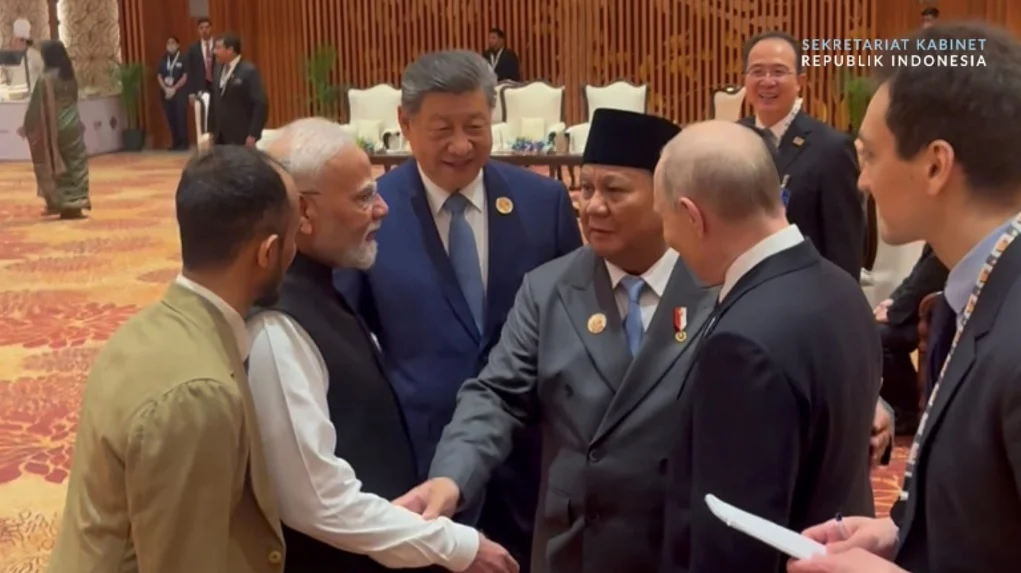
Momen Akrab Prabowo, Modi, Putin dan Xi Jinping di KTT BRICS India

by Raul Delapena Setiawan September 13, 2026
written by Raul Delapena Setiawan

President Prabowo Subianto engaged in a series of warm, informal discussions with Indian Prime Minister Narendra Modi, Russian President Vladimir Putin, and Chinese President Xi Jinping on the sidelines of the 18th BRICS Summit held at the Bharat Mandapam in New Delhi, India, on Saturday, September 12, 2026. This interaction, which took place just moments before the official opening ceremony, served as a significant display of personal diplomacy, highlighting the evolving nature of Indonesia’s international engagements under the current administration.

The images of the four leaders—representing some of the world’s most influential economies—conversing in a relaxed setting have drawn considerable attention from geopolitical analysts and global media. According to a statement issued by Cabinet Secretary Teddy Indra Wijaya, the encounter was characterized by a spirit of camaraderie and mutual respect, reflecting the diplomatic rapport that often bridges the gap between formal policy negotiations.

The Significance of the 18th BRICS Summit

The 2026 BRICS Summit in New Delhi represents a critical juncture for the bloc, which has expanded its reach and influence significantly over the past few years. Originally founded as a grouping of emerging economies—Brazil, Russia, India, China, and South Africa—the organization has sought to redefine the global economic architecture, challenging the dominance of Western-led financial institutions.

For Indonesia, participation in the BRICS framework is an extension of its long-standing "free and active" (bebas dan aktif) foreign policy. By engaging with these powerhouses, Jakarta aims to diversify its economic partnerships and secure a stronger foothold in the Global South. The presence of President Prabowo at the Bharat Mandapam underscores Indonesia’s desire to ensure its national interests are represented in discussions concerning global trade, energy security, and the reform of international financial systems.

A Chronology of Diplomatic Engagement

The events in New Delhi followed months of meticulous preparation by Indonesia’s Ministry of Foreign Affairs. Following his inauguration and subsequent regional tours, President Prabowo prioritized the strengthening of bilateral ties with the BRICS member states.

  1. Early 2026: Indonesia signaled an increased interest in deepening cooperation with BRICS nations, particularly in the sectors of infrastructure development, digital technology, and food security.
  2. August 2026: Diplomatic channels were finalized to ensure a high-level delegation from Jakarta would participate in the New Delhi summit.
  3. September 11, 2026: Arrival of President Prabowo in India, marked by initial meetings with representatives from various participating delegations.
  4. September 12, 2026: The morning of the opening session at Bharat Mandapam. It was here, in the moments preceding the formal plenary, that the informal dialogue between the four leaders occurred.
  5. September 12, 2026 (Afternoon): Official participation in the plenary sessions, focusing on economic cooperation and the challenges of the multipolar world order.

Analyzing the Informal Interaction

While official communiqués from summits are often heavily scripted, informal interactions—often referred to as "corridor diplomacy"—frequently provide the most accurate insight into the state of international relations. The sight of President Prabowo conversing with President Putin, Prime Minister Modi, and President Xi is highly symbolic.

From a strategic perspective, these interactions serve several purposes:

  • Building Personal Trust: In the world of high-stakes diplomacy, personal chemistry between heads of state can facilitate smoother negotiations when complex issues arise.
  • Signaling Alignment: For the international community, the presence of an Indonesian leader in such an intimate discussion with the BRICS core leadership suggests a move toward closer alignment on issues like trade connectivity and non-Western financial mechanisms.
  • Conflict Mitigation: By maintaining open and friendly channels with leaders from both sides of the current global geopolitical divide, Indonesia reinforces its role as a bridge-builder, capable of maintaining constructive relations with nations that may have strained ties with one another.

Economic and Strategic Implications for Indonesia

Indonesia’s participation in the BRICS summit is not merely symbolic; it carries heavy economic weight. As an emerging middle-power economy, Indonesia is looking for investment opportunities that do not come with the political conditionalities often attached to traditional developmental loans.

India and China are already among Indonesia’s largest trading partners. Engaging with them within the BRICS framework allows Jakarta to harmonize its trade policies, push for better commodity pricing, and seek support for its "downstreaming" (hilirisasi) agenda, which seeks to turn raw materials into high-value finished products before export.

Momen Akrab Prabowo, Modi, Putin dan Xi Jinping di KTT BRICS India : Okezone News

Furthermore, the discussion with President Putin likely touched upon energy security. Given Russia’s position as a major energy producer and Indonesia’s growing domestic energy demand, the potential for diversified energy cooperation remains a topic of high interest. Similarly, the conversation with Prime Minister Modi highlighted the growing "Look East" alignment, with India increasingly viewing Indonesia as a key partner in maritime security and the digital economy in the Indo-Pacific region.

Official Responses and Media Reception

The Indonesian government’s official stance, as communicated by Cabinet Secretary Teddy Indra Wijaya, emphasized that the interaction was a natural byproduct of the summit’s environment. "The leaders took the opportunity to engage in a friendly manner before the opening session," the Seskab stated, noting that such exchanges are standard practice for fostering positive international relations.

International media outlets covering the event have noted that President Prabowo’s ability to navigate the complex social dynamics of the BRICS summit suggests a sophisticated approach to foreign policy. Analysts from various think tanks have observed that Indonesia is carefully balancing its relations with the West while aggressively pursuing its interests within non-Western blocs.

Contextualizing the BRICS Expansion

It is essential to understand that the 2026 BRICS summit is occurring in a world that is vastly different from the one that existed when the group was formed. The rise of the "Global South" as a coherent political and economic bloc has changed the way international summits are conducted.

For the average citizen, the significance of these meetings may seem abstract. However, the outcomes of these discussions—ranging from the stability of currency exchange rates to the accessibility of global supply chains—have a direct impact on the domestic economy. President Prabowo’s presence in New Delhi is intended to ensure that Indonesia’s voice is heard during these pivotal discussions on the future of the global financial system.

The Role of Personal Diplomacy

President Prabowo’s background as a former Defense Minister and his extensive experience in international relations have clearly influenced his diplomatic style. He is known for a pragmatic approach, favoring direct communication with his counterparts. This style was on full display in New Delhi. By opting to engage in informal dialogue, the President bypasses the rigidity of formal bureaucratic channels, allowing for more candid and efficient exchanges.

This method is particularly effective in a summit setting where dozens of heads of state are competing for attention. The ability to secure a moment of genuine connection with the leaders of India, Russia, and China is a testament to the respect Indonesia currently commands on the world stage.

Looking Ahead

As the 18th BRICS Summit concludes, the focus will shift to the implementation of the agreements reached in New Delhi. Indonesia will be expected to follow up on the initial discussions held between the leaders. For President Prabowo, the challenge will be to translate the warm, friendly atmosphere of the Bharat Mandapam into concrete policies that benefit the Indonesian people—specifically through increased foreign direct investment (FDI), technology transfer, and expanded market access for Indonesian goods.

The informal meeting serves as a harbinger of a more assertive and engaged Indonesian foreign policy. As the nation continues to navigate the complexities of the 21st century, the ability to build and maintain relationships with diverse global powers will remain a cornerstone of its national interest. The "warm and friendly" interaction in New Delhi is, in many ways, just the beginning of a broader strategic realignment that aims to position Indonesia as a central player in the emerging global order.

In summary, the images shared by the Cabinet Secretariat are more than just a media moment; they represent a deliberate diplomatic strategy. By positioning himself among the architects of the BRICS bloc, President Prabowo has reinforced Indonesia’s commitment to multilateralism, ensuring that the country remains a key voice in the dialogue that will shape the international landscape for years to come. Whether these interactions lead to substantial shifts in regional policy remains to be seen, but the initial signs indicate a proactive and highly focused administration in Jakarta.

September 13, 2026 0 comment
0 FacebookTwitterPinterestEmail
Business & Economy

Pemerintah Mulai Terapkan Ketentuan Khusus DHE SDA per 1 September 2026 untuk Sektor Pertambangan Tertentu

by Nana September 13, 2026
written by Nana

The Indonesian government is set to officially implement a specialized regulatory framework governing Export Proceeds from Natural Resources (Devisa Hasil Ekspor Sumber Daya Alam, or DHE SDA) starting September 1, 2026. This landmark policy introduces critical structural flexibility, specifically targeted at eligible mining sector exporters, allowing them to retain a portion of their foreign exchange earnings domestically under shortened placement periods.

This regulatory adjustment forms the core implementation mechanism of Article 18A under Government Regulation (Peraturan Pemerintah or PP) Number 21 of 2026, which represents the third amendment to PP Number 36 of 2023 regarding DHE SDA. The implementation parameters apply strictly to Customs Export Declarations (Pemberitahuan Pabean Ekspor or PPE) officially submitted from September 1, 2026, onward. While the framework offers operational easements for select market players, it maintains overarching state objectives aimed at securing national monetary resilience, bolstering foreign exchange liquidity within the domestic financial architecture, and catalyzing sustainable downstream industrial development.

Understanding DHE SDA: Core Concepts and State Objectives

To comprehend the magnitude of the upcoming September framework, it is vital to examine the foundational architecture of DHE SDA. Devisa Hasil Ekspor Sumber Daya Alam refers to foreign exchange revenues generated by corporate exporters through the exploitation, management, and primary or secondary processing of natural resources originating from export activities.

Under overarching national regulations, the Indonesian government mandates that exporters of natural resources repatriate 100 percent of their DHE SDA back into the domestic financial system of Indonesia. This mandatory repatriation policy serves a macro-financial purpose: maintaining an adequate and robust pool of foreign currency liquidity within the local market, anchoring macroeconomic stability against global volatilities, and providing a dependable funding stream for large-scale national infrastructure and developmental projects.

However, the introduction of Article 18A introduces a calibrated, optional tier of flexibility for specific corporate entities, carefully balancing the state’s macroeconomic stabilization goals with the commercial realities of multinational investments and bilateral trade agreements.

Chronology and Regulatory Evolution: From PP 36/2023 to PP 21/2026

The trajectory of Indonesia’s DHE SDA governance has evolved through systematic policy refinements over recent years. The foundation was initially laid down through Government Regulation No. 36 of 2023, which established strict mandates requiring resource-based exporters to park their foreign earnings domestically to support the national economy.

As market conditions shifted and feedback from key industrial stakeholders accumulated, the administration of President Prabowo Subianto initiated deeper structural reviews regarding natural resource export governance. This led to the drafting and eventual promulgation of PP Number 21 of 2026. This third amendment specifically introduced Article 18A to accommodate strategic mining exporters who maintain deep-rooted economic ties with Indonesia through substantial capital investments and established bilateral trade frameworks.

Following the preliminary data harmonization and matching processes conducted over export transactions spanning from March 2025 through July 2026, regulatory bodies scrutinized a total of 537 Taxpayer Identification Numbers (Nomor Pokok Wajib Pajak or NPWP). From this comprehensive review, the government identified precisely 64 corporate exporters who successfully met the rigorous cumulative compliance criteria stipulated under Article 18A.

The Five Strategic Partner Nations

A critical cornerstone of the specialized Article 18A facility is its alignment with international diplomatic and economic relations. The government has explicitly designated five specific foreign nations whose corporate entities operating within Indonesia’s mining sector are eligible to apply for this specialized facility.

These five nations were selected based on two primary, non-negotiable thresholds: they represent the source of exceptionally large-scale foreign direct investments (FDI) within Indonesia’s critical mining and processing sectors, and they maintain formal bilateral trade agreements, comprehensive economic partnerships, or established memoranda of understanding with the Republic of Indonesia.

By tying the regulatory relief of Article 18A to these specific jurisdictions, Jakarta aims to honor international economic commitments while securing continued capital inflows and technological transfers essential for the nation’s ambitious resource-downstreaming agenda (hilirisasi).

Detailed Criteria and Compliance Mechanics for Exporters

The implementation starting September 1, 2026, does not mean a blanket reduction of regulatory burdens for all resource exporters. The relaxed placement rules are strictly optional and function as a targeted facility. Exporters wishing to utilize this pathway must satisfy three cumulative statutory requirements established by the state.

For companies that qualify and deliberately choose to utilize the Article 18A pathway, the regulatory mechanics diverge significantly from standard operating procedures. Under general rules, non-oil-and-gas mining exporters who do not utilize this specific facility are legally bound to place 100 percent of their DHE SDA within state-owned foreign exchange banks (Bank Devisa BUMN) for a minimum duration of 12 months. In contrast, the specialized facility allows qualifying entities to adhere to distinct, shortened placement periods and fractional retention thresholds as authorized by the updated regulatory guidelines.

Crucially, the utilization of Article 18A is not automatically forced upon eligible companies. Exporters who meet the criteria retain the autonomy to opt out and follow the general DHE SDA provisions instead. To formally reject the facility, an eligible exporter must submit a formal statement letter (surat pernyataan) to Bank Indonesia in accordance with prescribed administrative mechanisms and strict deadlines. Failure to submit this formal declaration within the stipulated timeframe results in a regulatory assumption that the exporter has opted to utilize the Article 18A facility by default.

For the oil and gas sector, standard baseline provisions remain entirely distinct, requiring the placement of at least 30 percent of export proceeds for a minimum duration of three months, independent of the specialized Article 18A mining pathways.

Analytical Implications: Balancing Liquidity and Investment Climate

Financial analysts and macroeconomic observers have weighed in extensively on the rollout of the September 2026 policy, viewing it as a sophisticated balancing act between strict monetary nationalism and pragmatic investor relations.

On one hand, the government remains fiercely committed to safeguarding the domestic foreign exchange reserve baseline. By ensuring that the vast majority of natural resource revenues continue to flow through domestic financial institutions, Indonesia shields its exchange rate against external shocks, stabilizes the rupiah, and secures capital for long-term domestic financing. Economists note that strong foreign exchange liquidity is paramount as Indonesia accelerates its capital-intensive industrial transformation programs.

On the other hand, the introduction of Article 18A demonstrates regulatory agility. Forcing multinational mining giants—particularly those from the five designated strategic partner countries—into rigid, one-size-fits-all holding periods could inadvertently dampen foreign investment sentiment or complicate cross-border treasury management. By offering targeted flexibility, Jakarta maintains its appeal as a premier destination for global mining capital while still retaining regulatory oversight over export proceeds.

Furthermore, domestic lawmakers and parliamentary officials have emphasized that the broader architecture of resource export governance—including single-door export policies—must continuously serve as a functional instrument for national industrial downstreaming. Members of the legislature have consistently highlighted that every regulatory adjustment, including the DHE SDA frameworks, should ultimately drive value-addition within domestic borders rather than merely serving as a short-term monetary tool.

Conclusion and Outlook Toward September 2026

As the effective date of September 1, 2026, approaches, corporate legal teams, tax advisors, and compliance departments across Indonesia’s mining sector are actively reviewing their export declarations, tax profiles, and corporate structures to determine their eligibility under Article 18A of PP 21/2026.

With 64 identified corporate taxpayers currently positioned to leverage the specialized facility, the coming months will test the operational readiness of both Bank Indonesia and commercial foreign exchange banks in processing administrative opt-ins and formal statements. Ultimately, the successful execution of this policy will serve as a definitive litmus test for Indonesia’s ability to harmonize rigorous state-led macroeconomic controls with the complex commercial realities of global mining investment.

September 13, 2026 0 comment
0 FacebookTwitterPinterestEmail
Business & Economy

Otoritas Jasa Keuangan mendorong pelaku industri perbankan digital memperkuat diversifikasi produk dan layanan agar digitalisasi bukan sekadar gimik.

by Reynand Wu September 13, 2026
written by Reynand Wu

The rapid evolution of the Indonesian financial landscape has reached a pivotal juncture where the novelty of digital banking is being tested against the necessity of long-term sustainability and meaningful economic contribution. Otoritas Jasa Keuangan (OJK), the nation’s financial services authority, has issued a stern directive to digital banking players: move beyond superficial technological gimmicks and focus on substantive product diversification and service innovation that addresses the actual needs of the underserved population.

This strategic pivot is not merely a suggestion but a requirement for the maturation of the digital banking sector, which has seen explosive growth in the post-pandemic era. As of the current fiscal period, the regulator emphasizes that the transition from traditional to digital-first banking must provide tangible value propositions that extend financial inclusion rather than simply replicating existing conventional banking services through a smartphone application.

The Evolution of Digital Banking in Indonesia

The emergence of "pure-play" digital banks in Indonesia—institutions that operate without a physical branch network—began in earnest around 2020-2021 as the OJK finalized its regulatory framework for digital-only banking. This regulatory clarity spurred a flurry of activity, with major conglomerates and tech-savvy investors rushing to acquire smaller banks and transform them into digital platforms.

However, as the market becomes increasingly saturated, the initial allure of high-interest savings accounts and seamless user interfaces is no longer sufficient to guarantee customer loyalty or long-term profitability. The OJK has observed that many institutions have fallen into a trap of "me-too" services, offering identical features that do not necessarily solve the credit gap or the financial literacy issues prevalent among the nation’s unbanked and underbanked segments.

Core Principles for Future Growth

During a recent briefing, Dian Ediana Rae, the Chief Executive for Banking Supervision at OJK, underscored that the digital banking business model must be grounded in three fundamental pillars: sustainability, inclusivity, and trust.

Sustainability, in this context, refers to the ability of digital banks to adapt to the breakneck pace of technological advancement while maintaining a healthy balance sheet. Inclusivity demands that these banks move beyond the urban elite and design products specifically tailored for the informal sector, small and medium enterprises (SMEs), and agricultural communities. Trust, meanwhile, is the non-negotiable bedrock of the financial industry. As digital banks rely entirely on cloud infrastructure and digital interfaces, the stakes for cybersecurity and data privacy are significantly higher than for traditional banks.

The Imperative of Differentiation

The OJK’s push for "competitive advantage" is rooted in the belief that digital banks must provide a distinct value proposition that justifies their existence beyond the convenience of digital transactions. If a digital bank only offers the same services as a traditional bank—transfers, bill payments, and basic savings—it fails to leverage the unique data-driven capabilities that digital transformation affords.

Analysts note that the next phase of development for these banks should involve advanced credit scoring models based on alternative data, such as e-commerce transaction history, mobile phone usage patterns, and utility payment behavior. By utilizing these datasets, digital banks can extend credit to segments of the population that lack traditional credit histories, thereby directly fulfilling the goal of financial inclusion.

Addressing the Cybersecurity Frontier

With the digitalization of finance comes an inevitable escalation in cyber threats. As Indonesia moves toward a cashless society, the security of digital banking platforms has become a national economic security issue. Recent reports from the Financial Services Authority indicate that while digital adoption is soaring, the frequency of phishing, account takeovers, and social engineering attacks is rising proportionally.

The OJK has mandated that digital banks allocate significant portions of their capital expenditure toward robust cybersecurity infrastructure. This includes real-time fraud detection systems powered by artificial intelligence and the implementation of multi-factor authentication protocols. Furthermore, the regulator is placing increased pressure on banks to maintain transparency in how they handle consumer data, ensuring that the convenience of digital onboarding does not come at the expense of privacy.

Market Context and Supporting Data

According to recent financial industry reports, the growth of digital banks in Indonesia has been characterized by a high volume of transactions but a mixed performance in terms of profitability. While transaction volume in the digital banking sector has consistently grown by double digits annually, many institutions are still in the customer acquisition phase, characterized by heavy marketing spend and low-margin services.

Data from the OJK suggests that the penetration rate of banking services in Indonesia has reached approximately 76%, yet the gap in access to credit remains wide. Digital banks are uniquely positioned to bridge this gap. If these institutions can successfully integrate their services into the daily lives of users—moving from "transactional" to "lifestyle" banking—the economic impact could be substantial.

A study by the World Bank indicates that increasing financial inclusion in emerging markets can raise GDP growth by up to 1% annually. By providing access to micro-loans and digital savings products, digital banks are not just expanding their own market share; they are acting as catalysts for broader economic participation.

Implications for the Banking Industry

The OJK’s latest directive signals a shift in the regulatory stance from "facilitation" to "optimization." In the early years of digital banking, the regulator’s primary concern was ensuring that these entities met the capital requirements and operational standards to function safely. Now, the regulator is demanding that these banks prove their worth as essential components of the financial ecosystem.

For the incumbents, this means the pressure to innovate is intensifying. Traditional banks are being forced to adopt "digital-first" strategies themselves, often by launching their own digital spin-offs or undergoing massive internal transformations. The market is effectively entering a period of consolidation. Experts predict that in the coming years, only those digital banks that can achieve scale and maintain high levels of consumer trust will survive. Those that fail to offer meaningful, differentiated services may find themselves struggling to maintain liquidity as the cost of customer acquisition continues to climb.

Chronology of the Digital Shift

  • 2020: The OJK begins drafting the framework for digital banking, signaling the end of the traditional banking monopoly on digital services.
  • 2021: A wave of acquisitions occurs as major tech firms and conglomerates convert local banks into digital-only platforms.
  • 2022: The focus shifts to customer acquisition, with fierce competition over deposit interest rates and transaction fee waivers.
  • 2023: Rising cybersecurity threats bring data protection to the forefront of the national agenda, leading to stricter OJK oversight.
  • 2024-2025: Regulatory focus moves to "value creation," with the OJK mandating that banks prove their impact on financial inclusion.
  • 2026: The OJK formalizes the mandate for product diversification, warning against gimmick-based business models.

Future Outlook and Conclusion

The path forward for Indonesia’s digital banks is clear: they must transition from being platforms for convenience to becoming engines of economic empowerment. This requires a shift in mindset from executives and shareholders alike, prioritizing long-term stability over short-term growth metrics.

As Dian Ediana Rae emphasized, the ultimate measure of success for a digital bank is not its valuation or its number of downloads, but the depth of trust it earns from its users and the extent to which it enables financial participation for the underserved. In a landscape defined by rapid technological change, those who fail to innovate substantively risk irrelevance. Conversely, those who manage to balance technological agility with prudent risk management and authentic inclusivity will likely emerge as the pillars of Indonesia’s future financial economy.

The OJK’s stance serves as a reminder to the entire industry that while technology is the medium, the message—and the ultimate mission—remains the fundamental mandate of banking: the secure, efficient, and inclusive mobilization of capital. As the sector matures, the coming years will be defined by how well these institutions translate their digital capabilities into real-world economic progress.

September 13, 2026 0 comment
0 FacebookTwitterPinterestEmail
Business & Economy

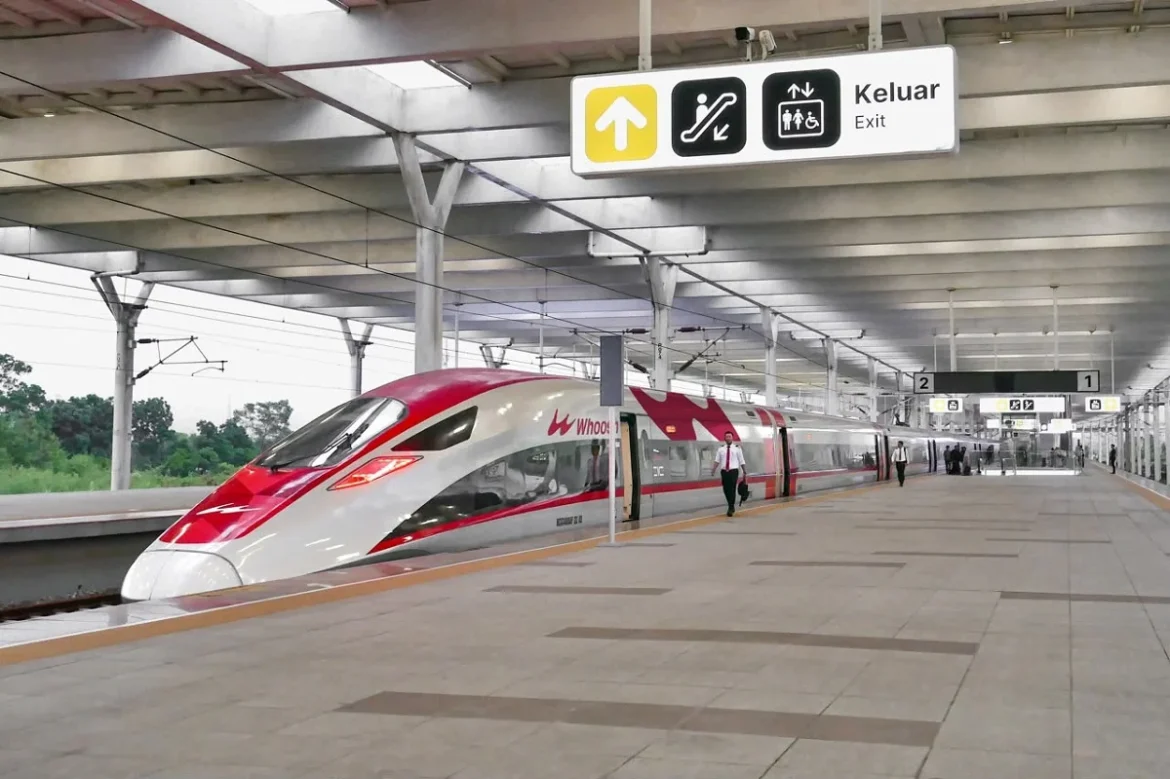
7 Fakta Utang Whoosh: Cicilan Rp1 Triliun per Tahun, Tenor 80 Tahun

by Reynand Wu September 13, 2026
written by Reynand Wu

The Indonesian government has officially unveiled a restructured financial framework for the Jakarta-Bandung High-Speed Railway project, known as Whoosh. This strategic recalibration, announced by Minister of Finance Purbaya Yudhi Sadewa, marks a significant shift in the nation’s infrastructure financing approach. By extending the debt maturity period to 80 years, the administration aims to mitigate the immediate fiscal pressure of the project while ensuring long-term operational sustainability. The revised scheme effectively lowers the annual debt servicing burden to approximately Rp1 trillion, a move designed to stabilize the project’s cash flow amidst its ongoing integration into the national transportation network.

The Genesis of the Whoosh Financial Restructuring

The Jakarta-Bandung High-Speed Railway, a flagship project under the Belt and Road Initiative and a cornerstone of Indonesia’s modernization efforts, has faced complex financial scrutiny since its inception. Initially funded through a combination of equity from local and Chinese partners and significant loan facilities from the China Development Bank (CDB), the project encountered cost overruns due to land acquisition challenges, technical complexities, and the global economic disruptions caused by the COVID-19 pandemic.

As the project transitioned from the construction phase to full commercial operations, the pressure to service the mounting debt became a primary concern for the Ministry of Finance and the Ministry of State-Owned Enterprises (BUMN). The recent decision to restructure the debt reflects a pragmatic acknowledgment of the project’s long-term revenue generation timeline. Rather than forcing a high-intensity repayment schedule that could jeopardize the railway’s operational budget, the government has opted for a "long-tail" approach, effectively deferring the bulk of the principal repayment to future generations while maintaining interest obligations.

Understanding the 80-Year Tenor and Annual Obligations

The core of the new financial architecture lies in the extension of the tenor. Spanning eight decades, this timeline is highly unusual for conventional corporate loans but aligns more closely with the lifecycles of major sovereign-backed infrastructure assets. Minister Purbaya Yudhi Sadewa emphasized that this extended duration is not merely an act of necessity but a calculated risk management strategy.

By capping the annual debt service obligations at approximately Rp1 trillion, the government intends to provide PT Kereta Cepat Indonesia China (KCIC)—the joint venture operating the line—with sufficient financial breathing room. This annual figure is subject to fluctuations based on interest rate adjustments and specific loan agreement clauses, but the structural ceiling provides a predictable framework for the state budget. Minister Purbaya’s remark—that the government now views the debt as a manageable, long-term obligation—signals a shift from "crisis mode" to a "steady-state" management phase.

Chronology of the Whoosh Development

To understand the current fiscal situation, one must look at the timeline of the project’s financial evolution:

  • 2015: Indonesia and China sign the formal agreement to develop the Jakarta-Bandung high-speed rail, with construction initially slated for completion by 2019.
  • 2016: Groundbreaking ceremony takes place, signaling the start of the massive engineering undertaking.
  • 2019-2021: The project faces significant delays due to the global pandemic and unforeseen geological hurdles in the tunnel construction segments. Costs begin to climb above the initial estimates.
  • 2022: The Indonesian government authorizes state capital injections (PMN) to cover the cost overruns, sparking public debate over the financial viability of the project.
  • 2023: Whoosh begins commercial operations, successfully reducing travel time between Jakarta and Bandung to approximately 45 minutes.
  • 2026 (Present): The Ministry of Finance finalizes the restructuring of debt obligations, securing the 80-year tenor to ensure the project’s fiscal sustainability.

Implications for the State Budget and Infrastructure Financing

The decision to stretch the debt over 80 years carries profound implications for Indonesia’s fiscal policy. While it alleviates the immediate burden on the State Revenue and Expenditure Budget (APBN), critics and financial analysts often point to the total interest cost over such an extended period. Over 80 years, the cumulative interest paid will be significantly higher than the principal amount, making the project arguably more expensive in the long run.

7 Fakta Utang Whoosh: Cicilan Rp1 Triliun per Tahun, Tenor 80 Tahun : Okezone Economy

However, the government’s counter-argument remains rooted in the concept of "social and economic multiplier effects." Proponents argue that the high-speed railway acts as a catalyst for regional economic growth, urbanization, and the integration of the Greater Jakarta and Bandung metropolitan areas. The economic activity generated by the transit-oriented development (TOD) around the stations is expected to eventually offset the long-term debt servicing costs.

Operational Efficiency and Revenue Management

Beyond the debt structure, the government is focusing on operational efficiency to ensure that KCIC can maximize its internal revenue. This includes optimizing ticket pricing, increasing passenger occupancy rates, and diversifying revenue streams through commercial spaces at the Halim, Karawang, Padalarang, and Tegalluar stations.

Minister Purbaya noted that the government is actively refining the structure of asset management. This involves ensuring that the railway’s operational costs do not balloon, maintaining high standards of maintenance, and leveraging technology to reduce labor-intensive manual processes. If the railway can maintain high demand, the Rp1 trillion annual payment will become an increasingly smaller percentage of the project’s total turnover.

Comparative Perspective: Global High-Speed Rail Financing

Globally, high-speed rail projects rarely turn a profit in their early years. Countries such as Japan (Shinkansen) and France (TGV) have historically relied on government subsidies or long-term public debt to sustain their rail networks for decades before achieving full self-sufficiency. Indonesia’s 80-year tenor places the Whoosh project in a similar category of "long-term infrastructure investment."

The challenge for the Indonesian government will be maintaining political and fiscal discipline over the next several decades. As administrations change, the commitment to servicing this long-term debt must remain a priority to maintain international investor confidence and sovereign credit ratings. The restructuring is, in essence, a promise that the state will honor its commitments, albeit on a timeline that recognizes the realities of large-scale infrastructure capital recovery.

Looking Ahead: The Future of High-Speed Connectivity

As the Whoosh enters its next phase of maturity, the focus will likely shift from construction and debt restructuring to service expansion and interconnectivity. Plans for extending the high-speed network to Surabaya remain a subject of discussion, and the success of the Jakarta-Bandung segment will serve as the primary litmus test for future projects.

For the public, the news of the 80-year debt structure is a reminder of the sheer scale of the project. While the figures associated with the debt are substantial, the government’s messaging remains clear: the project is now stable. By distributing the financial burden over eight decades, the administration is betting that the long-term benefits of enhanced mobility and connectivity will outweigh the costs of the initial capital investment.

The coming years will provide the data necessary to see if these financial projections hold true. As traffic numbers grow and the economic integration of the West Java corridor deepens, the Rp1 trillion annual installment is expected to become a manageable component of the broader national infrastructure strategy, proving that the gamble on high-speed rail was a calculated step toward Indonesia’s vision of a modernized, interconnected economy.

September 13, 2026 0 comment
0 FacebookTwitterPinterestEmail
Business & Economy

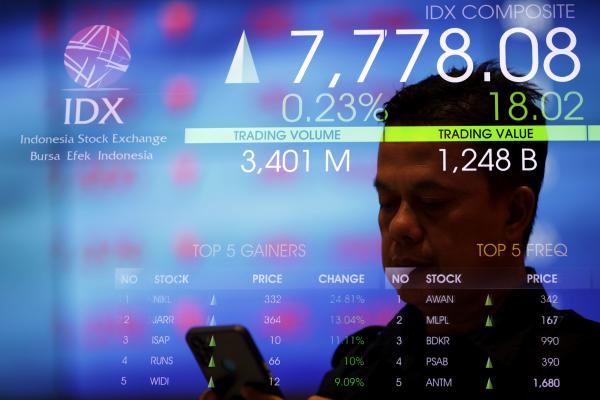
IHSG Hari Ini Dibuka di Zona Hijau, Mayoritas Sektor Dorong Penguatan ke Level 6.696

by Rifan Muazin September 13, 2026
written by Rifan Muazin

The Indeks Harga Saham Gabungan (IHSG), or the Jakarta Composite Index, demonstrated a resilient start to the trading session on Thursday, September 10, 2026. Opening in positive territory, the benchmark index signaled a cautious yet optimistic sentiment prevailing among investors on the Indonesia Stock Exchange (IDX). Market analysts attribute this early momentum to a combination of selective bargain hunting, favorable sectoral rotations, and a stabilizing macroeconomic outlook both domestically and regionally.

As the opening bell rang at 9:00 AM Western Indonesia Time (WIB), the IHSG registered an immediate gain of 0.15 percent, or 10 points, moving up to the 6,888 threshold. This early upward trajectory quickly gathered pace. Within the first minute of trading, the index extended its gains by 0.27 percent, climbing further to touch the 6,696 mark. This robust initial participation underscored a healthy appetite for risk among retail and institutional players alike, setting a constructive tone for the remainder of the morning session.

Market Breadth and Initial Transaction Activity

Market breadth during the opening minutes tilted significantly in favor of the bulls. Out of the hundreds of equities actively traded on the floor, 297 stocks advanced into the green zone, reflecting widespread buying interest across various capitalizations. Meanwhile, 121 stocks experienced downward pressure and retreated into negative territory, while a substantial cohort of 545 stocks remained stagnant, showing no price change as investors awaited clearer directional cues.

IHSG Dibuka Menguat ke Level 6.688, Ini Deretan Saham Top Gainersnya

The early transaction velocity was brisk, characterized by an initial transaction value touching Rp552 million within the opening seconds. Trading volume surged to approximately 885 million shares changing hands. This active participation highlights the continuous liquidity flowing into the domestic capital market, even as market participants remain vigilant regarding global monetary policy shifts, commodity price fluctuations, and currency volatility.

Performance of Major Indices

The positive momentum on Thursday morning was not restricted to the main headline index alone; rather, it was broadly reflected across several key sub-indices on the Indonesia Stock Exchange. The LQ45 index, which tracks the 45 most liquid and highly capitalized stocks on the exchange, posted a solid gain of 0.43 percent to reach 667. This performance indicates that blue-chip companies—frequently serving as the primary barometer for institutional portfolios—are attracting steady inflows.

Simultaneously, the Jakarta Islamic Index (JII), focusing on Sharia-compliant securities, outperformed several of its peers with a notable increase of 0.90 percent, settling at 409. The MNC36 index rose by 0.50 percent to 289, and the IDX30 index advanced by 0.39 percent to stand at 370. These synchronized gains across multiple indices point toward a coordinated market recovery rather than isolated spikes in specific speculative counters.

Sectoral Performance: Energy and Cyclicals Lead the Charge

IHSG Dibuka Menguat ke Level 6.688, Ini Deretan Saham Top Gainersnya

A deeper dive into the sectoral breakdown reveals that the vast majority of economic sectors commenced the trading day in positive territory. Energy, consumer cyclical, basic materials, infrastructure, property, financials, non-cyclical consumer goods, technology, and healthcare sectors all managed to secure green badges during the opening phase.

The energy sector continued to benefit from steady global energy demand and resilient commodity prices, while financials—historically acting as the heavyweights of the IHSG—provided essential structural support to the broader index. The robust performance of the consumer cyclical and non-cyclical sectors suggests that domestic consumption remains a resilient pillar of the Indonesian economy, providing a reliable cushion against external headwinds.

Conversely, not all sectors shared in the morning’s optimism. The transportation and industrial sectors faced early selling pressure, opening the session in the red. Analysts note that profit-taking activities or specific sector-related cost pressures might be weighing on these particular segments, although their minor underperformance was successfully offset by heavyweights in the financial and energy domains.

Top Gainers and Top Losers Dynamics

Individual stock movements provided a vivid picture of the day’s speculative and fundamental plays. Leading the pack in the top gainers category were Reksa Dana Indeks Bahana ETF Bisnis – 27, PT Victoria Investama Tbk (VICO), and PT Jembo Cable Company Tbk (JECC). These equities attracted aggressive buying volume, driving their prices significantly higher within the first few minutes of transaction execution.

IHSG Dibuka Menguat ke Level 6.688, Ini Deretan Saham Top Gainersnya

On the flip side, the top losers list featured Reksa Dana Indeks Majoris Pefindo I-Grade ETF Indonesia, alongside PT Pool Advista Finance Tbk (POLA) and PT Argo Bahari Nusantara Tbk (UDNG). The inclusion of these counters in the list of decliners reflects typical market adjustments, where short-term traders lock in profits or reposition their portfolios following recent volatility.

Broader Economic Context and Historical Market Trends

Thursday’s positive opening arrives against the backdrop of a dynamic September trading calendar. Earlier in the week, the IHSG experienced typical mid-week fluctuations. For instance, on Tuesday, September 8, 2026, the market closed on a positive note at the 6,686 level with 388 stocks advancing, demonstrating underlying resilience. However, the subsequent session on Wednesday, September 9, saw the index retreat slightly to close at 6,678, with specific counters like MEDS and LUCY sliding into the top losers category, even as the market managed an optimistic open earlier that same day at 318 advancing stocks.

This pattern of alternating sessions highlights a market searching for a definitive trend. Investors are carefully weighing domestic economic indicators, such as retail sales data, inflation rates, and Bank Indonesia’s monetary stance, against global macroeconomic factors, including US Federal Reserve policy expectations and geopolitical developments affecting supply chains.

Analyst Perspectives and Market Implications

IHSG Dibuka Menguat ke Level 6.688, Ini Deretan Saham Top Gainersnya

Financial market analysts observing Thursday’s trade emphasize that while the opening gain of 0.27 percent to 6,696 is encouraging, sustained momentum will depend heavily on afternoon institutional fund flows and foreign investor participation. The ability of the IHSG to hold above the psychological support levels established earlier in the week indicates that downside risks are currently being well-managed by market participants.

Furthermore, the broad-based participation—with nearly 300 stocks advancing in the opening minutes—suggests that market breadth is healthier than what a headline index movement alone might indicate. Retail investors remain active, leveraging dips in cyclical and financial stocks, while institutional players maintain strategic positions in blue-chip entities.

Outlook for the Remainder of the Week

As the trading day progresses, market watchers will keep a close eye on currency movements, particularly the exchange rate of the Indonesian Rupiah against the US Dollar, as foreign exchange stability remains a critical variable for foreign capital inflows. Additionally, developments in regional Asian bourses will likely dictate afternoon sentiment.

For investors, the current market environment calls for a balanced strategy. While short-term trading opportunities abound among top gainers and volatile mid-cap stocks, long-term investors are advised to focus on fundamentally sound companies possessing strong balance sheets, robust earnings visibility, and exposure to resilient domestic consumption sectors. As the IHSG navigates the complexities of the September 2026 trading period, today’s green opening serves as a welcome reminder of the domestic market’s underlying depth and adaptability.

September 13, 2026 0 comment
0 FacebookTwitterPinterestEmail
Technology

Hisense A10 Pro and A10 Ultra Launch Introduces Modular E-Ink Smartphones with Detachable Color Displays

by Jia Lissa September 13, 2026
written by Jia Lissa

Jakarta — In a bold move that redefines the intersection of e-reader utility and smartphone versatility, technology conglomerate Hisense officially launched its latest generation of specialized mobile devices on August 28, 2026. The newly unveiled Hisense A10 Pro and A10 Ultra introduce an innovative modular design concept, anchoring their core functionality around a monochrome Electronic Ink (E-Ink) primary display while incorporating a pioneering detachable, magnetic color LCD secondary screen. This dual-identity approach targets a distinct niche of consumers seeking the eye-comfort and battery-efficiency benefits of electronic paper without sacrificing the multimedia capabilities demanded by modern smartphone users.

The official debut follows months of speculation within mobile technology forums regarding how manufacturers would address the persistent compromise between high-refresh-rate color panels and eye-friendly reading surfaces. By bypassing traditional single-screen limitations, Hisense has engineered a hybrid ecosystem that allows users to seamlessly transition between a distraction-free monochrome reading instrument and a fully functional Android-powered multimedia device. Industry analysts view the release as a pivotal milestone for the E-Ink smartphone segment, which has historically struggled to capture mainstream appeal due to the inherent shortcomings of color E-Ink technology, such as washed-out saturation and slower response times.

Core Display Architecture and E-Ink Innovation

At the heart of both the A10 Pro and A10 Ultra lies a sophisticated 6.13-inch E-Ink Carta 1300 primary panel, setting a high standard for visual clarity within the category. The screen boasts a resolution of 1,648 by 824 pixels, yielding a sharp pixel density of 300 ppi (pixels per inch) that rivals conventional mid-range smartphone displays. This high pixel density ensures crisp typography for text-heavy applications, making the devices exceptionally well-suited for prolonged reading sessions, academic research, document review, and precise PDF annotation.

To optimize the reading experience across varying lighting conditions, the panels support 256 levels of grayscale rendering, allowing for smooth gradients in monochrome images and manga panels. Furthermore, Hisense integrated a dual-tone front lighting system featuring 37 distinct adjustment levels, enabling users to customize color temperature and brightness for comfortable nighttime or low-light reading.

A critical engineering enhancement found in the A10 series is the inclusion of a dedicated E-Ink T2000 processing chip. Unlike traditional setups where the primary system-on-chip (SoC) handles all display operations, the T2000 autonomously manages screen refresh cycles, image rendering optimization, and ghosting reduction. By offloading these intensive, repetitive display tasks from the main processor, the device achieves a noticeable reduction in latency and power consumption, directly translating to extended battery longevity during static reading tasks.

The Modular Breakthrough: Detachable Color LCD Panels

The defining feature of the A10 lineup is its modular rear-mounting system, which addresses the perennial dilemma of how to consume vibrant multimedia content on a monochrome display. The secondary display consists of a 4.96-inch color LCD panel designed to attach securely to the rear chassis of the phone via a robust magnetic alignment system and integrated gold-pin metal contacts.

When attached, the secondary screen instantly expands the device’s functional paradigm. Users can view high-definition images, navigate social media feeds, watch short-form videos, play casual games, and read full-color graphic novels or comic books with accurate color reproduction and smooth motion handling. Once the multimedia or web-browsing task is complete, the secondary display can be effortlessly detached and stored, instantly reverting the device to its lightweight, low-power, eye-friendly E-Ink configuration.

Market segmentation between the two models is primarily defined by accessory bundling. The flagship A10 Ultra includes the magnetic color LCD panel directly within the retail packaging, offering an out-of-the-box complete hybrid experience. Conversely, the A10 Pro is shipped as a standalone unit featuring the primary E-Ink screen, requiring consumers who desire color capabilities to purchase the magnetic LCD accessory as a separate add-on component.

Performance Specifications and Hardware Foundation

Beneath the innovative exterior, Hisense has equipped the A10 Pro and A10 Ultra with robust internal hardware capable of supporting contemporary software demands. Both devices are powered by the Qualcomm QCM6690 octa-core processor, an advanced chipset manufactured using an efficient 4-nanometer semiconductor process node. This silicon foundation ensures ample processing horsepower while native 5G connectivity support guarantees high-speed cellular data access across global bands.

The hardware architecture has been meticulously tuned by Hisense engineers to dynamically scale performance according to user behavior. During static operations such as reading or drafting text, the processor operates in a low-power state to conserve energy. When applications requiring higher computational throughput are launched—particularly when utilizing the attached color LCD screen—the processor frequency dynamically adjusts to maintain system responsiveness and fluid application navigation.

Out of the box, both smartphones run the latest Android 16 operating system, providing users with a contemporary software environment, comprehensive app compatibility through the Google Play ecosystem (where supported by regional configurations), and modern security protocols. The integration of Android 16 ensures that developers can leverage the dual-screen form factor using updated API guidelines, potentially unlocking novel applications for productivity and content consumption.

Power Management and Charging Capabilities

Energy efficiency is a cornerstone of E-Ink technology, and Hisense has complemented this inherent advantage with a substantial power storage and delivery system. Both the A10 Pro and A10 Ultra draw energy from a reliable 4,000 mAh internal battery cell. Given the low energy draw of the E-Ink panel during static text display, the device is capable of delivering exceptional battery endurance that easily surpasses standard smartphones, often spanning multiple days of intensive reading on a single charge.

For replenishment, the devices support 18-watt wired charging via USB-C, ensuring reasonably fast turnaround times when tethered to a power source. Additionally, both models incorporate 15-watt wireless charging capabilities. The A10 Ultra model features specialized magnetic wireless charging alignment tailored specifically to accommodate the hardware footprint of its bundled color screen accessory, ensuring that wireless power transfer remains efficient even when modular attachments are utilized.

Optics, Ergonomics, and Physical Design

While multimedia creation is not the primary design objective of an E-Ink centric device, Hisense has nonetheless integrated a competitive camera array to maintain everyday utility. Both the A10 Pro and A10 Ultra feature a 48-megapixel primary rear camera sensor capable of capturing detailed photographs, document scans, and high-resolution snapshots. For self-portraits and video calls, an 8-megapixel front-facing camera is housed within the bezels.

Ergonomically, the engineering team prioritized portability and hand-feel. Each device tips the scales at approximately 190 grams, striking a balance between structural durability and lightweight comfort suitable for prolonged one-handed reading. The chassis is finished in sophisticated, minimalist colorways, available initially in Moon White and Bamboo Green.

Global Pricing and Market Availability Strategy

During the official launch event in Beijing, Hisense detailed the initial pricing structure targeted at the Chinese domestic market. The tiered pricing reflects variations in internal memory, storage configurations, and accessory bundling:

Hisense A10 Pro Pricing (China Launch):

  • Base Configuration (RAM/Storage details pending regional rollouts): Positioned as an accessible entry point for dedicated e-reader enthusiasts.
  • Mid-Tier and High-Tier variants offer expanded internal storage to accommodate large libraries of documents and digital literature.

Hisense A10 Ultra Pricing (China Launch):

  • Premium configuration featuring the bundled magnetic color LCD panel included in the box, priced at a modest premium to account for the included secondary hardware.

As of the launch date, official distribution channels have confirmed that these prices apply exclusively to the Chinese market. Representatives for the brand have not yet released a concrete timeline or pricing schedule for international expansion into Southeast Asian markets, including Indonesia, or Western territories. Industry observers anticipate that regional availability will depend largely on early consumer reception and logistical evaluations regarding the distribution of modular accessories.

Industry Implications and Future Outlook

The introduction of the Hisense A10 Pro and A10 Ultra marks a significant departure from conventional smartphone design stagnation. By offering a legitimate bridge between the health-conscious, fatigue-reducing benefits of electronic paper and the vibrant, high-speed demands of contemporary mobile software, Hisense has carved out a unique territory in the hardware landscape.

Analysts suggest that if the modular concept proves reliable and durable under daily wear, it could inspire other manufacturers to explore detachable hardware ecosystems. For professionals, students, and avid readers who find themselves perpetually tethered to backlit LCD and OLED screens, the A10 series presents a compelling alternative that minimizes digital eye strain without forcing users to carry a dedicated e-reader alongside a traditional smartphone. Whether this niche innovation can transcend specialized enthusiast markets to achieve broader commercial traction will depend heavily on the long-term mechanical reliability of the magnetic attachment mechanism and future software optimization for dual-display workflows.

September 13, 2026 0 comment
0 FacebookTwitterPinterestEmail
Technology

Astra Financial Brings Live Scam Experience to SiBakul Jogja Sport and Fest 2026 to Bolster Digital Literacy Among Runners

by Nana September 13, 2026
written by Nana

The vibrant atmosphere of Stadion Mandala Krida in Yogyakarta underwent a unique transformation this past Sunday, September 13, 2026, as the SiBakul Jogja Sport and Fest 2026 Powered by Astra Financial took center stage. While the event was primarily defined by the collective energy of 5,000 runners navigating the streets of the historical city, a tactical intervention by Astra Financial served to shift the focus toward the critical issue of cybersecurity and financial protection. By establishing a Live Scam Experience booth, organizers sought to equip participants with the practical skills necessary to identify and circumvent increasingly sophisticated digital fraud schemes.

A Confluence of Athletics and Financial Vigilance

The SiBakul Jogja Sport and Fest, now in its fifth consecutive year since its inception in 2022, has evolved from a local sporting event into a multifaceted platform for cultural promotion and economic empowerment. Initiated by the Yogyakarta Special Region’s Department of Cooperatives and SMEs (Diskop DIY), the festival serves as a catalyst for local entrepreneurship. This year’s partnership with Astra Financial marked a strategic alignment between physical health and fiscal well-being.

As thousands of participants prepared for the starting gun, the presence of the Live Scam Experience booth acted as a stark reminder of the digital dangers lurking in modern consumer life. The simulation, which involved direct, mock-fraudulent calls to unsuspecting visitors, provided an immersive educational environment. By engaging attendees in real-time scenarios—where they were subjected to common social engineering tactics—Astra Financial aimed to bridge the gap between abstract cybersecurity warnings and tangible, lived experience.

Historical Context and Evolution of the Event

The evolution of the SiBakul Jogja Sport and Fest mirrors the growing sophistication of the Yogyakarta sporting scene. When the event was first launched in 2022, it was designed as a modest effort to reinvigorate community spirit and support local SMEs following the disruption caused by the global pandemic. Year after year, the event has expanded its reach, successfully integrating athletics with the vibrant cultural landscape of Central Java.

In 2026, the inclusion of a Half Marathon (21K) category represented a significant milestone. By adding this distance to the existing 5K and 10K tracks, the organizers signaled their commitment to elevating the technical standards of the race. Furthermore, the introduction of a dedicated 5K Pelajar (student) category underscored the festival’s commitment to grassroots sports development, fostering a culture of health and discipline among Yogyakarta’s youth.

Anatomy of the Live Scam Experience

The simulation booth functioned as a diagnostic tool for public awareness. According to organizers, the mechanism was simple yet effective: visitors were invited to participate in a "mystery call" scenario where actors posing as financial officials or service providers attempted to extract sensitive information.

This intervention is timely, given the global surge in digital financial fraud. According to reports from the Financial Services Authority (OJK) and various cybersecurity agencies, incidents of phishing, vishing (voice phishing), and account takeovers have risen in tandem with the digitalization of the Indonesian economy. By bringing this reality into the public square, Astra Financial sought to demonstrate that the most effective firewall against cybercrime is a well-informed consumer.

"The goal is to demystify the methods used by perpetrators," said an anonymous spokesperson familiar with the exhibit’s design. "When people hear these scripts in a controlled environment, they are better equipped to recognize the ‘red flags’—the urgency, the request for OTP codes, or the promise of unsolicited rewards—when they encounter them in their daily lives."

Supporting Data and Industry Trends

The context for this initiative is supported by current data regarding Indonesia’s digital landscape. As of mid-2026, Indonesia continues to see record-breaking levels of mobile banking penetration. However, this convenience has come at a cost, with cybercriminals diversifying their tactics to target users who are less familiar with digital protocols.

Financial literacy experts emphasize that educational initiatives like the Live Scam Experience are crucial. Data from the National Financial Literacy Index indicates that while awareness of digital financial services is high, the understanding of associated risks remains inconsistent across different demographics. The SiBakul event, by drawing a diverse crowd of competitive runners, casual joggers, and families, provided an ideal demographic cross-section for this type of public intervention.

Economic and Social Implications

The SiBakul Jogja Sport and Fest is more than just a race; it is a vital economic engine for the region. The Diskop DIY has consistently used this platform to showcase local SMEs, providing them with a space to market their products to a large, captive audience. By integrating financial literacy programs into this economic festival, the organizers are essentially protecting the very community that contributes to the local economy.

From a sociological perspective, the marriage of wellness and financial security is a logical progression. A healthy society is one that is not only physically fit but also financially resilient. When a participant leaves the race having learned how to protect their assets from digital theft, they are contributing to the broader economic stability of the region. The festival effectively demonstrates that financial inclusion must be paired with financial protection to be sustainable.

Official Responses and Future Outlook

While no formal statement was issued by the provincial government, the support provided by the Diskop DIY for the Astra Financial initiative suggests a growing policy focus on digital safety. Local officials have previously expressed concern over the rising number of fraudulent financial activities affecting residents in Yogyakarta, and the partnership with a major financial institution like Astra provides the necessary resources to combat these issues on a larger scale.

Looking toward 2027 and beyond, the organizers are expected to continue the integration of educational components into the festival. The success of the Live Scam Experience at this year’s event suggests that future iterations may expand to include more interactive workshops on digital identity protection and secure online transactions.

The Broader Impact on Digital Literacy

The implications of the SiBakul Jogja Sport and Fest 2026 extend far beyond the finish line at Mandala Krida. By utilizing a high-energy, public event to deliver a serious message about financial fraud, Astra Financial has set a precedent for corporate social responsibility in the digital age.

This model of "experiential learning" proves that public engagement strategies are most effective when they are integrated into the daily lives of the population. As digital threats continue to evolve, the ability of organizations to pivot and provide real-time, practical training will become a decisive factor in maintaining trust within the financial sector.

Conclusion

The Sunday event at Stadion Mandala Krida served as a reminder that in the race toward a digital future, vigilance is as important as speed. With 5,000 runners passing through, the event provided a platform not only for athletic competition but for essential societal education. As the SiBakul Jogja Sport and Fest continues to grow, its role as a hub for both health and civic responsibility appears set to solidify, ensuring that the people of Yogyakarta remain informed, active, and, most importantly, secure in their financial dealings.

The integration of the Live Scam Experience is a testament to the fact that the most successful events are those that address the comprehensive needs of the community. As the dust settles at Mandala Krida and the runners return to their routines, they do so with a newfound awareness—a subtle but powerful tool in the ongoing battle against the rising tide of digital fraud. In the years to come, the success of this event will likely serve as a blueprint for how major corporations and regional governments can collaborate to build a safer, more literate, and more resilient society.

September 13, 2026 0 comment
0 FacebookTwitterPinterestEmail
Technology

Lenovo Tab Plus Gen 2 Officially Launches in Indonesia as a Powerhouse for Immersive Entertainment

by Ammar Sabilarrohman September 13, 2026
written by Ammar Sabilarrohman

Lenovo has officially expanded its footprint in the Indonesian consumer electronics market with the local launch of the Lenovo Tab Plus Gen 2. This device represents a strategic shift in Lenovo’s mobile division, focusing specifically on the burgeoning demand for high-fidelity mobile entertainment. By integrating a sophisticated JBL 9-unit Pro Speaker System with a high-resolution 12.1-inch 2.5K display, the company aims to bridge the gap between portable tablets and dedicated home cinema setups. The launch comes at a time when the global tablet market is increasingly segmented into productivity-focused devices and media-consumption-centric hardware, with Lenovo positioning the Tab Plus Gen 2 firmly in the latter category.

The Evolution of the Lenovo Tab Series

The journey of the Lenovo Tab series reflects the broader evolution of the tablet industry. Initially perceived as a middle ground between smartphones and laptops, tablets have struggled to find a unique identity. Lenovo’s strategy for the Tab Plus line has been to move away from the "all-rounder" philosophy and toward "specialist" hardware. The first generation of the Tab Plus was met with positive reception for its audio capabilities, but the Gen 2 iteration marks a significant leap in both acoustic engineering and display technology.

Industry analysts note that this release follows a trend observed throughout 2025 and 2026, where consumers are spending more time consuming streaming media, high-bitrate audio, and cloud-based gaming on mobile devices. Lenovo’s decision to prioritize the acoustic architecture—the JBL 9-unit system—is a calculated response to the feedback loop of their user base, which consistently ranked audio quality as the primary factor in device satisfaction.

Acoustic Engineering: The JBL 9-Unit Pro Speaker System

The centerpiece of the Lenovo Tab Plus Gen 2 is undoubtedly its audio hardware. Unlike standard tablets that utilize dual or quad-speaker setups, the Gen 2 incorporates a 9-unit speaker system located on the rear chassis. This configuration is not merely for volume; it is designed to mimic the soundstage of a desktop speaker system.

The integration of Dolby Atmos, coupled with Lenovo’s proprietary tuning, allows the device to produce sound pressure levels approximately 2.5 times louder than the previous model, with a 1.8x increase in overall system power output. This is a critical development for users who frequently consume media in environments where external speakers are unavailable. Furthermore, the tablet’s ability to act as a standalone Bluetooth speaker—effectively turning the tablet into a dedicated audio output device for a smartphone—positions it as a versatile tool for social settings, home offices, or bedside entertainment. The system’s flexibility is bolstered by Dolby Audio software, which offers dynamic presets for movies, music, and voice-heavy content like podcasts.

Display Specifications and Visual Fidelity

While the audio capabilities draw immediate attention, the visual performance of the Tab Plus Gen 2 is equally noteworthy. The device features a 12.1-inch LCD panel with a resolution of 2.5K. In an era where OLED is becoming common in premium tablets, Lenovo has opted for a high-performance LCD that prioritizes brightness and longevity, crucial for the tablet’s intended use as an all-day media companion.

The display boasts a 120Hz refresh rate, ensuring that animations and UI transitions remain fluid. Beyond the technical specifications, the integration of Dolby Vision and HDR10 support ensures that content mastered for high dynamic range is displayed with appropriate contrast and color depth. Perhaps the most practical feature for the Indonesian market—where ambient light levels can be high—is the High Brightness Mode, which peaks at 800 nits. This level of luminosity ensures that the screen remains legible under direct sunlight, a common pain point for tablet users in tropical climates.

Ergonomic Design and Utility

Lenovo has moved away from the standard "slate" design by incorporating a 360-degree rotating kickstand. This hardware feature, while simple in concept, fundamentally changes the ergonomics of a 12-inch device. The kickstand facilitates four distinct modes:

  1. Lean Mode: Optimized for casual viewing while the device is placed on a flat surface.
  2. Theater Mode: Angled for eye-level consumption on tables or desks.
  3. Stand Mode: Designed for vertical or high-angle viewing, useful for video calls or digital recipe reading.
  4. Hanging Mode: A unique configuration that allows the tablet to be suspended, catering to users who want to watch content while multitasking in kitchens or workshops.

When not in use, the tablet transitions into a digital photo frame, a feature that addresses the "dormancy" problem where tablets often sit unused for long periods. This functionality effectively turns the hardware into a permanent piece of home decor, increasing the perceived value for the end-user.

Lenovo Tab Plus Gen 2 Meluncur dengan Speaker JBL 9-unit Pro, Cek Harganya : Okezone Ototekno

Market Context and Strategic Implications

The launch of the Lenovo Tab Plus Gen 2 occurs within a competitive landscape. Data from industry analysts suggests that the mid-to-high-end tablet market in Southeast Asia remains dominated by a few key players. However, Lenovo’s niche focus—entertainment—allows them to avoid direct feature-for-feature competition with productivity-centric tablets that focus on stylus input and keyboard peripherals.

By choosing to emphasize the "media experience," Lenovo is targeting the "prosumer" of entertainment. These are users who are not necessarily looking for a laptop replacement but are looking for a device that offers a superior experience to their smartphone. The tablet market in Indonesia has shown resilience, with consumers increasingly favoring devices that offer long-term software support and hardware longevity.

Official Perspectives and Future Outlook

While specific statements from regional Lenovo executives highlight the "lifestyle-centric" nature of the device, the move is clearly grounded in market research. During the regional briefing in Jakarta, representatives emphasized that the Tab Plus Gen 2 is the culmination of years of research into how mobile devices can simulate a living-room audio experience.

The implications for the broader market are significant. If the Tab Plus Gen 2 sees strong adoption, it may force competitors to rethink their speaker configurations. Currently, most tablet manufacturers prioritize thinness over audio depth. Lenovo’s willingness to create a slightly thicker chassis to accommodate the 9-unit speaker system suggests a pivot toward "performance-first" hardware, even if it sacrifices the ultra-slim profile common in the flagship category.

Furthermore, the integration of the Bluetooth Speaker mode signals a shift toward the "connected device" ecosystem. Lenovo is effectively marketing the tablet not just as an individual product, but as a hub for other media sources. This interoperability is likely to be a cornerstone of their future product roadmap.

Technical Limitations and Consumer Considerations

Despite its strengths, the Lenovo Tab Plus Gen 2 is not without its trade-offs. The reliance on an LCD panel, while bright, may not provide the deep blacks of OLED alternatives, which some high-end media consumers might prefer. Additionally, the inclusion of a mechanical kickstand adds weight and a potential point of failure compared to thinner, stand-less tablets.

However, for the target demographic—families, students, and media enthusiasts—the trade-off between absolute thinness and superior audio/viewing comfort is likely to be viewed as a net positive. The inclusion of the 120Hz refresh rate also ensures that the device feels modern, mitigating concerns about the hardware becoming obsolete in the short term.

Conclusion: The Future of Media Consumption

The Lenovo Tab Plus Gen 2 is a testament to the fact that hardware innovation is not limited to raw processing power or artificial intelligence integration. By focusing on the fundamentals of sensory experience—sight and sound—Lenovo has crafted a device that addresses a specific consumer pain point: the lackluster audio-visual experience of standard mobile tablets.

As the Indonesian digital economy continues to mature, the demand for high-quality, dedicated media hardware is expected to grow. The Lenovo Tab Plus Gen 2 provides a template for how traditional hardware manufacturers can adapt to a streaming-first world. Whether this device becomes a standard-bearer for future tablets remains to be seen, but for now, it sets a high bar for entertainment-focused mobile technology in the Indonesian market. The combination of the 9-unit speaker system, the 2.5K high-brightness display, and the versatile kickstand architecture positions the Gen 2 as a formidable entry in a crowded market, proving that sometimes, the best way to innovate is to simply make the core experience better.

September 13, 2026 0 comment
0 FacebookTwitterPinterestEmail
Technology

HORI Japan Unveils Official The Legend of Zelda: Ocarina of Time Accessories and Controller Lineup for Nintendo Switch 2

by Sagoh September 13, 2026
written by Sagoh

As anticipation reaches a fever pitch following Nintendo’s dedicated Nintendo Direct presentation showcasing the upcoming The Legend of Zelda: Ocarina of Time Remake, third-party peripheral manufacturer HORI Japan has announced a striking new line of officially licensed hardware and accessories tailored for the successor console, the Nintendo Switch 2. Designed to capture the timeless aesthetic of one of the most celebrated titles in gaming history, the collection immerses players in the lore of Hyrule through meticulous design choices that blend modern controller engineering with classic motifs featuring Link and his trusty steed, Epona.

Main Facts and Product Overview

The newly unveiled peripheral collection extends far beyond standard novelty merchandise, offering high-grade customization options for dedicated fans and collectors alike. Headlining the lineup is the HORIPAD Turbo, a specialized controller retailing at 8,980 Yen (approximately $58.48 USD), which combines functional performance upgrades with a sophisticated visual theme. Alongside the controller, HORI has introduced an array of storage and travel accessories designed to protect the Nintendo Switch 2 hardware while maintaining the cohesive Ocarina of Time motif.

HORI Umumkan Controller dan Aksesoris Switch 2 Bertema Zelda Ocarina of Time • Jagat Play

The comprehensive product ecosystem includes:

  • HORIPAD Turbo (Zelda: Ocarina of Time Edition): Priced at 8,980 Yen (~$58.48).
  • Slim Hard Pouch: Featuring a textured, leather-like exterior emblazoned with an artistic rendering of the Hyrule map.
  • Shoulder Pouch: Designed for extended travel convenience with modular storage compartments.
  • All-in-One Storage Bag: A high-capacity carrying solution for the console, dock, cables, and physical game cards.
  • Game Card Case: Compact storage designed to safely secure physical media cartridges.

Chronology and Release Schedule

The rollout of HORI’s specialized lineup is strategically timed to coincide with the broader commercial push surrounding the 40th anniversary of The Legend of Zelda franchise and the launch window of the Nintendo Switch 2.

  • Early September 2026: Nintendo broadcasts a specialized Nintendo Direct showcasing the official confirmation and gameplay footage of The Legend of Zelda: Ocarina of Time Remake.
  • Mid-September 2026: HORI Japan officially announces the Ocarina of Time accessory collection via social media channels, immediately opening pre-orders for domestic Japanese consumers.
  • Early November 2026: Nintendo is slated to release The Legend of Zelda: Ocarina of Time Remake for the Nintendo Switch 2, alongside first-party commemorative hardware.
  • November 30, 2026: Official market release date for the HORI Ocarina of Time controller and accessory lineup in Japan.

Design Aesthetics and Hardware Specifications

While the visual presentation serves as the primary selling point for the collection, HORI has incorporated several technical features into the flagship HORIPAD Turbo to appeal to modern gamers. The exterior boasts a refined white and gold color scheme enhanced by a subtle marble effect. The faceplates display detailed silhouettes of Link and Epona, instantly recognizable to veterans of the Nintendo 64 classic.

HORI Umumkan Controller dan Aksesoris Switch 2 Bertema Zelda Ocarina of Time • Jagat Play

The accompanying Slim Hard Pouch adopts a thematic approach to utility. The exterior texture mimics aged leather, featuring an embossed map of Hyrule that gives the impression of an authentic adventurer’s gear. Opening the pouch reveals a vibrant green interior fabric, explicitly chosen to mirror the iconic tunic worn by the hero of time throughout his quest.

From a functional perspective, the HORIPAD Turbo features modern hardware components, including TMR (Tunnel Magnetoresistance) analog sticks designed to mitigate stick drift—a common hardware concern among contemporary gamers. Additionally, the controller incorporates assignable rear macro buttons and a turbo function layout. However, hardware compromises were made to maintain a competitive price point: the controller relies on a built-in rechargeable battery with an estimated lifespan of approximately 10 hours and lacks built-in NFC reader functionality for Amiibo support, a feature typically found on official Nintendo Pro Controllers.

Broader Market Context and Nintendo’s 40th Anniversary Strategy

HORI’s announcement arrives during a critical strategic period for Nintendo. The company is leveraging the 40th anniversary of The Legend of Zelda franchise as a cornerstone marketing initiative for the hardware lifecycle of the Nintendo Switch 2. In tandem with the Ocarina of Time Remake, Nintendo has planned proprietary hardware releases, including a limited-edition themed console bundle, a specialized 40th Anniversary Pro Controller, and a suite of first-party protective gear.

HORI Umumkan Controller dan Aksesoris Switch 2 Bertema Zelda Ocarina of Time • Jagat Play

By entering this space, HORI positions itself directly alongside Nintendo’s official offerings, capturing consumers who desire alternative controller layouts with advanced features—such as TMR sticks and rear paddle mapping—that standard first-party hardware may omit. Third-party manufacturers often capitalize on nostalgic properties to capture a dedicated collector demographic, and the rich iconography of Ocarina of Time provides an ideal canvas for premium-tier peripheral design.

Availability and International Distribution Implications

At present, pre-orders and formal distribution announcements are restricted to the Japanese domestic market. HORI has not yet confirmed an official distribution timeline or pricing structure for North American, European, or broader Asian territories.

This regional exclusivity presents a familiar hurdle for international collectors. Fans residing outside of Japan will likely need to rely on specialized import services, international shipping retailers, or secondary-market resellers to secure the collection upon its late November release. Industry analysts note that while high-profile Nintendo collaborations frequently find their way to Western markets through major retailers, niche or manufacturer-direct items often remain limited to Asia unless consumer demand prompts localized distribution agreements.

HORI Umumkan Controller dan Aksesoris Switch 2 Bertema Zelda Ocarina of Time • Jagat Play

As the video game industry moves deeper into the autumn release window, consumer reception to both Nintendo’s software revival and HORI’s hardware ecosystem will determine whether themed hardware continues to serve as a major growth driver for the third-party peripheral market on next-generation platforms.

September 13, 2026 0 comment
0 FacebookTwitterPinterestEmail
Newer Posts
Older Posts

Recent Posts

  • Roy Suryo Claims No Record of Gibran Rakabuming Raka at UTS Insearch Following Direct Investigation in Australia
  • Rapat dengan Presiden BMKG Bahas Cara Padamkan Karhutla dari Dalam Tanah
  • BMKG Head Teuku Faisal Fathani Unveils Shallow Drilling Technique to Combat Forest and Land Fires in Peatlands
  • The Rise and Fall of the Indonesian Communist Party: A Historical Overview of Political Transformation and Conflict
  • Angkatan Laut AS Akui 8 Upaya Bunuh Diri di Gugus Tempur Kapal Induknya

Recent Comments

No comments to show.
  • Facebook
  • Twitter

@2021 - All Right Reserved. Designed and Developed by PenciDesign


Back To Top
Dara News Media
  • Home
  • About Us
  • Contact Us
  • Cookies Policy
  • Disclaimer
  • DMCA
  • Privacy Policy
  • Terms and Conditions

We are using cookies to give you the best experience on our website.

You can find out more about which cookies we are using or switch them off in .

Dara News Media
Powered by  GDPR Cookie Compliance
Privacy Overview

This website uses cookies so that we can provide you with the best user experience possible. Cookie information is stored in your browser and performs functions such as recognising you when you return to our website and helping our team to understand which sections of the website you find most interesting and useful.

Strictly Necessary Cookies

Strictly Necessary Cookie should be enabled at all times so that we can save your preferences for cookie settings.