• Home
  • About Us
  • Contact Us
  • Cookies Policy
  • Disclaimer
  • DMCA
  • Privacy Policy
  • Terms and Conditions
Dara News Media
keep your memories alive
Automotive

Ahmad Khanif Mutaqim and the Evolution of Tactical Gameplay in Competitive Free Fire

by Siti Muinah September 13, 2026
written by Siti Muinah

The digital landscape of mobile gaming has transformed significantly over the past half-decade, evolving from a casual pastime into a sophisticated ecosystem where strategic intelligence often outweighs raw mechanical reflexes. Among the figures contributing to this paradigm shift is Ahmad Khanif Mutaqim, widely recognized by his digital moniker, MazNife Gaming. A content creator hailing from Grobogan, Central Java, Mutaqim has cultivated a significant following by advocating for a more cerebral approach to Garena Free Fire, a title that remains one of the most popular battle royale games in the Southeast Asian market.

With a collective audience exceeding 1.4 million followers on TikTok, 79,000 subscribers on YouTube, and a growing presence on Instagram, Mutaqim’s influence reflects a broader trend: the transition of mobile gaming from mere entertainment to a discipline requiring advanced situational awareness and long-term tactical planning.

The Philosophy of Strategy Over Aggression

In the high-octane environment of Free Fire, where the primary objective is survival, many novice players fall into the trap of prioritizing high kill counts—frequently referred to as "kill-chasing"—at the expense of overall match objectives. Mutaqim argues that this obsession with elimination metrics is fundamentally flawed.

"According to my assessment, competitive Free Fire is not merely a numbers game regarding how many opponents one can eliminate," Mutaqim stated during a recent briefing on game strategy. "The true essence of the game lies in the ability to read the environment, determine precise moments for engagement, and decide when it is strategically prudent to adopt a defensive posture."

Mutaqim’s analysis suggests that the drive for rapid elimination often leads to "tunnel vision." Players who prioritize immediate aggression frequently neglect critical variables such as topographical positioning, inventory management, the shrinking play zone, and the status of their teammates. This lack of situational awareness, he notes, is the primary cause of premature exits in competitive matches.

A Chronology of a Digital Career

The trajectory of MazNife Gaming began in 2020, a year that marked a global surge in mobile gaming due to the widespread implementation of stay-at-home mandates. Born on June 26, 2004, Mutaqim entered the scene during a period when the Free Fire community in Indonesia was reaching a critical mass.

  • 2020: Mutaqim initiates his content creation journey, focusing on gameplay tutorials and tactical breakdowns.
  • 2021-2022: As his audience grows, Mutaqim pivots toward professionalizing his content, emphasizing the nuances of game mechanics rather than just highlighting flashy kills.
  • 2023: Mutaqim cements his status as a community leader, using platforms like TikTok to reach a younger demographic, effectively distilling complex game theory into digestible, actionable advice.
  • 2024: Continued expansion across platforms, with a focus on community engagement and mentoring novice players.

This timeline reflects the maturation of the Indonesian gaming community, which has moved from consuming "highlights" to seeking deeper analytical content.

Strategic Frameworks for Modern Players

Mutaqim’s methodology, which he has shared with his community, centers on a multi-layered approach to gameplay. He posits that the foundation of a successful match is laid well before the first engagement.

1. Optimal Deployment and Looting

The initial phase of any battle royale match is landing. Mutaqim advises against the common impulse to jump into "hot zones"—areas with high loot density that attract a large percentage of the player population. For those still refining their skills, he suggests landing in peripheral areas. This allows for controlled looting, enabling players to secure necessary armor, weapons, and medical supplies without the immediate pressure of combat. By the time a player rotates toward the center of the map, they are better equipped to face opponents who may have sustained damage in early-game skirmishes.

2. Weapon Specialization and Customization

Mutaqim stresses that weapon selection should be an extension of a player’s specific playstyle rather than a reaction to current meta-trends. "Players often chase the ‘meta’—the most popular weapons used by top-tier streamers—without understanding the mechanics of those weapons," Mutaqim explains. He advocates for players to spend time in the game’s training mode to understand recoil patterns, effective range, and ammunition efficiency. A player who is comfortable with a mid-tier weapon will consistently outperform a player wielding a top-tier weapon they do not understand how to use.

The Data Behind the Meta

The popularity of Free Fire in Southeast Asia is supported by robust data. As of the most recent quarterly reports, Garena’s title maintains a massive player base, with Indonesia standing as one of the game’s most active markets globally. The shift toward strategic play that Mutaqim advocates is reflective of a wider movement in eSports. Organizations and professional teams are increasingly prioritizing players who demonstrate high "Game IQ"—the ability to process information, make rapid decisions, and execute strategies under pressure.

Statistical analysis from professional matches shows that teams with the highest number of kills do not always secure the "Booyah" (the win). In fact, many winning squads often have moderate kill counts but exceptional survival times and high placement finishes. This data validates Mutaqim’s argument that tactical positioning is a more reliable predictor of victory than pure mechanical aggression.

Implications for the Gaming Ecosystem

The rise of content creators like Mutaqim signals a change in the educational structure of gaming. Previously, players learned through trial and error or by emulating professional players without context. Today, creators are acting as informal coaches, providing the "why" behind the "how."

The impact of this approach is threefold:

  1. Increased Retention: By teaching new players how to survive longer, creators help lower the barrier to entry, keeping players engaged for longer periods.
  2. Higher Skill Ceiling: As the general player base becomes more tactical, the overall quality of matches improves, fostering a more competitive environment.
  3. Community Cohesion: By emphasizing teamwork and situational awareness, creators foster a culture of cooperation rather than solo-heroism, which is vital for the team-based modes that dominate competitive play.

Professional Perspectives on Content Creation

Industry observers note that the success of MazNife Gaming is indicative of a broader demand for authentic, knowledge-based content. Unlike entertainment-only streamers, Mutaqim offers tangible value to his viewers. His content serves as a bridge between casual gamers and the professional eSports tier.

While Mutaqim focuses on the individual player’s growth, his influence extends to the community at large. By promoting patience and deliberate decision-making, he is helping to shape a generation of players who view gaming as a mental exercise. The shift from "who has the best aim" to "who has the best plan" is the defining narrative of modern battle royale gaming.

Looking Toward the Future

As Free Fire continues to evolve with new maps, weapon balances, and character abilities, the demand for high-level tactical insight will only increase. Mutaqim’s career, which has spanned four years of rapid change, shows no sign of slowing down. His focus remains on adapting to these updates while maintaining the core principles of his philosophy: prioritize the objective, respect the environment, and remain calm under fire.

For the millions of followers who tune into his channels, Mutaqim is more than a gamer; he is an analyst of the digital battlefield. Whether he is breaking down a specific map’s rotation or explaining the merits of a particular defensive loadout, his influence continues to elevate the standard of play within the Indonesian gaming community.

In conclusion, the evolution of Free Fire from a simple mobile game to a complex tactical arena is mirrored in the growth of creators like Ahmad Khanif Mutaqim. By prioritizing intelligence over impulsive aggression, Mutaqim has not only built a successful career but has also provided a blueprint for success for the next generation of competitive mobile gamers. As the ecosystem continues to mature, it is clear that the players who succeed will be those who, as Mutaqim advises, take the time to read the situation before they ever pull the trigger.
September 13, 2026 0 comment
0 FacebookTwitterPinterestEmail
Automotive

The Early Life, KGB Career and Rise to Power of Russian President Vladimir Putin

by Muslim September 13, 2026
written by Muslim

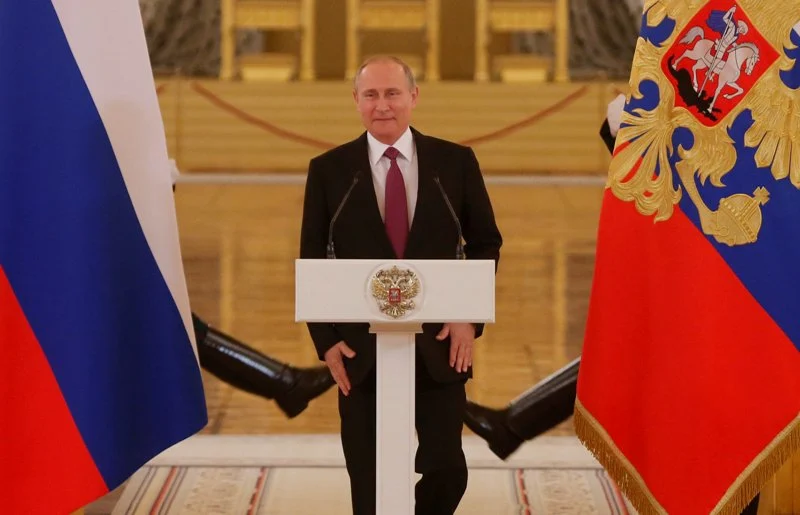
Vladimir Vladimirovich Putin has remained one of the most consequential and polarizing figures in modern geopolitics, guiding the trajectory of the Russian Federation for over two decades as either president or prime minister. Understanding the complex political operator of the twenty-first century requires examining the foundational years of his life, his formative experiences in Soviet Leningrad, his clandestine operations within the KGB, and his rapid ascent through the political machinery of post-Soviet Russia.

Main Facts and Family Origins

Born on October 7, 1952, in Leningrad—now Saint Petersburg—Vladimir Putin entered a society still heavily scarred by the immense devastation of World War II. His father, Vladimir Spiridonovich Putin, served in the Soviet Navy, specifically within the submarine fleet during the 1930s, and later fought in the Red Army during the Great Patriotic War, where he sustained severe injuries. His mother, Maria Ivanovna Shelomova, worked tirelessly as a factory laborer to help sustain the family in the war-torn city. Putin’s birth followed profound familial tragedy; two older brothers, Viktor and Albert, had been born prior to the war, but both tragically died during the catastrophic 872-day Siege of Leningrad—Albert passing away in infancy and Viktor succumbing to diphtheria while separated from his parents during the blockade.

Growing up in a communal apartment (kommunalka) shared with multiple other families on Baskov Lane, young Vladimir experienced a gritty, street-smart upbringing. Academic records show he attended School No. 193 near his home before transitioning to Saint Petersburg High School 281, where he focused intensively on the German language, achieving a level of fluency that would later prove vital during his foreign intelligence assignments.

Formative Years, Martial Arts and Academic Pursuits

Beyond his formal schooling, Putin sought discipline and direction through athletics. By the age of 12, he found a lifelong passion in martial arts, taking up sambo—a Soviet-developed combat sport—before transitioning to judo. This dedication to martial arts went beyond physical fitness; Putin frequently credits judo with instilling mental discipline, strategic patience, and situational awareness. In interviews reflecting on his youth, Putin noted that his early aspirations were heavily influenced by Soviet spy fiction and cinema, where intelligence operatives single-handedly achieved what entire armies could not. This romanticized view of state security laid the psychological groundwork for his career ambitions.

In 1970, Putin enrolled in the Law Department at Leningrad State University, a prestigious institution that served as an intellectual incubator for many Soviet legal and political elites. He earned his Bachelor of Laws degree in 1975, completing a thesis on the most-favored-nation trading principle in international law. Demonstrating a sustained commitment to higher education, he later returned to academia, securing a Candidate of Sciences degree—roughly equivalent to a Western doctorate—in economics from the Saint Petersburg Mining Institute in 1997, completing a dissertation focused on strategic mineral resource planning.

The KGB Years: Intelligence and East Germany

While still completing his university studies, Putin’s ambition to join the security apparatus materialized. He was recruited by the Komitet Gosudarstvennoy Bezopasnosti (KGB), the premier security agency of the Soviet Union. Following specialized training at the 401st KGB School in Okhta, Saint Petersburg, and the Red Banner Intelligence Institute in Moscow, Putin began climbing the ranks of the intelligence service.

For years, biographers and analysts debated the exact nature and seniority of his KGB assignments. Stationed primarily in Dresden, East Germany, from 1985 to 1990 as a mid-level intelligence officer, Putin operated during a period of escalating geopolitical tension marked by the impending collapse of the Eastern Bloc. Official biographical materials indicate his duties involved gathering political intelligence, monitoring foreign nationals, and recruiting assets.

The collapse of the communist regime in East Germany culminated in dramatic scenes in late 1989, when crowds of protesters targeted the Stasi headquarters and threatened the nearby KGB compound in Dresden. According to accounts verified by historians, Putin personally confronted angry demonstrators outside the Soviet facility, successfully deterring them from storming the building while awaiting military reinforcements from Moscow—an experience that left him with a profound appreciation for institutional order and a deep-seated apprehension toward popular uprisings and revolutions.

Return to Academia and Entry into Local Politics

Recalled to the Soviet Union as the USSR disintegrated, Putin returned to Leningrad State University in 1990, serving as assistant to the rector with a portfolio focused on external and international university relations. This administrative role served as a critical bridge from clandestine state service to public-facing governance. Through his university connections, he reconnected with Anatoly Sobchak, a prominent law professor who was rapidly emerging as a leading democratic reformer in late-Soviet politics.

When Sobchak was elected Chairman of the Leningrad City Council and subsequently Mayor of Saint Petersburg, Putin entered municipal government. Initially serving as an advisor to the city council chairman, Putin was appointed Chairman of the Committee for External Relations in June 1991. In this capacity, he was tasked with securing foreign investment, managing joint ventures, and establishing international trade ties for a city undergoing chaotic economic restructuring. By 1994, his administrative portfolio expanded significantly when he was named First Deputy Mayor of Saint Petersburg, working alongside Sobchak to navigate the turbulent privatization of municipal assets.

Chronology of the Rise to Federal Power

The political trajectory shifted dramatically following Anatoly Sobchak’s electoral defeat in the 1996 Saint Petersburg mayoral race. Refusing to serve under the incoming administration, Putin relocated to Moscow, where federal career opportunities awaited due to his reputation as an efficient and loyal administrator.

  • August 1996: Appointed Deputy Chief of the Presidential Property Management Directorate under Pavel Borodin, overseeing state-owned assets both domestically and internationally.
  • March 1997: Promoted to Deputy Chief of the Presidential Staff and simultaneously named Head of the Main Control Directorate, a powerful internal oversight body tasked with auditing government spending and enforcing federal laws.
  • July 1998: Appointed Director of the Federal Security Service (FSB), the primary successor agency to the KGB, tasked with domestic counterintelligence and counterterrorism operations.
  • March 1999: Named Secretary of the Security Council of the Russian Federation by President Boris Yeltsin, consolidating his authority over military and intelligence policy.
  • August 1999: Appointed Prime Minister of the Russian Federation, rapidly positioning himself as the designated successor to an ailing President Boris Yeltsin amid economic instability and renewed conflict in the North Caucasus.
  • December 31, 1999: Ascended to Acting President of Russia following the sudden resignation of Boris Yeltsin, officially stepping into the nation’s highest executive office.
  • March 2000: Won his first full presidential election, securing a decisive mandate to stabilize the federation, centralize executive power, and restore economic growth.

Personal Life and Family Dynamics

Throughout his public career, Vladimir Putin has maintained a strict division between his professional duties and his private life. On July 28, 1983, he married Lyudmila Shkrebneva, a former Aeroflot flight attendant and linguistics graduate. The couple raised two daughters: Maria, born in Saint Petersburg on April 28, 1985, and Yekaterina, born in Dresden on August 31, 1986. Both daughters were raised under pseudonyms during their higher education to protect their privacy amid escalating security concerns.

After nearly three decades of marriage, Vladimir and Lyudmila announced their amicable separation in June 2013 during a televised intermission at a ballet performance, with the divorce finalized formally in 2014. The privacy surrounding his family life has remained a hallmark of his administration, with Russian state media shielding his extended family from public scrutiny.

Broader Implications and Historical Context

The evolution of Vladimir Putin from a low-ranking intelligence officer in Dresden to the dominant architect of the Russian state offers critical insights into modern international relations. His formative worldview was forged during the chaotic dissolution of the Soviet Union—an event he famously characterized as the greatest geopolitical catastrophe of the twentieth century. This perspective informed his subsequent domestic policies, which prioritized the consolidation of executive power, the curtailment of independent media, and the neutralization of political opposition to prevent domestic instability.

Economically, Putin’s early presidency coincided with a global commodity boom, particularly in oil and natural gas exports, which allowed Russia to replenish its foreign exchange reserves, pay off international debts, and restore living standards after the hyperinflation and poverty of the 1990s. This economic stabilization translated into broad public support, enabling his administration to reassert Russian influence on the global stage.

Political analysts note that Putin’s background in the security services directly shaped his governance style, characterized by a preference for vertical command structures, strategic opacity, and a security-first approach to domestic and foreign policy challenges. As his tenure extends well into the twenty-first century, the foundational experiences of his youth in Leningrad and his formative years in the intelligence apparatus continue to serve as the interpretive lens through which his geopolitical decisions and statecraft are understood by historians and political scientists worldwide.

September 13, 2026 0 comment
0 FacebookTwitterPinterestEmail
Sports

Panglima TNI Jenderal Agus Subiyanto Launches 72 Open Tournaments Marking the 81st Anniversary of the Indonesian National Armed Forces

by Suro Senen September 13, 2026
written by Suro Senen

In a massive nationwide effort to commemorate the 81st anniversary of the Indonesian National Armed Forces (TNI), Commander-in-Chief General Agus Subiyanto has officially inaugurated a series of 72 open sporting tournaments spanning across the Indonesian archipelago. The initiative, which serves as a centerpiece of the 2026 anniversary celebrations, aims to solidify the synergy between the military, civilian athletes, and the general public through the universal language of sports. Among the various competitions held, the Panglima TNI Basketball Cup 2026 in Jakarta has emerged as a flagship event, signaling the military’s commitment to fostering national athletic excellence.

A Nationwide Sporting Campaign

The scale of this year’s anniversary celebration is unprecedented, with 72 distinct tournaments covering a wide array of disciplines, including athletics, martial arts, ball games, and aquatic sports. These events are not restricted to military personnel but are open to civilian clubs, university teams, and youth athletes, reflecting the theme "TNI Sports Achievement, Indonesia’s Sports Achievement."

The strategic objective behind this massive undertaking is twofold: to celebrate the historical legacy of the TNI and to provide a structured platform for talent scouting and athlete development. By hosting tournaments in various regions, the TNI is effectively decentralizing the search for sporting talent, reaching out to areas that might otherwise lack access to high-level competition circuits. This inclusivity is designed to bridge the gap between military athletic programs and the national civilian sporting infrastructure.

The Panglima TNI Basketball Cup 2026: A Hub for Talent

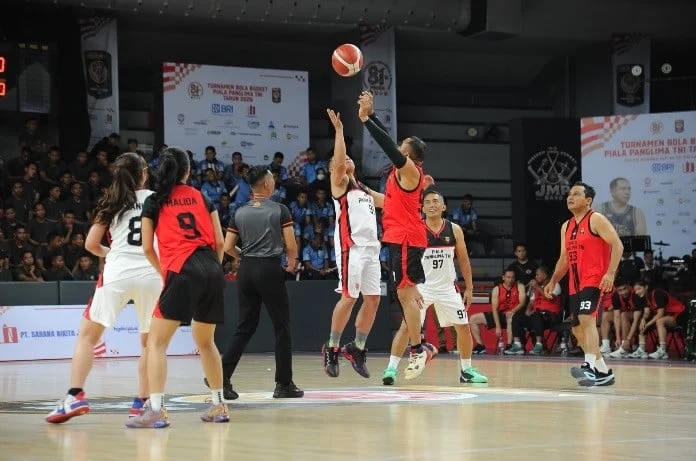
Held at the Soemantri Brodjonegoro Sports Hall in Jakarta, the basketball tournament serves as a prime example of the TNI’s outreach. Running from September 13 to September 19, 2026, the tournament has attracted 33 diverse teams. These teams represent a mix of professional clubs, university squads, and institutional organizations, creating a highly competitive environment that tests the stamina and tactical acumen of the participants.

The tournament is structured to mirror professional league standards, providing athletes with a rigorous experience that is essential for high-level progression. For the military, hosting such an event is a way to showcase its organizational capabilities and its role as a steward of national discipline and character.

Official Remarks and the Philosophy of Competition

During the opening ceremony on Sunday, September 13, 2026, General Agus Subiyanto emphasized that the essence of these games transcends mere physical victory. Addressing the crowd, the General highlighted that the values ingrained in sports—discipline, teamwork, and resilience—are fundamentally aligned with the core tenets of military service.

"To all sports coaches within the TNI, as well as our counterparts in university and private clubs, I urge you to continue your efforts in a directed and sustainable manner," General Agus stated. "Collaboration with all national sports stakeholders is not just encouraged; it is essential for the long-term health of our nation’s athletic programs."

The Commander-in-Chief noted that in an era characterized by rapid technological advancement and intense international competition, the character of a nation is often reflected in the resilience of its athletes. By promoting a culture of "never giving up," the TNI intends to contribute to the formation of a robust national identity that is capable of facing both domestic and global challenges. To demonstrate his personal commitment to these values, General Agus participated in an exhibition match, symbolically stepping onto the court alongside the athletes to underscore that the leadership of the TNI stands in solidarity with the sporting community.

Jelang HUT ke 81, Panglima TNI Gelar 72 Lomba Open Turnamen

Historical Context and Strategic Implications

The Indonesian National Armed Forces have a long history of involvement in national sports. Since the early days of independence, the military has often served as the backbone for national athletic training camps. However, the 2026 initiative marks a significant pivot toward a more collaborative and "open" model.

Historically, military sports teams were often insular. The shift toward "Open Tournaments" signifies a change in administrative policy, aiming to integrate military resources—such as high-quality training facilities, medical support, and logistical expertise—with the broader civilian sports ecosystem. This policy shift is expected to have several long-term implications:

  1. Enhanced Talent Pipeline: By inviting universities and private clubs to compete, the TNI creates a wider net for scouting potential national-level athletes who might not have had a formal entry point into the professional scene.
  2. Standardization of Training: The involvement of TNI instructors in coaching clinics conducted alongside these tournaments provides a standardized, disciplined approach to training that could elevate the baseline skill level of Indonesian youth athletes.
  3. Regional Development: Distributing 72 tournaments across the country helps stimulate local economies and sports infrastructure, particularly in regions where major sporting events are rarely held.

Societal and Economic Impact

Beyond the athletic benefits, the 81st-anniversary celebrations are designed to bolster public trust and engagement. Public sentiment toward the military often thrives on visible community participation. By hosting these events, the TNI reinforces its image as an institution that supports the aspirations of the youth.

Furthermore, the logistical operation required to organize 72 tournaments simultaneously across a country as vast as Indonesia demonstrates the TNI’s capacity for complex coordination. This serves as a subtle yet powerful display of institutional efficiency, which is a hallmark of a professional military force. Economically, the tournaments create ripples of activity in the hospitality and service sectors, particularly in host cities where participants, officials, and spectators congregate for the week-long events.

Future Prospects and Sustainability

As the tournament progresses, observers from the Ministry of Youth and Sports (Kemenpora) and various national sports federations are closely monitoring the outcomes. There is a concerted effort to ensure that the momentum generated by these 72 events does not dissipate once the anniversary celebrations conclude.

The emphasis on "sustainability" mentioned by General Agus suggests that the TNI may look to institutionalize these tournaments as annual fixtures in the national sporting calendar. If successful, this could turn the TNI into a permanent pillar of the Indonesian sports development apparatus, providing a consistent venue for high-stakes competition.

The 81st-anniversary milestone represents more than just a celebratory occasion; it is a declaration of the TNI’s vision for the future of Indonesian sports. Through the integration of character-building, tactical competition, and national inclusivity, the 2026 open tournaments are setting a new standard for how a military institution can contribute to the soft power and physical health of a nation.

Conclusion

As the basketball tournament in Jakarta continues through its final days, the focus remains on the development of individual and team potential. With 33 teams vying for the Panglima TNI Cup, the competition is fierce, yet the atmosphere remains defined by the principles of fair play and national unity. The 72 tournaments represent a massive investment in human capital, signaling a future where the synergy between military discipline and civilian athletic ambition becomes a defining feature of Indonesian sports. As the nation looks toward the closing ceremonies of the 81st anniversary, the legacy of these games will likely be measured by the emergence of new, disciplined, and resilient athletes ready to represent Indonesia on the global stage.

September 13, 2026 0 comment
0 FacebookTwitterPinterestEmail
Sports

PSG Finally Breaks Winless Streak with Narrow Victory Over Brest to Revive Ligue 1 Campaign

by Nana Wu September 13, 2026
written by Nana Wu

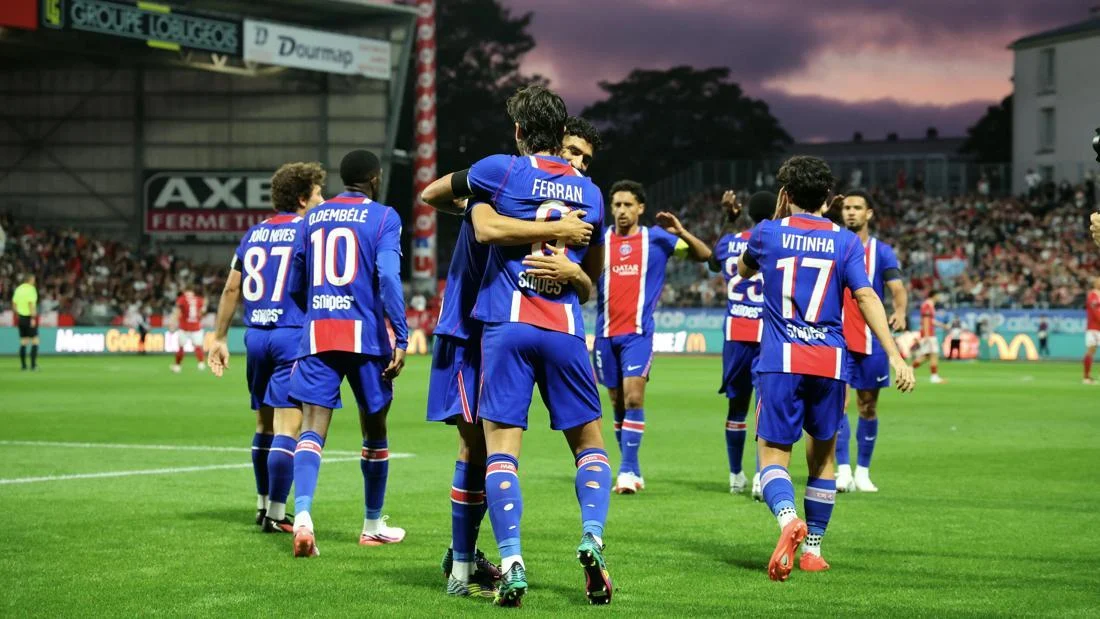
Paris Saint-Germain finally secured their first victory of the 2024-2025 Ligue 1 season, navigating a challenging away fixture at the Stade Francis-Le Ble to defeat Brest 1-0 on Monday morning. The result serves as a significant relief for manager Luis Enrique, whose side had struggled to find their rhythm in the opening stages of the domestic campaign. The decisive moment arrived early in the match, courtesy of new signing Ferran Torres, whose clinical finish in the fifth minute proved to be the difference-maker in a contest defined by tactical intensity and defensive resilience.

A Rapid Breakthrough and Tactical Stalemate

The match began with high energy, as PSG looked to assert dominance immediately following a lackluster start to their league season. The deadlock was broken just five minutes into the encounter. A fluid transition play saw the PSG attack slice through the Brest defensive line, allowing Ferran Torres to capitalize on the early defensive lapse. His goal, a composed strike that found the bottom corner, marked a significant personal milestone and injected immediate confidence into a PSG squad that had been under immense scrutiny following three winless matches.

Despite the early lead, the remainder of the first half evolved into a tactical chess match. PSG dominated possession, maneuvering the ball with precision through the midfield trio of João Neves, Vitinha, and Warren Zaïre-Emery. However, the visitors found it increasingly difficult to penetrate a disciplined Brest low block. While Ousmane Dembélé and Khvicha Kvaratskhelia provided consistent width and tested the Brest backline with intricate dribbling, the final pass often went astray, or was intercepted by the vigilant Egil Selvik in the Brest goal. As the referee signaled for halftime, PSG maintained their narrow 1-0 lead, though the fragility of the margin remained a concern for the traveling faithful.

Second-Half Resilience and Defensive Discipline

The complexion of the game shifted in the second half. Brest, fueled by the vocal home crowd, began to press higher up the pitch, forcing PSG into defensive transitions. The hosts, led by the physical presence of Ludovic Ajorque in the attack, tested the resolve of the PSG backline on multiple occasions.

Matvey Safonov, occupying the PSG goal, was forced into several crucial interventions as Brest searched for an equalizer. The pressure from the hosts was sustained, with Kenny Lala and Bradley Locko frequently overlapping to provide crosses into the danger zone. PSG’s defensive unit, anchored by Marquinhos and Willian Pacho, stood firm under the mounting pressure. The tactical adjustments made by Luis Enrique—focusing on maintaining shape and managing the tempo—allowed PSG to survive the onslaught. While the Parisians launched dangerous counter-attacks through Dembélé, they were unable to add a second goal, leaving the game on a knife-edge until the final whistle.

Contextualizing the Struggle: A Slow Start for the Champions

The victory against Brest is not merely three points; it is a vital psychological hurdle cleared for a team in transition. Entering this match, PSG occupied an unfamiliar position in the standings, having recorded two draws and one defeat in their opening three league fixtures. This uncharacteristic lack of form had invited questions regarding the team’s cohesion following the departures of several high-profile players during the summer transfer window and the subsequent arrival of fresh talent.

With only two points from their first three matches, the pressure on Luis Enrique had been mounting. The draw against local rivals and the unexpected loss had signaled a potential power vacuum in Ligue 1, a league PSG has historically dominated. By securing this 1-0 win, the club has stabilized its trajectory. PSG now sits with five points, sharing the total with Brest and several other clubs in a congested middle section of the table. While they remain outside the top four, the win provides a platform to build consistency as the grueling schedule of the UEFA Champions League looms on the horizon.

Statistical Breakdown and Player Performances

The data from the match highlights the controlled nature of PSG’s victory. PSG commanded approximately 62% of the possession, emphasizing their intent to dictate the tempo of the game. Despite the dominance, they were limited to five shots on target, a testament to the stubborn defensive structure employed by Brest.

Ferran Torres’s goal was the highlight of his early PSG tenure, showcasing his ability to find space in high-pressure situations. Defensively, the pairing of Willian Pacho and Marquinhos proved vital, winning a combined 12 duels and contributing to the clean sheet—a rarity for the team in the early weeks of the season. For Brest, the performance of goalkeeper Egil Selvik was commendable; he recorded four crucial saves that kept his side in contention until the final minute, illustrating the quality present in the mid-table tiers of French football.

Official Reactions and Managerial Perspective

In the post-match press conference, PSG manager Luis Enrique struck a tone of measured satisfaction. "It is never easy to come to a stadium like this and secure a result," he noted. "We saw the character of the team today. After a difficult start to the season, the players showed maturity. We know we must be more clinical in the final third to kill off games, but the defensive discipline shown today is the foundation upon which we will build our campaign."

Conversely, the Brest camp expressed disappointment but remained optimistic about their long-term prospects. The consensus within their dressing room was that the early goal conceded forced a tactical deviation that ultimately cost them points. "We conceded early, which changed our entire game plan," a spokesperson for the club stated. "However, the way we responded in the second half proves that we can compete with the league leaders. We take the positives from the second-half performance and look toward the next round of fixtures."

Broader Implications for Ligue 1

The result at the Stade Francis-Le Ble serves as a microcosm of the current state of Ligue 1. The gap between the traditional giants and the rest of the league appears to be narrowing, as smaller clubs become increasingly adept at executing compact, counter-attacking defensive systems.

For PSG, the implications of this match are twofold. First, it arrests the slide and prevents a crisis of confidence from taking hold in the early autumn. Second, it allows for the integration of new signings like Kvaratskhelia and Torres to continue without the suffocating atmosphere of a winless run. However, the lack of a second goal remains a point of concern for analysts. PSG’s reliance on a single goal to beat a mid-table side suggests that while the defensive transition is improving, the attacking fluidity is still a work in progress.

As the season progresses, PSG will face more rigorous tests, particularly away from home. The victory over Brest is an essential first step, but the upcoming fixtures will determine if this result represents a true turning point or merely a fleeting recovery. For now, the Parisian side can breathe a sigh of relief, having successfully navigated a challenging evening in Brittany to secure their first win of the season. The focus now shifts to the training ground, where Enrique will look to refine the attacking chemistry of his squad, ensuring that when the Champions League begins, the team is operating at the peak of its powers.

The league table remains tight, with the five-point mark placing PSG in a position to strike as the top clubs begin to separate themselves in the coming weeks. For the neutral observer, the competitive nature of this fixture confirms that the 2024-2025 Ligue 1 season promises to be one of the most unpredictable in recent memory.

September 13, 2026 0 comment
0 FacebookTwitterPinterestEmail
Entertainment & Celebrity

Understanding Testicular Asymmetry: Normal Anatomical Variation and When to Seek Medical Attention

by Azzam Bilal Chamdy September 13, 2026
written by Azzam Bilal Chamdy

The concern regarding testicular asymmetry—differences in the size, shape, or hanging position of the testicles—is a common clinical query among men, yet medical experts emphasize that such variations are typically normal and expected components of male anatomy. While many individuals may feel anxiety or alarm upon noticing that their testicles do not appear perfectly symmetrical or aligned, healthcare professionals, including specialists in andrology, categorize these physical traits as standard physiological characteristics rather than indicators of pathology.

Anatomical Normality in Male Reproductive Health

In the field of andrology, the study of male reproductive health, the consensus is clear: total symmetry in the human body is rare, and the scrotum is no exception. Dr. Jefry Tribowo, a prominent specialist in andrology, has clarified in recent clinical commentary that minor discrepancies in both size and elevation are consistent with normal human development. The biological architecture of the scrotum is designed specifically to accommodate these variations, ensuring both the protection and the thermal regulation necessary for healthy spermatogenesis.

The anatomical reality for the majority of the male population is that the right and left testicles are not identical. Research indicates that the right testis is often slightly larger in volume than the left, though this can vary from individual to individual. Furthermore, the positioning of the testicles is rarely horizontal. Typically, the left testicle sits slightly lower in the scrotal sac than the right one. This arrangement is not a defect, but rather a deliberate evolutionary adaptation.

The Evolutionary and Functional Rationale

The primary functional reason for the lack of perfect alignment between the two testicles is to prevent direct contact and friction during movement. By hanging at slightly different heights, the testicles are less likely to collide or chafe against one another during physical activity, such as walking, running, or exercising. This spatial arrangement acts as a protective mechanism, minimizing the risk of blunt force trauma or chronic irritation that could occur if the testicles were compressed within a single, perfectly symmetrical plane.

Beyond physical protection, the scrotum’s structure is vital for temperature control. Sperm production requires a temperature approximately 2 to 3 degrees Celsius cooler than the core body temperature. The skin of the scrotum is highly sensitive to external thermal changes, expanding or contracting to maintain this optimal environment. The asymmetrical hang allows for better airflow and flexibility, contributing to the overall regulation of the scrotal environment.

Chronology of Medical Awareness and Public Perception

Public interest in testicular health has seen a marked increase over the past decade, driven by improved access to health education and the destigmatization of male reproductive health discussions. In the early 2010s, general health forums and medical advice columns often received queries regarding testicular size, yet these were rarely addressed by institutional medical bodies.

By the mid-2010s, international health organizations began incorporating more comprehensive reproductive health education into public guidelines. The recent surge in discourse, particularly during the 2024-2026 period, has been aided by digital media platforms where specialists like Dr. Tribowo utilize video content to demystify anatomy. This shift represents a transition from viewing the body through a lens of "perfection" to one of "functional anatomy," where the primary concern is health and performance rather than aesthetic symmetry.

Supporting Data and Clinical Standards

Clinical examinations and ultrasound studies of the testes provide quantitative data to support the claim of natural asymmetry. In a standard urological assessment, a testis volume of 15 to 25 milliliters is considered normal for a healthy adult. While studies show that one testis may be up to 20% to 30% larger than the other without indicating any underlying disease, the discrepancy remains within a range that is clinically insignificant.

Data from longitudinal studies suggest that most men who report "abnormalities" are actually observing normal physiological variation. However, clinicians draw a sharp distinction between natural asymmetry and "pathological" changes. A sudden change in size—such as a testis becoming significantly swollen, hardened, or accompanied by acute pain—requires immediate diagnostic intervention. These conditions can be indicative of issues such as hydrocele (fluid accumulation), varicocele (enlarged veins), or, in rare instances, testicular malignancy.

When Asymmetry Becomes a Clinical Concern

While minor anatomical differences are standard, there are specific symptoms that warrant an appointment with a urologist or andrologist. The key to identifying a medical issue is not the baseline asymmetry, but rather the onset of new symptoms. The "red flags" that require professional evaluation include:

  1. Sudden Swelling or Rapid Growth: If one testicle appears to grow significantly in size over a short period, it may indicate an infection, cyst, or tumor.
  2. Persistent Pain: While a dull ache can sometimes be associated with a varicocele, sharp or persistent pain is not a feature of normal anatomy and should be investigated.
  3. Lumps or Nodules: Any palpable mass, whether painful or painless, should be evaluated via a physical examination or scrotal ultrasound.
  4. Change in Consistency: A testicle that feels unusually hard or significantly firmer than its counterpart may signal a developing health issue.
  5. Skin Changes: Redness, inflammation, or ulceration of the scrotal skin is not related to anatomical asymmetry and suggests a dermatological or infectious condition.

The Role of Self-Examination

Health authorities strongly advocate for regular testicular self-examinations (TSE). Much like breast self-exams for women, TSE allows men to become familiar with their "normal" baseline. By performing a monthly check, an individual is better equipped to identify changes if they occur.

A proper self-exam should be conducted after a warm shower, when the scrotal skin is relaxed. By gently rolling each testicle between the thumb and fingers, an individual can feel for any irregularities. Recognizing that one testicle is lower or slightly larger than the other is the first step in normalizing the experience, but the ability to detect a new, hard lump is the ultimate goal of the examination.

Implications for Public Health and Education

The dissemination of accurate medical information regarding testicular anatomy serves to reduce unnecessary anxiety and medical costs. When men understand that their anatomy is well within the bounds of normalcy, they are less likely to seek unnecessary emergency care for non-existent issues. However, the balance between "normalization" and "vigilance" remains critical.

Public health campaigns focusing on men’s health are increasingly shifting toward a holistic model. Instead of focusing solely on disease prevention, these campaigns now incorporate anatomy education. This strategy aims to foster a more proactive approach to reproductive health, where regular check-ups are normalized, and the shame associated with genital health is removed.

Conclusion: Emphasizing the Baseline of Health

The conclusion drawn by medical experts is consistent: asymmetry is not a flaw, but a biological reality. For the vast majority of the population, the variations in testicular size and position are part of a healthy, functioning reproductive system. As long as the asymmetry is not accompanied by pain, swelling, or the appearance of abnormal lumps, it is typically a sign of normal anatomical development.

Ultimately, the most effective approach to male reproductive health is a combination of anatomical literacy and regular self-monitoring. By understanding that "different" does not necessarily mean "diseased," men can navigate their health with greater confidence. When in doubt, however, clinical assessment remains the gold standard. Consulting with an andrologist or urologist provides the reassurance of a professional diagnosis, ensuring that any genuine medical concerns are addressed early, while simultaneously confirming the normalcy of benign anatomical variations. As medical science continues to advance, the emphasis remains on empowering individuals with the knowledge required to maintain their health and well-being with informed, evidence-based practices.

September 13, 2026 0 comment
0 FacebookTwitterPinterestEmail
Entertainment & Celebrity

Lagi Tren, Celana Low-Rise Jeans Kembali Populer ala Y2K hingga Dipakai Jennie BLACKPINK

by Muslim September 13, 2026
written by Muslim

The cyclical nature of the fashion industry has once again brought the Y2K aesthetic to the forefront of global trends, with the low-rise jean emerging as a polarizing yet undeniable staple of modern wardrobes. Central to this resurgence is the influence of high-profile celebrities such as Jennie Kim of the K-pop sensation BLACKPINK, whose sartorial choices frequently dictate market shifts and consumer behavior. As the fashion world pivots away from the prolonged dominance of high-waisted silhouettes, the low-rise cut—a hallmark of the late 1990s and early 2000s—has successfully transitioned from a nostalgic relic to a contemporary essential.

The Evolution and Historical Context of Low-Rise Fashion

The low-rise silhouette first gained mainstream prominence in the mid-1990s, catalyzed by designers like Alexander McQueen, whose controversial "bumster" trousers redefined the boundaries of conventional waistlines. By the early 2000s, the style had permeated pop culture, championed by icons such as Britney Spears, Christina Aguilera, and Paris Hilton. During this era, the aesthetic was defined by a defiance of tradition, emphasizing the hips and midriff as focal points of the silhouette.

However, the trend’s initial decline in the late 2000s was marked by a shift toward the "skinny jean" and the eventual dominance of the high-waisted cut, which promised a more "flattering" and structured appearance. For over a decade, the high-rise silhouette reigned supreme, offering a sense of security and versatility that the low-rise cut lacked. The current resurgence, which began gaining traction around 2020-2021, represents a deliberate reclamation of 2000s nostalgia, driven by Gen Z’s fascination with vintage aesthetics on platforms like TikTok and Instagram.

Jennie BLACKPINK and the Modernization of the Silhouette

Jennie BLACKPINK has played a pivotal role in bridging the gap between the chaotic, hyper-feminine energy of original Y2K fashion and the streamlined, minimalist preference of today’s luxury market. By integrating low-rise jeans into her personal style, Jennie has demonstrated that the cut can be sophisticated rather than merely provocative.

According to fashion analysts, Jennie’s ability to "elevate" the low-rise trend lies in her styling choices. By balancing the exposed midriff of the low-rise jean with structured blazers, tailored crop tops, or oversized knitwear, she creates a visual harmony that feels deliberate and polished. Her influence is measurable; whenever she is photographed in a specific iteration of this style, search traffic for similar items—tracked by fashion-tech platforms—consistently spikes by significant percentages. This phenomenon is often referred to as the "Jennie Effect," where a single post from the artist can alter the inventory focus of major retail chains within a matter of days.

Lagi Tren, Celana Low-Rise Jeans Kembali Populer ala Y2K hingga Dipakai Jennie BLACKPINK : Okezone Women

Chronology of the Y2K Resurgence

The timeline of this fashion cycle can be traced through several key phases:

  1. 2018–2019 (The Incubation Phase): Vintage resellers and niche fashion influencers began sourcing authentic 2000s denim, creating a scarcity-driven interest in low-rise cuts.
  2. 2020 (The Digital Catalyst): With the onset of the global pandemic, social media consumption surged. The "Y2K aesthetic" became a primary trend on TikTok, fueled by the search for escapist, vibrant, and nostalgic fashion.
  3. 2021–2022 (Mainstream Adoption): Luxury houses, including Miu Miu and Blumarine, featured prominent low-rise pieces on their runways. This signaled to the mass market that the trend was no longer confined to subcultures.
  4. 2023–Present (Normalization): The trend has fully integrated into mainstream retail, with fast-fashion conglomerates and high-end brands alike stocking varied iterations, ranging from denim to tailored trousers.

Comparative Analysis: High-Rise vs. Low-Rise

The shift in silhouette is not merely aesthetic; it carries implications for garment construction and consumer body image. High-waisted garments are engineered to create a streamlined, elongated leg line, which has been the industry standard for the better part of fifteen years. Conversely, low-rise jeans alter the body’s proportions by highlighting the pelvic bone and the curvature of the hips.

Industry experts note that the return of the low-rise trend has forced retailers to reconsider sizing and fit. Because low-rise jeans offer less "coverage," they require different fabric compositions—often including a higher percentage of elastane or stretch fibers—to ensure comfort and mobility. This technical evolution has made the modern low-rise jean more wearable than its stiff, 100% cotton predecessors from two decades ago.

The Influence of Celebrity Endorsements on Consumer Behavior

The role of K-pop idols in the global fashion economy cannot be overstated. Jennie, as a global ambassador for luxury fashion houses, occupies a unique position where her endorsements validate trends for both Eastern and Western markets. Her collaboration with these brands often dictates the "look" of the season.

Industry data suggests that Gen Z consumers are highly influenced by the "effortless" styling often displayed by Jennie. Unlike the highly curated, glamorous styling of the 2000s, today’s interpretation focuses on "off-duty" vibes. The pairing of low-rise denim with crop tops—a staple look for Jennie—has become the uniform for the modern urban demographic. This combination is praised for its simplicity and the way it balances the bold, exposed waistline with casual, everyday comfort.

Sociological Implications of the Trend

The resurgence of the low-rise jean is a topic of ongoing discussion among cultural critics. Some view it as a regression in terms of body inclusivity, as the cut is historically associated with a specific, slim body type. However, others argue that the modern iteration is vastly more inclusive, with brands offering a wider range of sizes and cuts—such as "loose-fit" or "baggy" low-rise—that accommodate diverse body shapes more effectively than the ultra-tight versions of the past.

Lagi Tren, Celana Low-Rise Jeans Kembali Populer ala Y2K hingga Dipakai Jennie BLACKPINK : Okezone Women

The trend also reflects a broader societal move toward "post-pandemic" dressing, where comfort is balanced with a desire for self-expression. The Y2K revival represents a playful, non-conformist approach to style, allowing individuals to experiment with silhouettes that were previously discarded.

Future Outlook for the Y2K Aesthetic

While fashion is notoriously fickle, the longevity of the low-rise trend suggests it is not merely a passing fad. Market research indicates that demand for low-rise denim remains robust heading into the next fiscal year. Retailers are expected to continue diversifying their offerings, likely focusing on sustainable production methods and premium denim blends that offer both durability and the signature slouchy aesthetic associated with the style.

As the industry moves forward, the influence of figures like Jennie BLACKPINK will remain a critical variable. By continuing to iterate on the trend—pairing it with everything from ballet flats to chunky platform boots—she keeps the look fresh and adaptable. Whether one views the low-rise jean as a nostalgic triumph or a challenging silhouette, its return has undeniably reshaped the contemporary retail landscape, proving that in fashion, what is old will inevitably become new again.

Ultimately, the popularity of the low-rise jean underscores a fundamental truth about the fashion industry: it is a cyclical ecosystem fueled by memory, celebrity influence, and the constant desire for reinvention. As long as style icons continue to champion these silhouettes with confidence, the low-rise trend will continue to hold its ground, bridging the gap between the vibrant aesthetics of the past and the demands of the modern consumer.

September 13, 2026 0 comment
0 FacebookTwitterPinterestEmail
Entertainment & Celebrity

The Passing of Kanaya Whu: Remembering the Talented Vocalist and Her Enduring Musical Legacy

by Neng Nana September 13, 2026
written by Neng Nana

The Indonesian entertainment industry and countless admirers woke up to a profound sense of loss following the passing of Kanaya Whu, a charismatic and talented vocalist known widely for her vibrant performances alongside prominent public figures, most notably Dedi Mulyadi. Kanaya passed away on Sunday, September 13, 2026, leaving behind a legacy of resilience, artistic passion, and deep personal warmth. Her departure has prompted an outpouring of grief across social media platforms, with fans, fellow musicians, and public figures sharing their condolences and recalling the profound impact she made during her lifetime.

Known as a fiercely independent individual who navigated her career with grace and determination, Kanaya’s life story has taken on a poignant significance in the wake of her death. As details surrounding her final days emerge, the public is reminded not only of her vocal prowess as the frontwoman of Emka 9 but also of her strength in facing personal battles, including a courageous fight against cancer. This comprehensive retrospective examines the life, career, final moments, and enduring impact of Kanaya Whu, honoring a talent gone far too soon.

Early Life and the Ascent of a Musical Talent

Kanaya Whu carved out a distinct niche for herself in the Indonesian music scene through a combination of raw vocal talent, stage presence, and an unmistakable work ethic. Long before she became a household name among fans of contemporary regional and national pop-folk music, she demonstrated an innate passion for the performing arts. Her journey into the professional music sphere was marked by dedication, relentless practice, and an ambition to connect with audiences on a deeply emotional level.

As the lead vocalist of Emka 9, Kanaya gained wider recognition, captivating listeners with her melodic range and engaging performances. Her association with high-profile cultural and political figures, such as Dedi Mulyadi, further elevated her profile, allowing her to perform on larger stages and reach a diverse demographic of music lovers. Despite the pressures of the entertainment industry, Kanaya maintained a reputation for her grounded personality and self-reliance, traits that endeared her deeply to those who worked alongside her.

The Battle with Cancer and the Final Months

7 Fakta Kematian Penyanyi Kanaya Whu, Nomor 5 Menyayat Hati

Behind the energetic stage presence and radiant smiles, Kanaya Whu was fighting a private, grueling battle against cancer. Throughout her treatment, she maintained a remarkable sense of composure, choosing to focus on her art and her relationships rather than letting her illness define her public persona. Medical professionals and loved ones later noted her resilience, describing how she approached her diagnosis with a quiet bravery that inspired everyone around her.

As her health gradually declined in the months leading up to September 2026, Kanaya’s focus shifted toward spiritual fulfillment and unresolved personal aspirations. Friends and family members have since revealed that she held a deep, unfulfilled desire to embark on the Umrah pilgrimage to Mecca. This final wish underscored her spiritual depth and her desire to seek peace in her final chapter. Although her physical journey to the holy land was cut short by the progression of her illness, the intention itself has become a central part of the narrative surrounding her final days, touching the hearts of fans who viewed it as a reflection of her purity of spirit.

Chronology of Events: Sunday, September 13, 2026

The sequence of events surrounding Kanaya Whu’s passing unfolded rapidly, sending shockwaves through the Indonesian entertainment community:

  1. Early Morning Announcement: The news of Kanaya’s passing broke early on Sunday, September 13, 2026. The initial announcement was made by her grieving family through her official Instagram account, @kanayawhu.
  2. Public Appeal for Prayers: Alongside the confirmation of her death, the family issued a public statement asking fans and the wider community to offer prayers for the departed vocalist and to forgive any mistakes she might have made during her lifetime.
  3. Media Outpouring and Tribute Coverage: Major national news outlets and lifestyle portals quickly picked up the story, publishing tributes detailing her career milestones, her role in Emka 9, and her courageous fight against cancer.
  4. Social Media Condolences: Within hours, hashtags and tribute posts dedicated to Kanaya began trending across various social media platforms. Fellow musicians, collaborators, and fans posted archival performance footage, photographs, and personal anecdotes expressing their sorrow.
  5. Revelation of Final Wishes: As tributes poured in, close associates began sharing poignant details regarding her last days, including her profound wish to perform the Umrah pilgrimage, illuminating the more intimate, spiritual side of the late singer.

Reactions and Tributes from the Entertainment Community

The entertainment industry responded to Kanaya Whu’s death with an overwhelming wave of sympathy and respect. Collaborators who shared stages with her praised her unmatched professionalism and infectious energy. Peers noted that Kanaya possessed a rare combination of artistic brilliance and personal humility, traits that are increasingly difficult to find in the fast-paced world of modern showbiz.

Dedi Mulyadi, with whom Kanaya frequently collaborated on various musical and cultural projects, was among the many figures deeply affected by the loss. Observers noted that her performances under his banner had helped bridge the gap between traditional cultural expressions and modern popular music, cementing her status as a versatile artist capable of appealing to multifaceted audiences.

7 Fakta Kematian Penyanyi Kanaya Whu, Nomor 5 Menyayat Hati

Cultural analysts and music critics have pointed out that Kanaya’s legacy extends beyond her recorded tracks. She represented a generation of independent female artists who took charge of their own artistic trajectories. Her ability to command a stage while battling a debilitating illness serves as a testament to her mental fortitude, transforming her from a mere performer into a symbol of perseverance.

Broader Implications and Industry Reflections

The untimely passing of Kanaya Whu at a relatively young age has reignited important conversations within the Indonesian creative sector regarding the health, welfare, and support systems available to artists. The hidden struggles of performers who continue to work through severe health crises highlight the immense physical and emotional tolls exacted by the entertainment industry.

Furthermore, the public reaction to Kanaya’s passing demonstrates the shifting nature of fandom in the digital age. Through platforms like Instagram, artists maintain a direct, intimate line of communication with their audiences. When tragedy strikes, this digital connection allows for a collective grieving process that transcends geographical boundaries, uniting fans in a shared expression of sorrow and remembrance.

Conclusion: An Enduring Artistic Footprint

As the Indonesian music scene mourns the loss of Kanaya Whu, her recorded legacy and the memories shared by her colleagues ensure that her voice will not be forgotten. From her dynamic performances as the lead vocalist of Emka 9 to her inspiring independence and grace in the face of terminal illness, Kanaya leaves behind an indelible mark on the nation’s cultural landscape.

The outpouring of grief and the widespread dissemination of her life story underscore the profound human desire to remember those who touched our lives through art. While her physical journey has ended, the melodies she shared and the resilience she embodied will continue to resonate with fans and aspiring musicians for years to come. May Kanaya Whu rest in eternal peace, her legacy permanently etched in the hearts of those who loved her music and admired her spirit.

September 13, 2026 0 comment
0 FacebookTwitterPinterestEmail
Lifestyle & Fashion

9 Pilihan Smart Jeans yang akan Gantikan Gaya Straight-Leg

by Ali Ikhwan September 13, 2026
written by Ali Ikhwan

The global denim market is undergoing a fundamental transformation as traditional sartorial boundaries between formal and casual attire continue to dissolve. For decades, the jeans industry was dominated by a binary choice between the rugged, utilitarian aesthetic of distressed denim and the restrictive, form-fitting nature of skinny jeans. However, the post-2020 professional landscape, characterized by the normalization of hybrid work environments and the rise of "smart-casual" as a standard office dress code, has necessitated a new category of denim: the "smart jean."

This shift is not merely a passing aesthetic trend but a reflection of a broader socio-economic movement toward comfort-first luxury. As employees transition back to physical office spaces, there is a clear demand for garments that offer the ease of leisurewear while maintaining the visual polish required for professional interactions. The smart jean—defined by its clean lines, absence of excessive distressing, high-rise silhouettes, and deep indigo or monochromatic washes—has emerged as the definitive solution for the modern wardrobe.

9 Pilihan Smart Jeans yang akan Gantikan Gaya Straight-Leg 

The Evolution of Denim Utility

Historically, denim was designed as a durable fabric for manual labor, characterized by its indigo-dyed cotton twill and heavy-duty stitching. By the late 20th century, jeans became a symbol of counter-culture, with styles fluctuating from the flared silhouettes of the 1970s to the ultra-tight skinny cuts of the 2010s. The contemporary "smart jean" represents a return to sophistication, stripping away the performative aesthetic of "workwear" in favor of minimalism.

Market analysts suggest that the demand for elevated denim has risen by approximately 15% year-over-year as consumers shift their spending toward "wardrobe staples" that offer versatility. Unlike the fleeting trends of the fast-fashion cycle, the smart jean is designed to be paired with elevated basics such as cashmere sweaters, tailored blazers, and structured outerwear, effectively bridging the gap between weekend wear and business-appropriate attire.

Chronology and High-Profile Adoption

The emergence of this trend can be traced through a series of high-profile public appearances by style influencers and fashion icons, which served as catalysts for the mainstreaming of the silhouette.

9 Pilihan Smart Jeans yang akan Gantikan Gaya Straight-Leg 

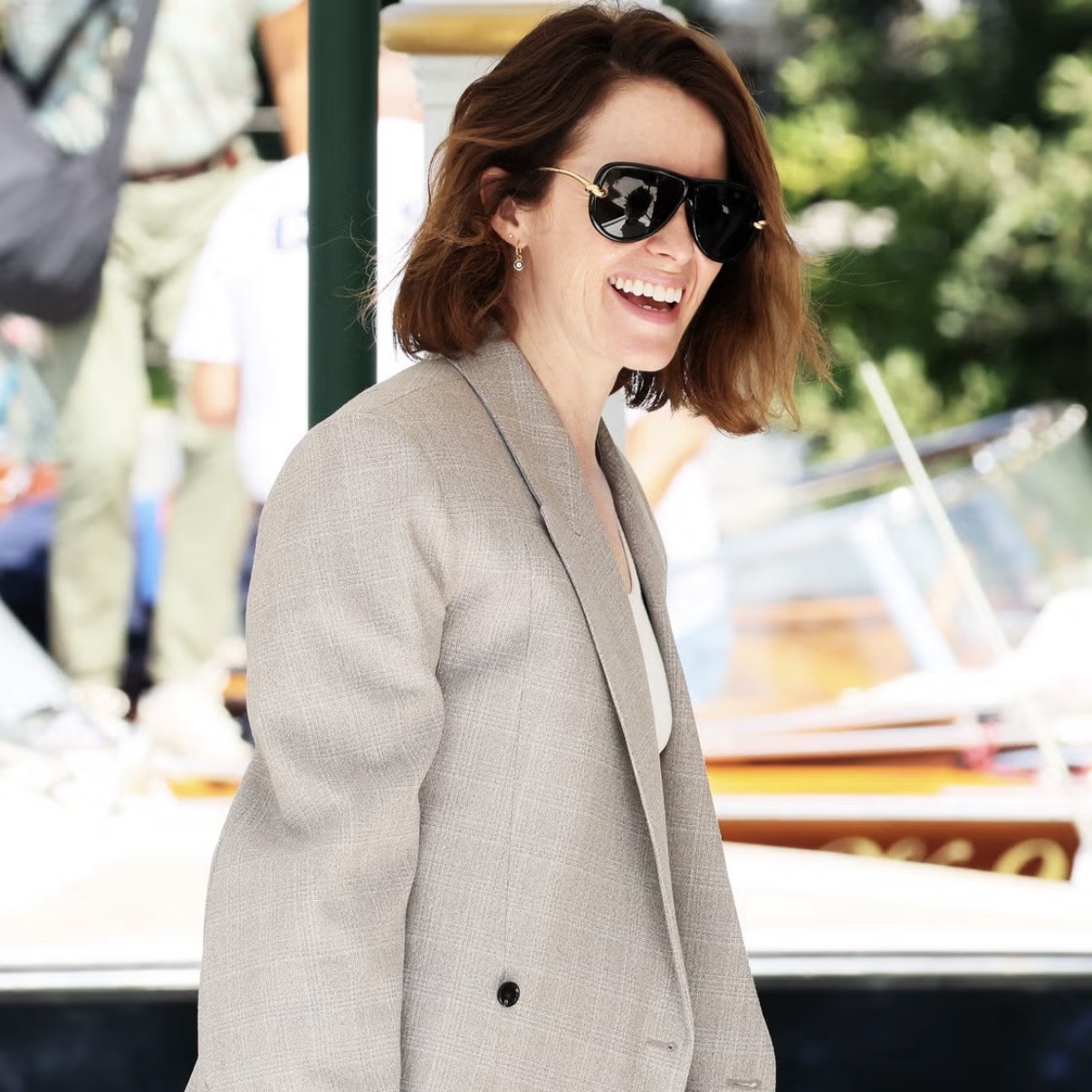
In late 2025 and early 2026, the Venice Film Festival became a significant runway for the transition to sophisticated denim. Claire Foy’s choice to arrive in Bottega Veneta smart jeans, complemented by a tailored wool jacket, signaled a shift in how red-carpet-adjacent events handle business-casual attire. By opting for a clean, non-distressed denim finish, Foy demonstrated that jeans could carry the same level of authority as a standard slack or trouser when styled with intention.

Similarly, actress Leslie Bibb has championed the trend through a series of public sightings where she paired Nili Lotan denim with classic trench coats and platform sandals. This approach emphasizes the "effortless" nature of the style, focusing on the longevity of the garments. Gigi Hadid, a prominent figure in the fashion industry and founder of the knitwear label Guest in Residence, further validated the trend by integrating it into her personal brand. Her combination of cashmere knitwear with dark-wash, high-waisted denim underscores the functionality of the trend during the transitional months of the autumn season.

Defining Characteristics: What Makes a Jean "Smart"?

Industry experts identify three primary technical specifications that distinguish a "smart jean" from standard off-duty denim:

9 Pilihan Smart Jeans yang akan Gantikan Gaya Straight-Leg 
  1. The Rise: The high-waisted cut is non-negotiable. It provides a more structured, tailored fit around the waist and hips, which creates a more professional silhouette compared to mid- or low-rise alternatives.
  2. The Wash: The preference is overwhelmingly for deep, solid indigo or uniform black. These colors minimize the visibility of denim grain and fading, allowing the garment to mimic the appearance of a dress pant from a distance.
  3. The Cut: The silhouette sits firmly between the traditional straight-leg and the exaggerated wide-leg. It provides enough room for comfort without the volume that often renders wide-leg jeans inappropriate for formal settings.

Retailers have been quick to respond to this shift. Legacy brands such as Levi’s have re-released high-rise, non-distressed models, while luxury houses including Victoria Beckham and Khaite have prioritized minimalist denim in their recent collections. Marks & Spencer, a bellwether for mass-market fashion trends, has explicitly rebranded specific lines as "smart," indicating that the trend has successfully permeated all levels of the retail market.

Economic and Stylistic Implications

The rise of the smart jean carries significant implications for the fashion industry. First, it marks a decline in the dominance of "streetwear" influence in high-end fashion, replacing logo-heavy, distressed aesthetics with understated luxury. Second, it reflects a shift in consumer behavior: the "capsule wardrobe" movement, which emphasizes buying fewer, higher-quality items, has found a perfect ally in the smart jean.

From a styling perspective, the integration of accessories has become paramount. The modern approach to this denim trend relies heavily on the use of luxury leather belts—often featuring gold or silver hardware—and pointed-toe footwear. Whether it is a pump or a structured boot, the choice of footwear is essential to ground the casual nature of the denim and elevate it to a professional standard.

9 Pilihan Smart Jeans yang akan Gantikan Gaya Straight-Leg 

Leading Selections for the Season

The current market offers a diverse array of options for those looking to adopt the smart jean trend. Key pieces currently dominating the retail space include:

  • The Palace by Frame: Noted for its precise tailoring and high-quality denim weave.
  • The Chord by COS: A testament to the minimalist Scandinavian design ethos, focusing on clean lines and structural integrity.
  • Danielle High-Rise by Khaite: A luxury benchmark for the silhouette, often cited for its perfect fit and premium fabric density.
  • Kensal by Jigsaw: Provides a balance between comfort and structure, ideal for daily office use.
  • Alina Stretch by Victoria Beckham: Demonstrates how high-fashion houses are incorporating technical fabrics into traditional denim to ensure both comfort and a crisp, wrinkle-free appearance.
  • The Ribcage Collection by Levi’s: Represents the most accessible version of the trend, maintaining the brand’s heritage while adapting to modern silhouette preferences.

The Future of Workplace Attire

Looking toward the remainder of the 2026 calendar, the smart jean is expected to remain a fixture of the modern wardrobe. As the lines between the home office and the corporate headquarters continue to blur, the necessity for versatile, "do-it-all" clothing will likely grow.

Data from recent retail performance reports suggests that denim sales are shifting away from "novelty" cuts—such as extreme flares or heavily embellished styles—toward reliable, classic silhouettes. This suggests a long-term stability for the smart jean trend. It is no longer considered a "casual Friday" exception; rather, it is becoming a core component of the daily professional rotation.

9 Pilihan Smart Jeans yang akan Gantikan Gaya Straight-Leg 

For the consumer, the smart jean is a low-risk, high-reward investment. It requires minimal maintenance compared to fine wool trousers, offers greater durability, and integrates seamlessly with existing professional wardrobes. As industry leaders and celebrities continue to demonstrate, the transition to smarter denim is not about sacrificing personal style; it is about refining it to meet the demands of a modern, fast-paced world.

In conclusion, the movement toward smart jeans is a reflection of a society that values both functionality and aesthetic coherence. By prioritizing high-quality fabric, consistent color palettes, and flattering, structured cuts, the modern professional can navigate the shifting requirements of the workplace with ease. The era of the "smart jean" has arrived, signaling a new chapter in the history of global fashion where the boundaries of professional attire are defined by sophistication rather than tradition.

September 13, 2026 0 comment
0 FacebookTwitterPinterestEmail
Lifestyle & Fashion

Redefining Luxury and Community: How NIHI Rote Integrates Local Empowerment with World-Class Hospitality

by Ammar Sabilarrohman September 13, 2026
written by Ammar Sabilarrohman

The modern luxury travel landscape is undergoing a profound paradigm shift. For decades, high-end resorts have operated as insular enclaves, carefully shielding guests from the socio-economic realities of their surrounding communities while offering a curated, manufactured version of paradise. However, a new standard is quietly taking shape in the remote landscapes of East Nusa Tenggara, Indonesia. NIHI Rote, a visionary new luxury property developed alongside hotelier and owner Michael Schwab and bolstered by the endorsement of Nobel Peace Prize laureate and Timor-Leste President José Ramos-Horta, is disrupting the traditional hospitality model. By embedding education, cultural continuity, and community empowerment directly into its operational DNA, NIHI Rote is proving that true luxury is not about detachment from the world, but rather a deeper, more meaningful connection to it.

The Genesis of a Vision: Challenging Conventional Hospitality Models

The traditional luxury resort blueprint relies heavily on a standardized formula: a grand lobby that separates the outside world from the guest experience, behind-the-scenes staff training, and a clear boundary between local life and tourist quarters. NIHI Rote dismantles this framework entirely. At the heart of this property’s philosophy is the understanding that the most vital elements of exceptional hospitality—intuition, cultural empathy, and genuine human connection—cannot be fully mastered within the sterile confines of a traditional classroom or textbook.

Peta Keramahtamahan NIHI Rote & Hospitality Academy

This realization birthed the NIHI Rote & Hospitality Academy. Rather than positioning a conventional front desk or reception area at the main entrance, the property welcomes guests directly into an active, breathing environment of learning and growth. From the moment travelers arrive, they are not merely consumers of a product; they are active participants in an ecosystem that values education and mutual development.

The Hospitality Academy: A Live-In Training Ground

The NIHI Rote & Hospitality Academy serves as the literal and metaphorical gateway to the entire resort experience. Designed to foster homegrown talent, the academy trains young individuals from Rote alongside students from neighboring Timor-Leste. The curriculum spans critical operational sectors, including culinary arts, sustainable practices, guest services, wellness therapies, and daily resort management.

The educational model rejects rote memorization in favor of experiential learning. Students acquire critical skills through direct observation, mentorship, daily interactions, and hands-on integration into the resort’s fast-paced environment. This immersive approach ensures that hospitality is elevated from a transactional set of technical skills into a deeply intuitive art form rooted in emotional intelligence and social awareness. By investing in the human capital of the region, NIHI Rote ensures that the economic benefits of high-end tourism directly enrich the local population, creating a sustainable cycle of employment and leadership development.

Peta Keramahtamahan NIHI Rote & Hospitality Academy

Architectural Harmony and Phased Development

True luxury must respect the landscape it inhabits. Rather than imposing an alien architectural style upon the rugged terrain of Rote Island, the development team meticulously tailored the physical footprint of the resort to mirror the character of the island itself. The property’s initial phase comprises 21 meticulously designed villas that draw profound inspiration from traditional Rote architecture. Featuring open-air living concepts and an extensive reliance on locally sourced sustainable materials, these structures blur the boundaries between indoor spaces and the untamed natural environment outside.

The rollout of NIHI Rote has followed a deliberate, patient timeline designed to protect the fragile ecosystem and cultural integrity of the island. The first wave of amenities—including the private villas, the vibrant Nammo Beach Club, Bima’s Bar, Jackson’s Surf Shack, world-class surf programs, and the foundational Hospitality Academy—was launched to establish an authentic operational rhythm. This measured approach ensures that every addition integrates seamlessly into the daily life of the island.

Looking ahead, the resort’s expansion continues with precise milestones. The grand opening of Savu, an oceanfront restaurant and pool complex, alongside the serene NIHI Spa Sanctuary and the central resort pool, is scheduled for September 2026. This phased methodology stands in stark contrast to the rapid, disruptive construction booms typical of the global tourism industry, signaling a commitment to long-term ecological and cultural preservation.

Peta Keramahtamahan NIHI Rote & Hospitality Academy

Immersive Island Living and Wild Wellness

For guests journeying to NIHI Rote, the itinerary is dictated not by rigid schedules or urban hustle, but by the natural cadence of the island. Rote is globally revered for its legendary surf, particularly the world-class waves at Bo’a, which form an intrinsic part of the destination’s identity. Beyond surfing, the resort curates a diverse suite of activities designed to foster a profound appreciation for the local terrain and maritime culture.

Guests can partake in coastal horseback riding, traditional spear fishing, artisanal line fishing, rugged cycling expeditions, and deep-sea marine adventures. These offerings are deliberately crafted to bring travelers into close contact with the natural elements and the daily realities of local fishermen and farmers. Conversely, moments of quiet reflection are equally prioritized. Serene sunset strolls along untouched, sweeping beaches and wide-open vistas offer an antidote to the digital distraction of modern life.

This ethos extends seamlessly into the resort’s wellness philosophy, branded as "wild wellness." Eschewing the clinical, indoor environment of conventional urban spas, NIHI Rote’s wellness paradigm leverages the healing powers of natural movement, crisp ocean air, profound silence, and direct physical grounding. Through functional fitness regimens, mobility training, endurance building, and holistic recovery sessions orchestrated by the NIHI Fit program, guests realign their physical bodies with the natural rhythms of the island.

Peta Keramahtamahan NIHI Rote & Hospitality Academy

From Farm and Sea to Table

Gastronomy at NIHI Rote serves as a direct extension of the island’s geography. The culinary program relies heavily on exceptionally fresh catches from local waters, indigenous agricultural yields, and traditional Indonesian flavor profiles, elevated through refined yet unpretentious preparation techniques.

The Nammo Beach Club provides an all-day dining venue framed by the dramatic coastline of Bo’a, offering guests a sensory connection to the ocean while they dine. The upcoming debut of the Ombak Restaurant & Bar will further expand the culinary repertoire, celebrating indigenous ingredients through contemporary culinary interpretations. Every meal reinforces the interconnectedness of the ecosystem—linking the ocean, the soil, the local farming communities, and the guest experience into a unified narrative.

A New Benchmark for Global Luxury Hospitality

Peta Keramahtamahan NIHI Rote & Hospitality Academy

As the hospitality sector looks toward the future, NIHI Rote offers a compelling blueprint for what responsible luxury travel can and should be. By bridging the gap between high-end international tourism and grassroots community empowerment, the property demonstrates that commercial success and social responsibility are not mutually exclusive.

The enduring legacy of a stay at NIHI Rote extends far beyond photographic memories of pristine beaches and world-class surf breaks. It fundamentally alters the traveler’s perspective on how a destination can be experienced. By intertwining local culture, ecological stewardship, vocational education, and authentic human interaction, NIHI Rote proves that the ultimate luxury is not isolation from the world, but a harmonious, respectful place within it.

September 13, 2026 0 comment
0 FacebookTwitterPinterestEmail
Lifestyle & Fashion

5 Tanda Orang Menyukaimu Setelah Obrolan Pertama Menurut Ahli

by Nana Wu September 13, 2026
written by Nana Wu

In the modern professional and social landscape, the ability to make a positive first impression is more than a mere social skill; it is a critical asset that often dictates career trajectories, leadership effectiveness, and interpersonal success. Research in organizational psychology suggests that individuals who are perceived as likable are statistically more likely to secure employment, receive promotions, and achieve higher rates of success in sales and negotiation. According to insights provided by leadership expert Jeff Haden, published via CNBC Make It, the subtle nuances of human interaction during an initial conversation serve as reliable indicators of whether a genuine connection has been established. Understanding these indicators allows individuals to navigate social dynamics with greater emotional intelligence, facilitating more productive and harmonious relationships in both personal and corporate environments.

The importance of initial rapport cannot be overstated. From a psychological perspective, humans are hardwired to assess safety and potential collaboration within the first few seconds of an interaction. While conventional etiquette suggests a polite smile is a universal requirement of professional conduct, the difference between a perfunctory social gesture and a genuine sign of affinity lies in the consistency and spontaneity of the behavioral cues that follow. By examining the chronology of a standard, positive encounter—from the initial exchange to the deepening of the dialogue—experts have identified five key indicators that signal a successful connection.

The Dynamics of Non-Verbal Communication

The first stage of any interaction is governed by non-verbal cues. While surface-level politeness often includes a professional smile, researchers emphasize that the hallmark of a genuine connection is the presence of spontaneous, natural facial expressions throughout the duration of the conversation. When an individual is truly engaged and finds the other party agreeable, their facial expressions become synchronized with the flow of the discussion. This includes laughter that is not forced, a relaxed jaw, and a consistent, warm engagement of the eyes. This is a critical distinction from the "polite mask" often worn in high-stakes networking environments, where social norms dictate a certain level of cheerfulness that may not reflect actual interest.

Tanda Orang Menyukaimu Setelah Obrolan Pertama Menurut Ahli

Complementing this, the role of sustained eye contact acts as a secondary verification of engagement. Contrary to popular belief, a momentary lapse in eye contact does not necessarily signal disinterest. In fact, deep cognitive processing often requires an individual to look away to formulate a complex thought or reflect on the information provided. The definitive sign of interest is not constant staring, which can be perceived as aggressive, but rather the act of consistently returning one’s gaze to the speaker. This cyclical pattern—engaging, reflecting, and returning—suggests that the listener is actively processing the conversation and is invested in the exchange.

The Role of Physical Proximity and Space

The third indicator of interest involves the physical positioning of the parties involved. Humans naturally utilize "proxemics," or the study of human use of space, to communicate their level of comfort and rapport. In an initial conversation, a person who is genuinely interested will frequently close the physical distance between themselves and the speaker. This might involve leaning forward during a particularly interesting point or positioning their body directly toward the speaker rather than angled toward an exit or other people in the room. This subconscious move toward the other person is a physiological manifestation of desire for proximity and connection.

This behavior serves as a form of non-verbal validation. When a listener moves closer, they are effectively signaling that the conversation is a priority and that they are comfortable within the speaker’s personal space. Conversely, a person who maintains an excessive distance or keeps their torso angled away is often signaling a desire for psychological or physical withdrawal, regardless of how polite their verbal responses might be.

Expanding the Scope of Dialogue

Beyond non-verbal signals, the evolution of the conversation itself provides empirical data on the quality of the interaction. A hallmark of a successful, high-quality interaction is the shift from passive listening to active, collaborative expansion. If a participant merely answers questions with short, concise responses, the interaction remains transactional. However, when an individual begins to introduce new topics, share anecdotes, or bridge the current subject to broader concepts, they are signaling a desire to extend the duration and depth of the connection.

Tanda Orang Menyukaimu Setelah Obrolan Pertama Menurut Ahli

This phenomenon is often observed in successful networking events or high-level professional meetings. When both parties move beyond the "question-and-answer" phase, the conversation becomes a shared narrative. This indicates that the participants have moved past the initial assessment phase and are now operating in a space of mutual trust and curiosity. In professional settings, this is often the moment where a candidate moves from being "one of many" to "a memorable contact."

The Mirroring Effect: A Biological Synchronicity

Perhaps the most sophisticated indicator of rapport is the mirroring of expressions and behaviors. Research into mirror neurons suggests that human beings are neurologically programmed to imitate the facial expressions, body language, and even the speech patterns of those they feel connected to. This is not a conscious decision; rather, it is a biological reaction to perceived empathy and social alignment.

If one individual smiles, the other is likely to mirror that smile back. If the speaker uses a specific hand gesture or adopts a certain posture, the listener may, within seconds, adopt a similar physical stance. This mirroring effect serves as a powerful validation of the connection, suggesting that the individuals are "on the same page." This synchronization is an essential component of emotional intelligence and is often what distinguishes a superficial encounter from one that creates a lasting professional or personal bond.

Implications for Professional and Social Success

The implications of these findings extend far into the realm of professional development. In a competitive labor market, the ability to foster these five markers—spontaneous expression, active gaze, appropriate proximity, conversational depth, and empathetic mirroring—can be the deciding factor in a job interview or a high-stakes pitch. Employers are increasingly prioritizing "soft skills," which are effectively the ability to utilize these psychological markers to build team cohesion and client trust.

Tanda Orang Menyukaimu Setelah Obrolan Pertama Menurut Ahli

Furthermore, in the context of leadership, these behaviors are fundamental to building trust. A leader who practices active listening and demonstrates these signs of engagement is perceived as more approachable and more competent. The ability to make others feel "heard" and "valued" through these non-verbal cues is, according to various behavioral studies, a primary driver of leadership influence.

While these markers provide a framework for understanding social connection, they should be applied with the awareness that human behavior is multifaceted. Cultural differences, personality types (such as introversion or extroversion), and individual comfort levels play a significant role in how these signals are manifested. However, when viewed as a composite, these five signs offer a robust diagnostic tool for assessing the health and trajectory of any new human connection. By fostering these habits, individuals can enhance their social efficacy, ultimately leading to more fruitful personal relationships and more successful professional outcomes in an increasingly interconnected world. As society continues to navigate the complexities of interpersonal communication, the mastery of these fundamental human cues remains as relevant and critical as ever.

September 13, 2026 0 comment
0 FacebookTwitterPinterestEmail
Newer Posts
Older Posts

Recent Posts

  • Roy Suryo Claims No Record of Gibran Rakabuming Raka at UTS Insearch Following Direct Investigation in Australia
  • Rapat dengan Presiden BMKG Bahas Cara Padamkan Karhutla dari Dalam Tanah
  • BMKG Head Teuku Faisal Fathani Unveils Shallow Drilling Technique to Combat Forest and Land Fires in Peatlands
  • The Rise and Fall of the Indonesian Communist Party: A Historical Overview of Political Transformation and Conflict
  • Angkatan Laut AS Akui 8 Upaya Bunuh Diri di Gugus Tempur Kapal Induknya

Recent Comments

No comments to show.
  • Facebook
  • Twitter

@2021 - All Right Reserved. Designed and Developed by PenciDesign


Back To Top
Dara News Media
  • Home
  • About Us
  • Contact Us
  • Cookies Policy
  • Disclaimer
  • DMCA
  • Privacy Policy
  • Terms and Conditions

We are using cookies to give you the best experience on our website.

You can find out more about which cookies we are using or switch them off in .

Dara News Media
Powered by  GDPR Cookie Compliance
Privacy Overview

This website uses cookies so that we can provide you with the best user experience possible. Cookie information is stored in your browser and performs functions such as recognising you when you return to our website and helping our team to understand which sections of the website you find most interesting and useful.

Strictly Necessary Cookies

Strictly Necessary Cookie should be enabled at all times so that we can save your preferences for cookie settings.