• Home
  • About Us
  • Contact Us
  • Cookies Policy
  • Disclaimer
  • DMCA
  • Privacy Policy
  • Terms and Conditions
Dara News Media
keep your memories alive
Health & Wellness

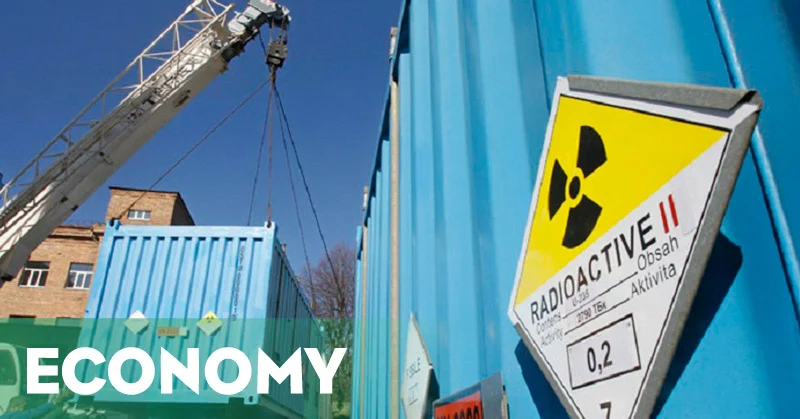
Tolak Pembangkit Listrik Nuklir, Pemerintah Dinilai Bermental Tempe

by Rifan Muazin September 13, 2026
written by Rifan Muazin

The debate surrounding Indonesia’s energy future intensified in November 2015 as the government aggressively pursued its ambitious 35,000-megawatt (MW) electrification megaproject. While the administration of President Joko Widodo aimed to bridge the archipelago’s energy deficit and extend power grid access to remote regions, its persistent exclusion of nuclear power drew sharp criticism from energy experts. Industry analysts argued that dismissing nuclear technology outright demonstrated a profound reluctance to embrace advanced engineering solutions necessary for long-term national energy security, labeling the government’s cautious stance as overly timid and shortsighted.

The controversy highlighted a fundamental tension in Indonesia’s national energy planning: balancing immediate capacity additions through conventional fossil fuels and renewable sources against the integration of high-yield, complex technologies like nuclear energy. As energy demand soared alongside rapid industrialization and population growth, experts warned that excluding nuclear power could leave the nation vulnerable to future supply constraints, price volatility, and heavy reliance on depleting fossil reserves.

Context and Background of the 35,000 MW Megaproject

Announced in early 2015, the 35,000 MW electrification program was designed as a cornerstone of Indonesia’s infrastructure development strategy. Decades of underinvestment in power generation had left millions of citizens—particularly across eastern Indonesia—without reliable access to electricity. The electrification ratio hovered below optimal levels, stunting economic productivity and regional development.

To achieve the 35,000 MW target within a compressed timeline, the state-owned electricity enterprise, Perusahaan Listrik Negara (PLN), alongside independent power producers (IPPs), focused heavily on coal-fired power plants, natural gas, and hydroelectric projects. Coal remained the backbone of Indonesia’s baseload power due to domestic abundance and low initial capital costs, despite growing global pressure to transition toward cleaner energy portfolios.

Amidst this massive mobilization of resources, the potential deployment of nuclear power—often discussed via the long-proposed Nuclear Power Plant (PLTN) initiatives in regions like Muria, Central Java—was effectively sidelined. Government officials repeatedly emphasized that nuclear energy would only be considered as a "last resort," citing public safety concerns, radioactive waste management challenges, high capital expenditures, and the availability of alternative domestic energy sources.

Expert Critiques and the "Mental Tempe" Analogy

The government’s dismissal of nuclear energy provoked strong reactions from academic and technical circles. Speaking in Jakarta on Friday, November 6, 2015, Iwa Garniwa, an energy observer and engineering expert from the University of Indonesia, voiced deep disappointment over the administration’s strategy. He argued that rejecting nuclear technology was tantamount to turning away from vital global technological advancements.

"I feel saddened to hear that; we exhibit resistance to technology," Garniwa stated. He emphasized that countries worldwide were successfully leveraging nuclear power to secure stable, high-capacity baseload energy, while Indonesia actively distanced itself from the sector.

Furthermore, Garniwa criticized the government’s framing of nuclear power as a "last resort," questioning the logic behind such a policy. He asked rhetorically whether policymakers intended to wait until natural water and solar resources were entirely depleted before turning to nuclear energy, warning that such a delayed approach would spell disaster for national development.

Addressing concerns regarding technical readiness and human resource constraints—often cited by policymakers as primary justifications for avoiding nuclear projects—Garniwa suggested a phased, scalable approach. He noted that Indonesia could begin by constructing smaller experimental or modular reactors, paired with rigorous maintenance and safety protocols, rather than dismissing the technology entirely.

Tolak Pembangkit Listrik Nuklir, Pemerintah Dinilai Bermental Tempe : Okezone Economy

To emphasize the timidity of the administration’s approach, Garniwa delivered a pointed critique: "Build a small one first, but maintain it properly. We act like tempe—technology that is already widely utilized abroad is what we distance ourselves from. That is tempe, I must say." The colloquial metaphor, comparing the government’s resolve to a soft soybean cake, underscored a perceived lack of backbone and courage in adopting advanced industrial technologies.

Technological and Economic Implications of Nuclear Sidelining

The debate over nuclear power in Indonesia involves complex trade-offs spanning economics, engineering, and environmental science. Proponents of nuclear energy argue that it offers unmatched advantages in terms of baseload stability, high energy density, and zero operational carbon emissions. Unlike solar and wind power, which are intermittent and require substantial battery storage or backup generation, nuclear reactors can operate continuously for months at high capacity factors.

However, the economic hurdles are substantial. Nuclear power plants require massive upfront capital investments, long construction lead times—often spanning a decade or more—and highly specialized regulatory frameworks. For a developing nation facing immediate electrification deficits, the high initial capital cost and long gestation periods of nuclear plants have traditionally made coal and gas appear more pragmatic for short-term capacity building.

Conversely, long-term energy planning models suggest that relying exclusively on coal and natural gas exposes Indonesia to severe macroeconomic risks. Fluctuating global commodity prices, carbon pricing mechanisms, and the eventual depletion of domestic fossil reserves necessitate a diversified energy mix. By excluding nuclear energy from the strategic roadmap, the government risked locking the nation into a high-carbon trajectory that could prove difficult and expensive to reverse in the future.

Broader Policy Debates and Regional Comparisons

During the 2015 policy discussions, Indonesia’s stance stood in contrast to several other Asian nations that were actively expanding or initiating civilian nuclear programs. Countries such as China, India, South Korea, and Russia were aggressively building new reactors to meet soaring industrial demand while reducing urban air pollution and carbon intensity. Meanwhile, neighboring Southeast Asian nations like Vietnam were exploring nuclear options before facing temporary policy pauses following international market shifts.

In Indonesia, public perception remained a significant hurdle. Memories of the 2011 Fukushima Daiichi nuclear disaster in Japan loomed large over public discourse, fueling apprehension regarding seismic activity, tsunami risks, and radioactive waste disposal in an archipelagic nation prone to earthquakes and volcanic eruptions. Proponents of nuclear energy argued that modern reactor designs, such as Generation III+ and Generation IV systems, incorporated passive safety features capable of mitigating catastrophic failure risks, but building public trust required extensive education and transparent regulatory oversight.

Subsequent Developments and Long-Term Outlook

While the immediate policy environment in late 2015 firmly relegated nuclear energy to the background of the 35,000 MW megaproject, the underlying debate over Indonesia’s energy transition persisted into the following decade. As global climate commitments tightened and net-zero emissions targets gained prominence, subsequent national energy master plans (RUPTL) periodically revisited the feasibility of nuclear power.

Discussions gradually shifted from whether Indonesia should adopt nuclear energy to when and how small modular reactors (SMRs) or commercial-scale plants might be integrated into the national grid to support deep decarbonization by mid-century. Nevertheless, the frustrations voiced by experts like Iwa Garniwa in 2015 reflected a recurring anxiety within Indonesia’s technical community: that bureaucratic caution and political hesitation might cause the nation to lag behind global technological frontiers in critical infrastructure sectors.

Ultimately, the controversy surrounding the rejection of nuclear power in the 35,000 MW megaproject served as a critical litmus test for Indonesia’s industrial ambition. It forced policymakers, engineers, and economists to grapple with the difficult balance between immediate pragmatism and future-proofing the nation’s energy architecture against the demands of a rapidly evolving global economy.


September 13, 2026 0 comment
0 FacebookTwitterPinterestEmail
Food & Culinary

Inul Daratista Hobi Kulineran hingga Punya Restoran Korea Halal

by Asep Darmawan September 13, 2026
written by Asep Darmawan

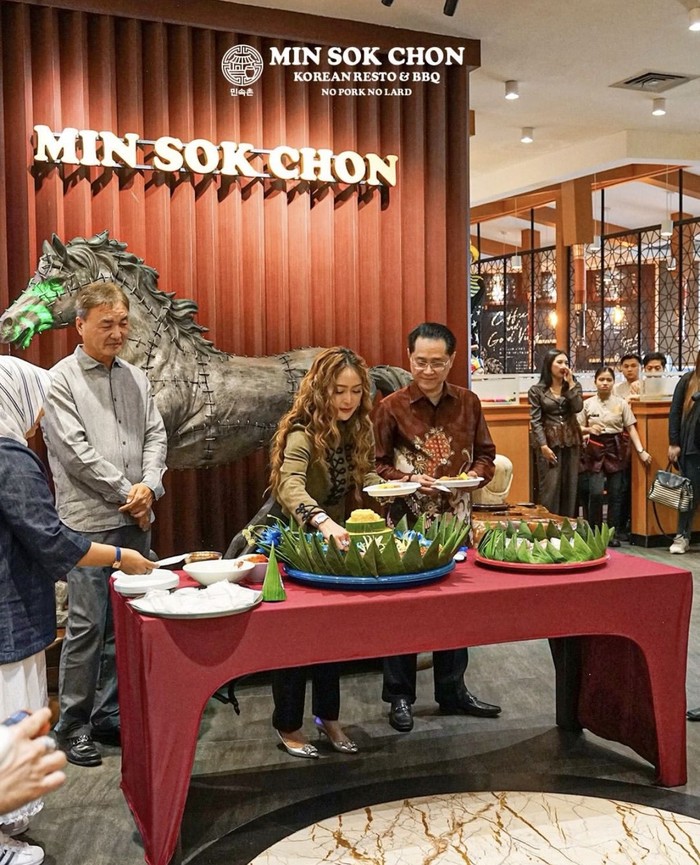
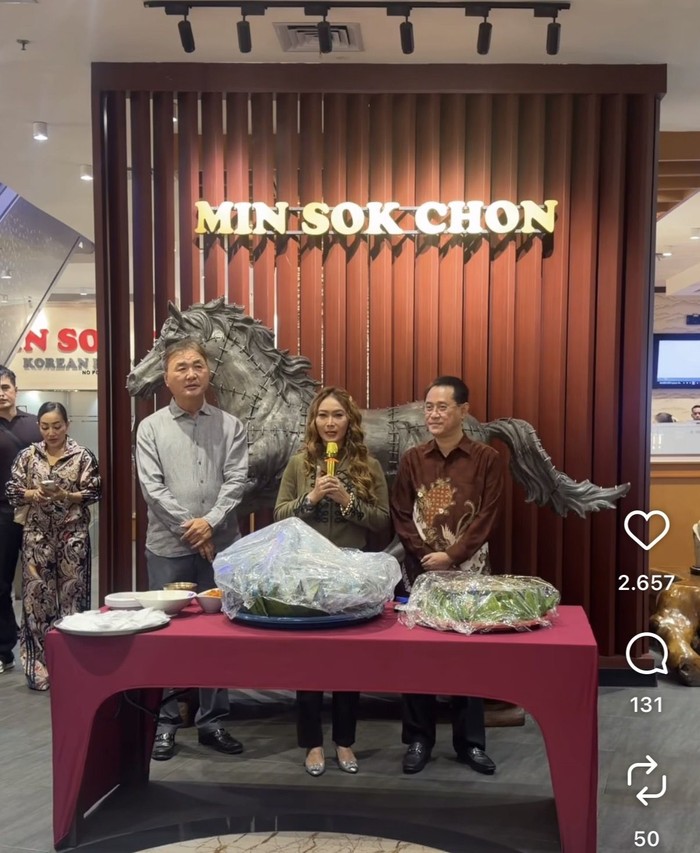
Inul Daratista, one of Indonesia’s most prominent dangdut singers and successful entrepreneurs, has once again captured the public’s attention, this time through her expanding footprint in the culinary industry. Beyond her high-profile musical career, the singer has cultivated a reputation as a passionate foodie and a strategic business owner. Her recent inauguration of a new Korean restaurant, Min Sok Chon, located at Central Park Mall 2 in West Jakarta, marks a significant milestone in her portfolio, signaling her commitment to providing authentic, halal-certified international dining experiences to the Indonesian market.

Inul Daratista Hobi Kulineran hingga Punya Restoran Korea Halal

The Intersection of Entertainment and Entrepreneurship

For decades, Inul Daratista has dominated the Indonesian entertainment landscape, balancing rigorous touring schedules with a burgeoning business empire. However, her Instagram feed has increasingly transitioned from exclusively musical updates to a curated look at her culinary explorations. This shift reflects a broader trend among Indonesian celebrities who are leveraging their personal brands to enter the food and beverage (F&B) sector.

The transition from performer to restaurateur is not merely a hobby for Inul; it is a calculated business move. Industry analysts suggest that celebrities with large, engaged followings—Inul currently boasts millions of followers—are uniquely positioned to reduce the high marketing costs typically associated with launching new restaurant concepts. By documenting her own culinary journey—from savoring local delicacies in Tegal to testing recipes in her home kitchen—she creates a narrative of authenticity that resonates with her audience.

Inul Daratista Hobi Kulineran hingga Punya Restoran Korea Halal

The Launch of Min Sok Chon: A Strategic Market Entry

The opening of Min Sok Chon is particularly noteworthy given the rising popularity of Korean culture (the "Hallyu Wave") in Indonesia. While many Korean restaurants exist in the capital, the challenge often lies in bridging the gap between authenticity and local dietary requirements, specifically the need for halal-certified options.

Min Sok Chon addresses this by offering a menu that focuses on "comfort food" and traditional Korean barbecue while maintaining strict adherence to halal standards. To ensure the authenticity of the flavors, Inul has taken the professional step of bringing in culinary experts directly from South Korea. This strategy is essential for high-end or specialized dining, as it mitigates the risk of "fusion fatigue" and ensures that the dining experience remains true to its cultural roots. The interior design of the establishment, described as classic Korean, further enhances the immersive experience, providing a thematic environment that extends beyond just the meal itself.

Inul Daratista Hobi Kulineran hingga Punya Restoran Korea Halal

A Chronology of Culinary Involvement

Inul’s journey into the food industry did not begin with her latest venture. She has previously established several culinary businesses, most notably "Dapur Jenk Minul," which focuses on traditional Indonesian dishes. Her social media archives reveal a long-standing interest in domestic labor and cooking; she frequently shares footage of herself preparing elaborate meals, ranging from traditional delicacies like Rawon (a dark beef soup) to baking complex cakes for special occasions.

This hands-on approach is a hallmark of her business management style. Unlike some celebrity owners who merely lend their names to a brand, Inul is frequently seen engaging with the production process. For instance, her collaboration with Chef Firhan, an alumnus of MasterChef Indonesia, to explore high-end seafood dining in Tegal, demonstrates her interest in professional culinary standards. These experiences appear to have informed her approach to managing her own kitchens, where she emphasizes quality control and a deep understanding of the supply chain.

Inul Daratista Hobi Kulineran hingga Punya Restoran Korea Halal

Market Trends: The Rise of Celebrity-Led F&B Ventures

The Indonesian F&B sector has witnessed a surge in celebrity-backed ventures. According to market data from the Indonesian Retailers Association (APRINDO), the lifestyle dining segment is expected to grow by 7-9% annually through 2030, driven by the expanding middle class and a younger demographic that values "Instagrammable" dining experiences.

Inul’s entry into this space is timely. By diversifying her income streams, she protects her financial stability against the volatility of the entertainment industry. Furthermore, by investing in a brick-and-mortar restaurant in a premium location like Central Park Mall, she signals a level of institutional confidence that distinguishes her from smaller, pop-up celebrity ventures. This long-term commitment to a physical establishment suggests a desire to build legacy assets that can function independently of her personal fame.

Inul Daratista Hobi Kulineran hingga Punya Restoran Korea Halal

Operational Excellence and Quality Assurance

One of the primary challenges in the celebrity restaurant model is maintaining consistency. Inul has addressed this by focusing on talent acquisition—specifically, importing chefs from Korea—and leveraging her existing infrastructure from her previous ventures.

The importance of the "halal" designation in the Indonesian market cannot be overstated. With the majority of the population identifying as Muslim, obtaining and maintaining halal certification is the single most critical factor for success in the mid-to-high-end restaurant category. By prioritizing this, Min Sok Chon positions itself to capture a wide demographic, from families seeking a safe dining option to the growing community of K-drama fans looking for an accessible, authentic experience.

Inul Daratista Hobi Kulineran hingga Punya Restoran Korea Halal

Broader Economic Implications

The economic footprint of such ventures extends beyond the restaurant itself. When a celebrity of Inul’s stature opens a business, it creates a ripple effect in local employment and supply chain demands. The restaurant sector is labor-intensive, and the creation of jobs in the West Jakarta area, combined with the sourcing of ingredients—which often involves local farmers and distributors—contributes positively to the local economy.

Moreover, the success of Min Sok Chon could serve as a case study for other artists. If the model proves sustainable, it may encourage a more professionalized approach to celebrity F&B investments, where the focus shifts from short-term promotional gain to long-term operational success. The integration of culinary arts into her brand profile also helps to humanize her public persona, moving her away from the one-dimensional "dangdut singer" label and towards that of a multifaceted businesswoman.

Inul Daratista Hobi Kulineran hingga Punya Restoran Korea Halal

Future Prospects and Sustained Growth

As Inul Daratista continues to balance her musical commitments with her entrepreneurial aspirations, the trajectory of her culinary career will be worth monitoring. The restaurant industry is notoriously competitive, with high failure rates in the first three years. However, Inul possesses two advantages that many entrepreneurs lack: a captive audience of millions and a demonstrated willingness to learn the technical aspects of the trade, as evidenced by her active involvement in the kitchen and her commitment to authentic staffing.

Looking ahead, the potential for expansion or franchising remains a logical next step for the Min Sok Chon brand. If the quality of the food and the consistency of the service can be maintained, there is no reason why the brand could not scale to other major cities across Indonesia.

Inul Daratista Hobi Kulineran hingga Punya Restoran Korea Halal

In conclusion, Inul Daratista’s evolution from a cultural icon to a serious F&B entrepreneur is a testament to her adaptability and business acumen. By bridging the gap between international culinary trends and local cultural requirements, she is not only satisfying a personal passion but is also contributing to the vibrant, growing landscape of the Indonesian hospitality sector. Her journey serves as a reminder that for many of today’s entertainers, the stage is only one of many platforms where they can leave a lasting impact on the public. Whether she is performing for thousands or overseeing the kitchen at Min Sok Chon, her focus remains on delivering an experience that resonates with her fans, effectively cementing her status as a pillar of both Indonesian entertainment and, increasingly, the national culinary industry.

September 13, 2026 0 comment
0 FacebookTwitterPinterestEmail
Travel & Tourism

Tanjung Lesung remains a secure and thriving tourism destination despite heightened volcanic activity at Mount Anak Krakatau

by Jia Lissa September 13, 2026
written by Jia Lissa

The tourism landscape in the Pandeglang Regency, specifically within the Tanjung Lesung Special Economic Zone (SEZ), remains largely unaffected by the current geological status of Mount Anak Krakatau. While the volcanic island situated in the Sunda Strait continues to maintain a Level III (Siaga/Alert) status, local authorities and industry stakeholders have confirmed that operations, visitor arrivals, and recreational activities are proceeding as scheduled. The prevailing consensus among experts and local officials is that the distance between the volcanic site and the mainland coast of Banten provides a significant buffer, ensuring that the primary tourism hubs in Pandeglang remain safe for travelers.

Contextualizing the Volcanic Activity of Mount Anak Krakatau

Mount Anak Krakatau, a volcanic cone that emerged from the caldera of the legendary 1883 Krakatoa eruption, has been a focal point of geological monitoring by the Indonesian Center for Volcanology and Geological Hazard Mitigation (PVMBG) for decades. The current Level III (Siaga) status indicates that the volcano is undergoing increased seismic and magmatic activity, necessitating a restricted zone around the summit. According to official guidelines, residents, tourists, and fishermen are strictly prohibited from entering a radius of five kilometers from the active crater.

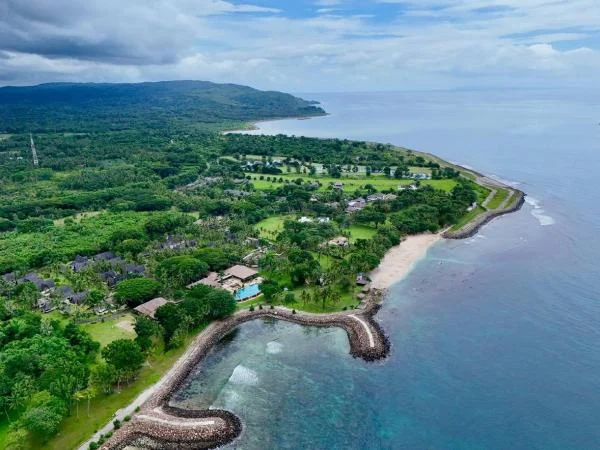
However, it is crucial to distinguish between the restricted maritime area surrounding the volcano and the coastal regions of the Banten province. Tanjung Lesung, a premier destination known for its white sand beaches and sport tourism facilities, is situated well outside the danger zones defined by the geological agency. The geographical separation serves as the primary safeguard for the regional tourism sector, preventing the volcanic activity from disrupting the local economy.

Visitor Sentiment and Operational Continuity

Despite the headlines surrounding the volcanic alert, the day-to-day operations at Tanjung Lesung have demonstrated remarkable resilience. Interviews with tourists arriving in the area suggest that the majority of travelers are performing due diligence by verifying information through official channels before proceeding with their itineraries.

Gunung Anak Krakatau Masih Siaga, Liburan ke Tanjung Lesung Aman?

Yanuar, a 39-year-old traveler from Jakarta who recently visited the region with his family, noted that the initial concern regarding volcanic news was quickly mitigated by the realization of the physical distance involved. "Before we finalized our travel plans, we took the time to check the official advisories and maps. Once we understood that Tanjung Lesung is geographically removed from the immediate hazard zone of Anak Krakatau, we felt confident in moving forward," Yanuar stated. He added that upon arrival, the atmosphere was tranquil, with children enjoying the coastal facilities and the hospitality sector operating without any visible signs of distress.

This sentiment is echoed by local hospitality operators who have observed that while inquiries regarding safety are common during periods of volcanic activity, actual cancellations remain minimal. The consistent flow of visitors highlights the success of effective public communication strategies, which have helped distinguish between genuine safety threats and routine volcanic monitoring updates.

The Economic Significance of Tanjung Lesung

Tanjung Lesung holds a strategic position in Indonesia’s national tourism strategy. Designated as a Special Economic Zone, the area is designed to integrate world-class recreational facilities, sustainable marine tourism, and professional sports infrastructure. The destination has increasingly pivoted toward "sport tourism," offering activities such as fishing tournaments, water sports, and endurance racing, which have helped diversify its appeal beyond traditional leisure tourism.

The stability of this zone is critical for the regional economy of Pandeglang. The tourism sector here supports thousands of jobs, ranging from hospitality staff and tour operators to local vendors and artisans. Any unfounded fear regarding volcanic safety poses a risk to these livelihoods, making the clear and objective dissemination of geological information a priority for both the government and the private sector.

Monitoring and Safety Protocols: A Multi-Agency Approach

The safety of coastal regions in the Sunda Strait is managed through a sophisticated network of monitoring stations. The PVMBG, in coordination with the National Disaster Management Agency (BNPB) and the Meteorology, Climatology, and Geophysics Agency (BMKG), operates continuous observation systems. These include seismic sensors, tiltmeters, and satellite imagery analysis, which provide real-time data on the volcanic island.

Gunung Anak Krakatau Masih Siaga, Liburan ke Tanjung Lesung Aman?

This data is used to inform the public and regional governments, allowing for evidence-based decision-making. Official protocols require that if activity levels shift, immediate notifications are disseminated through SMS alerts, community leaders, and official social media channels. As of the current reporting, no changes in the status of the coastal regions have been mandated. The authorities continue to emphasize that as long as the public remains outside the designated five-kilometer exclusion zone of the crater, daily life and tourism activities in coastal Banten can proceed normally.

Addressing Misconceptions and the Role of Information

In the digital age, the rapid spread of information—and occasionally, misinformation—can significantly impact travel patterns. When news of a volcanic eruption breaks, international and domestic media outlets often report on the event in a way that may lead casual readers to believe an entire region is affected.

Industry experts suggest that the "fear factor" associated with the name "Krakatau" is often more significant than the actual risk to the mainland. By providing clear context, such as the specific distance of the volcano from population centers and the precise nature of the alert level, stakeholders have been able to maintain a steady influx of tourists. Educational efforts are now being integrated into travel packages, where guests are provided with verified information on the geology of the region, turning a moment of uncertainty into an opportunity for geological education.

Future Outlook and Resilience

The long-term resilience of the tourism industry in Tanjung Lesung is underpinned by robust infrastructure and a proactive approach to crisis management. The development of early warning systems and the training of tourism personnel in emergency response have created a framework where safety is treated as a foundational element of the visitor experience.

Looking ahead, the focus for the region remains on sustainable growth. By promoting diverse activities—such as the emerging sport tourism market, which includes competitive fishing and professional water sports—Tanjung Lesung is building a multifaceted economy that is less susceptible to single-point disruptions. The authorities continue to monitor the situation at Mount Anak Krakatau with vigilance, ensuring that any shifts in data are translated into actionable, transparent, and accurate guidance for the public.

Gunung Anak Krakatau Masih Siaga, Liburan ke Tanjung Lesung Aman?

For travelers planning their trips to Banten, the message remains consistent: the region is open, safe, and ready to welcome visitors. By relying on official government portals and verified news sources, tourists can enjoy the unique natural beauty of the Tanjung Lesung coastline with full confidence in their safety. The interplay between the dynamic geological nature of the Indonesian archipelago and the development of the tourism industry continues to be a testament to the region’s ability to thrive in harmony with its natural environment.

In conclusion, the situation at Mount Anak Krakatau serves as a reminder of the necessity of maintaining a balanced perspective. While the volcano remains an active geological entity that demands respect and constant observation, it does not preclude the normalcy of daily life in the surrounding districts. The resilience displayed by both the tourism sector and the traveling public in Tanjung Lesung is a clear indicator that informed caution, rather than alarmism, is the best approach to navigating the unique challenges of a volcanic landscape.

September 13, 2026 0 comment
0 FacebookTwitterPinterestEmail
Travel & Tourism

The Evolution of Hospitality: 5 Historic Indonesian Hotels That Witnessed the Nation’s Independence and Still Stand Today

by Asro September 13, 2026
written by Asro

The modern landscape of Indonesian tourism is deeply intertwined with the architectural and infrastructural developments initiated during the Dutch colonial era. Following the opening of the Suez Canal in 1869, maritime trade routes between Europe and the Dutch East Indies flourished, dramatically reducing travel time and transforming the archipelago into an accessible frontier for international travelers. By the late 19th century, steamships operated by companies such as the Koninklijke Paketvaart-Maatschappij (KPM) began regularly docking at various ports across the islands, disgorging waves of European tourists, dignitaries, and businessmen seeking exotic leisure and commercial opportunities.

To accommodate this burgeoning influx of foreign visitors, the colonial administration, alongside private European and Armenian entrepreneurs, commissioned the construction of luxury accommodations primarily centered on the island of Java and later expanding to Bali. These establishments were designed not merely as places of lodging, but as symbols of European prestige, architectural innovation, and modern comfort in the tropics. Remarkably, despite the sweeping political upheavals, the Japanese occupation, the Indonesian National Revolution, and the rapid pace of modern modernization, several of these historic hotels have survived, successfully adapting to contemporary hospitality standards while rigorously preserving their rich architectural and historical heritage.

The Intersection of Architecture, Colonial Legacy, and Modern Tourism

The historical trajectory of Indonesia’s hospitality sector serves as a physical timeline of the nation’s socio-political transformation. Architectural historians note that these early hotels introduced Western building techniques adapted to tropical climates—featuring high ceilings, extensive verandas, open-air courtyards, and neoclassical or Art Deco facades. Over the decades, these properties transitioned from exclusive enclaves for colonial elites and international jet-setters into national landmarks that bore witness to critical milestones in Indonesian history, including the struggle for independence, the birth of the non-aligned movement, and the establishment of diplomatic ties.

Today, maintaining these heritage properties presents a complex operational challenge. Modern hospitality conglomerates and state-owned enterprises charged with their management must balance stringent historic preservation mandates with the installation of contemporary amenities, high-speed telecommunications, and rigorous safety standards demanded by today’s international travelers. Despite these challenges, these five historic hotels continue to operate, offering guests an immersive journey into the past without sacrificing modern luxury.

5 Hotel Bersejarah di Indonesia, Sudah Ada Sejak Masa Penjajahan!

1. Hotel Indonesia Kempinski Jakarta: A Symbol of Post-Colonial Ambition and Luxury

Standing proudly in the heart of the capital city, the Hotel Indonesia Kempinski Jakarta holds the distinction of being Indonesia’s first luxury five-star hotel. Its origins are deeply tied to the visionary nation-building projects of President Sukarno in the late 1950s and early 1960s. Funded partly through Japanese war reparations, the hotel was conceived to showcase a newly independent Indonesia to the global community and to serve as the primary athletes’ village for the IV Asian Games held in Jakarta in 1962.

Designed by the renowned American architectural firm Abel Sorenson and Associates, the hotel represented a radical departure from colonial architecture, embracing modernist international design principles. Upon its inauguration, it quickly became the social and political epicenter of Jakarta, hosting international diplomats, heads of state, and global celebrities. Over the decades, the property underwent extensive modernization, eventually coming under the management of the prestigious European luxury brand Kempinski.

The hotel’s historical significance was underscored in March 2020, when King Willem-Alexander and Queen Máxima of the Netherlands chose the property as their official residence during their historic state visit to Indonesia. To accommodate the royal couple, security protocols were significantly heightened, with the royal entourage occupying the hotel’s premier suites outfitted with specialized bulletproof glass. Currently managed as a benchmark of luxury in Southeast Asia, room rates at the Hotel Indonesia Kempinski generally begin at approximately Rp 2.98 million per night, fluctuating seasonally based on demand and economic indicators.

2. Hotel Majapahit Surabaya: The Crucible of the Indonesian National Revolution

Located on Tunjungan Street in Surabaya, the Hotel Majapahit stands as a solemn monument to the fierce determination of the Indonesian people during the National Revolution. Originally constructed in 1910 by the Sarkies Brothers—a prominent family of Armenian hoteliers renowned for developing luxury properties across Southeast Asia, including the Strand Hotel in Yangon and the Raffles Hotel in Singapore—the property originally opened under the name Hotel Oranje.

During the Dutch colonial era, Hotel Oranje was the premier social hub for European expatriates and sugar barons in East Java. Following the invasion of the Japanese imperial forces in 1942, the property was commandeered and renamed Hotel Yamato. However, the hotel’s most consequential chapter unfolded in September 1945, mere weeks after Indonesia proclaimed its independence.

5 Hotel Bersejarah di Indonesia, Sudah Ada Sejak Masa Penjajahan!

The establishment became the focal point of a tense standoff between defiant Indonesian nationalists and Dutch internees attempting to reassert colonial control. On September 19, 1945, tensions boiled over when Dutch representatives hoisted the Dutch tricolor flag (red, white, and blue) atop the hotel roof. Outraged by this perceived provocation, Indonesian youths stormed the building. Amid the ensuing scuffle, figures including Kusno Wibowo and Abdul Wahab managed to tear off the blue section of the flag, converting it into the red-and-white Indonesian national flag. This historic act of defiance directly precipitated the historic Battle of Surabaya on November 10, 1945.

Nationalized after the war and subsequently rebranded as Hotel Majapahit under the management of various hospitality groups, the property has undergone meticulous preservation to retain its 20th-century colonial elegance, characterized by sprawling tropical gardens, long corridors, and classic courtyards. Nightly rates for guests wishing to walk the historic halls begin at approximately Rp 985,125.

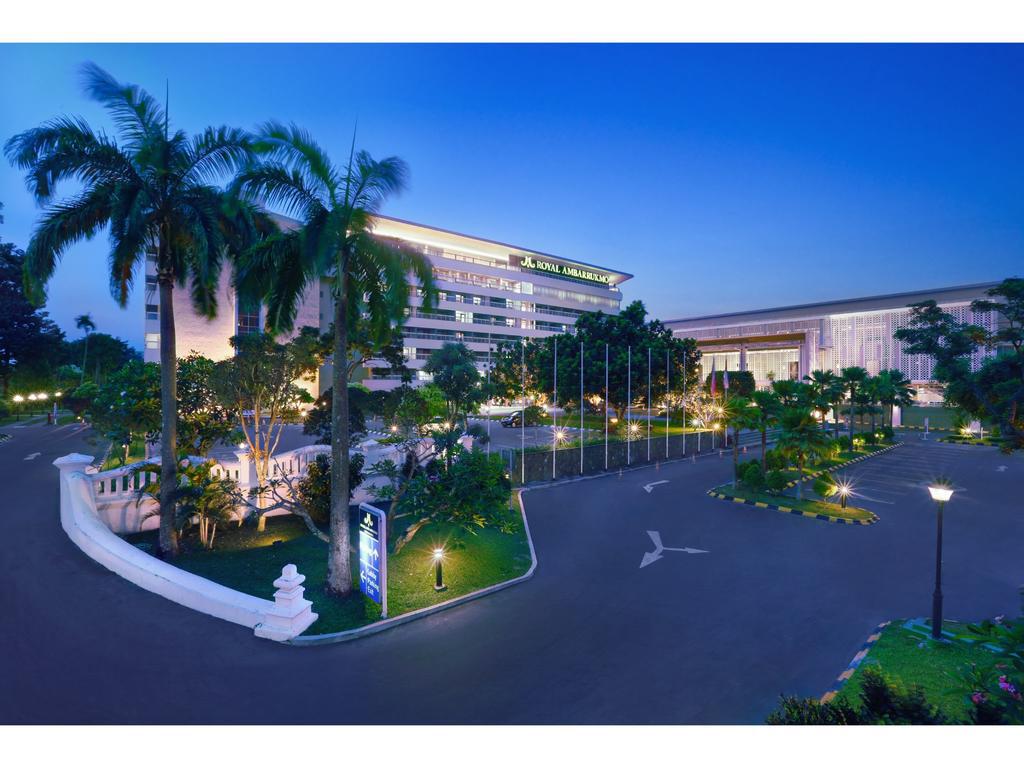
3. Royal Ambarrukmo Yogyakarta: Royal Heritage Meets Modern Elegance

Situated along Jalan Laksda Adisucipto in Depok, Yogyakarta, the Royal Ambarrukmo represents a unique fusion of Javanese royal heritage and modern hospitality infrastructure. The site was originally an ancient royal compound and pleasure garden (Pesanggrahan) commissioned by Sultan Hamengku Buwono V and later expanded by Sultan Hamengku Buwono VII in the 19th century as a residence for visiting colonial dignitaries and a retreat for the royal family.

In the mid-1960s, as part of President Sukarno’s nationwide push to establish international-grade tourism infrastructure, the Indonesian government transformed the adjacent grounds into a modern luxury hotel. Along with Hotel Indonesia in Jakarta, Bali Beach Hotel, and Hotel Ambarrukmo was officially inaugurated as one of the country’s first four international-standard hotels in 1966.

The integration of the original 19th-century Loji (administrative building) and the historic Bale Ambarrukmo pavilion within the hotel complex provides guests with direct access to tangible elements of Javanese royal history. Operating today as a five-star luxury property under regional management, Royal Ambarrukmo offers high-end amenities including championship golf access, expansive swimming pools, and traditional spa treatments, all while maintaining its cultural mandate to preserve Javanese arts and architecture. Accommodation rates start at approximately Rp 911,250 per night.

5 Hotel Bersejarah di Indonesia, Sudah Ada Sejak Masa Penjajahan!

4. Hotel Savoy Homann Bandung: An Art Deco Masterpiece on the Asia-Afrika Corridor

Positioned strategically on Jalan Asia-Afrika in Bandung—the historic venue of the 1955 Asian-African Conference—the Hotel Savoy Homann is an architectural icon of the Dutch colonial era, heavily celebrated for its striking Streamline Moderne and Art Deco design.

The history of the hotel dates back to the early 19th century when the Homann family, German immigrants, established a modest accommodation known for its legendary rijsttafel (traditional Indonesian feast) prepared by Mrs. Homann. As Bandung grew into the "Paris of Java," renowned for its progressive urban planning and European architectural experiments, the original structure was entirely demolished and redesigned in 1939 by the celebrated Dutch architect Albert Aalbers. Aalbers envisioned the building to mimic the sleek, aerodynamic curves of an ocean liner, complete with rounded balconies, porthole-like windows, and sweeping horizontal lines.

Renamed Savoy Homann in 1940 to reflect its elevated status, the hotel quickly attracted global luminaries. Most famously, the legendary silent film actor and comedian Charlie Chaplin stayed at the hotel during his travels through Java in the 1930s. During the 1955 Asian-African Conference, the hotel served as the primary residence for numerous international delegates and heads of state. Today, the hotel remains a vital landmark in Bandung’s heritage tourism sector, offering rooms starting at an accessible rate of approximately Rp 390,880 per night.

5. Inna Bali Heritage Hotel: Pioneering Luxury Tourism in the Island of the Gods

As the first modern luxury hotel established on the island of Bali, the Inna Bali Heritage Hotel (historically known as the Bali Hotel) represents the genesis of international tourism in Bali. Opened on August 22, 1927, in the heart of Denpasar, the hotel was constructed by the colonial government and KPM steamship lines to accommodate the growing number of foreign artists, anthropologists, and wealthy travelers arriving via steamship.

During the 1930s, the hotel served as a central hub for the burgeoning expatriate arts community in Bali, frequented by renowned painters, writers, and scholars such as Walter Spies, Miguel Covarrubias, and Margaret Mead, who found deep inspiration in Balinese culture. The property’s architecture successfully merges European colonial structural layouts with traditional Balinese aesthetic motifs, featuring open-air pavilions, lush tropical gardens, and carved stone reliefs.

5 Hotel Bersejarah di Indonesia, Sudah Ada Sejak Masa Penjajahan!

Operated today as a three-star heritage property, Inna Bali continues to offer guests an authentic glimpse into the early era of Balinese tourism development. With basic nightly rates starting at approximately Rp 270,000, it remains one of the most historically significant yet financially accessible heritage accommodations in Indonesia.

Economic and Strategic Implications for the Heritage Hospitality Sector

The continued operation of these historic hotels carries significant economic, cultural, and diplomatic implications for Indonesia. From an economic perspective, heritage hotels act as anchors for cultural tourism, attracting high-spending travelers interested in experiential and historical travel rather than standard resort vacations. According to hospitality analysts, properties that successfully integrate authentic historical narratives into their marketing strategies experience higher customer loyalty and greater resilience during economic downturns compared to standardized chain hotels.

Furthermore, these properties serve as active instruments of cultural diplomacy. Hosting international leaders, such as the Dutch royal family at Hotel Indonesia Kempinski or global delegates in Bandung and Yogyakarta, reinforces Indonesia’s image as a nation that respects its complex history while projecting forward-looking hospitality standards.

However, industry experts caution that managing heritage properties requires specialized regulatory frameworks. Governments and private operators must navigate strict conservation laws that often limit structural expansions, necessitating innovative engineering solutions to upgrade plumbing, electrical grids, and digital infrastructure without compromising historical structural integrity.

Ultimately, these five hotels transcend their commercial functions. They remain living archives of Indonesia’s national evolution—physical spaces where the complexities of colonial history, the fervor of the independence movement, and the aspirations of modern tourism converge under one roof. Guests and prospective travelers are advised to verify final booking rates directly through official channels or authorized platforms, as pricing is subject to seasonal demand fluctuations, local tax policies, and macroeconomic adjustments.

September 13, 2026 0 comment
0 FacebookTwitterPinterestEmail
National News

Food Security Expert Eko Hari Purnomo Emphasizes Zero-Tolerance Policy for Food Safety in Free Nutritious Meal Program

by Basiran September 13, 2026
written by Basiran

The ongoing national rollout of Indonesia’s flagship Free Nutritious Meal (Makan Bergizi Gratis or MBG) program has ignited crucial public discourse regarding food safety standards, oversight mechanisms, and the ethical obligation of institutional feeding initiatives. While administrators often lean on statistical metrics to measure the program’s vast scale and broad reach, food safety and resilience experts argue that numerical percentages cannot be applied when human health—particularly the well-being of children—is compromised.

Addressing the issue during an appearance on SindoNews TV’s program One On One, prominent food security and resilience expert Eko Hari Purnomo asserted that any incidence of food poisoning within the MBG program must never be trivialized as a statistical anomaly. His remarks underscore a fundamental tenet of public health administration: food, by its very definition, must be entirely safe for human consumption.

The Principle of Absolute Safety in Public Feeding

During the broadcast, Eko challenged the prevailing tendency among some policymakers and program managers to evaluate food safety incidents through a lens of probability and scale. When millions of meals are distributed daily across the archipelago, officials might be tempted to view a handful of food-borne illness cases as a negligible fraction of a percent. Eko firmly rejected this rationale.

"If we talk about food safety, I often say that we cannot look at it from the perspective of percentage—that because only 0.005 percent were poisoned, for example, it is considered small," Eko stated. "Why do I say that? Because food should be safe. If it is not safe, then it is not food."

Eko elaborated that true food safety leaves no room for acceptable casualties of illness. In his view, safety is achieved only when zero consumers fall ill after consuming a provided meal. This zero-tolerance philosophy sets a high benchmark for the thousands of centralized kitchens, catering partners, and logistical networks tasked with preparing and delivering daily rations to schools nationwide.

Background and Context of the Free Nutritious Meal Program

The Free Nutritious Meal program stands as one of the most ambitious social welfare and human capital development initiatives undertaken by the Indonesian government. Conceived to combat stunting, eradicate micronutrient deficiencies, and enhance the overall cognitive and physical development of the nation’s youth, the program targets tens of millions of students ranging from early childhood education levels up to high school.

The core objective of the initiative is straightforward yet transformative: ensure that every child, regardless of socioeconomic background, receives a balanced daily intake of proteins, carbohydrates, vitamins, and minerals. By improving the nutritional intake of the younger generation, the state aims to build a robust, highly productive workforce capable of steering Indonesia toward its long-term economic aspirations.

However, scaling a feeding program of this magnitude introduces unprecedented logistical hurdles. Sourcing raw ingredients from local farmers, maintaining cold chains in tropical climates, preparing hundreds of thousands of meals simultaneously, and transporting them safely to remote and urban schools alike requires meticulous coordination. Despite stringent standard operating procedures (SOPs), isolated incidents of food spoilage and subsequent mass stomachaches or poisoning have occasionally emerged, prompting intense public scrutiny and urgent calls for institutional accountability.

The Counterproductive Cycle of Food-Borne Illness

Eko highlighted the profound contradiction that occurs when a nutritional intervention inadvertently causes illness. The foundational premise of the MBG program is to fortify the body and enhance developmental outcomes. When contaminated or improperly handled food slips through the cracks of quality control, the intended benefits are entirely reversed.

"If the food is not safe, what happens? Not only do they fail to get nutrition, but the nutrition they already have in their bodies must be used for the healing process," Eko explained. "So it is far from the original goal."

When a child contracts a food-borne pathogen, the body diverts metabolic energy and essential nutrients toward fighting infection, managing gastrointestinal distress, and tissue repair. Consequently, instead of gaining weight, growing taller, or improving cognitive focus, the affected child experiences a setback in growth and academic attendance. Furthermore, such incidents risk eroding parental trust, creating apprehension within communities that should otherwise welcome the state-sponsored nutritional support.

Strengthening Oversight and Institutional Accountability

The academic community and independent watchdogs have closely monitored the government’s response to these challenges. Recent statements from scholars and policy analysts have praised the leadership of the National Nutrition Agency (Badan Gizi Nasional or BGN) for adopting a proactive and uncompromising stance on food safety enforcement.

Rather than downplaying isolated reports of food contamination, administrative heads have increasingly emphasized swift investigations, immediate suspension of non-compliant kitchen vendors, and the reinforcement of mandatory hygiene certifications. This administrative rigor is seen as vital to preserving the integrity of the program. Experts argue that transparency, rapid containment of compromised food batches, and rigorous auditing of supply chains are non-negotiable if the MBG program is to maintain public confidence.

Broader Implications and Future Recommendations

As the Free Nutritious Meal program continues its phased expansion, the insights provided by experts like Eko Hari Purnomo offer a clear roadmap for policymakers. Achieving sustainable success requires shifting the institutional mindset from mere quantitative output—counting how many millions of meals are served daily—to qualitative perfection, ensuring that every single meal meets absolute safety standards.

Key policy implications moving forward include:

  1. Decentralized Quality Control: Implementing mandatory, on-site food safety inspectors at every regional kitchen hub to test meals prior to dispatch.
  2. Vendor Accountability: Enforcing strict legal and operational penalties for catering partners that fail to adhere to Hazard Analysis Critical Control Point (HACCP) protocols.
  3. Community Feedback Loops: Establishing rapid-response reporting channels for schools and parents to flag any irregularities in meal appearance, taste, or odor before mass consumption occurs.
  4. Nutritional Integrity Audits: Regularly testing prepared meals at the point of delivery to ensure that nutrient degradation does not occur during transport and holding phases.

Ultimately, the success of Indonesia’s national nutrition crusade will not be judged solely by the sheer volume of plates distributed, but by the pristine safety and health outcomes of the children who consume them. By embracing a strict zero-tolerance approach to food safety, program administrators can safeguard both the physical health of the nation’s youth and the noble vision behind the initiative.

September 13, 2026 0 comment
0 FacebookTwitterPinterestEmail
National News

5 Fakta Kapal Virgo Terbalik Dihantam Ombak di Laut Jawa, Ratusan Orang dalam Pencarian

by Ali Ikhwan September 13, 2026
written by Ali Ikhwan

The maritime transportation sector in Indonesia is currently facing a significant crisis following the tragic capsizing of the KM Virgo Transport 8 in the Java Sea. The vessel, which was operating the vital Surabaya-Banjarmasin route, encountered catastrophic conditions that led to it overturning during the early hours of Sunday, September 13, 2026. As of Monday, September 14, 2026, a massive search and rescue operation involving joint task forces from the National Search and Rescue Agency (Basarnas), the Indonesian Navy, and the Water Police is underway to locate and evacuate the 243 individuals reported to be on board.

The incident has sent shockwaves through the national transportation network, raising urgent questions regarding maritime safety protocols, weather monitoring systems for commercial vessels, and the structural integrity of inter-island shipping in the face of increasingly unpredictable climate patterns.

Chronology of the Maritime Disaster

The sequence of events leading to the disaster began on Saturday, September 12, 2026, when the KM Virgo Transport 8 departed from Tanjung Perak Port in Surabaya, East Java. The vessel was scheduled for a routine crossing to Banjarmasin, South Kalimantan, a route frequently used for both passenger transport and logistics.

According to preliminary reports, the vessel maintained standard communication protocols throughout the initial leg of the voyage. However, the situation deteriorated rapidly as the ship navigated the deeper waters of the Java Sea. By the early hours of Sunday, September 13, 2026, at approximately 02:00 WITA (Central Indonesian Time), the vessel lost all communication with local port authorities.

At the time of the distress signal—or lack thereof—the vessel was estimated to be positioned approximately 80 nautical miles from the Basirih SAR Pier in Banjarmasin. Meteorological data for that timeframe indicated high-intensity weather systems, including heavy rainfall and significant wave heights, which are common in the Java Sea during seasonal transitions but proved insurmountable for the vessel under the prevailing circumstances.

Vessel Manifest and Passenger Demographics

Official records provided by the shipping operator indicate that the KM Virgo Transport 8 was carrying a total of 243 souls. The manifest breakdown is as follows:

  • 30 crew members, including the captain, engineering staff, and deck hands.
  • 213 passengers, comprising a mix of travelers returning to their hometowns and commercial commuters.

The presence of over 200 passengers highlights the significant reliance of local communities on sea transportation for inter-island connectivity. The sudden nature of the capsizing has left the families of those on board in a state of uncertainty, with authorities establishing command centers at both the Port of Surabaya and the Basirih Pier to provide real-time updates to waiting relatives.

The Role of Adverse Weather and Maritime Safety

The Java Sea is notorious for its complex navigational challenges, particularly the erratic weather patterns that can shift within minutes. While the investigation into the exact cause of the capsizing is ongoing, preliminary assessments point toward a combination of high-impact wave action and potential mechanical instability caused by the extreme sea state.

Maritime experts note that when a ship of the size and class of the KM Virgo Transport 8 encounters waves exceeding three meters—which were recorded in the area during the incident—the risk of "broaching to" or taking on water through vehicle decks increases exponentially. The incident serves as a stark reminder of the limitations of commercial vessels when faced with severe maritime turbulence.

5 Fakta Kapal Virgo Terbalik Dihantam Ombak di Laut Jawa, Ratusan Orang dalam Pencarian : Okezone News

Official Response and Search Operations

In the immediate aftermath of the loss of contact, the Indonesian authorities mobilized a multi-agency response. The "Joint Search and Rescue Team" (Tim SAR Gabungan) consists of:

  • Basarnas: Coordinating the aerial and maritime search grids, utilizing helicopters to scan the surface and rescue vessels to patrol the last known coordinates.
  • Indonesian Navy (TNI AL): Deploying patrol vessels to manage the search area and provide support for potential underwater search operations if the vessel is confirmed to have submerged.
  • Water Police (Polairud): Assisting in coastal monitoring and ensuring that the search zone remains clear of unauthorized traffic.

A spokesperson for the regional maritime authority emphasized that the search area is being expanded based on current modeling of ocean currents. "We are working against time and the elements. Our primary objective is to locate survivors in the debris field, followed by the recovery of the vessel to determine the specific failure points," the spokesperson noted.

Broader Implications for Indonesian Shipping

The sinking of the KM Virgo Transport 8 is not merely an isolated accident but a potential catalyst for a broader review of maritime safety regulations in Indonesia. Historically, the nation’s reliance on archipelagic shipping requires stringent adherence to safety standards.

Analysts suggest several areas that will likely come under government scrutiny in the coming weeks:

  1. Weather Warning Integration: The efficacy of real-time weather data transmission to commercial vessels. The question remains whether the vessel was advised to alter its course or delay departure due to the predicted storm front.
  2. Safety Equipment Readiness: An audit of the availability and functionality of life rafts, life vests, and emergency beacons on vessels operating on long-haul routes.
  3. Age and Maintenance of the Fleet: A review of the vessel’s maintenance records and its certification to operate in high-risk weather conditions.
  4. Communication Infrastructure: An evaluation of why the vessel lost contact so suddenly, potentially indicating a failure in the ship’s primary and secondary communication suites.

Economic and Social Impact

The disruption of the Surabaya-Banjarmasin route has immediate economic consequences. This route is a critical artery for the movement of people and goods between the islands of Java and Kalimantan. The loss of the vessel will likely cause delays in logistics, impacting supply chains for commodities and essential goods.

Beyond the economic sphere, the tragedy carries a profound social weight. The "14 September 2026" disaster will be marked as a significant day in the country’s modern maritime history. As the search operation continues, the focus remains on the humanitarian aspect—providing support to the victims’ families and ensuring that search efforts are as thorough as possible despite the challenging conditions in the Java Sea.

Looking Forward: Investigation and Accountability

As the investigation progresses, the National Transportation Safety Committee (KNKT) is expected to play a lead role in determining the cause of the disaster. This involves examining the ship’s logs, interviewing survivors—if any are found—and analyzing data from the Vessel Monitoring System (VMS).

Accountability will be a central theme in the upcoming parliamentary hearings regarding the incident. There is growing public demand for transparency regarding how the vessel was cleared for departure despite the reported weather conditions. Furthermore, the maritime industry will be watching closely to see if this incident results in stricter enforcement of the "No Sail" policy during extreme weather events.

For now, the focus of the nation remains firmly on the search and rescue teams currently braving the turbulent waters of the Java Sea. The international community, often observing the challenges of the Indonesian maritime landscape, continues to watch as the search grid narrows in hopes of finding survivors among the wreckage. The tragedy of the KM Virgo Transport 8 is a sobering reminder of the constant battle between human infrastructure and the unpredictable power of the ocean, highlighting the ongoing necessity for continuous improvement in safety, communication, and emergency response capabilities in the maritime sector.

As the sun rises over the search zone on this Monday morning, the families, the authorities, and the public wait with bated breath for any sign of progress in the search for the 243 people whose journey was interrupted by the unforgiving forces of nature. The story of the KM Virgo Transport 8 is still unfolding, and its final chapter will depend on the effectiveness of the current rescue mission and the subsequent thorough investigation into the systemic failures that allowed this tragedy to occur.

September 13, 2026 0 comment
0 FacebookTwitterPinterestEmail
Regional News

Adverse Weather Hampers Aerial Search Operations for Missing Journalists and Crew Members in the Sunda Strait

by Jia Lissa September 13, 2026
written by Jia Lissa

The ongoing search and rescue operations for five journalists and three vessel crew members who went missing in the treacherous waters of the Sunda Strait faced significant setbacks on Sunday, September 13, 2026, as severe weather conditions grounded critical aerial support units. Despite the deployment of a robust multi-agency joint task force, intermittent rain, high-velocity winds, and severely reduced visibility prevented the planned launch of search helicopters, forcing commanders to rely temporarily on maritime assets and shoreline sweeps.

The tragic incident, which has gripped the nation and drawn intense focus from media freedom organizations and maritime authorities alike, highlights the inherent dangers of conducting search and rescue missions in one of Indonesia’s most heavily navigated and dynamically complex maritime corridors. As the operation enters a critical phase, authorities remain steadfast in their commitment to locating the missing individuals, even as meteorological challenges continue to test the limits of emergency responders.

Current Operational Status and Weather Obstacles

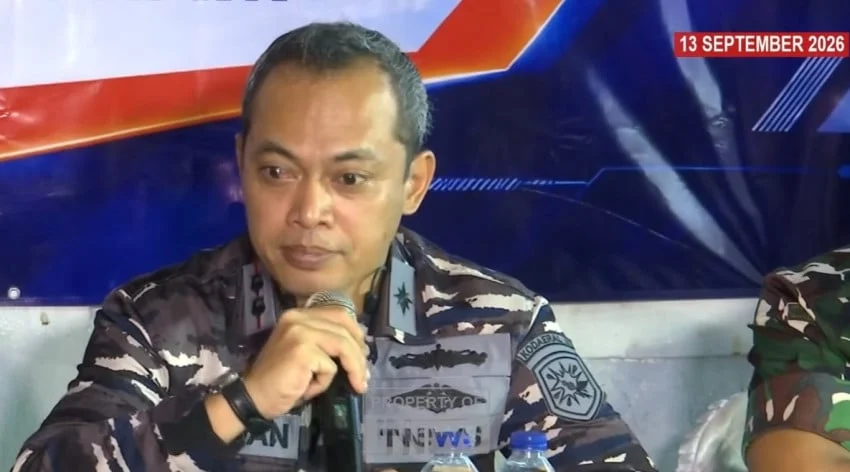
Speaking at a press conference held at the Carita Search and Rescue (SAR) Post, Commander of the Banten Naval Base (Danlanal), Lieutenant Colonel (P) Wawan Subagyo Mardani, provided a candid assessment of the operational hurdles confronting the joint task force. He confirmed that while the aviation units are fully prepped and personnel remain on high alert, safety protocols prohibit the deployment of helicopters under the current meteorological constraints.

Helicopter operations are currently restricted by adverse weather conditions, Lieutenant Colonel Wawan explained to members of the press. Although the aircraft cannot take off at this moment, the specialized aerial personnel remain stationed and are maintaining a strict standby posture, ready to mobilize the moment conditions improve.

The commander emphasized that the aerial component remains an indispensable element of the overarching SAR strategy. Coordination with the Head of the National Search and Rescue Agency (Kakansar) ensures that air support will be integrated back into the daily sortie schedule as soon as the skies clear and visibility parameters return to safe thresholds. The shared assessment among operational leaders is that forcing flights through heavy fog and turbulent squalls would unnecessarily endanger flight crews without guaranteeing effective coverage of the designated search zones.

Chronology of the Incident and Search Efforts

The maritime tragedy unfolded in early September 2026, when a vessel carrying a contingent of five media professionals and three maritime crew members lost all communication while traversing the Sunda Strait. The group was reportedly on assignment to document maritime conditions and local environmental developments when their vessel encountered extreme weather, leading to its disappearance.

Upon receiving distress notifications, the Indonesian Navy (TNI AL), in collaboration with the National SAR Agency (Basarnas), the Marine Police, and local volunteer networks, immediately initiated a comprehensive search operation. Over the course of the six-day mission, the operational footprint has expanded significantly, incorporating surface vessels, rubber boats, and specialized diving teams.

Throughout the week, the joint SAR team has systematically combed through designated sectors of the Sunda Strait, factoring in prevailing ocean currents, wind vectors, and tidal patterns supplied by the Meteorology, Climatology, and Geophysical Agency (BMKG). Despite continuous day-and-night efforts, physical evidence recovered thus far has been sparse, underscoring the vastness of the search area and the deep underwater topography characteristic of the strait.

Reinforcement of Maritime Assets

In response to the grounding of aerial units due to inclement weather, maritime commanders have pivoted to strengthen surface-level capabilities. Plans have been finalized to integrate additional naval assets into the operational grid to maintain momentum.

Tomorrow, major naval vessels, including KRI Leuser and the patrol craft KAL Pohawang, are scheduled to formally rejoin the active search grid in the Sunda Strait. These vessels bring advanced radar tracking systems, sonar capabilities, and larger operational ranges, which will significantly bolster the capacity of the surface fleet to scan deep-water sectors and difficult-to-reach coastal pockets where currents might have drifted the missing vessel or its occupants.

The introduction of KRI Leuser and KAL Pohawang represents a crucial tactical shift, compensating for the temporary absence of aerial reconnaissance. Naval planners anticipate that the specialized sonar equipment aboard these ships will be instrumental in identifying subsurface anomalies along the seabed of the strait.

Background Context of the Sunda Strait

The Sunda Strait, connecting the Java Sea to the Indian Ocean and separating the major islands of Java and Sumatra, is globally recognized as a vital maritime shipping lane. However, it is also notoriously treacherous for navigation. The strait is characterized by complex underwater bathymetry, strong tidal currents driven by water exchanges between two major oceans, and rapid, unpredictable weather shifts.

Furthermore, the presence of the Anak Krakatau volcano complex within the strait adds another layer of environmental volatility. Sudden seismic activity, localized atmospheric pressure changes, and abrupt squalls are frequent phenomena in this geographic zone, posing constant hazards to both commercial shipping and small-to-medium-scale watercraft.

The disappearance of the journalists and crew highlights the daily risks faced by media workers who venture into challenging environments to fulfill their reporting duties. Professional journalism in maritime and remote regions often requires reporters to place themselves in high-risk situations, making robust safety protocols and rapid emergency response systems paramount.

Official Responses and Stakeholder Reactions

The ongoing crisis has elicited widespread concern across Indonesia, prompting statements of solidarity from press councils, journalistic unions, and government officials. Media advocacy groups have expressed profound anxiety over the safety of their colleagues, while commending the relentless dedication of the search and rescue personnel working under arduous physical conditions.

Basarnas, along with the Indonesian Navy, has maintained a transparent communication channel with the families of the missing journalists and crew members, providing regular briefings at the Carita SAR Post. Psychological support teams have also been deployed to assist the families during this period of prolonged uncertainty.

In official statements, military and civilian leadership have reiterated that the search operation will continue unabated, subject to tactical adjustments dictated by weather windows. The unified command structure has stressed that no stone will be left unturned in the effort to account for all eight missing individuals.

Broader Implications for Maritime Safety and Media Protocols

As the search operation enters its critical second week, the incident has catalyzed broader discussions regarding maritime safety standards for vessels operating in volatile waters like the Sunda Strait. Experts in maritime logistics and media management are calling for a comprehensive review of safety equipment mandates, mandatory weather briefing protocols, and real-time tracking systems for all watercraft carrying non-military personnel on specialized assignments.

The operational challenges faced by Lieutenant Colonel Wawan and his team also underscore the critical need for advanced meteorological forecasting infrastructure tailored specifically to micro-climates within major straits and archipelagic waters. Enhanced forecasting tools would allow rescue coordinators to optimize deployment schedules, minimizing downtime caused by sudden weather shifts.

For now, the immediate focus of the state apparatus remains laser-focused on the primary objective: locating the five journalists and three crew members. As KRI Leuser and KAL Pohawang prepare to augment the surface fleet, and as search teams eagerly await a break in the weather to launch their grounded helicopters, the search grid across the Sunda Strait remains active, resolute, and braced for any breakthrough.

September 13, 2026 0 comment
0 FacebookTwitterPinterestEmail
Politics

Tragedy in Papua Pegunungan: Three Jayawijaya Agriculture Officials Killed in Targeted Armed Attack

by Neng Nana September 13, 2026
written by Neng Nana

The peaceful mission to provide agricultural aid to the remote communities of the Muliama District in Jayawijaya, Papua Pegunungan, ended in profound tragedy on Wednesday, September 9, 2026. A dedicated team from the Jayawijaya Agriculture Department, tasked with the noble objective of distributing livestock and farming supplies to local residents, was ambushed by an unidentified armed group. The attack resulted in the deaths of three government officials—Aprida Rapi, Alfonsius Albinus Mehan, and Wili Mbuik—an event that has sent shockwaves through the Indonesian civil service and ignited urgent calls for a review of security protocols for public servants working in conflict-prone regions.

The Chronology of the Attack

The incident occurred as the convoy was navigating the transit route toward the Kimbim region. Based on preliminary reports from the Papua Regional Police, the officials were traveling in an official vehicle designed to facilitate the transport of agricultural aid. According to witnesses and initial forensic evidence collected by law enforcement, the ambush occurred in a remote segment of the Muliama District.

The attack appeared to be calculated, suggesting that the assailants may have been tracking the movement of the government vehicle. Law enforcement officials at the scene recovered three bullet casings of varying calibers, indicating that multiple shooters were likely involved in the operation. The precision of the attack suggests a high level of coordination, a hallmark of the armed factions that have long operated within the mountainous terrain of the Papua region.

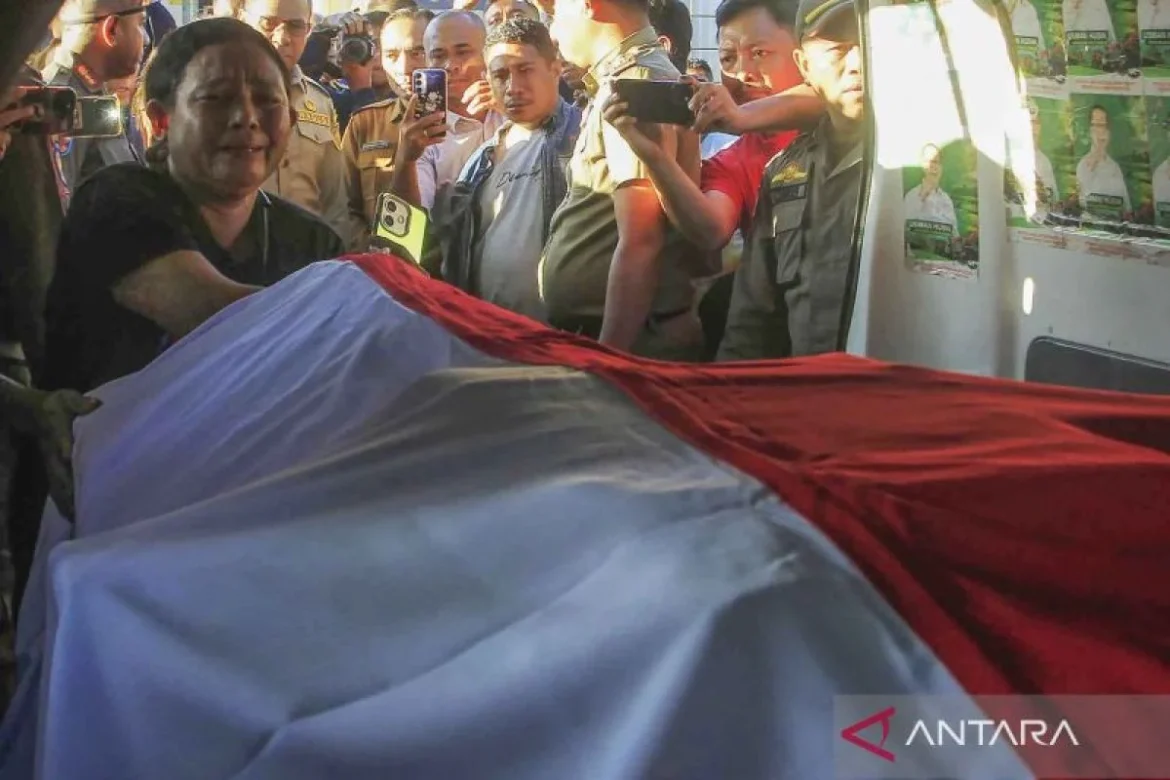
By the time security forces arrived to secure the area, the perpetrators had already retreated into the dense forest, leaving behind a grim scene. The bodies of the three victims were recovered and transported to Wamena, where they underwent post-mortem procedures before being prepared for return to their respective families.

Profiles of the Fallen Public Servants

The loss of these three individuals represents a significant blow to the agricultural development efforts in the Jayawijaya Regency. Each victim brought unique skills and commitment to the region’s food security programs.

Aprida Rapi (49)
As the Head of the Livestock Division for the Jayawijaya Agriculture Department, Aprida Rapi was a pillar of the local government. A native of Makale in Tana Toraja, she had dedicated her career to the advancement of animal husbandry in Papua. Her colleagues described her as a tireless civil servant who prioritized the welfare of the farmers she served. Her death leaves a significant void in the leadership of the department, as she was instrumental in planning the very distribution mission that claimed her life.

Alfonsius Albinus Mehan (35)
Dr. Alfonsius Albinus Mehan was a trained veterinarian whose expertise was vital to the success of livestock health programs in the highlands. Originally from the Sikka Regency in East Nusa Tenggara, he had moved to Papua to contribute to the regional development goals. His work involved not only the delivery of livestock but also the training of local farmers in animal disease prevention and herd management. His passing is a loss for both the local community and the veterinary profession.

Wili Mbuik
Wili Mbuik was a young civil servant (CPNS) who had only recently embarked on his career path with the Jayawijaya government. Hailing from Rote Ndao, East Nusa Tenggara, Wili represented the younger generation of public servants choosing to serve in the challenging environment of the Papua Pegunungan province. His death underscores the dangers faced by entry-level bureaucrats who are often sent to the front lines of regional administrative duties.

The Broader Security Context in Papua

The assassination of these three officials occurs against a backdrop of increasing instability in the Papua region. In recent months, authorities have been on high alert, particularly in anticipation of anniversaries or political movements that have historically been associated with heightened activity by armed insurgent groups.

The term "Black September" has been mentioned in official warnings by the Papua Regional Police, referring to a period often characterized by increased tensions and civil unrest. While authorities have urged the public to remain calm and avoid being provoked by misinformation, the reality on the ground remains volatile. This incident follows a series of sporadic attacks that have targeted not only military and police installations but increasingly, civilian infrastructure and government employees.

Official Responses and Government Condemnation

The response from the central government was swift and unequivocal. Minister of Agriculture Andi Amran Sulaiman expressed his deepest condolences to the families of the victims. In a formal statement, he emphasized that the officials were performing a humanitarian duty, seeking to alleviate poverty and improve the quality of life for the people of Papua through the provision of agricultural resources.

"The safety of our personnel must be a non-negotiable priority," the Minister stated, calling for a comprehensive review of the security arrangements for civil servants performing duties in high-risk areas. He further urged law enforcement agencies to conduct an exhaustive investigation to ensure that those responsible for this heinous act are brought to justice.

Similarly, the Ministry of Human Rights has demanded a thorough investigation, highlighting that the targeting of public servants who are engaged in civilian support missions is a direct affront to the rule of law and the humanitarian mission of the state.

Analysis: Implications for Regional Development

The murder of these officials presents a complex dilemma for the Indonesian government. Papua Pegunungan, as a relatively new province, relies heavily on the mobility of civil servants to implement the central government’s infrastructure and development programs. If government officials are no longer able to move safely between districts to distribute aid, the development gap between the highlands and the rest of the country will inevitably widen.

There are several critical implications to consider:

  1. Security-Development Nexus: The event illustrates the difficulty of implementing development policies in areas where security remains fragile. The "soft approach" of economic development is often countered by armed groups who view the presence of the state—even in the form of agricultural aid—as an encroachment on their influence.
  2. Psychological Impact on Personnel: The morale of civil servants stationed in Papua is likely to be severely shaken. Many staff members, particularly those from outside the region, may request transfers, leading to a "brain drain" of qualified personnel from areas that need them the most.
  3. Logistical Challenges: Future missions will likely require military or police escorts, which increases the cost of public service delivery and may further alienate the local population if the presence of security forces is perceived as heavy-handed.

The Path Forward: Investigation and Accountability

The Papua Regional Police are currently conducting a forensic analysis of the evidence recovered from the scene. Investigators are working to identify the specific group responsible, as several factions operate within the mountainous region, each with varying degrees of autonomy.

Authorities have pledged to track down the perpetrators, but they have also acknowledged the difficulty of navigating the rugged geography of the Muliama District. The investigation will also focus on intelligence failures: whether the risk profile of the route was properly assessed and why the convoy was traveling without adequate security, given the known volatility of the area.

As the nation mourns the loss of these three civil servants, the incident serves as a grim reminder of the high human cost of development in Indonesia’s easternmost provinces. For the families of Aprida, Alfonsius, and Wili, the tragedy is a personal catastrophe. For the state, it is a strategic and moral crisis that necessitates an immediate and robust response to ensure that the mission of public service does not continue to be paid for in blood. The investigation into the September 9 attack remains ongoing, with a national spotlight fixed on the ability of the government to restore order and protect those who serve the public interest in the face of violent opposition.

September 13, 2026 0 comment
0 FacebookTwitterPinterestEmail
Politics

Swedish Voters Head to Polls in High-Stakes Election That Could Reshape the Nation’s Political Landscape

by Sagoh September 13, 2026
written by Sagoh

Sweden entered a pivotal electoral cycle on Sunday, September 13, 2026, as citizens across the Nordic nation cast their ballots in a general election defined by intense polarization and uncertainty. The outcome of this contest is poised to determine whether the incumbent center-left coalition, led by Prime Minister Magdalena Andersson, retains its grip on power or if a reinvigorated right-wing bloc, anchored by the Sweden Democrats, will ascend to government for the first time in modern history.

The polling stations opened their doors at 08:00 local time (06:00 GMT), marking the culmination of a campaign season that has touched upon deep-seated anxieties regarding the economy, immigration policy, and the country’s role within the European Union. By the time the polls closed, the electorate had faced a binary choice: a continuation of the social-democratic model or a sharp pivot toward conservative governance.

A Nation at a Political Crossroads

The electoral map in Sweden has shifted dramatically over the past decade. Traditionally known for its robust welfare state and consensus-driven politics, Sweden has seen the rise of populist movements that have challenged the established order. Prime Minister Magdalena Andersson, who made history in 2021 as the first woman to lead the Swedish government, arrived at a polling station in her home municipality of Nacka, south of Stockholm, to cast her vote alongside her husband.

For Andersson, the stakes are existential. Her campaign has focused on the preservation of the Swedish model—a blend of free-market capitalism and extensive public services. However, she faces a formidable opponent in Ulf Kristersson, leader of the Moderate Party. Kristersson has spent the final weeks of the campaign weaving together an alliance that includes the controversial Sweden Democrats. This coalition represents a significant departure from the historical practice of excluding far-right elements from the halls of executive power.

Historical Context and the Rise of the Right

To understand the current political climate, one must look at the trajectory of the Sweden Democrats. Founded in the late 1980s, the party spent years on the fringes of Swedish political life, often dismissed by mainstream parties as xenophobic and radical. However, through a process of professionalization and a strategic shift in their messaging—focusing heavily on the intersection of migration, law and order, and national identity—the party has successfully moved into the mainstream.

In previous elections, the "cordon sanitaire" imposed by both center-left and center-right parties effectively neutralized the Sweden Democrats’ ability to influence government policy. The 2026 election cycle has shattered that barrier. Ulf Kristersson’s decision to engage in formal cooperation with the Sweden Democrats has fundamentally altered the political calculus, forcing voters to decide whether they are comfortable with the far-right gaining a seat at the cabinet table.

Chronology of the 2026 Election Campaign

The road to this Sunday’s vote was paved with significant political turbulence:

  • January 2026: The government faces intense scrutiny over rising energy costs and the lingering effects of global supply chain disruptions.
  • April 2026: Prime Minister Andersson’s administration announces a series of fiscal packages aimed at curbing inflation, yet polls show the right-wing bloc gaining momentum as the cost of living dominates public discourse.
  • June 2026: Formal debates solidify the divide between the two camps. The Sweden Democrats successfully frame the narrative around national security and crime, effectively peeling away voters from traditional center-right parties.
  • August 2026: The final month of campaigning sees the narrowing of the gap in polling data. While the left-leaning bloc initially maintained a comfortable lead, the "enthusiasm gap" favors the right, with rallies for the opposition seeing record attendance.
  • September 13, 2026: Election Day. Heavy voter turnout is reported across major urban centers, including Stockholm, Gothenburg, and Malmö, signaling high levels of civic engagement and public anxiety regarding the election’s outcome.

Key Issues Defining the Electorate

The debate among the Swedish public has been dominated by three primary pillars:

1. The Economy and Inflation: Like much of Europe, Sweden has been grappling with the aftermath of economic volatility. While the nation boasts a high GDP per capita, the average household has felt the pinch of stagnant wage growth and rising interest rates. The incumbent government’s ability to manage the transition to a post-fossil fuel economy while protecting social benefits has been a central point of contention.

Pemilu Swedia, Pemilih Berdatangan ke Tempat Pemungutan Suara : Okezone News

2. Immigration and Social Integration: For years, the Sweden Democrats have made immigration the cornerstone of their platform. In 2026, this rhetoric has found a broader audience, with voters expressing concerns about the pace of integration and the perceived impact on Swedish social cohesion. The left-wing bloc has struggled to counter this narrative, often finding themselves on the defensive regarding past integration policies.

3. Public Safety and Crime: A surge in gang-related violence in major Swedish cities has been a gift to the political right. Kristersson’s alliance has campaigned on a "law and order" platform, promising stricter sentencing and increased funding for police forces. Andersson’s camp has countered with a focus on education and social intervention, but many voters appear to be favoring the promise of immediate, punitive action.

Official Statements and Political Rhetoric

As the results began to trickle in, the rhetoric from party leaders underscored the gravity of the moment. Magdalena Andersson, speaking to the media shortly after casting her vote, emphasized the magnitude of the choice. "Now it is up to the Swedish people to decide which direction our country should take," she remarked. "Should we have a government that is entirely dominated by the Sweden Democrats—something that has never happened in Sweden before? Or should we have a government led by me, which will steer Sweden in a new spirit of cooperation?"

On the other side of the aisle, Ulf Kristersson’s camp projected confidence. While the Moderate Party has historically maintained a distance from the more extreme elements of the right, the party leadership has argued that a change in leadership is necessary to break the "paralysis" of the current administration. The alliance argues that the traditional left-wing coalition has run out of ideas and that only a right-wing government can provide the necessary structural reforms to revitalize the Swedish economy.

Analytical Implications: What’s at Stake?

The implications of this election extend far beyond Sweden’s borders. As a member of the European Union, Sweden’s shift toward a right-wing government would likely embolden similar movements across the Nordic region and the broader EU. If the Sweden Democrats gain influence, it could lead to a more skeptical stance on European integration, particularly regarding budget transfers and migration quotas.

From an economic perspective, investors are watching the election closely. Sweden’s stability has historically made it a prime location for international capital. A shift in government could signal changes in tax policy, labor market regulations, and the management of state-owned enterprises. While the right-wing bloc has promised business-friendly reforms, the uncertainty surrounding the stability of a potential coalition government remains a risk factor.

Furthermore, the result will serve as a bellwether for the future of social democracy in Europe. Sweden has long been the gold standard for the "Nordic Model." Should the electorate turn decisively toward the right, it may signal that even the most established welfare states are susceptible to the global trend of political polarization and the erosion of centrist consensus.

The Path Forward

Regardless of the final tally, the next few days will be defined by intense negotiations. Given the fragmented nature of the Swedish parliament, it is highly likely that no single party will secure an absolute majority. This will necessitate the formation of a coalition government, a process that can be protracted and fraught with compromise.

The role of the smaller parties—such as the Center Party, the Liberals, and the Greens—will be crucial. These parties find themselves in the role of kingmakers, holding the balance of power in a parliament that has become increasingly defined by two large, diametrically opposed blocs. Whether a stable government can be formed quickly or if the country faces a period of legislative deadlock remains to be seen.

As the sun sets on the 2026 election day, Sweden stands at a moment of profound transformation. The voices of the electorate, expressed through the ballot box, have sent a clear message that the status quo is no longer sufficient. Whether that message leads to a new era of conservative governance or a recalibrated left-wing administration, the path forward will undoubtedly be shaped by the deep divisions and high hopes that characterized this historic campaign. The world watches as one of Europe’s most stable democracies navigates a transition that could redefine its political identity for a generation.

September 13, 2026 0 comment
0 FacebookTwitterPinterestEmail
Business & Economy

US Department of Commerce Imposes Steep Tariffs on Solar Cell and Panel Imports from Indonesia India and Laos

by Layla Zulfa September 13, 2026
written by Layla Zulfa

The United States Department of Commerce has finalized a significant trade enforcement action, imposing heavy countervailing and antidumping duties on solar cells and modules imported from Indonesia, India, and Laos. This decision follows an extensive investigation into allegations of unfair trade practices, specifically focusing on government subsidies and dumping—a practice where goods are exported at prices lower than their fair market value. For Indonesian producers, the new financial barriers are substantial, with countervailing duties (CVD) ranging from 73.2% to 173.7%, coupled with an antidumping duty (AD) margin of 94.36%. These figures represent a profound shift in the landscape of renewable energy trade, signaling a more aggressive stance by Washington toward protecting its domestic solar manufacturing base.

The Scope of the Trade Enforcement Action

The Department of Commerce’s final determination marks the conclusion of a complex investigation triggered by petitions from the Alliance for American Solar Manufacturing and Trade. This coalition, which represents major domestic solar manufacturers including First Solar, Hanwha Qcells, and Mission Solar Energy, argued that the influx of low-priced imports from these three Southeast and South Asian nations has severely undermined the competitiveness of the American solar industry.

According to the official Department of Commerce report, the margin assessments are punitive in nature. India faces an antidumping margin of 123.04% and countervailing duties of 126.09%. Laos, which has emerged as a significant hub for solar manufacturing, has been hit with antidumping duties of 65.43% and countervailing duties ranging between 82.03% and 153.67%. These percentages are additive, meaning the total effective tariff burden on a single shipment could, in some scenarios, exceed 200% of the product’s declared value, effectively pricing these imports out of the U.S. market.

Chronology of the Dispute

The escalation of this trade conflict did not occur in a vacuum. It is the latest chapter in a multi-year effort by U.S. manufacturers to curb reliance on foreign-manufactured solar components.

  1. Early 2024: The Alliance for American Solar Manufacturing and Trade filed formal petitions with the U.S. government, claiming that manufacturers in these specific countries were receiving illegal subsidies that allowed them to undercut American prices.
  2. Mid-2024: The Department of Commerce initiated an official investigation, citing sufficient evidence to warrant a probe into the pricing and manufacturing incentives provided by the governments of Indonesia, India, and Laos.
  3. Q3 2024: Preliminary findings were released, suggesting that the allegations of dumping and subsidization held merit. This led to the temporary imposition of cash deposit requirements on imports from the affected countries.
  4. September 13, 2026: The Department of Commerce announced its final determination, confirming the high duty rates and setting the stage for the final legal phase of the process.
  5. October 14, 2026 (Scheduled): The U.S. International Trade Commission (USITC) is expected to issue a final ruling on whether these imports have caused "material injury" or threatened the viability of the domestic solar industry.

The Motivation Behind the Protective Measures

The core objective of the Alliance for American Solar Manufacturing and Trade is to rectify what it describes as a distorted market. Tim Brightbill, the lead counsel for the Alliance, emphasized in a recent statement that the decision is a "vital step toward enforcing our trade laws and restoring fair competition."

For the U.S. solar industry, the argument is centered on the concept of the "level playing field." Proponents of the tariffs argue that while the global shift toward renewable energy is essential, the transition cannot be built on a foundation of artificially cheap imports that bankrupt domestic factories. The U.S. has invested heavily in its own manufacturing capacity through the Inflation Reduction Act (IRA), which provides generous tax credits for domestic clean energy production. Policymakers worry that if the domestic market is flooded with cheap, subsidized foreign panels, the domestic manufacturing renaissance intended by the IRA will fail to gain traction.

Broader Economic and Industrial Implications

The imposition of such high tariffs carries profound implications for the global solar supply chain. Indonesia, India, and Laos have invested heavily in becoming global hubs for solar cell assembly. The abrupt loss of access to the U.S. market—the world’s second-largest solar market—threatens to cause a glut of inventory in these regions and may force manufacturers to pivot toward other markets, such as the European Union or Latin America.

For the United States, the impact is double-edged. While the tariffs are a win for the manufacturing sector, they present a challenge for the solar installation and project development industry. Many American solar project developers rely on these cost-effective imports to keep the price of utility-scale solar installations manageable. If the supply of affordable panels is suddenly cut off or taxed to the point of being cost-prohibitive, the cost of installing solar power in the U.S. could rise, potentially slowing the pace of the country’s decarbonization efforts.

Analysts suggest that this decision may force a "near-shoring" of the supply chain. Manufacturers currently operating in Indonesia or India may seek to establish joint ventures or wholly-owned subsidiaries within the United States or in countries that have free trade agreements with the U.S. to bypass these tariffs. However, building out such manufacturing capacity takes years and significant capital, meaning the short-term impact will likely be market volatility and potential project delays for renewable energy developers.

The Role of the USITC and Final Hurdles

While the Department of Commerce has set the duty rates, the final legal hurdle rests with the U.S. International Trade Commission (USITC). The Commerce Department’s role is to calculate the amount of dumping and subsidies, but the USITC is tasked with determining the "injury." If the USITC determines that the domestic industry has not been materially harmed by these imports, the tariffs could theoretically be revoked.

However, given the current political climate in Washington, which is increasingly focused on industrial policy and protectionism, the likelihood of a reversal is considered low. The USITC’s mandate requires an objective look at market data, but the overwhelming consensus among trade experts is that the administration is committed to protecting the "Made in USA" solar sector.

A Shifting Geopolitical Landscape

The timing of this decision also coincides with broader geopolitical trends, including the push by nations within the BRICS framework to reduce reliance on the U.S. dollar and reconsider trade dependencies. While the solar tariff issue is primarily a commercial dispute, it reflects a growing trend of "economic security" taking precedence over traditional free-trade principles.

Indonesia, as a major player in the global nickel and energy mineral markets, is increasingly viewing solar manufacturing as a key pillar of its downstream industrialization strategy. The tariffs may prompt Jakarta to seek closer trade ties with other emerging economies or to challenge the U.S. stance through the World Trade Organization (WTO). Such a challenge would be a lengthy and arduous process, but it highlights the potential for this trade action to sour diplomatic relations in the long term.

Conclusion: Navigating the Solar Future

The solar industry stands at a crossroads. On one side is the need for rapid, low-cost deployment of clean energy to meet climate targets; on the other is the strategic imperative to ensure that the hardware for this transition is not entirely dependent on foreign competitors who benefit from state support.

The Department of Commerce’s decision to impose these massive tariffs is a bold statement that the United States is willing to absorb higher costs in the short term to secure its industrial future. Whether this gamble pays off by fostering a robust and sustainable domestic solar manufacturing base, or whether it ultimately results in higher energy costs for American consumers, remains to be seen. As the October 14 deadline for the USITC ruling approaches, investors, policy analysts, and industry leaders are bracing for a period of significant recalibration in the global renewable energy market. The era of low-cost, globalized solar trade is clearly under siege, and the ripple effects of this decision will be felt across the global economy for years to come.

September 13, 2026 0 comment
0 FacebookTwitterPinterestEmail
Newer Posts
Older Posts

Recent Posts

  • Roy Suryo Claims No Record of Gibran Rakabuming Raka at UTS Insearch Following Direct Investigation in Australia
  • Rapat dengan Presiden BMKG Bahas Cara Padamkan Karhutla dari Dalam Tanah
  • BMKG Head Teuku Faisal Fathani Unveils Shallow Drilling Technique to Combat Forest and Land Fires in Peatlands
  • The Rise and Fall of the Indonesian Communist Party: A Historical Overview of Political Transformation and Conflict
  • Angkatan Laut AS Akui 8 Upaya Bunuh Diri di Gugus Tempur Kapal Induknya

Recent Comments

No comments to show.
  • Facebook
  • Twitter

@2021 - All Right Reserved. Designed and Developed by PenciDesign


Back To Top
Dara News Media
  • Home
  • About Us
  • Contact Us
  • Cookies Policy
  • Disclaimer
  • DMCA
  • Privacy Policy
  • Terms and Conditions

We are using cookies to give you the best experience on our website.

You can find out more about which cookies we are using or switch them off in .

Dara News Media
Powered by  GDPR Cookie Compliance
Privacy Overview

This website uses cookies so that we can provide you with the best user experience possible. Cookie information is stored in your browser and performs functions such as recognising you when you return to our website and helping our team to understand which sections of the website you find most interesting and useful.

Strictly Necessary Cookies

Strictly Necessary Cookie should be enabled at all times so that we can save your preferences for cookie settings.