• Home
  • About Us
  • Contact Us
  • Cookies Policy
  • Disclaimer
  • DMCA
  • Privacy Policy
  • Terms and Conditions
Dara News Media
keep your memories alive
Regional News

Adverse Weather Hampers Aerial Search Operations for Missing Journalists and Crew Members in the Sunda Strait

by Jia Lissa September 13, 2026
written by Jia Lissa

The ongoing search and rescue operations for five journalists and three vessel crew members who went missing in the treacherous waters of the Sunda Strait faced significant setbacks on Sunday, September 13, 2026, as severe weather conditions grounded critical aerial support units. Despite the deployment of a robust multi-agency joint task force, intermittent rain, high-velocity winds, and severely reduced visibility prevented the planned launch of search helicopters, forcing commanders to rely temporarily on maritime assets and shoreline sweeps.

The tragic incident, which has gripped the nation and drawn intense focus from media freedom organizations and maritime authorities alike, highlights the inherent dangers of conducting search and rescue missions in one of Indonesia’s most heavily navigated and dynamically complex maritime corridors. As the operation enters a critical phase, authorities remain steadfast in their commitment to locating the missing individuals, even as meteorological challenges continue to test the limits of emergency responders.

Current Operational Status and Weather Obstacles

Speaking at a press conference held at the Carita Search and Rescue (SAR) Post, Commander of the Banten Naval Base (Danlanal), Lieutenant Colonel (P) Wawan Subagyo Mardani, provided a candid assessment of the operational hurdles confronting the joint task force. He confirmed that while the aviation units are fully prepped and personnel remain on high alert, safety protocols prohibit the deployment of helicopters under the current meteorological constraints.

Helicopter operations are currently restricted by adverse weather conditions, Lieutenant Colonel Wawan explained to members of the press. Although the aircraft cannot take off at this moment, the specialized aerial personnel remain stationed and are maintaining a strict standby posture, ready to mobilize the moment conditions improve.

The commander emphasized that the aerial component remains an indispensable element of the overarching SAR strategy. Coordination with the Head of the National Search and Rescue Agency (Kakansar) ensures that air support will be integrated back into the daily sortie schedule as soon as the skies clear and visibility parameters return to safe thresholds. The shared assessment among operational leaders is that forcing flights through heavy fog and turbulent squalls would unnecessarily endanger flight crews without guaranteeing effective coverage of the designated search zones.

Chronology of the Incident and Search Efforts

The maritime tragedy unfolded in early September 2026, when a vessel carrying a contingent of five media professionals and three maritime crew members lost all communication while traversing the Sunda Strait. The group was reportedly on assignment to document maritime conditions and local environmental developments when their vessel encountered extreme weather, leading to its disappearance.

Upon receiving distress notifications, the Indonesian Navy (TNI AL), in collaboration with the National SAR Agency (Basarnas), the Marine Police, and local volunteer networks, immediately initiated a comprehensive search operation. Over the course of the six-day mission, the operational footprint has expanded significantly, incorporating surface vessels, rubber boats, and specialized diving teams.

Throughout the week, the joint SAR team has systematically combed through designated sectors of the Sunda Strait, factoring in prevailing ocean currents, wind vectors, and tidal patterns supplied by the Meteorology, Climatology, and Geophysical Agency (BMKG). Despite continuous day-and-night efforts, physical evidence recovered thus far has been sparse, underscoring the vastness of the search area and the deep underwater topography characteristic of the strait.

Reinforcement of Maritime Assets

In response to the grounding of aerial units due to inclement weather, maritime commanders have pivoted to strengthen surface-level capabilities. Plans have been finalized to integrate additional naval assets into the operational grid to maintain momentum.

Tomorrow, major naval vessels, including KRI Leuser and the patrol craft KAL Pohawang, are scheduled to formally rejoin the active search grid in the Sunda Strait. These vessels bring advanced radar tracking systems, sonar capabilities, and larger operational ranges, which will significantly bolster the capacity of the surface fleet to scan deep-water sectors and difficult-to-reach coastal pockets where currents might have drifted the missing vessel or its occupants.

The introduction of KRI Leuser and KAL Pohawang represents a crucial tactical shift, compensating for the temporary absence of aerial reconnaissance. Naval planners anticipate that the specialized sonar equipment aboard these ships will be instrumental in identifying subsurface anomalies along the seabed of the strait.

Background Context of the Sunda Strait

The Sunda Strait, connecting the Java Sea to the Indian Ocean and separating the major islands of Java and Sumatra, is globally recognized as a vital maritime shipping lane. However, it is also notoriously treacherous for navigation. The strait is characterized by complex underwater bathymetry, strong tidal currents driven by water exchanges between two major oceans, and rapid, unpredictable weather shifts.

Furthermore, the presence of the Anak Krakatau volcano complex within the strait adds another layer of environmental volatility. Sudden seismic activity, localized atmospheric pressure changes, and abrupt squalls are frequent phenomena in this geographic zone, posing constant hazards to both commercial shipping and small-to-medium-scale watercraft.

The disappearance of the journalists and crew highlights the daily risks faced by media workers who venture into challenging environments to fulfill their reporting duties. Professional journalism in maritime and remote regions often requires reporters to place themselves in high-risk situations, making robust safety protocols and rapid emergency response systems paramount.

Official Responses and Stakeholder Reactions

The ongoing crisis has elicited widespread concern across Indonesia, prompting statements of solidarity from press councils, journalistic unions, and government officials. Media advocacy groups have expressed profound anxiety over the safety of their colleagues, while commending the relentless dedication of the search and rescue personnel working under arduous physical conditions.

Basarnas, along with the Indonesian Navy, has maintained a transparent communication channel with the families of the missing journalists and crew members, providing regular briefings at the Carita SAR Post. Psychological support teams have also been deployed to assist the families during this period of prolonged uncertainty.

In official statements, military and civilian leadership have reiterated that the search operation will continue unabated, subject to tactical adjustments dictated by weather windows. The unified command structure has stressed that no stone will be left unturned in the effort to account for all eight missing individuals.

Broader Implications for Maritime Safety and Media Protocols

As the search operation enters its critical second week, the incident has catalyzed broader discussions regarding maritime safety standards for vessels operating in volatile waters like the Sunda Strait. Experts in maritime logistics and media management are calling for a comprehensive review of safety equipment mandates, mandatory weather briefing protocols, and real-time tracking systems for all watercraft carrying non-military personnel on specialized assignments.

The operational challenges faced by Lieutenant Colonel Wawan and his team also underscore the critical need for advanced meteorological forecasting infrastructure tailored specifically to micro-climates within major straits and archipelagic waters. Enhanced forecasting tools would allow rescue coordinators to optimize deployment schedules, minimizing downtime caused by sudden weather shifts.

For now, the immediate focus of the state apparatus remains laser-focused on the primary objective: locating the five journalists and three crew members. As KRI Leuser and KAL Pohawang prepare to augment the surface fleet, and as search teams eagerly await a break in the weather to launch their grounded helicopters, the search grid across the Sunda Strait remains active, resolute, and braced for any breakthrough.

September 13, 2026 0 comment
0 FacebookTwitterPinterestEmail
Politics

Tragedy in Papua Pegunungan: Three Jayawijaya Agriculture Officials Killed in Targeted Armed Attack

by Neng Nana September 13, 2026
written by Neng Nana

The peaceful mission to provide agricultural aid to the remote communities of the Muliama District in Jayawijaya, Papua Pegunungan, ended in profound tragedy on Wednesday, September 9, 2026. A dedicated team from the Jayawijaya Agriculture Department, tasked with the noble objective of distributing livestock and farming supplies to local residents, was ambushed by an unidentified armed group. The attack resulted in the deaths of three government officials—Aprida Rapi, Alfonsius Albinus Mehan, and Wili Mbuik—an event that has sent shockwaves through the Indonesian civil service and ignited urgent calls for a review of security protocols for public servants working in conflict-prone regions.

The Chronology of the Attack

The incident occurred as the convoy was navigating the transit route toward the Kimbim region. Based on preliminary reports from the Papua Regional Police, the officials were traveling in an official vehicle designed to facilitate the transport of agricultural aid. According to witnesses and initial forensic evidence collected by law enforcement, the ambush occurred in a remote segment of the Muliama District.

The attack appeared to be calculated, suggesting that the assailants may have been tracking the movement of the government vehicle. Law enforcement officials at the scene recovered three bullet casings of varying calibers, indicating that multiple shooters were likely involved in the operation. The precision of the attack suggests a high level of coordination, a hallmark of the armed factions that have long operated within the mountainous terrain of the Papua region.

By the time security forces arrived to secure the area, the perpetrators had already retreated into the dense forest, leaving behind a grim scene. The bodies of the three victims were recovered and transported to Wamena, where they underwent post-mortem procedures before being prepared for return to their respective families.

Profiles of the Fallen Public Servants

The loss of these three individuals represents a significant blow to the agricultural development efforts in the Jayawijaya Regency. Each victim brought unique skills and commitment to the region’s food security programs.

Aprida Rapi (49)
As the Head of the Livestock Division for the Jayawijaya Agriculture Department, Aprida Rapi was a pillar of the local government. A native of Makale in Tana Toraja, she had dedicated her career to the advancement of animal husbandry in Papua. Her colleagues described her as a tireless civil servant who prioritized the welfare of the farmers she served. Her death leaves a significant void in the leadership of the department, as she was instrumental in planning the very distribution mission that claimed her life.

Alfonsius Albinus Mehan (35)
Dr. Alfonsius Albinus Mehan was a trained veterinarian whose expertise was vital to the success of livestock health programs in the highlands. Originally from the Sikka Regency in East Nusa Tenggara, he had moved to Papua to contribute to the regional development goals. His work involved not only the delivery of livestock but also the training of local farmers in animal disease prevention and herd management. His passing is a loss for both the local community and the veterinary profession.

Wili Mbuik
Wili Mbuik was a young civil servant (CPNS) who had only recently embarked on his career path with the Jayawijaya government. Hailing from Rote Ndao, East Nusa Tenggara, Wili represented the younger generation of public servants choosing to serve in the challenging environment of the Papua Pegunungan province. His death underscores the dangers faced by entry-level bureaucrats who are often sent to the front lines of regional administrative duties.

The Broader Security Context in Papua

The assassination of these three officials occurs against a backdrop of increasing instability in the Papua region. In recent months, authorities have been on high alert, particularly in anticipation of anniversaries or political movements that have historically been associated with heightened activity by armed insurgent groups.

The term "Black September" has been mentioned in official warnings by the Papua Regional Police, referring to a period often characterized by increased tensions and civil unrest. While authorities have urged the public to remain calm and avoid being provoked by misinformation, the reality on the ground remains volatile. This incident follows a series of sporadic attacks that have targeted not only military and police installations but increasingly, civilian infrastructure and government employees.

Official Responses and Government Condemnation

The response from the central government was swift and unequivocal. Minister of Agriculture Andi Amran Sulaiman expressed his deepest condolences to the families of the victims. In a formal statement, he emphasized that the officials were performing a humanitarian duty, seeking to alleviate poverty and improve the quality of life for the people of Papua through the provision of agricultural resources.

"The safety of our personnel must be a non-negotiable priority," the Minister stated, calling for a comprehensive review of the security arrangements for civil servants performing duties in high-risk areas. He further urged law enforcement agencies to conduct an exhaustive investigation to ensure that those responsible for this heinous act are brought to justice.

Similarly, the Ministry of Human Rights has demanded a thorough investigation, highlighting that the targeting of public servants who are engaged in civilian support missions is a direct affront to the rule of law and the humanitarian mission of the state.

Analysis: Implications for Regional Development

The murder of these officials presents a complex dilemma for the Indonesian government. Papua Pegunungan, as a relatively new province, relies heavily on the mobility of civil servants to implement the central government’s infrastructure and development programs. If government officials are no longer able to move safely between districts to distribute aid, the development gap between the highlands and the rest of the country will inevitably widen.

There are several critical implications to consider:

  1. Security-Development Nexus: The event illustrates the difficulty of implementing development policies in areas where security remains fragile. The "soft approach" of economic development is often countered by armed groups who view the presence of the state—even in the form of agricultural aid—as an encroachment on their influence.
  2. Psychological Impact on Personnel: The morale of civil servants stationed in Papua is likely to be severely shaken. Many staff members, particularly those from outside the region, may request transfers, leading to a "brain drain" of qualified personnel from areas that need them the most.
  3. Logistical Challenges: Future missions will likely require military or police escorts, which increases the cost of public service delivery and may further alienate the local population if the presence of security forces is perceived as heavy-handed.

The Path Forward: Investigation and Accountability

The Papua Regional Police are currently conducting a forensic analysis of the evidence recovered from the scene. Investigators are working to identify the specific group responsible, as several factions operate within the mountainous region, each with varying degrees of autonomy.

Authorities have pledged to track down the perpetrators, but they have also acknowledged the difficulty of navigating the rugged geography of the Muliama District. The investigation will also focus on intelligence failures: whether the risk profile of the route was properly assessed and why the convoy was traveling without adequate security, given the known volatility of the area.

As the nation mourns the loss of these three civil servants, the incident serves as a grim reminder of the high human cost of development in Indonesia’s easternmost provinces. For the families of Aprida, Alfonsius, and Wili, the tragedy is a personal catastrophe. For the state, it is a strategic and moral crisis that necessitates an immediate and robust response to ensure that the mission of public service does not continue to be paid for in blood. The investigation into the September 9 attack remains ongoing, with a national spotlight fixed on the ability of the government to restore order and protect those who serve the public interest in the face of violent opposition.

September 13, 2026 0 comment
0 FacebookTwitterPinterestEmail
Politics

Swedish Voters Head to Polls in High-Stakes Election That Could Reshape the Nation’s Political Landscape

by Sagoh September 13, 2026
written by Sagoh

Sweden entered a pivotal electoral cycle on Sunday, September 13, 2026, as citizens across the Nordic nation cast their ballots in a general election defined by intense polarization and uncertainty. The outcome of this contest is poised to determine whether the incumbent center-left coalition, led by Prime Minister Magdalena Andersson, retains its grip on power or if a reinvigorated right-wing bloc, anchored by the Sweden Democrats, will ascend to government for the first time in modern history.

The polling stations opened their doors at 08:00 local time (06:00 GMT), marking the culmination of a campaign season that has touched upon deep-seated anxieties regarding the economy, immigration policy, and the country’s role within the European Union. By the time the polls closed, the electorate had faced a binary choice: a continuation of the social-democratic model or a sharp pivot toward conservative governance.

A Nation at a Political Crossroads

The electoral map in Sweden has shifted dramatically over the past decade. Traditionally known for its robust welfare state and consensus-driven politics, Sweden has seen the rise of populist movements that have challenged the established order. Prime Minister Magdalena Andersson, who made history in 2021 as the first woman to lead the Swedish government, arrived at a polling station in her home municipality of Nacka, south of Stockholm, to cast her vote alongside her husband.

For Andersson, the stakes are existential. Her campaign has focused on the preservation of the Swedish model—a blend of free-market capitalism and extensive public services. However, she faces a formidable opponent in Ulf Kristersson, leader of the Moderate Party. Kristersson has spent the final weeks of the campaign weaving together an alliance that includes the controversial Sweden Democrats. This coalition represents a significant departure from the historical practice of excluding far-right elements from the halls of executive power.

Historical Context and the Rise of the Right

To understand the current political climate, one must look at the trajectory of the Sweden Democrats. Founded in the late 1980s, the party spent years on the fringes of Swedish political life, often dismissed by mainstream parties as xenophobic and radical. However, through a process of professionalization and a strategic shift in their messaging—focusing heavily on the intersection of migration, law and order, and national identity—the party has successfully moved into the mainstream.

In previous elections, the "cordon sanitaire" imposed by both center-left and center-right parties effectively neutralized the Sweden Democrats’ ability to influence government policy. The 2026 election cycle has shattered that barrier. Ulf Kristersson’s decision to engage in formal cooperation with the Sweden Democrats has fundamentally altered the political calculus, forcing voters to decide whether they are comfortable with the far-right gaining a seat at the cabinet table.

Chronology of the 2026 Election Campaign

The road to this Sunday’s vote was paved with significant political turbulence:

  • January 2026: The government faces intense scrutiny over rising energy costs and the lingering effects of global supply chain disruptions.
  • April 2026: Prime Minister Andersson’s administration announces a series of fiscal packages aimed at curbing inflation, yet polls show the right-wing bloc gaining momentum as the cost of living dominates public discourse.
  • June 2026: Formal debates solidify the divide between the two camps. The Sweden Democrats successfully frame the narrative around national security and crime, effectively peeling away voters from traditional center-right parties.
  • August 2026: The final month of campaigning sees the narrowing of the gap in polling data. While the left-leaning bloc initially maintained a comfortable lead, the "enthusiasm gap" favors the right, with rallies for the opposition seeing record attendance.
  • September 13, 2026: Election Day. Heavy voter turnout is reported across major urban centers, including Stockholm, Gothenburg, and Malmö, signaling high levels of civic engagement and public anxiety regarding the election’s outcome.

Key Issues Defining the Electorate

The debate among the Swedish public has been dominated by three primary pillars:

1. The Economy and Inflation: Like much of Europe, Sweden has been grappling with the aftermath of economic volatility. While the nation boasts a high GDP per capita, the average household has felt the pinch of stagnant wage growth and rising interest rates. The incumbent government’s ability to manage the transition to a post-fossil fuel economy while protecting social benefits has been a central point of contention.

Pemilu Swedia, Pemilih Berdatangan ke Tempat Pemungutan Suara : Okezone News

2. Immigration and Social Integration: For years, the Sweden Democrats have made immigration the cornerstone of their platform. In 2026, this rhetoric has found a broader audience, with voters expressing concerns about the pace of integration and the perceived impact on Swedish social cohesion. The left-wing bloc has struggled to counter this narrative, often finding themselves on the defensive regarding past integration policies.

3. Public Safety and Crime: A surge in gang-related violence in major Swedish cities has been a gift to the political right. Kristersson’s alliance has campaigned on a "law and order" platform, promising stricter sentencing and increased funding for police forces. Andersson’s camp has countered with a focus on education and social intervention, but many voters appear to be favoring the promise of immediate, punitive action.

Official Statements and Political Rhetoric

As the results began to trickle in, the rhetoric from party leaders underscored the gravity of the moment. Magdalena Andersson, speaking to the media shortly after casting her vote, emphasized the magnitude of the choice. "Now it is up to the Swedish people to decide which direction our country should take," she remarked. "Should we have a government that is entirely dominated by the Sweden Democrats—something that has never happened in Sweden before? Or should we have a government led by me, which will steer Sweden in a new spirit of cooperation?"

On the other side of the aisle, Ulf Kristersson’s camp projected confidence. While the Moderate Party has historically maintained a distance from the more extreme elements of the right, the party leadership has argued that a change in leadership is necessary to break the "paralysis" of the current administration. The alliance argues that the traditional left-wing coalition has run out of ideas and that only a right-wing government can provide the necessary structural reforms to revitalize the Swedish economy.

Analytical Implications: What’s at Stake?

The implications of this election extend far beyond Sweden’s borders. As a member of the European Union, Sweden’s shift toward a right-wing government would likely embolden similar movements across the Nordic region and the broader EU. If the Sweden Democrats gain influence, it could lead to a more skeptical stance on European integration, particularly regarding budget transfers and migration quotas.

From an economic perspective, investors are watching the election closely. Sweden’s stability has historically made it a prime location for international capital. A shift in government could signal changes in tax policy, labor market regulations, and the management of state-owned enterprises. While the right-wing bloc has promised business-friendly reforms, the uncertainty surrounding the stability of a potential coalition government remains a risk factor.

Furthermore, the result will serve as a bellwether for the future of social democracy in Europe. Sweden has long been the gold standard for the "Nordic Model." Should the electorate turn decisively toward the right, it may signal that even the most established welfare states are susceptible to the global trend of political polarization and the erosion of centrist consensus.

The Path Forward

Regardless of the final tally, the next few days will be defined by intense negotiations. Given the fragmented nature of the Swedish parliament, it is highly likely that no single party will secure an absolute majority. This will necessitate the formation of a coalition government, a process that can be protracted and fraught with compromise.

The role of the smaller parties—such as the Center Party, the Liberals, and the Greens—will be crucial. These parties find themselves in the role of kingmakers, holding the balance of power in a parliament that has become increasingly defined by two large, diametrically opposed blocs. Whether a stable government can be formed quickly or if the country faces a period of legislative deadlock remains to be seen.

As the sun sets on the 2026 election day, Sweden stands at a moment of profound transformation. The voices of the electorate, expressed through the ballot box, have sent a clear message that the status quo is no longer sufficient. Whether that message leads to a new era of conservative governance or a recalibrated left-wing administration, the path forward will undoubtedly be shaped by the deep divisions and high hopes that characterized this historic campaign. The world watches as one of Europe’s most stable democracies navigates a transition that could redefine its political identity for a generation.

September 13, 2026 0 comment
0 FacebookTwitterPinterestEmail
Business & Economy

US Department of Commerce Imposes Steep Tariffs on Solar Cell and Panel Imports from Indonesia India and Laos

by Layla Zulfa September 13, 2026
written by Layla Zulfa

The United States Department of Commerce has finalized a significant trade enforcement action, imposing heavy countervailing and antidumping duties on solar cells and modules imported from Indonesia, India, and Laos. This decision follows an extensive investigation into allegations of unfair trade practices, specifically focusing on government subsidies and dumping—a practice where goods are exported at prices lower than their fair market value. For Indonesian producers, the new financial barriers are substantial, with countervailing duties (CVD) ranging from 73.2% to 173.7%, coupled with an antidumping duty (AD) margin of 94.36%. These figures represent a profound shift in the landscape of renewable energy trade, signaling a more aggressive stance by Washington toward protecting its domestic solar manufacturing base.

The Scope of the Trade Enforcement Action

The Department of Commerce’s final determination marks the conclusion of a complex investigation triggered by petitions from the Alliance for American Solar Manufacturing and Trade. This coalition, which represents major domestic solar manufacturers including First Solar, Hanwha Qcells, and Mission Solar Energy, argued that the influx of low-priced imports from these three Southeast and South Asian nations has severely undermined the competitiveness of the American solar industry.

According to the official Department of Commerce report, the margin assessments are punitive in nature. India faces an antidumping margin of 123.04% and countervailing duties of 126.09%. Laos, which has emerged as a significant hub for solar manufacturing, has been hit with antidumping duties of 65.43% and countervailing duties ranging between 82.03% and 153.67%. These percentages are additive, meaning the total effective tariff burden on a single shipment could, in some scenarios, exceed 200% of the product’s declared value, effectively pricing these imports out of the U.S. market.

Chronology of the Dispute

The escalation of this trade conflict did not occur in a vacuum. It is the latest chapter in a multi-year effort by U.S. manufacturers to curb reliance on foreign-manufactured solar components.

  1. Early 2024: The Alliance for American Solar Manufacturing and Trade filed formal petitions with the U.S. government, claiming that manufacturers in these specific countries were receiving illegal subsidies that allowed them to undercut American prices.
  2. Mid-2024: The Department of Commerce initiated an official investigation, citing sufficient evidence to warrant a probe into the pricing and manufacturing incentives provided by the governments of Indonesia, India, and Laos.
  3. Q3 2024: Preliminary findings were released, suggesting that the allegations of dumping and subsidization held merit. This led to the temporary imposition of cash deposit requirements on imports from the affected countries.
  4. September 13, 2026: The Department of Commerce announced its final determination, confirming the high duty rates and setting the stage for the final legal phase of the process.
  5. October 14, 2026 (Scheduled): The U.S. International Trade Commission (USITC) is expected to issue a final ruling on whether these imports have caused "material injury" or threatened the viability of the domestic solar industry.

The Motivation Behind the Protective Measures

The core objective of the Alliance for American Solar Manufacturing and Trade is to rectify what it describes as a distorted market. Tim Brightbill, the lead counsel for the Alliance, emphasized in a recent statement that the decision is a "vital step toward enforcing our trade laws and restoring fair competition."

For the U.S. solar industry, the argument is centered on the concept of the "level playing field." Proponents of the tariffs argue that while the global shift toward renewable energy is essential, the transition cannot be built on a foundation of artificially cheap imports that bankrupt domestic factories. The U.S. has invested heavily in its own manufacturing capacity through the Inflation Reduction Act (IRA), which provides generous tax credits for domestic clean energy production. Policymakers worry that if the domestic market is flooded with cheap, subsidized foreign panels, the domestic manufacturing renaissance intended by the IRA will fail to gain traction.

Broader Economic and Industrial Implications

The imposition of such high tariffs carries profound implications for the global solar supply chain. Indonesia, India, and Laos have invested heavily in becoming global hubs for solar cell assembly. The abrupt loss of access to the U.S. market—the world’s second-largest solar market—threatens to cause a glut of inventory in these regions and may force manufacturers to pivot toward other markets, such as the European Union or Latin America.

For the United States, the impact is double-edged. While the tariffs are a win for the manufacturing sector, they present a challenge for the solar installation and project development industry. Many American solar project developers rely on these cost-effective imports to keep the price of utility-scale solar installations manageable. If the supply of affordable panels is suddenly cut off or taxed to the point of being cost-prohibitive, the cost of installing solar power in the U.S. could rise, potentially slowing the pace of the country’s decarbonization efforts.

Analysts suggest that this decision may force a "near-shoring" of the supply chain. Manufacturers currently operating in Indonesia or India may seek to establish joint ventures or wholly-owned subsidiaries within the United States or in countries that have free trade agreements with the U.S. to bypass these tariffs. However, building out such manufacturing capacity takes years and significant capital, meaning the short-term impact will likely be market volatility and potential project delays for renewable energy developers.

The Role of the USITC and Final Hurdles

While the Department of Commerce has set the duty rates, the final legal hurdle rests with the U.S. International Trade Commission (USITC). The Commerce Department’s role is to calculate the amount of dumping and subsidies, but the USITC is tasked with determining the "injury." If the USITC determines that the domestic industry has not been materially harmed by these imports, the tariffs could theoretically be revoked.

However, given the current political climate in Washington, which is increasingly focused on industrial policy and protectionism, the likelihood of a reversal is considered low. The USITC’s mandate requires an objective look at market data, but the overwhelming consensus among trade experts is that the administration is committed to protecting the "Made in USA" solar sector.

A Shifting Geopolitical Landscape

The timing of this decision also coincides with broader geopolitical trends, including the push by nations within the BRICS framework to reduce reliance on the U.S. dollar and reconsider trade dependencies. While the solar tariff issue is primarily a commercial dispute, it reflects a growing trend of "economic security" taking precedence over traditional free-trade principles.

Indonesia, as a major player in the global nickel and energy mineral markets, is increasingly viewing solar manufacturing as a key pillar of its downstream industrialization strategy. The tariffs may prompt Jakarta to seek closer trade ties with other emerging economies or to challenge the U.S. stance through the World Trade Organization (WTO). Such a challenge would be a lengthy and arduous process, but it highlights the potential for this trade action to sour diplomatic relations in the long term.

Conclusion: Navigating the Solar Future

The solar industry stands at a crossroads. On one side is the need for rapid, low-cost deployment of clean energy to meet climate targets; on the other is the strategic imperative to ensure that the hardware for this transition is not entirely dependent on foreign competitors who benefit from state support.

The Department of Commerce’s decision to impose these massive tariffs is a bold statement that the United States is willing to absorb higher costs in the short term to secure its industrial future. Whether this gamble pays off by fostering a robust and sustainable domestic solar manufacturing base, or whether it ultimately results in higher energy costs for American consumers, remains to be seen. As the October 14 deadline for the USITC ruling approaches, investors, policy analysts, and industry leaders are bracing for a period of significant recalibration in the global renewable energy market. The era of low-cost, globalized solar trade is clearly under siege, and the ripple effects of this decision will be felt across the global economy for years to come.

September 13, 2026 0 comment
0 FacebookTwitterPinterestEmail
Business & Economy

BLT Rp600 Ribu Belum Cair? Ini Penyebab dan Cara Cek Status Penerimanya

by Lina Hope September 13, 2026
written by Lina Hope

The disbursement of social assistance funds, specifically the Direct Cash Assistance (BLT) amounting to Rp600,000, remains a critical component of Indonesia’s social safety net. As of September 2026, a segment of the population categorized as Beneficiary Families (KPM) has reported delays or total non-receipt of these funds. While anxiety among the public is palpable, the government maintains that these disruptions are not arbitrary but rather the result of rigorous, data-driven administrative adjustments aimed at ensuring fiscal integrity and targeting accuracy.

Understanding why these funds remain stagnant requires an examination of the government’s systemic approach to social welfare. The Ministry of Social Affairs (Kemensos) utilizes the Integrated Social Welfare Data (DTKS) system, which serves as the primary repository for identifying eligible households. This database is not static; it is a dynamic, living document subjected to periodic verification and validation (verivali) processes to ensure that aid reaches those who truly need it, while simultaneously pruning those who have transitioned out of poverty.

The Mechanism of Periodic Data Updates

The primary driver behind the suspension of social assistance is the government’s commitment to dynamic data management. Since the inception of large-scale social assistance programs in response to economic fluctuations, the Ministry of Social Affairs has implemented quarterly updates to the DTKS. This process involves local governments—specifically at the village and sub-district levels—verifying the status of every listed household.

When a KPM fails to receive their Rp600,000 disbursement, it is frequently due to a "graduasi" (graduation) event. Graduation occurs when a family’s socioeconomic status has improved to the point where they no longer meet the poverty thresholds set by the Central Statistics Agency (BPS). In the Indonesian social welfare context, this is often measured by "deciles." If a family moves from the lowest decile (the poorest) to a higher decile through improved employment, entrepreneurial success, or increased income, they are automatically phased out of specific assistance programs.

Furthermore, discrepancies in administrative data—such as inconsistencies between a citizen’s National Identification Number (NIK) and the data registered in the Dukcapil (Civil Registry) system—often lead to automatic blocks. If the Ministry’s system detects a mismatch, the disbursement process is halted to prevent potential fraud or misdirection of funds.

The Role of PPATK and the Crackdown on Online Gambling

A significant, and relatively recent, development in the suspension of social assistance is the government’s active intervention against illegal activities. In an effort to ensure that state funds are used for essential needs—such as food, education, and health—the government has cross-referenced beneficiary data with intelligence provided by the Financial Transaction Reports and Analysis Center (PPATK).

The PPATK, which monitors suspicious financial flows, has been instrumental in identifying individuals linked to online gambling (judol) platforms. The policy is clear: those identified as active participants in online gambling are deemed to have violated the spirit of social assistance. Consequently, their access to government aid, including the Rp600,000 BLT, is immediately revoked or suspended. This move serves as a deterrent and a measure to protect state finances from being funneled into predatory digital activities that exacerbate poverty.

Chronology of Disbursement Challenges

The path to receiving social assistance is often complex. Following the initial announcement of a disbursement cycle, the Ministry of Social Affairs issues a decree regarding the list of eligible recipients. The following chronology outlines the standard flow of operations that recipients should understand:

BLT Rp600 Ribu Belum Cair? Ini Penyebab dan Cara Cek Status Penerimanya : Okezone Economy
  1. Data Validation (Month 1): The Ministry conducts a cross-check of the DTKS against the Dukcapil database to ensure all NIKs are valid.
  2. Budget Allocation (Month 2): The Ministry of Finance allocates the budget to the relevant agencies, which is then channeled through state-owned banks (Himbara) or the national postal service.
  3. Disbursement Phase (Month 3): Funds are transferred to the KPM’s electronic benefit card or via local post offices.
  4. Verification Period: If a recipient does not claim their funds within a set period, or if their data is flagged during this phase, the funds are returned to the state treasury (Kas Negara) as an unspent balance.

Steps for Beneficiaries to Verify Status

For those concerned about the status of their assistance, the government has provided digital tools to facilitate transparency. It is crucial for citizens to avoid unofficial third-party websites that may pose security risks. The official channel is the website maintained by the Ministry of Social Affairs at cekbansos.kemensos.go.id.

To check the status, individuals should follow these precise steps:

  • Access the official portal: Use a secure browser to navigate to the Ministry’s portal.
  • Input Regional Data: Select the province, regency, sub-district, and village corresponding to the address registered on the resident’s KTP (ID card).
  • Enter Name: Input the full name exactly as it appears on the KTP.
  • Captcha Verification: Complete the security code (captcha) displayed on the screen to prevent automated bot access.
  • Result Analysis: Click "Cari Data." The system will display whether the person is currently listed as a beneficiary, the status of the current disbursement, and the specific program for which they are eligible.

If the status shows "Not Found," it suggests that the individual is either not registered or has been removed due to one of the aforementioned administrative reasons. In such cases, citizens are encouraged to contact their local village office (Kantor Desa/Kelurahan) to inquire about their status in the DTKS, as local officials are often the first to receive updates on data changes.

Broader Economic Implications

The decision to strictly enforce eligibility criteria is part of a broader fiscal strategy. By purging the beneficiary lists of deceased individuals, those who have migrated without updating their data, or those who have clearly transitioned out of the poverty bracket, the government aims to increase the "fiscal space" available to support truly vulnerable populations.

Economic analysts note that while the suspension of benefits causes immediate hardship for affected families, the long-term integrity of the welfare system depends on this level of scrutiny. "The effectiveness of social protection programs is not determined by the number of people receiving aid, but by the precision with which that aid is targeted," notes an expert in public policy.

However, the challenge remains in the speed of the appeals process. When a household is incorrectly removed from the list—a "false negative"—the bureaucratic hurdles to get reinstated can be significant. Local governments are currently being encouraged to streamline the "Sanggah" (objection) process, allowing citizens to formally challenge their removal from the list if they believe an error has occurred.

Conclusion and Future Outlook

As of September 2026, the administration of the Rp600,000 BLT remains a cornerstone of the national strategy to mitigate the effects of global economic instability. While the delays are undoubtedly frustrating for those in need, they are largely symptomatic of a system undergoing a transition toward greater accountability.

Recipients are advised to remain vigilant regarding their administrative data, ensure their residential information is consistent across all government platforms, and refrain from engaging in illicit activities that jeopardize their eligibility. The government continues to emphasize that the social safety net is a support system, not a permanent entitlement, and as national economic conditions evolve, so too will the structure and eligibility requirements of these vital aid programs.

For the most accurate information, beneficiaries should rely solely on updates provided by the Ministry of Social Affairs and avoid spreading unverified information from social media channels, which often exacerbate public anxiety during periods of administrative transition.

September 13, 2026 0 comment
0 FacebookTwitterPinterestEmail
Business & Economy

Kredivo Digital Financing Projected to Contribute Up to IDR 33 Trillion to Indonesia GDP

by Layla Zulfa September 13, 2026
written by Layla Zulfa

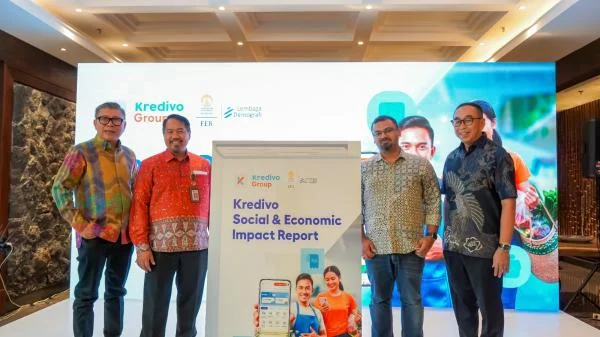
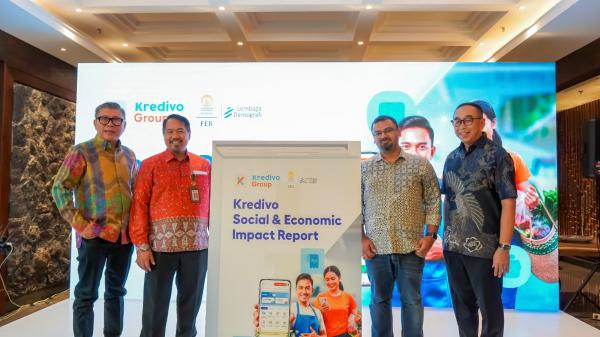
The expanding landscape of financial technology and digital credit in Indonesia has reached a significant milestone, with new economic assessments highlighting its substantial footprint on the broader national economy. PT Kredivo Finance Indonesia (Kredivo), a prominent player in the country’s fintech sector, is projected to contribute up to IDR 33 trillion to Indonesia’s Gross Domestic Product (GDP) through its technology-based financing services. This finding comes from a comprehensive study conducted by the Demographic Institute of the Faculty of Economics and Business at the University of Indonesia (LD FEB UI), which underscores the transformative power of digital lending in stimulating various commercial sectors and empowering micro-enterprises across diverse regions of the archipelago.

The research indicates that the digital credit expansion orchestrated by platforms like Kredivo has successfully mobilized economic activity by a factor of 10 since 2019. By bridging the financing gap for consumers and small business owners, digital financial services have effectively served as a catalyst for economic resilience, particularly during periods of macroeconomic transition and shifting consumer behaviors.

Macroeconomic Impact and the Multiplier Effect

According to the LD FEB UI study, the circulation of digital credit does more than merely provide short-term purchasing power for everyday consumers. It creates a robust multiplier effect that ripples across multiple tiers of the Indonesian economy. The Input-Output economic model utilized in the research reveals that every rupiah channeled into productive and consumption-based digital credit generates extensive secondary economic activity, benefiting suppliers, distributors, logistics providers, and local retailers.

The retail trade sector has emerged as the primary beneficiary of this financial influx. As digital credit lowers the barrier to entry for acquiring goods, retail turnover has experienced sustained growth. Beyond retail, the study identifies the automotive sector, real estate services, and the electronic and telecommunication goods industries as major recipients of the transaction volume generated by digital financing platforms.

Paksi Walandouw, Deputy Head of Research and Training at LD FEB UI, elaborated on these findings during the official launch of the research report held at Menara Astra in Jakarta. "Based on the Input-Output economic model, the contribution of Kredivo’s credit distribution to the GDP is projected to reach IDR 33 trillion, representing a tenfold increase since 2019. The sectors most heavily stimulated are retail trade, followed by automotive, real estate services, and electronic and telecommunication goods," Walandouw stated.

Dongkrak PDB Rp33 Triliun, Kredivo Buktikan Peran Pembiayaan Gerakkan Ekonomi

The Evolution of Digital Financing in Indonesia

To understand the weight of these projections, it is essential to examine the trajectory of financial technology in Indonesia over the past several years. Following the exponential growth of internet penetration and smartphone adoption, Indonesia witnessed a digital boom in the late 2010s. E-commerce platforms flourished, but a significant portion of the population remained unbanked or underbanked—lacking access to traditional credit cards and formal banking loans.

Fintech companies, particularly those offering "Buy Now, Pay Later" (BNPL) and digital financing solutions, stepped in to fill this void. By leveraging alternative credit scoring models, data analytics, and seamless digital onboarding processes, platforms like Kredivo enabled millions of Indonesians to access credit safely and responsibly. Between 2019 and the present, the regulatory framework overseen by the Financial Services Authority (Otoritas Jasa Keuangan or OJK) has continuously evolved to foster innovation while ensuring robust consumer protection and risk management.

The resilience demonstrated by the digital financing sector during and after the global economic uncertainties solidified its position as a pillar of modern Indonesian commerce. The LD FEB UI report serves as empirical validation of this evolution, shifting the narrative from consumer debt concerns to a broader recognition of fintech as a legitimate macroeconomic driver.

Sectoral Breakdown: Where the Money Flows

The economic impact of digital credit is not uniformly distributed, but rather concentrates in sectors characterized by high consumer demand and complex supply chains. A closer analysis of the sectors highlighted in the LD FEB UI report provides a clearer picture of how digital financing influences daily economic transactions.

Retail Trade and Consumer Goods
As the backbone of the domestic economy, the retail sector thrives on high transaction velocity. Digital financing has empowered consumers to manage their cash flow more flexibly, enabling them to purchase essential household goods, apparel, and lifestyle products without depleting their immediate liquidity. This sustained demand keeps storefronts operational and supply chains moving.

Dongkrak PDB Rp33 Triliun, Kredivo Buktikan Peran Pembiayaan Gerakkan Ekonomi

Automotive and Transportation
The acquisition of vehicles and automotive maintenance services traditionally relied on conventional bank leasing or high-barrier financing. The integration of digital credit options has streamlined parts procurement and smaller automotive transactions, facilitating mobility and supporting the automotive aftermarket ecosystem.

Real Estate and Housing Services
While major property purchases typically require long-term mortgages, the real estate sector benefits from secondary and tertiary spending driven by fintech. Expenses related to interior furnishing, home renovations, and property management services increasingly utilize digital payment and financing channels.

Electronics and Telecommunications
In an increasingly digitalized society, access to reliable smartphones, computers, and telecommunications infrastructure is vital for education, remote work, and digital entrepreneurship. Digital credit has democratized access to these technological tools, allowing students and professionals to acquire necessary hardware through manageable installment plans.

Implications for Financial Inclusion and Micro-Enterprises

Beyond macro-level GDP contributions, the expansion of technology-based financing plays a crucial role in financial inclusion. By extending financial services to regions outside major metropolitan areas, platforms like Kredivo contribute to regional economic equalization. Micro, Small, and Medium Enterprises (MSMEs)—which constitute the vast majority of businesses in Indonesia and account for a significant share of employment—frequently utilize digital platforms to manage working capital, purchase inventory, and expand their market reach.

The empowerment of micro-enterprises through accessible credit helps bridge the financial divide, allowing small business owners to scale operations that might otherwise stall due to traditional collateral requirements. The integration of digital financing with e-commerce ecosystems ensures that regional merchants can compete on a national scale, directly boosting local economies and creating sustainable employment opportunities.

Stakeholder Perspectives and Regulatory Landscape

Dongkrak PDB Rp33 Triliun, Kredivo Buktikan Peran Pembiayaan Gerakkan Ekonomi

The findings from LD FEB UI have sparked discussions among policymakers, financial analysts, and industry leaders regarding the future trajectory of fintech regulation in Indonesia. Industry stakeholders emphasize that sustainable growth must be anchored in responsible lending practices, transparent fee structures, and comprehensive financial literacy campaigns.

Regulators have consistently emphasized the importance of maintaining systemic stability while encouraging technological innovation. The OJK’s ongoing oversight ensures that digital financing platforms adhere to strict prudential standards, protecting consumers from over-indebtedness while safeguarding the stability of the broader financial system.

Industry observers note that studies like the one conducted by LD FEB UI provide valuable empirical data for policymakers to design balanced regulations. By quantifying the tangible benefits of digital credit—such as the projected IDR 33 trillion contribution to GDP—authorities can better appreciate the systemic importance of the fintech sector and formulate policies that support its continued healthy expansion.

Future Outlook for Indonesia Digital Economy

As Indonesia advances toward its vision of a digital-first economy, the role of financial technology will undoubtedly expand. The projected tenfold growth in economic mobilization since 2019 signals that digital credit is no longer a peripheral financial service, but an integral component of the national financial architecture.

Moving forward, the challenge for fintech providers and regulators alike will be to sustain this momentum while managing emerging risks such as cybersecurity threats, data privacy concerns, and macroeconomic headwinds. Continued collaboration between academic institutions like the University of Indonesia, regulatory bodies, and industry players will be essential to ensure that digital financing continues to serve as a force for sustainable and inclusive economic growth.

The revelations from the LD FEB UI study provide a solid foundation for optimism. By driving retail trade, supporting micro-enterprises, and generating a powerful multiplier effect across key industries, technology-based financing platforms are proving to be indispensable partners in Indonesia’s ongoing journey toward long-term prosperity and financial resilience.

September 13, 2026 0 comment
0 FacebookTwitterPinterestEmail
Technology

Apple Officially Unveils iPhone 18 Pro and iPhone 18 Pro Max Featuring A20 Pro Chip, Variable Aperture Cameras, and Advanced AI Integration

by Nana September 13, 2026
written by Nana

Apple Inc. officially introduced its flagship smartphone lineup for 2026, unveiling the highly anticipated iPhone 18 Pro and iPhone 18 Pro Max during a special keynote event held on September 9, 2026. The new premium devices represent a substantial generational leap for the Cupertino-based tech giant, introducing groundbreaking hardware enhancements, prolonged battery performance, a redesigned compact Dynamic Island, and deep integration with next-generation artificial intelligence through Apple Intelligence and an upgraded Siri AI.

As the technology sector shifts increasingly toward on-device machine learning and advanced computational photography, Apple’s latest releases aim to set a new benchmark in the premium smartphone market. However, despite the excitement surrounding the global launch, the initial rollout schedule has left Indonesian consumers waiting, as the country was notably absent from the initial wave of release territories.

Global Launch Schedule and Pre-Order Timelines

The commercial rollout for the iPhone 18 Pro series follows Apple’s traditional tiered deployment strategy. Pre-orders for both the iPhone 18 Pro and iPhone 18 Pro Max are scheduled to officially open on September 12, 2026. Following the pre-order phase, the first wave of retail availability will commence on September 18, 2026, spanning across more than 65 countries and regions globally. A secondary rollout phase targeting an additional 20 countries and territories has been slated for September 25, 2026.

In the United States, Apple has set the official starting price for the iPhone 18 Pro at $1,199, while the larger-format iPhone 18 Pro Max starts at $1,299. Both models are offered in a robust tiered storage lineup consisting of 256 GB, 512 GB, 1 TB, and an expansive 2 TB option, catering to power users, digital creators, and enterprise professionals who demand massive local storage capacity.

Despite the announcement of global pricing, authorized local pricing for the Indonesian market remains unconfirmed. As of September 10, 2026, Apple has yet to publish official Indonesian pricing or a definitive release date for the archipelago. Industry analysts note that local availability typically depends on regulatory approvals, such as domestic content level (TKDN) certifications and distribution clearances from the Ministry of Industry, which often push official domestic releases several weeks or months past the initial global debut.

Design Innovations and the Shrinking Dynamic Island

Aesthetic and ergonomic refinements are immediately apparent on the front facade of the iPhone 18 Pro and iPhone 18 Pro Max. Most notably, Apple has reduced the physical footprint of the Dynamic Island, making the notification and interaction hub noticeably smaller than on preceding generations.

According to hardware engineers at Apple, the reduction in size was achieved through more compact sensor integration beneath the display panel. Despite its smaller physical dimensions, the updated Dynamic Island retains its full array of interactive capabilities, serving as the central hub for live activities, system notifications, and contextual shortcuts. By shrinking the cutout, Apple has slightly increased usable screen estate, reinforcing the immersive quality of the edge-to-edge Super Retina XDR display.

The devices are available in four sophisticated metallic and textured finishes: classic black, sleek silver, a cool-toned glacier, and a deep, luxurious burgundy. The chassis maintains Apple’s titanium-grade durability framework, balancing lightweight ergonomics with rugged structural integrity.

Revolutionary 48 MP Fusion Camera with Variable Aperture

Imaging capabilities have traditionally been a cornerstone of Apple’s Pro smartphone lineup, and the iPhone 18 Pro series introduces what industry experts are calling the most significant camera hardware update in years. Both the iPhone 18 Pro and iPhone 18 Pro Max are equipped with an advanced 48 MP Fusion camera system featuring a true variable aperture.

The inclusion of a variable aperture marks a major technological milestone for mobile photography. Unlike fixed-aperture lenses that rely entirely on software manipulation to manage exposure, a variable physical aperture allows the camera hardware to mechanically adjust the amount of light entering the sensor. This grants professional and amateur photographers alike unprecedented physical control over depth-of-field effects, background blur, and sharp light-to-dark transitions.

Apple has also refined its low-light computational pipelines, pairing the larger sensor with enhanced image signal processors (ISPs) embedded within the new system-on-chip. The result is superior noise reduction, sharper detail retention in dimly lit environments, and expanded professional camera controls designed specifically to meet the rigorous demands of mobile content creators, videographers, and independent filmmakers.

Performance Dominance Driven by the A20 Pro Chip and Vapor Chamber Cooling

Under the hood, the iPhone 18 Pro and iPhone 18 Pro Max are powered by Apple’s cutting-edge A20 Pro silicon chip. Fabricated using industry-leading semiconductor nodes, the A20 Pro is engineered to handle heavy computational loads, complex graphical rendering, and intensive local artificial intelligence processing with exceptional energy efficiency.

To sustain peak performance during prolonged gaming sessions, 4K video rendering, and heavy AI model execution, Apple has introduced a redesigned vapor chamber cooling system. This next-generation thermal architecture efficiently dissipates heat away from the processor, enabling the highest sustained performance levels ever recorded in an iPhone chassis. Industry analysts observe that this thermal management upgrade addresses historical concerns regarding thermal throttling during extended periods of heavy utilization.

Unprecedented Battery Endurance on the iPhone 18 Pro Max

Battery life has long been a primary metric for consumer satisfaction in the flagship smartphone segment, and Apple has delivered a historic milestone with the iPhone 18 Pro Max. Apple marketing materials highlight that the device boasts the largest generational leap in battery endurance in the history of the iPhone.

The iPhone 18 Pro Max is rated for up to an astounding 45 hours of continuous video playback. This exceptional longevity is the combined result of three primary factors: the superior power efficiency of the A20 Pro chip, a physically larger battery cell capacity housed within the optimized chassis, and the advanced power-management algorithms dictated by the new operating system.

Software Intelligence: iOS 27, Apple Intelligence, and Siri AI

Operating system software plays an increasingly vital role in differentiating modern hardware, and the iPhone 18 Pro series debuts running iOS 27 natively. The software suite places heavy emphasis on Apple Intelligence and the newly supercharged Siri AI.

Designed from the ground up to integrate deeply into the user’s daily workflow, Siri AI leverages contextual personal awareness to anticipate user needs, automate complex multi-app tasks, and provide proactive assistance. Crucially, Apple continues to anchor its artificial intelligence strategy around privacy-first principles. Utilizing on-device processing and advanced cryptographic safeguards via Private Cloud Compute, user data remains strictly protected, ensuring that personal context is never exposed or harvested for advertising purposes.

Massive Storage Tiers Ranging from 256 GB to 2 TB

Addressing the exponential growth of file sizes driven by high-resolution Apple ProRes video capture, spatial audio recordings, and complex local AI models, Apple has eliminated lower storage tiers for its Pro lineup.

Both the iPhone 18 Pro and iPhone 18 Pro Max start at a baseline capacity of 256 GB. For power users, digital archivists, and professionals who require vast local repositories, Apple offers configurations scaling up to 512 GB, 1 TB, and a massive 2 TB ceiling. This expansive storage capability ensures that users can store extensive libraries of raw media and large productivity files directly on the device without constantly relying on cloud storage solutions.

Market Implications and Industry Outlook

The official launch of the iPhone 18 Pro and iPhone 18 Pro Max underscores Apple’s strategic pivot toward combining hardware excellence with deeply integrated artificial intelligence services. By introducing professional-grade features such as a variable aperture camera, a dedicated vapor chamber cooling system, and record-breaking battery life, Apple has solidified its competitive positioning against rival Android flagship manufacturers.

Financial analysts predict that the inclusion of up to 2 TB storage options and the powerful A20 Pro chip will drive strong upgrade cycles among enterprise users and professional content creators. However, the absence of an immediate Indonesian release date highlights the fragmented nature of global technology rollouts, leaving local Apple enthusiasts to anticipate official regulatory clearance later in the year. As global pre-orders open on September 12, market watchers will closely monitor supply chain stability and initial consumer demand to gauge the overarching commercial success of Apple’s 2026 flagship ecosystem.

September 13, 2026 0 comment
0 FacebookTwitterPinterestEmail
Technology

Polimer Jadikan Televisi Bisa Digulung seperti Karpet

by Nana Muazin September 13, 2026
written by Nana Muazin

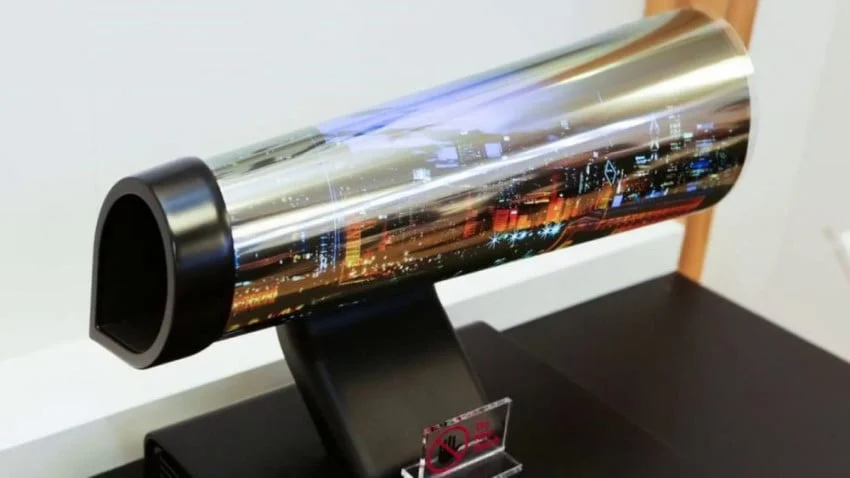
The landscape of consumer electronics is currently undergoing a radical transformation as the rigid, monolithic television screens that have dominated living rooms for decades begin to give way to flexible, rollable display technology. This paradigm shift, driven by advancements in organic polymer substrates and light-emitting diode architectures, is effectively decoupling high-definition entertainment from the constraints of permanent, static installations. As these displays evolve into thin, sheet-like materials that can be retracted into compact housing units, they are fundamentally altering the intersection of interior design, architectural integration, and home cinema utility.

The Technological Foundation: From Glass to Polymer

The transition from traditional Liquid Crystal Displays (LCD) and standard light-emitting diodes to Organic Light-Emitting Diode (OLED) technology has been the primary catalyst for this innovation. Unlike LCD panels, which require a bulky backlight assembly to illuminate pixels, OLEDs are self-emissive. Each pixel acts as its own light source, eliminating the need for rigid backlighting components.

However, the leap to "rollable" functionality required a more profound engineering breakthrough: the replacement of traditional glass substrates with flexible polymer substrates, such as polyimide. These high-performance plastics offer the heat resistance and mechanical durability necessary to withstand the manufacturing process while remaining thin and pliable enough to be rolled onto a motorized spindle. This material science achievement allows the television to retain its visual fidelity—maintaining deep contrast ratios, color accuracy, and high refresh rates—even while being coiled into a diameter of only a few centimeters.

A Chronology of Flexible Display Development

The journey toward rollable televisions did not occur overnight; it is the culmination of over a decade of research and development in display engineering.

  • 2011–2014: The Conceptual Phase: Major display manufacturers began showcasing prototypes of flexible OLED panels at international trade shows like CES (Consumer Electronics Show). At this stage, the panels were primarily experimental, demonstrating the ability to bend without fracturing.
  • 2016: The Rollable Prototype: A pivotal moment occurred when industry giants unveiled a 18-inch rollable display that could be coiled like a scroll. This proved that the electrical pathways could survive repeated mechanical stress.
  • 2018–2019: The Transition to Commercialization: Manufacturers shifted focus from "flexible" (which could be folded once) to "rollable" (which could be retracted completely). Prototypes grew in size to 65 inches, signaling that the technology was ready for the high-end residential market.
  • 2020–2021: Market Entry: The first luxury rollable televisions officially entered the retail market. These units were positioned as flagship products, representing the pinnacle of engineering for early adopters and interior design enthusiasts.
  • 2023–2024: Refinement and Ecosystem Integration: The focus has moved toward miniaturizing the base station, improving the motor mechanisms, and integrating the device into smart home ecosystems where the television responds to voice commands or ambient light sensors to retract or extend.

Architectural Implications: The End of the "Black Hole"

For interior designers and architects, the presence of a large, black, rectangular screen has long been viewed as an aesthetic burden. Mike Holland, Head of Industrial Design at the renowned firm Foster + Partners, notes that the modern television has historically acted as a visual "black hole" in a room. When not in use, a 75-inch screen dominates the focal point of a living space, often clashing with carefully curated architectural themes or minimal design palettes.

"Televisi modern kini dapat ditemukan di hampir setiap ruang keluarga, dan layarnya yang kian membesar sering kali mendominasi ruangan bahkan saat tidak sedang digunakan," Holland remarked, emphasizing that static screens force designers to build rooms around a device rather than around the inhabitants.

By enabling the screen to vanish into a cabinet, credenza, or ceiling mount, rollable technology grants architects unprecedented freedom. The television ceases to be a permanent fixture and becomes an on-demand utility. This aligns with the broader "minimalist" movement in contemporary residential design, where the goal is to maximize usable space and reduce visual clutter without sacrificing access to cutting-edge technology.

Economic and Market Analysis

The market for rollable displays is currently classified within the ultra-premium segment. Given the complexities of the manufacturing process—specifically the vacuum deposition of organic materials onto flexible polymers and the precision engineering required for the internal motorized housing—the cost of entry remains high.

Market data suggests that while rollable televisions currently account for a small fraction of the total television market by volume, they serve as a critical "halo product." They define the brand image of manufacturers, signaling technical leadership and the ability to innovate. As yields in the manufacturing of flexible OLED panels improve, analysts expect a slow but steady decline in production costs, potentially making the technology more accessible to the mid-range market over the next five to seven years.

Challenges and Engineering Hurdles

Despite the promise, the technology faces significant hurdles before widespread adoption can occur. The primary challenge remains the mechanical integrity of the rollable mechanism. Any motorized system introduces a point of failure; the internal ribbon cables that transmit signals to the screen must withstand thousands of extension and retraction cycles without developing fatigue.

Furthermore, the structural support of the screen when fully extended is a feat of engineering. The screen must remain perfectly flat to prevent image distortion, yet be soft enough to roll. This is typically achieved through a "scissor-arm" support structure behind the panel that unfolds as the screen rises, providing a rigid, temporary backing that disappears when the television is stored.

Environmental and Sustanability Considerations

As the electronics industry faces increased scrutiny regarding sustainability, the rollable television presents a complex profile. On one hand, the use of organic polymers can reduce the reliance on certain heavy-metal components found in traditional glass-based panels. On the other hand, the complexity of the internal motorized components, specialized housing, and advanced materials makes recycling more difficult than a standard, static television.

Industry leaders are currently exploring "cradle-to-cradle" manufacturing processes to ensure that these sophisticated units can be disassembled and their components reclaimed, a necessary step as these devices become more common in high-end homes.

The Future of Ambient Computing

Beyond the aesthetic benefits, the rollable display is being positioned as a key component in the future of "ambient computing." This concept suggests that technology should be available when needed but invisible when it is not. A rollable TV can exist in a "partial mode," extending only a few inches to display stock tickers, weather updates, or digital art, without fully expanding into a full-screen display.

This functionality transforms the television from a passive receiver into a dynamic home management interface that adapts to the specific needs of the user at a given time. By blurring the line between furniture and digital interface, the rollable TV represents a shift away from the "box" era of electronics and toward a future where technology is woven into the very fabric of our living spaces.

Conclusion

The arrival of rollable television technology marks a significant milestone in the history of consumer electronics. It represents the successful convergence of advanced material science, precision mechanical engineering, and human-centric design. While the technology is currently in its nascent stage, restricted to the luxury tier by its high manufacturing costs and technical complexity, the implications are clear: the era of the fixed, bulky screen is drawing to a close. As the technology matures, it will undoubtedly redefine the relationship between humans and their entertainment devices, proving that the most advanced technology is often the one that can disappear when its work is done.

September 13, 2026 0 comment
0 FacebookTwitterPinterestEmail
Technology

IPhone 18 Pro dan Pro Max Resmi Meluncur, Bawa Chip Lebih Kencang dan Kamera Aperture Variabel

by Ali Ikhwan September 13, 2026
written by Ali Ikhwan

Apple has officially unveiled the iPhone 18 Pro and iPhone 18 Pro Max, marking the latest iteration in its premium smartphone lineup. Announced during the company’s annual September keynote event, these devices represent a strategic refinement of the iPhone’s architecture, focusing heavily on computational power, thermal efficiency, and specialized optical hardware. While the exterior design maintains the familiar aesthetic established by recent predecessors, the internal engineering marks a significant leap in mobile processing capabilities and thermal management.

The launch, which took place on September 9, continues Apple’s tradition of setting the industry benchmark for hardware integration. Available in four distinct finishes—Burgundy, the new signature "hero" color, alongside Glacier Blue, classic Black, and Silver—the devices are positioned to satisfy both professional power users and high-end consumers.

Architectural Refinements and Display Technology

The iPhone 18 Pro and 18 Pro Max retain the display dimensions of 6.3 inches and 6.9 inches, respectively. Utilizing LTPO Super Retina XDR OLED technology, the screens offer consistent resolution, refresh rates, and brightness levels that align with previous generation standards. However, Apple has introduced a functional upgrade to the Dynamic Island interface. By reducing the physical footprint of the cutout, the UI now allows for the simultaneous display of up to three "Live Activities," enhancing multitasking for users who rely on the device for tracking transit, sports scores, or timer-based tasks in real-time.

The A20 Pro Chipset: A Leap in Computational Efficiency

The centerpiece of this year’s release is the A20 Pro chipset, manufactured on a 2nm process. This transition to smaller node architecture is critical, as it allows for increased transistor density without a proportional increase in power consumption.

Compared to the A19 Pro, the A20 Pro introduces a more robust configuration: an additional CPU core, a new GPU core, and a secondary Neural Engine. The 7-core GPU, in particular, is the highlight of the performance profile, boasting a 40% improvement in graphics processing speed. This enhancement is specifically targeted at high-fidelity mobile gaming and professional-grade video rendering.

Beyond raw speed, the Neural Engine architecture has been overhauled. Apple has moved to a dual-engine configuration, each housing 32 cores, which significantly boosts machine learning tasks—ranging from real-time photographic processing to on-device generative AI applications. Furthermore, the 50% increase in memory bandwidth ensures that the chipset can feed data to the GPU and Neural Engine with minimal latency, addressing the bottlenecks that often plague intensive mobile workflows.

Thermal Management and Sustained Performance

One of the most persistent challenges in high-performance mobile computing is thermal throttling. To mitigate this, Apple has integrated a third-generation vapor chamber cooling system. This component offers three times the surface area of the cooling solution found in the iPhone 17 Pro.

The engineering team has implemented a new silicon packaging design, directly inspired by the architecture of the M-series Mac chips. By connecting the silicon and memory modules directly to the vapor chamber, the heat is dissipated more efficiently across the chassis. This allows the A20 Pro to maintain peak clock speeds for longer durations, which is essential for sustained tasks such as 4K video editing, augmented reality (AR) applications, and high-frame-rate gaming.

Camera Innovation: The Aperture Variable System

Perhaps the most significant change in the photography suite is the introduction of a variable aperture system on the primary lens. While fixed-aperture lenses have long been the industry standard for smartphones, the ability to physically adjust the aperture allows users to control depth of field and light intake with greater precision.

By mimicking the physical mechanics of a traditional DSLR lens, the camera can transition between aperture settings to prioritize either low-light performance (wider aperture) or deep focus (narrower aperture). This development suggests that Apple is shifting its strategy from purely relying on software-based computational photography to combining hardware-level optical control with its advanced Image Signal Processor (ISP).

Historical Context and Development Timeline

The release of the iPhone 18 series follows a decade of iterative growth for Apple’s flagship devices. Following the transition to the Dynamic Island in 2022 (iPhone 14 Pro), Apple has spent the subsequent years optimizing the integration between hardware sensors and software overlays.

  • 2024 (iPhone 16 Series): Introduction of focus on on-device AI and the dedicated Camera Control button.
  • 2025 (iPhone 17 Series): Refinement of the chassis materials and battery density improvements.
  • 2026 (iPhone 18 Series): Focus on 2nm silicon transition, thermal efficiency, and optical hardware versatility.

Industry analysts have noted that the iPhone 18’s focus on thermal management is a direct response to the increasing demands of generative AI models running locally on devices. As mobile apps become more computationally intensive, the need for a robust cooling infrastructure has become as important as the raw clock speed of the processor.

Industry Implications and Market Outlook

The market response to the iPhone 18 Pro is expected to be dictated by the tangible benefits of the A20 Pro chip in real-world scenarios. Tech analysts suggest that the 50% increase in memory bandwidth is the most critical update for enterprise and creative users.

"Apple is no longer just competing on core counts or megapixel counts," says an industry consultant familiar with the supply chain. "They are competing on the throughput of the entire system. The move to a 2nm process and the specific integration of the vapor chamber shows that they are preparing the iPhone to be a desktop-class machine in a pocketable form factor."

Furthermore, the introduction of a variable aperture lens may signal a shift in how Apple differentiates its "Pro" models from the standard iPhone lineup. By reserving this hardware for the Pro series, Apple continues to push a multi-tiered product strategy, encouraging users to opt for higher-priced models to access professional-grade creative tools.

Official Statements and Sustainability

Apple has maintained its commitment to environmental sustainability, emphasizing that the new silicon packaging and increased efficiency of the A20 Pro contribute to lower energy consumption during intensive operations. While Apple executives did not provide specific figures during the keynote regarding the exact percentage of recycled materials in the internal cooling assembly, the company reiterated its goal to be carbon neutral across its entire product lifecycle by 2030.

The launch also serves as a catalyst for the broader mobile ecosystem. Component suppliers, including those responsible for TSMC’s 2nm production and the advanced vapor chamber materials, are expected to see increased demand as the market pivots toward high-efficiency thermal designs.

Conclusion

The iPhone 18 Pro and Pro Max represent a methodical progression in smartphone technology. Rather than opting for radical, potentially unstable redesigns, Apple has opted for a "deep engineering" approach. By prioritizing the A20 Pro chip, a significantly improved thermal architecture, and a versatile variable aperture camera system, the company is positioning its latest flagships as essential tools for the next generation of mobile computing.

As these devices reach the hands of consumers, the focus will undoubtedly shift to how developers utilize the increased neural processing power and memory bandwidth. For now, the iPhone 18 Pro stands as a testament to Apple’s ongoing focus on high-performance integration, setting a high bar for the remainder of the smartphone industry. With pre-orders commencing immediately and retail availability scheduled for the following week, the global market awaits the real-world performance metrics that will ultimately define the success of this 2nm-powered generation.

September 13, 2026 0 comment
0 FacebookTwitterPinterestEmail
Technology

Cooler Master Launches Standalone GPU Shield Adapter to Mitigate 12VHPWR and 12V-2×6 Connector Melt Risks

by Laily UPN September 13, 2026
written by Laily UPN

Cooler Master has officially launched the standalone GPU Shield adapter, a hardware safety device designed to protect high-power graphics card connectors from overheating and melting. Initially showcased to the public at the Consumer Electronics Show (CES), the product transitions from a proprietary integrated power supply feature into an accessible, universal accessory. Priced at $49.99 in the United States and select global markets, the adapter addresses a persistent hardware anxiety for modern PC builders utilizing high-end graphics processing units.

The introduction of the adapter comes at a critical time for the hardware community. Over the past several hardware generations, the adoption of power-hungry GPUs has driven the industry toward higher-wattage delivery standards. The release of the 12VHPWR connector—and its subsequent iterative evolution, the 12V-2×6 standard—was meant to streamline cable management by consolidating massive amounts of power into a single, slim profile. However, widespread reports of connector degradation, thermal runaway, and physical melting caused by incomplete seating or excessive resistance have plagued enthusiasts and system builders alike. Cooler Master’s new device aims to bridge the safety gap for users who own high-performance GPUs but lack power supply units equipped with native telemetry or cut-off protections.

Background and Evolution of the 12V-2×6 Standard

The vulnerability of modern high-power GPU connectors stems from the physics of delivering upwards of 450 to 600 watts of power through a remarkably compact physical interface. The original 12VHPWR connector standard, introduced alongside high-end architectural shifts in the GPU landscape, relied heavily on user precision. If a power cable was even fractionally unseated, the resulting high electrical resistance across the micro-pins generated intense localized heat. This thermal accumulation frequently surpassed the melting point of the plastic housing, destroying power supplies, cables, and expensive graphics cards in the process.

Responding to these engineering challenges, industry groups and hardware manufacturers refined the design into the 12V-2×6 (H+More) standard, which recessed the sense pins to ensure that power delivery could not initiate unless the plug was fully inserted. Despite these hardware-level improvements, human error, cable bending radius limitations, and varying degrees of manufacturing tolerances among third-party components continued to pose risks. Cooler Master initially sought to solve this by incorporating its proprietary "GPU Shield" telemetry and safety architecture directly into high-end power supply units. Recognizing that millions of active systems rely on older power supplies or units from competing brands, the company engineered the standalone adapter to democratize this crucial safety net.

Cooler Master Bikin Adapter GPU Shield, Proteksi Buat Konektor 12VHPWR yang Rawan Leleh • Jagat Review

Design, Mechanics, and Real-Time Telemetry

The Cooler Master GPU Shield adapter operates as an in-line intermediary device. It connects directly between the existing power supply cable and the 12V-2×6 or 12VHPWR receptacle on the graphics card. Measuring approximately 200 millimeters in cable length, the adapter is engineered to maintain flexibility, allowing it to fit comfortably within standard and compact PC chassis layouts without introducing excessive strain on the terminal ports.

At the core of the adapter’s functionality is an active monitoring system. The device continuously tracks electrical current, voltage stability, and pin-level resistance in real-time. To communicate potential hazards to the user before catastrophic damage occurs, the hardware utilizes a multi-colored LED indicator ring integrated into the housing. Furthermore, the connector ends feature distinct visual color cues to verify whether the cable has achieved complete and secure physical seating upon installation.

If the internal sensors detect anomalies such as abnormal current spikes, sudden voltage drops, or localized overheating precursors, the system initiates a multi-layered response protocol. First, an integrated audio alarm activates to alert the user of immediate danger. Simultaneously, the adapter’s internal logic interacts with the system to intelligently throttle or reduce power draw, mitigating the risk of thermal runaway and preventing structural damage to the graphics card and power cable.

Market Availability and Pricing Strategy

Following its initial prototype demonstration on the global trade show circuit, the GPU Shield adapter has officially rolled out to retail channels in the United States and select international regions, including China. Carrying an MSRP of $49.99—translating to roughly IDR 800,000 locally—the device occupies a unique market segment. Rather than serving as an aesthetic modification or a simple cable extension, it positions itself as an insurance policy for hardware investments worth thousands of dollars.

Industry analysts note that while $50 is a modest sum compared to the replacement cost of a flagship graphics card, consumer reception will depend heavily on verified stress-testing and long-term reliability metrics. Warranty terms accompanying the release indicate a standard one-year coverage period provided by Cooler Master, matching typical accessory warranties in the PC DIY sector while addressing consumer expectations regarding product durability.

Cooler Master Bikin Adapter GPU Shield, Proteksi Buat Konektor 12VHPWR yang Rawan Leleh • Jagat Review

Industry Implications and Technical Analysis

The release of standalone power-monitoring adapters reflects a broader maturation phase in high-performance computing hardware. As power consumption metrics for consumer graphics processors continue to hover near thermal and electrical thresholds, manufacturers are shifting focus from raw performance gains to operational stability and user safety.

Historically, safeguarding a PC against power delivery failures relied entirely on the internal protections of the power supply unit (PSU) or the motherboard’s power management integrated circuits (PMICs). By shifting intelligent monitoring directly to the point of failure—the GPU connection interface—Cooler Master’s adapter addresses the specific mechanical vulnerabilities that PSU-level protections often fail to catch. Because a PSU monitors the overall rail rather than the micro-resistance of an individual terminal pin inside a poorly seated connector, localized melting can occur before the power supply registers a fault.

By intercepting the connection at the point of entry, the GPU Shield provides a localized trip-wire mechanism. Technical experts suggest that this design philosophy could influence future industry standards, potentially pushing regulatory bodies or hardware consortia to mandate integrated telemetry directly onto graphics card pcbs or native power cables in upcoming generations. For current owners of high-wattage systems, devices like the Cooler Master GPU Shield offer a practical, brand-agnostic solution to one of the most persistent hardware challenges of the modern computing era.

September 13, 2026 0 comment
0 FacebookTwitterPinterestEmail
Newer Posts
Older Posts

Recent Posts

  • Guruh Soekarnoputra, Younger Brother of Megawati Soekarnoputri, in Critical Condition and Receiving Intensive Care at Siloam Hospital Semanggi
  • Prabowo Geram Ada Perda yang Bolehkan Warga Bakar Lahan Ini Menipu
  • The Rise, Collapse, and Historical Legacy of the Indonesian Communist Party in the Twentieth Century
  • Chairman Asep Mulyadi Urges Bandung City Government to Enhance Public Responsiveness and Urban Management on 216th Anniversary
  • Indonesia Desak Pemulihan Kehidupan Warga Gaza Segera Dimulai

Recent Comments

No comments to show.
  • Facebook
  • Twitter

@2021 - All Right Reserved. Designed and Developed by PenciDesign


Back To Top
Dara News Media
  • Home
  • About Us
  • Contact Us
  • Cookies Policy
  • Disclaimer
  • DMCA
  • Privacy Policy
  • Terms and Conditions

We are using cookies to give you the best experience on our website.

You can find out more about which cookies we are using or switch them off in .

Dara News Media
Powered by  GDPR Cookie Compliance
Privacy Overview

This website uses cookies so that we can provide you with the best user experience possible. Cookie information is stored in your browser and performs functions such as recognising you when you return to our website and helping our team to understand which sections of the website you find most interesting and useful.

Strictly Necessary Cookies

Strictly Necessary Cookie should be enabled at all times so that we can save your preferences for cookie settings.