
The evolution of Fashion Week represents one of the most significant cultural and industrial transformations in the history of modern commerce, tracking the shift from intimate, trade-only salon presentations to the borderless, hyper-digital media spectacles that define the industry today. Originally conceived as a strategic effort to consolidate the power of the fashion industry during times of global instability, the runway has morphed into a complex ecosystem of influence, celebrity culture, and technological innovation. By examining the trajectory of the past eighty years, one gains insight into how a niche professional gathering became a pillar of the global economy and a primary stage for cultural expression.
The Genesis: 1943 and the Birth of a New Industry
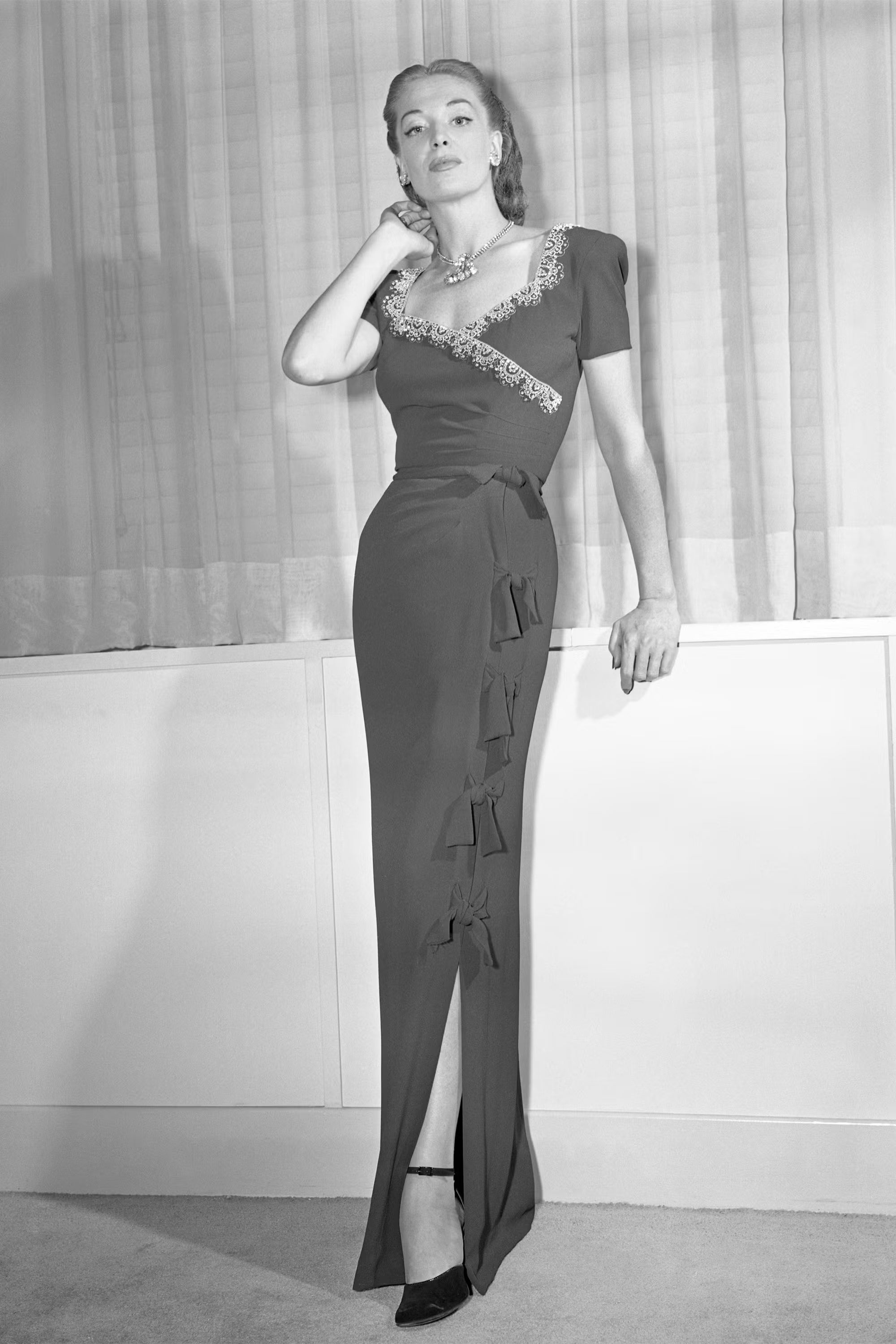
The concept of the modern "Fashion Week" was born of necessity rather than mere glamour. In 1943, with Paris occupied during World War II, the American fashion industry found itself isolated from its traditional hub of inspiration. Eleanor Lambert, a pioneering publicist, organized the first "Press Week" in New York City. The objective was straightforward: to divert the attention of domestic editors and buyers away from French couture and toward the burgeoning talent within the United States. This event was not a performance for the masses; it was a high-stakes business negotiation. In these early years, the environment was sterile and professional. Models were not celebrities, and the audience consisted strictly of trade professionals—buyers who held the purse strings of department stores and journalists who controlled the narrative of style.
The Mid-Century Transition: Elegance and Expansion
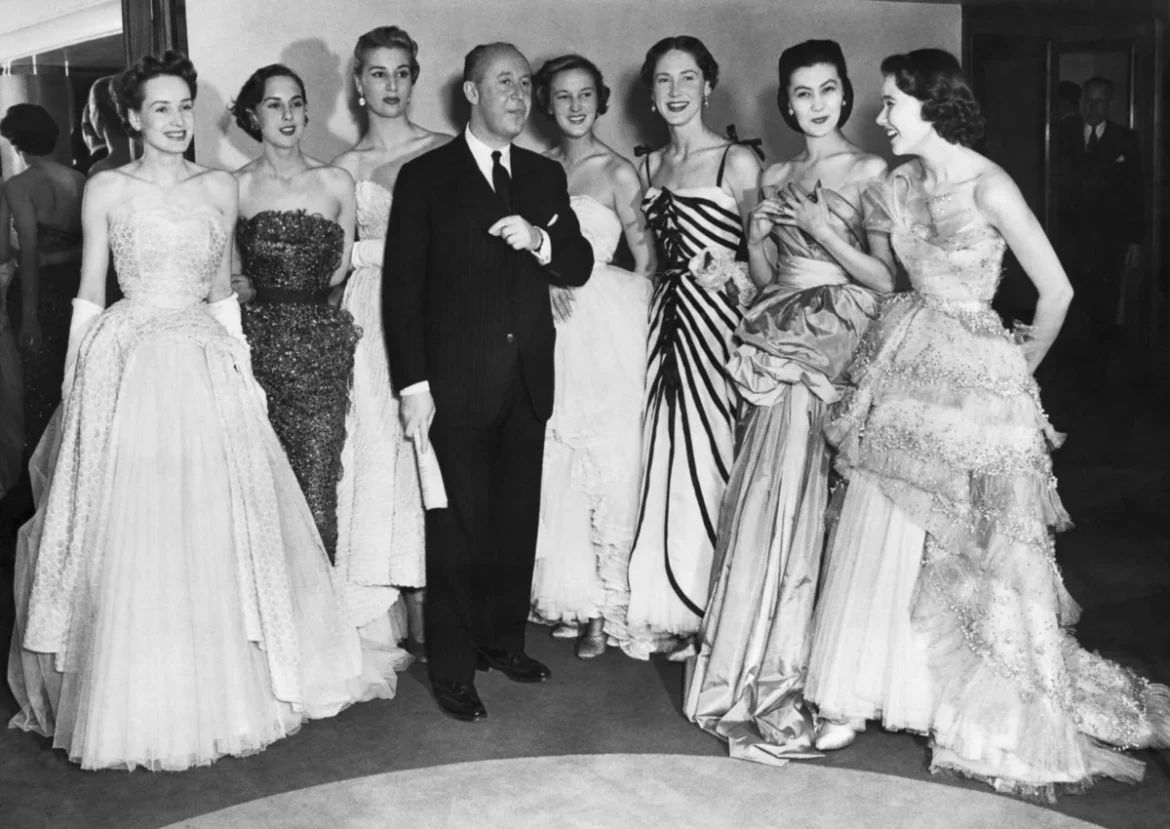
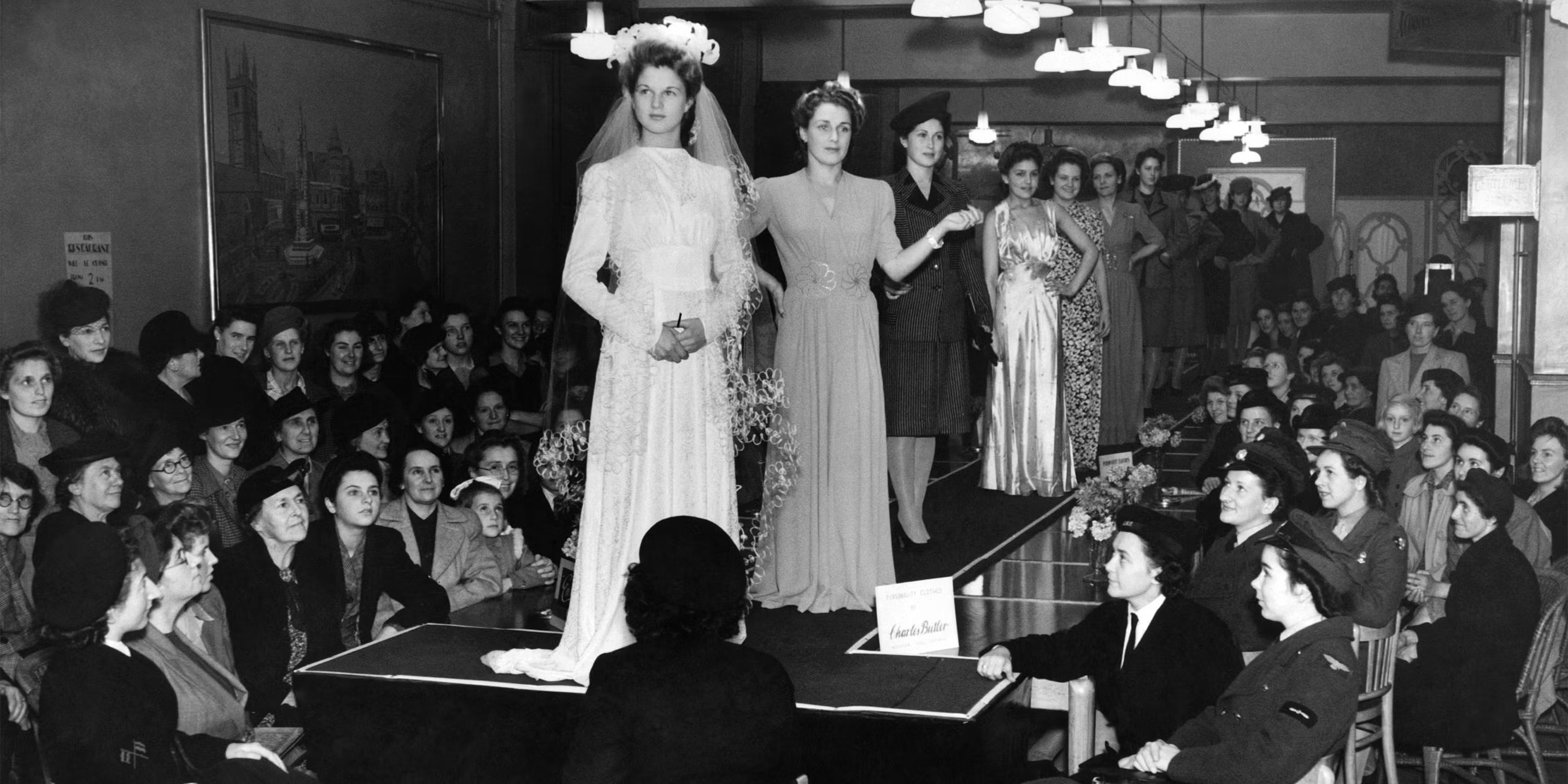
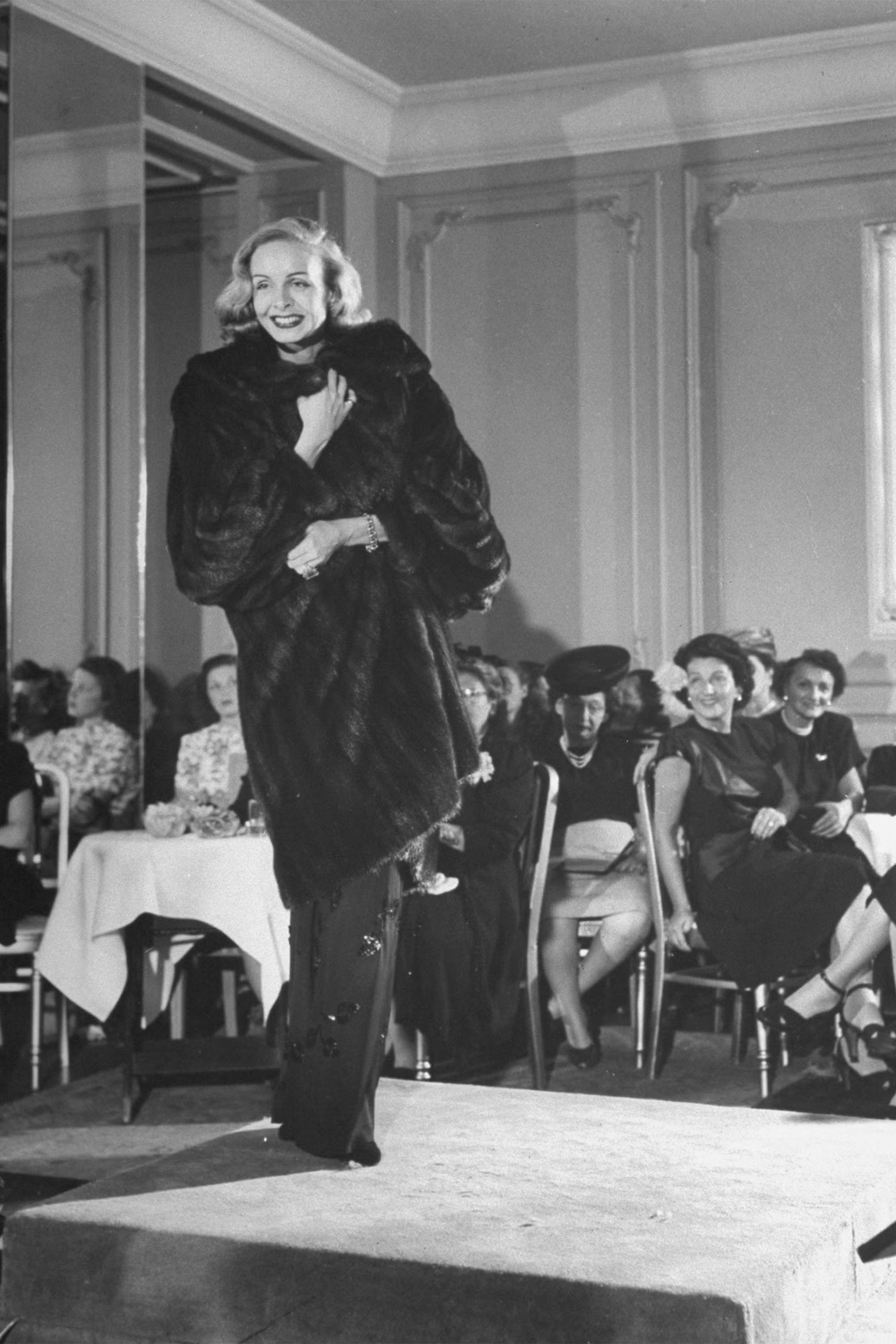
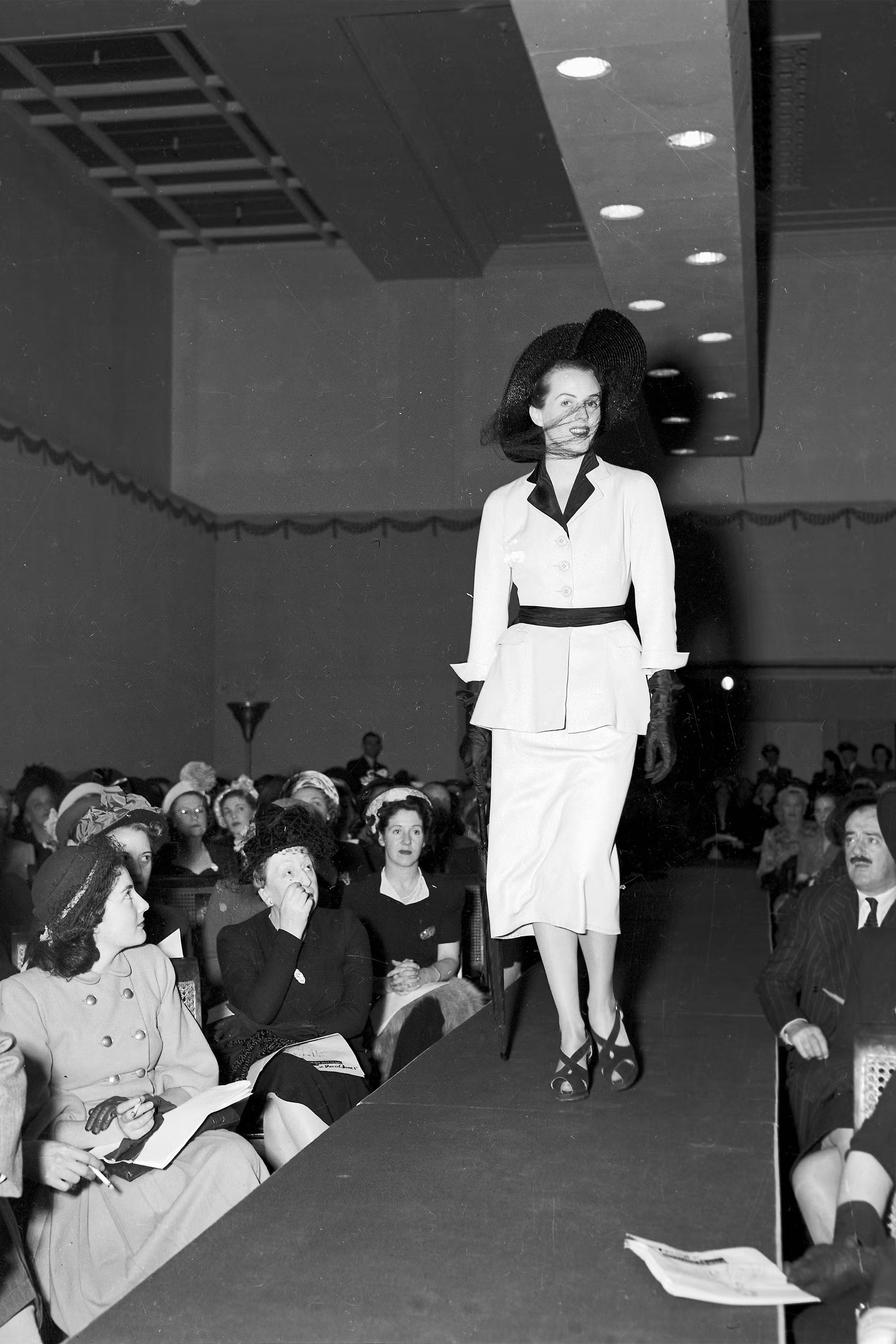
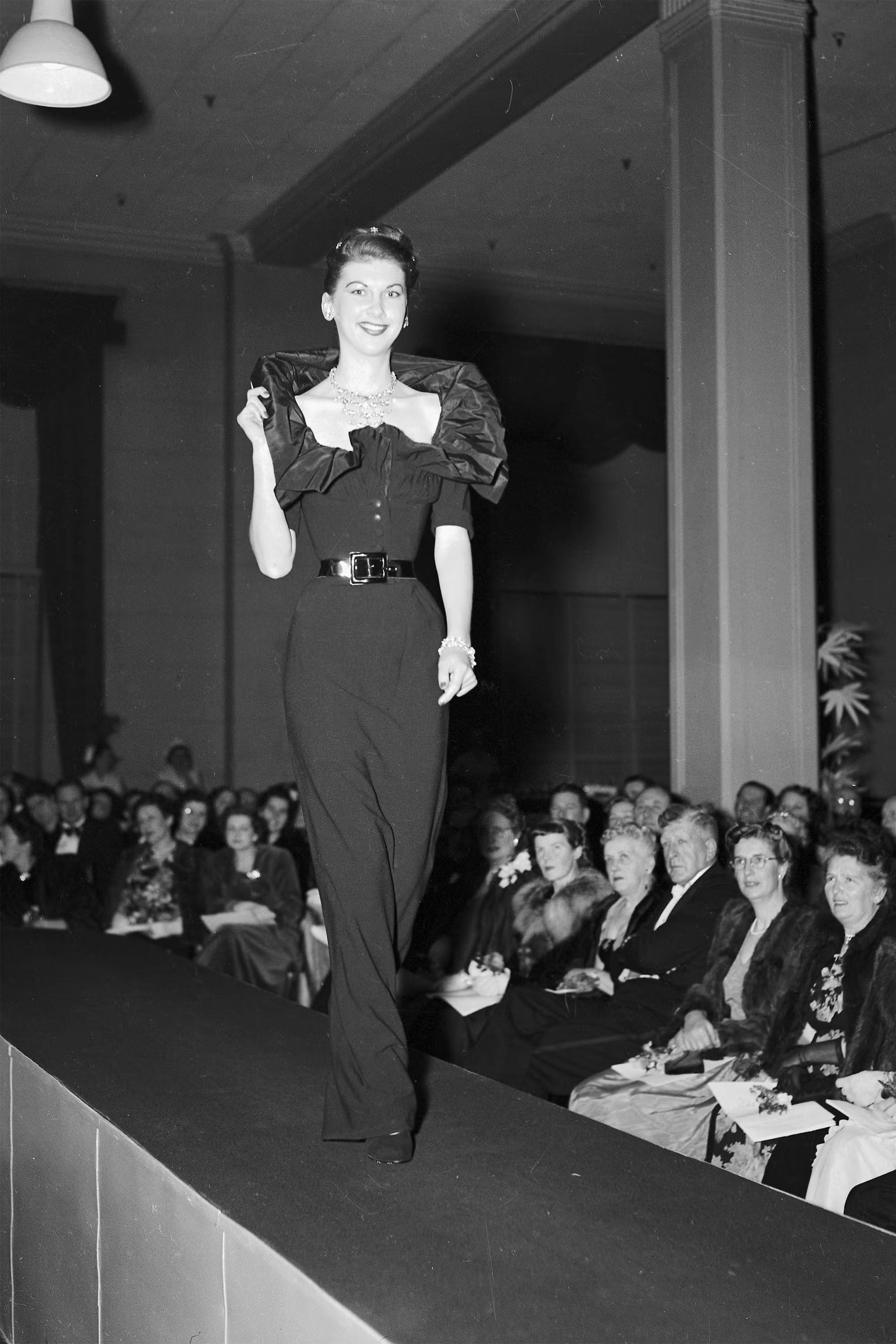
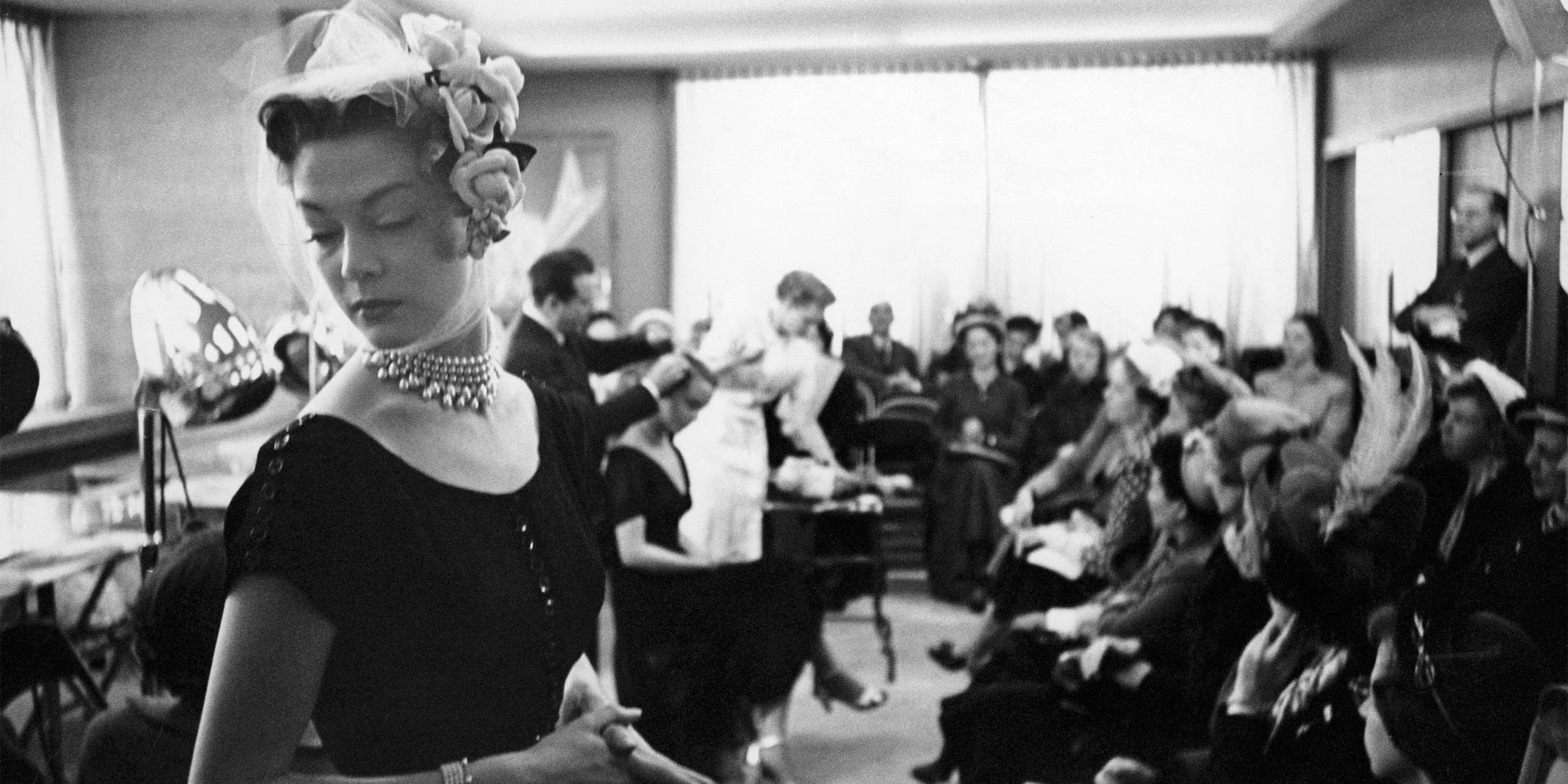
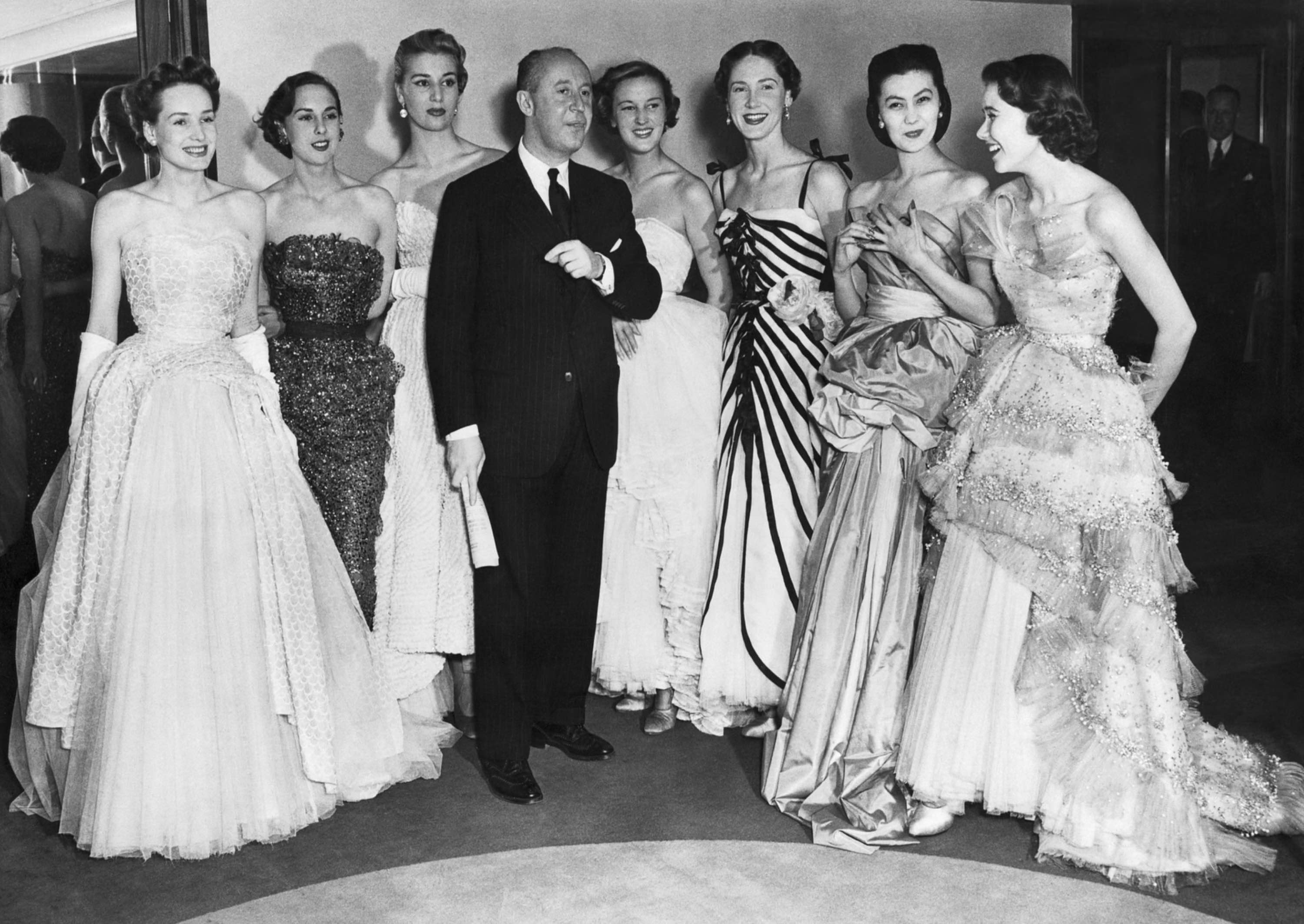
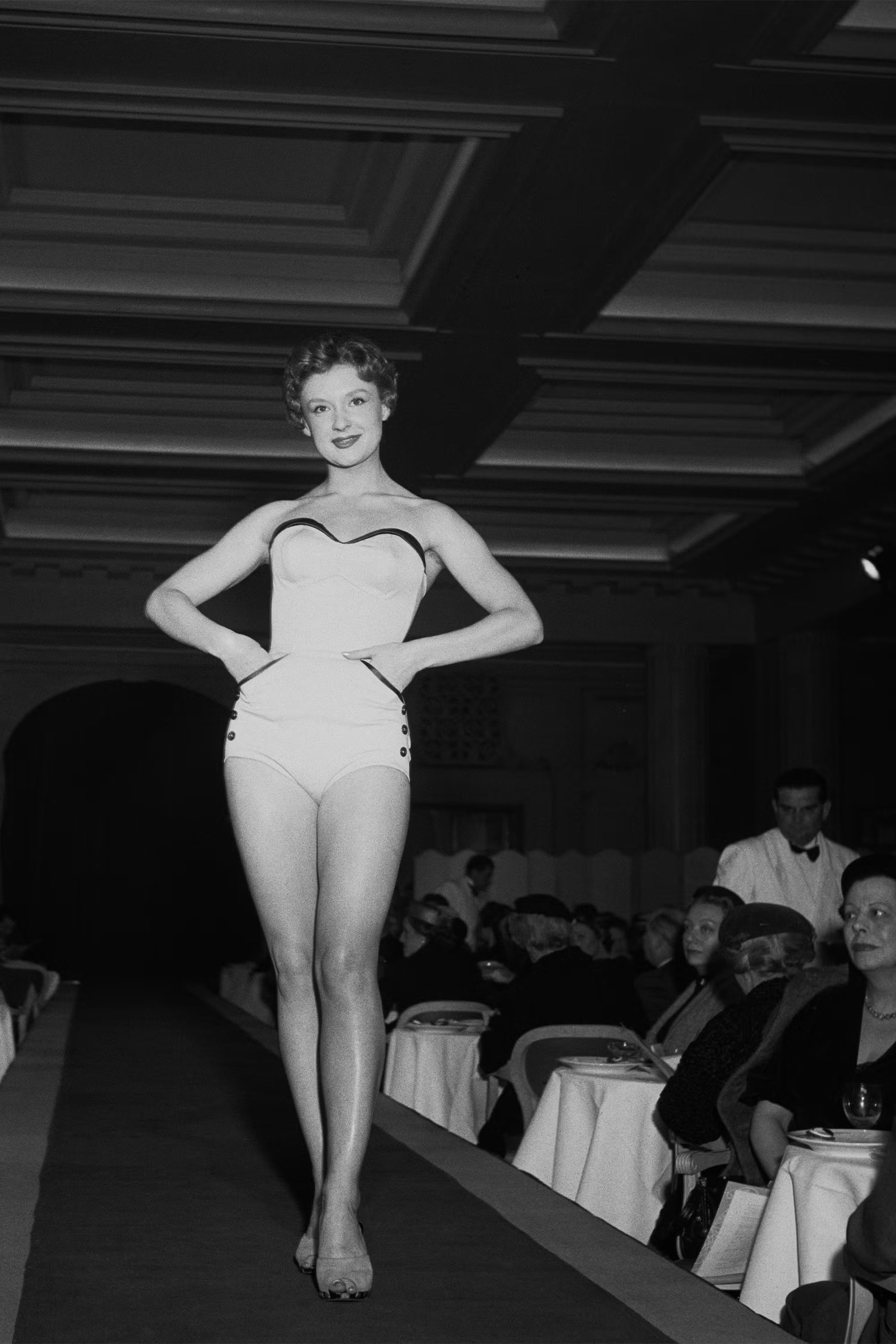
Between 1944 and the late 1950s, the format remained largely static but grew in prestige. Following the cessation of hostilities in 1945, the industry began to reclaim its status as a herald of peace and prosperity. The presentations of the late 1940s, led by visionaries such as Christian Dior and Pierre Balmain, emphasized the "New Look"—a return to hyper-femininity, cinched waists, and voluminous skirts that signaled a departure from wartime austerity.
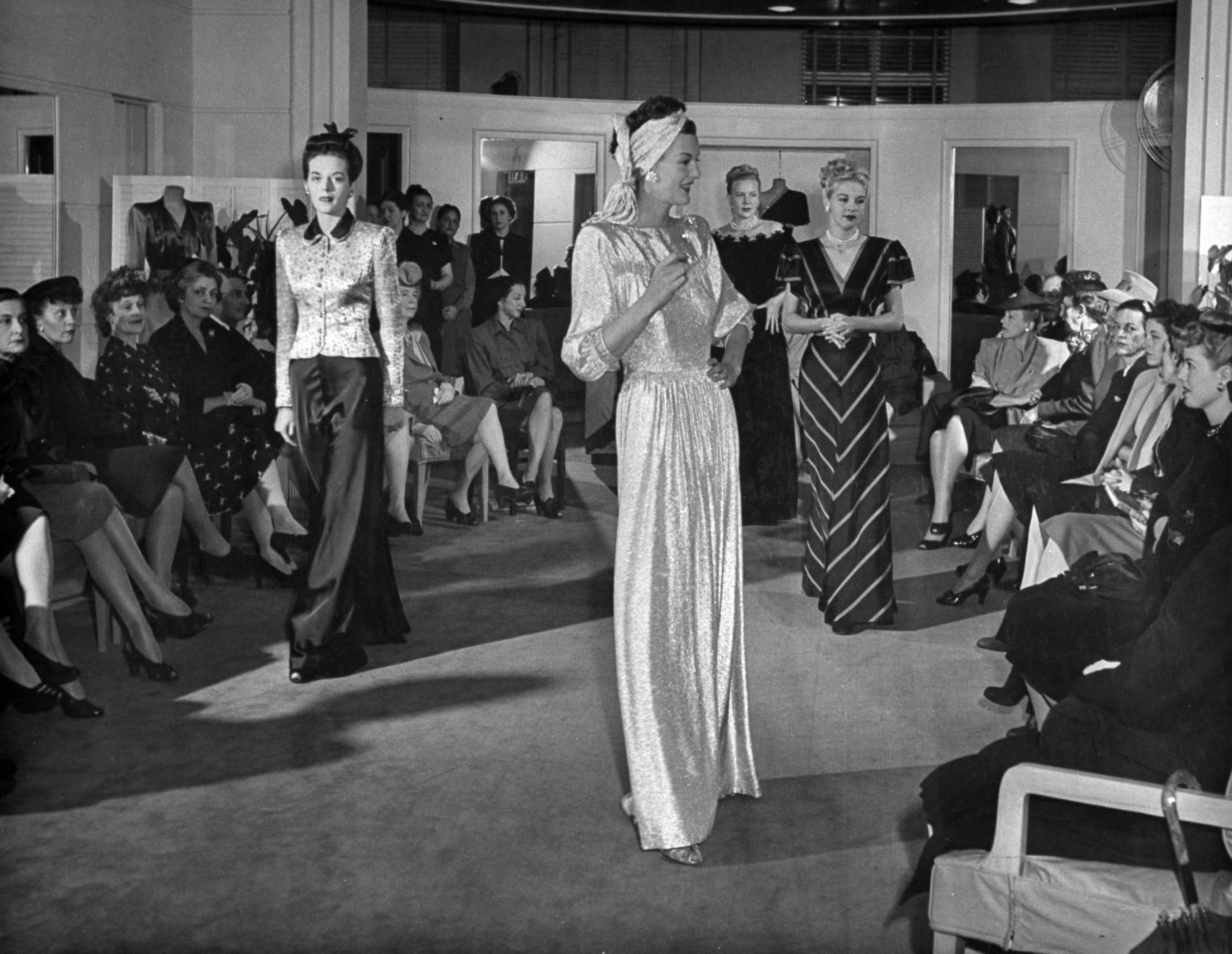
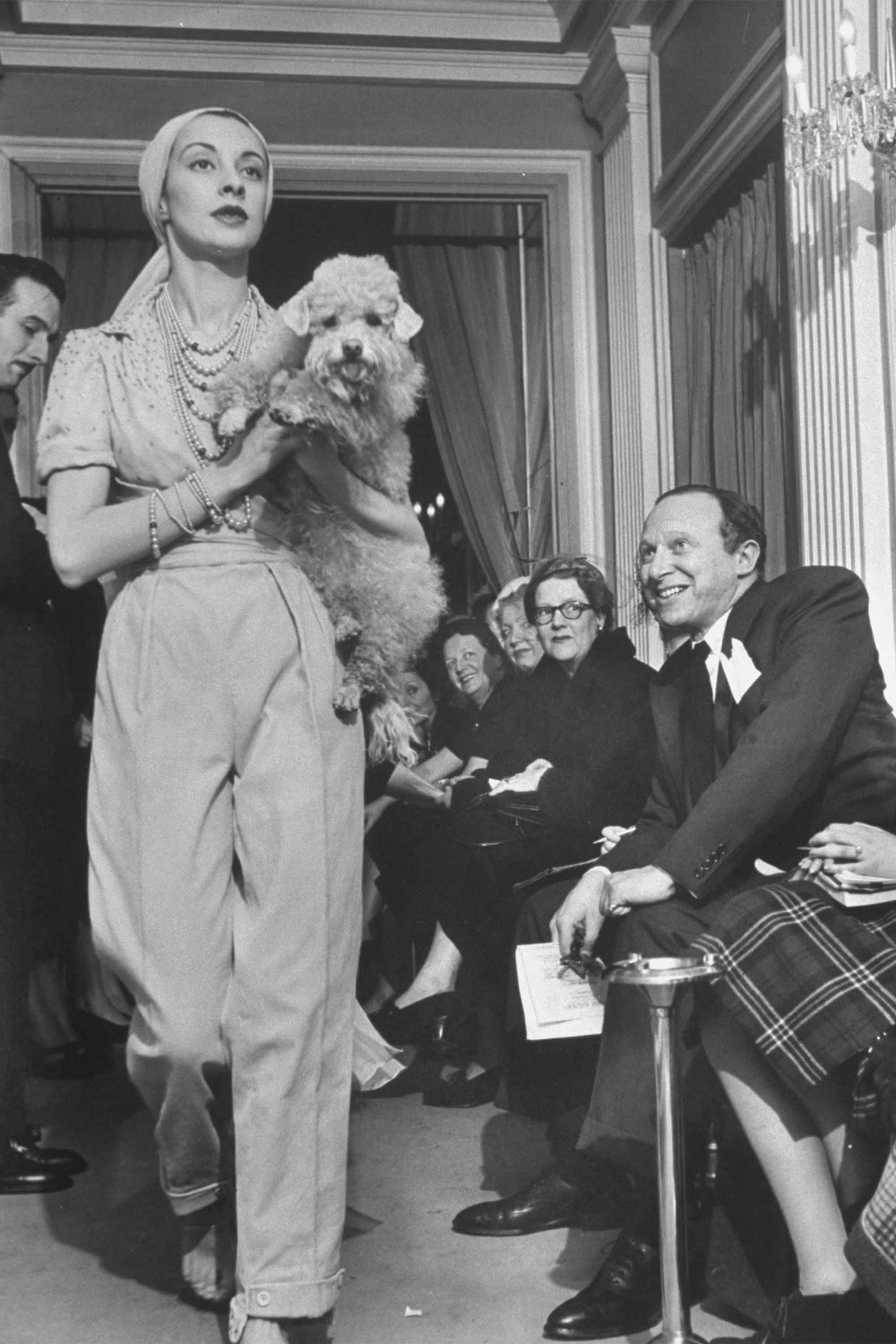
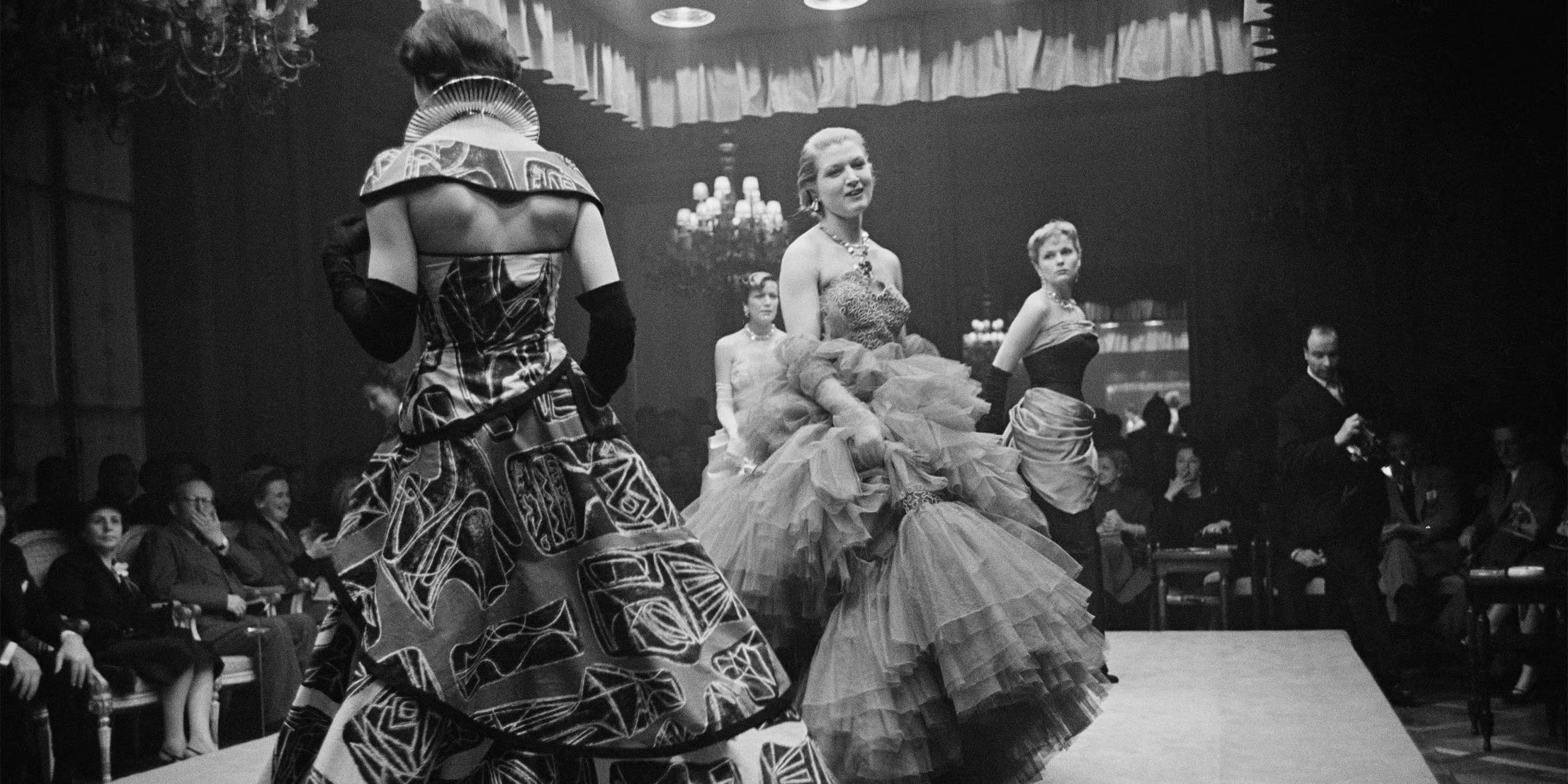
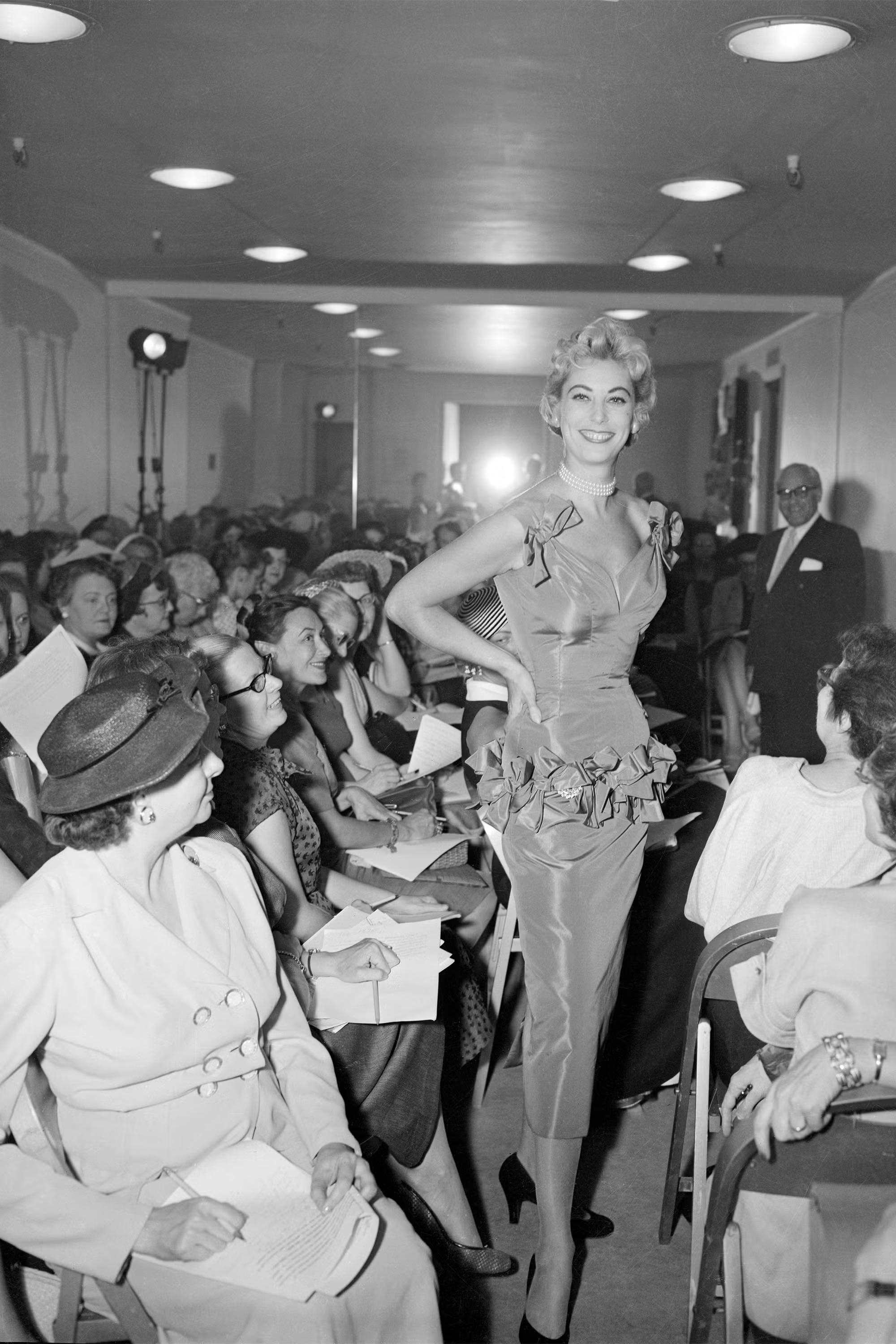
During the 1950s, Fashion Week became a true international circuit. The shift of focus toward Paris, Milan, and Florence established the "Big Four" hierarchy that persists today. Dior’s 1955 excursion to Scotland, where he transported 172 gowns and a team of models to the Gleneagles Hotel for charity, demonstrated an early awareness of the power of location and spectacle. This era solidified the professional standards of the runway, characterized by the methodical display of garments where models often carried numerical cards to assist buyers in identifying specific designs.
The Youthquake and the 1960s Paradigm Shift
The 1960s ushered in a period of unprecedented social change that found its expression on the catwalk. The rise of "Mod" fashion and the youth-centric "Youthquake" movement, championed by designers like Mary Quant, disrupted the traditional hierarchy. Presentations became less about the rigid dictates of the atelier and more about the energy of the street. By the late 1960s, designers began to experiment with futurist themes, influenced by the Space Race. This decade introduced the idea that the runway was a place to dream, not just a place to shop.
The Rise of the Supermodel and the 1980s Explosion
If the 1940s and 1950s were defined by the garment, the 1980s and 1990s were defined by the muse. The birth of the "Supermodel" era transformed Fashion Week into a celebrity-driven engine. Figures like Naomi Campbell, Linda Evangelista, and Cindy Crawford possessed a level of cultural capital that rivaled, or at times eclipsed, the designers themselves. Shows in Milan and Paris during this period grew increasingly theatrical. Giorgio Armani’s massive set designs, such as the giant globe in 1990, marked the beginning of the era of the "Mega-Show." These events were no longer merely for buyers; they were designed to generate headlines.
The Digital Turn and the 21st Century Transformation
The dawn of the new millennium brought with it the challenge and opportunity of the digital age. In 2003, Paris Hilton’s appearance on the Heatherette runway served as a bellwether for the "Celebrity Influence" era, signaling that the barrier between the high-fashion world and the pop-culture zeitgeist was effectively dissolved.
The 2010s saw the democratization of the front row. The arrival of social media, particularly Instagram, fundamentally altered the economics of the industry. Brands were forced to create "Instagrammable" moments—from Chanel’s icebergs and space rockets to Saint Laurent’s water-based runways—to ensure their collections lived beyond the physical event. This created a cycle of constant visual demand, where the runway show became content first and commerce second.
Resilience and Re-invention: 2020 and Beyond
The COVID-19 pandemic of 2020 acted as a catalyst for a necessary re-evaluation of the industry’s consumption model. With global travel halted, the industry proved its adaptability. The move to digital lookbooks, livestreamed presentations, and intimate, socially distanced gatherings in 2020 and 2021 proved that the runway could survive without the physical presence of a massive crowd. However, the hunger for spectacle remained.
Post-pandemic, the industry has leaned into "phygital" (physical and digital) experiences. The 2022 Coperni show, featuring a dress spray-painted directly onto Bella Hadid’s body, captured the essence of modern fashion: a blend of high-tech innovation and viral social media performance. This trend has continued through 2026, with designers like Prada experimenting with time-based storytelling, showing the evolution of a single garment throughout the day to emphasize longevity and craftsmanship.
Economic and Cultural Implications
The impact of these eighty years of evolution cannot be overstated. Fashion Week has shifted from a B2B (business-to-business) event to a B2C (business-to-consumer) juggernaut. According to market data from major fashion councils, the direct economic impact of the four major fashion weeks (New York, London, Milan, Paris) contributes billions of dollars annually to the local economies of these host cities through tourism, hospitality, and media production.
Furthermore, the industry has become a major platform for sociopolitical messaging. From Maria Grazia Chiuri’s 2016 feminist-themed Dior show to the industry-wide push for sustainability and diversity, the runway has become a mirror for the issues facing contemporary society.
Conclusion
The evolution of Fashion Week from 1943 to 2026 is a narrative of constant adaptation. While the core purpose—the presentation of new seasonal collections—remains, the methods of delivery have traversed from the quiet, tailored rooms of post-war Paris to the digital screens of a global audience. As the industry looks toward the future, the challenge remains to balance the necessity of sustainable, thoughtful production with the insatiable demand for the spectacle that keeps the global fashion machine moving forward. The legacy of these eight decades is clear: fashion is not merely about clothing, but about the constant, rhythmic re-invention of culture itself.
