
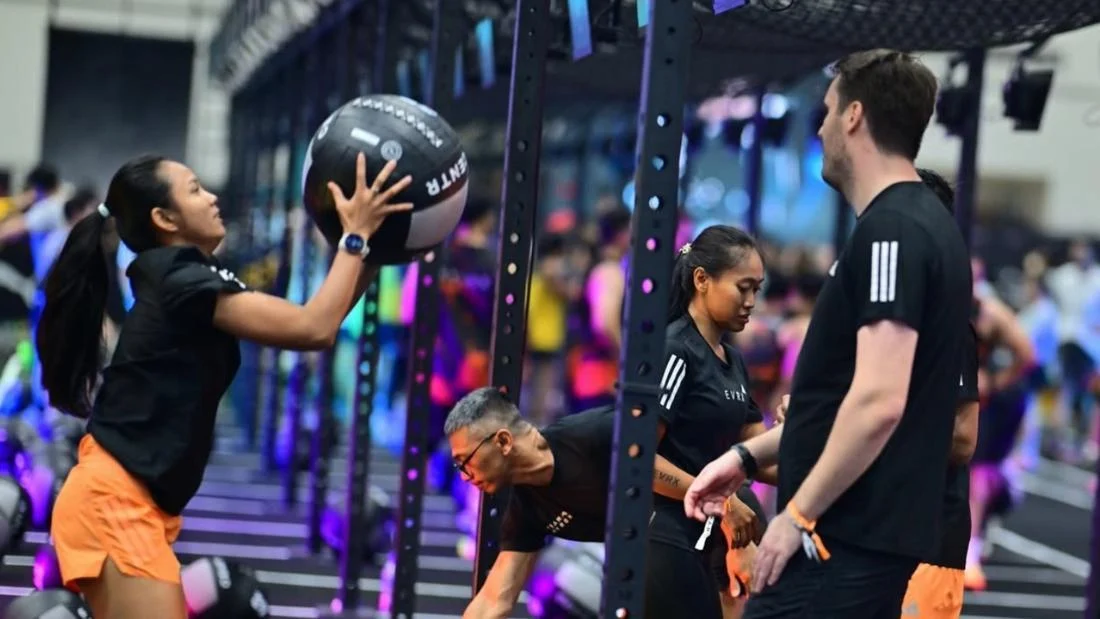
The traditional paradigm of travel, long dominated by sightseeing, culinary exploration, and leisure, is undergoing a profound transformation. Where travelers once curated bucket lists based on historical landmarks or cultural experiences, a burgeoning demographic of fitness enthusiasts is now prioritizing the global race circuit. At the epicenter of this shift is Hyrox, the world’s fastest-growing fitness racing event, which has birthed a phenomenon known as race-cation—a hybrid of competitive athleticism and international tourism.
Hyrox, which combines eight rounds of one-kilometer running with eight functional workout stations, has evolved from a niche European fitness competition into a global cultural movement. As the event expands its footprint across continents, it has effectively turned the traditional marathon-tourism model on its head, inviting participants to treat international cities not just as destinations, but as arenas for personal achievement.
The Anatomy of the Race-cation Trend
The shift toward race-cation is rooted in the intersection of the "experience economy" and the rising global focus on functional fitness. Participants are no longer content with localized gym routines; they are seeking immersive experiences that allow them to test their physical limits in iconic international venues.
Alan Cheung, an orthopedic surgeon based in Singapore, exemplifies this new breed of traveler. For Cheung, the logistical complexity of international travel is a small price to pay for the adrenaline of competition. Having competed in nine Hyrox events—six of which were held outside of his home country—he has transformed his professional travel calendar into a series of competitive milestones. From the urban intensity of Seoul and Taipei to the coastal allure of Sydney and Melbourne, Cheung views these cities through the lens of athletic performance.
"I enjoy the synergy of exploration and exercise," Cheung noted. "Hyrox acts as the anchor for my travel, providing a structured purpose to visit new cities while allowing me to maintain my training regimen in a global community."
From Individual Pursuit to Familial Bonding
While initial adoption of the race-cation model was driven by solo athletes, recent data suggests a significant uptick in group and family participation. The logistical requirements of attending an international Hyrox race often necessitate longer stays, which participants are increasingly utilizing for family reunions and group vacations.
Amelia Yeo’s experience at the Hyrox Incheon event in South Korea serves as a prime case study. For Yeo, the race was the catalyst for a long-delayed family vacation. Her registration prompted her parents, siblings, and extended family to coordinate their schedules, turning a solitary competitive goal into a collective, eight-day familial experience. The presence of her family, she noted, transformed the race day from a high-pressure environment into a milestone of shared celebration.
"The emotional support was pivotal," Yeo explained. "Having my family cheering from the sidelines in a foreign country created a layer of meaning that standard travel simply cannot replicate. After the race, the transition from athlete to tourist was seamless—we shifted from the intensity of the arena to the cultural discovery of Seoul."
Community Dynamics and the Rise of "Race Tourism"
Beyond individual families, organized fitness communities are fueling this trend by orchestrating large-scale group travel. The DOP Training Club of Hong Kong recently made headlines by mobilizing approximately 90 members to attend a Hyrox event in Bangkok. This level of participation transforms the host city into a temporary hub for the club’s social and professional networking.
This organizational strategy benefits local economies significantly. Hotels, hospitality services, and event organizers in host cities have noted that participants of international fitness events tend to have higher spending power and longer average lengths of stay compared to traditional short-term tourists. These participants often engage in "pre-race" acclimation, spending days exploring the city, dining at local establishments, and visiting landmarks before shifting into "competition mode."
The Symbolic Value of Global Participation
As the sport matures, a distinct culture of "collecting" has emerged among the most dedicated Hyrox participants. Angus Tan, a Singapore-based athlete, points to the emergence of localized "patch culture." Participants often collect embroidered patches or event-specific merchandise from each city they conquer, displaying them on their kit bags as a visual map of their athletic odyssey.
This trend mirrors the established practices of the marathon community, where finishing races in prestigious cities is considered a hallmark of a serious athlete. By gamifying travel, Hyrox has tapped into the human desire for tangible achievement. The patches act as social currency within the community, signifying not just physical fitness, but a commitment to global exploration.
Chronology and Expansion of the Hyrox Circuit
The rise of the race-cation is intrinsically linked to the rapid expansion of the Hyrox event calendar. Since its inception in 2017, the organization has aggressively scaled its operations.
- 2017-2019: Initial expansion focused on major European hubs, establishing the fundamental race structure.
- 2020-2021: Despite global lockdowns, the digital community grew, laying the groundwork for a post-pandemic surge in international travel.
- 2022-2024: Massive expansion into Asia-Pacific, North America, and the Middle East, with events held in Sydney, Hong Kong, Seoul, and across the United States.
- 2026: The current season marks the pinnacle of this growth, with the Hyrox World Championships held in Stockholm, Sweden, drawing thousands of elite and age-group competitors from over 50 nations.
The World Championships serve as the "World Marathon Major" of the fitness world. Just as runners strive to complete the six (now seven or eight, with the addition of Sydney and Cape Town) World Marathon Majors, Hyrox competitors are increasingly targeting specific regional championships to secure their spot on the global stage.
Economic and Sociological Implications
The sociological shift toward race-cation has several key implications for the sports tourism industry:
- Increased Demand for Sports Infrastructure: Cities that host these events are seeing an increased demand for multi-purpose arenas capable of accommodating the massive equipment requirements of a Hyrox event, which typically occupies over 10,000 square meters of space.
- Shift in Destination Marketing: Tourist boards are beginning to recognize the value of hosting athletic events as a primary marketing tool. By highlighting local food scenes and cultural attractions alongside race information, cities are successfully converting one-time competitors into repeat visitors.
- The "Active Aging" Trend: A significant portion of the Hyrox demographic includes professionals in their 30s, 40s, and 50s. This cohort is financially stable and prioritizes health, making them a lucrative target for premium travel packages.
Analysis: A Sustainable Future?
Is the race-cation phenomenon sustainable? Current trends suggest that it is. The integration of technology—where race results, global leaderboards, and community forums are unified—creates a seamless experience for the athlete. Unlike traditional sports, where the focus is solely on the outcome, Hyrox provides a comprehensive ecosystem where the journey to the race is as vital as the event itself.
However, the industry faces challenges, particularly regarding the environmental impact of frequent long-haul flights. As the community continues to grow, there is an emerging conversation about sustainable travel practices within the fitness world, with some organizers exploring "green travel" initiatives and localized race circuits to mitigate the carbon footprint of the international participant base.
Furthermore, as the competition becomes more global, the barrier to entry for elite athletes is rising. The democratization of the sport, however, remains its greatest strength. By providing different tiers of competition, Hyrox ensures that the "race-cationer" is not just the elite athlete, but also the weekend warrior looking for a unique reason to see the world.
Conclusion
The evolution of the race-cation underscores a broader trend in how modern individuals define their identity through travel. No longer content to be passive observers of the world, participants are seeking ways to actively engage with the global environment through the medium of sport.
As Hyrox continues to cement its position in the international sporting calendar, the trend of combining intense physical exertion with global tourism is unlikely to fade. Whether it is a surgeon from Singapore finding community in Sydney or a family finding common ground in Seoul, the race-cation has proven that the finish line is often just the beginning of the journey. The future of travel is active, international, and increasingly defined by the next race on the calendar.
