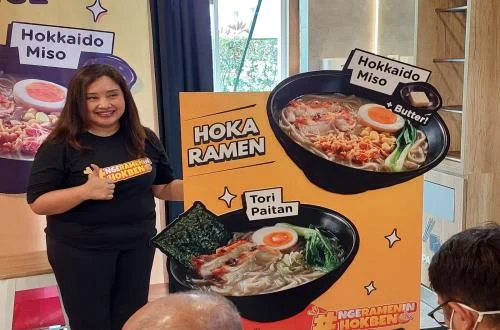
The Indonesian fast-casual dining landscape witnessed a significant expansion in its Japanese-inspired offerings as PT Eka Bogainti, the parent company of the prominent restaurant chain HokBen, officially announced the launch of its newest menu item, Spicy Ramen. Introduced on February 14, 2023, in Jakarta, the Spicy Ramen is the latest addition to the "Hoka Ramen" product line, which was first established in late 2022. This strategic move aims to cater to the specific palate of Indonesian consumers, who historically favor bold, spicy flavors in their daily culinary consumption. The launch reflects a broader trend within the Indonesian food and beverage (F&B) industry, where international cuisines are increasingly being localized to meet regional taste preferences while maintaining their authentic cultural appeal.
The introduction of Spicy Ramen follows the successful debut of the Hoka Ramen series in late 2022, which initially featured two distinct variants: Hokkaido Miso Ramen and Tori Paitan Ramen. By adding a spicy variant, HokBen is positioning itself to compete more aggressively in the burgeoning ramen market in Indonesia, a sector that has seen a surge in popularity among the middle-class demographic. Francisca Lucky, the General Manager of Marketing at PT Eka Bogainti, emphasized that the decision to create a spicy variant was a direct response to market research indicating that the majority of Indonesian diners seek a "pedas" (spicy) kick in their meals.
Product Composition and Pricing Strategy
The Spicy Ramen is crafted using a concentrated spicy chicken broth, designed to provide a deep umami base with a lingering heat that aligns with local expectations. The dish is served with a comprehensive array of traditional ramen toppings, known as "pugasan." These include chicken chasiu—thinly sliced, braised chicken that offers a tender, juicy texture—alongside ni tamago, a Japanese-style soft-boiled egg marinated in a savory soy-based sauce. To provide a balance of textures and nutritional value, the bowl is rounded out with pakcoy (bok choy), fresh green onions, and wood ear mushrooms (jamur kuping), the latter of which adds a distinct crunch to the dining experience.
In terms of market positioning, HokBen has implemented a tiered pricing strategy to accommodate different consumer needs and appetite levels. The Spicy Ramen is available in two sizes: a Regular portion priced at Rp 38,000 and a Large portion priced at Rp 48,000. This pricing structure is strategically set to remain accessible to HokBen’s core customer base—which ranges from students and office workers to families—while offering a premium feel compared to standard bento boxes. By keeping the price point under the Rp 50,000 threshold for the large portion, HokBen maintains its competitive edge against specialized ramen houses that often charge significantly higher prices.
A Timeline of Culinary Evolution: From Bento to Ramen
The launch of Spicy Ramen is a pivotal point in the chronological evolution of HokBen, a brand that has become synonymous with Japanese-style fast food in Indonesia since its inception in 1985. Originally known as Hoka Hoka Bento, the company underwent a major rebranding in 2013, shortening its name to HokBen to create a more modern and catchy identity. For decades, the brand’s reputation was built on its signature bento sets, featuring fried shrimp (Ebi Furai), beef teriyaki, and their iconic salad and mayonnaise.
However, the late 2022 launch of the Hoka Ramen line marked a significant diversification of their menu. The Hokkaido Miso Ramen and Tori Paitan Ramen served as the foundation for this new category. Hokkaido Miso Ramen offered a richer, fermented soybean paste base, typical of northern Japanese styles, while the Tori Paitan provided a creamy, collagen-rich white chicken soup. The integration of Spicy Ramen in February 2023 completes a trifecta of flavors—salty/savory (Miso), creamy (Paitan), and spicy—allowing the brand to capture a wider spectrum of the "noodle-loving" Indonesian public.
This expansion into the ramen sector is not merely a seasonal promotion but a calculated move to transform HokBen into a comprehensive Japanese culinary destination. The company has invested in specific raw materials and specialized training for its kitchen staff to ensure that the ramen maintains a "juicy" texture and that the seasonings penetrate deep into the ingredients, mimicking the authentic Japanese dining experience while adhering to the brand’s established flavor profile.
The Cultural Context of the "Spicy" Preference in Indonesia
The rationale behind the Spicy Ramen launch is deeply rooted in the socio-cultural fabric of Indonesia. Culinary experts and market analysts often note that "pedas" is more than just a flavor in Indonesia; it is a fundamental requirement for many diners. From the ubiquitous sambal found on every dinner table to the "level-based" spicy noodle craze that has gripped the country over the last decade, the demand for heat is relentless.
By incorporating this element into a Japanese staple like ramen, HokBen is practicing "Glocalization"—the adaptation of international products to local cultures. While traditional Japanese ramen often focuses on the subtle complexities of broth and the quality of the alkaline noodles, the Indonesian version of ramen often requires a punchier, more aggressive heat profile. HokBen’s Spicy Ramen bridges this gap by using high-quality Japanese techniques to deliver a flavor that feels familiar to the Indonesian tongue.
Market Dynamics and the Competitive Landscape
The Indonesian F&B sector has shown remarkable resilience and growth in the post-pandemic era. As of 2023, the industry has seen a shift toward "lifestyle dining," where consumers are looking for affordable luxuries. Ramen has emerged as a primary beneficiary of this trend. Once a niche dish found only in high-end Japanese enclaves or specialized restaurants in major cities like Jakarta and Surabaya, ramen has now entered the mainstream.
HokBen faces competition from both local and international players. Specialized chains such as Ippudo and Hakata Ikkousha occupy the premium tier, while local franchises like Gokana Ramen & Teppan and Ichiban Sushi compete in the same mid-range space as HokBen. The advantage HokBen holds lies in its massive footprint—with hundreds of outlets across the archipelago—and its long-standing reputation for Halal compliance. For a significant portion of the Indonesian population, the "Halal" certification is a non-negotiable factor when consuming Japanese cuisine, which traditionally uses pork-based broths (tonkotsu). HokBen’s commitment to a 100% Halal chicken-based broth (Tori) for its Spicy Ramen allows it to tap into a market segment that remains wary of non-certified ramen establishments.
Corporate Strategy and Operational Excellence
Behind the launch of the Spicy Ramen is the operational machinery of PT Eka Bogainti. The company has focused on supply chain integrity to ensure that the quality of the ramen remains consistent across all branches, whether in a high-traffic mall in Jakarta or a standalone outlet in a smaller provincial city. The use of standardized "HokBen-style" seasonings ensures brand consistency, which is a critical factor in maintaining customer loyalty.
Francisca Lucky’s statement regarding the "unique and delicious aroma" of the ramen highlights the sensory marketing approach the company is taking. By focusing on the aroma and the "juicy" texture of the chicken chasiu, HokBen is attempting to differentiate its product from the "instant" feel of lower-end competitors. The inclusion of ni tamago and wood ear mushrooms is also a strategic choice, as these ingredients are often seen as markers of "authentic" ramen, thereby elevating the perceived value of the dish in the eyes of the consumer.
Broader Implications for the Fast-Food Industry
The move by HokBen to solidify its ramen offerings suggests a broader trend where traditional fast-food outlets are moving toward "fast-casual" models. Consumers are increasingly demanding higher quality ingredients and more complex flavor profiles, even in a quick-service environment. This shift forces legacy brands to innovate constantly.
Furthermore, the focus on ramen indicates a diversification of the Indonesian staple diet. While rice remains the primary carbohydrate, noodle-based dishes (mie) are a strong second. By offering a high-quality ramen option, HokBen is positioning itself to capture the "lunch" and "dinner" crowds who may be looking for an alternative to the traditional rice-and-protein bento box.
Conclusion and Future Outlook
The launch of Spicy Ramen by HokBen on February 14, 2023, is a testament to the brand’s agility and its deep understanding of the Indonesian consumer. By leveraging the existing success of the Hoka Ramen line and infusing it with the heat that local palates crave, PT Eka Bogainti has strengthened HokBen’s position as a leader in the Japanese-style quick-service industry.
As the brand continues to navigate the competitive F&B landscape, the success of the Spicy Ramen will likely serve as a blueprint for future product development—one that balances Japanese culinary tradition with Indonesian local preferences. With the regular and large portions priced competitively, and a flavor profile designed for mass appeal, Spicy Ramen is poised to become a staple of the HokBen menu, further cementing the brand’s legacy in the hearts and palates of Indonesian diners. Looking forward, industry observers expect HokBen to continue exploring regional Japanese flavors, perhaps introducing more seasonal or limited-time offerings to keep the menu fresh and engaging for a demographic that is always on the lookout for the next culinary trend.