The banana remains one of the most commercially significant and widely consumed tropical fruits globally, prized for its convenient packaging, high potassium content, and natural sweetness. However, for many consumers, the window of peak ripeness is notoriously brief, often leading to a rapid transition from a vibrant yellow to a bruised, unappealing brown. This phenomenon is not merely an aesthetic concern but a significant contributor to domestic food waste. Recent insights from food hygiene experts and agricultural scientists highlight that the longevity of a banana is dictated by a combination of biochemical processes and environmental factors, many of which can be managed through strategic storage techniques within the home.
The Biochemical Mechanics of Banana Ripening
To understand how to preserve a banana, one must first understand the biological mechanism of its maturation. Bananas are climacteric fruits, meaning they continue to ripen after being harvested. This process is driven primarily by the production of ethylene gas ($C_2H_4$), a natural plant hormone that triggers the conversion of complex starches into simple sugars. While this process is essential for developing the fruit’s characteristic flavor and soft texture, an accumulation of ethylene accelerates the breakdown of cellular walls and the oxidation of phenolic compounds in the peel.
According to experts at High Speed Training, a leading food hygiene organization, the management of ethylene is the single most important factor in extending the shelf life of the fruit. When bananas are confined in a restricted space, the gas they emit becomes concentrated, creating a feedback loop that forces the fruit to ripen at an unnatural speed. This is why a bunch of bananas can appear perfect one day and overripe the next.
Strategic Selection and the Impact of Retail Packaging
The journey toward long-lasting freshness begins at the point of purchase. Environmental advocates and food safety experts suggest that consumers should be wary of how bananas are displayed in supermarkets. A common retail practice involves wrapping bunches in plastic film or placing them in sealed bags to prevent bruising during transport. However, this packaging is detrimental once the fruit reaches the retail floor.
When bananas are encased in plastic, the ethylene gas they naturally release is trapped against the skin. This concentrated exposure can cause the fruit to turn brown or even black within 24 to 48 hours. Journalistic investigations into retail waste have often pointed toward pre-packaged produce as a major source of early spoilage. Experts recommend selecting "naked" or loose bananas. By choosing fruit without plastic wrapping, consumers allow the gas to dissipate into the air, effectively slowing the biological clock of the ripening process.
The Optimal Kitchen Environment: Temperature and Placement
Once the fruit is brought into the home, its placement within the kitchen becomes the next critical variable. While many households utilize a decorative fruit bowl as a centerpiece, this is often the least ideal location for bananas. Storing bananas in a bowl alongside other climacteric fruits—such as apples, pears, or avocados—creates a high-ethylene environment. These fruits "cross-contaminate" each other with ripening hormones, leading to a collective decline in freshness.
The ideal storage location is a flat surface, such as a countertop, maintained at a consistent room temperature. However, "room temperature" is a variable term that requires nuance. Experts suggest that bananas should be kept away from:
- Direct Sunlight: UV rays and heat from windows can increase the internal temperature of the fruit, triggering rapid enzyme activity.
- Heat Sources: Storing bananas near ovens, toasters, or even on top of refrigerators (which emit heat from their condenser coils) can drastically shorten their lifespan.
- Moisture and Humidity: High humidity levels can encourage the growth of mold at the stem, which can quickly spread to the rest of the bunch.
A stable, cool, and well-ventilated area of the kitchen is the gold standard for preservation. If a kitchen is particularly warm, the ripening process will accelerate regardless of other interventions.
Advanced Preservation Techniques: Stem Isolation and Bunch Separation
One of the most effective, yet frequently overlooked, methods for preserving bananas involves physical modification of the bunch. The majority of ethylene gas is released from the crown or the stem of the banana. By addressing this specific area, consumers can exert greater control over the fruit’s maturation.
Food scientists recommend separating bananas from the bunch as soon as they are brought home. When bananas remain attached, the cumulative ethylene from the shared stem affects every individual finger. By isolating them, the gas concentration is reduced. Furthermore, wrapping the individual stems in plastic wrap (cling film) can act as a physical barrier. This prevents the gas from traveling down the fruit and reaching the peel, where the most visible signs of ripening occur.
This method has been validated by various consumer trials, showing that wrapped stems can extend the "yellow phase" of a banana by three to five days compared to untreated bunches.
The Refrigeration Paradox: Timing and Visual Changes
A common point of confusion among consumers is whether bananas should be refrigerated. The consensus among food hygiene experts is that refrigeration is a powerful tool, but only when used at the correct stage of the ripening cycle.
If a green or underripe banana is placed in the refrigerator, the cold temperature (typically around 4 degrees Celsius) can cause "chilling injury." This disrupts the ripening process so severely that the fruit may never develop its proper sweetness or texture, even if returned to room temperature.
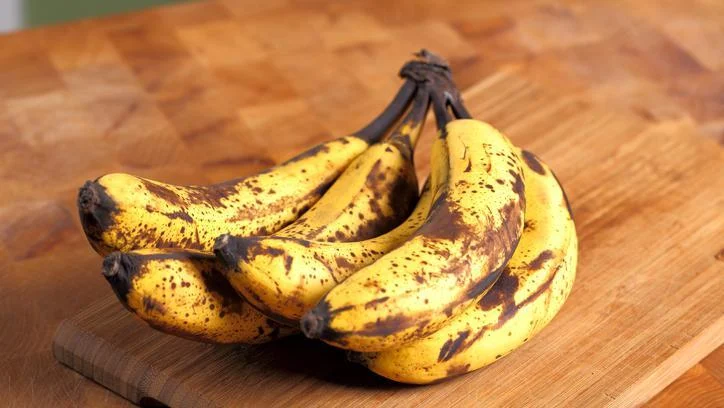
However, once a banana has reached its optimal level of ripeness—characterized by a bright yellow peel with few to no spots—moving it to the refrigerator can effectively "freeze" its state. While the cold temperature will cause the skin to turn dark brown or black due to the breakdown of cell membranes in the peel, the interior flesh remains firm, pale, and perfectly edible. In a refrigerated environment, a ripe banana can remain at peak quality for up to two weeks, far outlasting its countertop counterparts.
Global Economic Implications and the Crisis of Household Food Waste
The science of banana preservation is more than a household tip; it is a necessary response to a global waste crisis. According to the Food and Agriculture Organization (FAO) of the United Nations, approximately one-third of all food produced for human consumption is lost or wasted globally, amounting to roughly 1.3 billion tonnes per year. Fruits and vegetables have the highest wastage rates of any food group.
Bananas are a primary contributor to these statistics. In the United Kingdom alone, it is estimated that households throw away millions of bananas every week. This waste represents not only a loss of nutrition but also a significant waste of the resources used in production, including water, land, and labor. Furthermore, the decomposition of organic waste in landfills produces methane, a potent greenhouse gas that contributes to climate change.
By adopting scientifically-backed storage methods, the average household can significantly reduce its environmental footprint. The transition from "waste culture" to "preservation culture" begins with understanding the simple chemistry of the produce in one’s kitchen.
Analysis of Safety and Alternative Culinary Uses
It is important to distinguish between "overripe" and "spoiled." As noted in the Mirror UK report, a banana with a brown or black skin is not necessarily unfit for consumption. As the fruit ripens, its starch content converts to sugar, making the flesh softer and sweeter. These chemical changes do not pose a health risk unless there are signs of mold, an fermented odor, or an oozing texture.
In fact, overripe bananas are a culinary asset. They are the preferred ingredient for:
- Banana Bread and Muffins: The high sugar content and soft texture provide moisture and flavor that fresh bananas cannot replicate.
- Smoothies: Overripe bananas can be peeled and frozen, acting as a natural sweetener and thickening agent for beverages.
- Natural Sweeteners: Pureed overripe bananas can serve as a substitute for refined sugar in various baking recipes.
Chronology of a Banana’s Lifecycle
To assist consumers in managing their inventory, the following timeline outlines the standard stages of banana maturation under normal room temperature conditions:
- Days 1-2 (Green/Yellow Tip): The fruit is high in starch and low in sugar. It is firm and has a slightly tart flavor. This is the ideal time to separate the bunch and wrap the stems.
- Days 3-5 (Solid Yellow): The peak of ripeness. Starch-to-sugar conversion is nearly complete. This is the optimal window to move the fruit to the refrigerator if it will not be consumed immediately.
- Days 6-7 (Spotted Yellow): Small brown spots (sugar spots) appear. The fruit is at its sweetest.
- Days 8-10 (Brown/Black): The peel darkens significantly. The flesh becomes very soft. While less ideal for raw eating, the fruit is now perfect for culinary processing.
Conclusion: A Data-Driven Approach to Freshness
The preservation of bananas is a microcosm of the broader challenge of sustainable food management. By understanding the role of ethylene gas, the impact of temperature, and the benefits of proper isolation, consumers can transition from passive observers of food spoilage to active managers of their household resources.
The advice provided by food hygiene experts serves as a practical framework: avoid plastic packaging at the source, choose a cool and ventilated storage spot away from heat, isolate stems to contain gas release, and utilize refrigeration as a tactical tool for fully ripened fruit. These steps, while simple, have the potential to save billions of pieces of fruit from landfills annually, providing both economic relief to households and environmental benefits to the planet.