• Home
  • About Us
  • Contact Us
  • Cookies Policy
  • Disclaimer
  • DMCA
  • Privacy Policy
  • Terms and Conditions
Dara News Media
keep your memories alive
Automotive

RatHat Malware Leverages Artificial Intelligence to Compromise Android Devices and Exfiltrate Sensitive Financial Data

by Dwi Wanna September 22, 2026
written by Dwi Wanna

The emergence of RatHat, a sophisticated new breed of malware targeting the Android ecosystem, has sent shockwaves through the cybersecurity community, marking a significant evolution in how malicious actors utilize artificial intelligence to bypass mobile security protocols. Identified by researchers at Zimperium, a global leader in mobile security, this malware represents a departure from traditional automated scripts by integrating AI-driven agents to execute complex commands, pilfer login credentials, intercept authentication codes, and siphon sensitive financial data directly from compromised handsets. The discovery, which came to light following a report by CNET on September 20, highlights a growing trend where malware developers are weaponizing accessibility features to gain granular control over the world’s most widely used mobile operating system.

Anatomy of an AI-Driven Threat

Unlike conventional spyware that relies on pre-programmed sequences, RatHat operates with a level of autonomy that makes it particularly dangerous. Upon infiltrating a device, the malware masks itself as legitimate software—frequently impersonating essential utilities like Google Chrome. The distribution mechanism typically involves social engineering, where users are redirected to meticulously crafted landing pages designed to mirror the interface of the official Google Play Store. By mimicking the visual language of a trusted platform, the attackers effectively lower the victim’s guard, prompting them to initiate a download of the malicious package.

Once the application is installed, the malware’s primary objective is to secure the "Accessibility Service" permissions. While these services are a foundational component of Android’s design, intended to assist users with disabilities by allowing applications to interact with the UI on the user’s behalf, they are a double-edged sword. In the context of RatHat, these permissions provide the malware with a "god-mode" capability, enabling it to read screen content, perform gestures, and interact with other applications without the user’s active participation.

The Technical Execution: From Installation to Full Control

The lifecycle of a RatHat infection follows a precise, multi-stage trajectory. After obtaining the necessary accessibility permissions, the malware initiates a series of behind-the-scenes operations to escalate its privileges. According to the analysis provided by Zimperium researchers, the malware systematically navigates the device’s settings to enable "Wireless Debugging." This is a feature intended for developers to test applications over a network, but in the hands of RatHat, it serves as a gateway for the malware to grant itself elevated access to the Android Debug Bridge (ADB) shell.

The ADB shell acts as a powerful command-line interface that provides deep access to the Android operating system’s core. By establishing this level of access, RatHat effectively strips away the protective barriers typically imposed by the Android OS. Once the shell is active, the malware deploys an AI-powered agent. This agent is capable of interpreting the device’s state in real-time, executing system-level commands, and adapting to the specific environment of the phone. Whether it is bypassing two-factor authentication (2FA) prompts by reading SMS codes or harvesting credentials from banking applications, the AI-driven agent performs these tasks with a speed and efficiency that far outpaces manual or traditional automated attacks.

Chronology and Identification of the Campaign

While the public disclosure occurred in late September, cybersecurity analysts believe that the infrastructure supporting RatHat has been under development for several months. The discovery is part of a broader, ongoing investigation into the modernization of mobile threats.

  • Mid-2024: Initial indicators of suspicious traffic patterns involving unauthorized ADB access on consumer devices began appearing in threat intelligence feeds.
  • August 2024: Zimperium’s mobile threat defense team detected a spike in "impersonation applications" that bypassed standard Play Protect checks through sophisticated obfuscation techniques.
  • September 20, 2024: Comprehensive analysis of the RatHat payload confirmed the integration of AI-based automation, leading to the public alert regarding its capability to steal financial data and authentication tokens.

The speed at which these campaigns evolve suggests that threat actors are rapidly iterating their software, moving away from "one-size-fits-all" malware toward highly specialized, adaptive tools that can target specific banking apps or cryptocurrency wallets depending on the geographic location of the victim.

The Broader Implications for Mobile Security

The rise of RatHat underscores a critical systemic vulnerability: the inherent trust model of the Android Accessibility Service. While Google has implemented stricter policies regarding the use of these services in recent versions of Android, malicious actors have found ways to trick users into granting these permissions through deceptive UI overlays and urgent security warnings.

Data from the 2024 Mobile Threat Report indicates that mobile malware incidents have increased by approximately 22% year-over-year. The shift toward AI-assisted malware is particularly concerning for financial institutions. With the increasing reliance on mobile devices for banking, digital wallets, and authentication, the threat posed by RatHat goes beyond simple data theft. It represents a threat to the integrity of the digital identity of the user. If an attacker can control a device via an ADB shell, they can effectively mirror the user’s identity, making it nearly impossible for traditional fraud detection systems to distinguish between a legitimate transaction and a malicious one.

Official Responses and Mitigation Strategies

While Google has not released a specific statement regarding the RatHat campaign, the company has consistently updated its Google Play Protect ecosystem to detect apps that attempt to exploit accessibility features. However, the nature of RatHat—often distributed outside of the official Play Store—means that users who engage in "sideloading" (installing apps from third-party sources) remain the most vulnerable.

Security experts, including those from Zimperium, emphasize that the primary defense remains user education and technical hygiene. Recommendations for protecting against AI-driven threats include:

  1. Vigilance with Accessibility Services: Users should be extremely cautious about granting accessibility permissions to any app, especially those that do not clearly require such capabilities for their stated function.
  2. Avoid Sideloading: Only download applications from official, verified sources like the Google Play Store. Even then, users should check developer credentials and review user feedback for inconsistencies.
  3. Monitor Developer Settings: Regularly audit the "Developer Options" in Android settings. If Wireless Debugging is enabled without the user’s knowledge, it is a definitive sign of a compromise.
  4. Use Mobile Endpoint Security: For enterprise environments, the deployment of mobile threat defense (MTD) solutions that can detect anomalous system-level behavior is essential.

Analysis: The AI Arms Race in Cybersecurity

The integration of AI into malware like RatHat represents a paradigm shift in the cybersecurity landscape. Historically, malware was static; once a signature was identified, antivirus software could effectively block it. However, an AI-powered agent can modify its own behavior based on the security measures it encounters. It can detect if it is being run in a virtualized sandbox (a common technique for researchers to analyze malware) and choose to remain dormant or execute benign tasks instead of its malicious payload.

This "adaptive" capability forces security vendors to move away from signature-based detection and toward behavioral analysis. The implication is clear: the future of mobile security will be defined by an AI arms race. Security vendors must employ their own machine-learning models to detect the subtle, non-human patterns of behavior that occur when an AI-driven malware agent takes control of a device’s interface.

As we move toward the end of 2024, the RatHat incident serves as a stark reminder that the complexity of mobile devices is matched only by the sophistication of those seeking to exploit them. For the average user, the takeaway is that mobile security is no longer a passive experience. It requires active vigilance, a healthy skepticism of prompts, and an understanding that the convenience of modern technology comes with the necessity of robust digital self-defense. The era of AI-enhanced threats has arrived, and the global security infrastructure must evolve with equal speed to meet the challenge.

September 22, 2026 0 comment
0 FacebookTwitterPinterestEmail
Automotive

The End of an Era: Robert Mugabe Resigns as President of Zimbabwe After Nearly Four Decades in Power

by Reynand Wu September 22, 2026
written by Reynand Wu

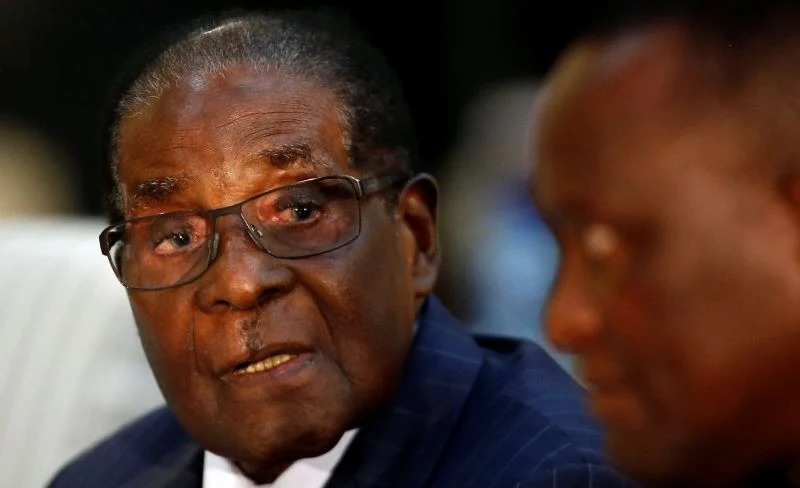
The political landscape of Southern Africa underwent a historic transformation on Wednesday, November 22, 2017, when Robert Gabriel Mugabe officially stepped down as the President of Zimbabwe. At the age of 93, the world’s oldest sitting head of state at the time relinquished the power he had held for nearly forty years. His resignation brought a dramatic end to a tumultuous week defined by a military takeover, mass street protests, and impending impeachment proceedings in parliament.

Mugabe’s departure marked the closure of a complex chapter in modern African history—transitioning from a celebrated anti-colonial liberation hero to an authoritarian ruler whose policies ultimately crippled a once-prosperous nation. Across the capital city of Harare and throughout the country, the news of his resignation triggered spontaneous celebrations. Thousands of citizens flooded the streets, dancing, singing, and waving Zimbabwean flags, expressing an overwhelming sense of liberation and hope for a democratic future.

The Chronology of the Crisis: From Military Intervention to Resignation

The events leading to Robert Mugabe’s resignation unfolded rapidly over a tense eight-day period in November 2017. The catalyst for the crisis was an intensifying succession battle within the ruling Zimbabwe African National Union-Patriotic Front (ZANU-PF) party. For months, a faction loyal to Mugabe’s wife, Grace Mugabe, had been locked in a bitter power struggle with veterans of the liberation struggle, most notably Emmerson Mnangagwa, the country’s long-serving Vice President.

On November 6, 2017, Mugabe dismissed Mnangagwa, accusing him of disloyalty and plotting to seize power through unorthodox means, including witchcraft. Mnangagwa fled the country, warning of retribution against the ruling elite. Sensing that Grace Mugabe—who was widely unpopular and viewed as an extravagant figure disconnected from the daily struggles of ordinary citizens—was poised to succeed her aging husband, the military stepped in.

In the early hours of November 15, 2017, the Zimbabwe National Army, led by General Constantino Chiwenga, launched a bloodless military intervention. Tanks rolled into Harare, seizing control of the state broadcaster, ZBC, and placing Robert and Grace Mugabe under house arrest. While military leaders vehemently denied staging a coup, insisting they were merely targeting the "criminals" surrounding the president who were steering the country toward economic and social ruin, the international community recognized the action as a de facto regime change.

Despite the military takeover, Mugabe initially resisted pressure to step down. He insisted on maintaining his constitutional legitimacy during negotiations brokered by military generals and southern African envoys. However, the political ground shifted dramatically on November 19, when ZANU-PF stripped Mugabe of his role as party leader and expelled his wife, replacing him with the newly returned Mnangagwa.

On November 21, as the Zimbabwean Parliament formally convened to initiate impeachment proceedings against the embattled leader, a letter of resignation from Mugabe was read aloud by the speaker of parliament, Jacob Mudenda. The legislative chamber erupted in rapturous applause, mirroring the jubilation taking place on the streets outside.

Early Life, Education, and the Rise of a Revolutionary

To understand the immense gravity of Robert Mugabe’s fall, it is essential to examine his rise to power. Born on February 21, 1924, in Kutama, located in the northeastern district of Salisbury (now Harare) in what was then the British colony of Southern Rhodesia, Mugabe grew up in a deeply religious, mission-educated household.

Displaying an exceptional intellect from a young age, Mugabe pursued education with relentless dedication. Before entering the political arena, he worked as a schoolteacher, a vocation that took him to various parts of Southern Rhodesia and neighboring Ghana. Over the course of his lifetime, Mugabe accumulated as many as seven academic degrees, earning qualifications in education, law, economics, and administration through distance learning while imprisoned or in office.

Mugabe’s political awakening occurred during a period of entrenched racial segregation and white minority rule under Prime Minister Ian Smith. In 1960, Mugabe joined the National Democratic Party, which was later banned by the colonial government. Implicated in delivering what the colonial authorities deemed "subversive speeches," Mugabe was arrested in 1964 and sentenced to a decade of imprisonment without trial.

The decade behind bars transformed Mugabe into a hardened revolutionary strategist. Following his release in 1974, he crossed the border into Mozambique, where he assumed leadership of the Zimbabwe African National Liberation Army (ZANLA), the military wing of ZANU. From exile, Mugabe orchestrated a protracted and bloody guerrilla war against the white-minority government.

The armed struggle, combined with international economic sanctions against Rhodesia, ultimately forced the Ian Smith regime to negotiate. The landmark Lancaster House Agreement of 1979 paved the way for democratic elections and internationally recognized independence. In April 1980, the independent nation of Zimbabwe was born, and Robert Mugabe assumed office as its first Prime Minister, hailed locally and globally as a visionary statesman committed to racial reconciliation and national development.

From Liberator to Authoritarian: The Decades of Decline

The early years of Mugabe’s administration were characterized by significant advancements in public education and healthcare, earning international acclaim. However, the promise of a prosperous, multiracial democracy gradually eroded as Mugabe centralized power and systematically dismantled institutional checks and balances.

A dark stain on his early tenure was the Gukurahundi massacres between 1983 and 1987, during which a North Korean-trained military brigade slaughtered an estimated 20,000 civilians in the Matabeleland region, predominantly targeting members of the minority Ndebele ethnic group who supported Mugabe’s political rival, Joshua Nkomo. Mugabe never formally apologized for the atrocities, framing the operation as a necessary measure to suppress dissidents.

In 1987, following constitutional amendments that abolished the post of Prime Minister, Mugabe transitioned from head of government to executive President. His personal life also underwent changes; his first wife, the Ghanaian-born Sally Hayfron, whom he married in 1961, passed away from kidney failure in 1992. In 1996, he married Grace Marufu, a former presidential secretary, in a lavish ceremony that drew criticism amid rising economic hardships.

By the late 1990s, mounting political opposition led by the Movement for Democratic Change (MDC), founded by trade unionist Morgan Tsvangirai, posed a genuine electoral threat to ZANU-PF. In response, Mugabe’s government initiated the controversial Fast Track Land Reform Program in 2000. Under the guise of addressing colonial land imbalances, the state seized productive commercial farms owned by white minorities and redistributed them to ruling-party loyalists, many of whom lacked agricultural expertise.

The chaotic land seizures crippled Zimbabwe’s agricultural sector, historically the backbone of the national economy. Foreign exchange reserves evaporated, leading to catastrophic hyperinflation in the late 2000s. At its peak in 2008, Zimbabwe’s inflation rate reached an astronomical 79.6 billion percent, rendering the local currency entirely worthless, wiping out the life savings of millions, and plunging the population into severe poverty, food insecurity, and widespread unemployment.

To maintain power, Mugabe increasingly relied on state-sponsored violence, judicial manipulation, and widespread electoral fraud during national polls in 2002, 2008, and 2013. Human rights organizations regularly documented arbitrary arrests, torture of political opponents, and the suppression of independent media.

Reactions from National and International Stakeholders

Mugabe’s resignation elicited a complex array of responses from the international community and domestic stakeholders. Western governments, which had imposed targeted sanctions on Mugabe and his inner circle due to human rights abuses and election rigging, cautiously welcomed his departure while emphasizing the need for democratic reforms and credible future elections.

African regional bodies, including the Southern African Development Community (SADC) and the African Union (AU), praised the peaceful manner in which the transition was handled, avoiding the large-scale civil conflict that many analysts had feared. However, critics noted that African leaders had long turned a blind eye to Mugabe’s authoritarian excesses, largely due to his status as a revered veteran of the continent’s anti-colonial struggles.

Domestically, civil society organizations and opposition figures expressed profound relief tempered by realistic caution. While citizens celebrated the end of the Mugabe era, many voiced concerns that the military intervention and the ascension of Emmerson Mnangagwa—a close confidant of Mugabe and a key figure in past state security apparatuses—represented a change of personnel rather than a fundamental shift in governance.

Implications and the Future of Post-Mugabe Zimbabwe

The removal of Robert Mugabe left profound political and economic implications for Zimbabwe. The immediate challenge facing the new administration under President Emmerson Mnangagwa was the stabilization of the collapsing economy. Rebuilding investor confidence, securing international financial bailouts from institutions like the International Monetary Fund and the World Bank, and addressing severe liquidity shortages required urgent structural reforms.

Politically, the transition tested the resilience of Zimbabwe’s democratic institutions. Analysts emphasized that true reform necessitated dismantling the entrenched patronage networks built by ZANU-PF over nearly four decades. Ensuring the independence of the judiciary, protecting freedom of the press, and guaranteeing free and fair elections became the primary benchmarks by which the post-Mugabe government would be judged by its citizens and the global community.

Ultimately, the fall of Robert Mugabe serves as a watershed moment in modern African political history. It demonstrated the limits of authoritarian endurance in the face of deep economic despair and public mobilization, while underscoring the enduring aspirations of ordinary citizens for accountable, democratic governance after decades of misrule.

September 22, 2026 0 comment
0 FacebookTwitterPinterestEmail
Automotive

TeRuCI Celebrates 19th Anniversary and 10th National Deliberation with Milestone Event in Lampung

by Nila Kartika Wati September 22, 2026
written by Nila Kartika Wati

The Terios Rush Club Indonesia (TeRuCI), one of the nation’s most prominent automotive communities, officially marked its 19th anniversary with a dual-purpose gathering in Lampung. The event, which also served as the 10th Musyawarah Nasional (Munas), or National Deliberation, brought together hundreds of members from across the Indonesian archipelago. This landmark occasion underscored the evolution of the club from a simple enthusiast gathering into a structured, nationwide organization dedicated to automotive excellence, brotherhood, and social responsibility.

A Legacy of Brotherhood and Organizational Growth

Established nearly two decades ago, TeRuCI has served as a central hub for owners of Daihatsu Terios and Toyota Rush vehicles. The organization’s longevity is a rarity in the fragmented landscape of automotive clubs, where many groups disband after only a few years of activity. According to the Kumendan Pusat of TeRuCI, Budhy Prihantoro, the key to the club’s survival lies in its foundational values of fraternity and shared purpose.

"Nineteen years represents a significant journey that has been meticulously built upon the foundation of true brotherhood," Prihantoro stated during the event. "The 10th Munas is a crucial turning point. It is not just a celebration of our past, but a strategic moment to reinforce our organizational structure, refine our internal policies, and ensure that TeRuCI remains a solid, forward-thinking entity in the years to come."

Klub Mobil Terios Rush Gelar Munas, Anggota dari Berbagai Daerah Kumpul

The Munas serves as the highest decision-making forum within the club. During this session, members evaluated past performance, discussed national membership trends, and elected new leadership frameworks intended to guide the club toward its second decade. By hosting this meeting in Lampung, the organizers aimed to decentralize the club’s activities, demonstrating that TeRuCI’s influence extends far beyond its headquarters in the capital, Jakarta.

The Evolution of Automotive Communities in Indonesia

The rise of clubs like TeRuCI mirrors a broader trend in Indonesia’s automotive landscape. As vehicle ownership—specifically in the Low Sport Utility Vehicle (LSUV) segment—has surged over the last twenty years, the need for communal support systems has grown in tandem.

Data from the Association of Indonesia Automotive Industries (GAIKINDO) consistently ranks the Terios and Rush models among the most popular vehicles in their class. Their durability, affordability, and adaptability for both urban commuting and long-distance touring have made them staples of the Indonesian middle class. TeRuCI has successfully leveraged this market dominance to create a robust social ecosystem.

Unlike casual hobbyist groups, modern automotive clubs in Indonesia have evolved into semi-professional entities. They often partner with manufacturers for technical support, engage in road safety advocacy, and organize large-scale cross-province convoys. The 19th anniversary of TeRuCI serves as a case study in how these communities can maintain engagement over nearly two decades by pivoting from purely automotive technical discussions to community-building and philanthropy.

Klub Mobil Terios Rush Gelar Munas, Anggota dari Berbagai Daerah Kumpul

Integrating Social Responsibility into Automotive Culture

A defining characteristic of the 19th-anniversary celebration was the integration of a Corporate Social Responsibility (CSR) program. As part of the festivities in Lampung, the TeRuCI delegation engaged in a philanthropic mission, delivering aid and donations to local boarding schools (pondok pesantren) in South Lampung.

Gofan Wijaya, the Chairperson of the 19th Anniversary and 10th Munas committee, emphasized that the club’s identity is increasingly defined by its commitment to societal impact. "We wanted this anniversary to be more than just a gathering of vehicles," Wijaya explained. "Our goal was to ensure that the event left a positive footprint in the host region. By supporting the local educational infrastructure in Lampung, we are demonstrating that our club is committed to the betterment of the communities we travel through."

This philanthropic approach is becoming a hallmark of reputable automotive clubs in Indonesia. It serves multiple purposes: it improves the public image of these clubs, which are often unfairly associated with reckless road behavior or excessive noise; it fosters a sense of collective purpose among members; and it strengthens the bond between the club and local authorities, which is vital for the logistical planning of future large-scale convoys.

The Logistical and Strategic Challenges of the 10th Munas

Organizing a national-level event of this magnitude requires months of preparation. The choice of Lampung as the venue provided both opportunities and challenges. Moving large groups of vehicles across the Sunda Strait involves complex logistical planning, including ferry coordination and traffic management.

Klub Mobil Terios Rush Gelar Munas, Anggota dari Berbagai Daerah Kumpul

During the Munas, delegates reviewed the club’s current operational status. Key topics of discussion included:

  1. Membership Retention: Strategies for engaging younger generations of Terios and Rush owners who may prefer digital engagement over physical meetings.
  2. Standardization of Safety: Updates to the club’s "Convoy Protocol," a set of internal rules designed to ensure that member vehicles do not disrupt public traffic flow during touring events.
  3. Institutional Collaboration: Discussions on how to better leverage the partnership with Daihatsu and Toyota to provide members with better maintenance resources and parts availability.
  4. Digital Transformation: The implementation of new platforms to manage membership databases, which currently span thousands of individuals across the Indonesian archipelago.

The professionalism shown during these sessions highlights how TeRuCI has transitioned from a loose group of friends into a structured organization capable of managing its own national policy framework.

Broader Implications and Future Outlook

The success of the 19th-anniversary event suggests that TeRuCI is well-positioned for its 20th-anniversary "platinum" year. However, the club faces a changing automotive landscape. With the government’s push toward electric vehicles (EVs) and hybrid technologies, the traditional internal combustion engine (ICE) vehicles that form the core of the club’s identity will eventually face shifts in maintenance requirements and fuel availability.

Industry analysts suggest that the next decade will be critical for such clubs. To remain relevant, TeRuCI will likely need to incorporate discussions regarding the future of mobility, vehicle modification regulations, and potentially the integration of newer, electrified SUV models into their membership criteria.

Klub Mobil Terios Rush Gelar Munas, Anggota dari Berbagai Daerah Kumpul

Moreover, the club’s focus on community service is a strategic hedge against potential regulatory crackdowns on large-scale automotive convoys. By positioning themselves as a positive force in the community, TeRuCI creates a "social license" that allows them to continue their touring activities with the support, rather than the suspicion, of local residents and police forces.

Conclusion

The 19th Anniversary and 10th Munas of TeRuCI in Lampung have set a high benchmark for Indonesian automotive communities. By successfully balancing organizational governance with a spirit of fellowship and a genuine commitment to social welfare, the club has solidified its position as a pillar of the Indonesian automotive scene.

As the club moves into its 20th year, the lessons learned in Lampung—the importance of decentralized operations, the necessity of giving back to local communities, and the value of clear internal governance—will undoubtedly serve as the blueprint for its continued growth. Whether through its technical contributions to members or its social contributions to the regions it visits, TeRuCI remains a testament to the idea that a car club is defined less by the machines its members drive and more by the values they share on the road.

September 22, 2026 0 comment
0 FacebookTwitterPinterestEmail
Automotive

Indonesia Targets 80 Percent Local Content in Electric Vehicles by 2030 to Strengthen National Manufacturing Sovereignty

by Suro Senen September 22, 2026
written by Suro Senen

The Indonesian government has officially set an ambitious, long-term roadmap to transform the nation into a global hub for electric vehicle (EV) manufacturing. By mandating a progressive increase in the local content requirement—known as the Tingkat Komponen Dalam Negeri (TKDN)—the government aims to ensure that the domestic automotive industry moves beyond simple assembly processes to become a fully integrated ecosystem. The target stipulates that by 2030, electric vehicles produced within the country must achieve at least 80 percent domestic component usage, a move designed to stimulate local supplier growth and reduce reliance on imported industrial parts.

Minister of Industry Agus Gumiwang Kartasasmita underscored this strategic mandate during the recent inauguration of the BYD electric vehicle manufacturing facility in Subang, West Java. This facility represents a significant milestone in Indonesia’s industrial policy, marking the transition from a consumer market to a production powerhouse. The minister emphasized that the government’s approach is not merely about attracting foreign capital, but about fostering a sustainable and deep-rooted industrial structure that benefits the national economy.

The Chronology of TKDN Implementation

The government’s strategy is structured through a phased, data-driven timeline designed to allow manufacturers sufficient time to localize their supply chains. The regulation mandates the following trajectory for the minimum TKDN values:

  • Phase 1 (Current to 2026): Manufacturers are required to meet a minimum of 40 percent local content. This initial hurdle ensures that early-stage entrants focus on building domestic assembly lines and establishing initial relationships with local component manufacturers.
  • Phase 2 (2027 to 2029): The requirement scales up to 60 percent. During this period, the government expects deeper localization, specifically in the production of sub-assemblies, vehicle chassis components, and localized electronic control systems.
  • Phase 3 (2030 and beyond): The mandate reaches its peak at 80 percent. At this stage, the policy aims to ensure that high-value components—potentially including battery pack integration and critical powertrain elements—are sourced or manufactured within Indonesian borders.

This tiered approach is designed to balance the necessity of attracting foreign direct investment (FDI) with the long-term objective of building indigenous technological capabilities.

Industrial Landscape and Economic Contributions

The impact of these regulations is already visible in the surge of interest from international automotive giants. Currently, 14 major manufacturing companies have committed to the Indonesian electric vehicle sector. These firms have collectively invested approximately Rp24.131 trillion into the nation, resulting in an annual production capacity of 409,860 units.

This growth is a vital component of Indonesia’s broader economic strategy, particularly as the manufacturing sector continues to outperform other segments of the national economy. In the second quarter of 2026, the non-oil and gas processing industry grew by 5.32 percent year-on-year, outpacing the national economic growth rate of 5.29 percent.

The manufacturing sector remains the engine of the Indonesian economy, contributing 16.83 percent to the national Gross Domestic Product (GDP), a value equivalent to Rp1,102.88 trillion. Furthermore, the sector is a massive employer, providing jobs for 19.99 million people as of early 2026. This labor intensity underscores the importance of the government’s push for deeper industrialization; by moving up the value chain, Indonesia is not only creating high-quality manufacturing jobs but also shielding its economy from the volatility of global commodity markets.

Global Competitiveness and Strategic Positioning

Beyond local metrics, Indonesia is rapidly ascending the ranks of global manufacturing powerhouses. According to World Bank data from 2025, Indonesia’s Manufacturing Value Added (MVA) reached $275.61 billion, propelling the country to the 12th position globally—an improvement from its previous ranking of 13th.

Within Southeast Asia, Indonesia stands unrivaled in terms of manufacturing scale, with an MVA more than double that of its closest regional competitor, Thailand. On a continental scale, Indonesia has cemented its place as the fifth-largest manufacturing force in Asia, trailing only the established industrial giants: China, Japan, India, and South Korea.

The significance of this growth cannot be overstated. In the first half of 2026 alone, non-oil and gas processed commodities generated $115.50 billion in export value, accounting for 82.03 percent of Indonesia’s total exports. This highlights that the nation is successfully diversifying its economy away from raw material extraction toward high-value industrial manufacturing.

Challenges and Policy Implications

While the trajectory is positive, analysts point out that achieving 80 percent TKDN by 2030 requires substantial investment in the upstream supply chain. "The challenge," notes a senior industrial policy observer, "lies in the battery sector and the specialized engineering required for electric motors. Meeting the 80 percent threshold requires more than just assembling frames; it requires an ecosystem of component suppliers that can meet international quality standards at competitive prices."

The government’s "affirmative action" approach—which includes tax incentives, infrastructure support, and favorable investment climates—is intended to bridge this gap. By forcing the hand of manufacturers, the government is essentially creating a guaranteed market for domestic suppliers. This "captive market" strategy encourages local businesses to upgrade their machinery and workforce skills to satisfy the demanding requirements of global EV brands.

Furthermore, the stability of the investment environment remains paramount. With Rp199.48 trillion in manufacturing investment recorded in Q2 2026, which represents nearly 39 percent of all national investment, the government must ensure that regulatory frameworks remain consistent. Investors in the EV sector require long-term policy certainty to justify the massive capital expenditure associated with building automated production facilities and testing laboratories.

The Role of Technology Transfer

A crucial, often overlooked element of the TKDN roadmap is the implicit requirement for technology transfer. By mandating higher local content, the government effectively compels multinational corporations to work closely with local vendors. This collaboration is expected to facilitate the transfer of technical expertise, quality control standards, and advanced manufacturing processes to the Indonesian workforce.

As these firms compete to meet the 80 percent local content goal, they are incentivized to establish R&D centers within Indonesia. These centers are essential for the long-term goal of not just producing foreign designs, but eventually contributing to the design and engineering of vehicles tailored to the specific needs of the ASEAN market.

Looking Ahead: The 2030 Vision

As Indonesia moves toward 2030, the success of the EV roadmap will likely be measured by the emergence of a domestic "battery-to-car" supply chain. If the government succeeds, the country will transition from an importer of automotive technology to an exporter of finished electric vehicles, potentially becoming the primary source of supply for the growing electric mobility markets across Southeast Asia and beyond.

The data supports the feasibility of this vision. With a robust manufacturing foundation, a massive labor force, and a clear regulatory path, Indonesia has established the necessary conditions for industrial success. The focus now shifts to the execution of these policies: maintaining the momentum of investment, ensuring the competitiveness of local suppliers, and continuing to integrate Indonesia into the global electric vehicle value chain.

The inauguration of the BYD facility in Subang is not merely a symbolic event; it is a signal to the global automotive industry that Indonesia is open for business, provided that business contributes to the domestic industrial fabric. For policymakers, the next few years will be critical in ensuring that the infrastructure—ranging from power grids to logistics—can support this massive industrial scale-up. If current trends continue, the 2030 target of 80 percent local content may serve as the catalyst that permanently alters the nation’s economic landscape, transforming Indonesia into an indispensable player in the future of global green transportation.

September 22, 2026 0 comment
0 FacebookTwitterPinterestEmail
Sports

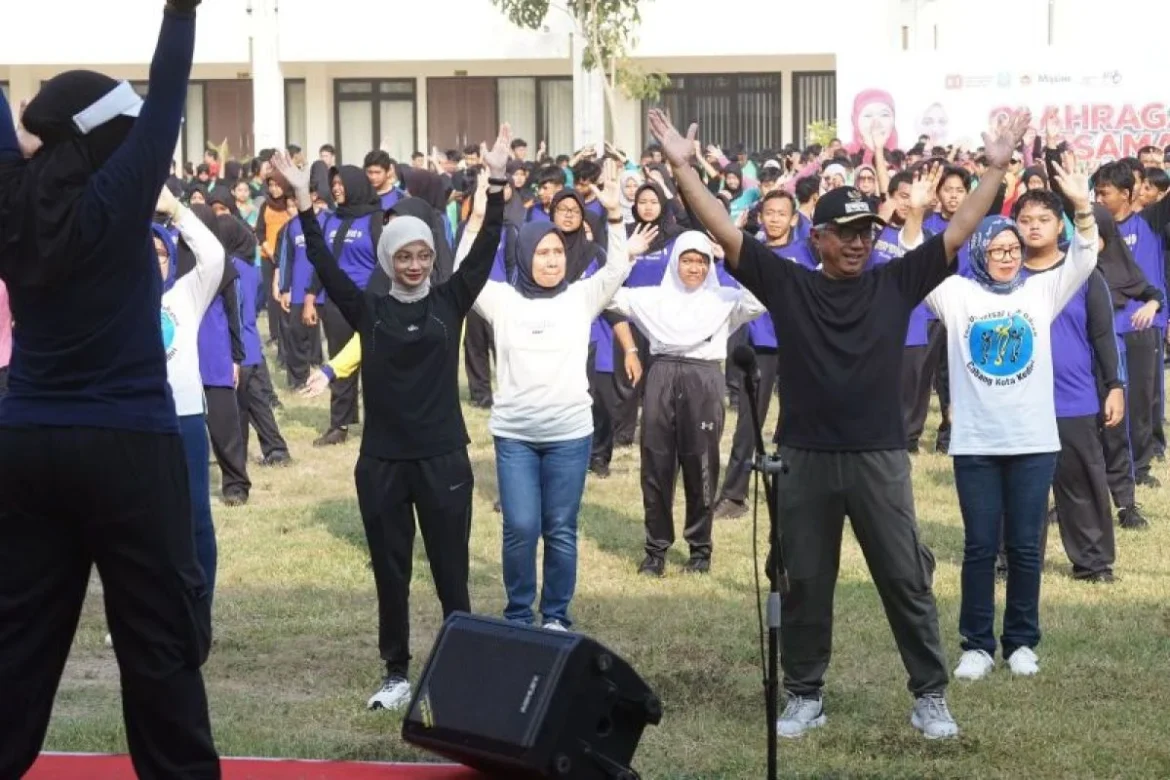
Tracing the Roots of National Sports Day: How the Spirit of 1948 Shaped Indonesia’s Athletic Identity and Public Health

by Iffa Jayyana September 22, 2026
written by Iffa Jayyana

Jakarta (ANTARA) – Every year on September 9, Indonesia observes Hari Olahraga Nasional (National Sports Day, or Haornas), a landmark occasion dedicated to celebrating the profound role of athletics in the nation’s history, public health, and cultural identity. While modern commemorations often focus on contemporary milestones, grassroots fitness movements, and the economic dimensions of the sports industry, the true origins of Haornas are deeply intertwined with Indonesia’s early struggles for international recognition following its hard-won independence.

The commemoration traces its lineage back to the inaugural National Sports Games (Pekan Olahraga Nasional, or PON), which took place in Solo, Central Java, from September 9 to September 12, 1948. Organized during a period of extreme geopolitical volatility and economic scarcity, the historic sporting event served a dual purpose: to unite a newly sovereign nation through friendly competition and to boldly project Indonesia’s existence onto the global stage. Decades later, on September 9, 1983, the date was officially consecrated as National Sports Day by President Soeharto during the historic revitalization of the Sriwedari Stadium in Surakarta, establishing a lasting legacy that continues to inspire millions of citizens to embrace active lifestyles.

The Genesis of PON 1948: Diplomacy Through Athletics

To fully grasp the significance of Haornas, one must examine the socio-political landscape of Indonesia in the late 1940s. Having proclaimed independence on August 17, 1945, the young republic was still locked in a fierce diplomatic and military struggle to secure international sovereignty from colonial powers. Amid these existential challenges, Indonesian sports pioneers harbored profound ambitions to participate on the world stage, specifically targeting the XIV Olympic Games held in London in 1948.

However, the path to London was blocked by formidable administrative hurdles. Because the newly formed Indonesian state lacked widespread international recognition at the time, the International Olympic Committee (IOC) and the organizing committee in London did not formally recognize the Indonesian contingent. Furthermore, colonial authorities still exerted pressure regarding travel documents, forcing athletes to navigate complex passport and citizenship dilemmas. Rather than acquiesce to diplomatic exclusion, Indonesian sports leaders, visionaries, and nationalist figures made a resolute pivot: if the world would not yet welcome Indonesian athletes to international arenas, Indonesia would create its own grand arena at home.

Thus, the idea of the Pekan Olahraga Nasional (PON) was born. Solo was chosen as the host city, transforming the Central Javanese cultural hub into the epicenter of national solidarity. From September 9 to 12, 1948, hundreds of athletes from various regions, ethnic groups, and local sports organizations gathered to compete in multiple disciplines. The opening day of this monumental event—September 9—forever altered the course of the nation’s athletic history, laying the foundational stone for what would eventually become National Sports Day.

Institutionalization: From Field Success to Presidential Decree

While the spirit of September 9 burned brightly among sports enthusiasts in the post-independence era, it took nearly four decades for the date to be officially codified into the national calendar. The formal institutionalization of Haornas occurred on September 9, 1983, when President Soeharto inaugurated the major restoration of the iconic Sriwedari Stadium in Surakarta.

The stadium itself held immense sentimental and historical value, serving as the spiritual home where the dreams of Indonesian sports independence were first realized in 1948. During the rededication ceremony, the government recognized the urgent need to foster a robust sports culture that extended beyond elite competition, aiming instead to cultivate physical fitness, national discipline, and communal well-being across all segments of society.

The ceremonial declaration of 1983 was subsequently strengthened by formal administrative and legal frameworks. In 1985, the government issued Presidential Decree (Keputusan Presiden or Keppres) Number 67 of 1985 concerning National Sports Day. This legal instrument officially designated September 9 of every year as Haornas, legally mandating the state and society to prioritize sports development, construct sustainable training pipelines, and elevate the standard of physical education nationwide. By anchoring the celebration in law, the Indonesian government ensured that the historical sacrifices of the 1948 generation would be systematically honored and passed down to subsequent generations.

Evolving Philosophy: Beyond Medals to Public Health and Economic Growth

In contemporary times, the Ministry of Youth and Sports (Kemenpora) has continually redefined the scope and philosophy of Haornas. While winning international medals and raising the Red and White flag at Asian Games, the Olympics, and SEA Games remain critical benchmarks of national pride, modern policy frameworks emphasize that sports must transcend elite achievement.

According to recent guidelines issued by the Ministry of Youth and Sports, Haornas serves as a multifaceted catalyst for national development, touching upon public health, character building, social cohesion, and the burgeoning "sport industry" and "sport tourism" sectors. Officials emphasize that a physically active populace translates directly to lower healthcare expenditures, enhanced workforce productivity, and stronger psychological resilience among youth.

This holistic approach is reflected in recent strategic initiatives launched across the archipelago. For instance, the government has increasingly integrated sports development with regional economic planning, as seen in preparations for multi-event spectacles like the upcoming PON 2028 in East Sumba, which is strategically designed to position the region as a premier national hub for sport tourism. By blending athletic competition with local cultural attractions and hospitality, major sporting events generate substantial multiplier effects for local micro, small, and medium enterprises (MSMEs), hospitality providers, and infrastructure developers.

Furthermore, recent administrative discussions underscore the massive financial and structural investments required to sustain this momentum. Ministry projections and budgetary proposals—such as recent allocations sought for elite training centers, high-performance academies, and beach sports complexes like the upcoming events in Ancol—demonstrate a long-term commitment to modernizing Indonesia’s sports ecosystem. These facilities are designed not only to unearth world-class talent but also to provide safe, accessible spaces for everyday citizens to engage in physical recreation.

Chronological Timeline of Indonesian Sports History and Haornas

To understand the continuous thread connecting Indonesia’s past struggles to its modern athletic aspirations, sports historians outline several pivotal milestones:

  • August 17, 1945: Indonesia proclaims its independence, setting the stage for self-determination in all facets of national life, including sports and youth affairs.
  • 1948: Indonesian athletes seek entry to the XIV Olympic Games in London but face insurmountable administrative and political barriers due to a lack of international recognition.
  • September 9–12, 1948: The inaugural Pekan Olahraga Nasional (PON I) is successfully held in Solo, Central Java, serving as a powerful domestic substitute for the Olympics and proving the nation’s organizing capability.
  • September 9, 1983: President Soeharto officially proclaims National Sports Day (Haornas) during the rededication of the historical Sriwedari Stadium in Surakarta.
  • 1985: The legal foundation of Haornas is firmly established through Presidential Decree (Keppres) No. 67/1985, cementing September 9 as a permanent national commemoration.
  • Modern Era (2020s–2026): Haornas evolves into an umbrella movement focusing on public fitness, sports science, the economic benefits of sport tourism (such as upcoming regional games in East Sumba and beach sports in Ancol), and the establishment of advanced national training academies.
  • September 9, 2026: Indonesia marks the 43rd anniversary of the official Haornas proclamation, reflecting on nearly eight decades of athletic heritage since the historic gathering in Solo.

Broader Implications and Socio-Economic Impact

As Indonesia observes the 43rd anniversary of Haornas in 2026, the commemoration carries profound implications for the nation’s trajectory. Analysts and policy experts point out that fostering a deep-seated culture of physical activity is no longer a mere recreational luxury, but a vital public necessity in an increasingly sedentary modern world.

Public health data consistently indicates that non-communicable diseases related to lack of physical activity pose significant burdens on national health insurance systems. By leveraging the momentum of Haornas, community leaders, educational institutions, and local governments are encouraged to promote daily physical movement, walking campaigns, neighborhood tournaments, and family-oriented outdoor activities.

At the same time, the commercialization and professionalization of sports offer vast economic horizons. Government officials have repeatedly highlighted that the sports sector generates substantial economic value—ranging from the manufacturing of apparel and equipment to large-scale event management, broadcasting rights, and hospitality services. Mega-events and regional games stimulate regional infrastructure development, transforming previously overlooked areas into thriving economic and tourism corridors.

Ultimately, Hari Olahraga Nasional remains much more than a date on a calendar or an excuse for ceremonial addresses. It is a living testament to the resilience of a nation that, in its infancy, chose to build its own fields of glory when international doors were closed. By honoring the pioneers of Solo 1948 and embracing the modern ethos of wellness, economic vitality, and national unity, Indonesia continues to run toward a healthier, stronger, and more integrated future every September 9.

September 22, 2026 0 comment
0 FacebookTwitterPinterestEmail
Sports

Myanmar Confirms Participation in Asia Mini Football Championship 2027 in Jakarta as Tournament Momentum Grows

by Evan Lee Salim September 22, 2026
written by Evan Lee Salim

The diplomatic and sporting ties between Indonesia and Myanmar reached a new milestone this week as the Myanmar Embassy in Jakarta officially confirmed the nation’s participation in the upcoming Asia Mini Football Championship. Scheduled to be held in Jakarta in January 2027, the tournament is poised to be one of the most significant gatherings of mini-football talent in the region. With this confirmation, Myanmar becomes the 13th country to commit to the championship, signaling a robust expansion of the competition’s reach and a growing interest in the niche but rapidly evolving sport of mini-soccer.

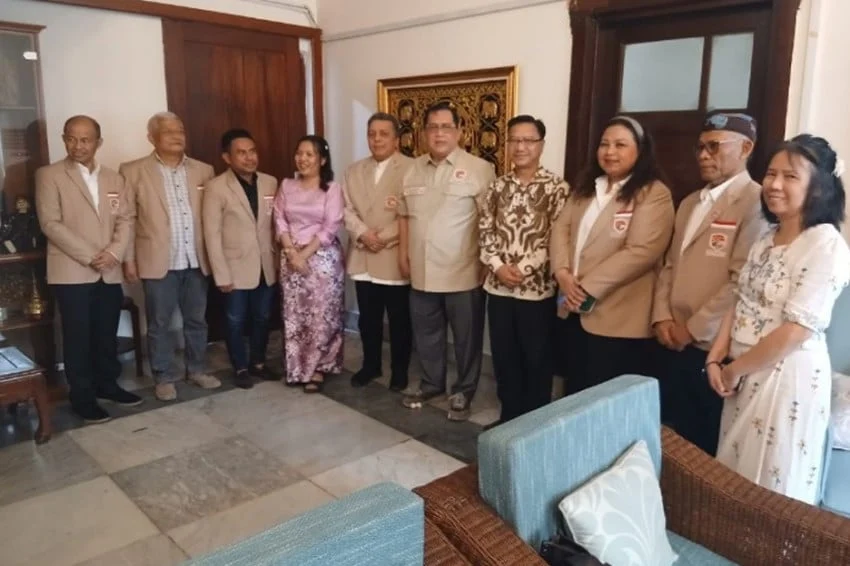
The announcement was finalized during a formal diplomatic visit on Tuesday, September 22, 2026, at the Embassy of the Republic of the Union of Myanmar, located on Jalan H. Agus Salim, Jakarta. The meeting served as a pivotal moment for the Komite Sepakbola Mini Indonesia (KSMI), which has been spearheading the organizational efforts to ensure that the 2027 edition of the tournament sets a new benchmark for excellence in Asian football administration and infrastructure.

A Strategic Diplomatic Engagement

The meeting between the Myanmar diplomatic mission and the KSMI delegation was marked by a spirit of mutual cooperation. Representing the Myanmar government, Head of Mission Mang Hau Thang underscored the importance of regional collaboration through sports. He was joined by a high-level diplomatic team, including Counsellor Shwe Yi Phyo, First Secretary San Nyunt Aung, and Chief of Chancery Htet Htet Aung, reflecting the seriousness with which Myanmar views its participation in the continental competition.

The KSMI delegation, led by General Chairman Yan Mulia Abidin, included a diverse group of organizational leaders, namely Tundra Meliala, Moko Pamungkas, Meina Paloh, M. Iksan Tauleka, Dudung Abdul Rachman, and Marino. The dialogue focused not only on the logistics of the tournament but also on the long-term potential for cultural and athletic exchange between Indonesia and Myanmar.

Tundra Meliala, who serves as the Vice Chairman for Media and Technology at KSMI, played a key role in extending the formal invitation. His pitch to the embassy emphasized that the Asia Mini Football Championship is designed to be more than a mere competitive event; it is a catalyst for creating a sustainable ecosystem for mini-football in Asia. The positive reception from Mang Hau Thang suggests that Myanmar is eager to leverage this platform to elevate the profile of its national players and integrate its football community into the broader Asian network.

The Evolution of the Asia Mini Football Championship

The Asia Mini Football Championship has evolved significantly since its inception. While standard football remains the dominant sport in the region, the "mini-soccer" format—typically played on smaller pitches with fewer players and specific rules designed for high-intensity, technical play—has seen a surge in popularity. This growth is driven by the format’s accessibility, lower barrier to entry, and high-scoring nature, which appeals to both urban youth and professional developmental programs.

The 2027 tournament in Jakarta represents a crucial juncture for the sport. Following the successful staging of the 2026 championship, which saw 10 nations compete and brought significant attention to the Indonesian football landscape, the expansion to at least 13 participating nations for 2027 demonstrates a clear upward trajectory in interest. The inclusion of Myanmar adds a strategic Southeast Asian partner to the fold, increasing the competitive depth of the tournament and providing a platform for regional rivals to test their mettle in a high-stakes environment.

Understanding the Sport: Mini Football and its Regional Impact

Mini-football, often governed by international standards that differ from traditional FIFA-regulated matches, is characterized by its emphasis on individual skill, rapid ball movement, and tactical versatility. In the context of Asian sports, these championships act as a vital scouting ground. Players who excel in these environments often bridge the gap between amateur leagues and professional traditional football, making the tournament a vital piece of the regional talent pipeline.

For Indonesia, hosting this tournament is part of a broader national strategy to establish the country as a hub for regional sports events. By fostering relationships with embassies and international sporting bodies, KSMI is building the infrastructure necessary to host high-level events that attract tourism, investment, and media attention.

Fact-Based Analysis of the 2027 Tournament Implications

The participation of 13 nations is a significant milestone for the tournament organizers. From a logistical standpoint, the expansion requires increased infrastructure, including specialized pitch facilities, broadcast capabilities, and international hospitality standards.

  1. Economic Impact: Hosting such a tournament in Jakarta provides a localized boost to the hospitality and service sectors. With delegations from 13 countries expected to arrive in January 2027, the demand for logistics, accommodation, and event management services will be substantial.
  2. Diplomatic Soft Power: As evidenced by the visit to the Myanmar Embassy, these sporting events serve as a vehicle for "sports diplomacy." The ability to convene delegates from various nations in a neutral, competitive setting strengthens bilateral ties and promotes cultural exchange, which is often difficult to achieve through traditional political channels.
  3. Developmental Benchmarks: For participating nations, the championship offers a standardized yardstick to measure the progress of their respective mini-football leagues. It allows for the sharing of best practices in coaching, refereeing, and sports science, which can be exported back to domestic leagues in each participating country.

Looking Ahead: The Roadmap to January 2027

The timeline leading up to January 2027 is dense with organizational requirements. Following the confirmation of Myanmar’s participation, the KSMI is expected to shift its focus toward finalizing the draw for the group stages and coordinating with the municipal authorities in Jakarta to ensure the availability of state-of-the-art facilities.

The success of the 2026 championship, which featured a strong performance by the Indonesian national team and a healthy turnout of competing nations, has provided a successful proof-of-concept. However, scaling the event to accommodate more teams requires a more complex management structure. The ongoing dialogues with embassies suggest that KSMI is prioritizing international cooperation to navigate these complexities.

As the months progress, the public can expect further announcements regarding sponsors, media broadcasting rights, and the specific venues selected for the matches. The involvement of technology experts within the KSMI, as indicated by the presence of Tundra Meliala, also suggests that the 2027 tournament will likely integrate more advanced digital engagement tools, such as real-time match analytics and interactive broadcasting, to reach a global audience.

The Role of International Collaboration

The collaboration between the KSMI and the Embassy of Myanmar is indicative of the "all-hands-on-deck" approach required to elevate mini-football to the level of professional sports. In many Asian nations, mini-football is still transitioning from an informal recreational activity to a structured, federated sport. By engaging with diplomatic missions, the KSMI is effectively legitimizing the sport, granting it the institutional backing necessary to attract corporate sponsorship and government support.

This collaborative model is likely to be replicated with other nations in the coming months as the committee seeks to fill the remaining slots in the tournament bracket. The objective is not just to reach a high number of participants, but to ensure that the nations involved are committed to the long-term development of the sport.

Conclusion: A New Era for Regional Football

The confirmation of Myanmar’s participation in the 2027 Asia Mini Football Championship is a testament to the growing appeal of the format and the efficacy of the KSMI’s outreach efforts. As Jakarta prepares to host this international event, the focus remains on ensuring that the competition serves as a springboard for regional unity and athletic excellence.

For the participants, the stakes are high, but the potential rewards—in terms of national prestige, player development, and the growth of the sport—are even higher. As the calendar edges closer to January 2027, the eyes of the Asian football community will be firmly fixed on Indonesia. With 13 nations already in the fold and more expected to join, the upcoming championship promises to be a defining moment for the future of mini-football in the region, bridging gaps between nations and fostering a new generation of talent on the pitch.

The diplomatic foundation laid this week in Jakarta serves as a reminder that even in the rapidly changing world of modern sports, the oldest forms of cooperation—face-to-face dialogue and shared goals—remain the most effective way to drive progress. The KSMI and the Embassy of Myanmar have set a positive precedent for the months of preparation ahead, ensuring that when the whistle blows in January 2027, the event will stand as a beacon of regional cooperation and high-level athletic performance.

September 22, 2026 0 comment
0 FacebookTwitterPinterestEmail
Entertainment & Celebrity

Influenza Cases Surge in Indonesia with H1N1pdm09 Identified as Primary Driver

by Azzam Bilal Chamdy September 22, 2026
written by Azzam Bilal Chamdy

The Indonesian Ministry of Health has issued an urgent health alert following a significant uptick in influenza activity across the archipelago. According to the latest epidemiological data released on September 20, 2026, the national surveillance system recorded a sharp increase in influenza positivity rates during the 36th week of the year. The surge, which has seen the proportion of positive clinical specimens jump from 37 percent in the 35th week to 51 percent in the 36th week, indicates a period of heightened viral transmission that warrants public health vigilance.

Epidemiological Profile and Viral Dominance

Clinical laboratory findings confirm that the current wave is primarily driven by the influenza A subtype, specifically the A(H1N1)pdm09 strain. This particular subtype, a descendant of the 2009 pandemic virus, remains a seasonal influenza virus that continues to circulate globally. While it is a well-known pathogen, its sudden rise in prevalence suggests a shift in community immunity or environmental factors facilitating more efficient transmission among the population.

Public health officials emphasize that while influenza is often viewed as a mild seasonal nuisance, the high positivity rate—exceeding half of all tested respiratory specimens—serves as a critical indicator for healthcare facilities to prepare for a potential increase in outpatient visits and emergency room demand. The rapid shift from 37 percent to 51 percent within a single week underscores the volatility of current respiratory virus circulation in Indonesia.

Regional Distribution and Demographic Impact

The surveillance data provided to the iNews Media Group reveals a distinct geographical concentration of cases. East Java currently leads the nation in reported influenza incidence, followed closely by Central Java and West Java. These provinces, being the most populous regions in the country, naturally face a higher burden of respiratory infections due to population density and the frequency of interstate mobility.

Demographically, the most vulnerable cohort is the pediatric population. Children under the age of five account for 41.9 percent of all positive cases recorded during this period. This statistic aligns with historical trends in respiratory viral outbreaks, where children often act as primary drivers of transmission within households and educational settings. The susceptibility of this age group is typically attributed to developing immune systems and the nature of social interactions in daycare and preschool environments.

Chronology of the 2026 Surveillance Period

The escalation observed in September 2026 did not occur in a vacuum. Throughout the first half of the year, influenza activity remained within baseline expectations. However, starting in the early weeks of the third quarter, surveillance networks began detecting a gradual climb in respiratory syndrome consultations.

  • Weeks 30–33: Baseline activity with sporadic clusters of influenza A and B identified across major urban centers.
  • Week 34: Initial signs of acceleration, with positive test rates beginning to deviate from the historical average for the late-third quarter.
  • Week 35: A marked increase to 37 percent positivity, triggering heightened alert levels within regional health departments.
  • Week 36: A surge to 51 percent, officially classifying the situation as a significant public health event, necessitating intensified communication regarding preventative measures.

Analysis of the H1N1pdm09 Strain

The H1N1pdm09 strain is characterized by its ability to cause severe respiratory illness, particularly in individuals with underlying health conditions or those with limited prior exposure. Public health experts note that while vaccination remains the most effective form of protection, the efficacy of seasonal vaccines can fluctuate based on the genetic drift of circulating viruses.

The current dominance of H1N1pdm09 in Indonesia mirrors international trends where this subtype periodically reappears as the leading cause of seasonal flu-related hospitalizations. The implications for the healthcare system are twofold: first, the strain on primary care infrastructure to manage high patient volumes; and second, the potential for complications in high-risk groups, such as the elderly, pregnant women, and those with chronic respiratory or cardiac conditions.

Official Responses and Mitigation Strategies

In response to the data, the Ministry of Health has reaffirmed its commitment to enhancing surveillance and diagnostic capacities. Local health agencies have been instructed to prioritize the testing of respiratory samples and to ensure that antiviral treatments, such as oseltamivir, are adequately stocked in regional pharmacies and hospitals.

Public health experts and infectious disease specialists from leading academic institutions, such as Universitas Gadjah Mada (UGM), have disseminated practical guidance for the public to mitigate the spread of the virus. These recommendations emphasize a "layered defense" strategy:

  1. Vaccination: Ensuring that seasonal influenza vaccines are up to date, particularly for high-risk groups.
  2. Respiratory Etiquette: Consistent use of masks in crowded indoor spaces and public transportation.
  3. Hygiene Practices: Frequent handwashing with soap and water or the use of alcohol-based hand sanitizers.
  4. Self-Isolation: Encouraging individuals experiencing influenza-like symptoms—such as high fever, dry cough, and muscle aches—to stay home and avoid contact with others to break the chain of transmission.
  5. Environmental Ventilation: Improving air circulation in homes and offices to reduce the concentration of viral aerosols.
  6. Early Medical Consultation: Seeking prompt professional medical advice for individuals who fall into high-risk categories or those exhibiting symptoms of severe respiratory distress.

Broader Implications for Public Health

The surge in influenza cases serves as a reminder of the fragility of post-pandemic health landscapes. With global travel patterns returning to pre-2020 levels, the rapid dissemination of respiratory pathogens is a recurring challenge. The current situation in Indonesia highlights the necessity for robust, year-round influenza surveillance rather than intermittent monitoring.

Furthermore, the concentration of cases among the pediatric population raises questions regarding the impact on educational continuity. Schools in the most affected provinces may need to implement enhanced screening procedures or temporary hygiene protocols to prevent outbreaks from spreading through classroom environments.

Economic implications also warrant consideration. High rates of absenteeism in the workforce due to influenza can lead to productivity losses. Companies and businesses are being encouraged to maintain flexible sick-leave policies, allowing symptomatic employees to recover without the pressure of returning to the workplace prematurely, which could further exacerbate the spread of the virus.

Future Outlook and Preparedness

As the country moves into the coming months, the Ministry of Health is expected to continue monitoring the trajectory of the influenza wave. If the positivity rate continues to climb or stabilizes at this elevated level, additional measures may be introduced, including expanded vaccination campaigns for children and the elderly.

The success of the current mitigation efforts depends heavily on public cooperation. While the healthcare system is equipped to handle seasonal spikes, the cumulative burden of influenza, coupled with other endemic respiratory conditions, requires a disciplined approach to individual and community health.

In conclusion, while the identification of H1N1pdm09 as the dominant strain provides clarity for clinical treatment pathways, the rising trend in infections across Java necessitates a proactive response. By integrating accurate data reporting, public health education, and consistent adherence to preventative hygiene practices, the impact of this influenza surge can be effectively managed. The Ministry of Health continues to urge citizens to stay informed through official channels and to prioritize preventative health measures during this period of heightened viral activity. As the nation navigates this challenge, the focus remains on minimizing severe outcomes and ensuring that medical resources remain accessible to those who need them most.

September 22, 2026 0 comment
0 FacebookTwitterPinterestEmail
Entertainment & Celebrity

Hanum Mega Defends Lavish Birthday Bash at GBK Amid Tone-Deaf Accusations and Economic Hardship Debates

by Nana Wu September 22, 2026
written by Nana Wu

Popular Indonesian influencer Hanum Mega has found herself at the center of a widespread public debate following her lavish birthday celebration held at the iconic Gelora Bung Karno (GBK) Main Stadium complex in Jakarta on Sunday, September 20, 2026. The extravagant event, characterized by grand decorations, extensive production setups, and a large guest list, quickly drew heavy criticism from netizens across various social media platforms. Critics accused the digital creator of being tone-deaf, arguing that hosting such a high-budget celebration is insensitive amid current economic uncertainties and financial pressures faced by many everyday citizens.

The backlash escalated rapidly online, with numerous users questioning the necessity of such public displays of wealth, particularly in a prominent national public space. However, Hanum Mega did not remain silent in the face of the mounting public scrutiny. Defending her decision to host the large-scale celebration, the influencer pushed back against her critics by emphasizing the significant economic ripple effect generated by the event. According to Hanum, the birthday party was not merely a self-indulgent gathering, but a commercial engine that provided financial opportunities for dozens of local businesses, small-to-medium enterprises (SMEs), and independent workers within the event production sector.

The Chronology of the Event and the Immediate Backlash

The controversy began unfolding on Sunday, September 20, 2026, when Hanum Mega hosted her milestone birthday party at an open area surrounding the Stadion Utama Gelora Bung Karno in Jakarta. As photos and videos of the elaborate setup began circulating on Instagram, TikTok, and X (formerly Twitter), public reactions quickly polarized. While some followers sent warm birthday wishes and praised the aesthetic execution of the party, a significant segment of the online community expressed disapproval.

Hanum Mega Buka Suara usai Dicap Tone Deaf gegara Birthday Party di GBK

Critics pointed out that holding a high-profile, expensive celebration in the current economic climate demonstrates a lack of empathy toward the broader public, many of whom are grappling with rising living costs, inflation, and employment challenges. The phrase tone-deaf quickly trended in relation to her name, as users debated the ethics of ostentatious displays of wealth by public figures who wield considerable influence over impressionable audiences.

The debate touched upon a broader cultural conversation regarding the social responsibility of influencers. In recent years, public figures in Indonesia have frequently faced scrutiny over their lifestyle choices, with audiences increasingly demanding greater awareness of socioeconomic disparities. The decision to utilize a major national landmark like the GBK complex further amplified the visibility of the event, drawing eyes not just from her dedicated follower base, but from the general public and urban commentators as well.

Hanum Mega’s Response and the Defense of Local Vendors

Addressing the criticism directly on Tuesday, September 22, 2026, Hanum Mega launched a sharp defense of her celebration, shifting the narrative from personal luxury to economic contribution. She revealed that the realization of her birthday party required the collaborative efforts of more than 50 distinct vendors, ranging from event organizers and caterers to decoration specialists, technical crew members, and creative workers.

In a strongly worded statement shared with her audience, Hanum highlighted the livelihoods dependent on large-scale events of this nature. "I made an event like this, more than 50 vendors participated in the event that I created," Hanum stated, defending the legitimacy of her expenditure. She further dismissed the simplistic framing of her party as mere wastefulness, adding, "No need to explain what they got, your brain won’t reach to process it. No need to hide behind the words ‘in this economy’."

Hanum Mega Buka Suara usai Dicap Tone Deaf gegara Birthday Party di GBK

To substantiate her claims, Hanum subsequently published a comprehensive list of the vendors and partners involved in executing the birthday celebration. By transparently sharing the network of businesses that contributed to the event, she aimed to demonstrate that the funds spent on the party were directly injected into the local creative and service economy, providing paid work to dozens of suppliers and independent contractors rather than serving as an isolated luxury expense.

Broader Economic Implications: The Event Industry Perspective

Hanum Mega’s defense brings to light a complex economic dynamic often overlooked in debates surrounding influencer culture: the symbiotic relationship between high-profile public figures and the events industry. Indonesia’s creative economy, particularly the wedding, party, and corporate event sectors, relies heavily on continuous spending to sustain the livelihoods of thousands of small business owners and freelance workers.

Industry analysts note that large-scale private events serve as crucial revenue streams for vendors who struggled significantly during the economic downturns of recent years. When public figures commission elaborate productions, the financial expenditure filters down through a vast supply chain. This includes floral designers, lighting technicians, sound engineers, catering staff, logistics providers, and digital documentation teams.

From an economic multiplier perspective, every rupiah spent on production and event services contributes to the operational continuity of these micro, small, and medium enterprises (MSMEs). Proponents of this view argue that private spending by affluent individuals acts as a form of economic stimulus for the creative sector, keeping specialized talent employed and fostering business growth within local supply chains.

Hanum Mega Buka Suara usai Dicap Tone Deaf gegara Birthday Party di GBK

The Evolving Ethics of Influencer Culture in Indonesia

Despite the economic arguments presented by Hanum and her supporters, the incident underscores a persistent tension within modern influencer culture. As digital creators attain higher socioeconomic status through brand partnerships, endorsements, and monetization, the gap between their lifestyles and those of their average followers widens. This disparity frequently creates fertile ground for public friction.

Communication and cultural observers note that contemporary audiences evaluate public figures not only through the lens of entertainment and aspiration, but increasingly through expectations of social solidarity and emotional intelligence. When a public display of wealth collides with public anxieties regarding economic stability, the risk of reputational backlash rises significantly.

The controversy surrounding Hanum Mega’s birthday party serves as a case study in the challenges of public relations management for digital celebrities. It highlights the fine line influencers must navigate between celebrating personal milestones and remaining cognizant of the sociopolitical climate in which their audiences live. While Hanum chose to confront the criticism head-on by emphasizing her support for local vendors, the debate reflects a broader, ongoing dialogue in Indonesia regarding wealth visibility, social responsibility, and the responsibilities of those who command massive online platforms.

September 22, 2026 0 comment
0 FacebookTwitterPinterestEmail
Technology

Jakarta Smartphone Overheating Crisis Demystified Practical Solutions and Long Term Maintenance Strategies for Optimal Device Performance

by Laily UPN September 22, 2026
written by Laily UPN

Smartphone overheating has emerged as one of the most pervasive technological frustrations for modern users worldwide, particularly as mobile devices increasingly handle resource-intensive tasks such as high-definition gaming, complex multitasking, and prolonged streaming sessions. While a minor rise in temperature is a standard byproduct of electronic processing, sustained high temperatures present a critical threat to device longevity. Prolonged exposure to excessive heat accelerates the degradation of lithium-ion batteries, compromises internal components, and can ultimately lead to permanent hardware failure or unexpected system shutdowns. Industry experts and technology manufacturers emphasize that addressing thermal management is no longer merely about user comfort; it is a vital component of device preservation. To combat this widespread issue, understanding both immediate cooling techniques and preventative maintenance practices is essential for smartphone owners seeking to safeguard their digital investments.

The mechanisms driving smartphone thermal stress are rooted in the physics of microprocessors and battery chemistry. When a mobile device executes demanding applications, the central processing unit (CPU) and graphics processing unit (GPU) draw substantial electrical current from the battery. This rapid transfer of energy generates thermal energy as a byproduct. In sleek, modern smartphone designs, space is at an absolute premium, leaving very little room for traditional cooling components like cooling fans or large heat sinks. Consequently, manufacturers rely on passive cooling systems—such as vapor chambers, graphite sheets, and thermal paste—to dissipate heat. When these passive systems are overwhelmed by prolonged usage, direct sunlight, or environmental factors, temperatures escalate rapidly. Over time, chronic overheating causes the liquid electrolyte inside lithium-ion batteries to decompose, diminishing the battery’s overall capacity to hold a charge and, in severe cases, causing swelling that can rupture the chassis.

When a smartphone begins to display signs of dangerous overheating, immediate action is required to halt thermal escalation and protect sensitive internal architecture. Technical support guidelines from major device manufacturers recommend a measured, methodical approach to cooling down a distressed device, explicitly warning against drastic temperature shocks that could shatter glass screens or condense moisture internally.

The primary step in immediate mitigation is to cease all active use of the device. Continuing to operate a hot phone forces the processor to work harder, compounding the thermal crisis. Users should immediately move the device away from direct sunlight or hot environments and place it on a flat, hard, non-insulating surface, such as wood, glass, or tile, which helps conduct heat away from the chassis. Directing a standard desk fan toward the device can accelerate convective cooling, though users must strictly avoid artificial cooling methods such as placing the phone inside a refrigerator or freezer. The sudden drop in temperature causes internal condensation, which will irrevocably short-circuit the sensitive logic board.

Removing protective cases is another critical intervention. While aesthetic or rugged cases are invaluable for drop protection, thicker variants act as thermal insulators, trapping generated heat against the back panel of the phone. Stripping away the casing allows ambient air to circulate freely around the device, expediting thermal dissipation. Furthermore, users must separate the overheating phone from other electronics. Stacking a hot smartphone alongside a laptop, tablet, or external battery pack inside a confined space like a backpack or handbag creates a localized microclimate of high heat, preventing effective cooling.

Wireless and network connectivity features also demand immediate attention. Background radio frequency transmissions, GPS tracking, and continuous data syncing consume significant processor cycles and battery power, directly contributing to thermal buildup. Temporarily toggling off Bluetooth halts peripheral accessory communication, while activating airplane mode severs cellular and Wi-Fi connections entirely, effectively quieting the device’s radios and allowing the processor to idle.

For devices experiencing thermal spikes while plugged into a power source, disconnecting the charger is non-negotiable. Charging inherently generates heat due to the chemical reactions occurring within the battery cells; combining charging with high-performance tasks like gaming or video rendering creates an unsustainable thermal load. If the device continues to radiate heat despite these steps, powering down the smartphone completely is the most effective safeguard. Shutting down the system terminates all background processes, operating system routines, and active applications, allowing the hardware to reach ambient temperature safely.

Beyond reactive cooling, long-term prevention is the cornerstone of maintaining a healthy smartphone ecosystem. Technology analysts from leading manufacturing firms advocate for proactive behavioral adjustments and software hygiene to keep internal temperatures within safe operational thresholds.

Maintaining updated software is paramount. Operating system developers and third-party application creators regularly release patches designed to optimize code efficiency, patch memory leaks, and resolve background bugs that can cause processors to loop indefinitely, thereby generating excessive heat. Users are strongly advised against delaying system updates, as these packages often contain critical thermal management calibrations tailored to specific hardware iterations.

Adopting the habit of utilizing built-in battery saver modes during periods of intensive usage can also mitigate thermal risks. These modes dynamically throttle background data synchronization, reduce screen refresh rates, and limit maximum processor frequency. By intentionally curbing peak performance during mundane tasks, the device operates at a cooler baseline, significantly reducing the likelihood of sudden thermal spikes.

Monitoring the physical health of the battery itself is another vital preventive measure. Lithium-ion batteries possess a finite lifecycle, typically rated for several hundred charge cycles before experiencing noticeable degradation. As batteries age, their internal resistance increases, causing them to generate more heat during standard charge and discharge cycles. When a battery no longer holds an adequate charge or consistently triggers thermal warnings under normal use, professional replacement is strongly recommended. Swapping an aged battery for a certified replacement unit restores original energy efficiency and neutralizes a primary source of internal heat generation.

The broader implications of smartphone overheating extend far beyond individual user inconvenience, touching upon economic sustainability, environmental waste, and consumer safety. As smartphones evolve into indispensable tools for commerce, communication, and daily administration, their lifespans directly impact the global circular economy. Devices discarded prematurely due to heat-accelerated battery failure contribute to the escalating crisis of electronic waste (e-waste). Furthermore, from a manufacturing perspective, designing slimmer devices with increasingly powerful processors creates a perpetual engineering tightrope walk between performance optimization and thermal safety.

Industry analysts project that as mobile processors incorporate advanced artificial intelligence workloads on-device, thermal management will become an even greater engineering hurdle. Future smartphone generations will likely mandate the broader adoption of advanced cooling technologies, such as micro-vapor chambers and solid-state cooling components, traditionally reserved for high-performance gaming laptops. Until such hardware innovations become universally standardized in the budget and mid-range markets, consumer awareness regarding thermal hygiene remains the most effective defense. By integrating mindful usage habits, prompt reactive cooling measures, and consistent software maintenance, users can significantly extend the operational lifespan of their mobile devices, ensuring sustained peak performance and enhanced safety in an increasingly connected world.

September 22, 2026 0 comment
0 FacebookTwitterPinterestEmail
Technology

Qualcomm Unveils Snapdragon 8 Elite Gen 6 and Extreme Gen 6 to Usher in the Era of Agentic AI

by Nana Wu September 22, 2026
written by Nana Wu

Qualcomm Technologies has officially introduced its latest flagship mobile platforms, the Snapdragon 8 Elite Gen 6 and the Snapdragon 8 Elite Extreme Gen 6, during the annual Snapdragon Summit held in Maui, Hawaii. Designed to power the next generation of high-end smartphones slated for release in late 2026 and throughout 2027, these two new System-on-Chips (SoCs) represent a significant leap forward in mobile computing, artificial intelligence integration, and graphical rendering. Industry analysts view this launch as a pivotal moment for the semiconductor giant as it seeks to cement its market leadership amid intensifying competition in the premium mobile sector.

Background Context and the Road to Maui

The announcement in Maui continues a tradition for Qualcomm of utilizing its premier autumn summit to showcase technologies that will define the mobile landscape for the subsequent year. Over the past several product cycles, the company has aggressively pivoted its hardware strategy toward artificial intelligence, shifting from basic neural processing units (NPUs) to systems capable of complex, localized machine learning tasks.

Dua Snapdragon 8 Elite Gen 6 Baru Saja Hadir! • Jagat Gadget

With the introduction of the Gen 6 lineup, Qualcomm is explicitly targeting the concept of "Agentic AI"—a paradigm where artificial intelligence assistants do not merely respond to passive prompts, but autonomously execute complex, multi-step workflows across applications on behalf of the user. This strategic shift requires unprecedented levels of processing power, memory bandwidth, and energy efficiency, all of which Qualcomm claims to have addressed in the architectural redesign of both the standard and Extreme variants.

Snapdragon 8 Elite Extreme Gen 6: Pushing the Boundaries of Performance

Positioned at the pinnacle of Qualcomm’s mobile portfolio, the Snapdragon 8 Elite Extreme Gen 6 introduces a series of advanced hardware improvements aimed at power-users, mobile gamers, and content creators.

At the core of the Extreme variant is Qualcomm’s latest iteration of the custom Oryon CPU architecture. The processor configuration features two Prime Cores capable of clock speeds reaching up to 5 GHz, supported by six Performance Cores clocking up to 4.0 GHz. This layout is augmented by a generous 16 MB of Oryon Flex Cache, resulting in a 13 percent generational improvement in raw CPU performance compared to its predecessor.

Dua Snapdragon 8 Elite Gen 6 Baru Saja Hadir! • Jagat Gadget

Graphics processing has also received a massive overhaul. The next-generation Adreno GPU delivers up to a 44 percent increase in performance. A standout feature of this new graphics architecture is Adreno Neural Fusion, which integrates Matrix Cores directly into the graphics pipeline. This enables advanced, hardware-accelerated rendering techniques such as AI Super Resolution and Frame Generation while achieving up to 40 percent greater energy efficiency. Qualcomm has confirmed that major game engines—including Unreal, Unity, and Messiah—along with blockbuster titles like Honkai: Star Rail and NTE, will feature upcoming updates to support these advanced graphics features.

The Neural Processing Unit (NPU) within the Extreme edition has been entirely redesigned. Enhanced with a Dual Micro NPU Sensing Hub, the NPU delivers an 85 percent performance increase, allowing devices to maintain dual always-sensing camera feeds simultaneously. This capability supports sophisticated on-device AI models exceeding 200 million parameters without sacrificing battery life, boasting a 33 percent improvement in AI performance-per-watt.

In terms of multimedia and connectivity, the Extreme variant incorporates an Image Signal Processor (ISP) capable of supporting 8K video recording at 60 frames per second, alongside 4K slow-motion capture at 240 frames per second. It introduces Granular AI Data processing for individual pixels, increasing fidelity by up to 256 times, and supports cinema-grade APV video formats. Manufactured on an advanced 2-nanometer process node, the SoC supports up to 24 GB of LPDDR5X or newer LPDDR6 RAM, UFS 5.0 storage, next-generation 5G connectivity with downlinks reaching up to 14.8 Gbps, and forthcoming Wi-Fi 8 standards with speeds up to 11.6 Gbps.

Dua Snapdragon 8 Elite Gen 6 Baru Saja Hadir! • Jagat Gadget

Snapdragon 8 Elite Gen 6: Balancing Power and Accessibility

While the Extreme variant targets the absolute ceiling of mobile technology, the standard Snapdragon 8 Elite Gen 6 is engineered to bring flagship-tier capabilities to a broader market segment at a more accessible price point.

Certain cutting-edge features remain exclusive to the Extreme tier, including the GPU Matrix Cores, Adreno Neural Fusion, and the highest-tier 8K/4K capture capabilities. Nevertheless, the standard Gen 6 delivers substantial generational gains over the previous year’s hardware. CPU performance increases by 10 percent over the Snapdragon 8 Elite Gen 5, while GPU performance climbs by 35 percent. Furthermore, the standard model achieves a 20 percent increase in AI performance-per-watt, ensuring that efficient on-device artificial intelligence remains a standard feature across all flagship devices adopting the chipset.

Market Implications and Commercial Adoption

The commercial rollout of these processors is expected to commence rapidly. Major original equipment manufacturers (OEMs) have already begun positioning their supply chains for the upcoming hardware cycle. Motorola has formally announced that its upcoming Motorola Signature 27 will feature the Snapdragon 8 Elite Extreme Gen 6, with several other leading manufacturers anticipated to reveal compatible devices in the coming months.

Dua Snapdragon 8 Elite Gen 6 Baru Saja Hadir! • Jagat Gadget

Industry observers note that Qualcomm’s tiered release strategy—dividing the flagship lineup into standard and Extreme options—allows device manufacturers greater flexibility in pricing and market segmentation. Brands aiming to offer ultra-premium devices equipped with cutting-edge visual and AI capabilities are expected to gravitate toward the Extreme variant. Conversely, companies seeking to deliver high-performance flagship experiences at a more competitive price point will likely adopt the standard Gen 6.

As the mobile industry transitions into the era of Agentic AI, the success of the Snapdragon 8 Elite Gen 6 series will largely depend on how effectively software developers utilize the expanded hardware capabilities. With deep backing from major game engine developers and a robust foundation in silicon design, Qualcomm has established the hardware benchmarks for mobile computing through 2027. The focus now shifts to OEMs and software ecosystems to translate these technological milestones into compelling consumer experiences.

September 22, 2026 0 comment
0 FacebookTwitterPinterestEmail
Newer Posts
Older Posts

Recent Posts

  • RatHat Malware Leverages Artificial Intelligence to Compromise Android Devices and Exfiltrate Sensitive Financial Data
  • The End of an Era: Robert Mugabe Resigns as President of Zimbabwe After Nearly Four Decades in Power
  • TeRuCI Celebrates 19th Anniversary and 10th National Deliberation with Milestone Event in Lampung
  • Indonesia Targets 80 Percent Local Content in Electric Vehicles by 2030 to Strengthen National Manufacturing Sovereignty
  • Tracing the Roots of National Sports Day: How the Spirit of 1948 Shaped Indonesia’s Athletic Identity and Public Health

Recent Comments

No comments to show.
  • Facebook
  • Twitter

@2021 - All Right Reserved. Designed and Developed by PenciDesign


Back To Top
Dara News Media
  • Home
  • About Us
  • Contact Us
  • Cookies Policy
  • Disclaimer
  • DMCA
  • Privacy Policy
  • Terms and Conditions

We are using cookies to give you the best experience on our website.

You can find out more about which cookies we are using or switch them off in .

Dara News Media
Powered by  GDPR Cookie Compliance
Privacy Overview

This website uses cookies so that we can provide you with the best user experience possible. Cookie information is stored in your browser and performs functions such as recognising you when you return to our website and helping our team to understand which sections of the website you find most interesting and useful.

Strictly Necessary Cookies

Strictly Necessary Cookie should be enabled at all times so that we can save your preferences for cookie settings.