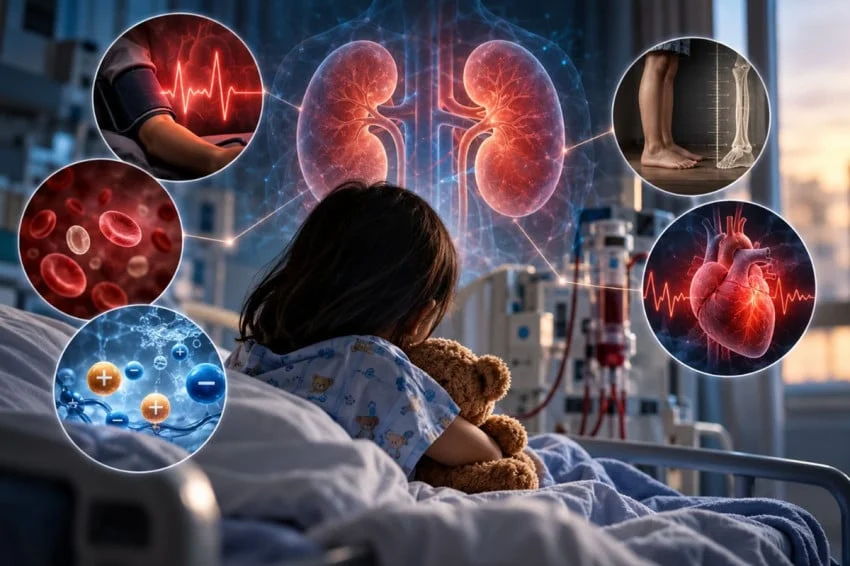
Chronic Kidney Disease (CKD) in children represents a complex and multifaceted medical challenge that necessitates specialized pediatric nephrology care, long-term monitoring, and a comprehensive approach to disease management. Unlike adult-onset kidney conditions, which are often lifestyle-related, pediatric CKD frequently stems from congenital anomalies, hereditary conditions, or systemic diseases that impact the kidneys’ ability to filter waste, regulate electrolyte balance, and manage blood pressure. When a child’s condition progresses to the final stage—End-Stage Renal Disease (ESRD)—the kidneys lose the capacity to function effectively, necessitating life-sustaining interventions such as dialysis or renal transplantation.
Dr. Reza Fahlevi, a prominent pediatric specialist, recently highlighted the critical nature of this condition, emphasizing that the transition into advanced CKD stages carries a high burden of systemic complications. As the filtration capacity of the kidneys diminishes, the physiological equilibrium of the child is disrupted, leading to a cascade of health issues that affect cardiovascular, skeletal, and neurological development. Understanding these complications is essential for parents, caregivers, and primary healthcare providers to ensure timely medical intervention and improve the quality of life for affected patients.
Understanding the Progression of Pediatric CKD
The progression of CKD in pediatric populations is typically categorized into five stages, based on the Estimated Glomerular Filtration Rate (eGFR). In the initial stages, symptoms may be subtle, often presenting as failure to thrive, unexplained fatigue, or recurrent urinary tract infections. However, as the disease reaches stage 4 and stage 5, the clinical picture becomes more acute.
The etiology of pediatric CKD differs significantly from adults. In many instances, the primary cause is congenital anomalies of the kidney and urinary tract (CAKUT), which account for approximately 40% to 50% of pediatric CKD cases. Other contributors include glomerulonephritis, cystic kidney diseases, and inherited metabolic disorders. Because these conditions are often present from birth or early childhood, the impact on a child’s growth and development can be profound, necessitating a multidisciplinary team involving pediatric nephrologists, nutritionists, social workers, and surgeons.
The Five Primary Complications in End-Stage Renal Disease
As Dr. Fahlevi noted, children reaching the final stage of kidney failure are susceptible to a specific set of life-threatening complications. These physiological failures are not merely secondary symptoms but are active threats to the child’s survival and long-term developmental outcomes.
1. Hypertension (High Blood Pressure)
Hypertension is perhaps the most prevalent and concerning complication in pediatric CKD. The kidneys play a fundamental role in the renin-angiotensin-aldosterone system (RAAS), which regulates blood pressure. When the renal parenchyma is damaged, this regulatory mechanism becomes dysfunctional. In children, chronic hypertension leads to left ventricular hypertrophy (thickening of the heart muscle), which increases the risk of early-onset cardiovascular disease. Managing blood pressure in these children often requires a strictly monitored regimen of ACE inhibitors or ARBs, alongside rigorous sodium restriction.
2. Renal Osteodystrophy (Mineral and Bone Disorder)
The kidneys are essential for activating Vitamin D, which in turn facilitates calcium absorption. Furthermore, they are responsible for excreting phosphorus. In ESRD, the inability to activate Vitamin D and the retention of phosphorus lead to a severe imbalance. This causes the parathyroid glands to become overactive, drawing calcium from the bones to compensate. The result is renal osteodystrophy, a condition characterized by stunted growth, bone pain, deformities, and an increased susceptibility to fractures. Pediatric specialists must intervene early with phosphate binders and active Vitamin D analogs to prevent permanent skeletal damage.
3. Anemia of Chronic Disease
Anemia is almost universally present in children with advanced CKD. The kidneys produce a hormone called erythropoietin (EPO), which signals the bone marrow to produce red blood cells. As kidney function wanes, EPO production drops, leading to significantly lower hemoglobin levels. Chronic anemia results in extreme fatigue, diminished cognitive performance, and a decreased ability to participate in physical activities. Treatment usually involves synthetic EPO injections and, in some cases, intravenous iron supplementation, which must be carefully balanced to avoid toxicity.
4. Metabolic Acidosis
The kidneys are responsible for maintaining the body’s acid-base balance by excreting hydrogen ions and regenerating bicarbonate. In failing kidneys, the blood becomes overly acidic. This metabolic acidosis has a direct, negative impact on muscle growth and protein synthesis. Over time, it contributes to the "failure to thrive" often observed in these children, where they consistently fall below the growth percentiles for their age and gender. Correcting the pH levels through oral bicarbonate therapy is a cornerstone of pediatric renal management.
5. Cardiovascular Complications
Beyond simple hypertension, children with ESRD are at a drastically higher risk of developing complex cardiovascular issues. This includes pericarditis (inflammation of the sac surrounding the heart) and heart failure. Because the kidneys are unable to filter fluid effectively, the child experiences volume overload, forcing the heart to work harder to circulate blood. The systemic inflammation associated with uremia—the buildup of toxins in the blood—also accelerates the development of atherosclerosis, meaning that children with CKD may exhibit the vascular aging typically seen in much older populations.
Chronology of Care and Clinical Management
The standard of care for a child diagnosed with progressive CKD involves a longitudinal trajectory. Upon diagnosis, the clinical focus is on "nephroprotection"—slowing the rate of decline. This involves strict blood pressure control, nutritional support to manage protein intake, and aggressive treatment of underlying infections.
As the child transitions into ESRD, the focus shifts to Renal Replacement Therapy (RRT). The primary options are:
- Peritoneal Dialysis (PD): Often the preferred method for infants and younger children, as it can be performed at home, allowing for a more stable daily routine and better growth outcomes.
- Hemodialysis: Typically performed in clinical settings, requiring frequent hospital visits and strict dietary adherence.
- Renal Transplantation: The gold standard for pediatric patients. A successful transplant allows the child to regain near-normal renal function, significantly improving quality of life and growth potential. However, it requires lifelong immunosuppressive therapy.
Supporting Data and Global Perspectives
According to global epidemiological data, the incidence of pediatric CKD is estimated to be between 10 to 15 cases per million children per year, though this number is likely an underestimation due to underreporting in developing nations. In Indonesia and many other Southeast Asian countries, the burden of disease is compounded by limited access to pediatric nephrologists and high costs associated with dialysis.
Research published in pediatric journals suggests that children who receive early, comprehensive care have a significantly higher survival rate and better cognitive outcomes compared to those whose diagnosis is delayed. The "Global Burden of Disease" studies indicate that while pediatric CKD is a rare condition compared to adult diabetes or hypertension-related renal failure, its impact on "Disability-Adjusted Life Years" (DALYs) is profound, as the condition affects patients during their most critical formative years.
Official Responses and Public Health Implications
Public health experts and advocacy groups emphasize that the management of pediatric CKD is not merely a clinical issue but a societal one. The financial and emotional strain on families is immense. In many regions, government-sponsored healthcare programs are being urged to increase coverage for long-term pediatric dialysis and post-transplant care.
Dr. Fahlevi’s recent public awareness campaign underscores a growing movement among medical professionals to educate the public on the early warning signs of kidney dysfunction. By increasing public literacy, the medical community hopes to move from a reactive model—treating complications after they have already manifested—to a proactive model of early detection and preventative maintenance.
The Broader Impact on Pediatric Development
The implications of chronic kidney failure extend far beyond the physiological. Pediatric patients often face social isolation due to the physical toll of their treatment. Missing school for dialysis, the physical limitations imposed by chronic fatigue, and the psychological impact of living with a life-threatening illness require a holistic approach. Mental health support for both the child and the family is now considered an essential component of the "standard of care" in top-tier pediatric nephrology units.
Furthermore, the economic impact on the family unit can be devastating. Parents often face reduced work hours to care for a sick child, creating a cycle of financial stress that can impede the child’s access to necessary medications and quality nutrition. Integrated healthcare policies that provide subsidies for pediatric dialysis and transplant medications are critical for ensuring that no child is denied life-saving care based on socioeconomic status.
Conclusion: A Call for Vigilance
Chronic Kidney Disease in children is a challenging reality that requires unwavering vigilance. The five complications identified—hypertension, renal osteodystrophy, anemia, metabolic acidosis, and cardiovascular disease—are interconnected, meaning that the management of one often influences the progression of another. Through advanced monitoring, a multidisciplinary clinical team, and early access to renal replacement therapy, the medical community can mitigate these risks.
As diagnostic techniques improve and neonatal screening for congenital kidney issues becomes more widespread, the hope is to identify these conditions earlier. For children already living with the disease, the focus remains on stabilization and transition to transplantation. The message from the medical community is clear: while pediatric CKD is a life-altering diagnosis, comprehensive care and proactive management remain the most effective tools in securing a future where children can lead productive and fulfilling lives despite their renal challenges. The integration of clinical science with family-centered support is the path forward in addressing this critical pediatric health concern.