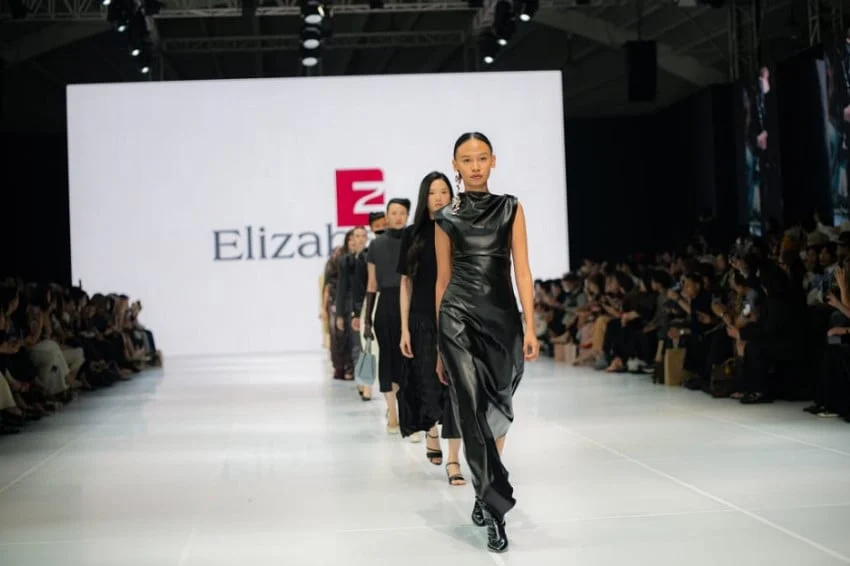
The Indonesian fashion landscape witnessed a significant milestone on Thursday, October 29, 2026, as the heritage brand Elizabeth took center stage at the City Hall in Pondok Indah Mall 3, Jakarta. Part of the highly anticipated Jakarta Fashion Week (JFW) 2027, the presentation titled Bloom Beneath the Surface marked a sophisticated evolution for a brand that has been a staple of the Indonesian retail sector since its inception in 1963. With a collection comprising 16 meticulously curated looks, Elizabeth demonstrated a strategic pivot toward avant-garde design, bridging the gap between its traditional reputation for quality leather goods and the contemporary demands of high-fashion apparel.
A Legacy Reimagined: The Context of Elizabeth’s Evolution
Founded over six decades ago, Elizabeth has long been synonymous with accessible, high-quality handbags and accessories. For years, the brand occupied a comfortable space in the Indonesian middle-market segment, prioritizing durability and function. However, the decision to participate in JFW 2027 with a dedicated runway show signals a broader corporate strategy: the transformation of Elizabeth into a lifestyle brand that dictates trends rather than merely following them.
The Jakarta Fashion Week itself serves as the premier platform for such transformations. Established in 2008, JFW has grown into the largest fashion event in Southeast Asia, acting as a barometer for the region’s creative economy. By choosing this stage to unveil Bloom Beneath the Surface, Elizabeth has aligned itself with the industry’s shift toward sustainable, narrative-driven design. This transition is not merely aesthetic; it is a calculated business move designed to capture the attention of a younger, fashion-conscious demographic that values both brand heritage and modern design sensibilities.
The Creative Vision Behind Bloom Beneath the Surface
At the helm of this design evolution is Vernalyn Subali, the Director of Design Product at Elizabeth. An alumna of Oregon State University, where she specialized in Merchandising Management and Apparel Design, Subali brings a global perspective to the brand’s localized roots. Her design philosophy for this collection hinges on the juxtaposition of seemingly contradictory elements: the rigid strength of industrial materials and the fluid, organic beauty of nature.
The collection’s central premise—that transformation is a slow, hidden process—is reflected in the structural integrity of the garments. The 16 looks presented on the runway functioned as a visual narrative of growth. Subali utilized textured PU leather, a material traditionally reserved for the brand’s signature handbags, and re-engineered it into sculptural silhouettes. By manipulating leather into modern forms, the collection pays homage to the brand’s DNA while simultaneously pushing the boundaries of what a leather-focused company can produce in the realm of ready-to-wear fashion.
Chronology and Design Execution
The show, which began promptly at the designated evening slot, followed a rhythmic flow that mirrored the theme of natural unfolding. The opening sequences showcased the brand’s mastery of architectural tailoring, utilizing neutral tones that grounded the collection. As the show progressed, the color palette expanded to include deeper, more emotive hues.
The technical execution of the garments highlighted a high level of craftsmanship. The integration of laser-cut floral patterns into heavy-duty leather, contrasted against the softness of knitwear and cotton, demonstrated a complex layering technique. The strategic use of satin added a refined, luminous quality that softened the otherwise sharp edges of the sculptural pieces. This interplay between textures—the rough against the smooth, the opaque against the reflective—was intentional, designed to evoke the complex nature of the modern woman who is both resilient and graceful.
Materiality and the Color Palette
The choice of materials was as much a commercial statement as it was an artistic one. By integrating PU leather into the apparel line, Elizabeth is effectively creating a cross-category synergy. Consumers are no longer looking for accessories that match their outfits; they are looking for a cohesive aesthetic where the clothing and the accessories share the same design language.
The color story was carefully curated to bridge the gap between earthiness and luxury. The palette was anchored in shades of stone, clay, and olive—colors that represent the "surface" or the natural world. These were punctuated by deep burgundy, blush pink, and dusty blue, which served as the "blooming" elements of the collection. This sophisticated color blocking provided a visual reprieve from the monochromatic trends that have dominated previous seasons, offering a more nuanced and wearable approach to high-fashion color palettes.
Industry Implications and Market Impact
The debut of Bloom Beneath the Surface carries broader implications for the Indonesian fashion industry. For a legacy brand like Elizabeth to successfully pivot into high-fashion territory, it provides a blueprint for other long-standing Indonesian retailers. The move suggests that in an era of rapid digital disruption and fast-fashion dominance, the key to survival lies in elevated design, storytelling, and the ability to adapt heritage manufacturing techniques for the modern consumer.
Industry analysts observe that the move into apparel allows Elizabeth to increase its share of the "total look" market. By providing the full ensemble, the brand captures a higher price point and increases customer lifetime value. Furthermore, the focus on sustainable design practices—such as the deliberate use of high-quality synthetic leather—aligns with the growing consumer demand for ethical fashion alternatives.
Official Perspectives and Future Directions
While official statements from the company emphasize the artistic nature of the collection, internal sources suggest that the positive reception at JFW 2027 will likely lead to an expanded apparel line being rolled out across select flagship stores in major Indonesian cities. The collection represents a "test-bed" for new production techniques that could eventually be integrated into the brand’s mass-market offerings, thereby elevating the design standard of the entire catalog.
"We wanted to show that Elizabeth is capable of complexity," noted a representative during the post-show press briefing. "The strength of our history is the foundation, but the bloom—the actual design, the modern silhouettes, the experimental textures—is where our future lies."
Conclusion: A New Chapter for a Legacy Brand
As the final model exited the runway at Pondok Indah Mall 3, the impact of the show was clear. Elizabeth has effectively navigated the transition from a traditional accessory brand to a multifaceted fashion house. Bloom Beneath the Surface is more than just a seasonal collection; it is a statement of intent. By marrying its historical expertise in leather craftsmanship with a modern, feminine, and sculptural aesthetic, Elizabeth has secured its relevance in an increasingly competitive global market.
The challenge now lies in the scalability of this new vision. As the brand looks toward 2027 and beyond, the focus will likely shift to maintaining this level of design sophistication while scaling production to meet the anticipated demand from a new, more fashion-forward demographic. For now, however, the successful presentation at Jakarta Fashion Week stands as a testament to the fact that even a brand with over 60 years of history can continue to grow, evolve, and flourish beneath the surface of the changing fashion landscape. Through this collection, Elizabeth has proven that it is not merely a witness to the evolution of Indonesian fashion—it is now a key driver of it.