



The concept of "love languages," a term coined by Dr. Gary Chapman in his 1992 seminal work, has evolved from a niche psychological framework into a mainstream cultural phenomenon used to navigate the complexities of human intimacy. Among the five distinct categories—Words of Affirmation, Acts of Service, Quality Time, Physical Touch, and Receiving Gifts—the latter is perhaps the most frequently misunderstood. While often mischaracterized as a sign of materialism or greed, the "Receiving Gifts" love language is fundamentally rooted in the emotional significance of thoughtfulness, effort, and the tangible representation of affection. For individuals who resonate with this language, a gift serves as a visual symbol that they are known, valued, and remembered by their partner. Understanding the nuances of this love language is essential for fostering healthy, long-term relationships, as it shifts the focus from the monetary value of an item to the psychological intent behind it.
The Historical and Psychological Context of the Five Love Languages
To understand the "Receiving Gifts" dynamic, one must first look at the chronology of the love language framework. In the early 1990s, Dr. Gary Chapman, a marriage counselor with decades of experience, observed a recurring pattern in his sessions: couples were often "speaking different languages" when expressing affection. One partner might feel unloved despite the other’s constant efforts to help around the house (Acts of Service). This led to the publication of The 5 Love Languages: The Secret to Love that Lasts, which has since sold millions of copies worldwide and been translated into dozens of languages.

In the context of "Receiving Gifts," Chapman argues that the gift is a visual metaphor for love. Historically, gift-giving has been a cornerstone of human social cohesion, serving as a method for establishing peace, forming alliances, and marking significant life transitions. Psychologically, receiving a gift triggers the release of dopamine and oxytocin—neurochemicals associated with pleasure and social bonding. For those with this specific love language, these chemical responses are heightened because the gift serves as concrete "proof" of the giver’s internal thoughts and feelings.
Deconstructing the Stigma: Materialism vs. Emotional Value
A common critique of the "Receiving Gifts" love language is the assumption that it encourages consumerism or superficiality. However, relationship experts and psychologists clarify that for these individuals, the "price tag" is rarely the point. Instead, the value lies in the "thought count." A hand-picked wildflower, a favorite snack purchased during a grocery run, or a carefully curated playlist can carry more emotional weight than an expensive but impersonal luxury item. The stigma often stems from a societal discomfort with the intersection of material objects and emotional needs, yet for a "receiver," the object is merely a vessel for the sentiment that "he was thinking of me" or "she remembered what I liked."
Five Definitive Signs of the Receiving Gifts Love Language
Identifying this love language in oneself or a partner requires observing behavioral patterns and emotional triggers. The following five signs are the primary indicators that an individual prioritizes receiving gifts as their primary mode of feeling loved.

1. Profound Appreciation for Small Gestures
The most telling sign of this love language is the level of gratitude shown for minor, everyday items. For most people, a partner bringing home a specific brand of coffee might be seen as a convenient errand. For a "Receiving Gifts" individual, it is an emotional highlight. They view these small tokens as evidence that their partner was thinking about them even when they were apart. The item becomes a physical manifestation of the partner’s presence in their daily life.
2. Intense Emotional Resonance Upon Receiving
While everyone enjoys a present, those with this love language experience a deeper, more sustained sense of validation. They often describe the feeling as "being seen" or "truly understood." The act of receiving something—whether it is a birthday present or a "just because" token—reaffirms their security in the relationship. Conversely, the absence of gifts on significant occasions like anniversaries or birthdays can be devastating, not because they wanted a "thing," but because the lack of a gift is interpreted as a lack of thought or effort.
3. Preference for Personal and Meaningful Tokens
Individuals in this category are highly sensitive to the "personal" nature of a gift. They are more likely to be moved by a gift that references an inside joke, a shared memory, or a specific hobby than a generic gift card or a standard box of chocolates. The "meaning" is derived from the fact that the giver had to pay attention to their likes, dislikes, and needs. This preference highlights that the love language is an intellectual and observational exercise as much as an emotional one.

4. A Natural Inclination Toward Reciprocal Gifting
Love languages are often expressed in the same way they are preferred to be received. A person who feels loved through gifts will frequently use gifts to show their own love for others. They are the friends or partners who spend weeks planning the perfect surprise, who enjoy the process of wrapping a gift beautifully, and who find immense joy in watching someone else open a present. This reciprocity is a key indicator; they invest significant time and energy into the "art of the gift" because they know how much it would mean to them.
5. A Deep-Seated Love for Surprises
For many with this love language, the element of surprise adds a layer of excitement and emotional intensity. A surprise gift indicates that the partner took the initiative without being prompted. It suggests a level of spontaneity and devotion that "scheduled" gifts (like those for Christmas or birthdays) might lack. The unexpected nature of the gesture proves that the partner is actively looking for ways to bring joy to their life, which is the ultimate affirmation for a receiver.
The Science of Gifting: Neurobiology and Relationship Satisfaction
Research in the field of social psychology supports the idea that gift-giving is a vital component of relationship maintenance. A study published in the Journal of Social and Personal Relationships indicates that "prosocial spending"—spending money or effort on others—leads to higher levels of happiness for both the giver and the receiver. For those with the "Receiving Gifts" love language, this effect is amplified.

Furthermore, the "chronology of the gift" matters. From the anticipation of the gift to the act of unwrapping and the long-term possession of the item, each stage provides a different psychological benefit. The item itself often becomes a "transitional object" or a "memento," which the receiver may keep for years. Looking at the object later can re-trigger the positive emotions associated with the moment it was given, providing a long-term "emotional dividend" that other love languages, like Quality Time, may not leave behind in a physical sense.
Practical Implications for Partners and Families
For partners of individuals who value receiving gifts, the "instruction manual" for a successful relationship involves consistency rather than extravagance. Experts suggest several strategies to bridge the communication gap:
- The "Thoughtfulness Log": Keeping a digital note of things a partner mentions they like or need can ensure that future gifts are personal and timely.
- Occasion Management: Marking calendars for significant dates is non-negotiable. For a "receiver," a forgotten anniversary is often equated with a forgotten partner.
- Visual Presentation: The effort put into the presentation (wrapping, a thoughtful card) is often as important as the gift itself, as it signals "extra effort."
Broader Impact: The Gift Economy and Social Connection
Beyond romantic relationships, the "Receiving Gifts" love language plays a significant role in broader social and economic structures. In many cultures, the "gift economy" is what sustains community bonds. In a modern context, this extends to digital spaces, where "digital gifting" (such as sending e-books, virtual currency in games, or digital art) has become a legitimate way to express this love language among younger generations.

As we move toward 2026, the definition of a "gift" continues to expand. It now includes "experiential gifts," such as tickets to a concert or a surprise trip, which combine the "Receiving Gifts" language with "Quality Time." This evolution shows that the core of the love language remains the same: it is about the transition of an idea into a reality.
Conclusion: The Enduring Power of the Visual Symbol
In summary, the "Receiving Gifts" love language is a sophisticated form of emotional communication that relies on the power of symbols. It is not an expression of greed, but a request for tangible evidence of affection. By recognizing the five signs—appreciation for the small things, emotional resonance, personal meaning, reciprocal giving, and a love for surprises—partners can unlock a deeper level of intimacy.
As Gary Chapman’s theory continues to influence modern psychology, the takeaway remains clear: love is not a one-size-fits-all experience. For some, love is a word; for others, it is a touch; but for those who speak the language of gifts, love is something you can hold in your hands, a permanent reminder that in a busy and often indifferent world, someone took the time to think specifically of them. Understanding this is not just about improving a relationship; it is about honoring the unique way an individual perceives their value in the world.
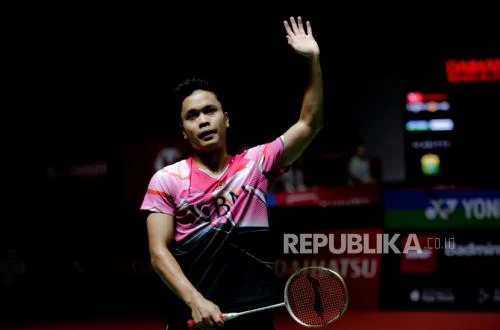
DUBAI, UAE – Indonesian badminton sensation Anthony Sinisuka Ginting commenced his campaign at the Badminton Asia Mixed Team Championships (BAMTC) 2023 with a commanding victory, showcasing his world-class prowess against Lebanon’s Abi Younes Christophe in the opening match of the tournament held in Dubai on Tuesday, February 14, 2023. While Ginting secured a swift win, the encounter also highlighted a moment of profound sportsmanship as Younes expressed his profound admiration for the Indonesian ace.
The match, which served as the curtain-raiser for the prestigious continental event, saw Ginting, ranked third in the world, decisively defeat Younes in straight games, with a scoreline of 21-6 and 21-8. The contest, lasting a mere 17 minutes, underscored the significant difference in ranking and experience between the two athletes.
Despite the one-sided nature of the scoreline, Younes emerged from the court beaming with joy and gratitude. In a display of genuine admiration, the Lebanese player eagerly sought a photograph and an autograph from Ginting. "I know Ginting is a world-class player. For me, being able to play against him is like a dream come true. I am happy to have met Ginting," Younes stated, as quoted from an official release by the Badminton Association of Indonesia (PP PBSI) in Jakarta. His sentiments reflect the aspiration of many aspiring athletes to share a court with established champions, irrespective of the outcome.
For Ginting, the match represented an opportunity to fine-tune his game and adapt to the playing conditions in Dubai. He emphasized a disciplined approach, stating, "Yes, I remained focused and did not underestimate the opponent. I just focused on adapting to the court and everything. I tried various types of shots, as well as getting a feel for the shuttlecock and understanding the direction of the wind. I utilized all aspects." This methodical approach is characteristic of top-tier athletes who consistently seek marginal gains, even in matches that appear to be a formality.
The Indonesian star acknowledged that the opening encounter proceeded smoothly and did not necessitate him to exert his maximum effort. The brevity of the match meant that Ginting felt no significant fatigue, leading him to plan an additional training session post-match to maintain his physical conditioning. "I didn’t feel tired at all. Especially since the match was short. That’s why, after the match, I continued to train again," Ginting remarked. This dedication to continuous improvement is a hallmark of his career, even when faced with less challenging opponents.
Ginting’s pre-match and in-match focus was primarily on acclimatization. He articulated the importance of adapting to the venue’s specific conditions, including wind direction, lighting, and the general atmosphere. "I have to be able to adapt and make the most of this match. This is for preparation for the next matches, which will definitely be tougher," he explained. This strategic mindset demonstrates his long-term vision for the tournament, prioritizing a strong start while laying the groundwork for more formidable challenges ahead.
Background of the Badminton Asia Mixed Team Championships (BAMTC) 2023
The Badminton Asia Mixed Team Championships (BAMTC) is a biennial tournament organized by the Badminton Asia Confederation (BAC) that features national teams competing in a mixed-team format. This means each tie consists of matches in men’s singles, women’s singles, men’s doubles, women’s doubles, and mixed doubles. The tournament serves as a crucial platform for Asian nations to vie for continental supremacy and also acts as a significant qualifying event for the Sudirman Cup, the world championship for mixed teams.
The 2023 edition, held in Dubai, United Arab Emirates, marks a significant moment for the region’s badminton landscape. It brings together top badminton-playing nations from Asia, including powerhouses like China, Japan, South Korea, Malaysia, India, and Indonesia, alongside emerging teams looking to make their mark. The tournament typically showcases a blend of seasoned professionals and rising talents, offering exciting and unpredictable contests. This year’s event is particularly important as it contributes to the qualification pathway for the Paris 2024 Olympic Games, adding an extra layer of pressure and excitement.
Chronology of Events
- February 14, 2023: The Badminton Asia Mixed Team Championships 2023 commences in Dubai, UAE.
- Opening Match: Indonesia, represented by Anthony Sinisuka Ginting in the men’s singles, faces Lebanon’s Abi Younes Christophe.
- Match Outcome: Ginting secures a decisive victory over Younes with a score of 21-6, 21-8.
- Post-Match Interaction: Abi Younes Christophe expresses his admiration for Ginting, requesting a photo and autograph.
- Ginting’s Reflection: Ginting shares his focus on adaptation and preparation for tougher future matches, and plans additional training.
Supporting Data and Analysis
The victory for Anthony Sinisuka Ginting is not merely a statistical win but a testament to the rigorous training and strategic preparation undertaken by Indonesian badminton players. Ginting’s current world ranking of third reflects his consistent performance on the international circuit. Data from the Badminton World Federation (BWF) consistently places him among the top contenders in men’s singles, a position he has maintained through dedication and a strong tactical game.
The BAMTC 2023, as a mixed-team event, presents a unique challenge. Team dynamics, player synergy, and the ability to perform under pressure in multiple disciplines are critical. For Indonesia, a nation with a rich badminton heritage, success in this tournament is a matter of national pride and a continuation of their legacy. The early dominance shown by Ginting sets a positive tone for the Indonesian contingent, signaling their intent to compete for the title.
The contrasting reactions of Ginting and Younes encapsulate the dual nature of elite sports: intense competition juxtaposed with mutual respect and admiration. Younes’s candid expression of his dream fulfilled highlights the inspirational impact top athletes have on their peers. This sentiment is often echoed by younger players when they get the opportunity to compete against their idols.
Ginting’s emphasis on adaptation is crucial in international badminton. Factors such as the specific venue’s acoustics, lighting conditions, and even subtle air currents can influence a player’s performance. His proactive approach to analyzing these elements, even in a seemingly straightforward match, demonstrates a professional mindset geared towards optimizing every possible advantage. The fact that he plans to train further after a quick win underscores his commitment to peak performance throughout the tournament.
Broader Impact and Implications
The Badminton Asia Mixed Team Championships holds significant weight in the global badminton calendar. For nations like Indonesia, it is a vital stepping stone in their pursuit of major international titles. A strong showing at BAMTC 2023 can boost player morale, attract further investment in the sport, and inspire a new generation of badminton enthusiasts in the country.
The sportsmanship displayed by Abi Younes Christophe serves as a positive narrative that transcends the competitive arena. In an era where focus often leans towards rivalries, such moments of genuine respect and appreciation between athletes from different backgrounds and skill levels are invaluable. It reinforces the idea that badminton, and sport in general, is a powerful tool for fostering international goodwill and camaraderie.
Anthony Ginting’s journey in this tournament will be closely watched. His performance will not only impact Indonesia’s chances in the BAMTC but also serve as a barometer for his readiness for subsequent major events, including the BWF World Tour Finals and potentially the Olympic Games. His ability to navigate the pressures of being a top seed while maintaining his focus on continuous improvement is a key aspect of his development as a world-class athlete.
The presence of BAMTC 2023 in Dubai also signifies the growing importance of the Middle East as a hub for international sporting events. Hosting such a prestigious badminton championship can contribute to the diversification of sports offerings in the region and potentially spur local interest in the sport.
In conclusion, Anthony Sinisuka Ginting’s opening victory at the Badminton Asia Mixed Team Championships 2023 was characterized by both on-court dominance and off-court sportsmanship. His professional approach to acclimatization and preparation, coupled with the admirable spirit shown by his opponent, Abi Younes Christophe, sets a compelling tone for the tournament and underscores the enduring values of elite athletic competition. The Indonesian team, with Ginting leading the charge, will undoubtedly be a formidable force as the championships progress towards their conclusion.
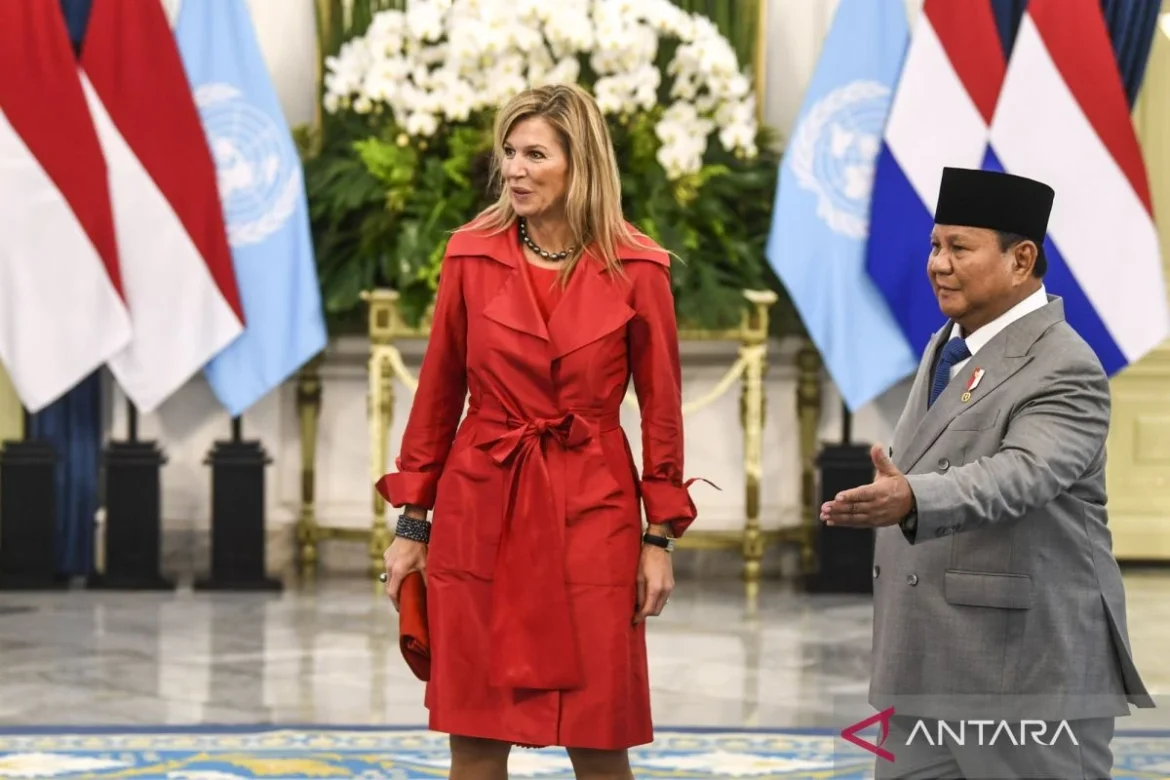
Jakarta, Indonesia – Queen Máxima of the Netherlands recently concluded a significant working visit to Indonesia, spanning from Monday, November 24, to Thursday, November 27, 2025. Her presence in the archipelago was not in her capacity as Queen of the Netherlands, but rather as the United Nations Secretary-General’s Special Advocate (UNSGSA) for Inclusive Finance for Development. This pivotal role underscores her global commitment to promoting financial health and access to financial services as a cornerstone of sustainable development. The four-day itinerary was meticulously designed to encompass strategic meetings and field visits, delving into the nuances of financial inclusion and the financial well-being of Indonesian communities.
Her mission, particularly focused on promoting financial resilience and prosperity, unfolded over three intensive days from Tuesday, November 25, to Thursday, November 27, 2025. During this period, Queen Máxima traversed various key regions, including Sragen Regency and Solo City in Central Java, the bustling capital city of Jakarta, and Bekasi Regency in West Java, engaging with a diverse array of stakeholders from policymakers to grassroots communities and private sector innovators.
The Mandate of the UNSGSA: A Global Champion for Financial Inclusion
Queen Máxima’s role as the UNSGSA for Inclusive Finance for Development, a position she has held since 2009, is crucial in galvanizing global efforts to ensure everyone, especially vulnerable populations, has access to and can effectively use a range of affordable, useful, and responsible financial products and services. Her advocacy extends to promoting financial literacy, consumer protection, and the responsible use of digital financial services, all vital components for fostering economic growth and reducing poverty worldwide. This mandate directly aligns with several United Nations Sustainable Development Goals (SDGs), particularly SDG 1 (No Poverty), SDG 5 (Gender Equality), SDG 8 (Decent Work and Economic Growth), and SDG 10 (Reduced Inequalities). By focusing on financial inclusion, the UNSGSA aims to empower individuals, foster small and medium-sized enterprises (SMEs), and build more resilient economies, contributing to a more equitable and prosperous world. Her visits to countries like Indonesia serve as vital platforms for direct engagement, allowing her to assess progress, identify challenges, and offer strategic advice to national governments and financial sector leaders.
Indonesia’s Progressive Journey Towards Financial Inclusion
Indonesia, as the world’s fourth-most populous nation and a vibrant emerging economy, presents both immense opportunities and significant challenges in the realm of financial inclusion. Over the past decade, the country has made commendable strides in expanding access to financial services, driven by robust government policies, regulatory innovations, and the rapid proliferation of digital technologies. According to recent data from the Financial Services Authority (OJK) and Bank Indonesia (BI), the financial inclusion index in Indonesia has shown a consistent upward trend, indicating a growing proportion of the population utilizing banking, insurance, and other financial products. However, disparities persist, particularly in remote areas, among women, youth, and micro, small, and medium-sized enterprises (MSMEs). Many still lack adequate financial literacy or struggle to access formal credit and savings mechanisms.
The Indonesian government, through its National Strategy for Financial Inclusion (SNKI), has set ambitious targets to further increase financial inclusion by leveraging digital platforms, agent-based banking, and tailored financial products. Initiatives such as micro-credit schemes (e.g., KUR – Kredit Usaha Rakyat), mobile banking applications, and financial education programs have been instrumental in this progress. Queen Máxima’s visit provided a timely opportunity to evaluate these efforts firsthand, share international best practices, and reinforce the importance of continued innovation and collaboration among all stakeholders to bridge the remaining gaps. Her engagements with OJK, BI, and the Ministry of Finance were particularly significant in this context, allowing for high-level discussions on policy frameworks and future strategies.
A Fifth Engagement: Queen Máxima’s Enduring Connection with Indonesia
This recent visit marked Queen Máxima’s fifth engagement in Indonesia, underscoring her sustained interest and commitment to the nation’s financial development. Her previous visits in her capacity as UNSGSA took place in 2012, 2016, and 2018, each time focusing on different aspects of financial inclusion, from microfinance and digital payments to financial literacy and women’s economic empowerment. These recurring visits have allowed for a longitudinal perspective on Indonesia’s progress, enabling the UNSGSA to offer targeted recommendations based on evolving realities and achievements. Beyond her role as Special Advocate, Queen Máxima also accompanied King Willem-Alexander during their state visit to Indonesia in 2020, demonstrating the broader diplomatic and historical ties between the Netherlands and Indonesia. Born on May 17, 1971, and married to King Willem-Alexander in Amsterdam in 2002, her background in international finance prior to her royal duties lends particular expertise and credibility to her advocacy for financial inclusion.
Chronicle of a Strategic Visit: Promoting Financial Health Across the Archipelago
The detailed itinerary of Queen Máxima’s visit illuminated the multifaceted approach required to advance financial health and inclusion. Each stop was chosen to showcase different facets of Indonesia’s economy and social fabric, from industrial production to traditional crafts, urban development, and grassroots community initiatives.
Day 1: Tuesday, November 25, 2025 – Central Java’s Economic Pulse
Queen Máxima commenced her working visit in Central Java, a region vital to Indonesia’s manufacturing and cultural heritage. Her first stop was a garment factory in Sragen Regency. This visit aimed to understand the financial health of industrial workers, who often face challenges in managing their finances, accessing formal banking services, and building long-term savings. Discussions likely centered on the importance of timely and transparent wage payments, the potential of digital payment systems for workers, and the implementation of financial literacy programs within workplaces. Factory management and local labor representatives would have emphasized how improved financial well-being translates into higher productivity and reduced employee turnover, contributing to overall economic stability.
Subsequently, Queen Máxima traveled to Solo City, a hub of Javanese culture and traditional craftsmanship. Here, she visited Kampung Batik Laweyan, a renowned batik village. This engagement provided insights into the financial landscape of micro, small, and medium-sized enterprises (MSMEs), particularly those in the creative economy sector. The discussions focused on how batik entrepreneurs, many of whom are women, access credit, manage cash flow, and utilize digital platforms for marketing and sales. The Queen likely explored the challenges faced by traditional businesses in adapting to the digital economy and the role of financial services in preserving cultural heritage while ensuring economic viability for artisans.
The day concluded with a significant event at Pura Mangkunegaran in Solo, where Queen Máxima attended a gathering organized by Women’s World Banking. This platform facilitated direct dialogue with young people, university students, and entrepreneurs, allowing them to share their experiences with financial products and services. The conversation underscored the critical role of tailored financial solutions for women and youth, who often encounter unique barriers to financial inclusion. Participants likely discussed the need for innovative savings products, accessible credit for startups, and comprehensive financial education programs to empower the next generation of Indonesian innovators and business leaders. Officials from Women’s World Banking would have highlighted their ongoing initiatives to design and deliver financial services that meet the specific needs of women entrepreneurs and vulnerable populations.
Day 2: Wednesday, November 26, 2025 – Jakarta’s Policy Hub and West Java’s Grassroots Impact
The second day saw Queen Máxima engaging with key institutions and observing impactful community projects. The morning began in Jakarta with a visit to the local United Nations office. Here, she participated in a roundtable discussion with various development organizations. This session served as a strategic forum to coordinate efforts, share insights on current development challenges, and identify synergies to maximize the impact of financial inclusion initiatives across Indonesia. Representatives from UN agencies and other international bodies would have presented their ongoing projects and discussed collaborative strategies to support Indonesia’s development goals.
Following this, Queen Máxima visited the International Finance Corporation (IFC), a member of the World Bank Group. The discussions with IFC officials centered on the development of sustainable and inclusive lending practices that contribute to economic growth and financial health. Topics likely included green finance initiatives, private sector investment in underserved areas, and innovative financing models for infrastructure and small businesses. The IFC’s role in mobilizing private capital for development projects that foster financial inclusion was a key focus.
In the afternoon, the focus shifted to Bekasi Regency, West Java, where Queen Máxima visited the Gran Harmoni Cibitung subsidized housing complex. This visit highlighted efforts to provide affordable, low-emission housing for low- and middle-income communities. She engaged directly with residents, visiting a home and interacting with representatives of first-time homebuyers. This personal interaction underscored the tangible impact of accessible housing finance on family well-being and stability.
A particularly innovative aspect observed was the waste bank initiative, which offers residents an alternative method to pay their housing installments by utilizing sorted household waste. This groundbreaking approach not only promotes financial flexibility but also contributes to environmental sustainability and community engagement. Queen Máxima observed the process of waste collection and its conversion into financial value, demonstrating how circular economy principles can be integrated into financial services. She also witnessed the signing of home purchase agreements for dozens of prospective homeowners, a moment symbolizing the realization of their aspirations for secure housing. This initiative, often supported by institutions like Bank Tabungan Negara (BTN), received high praise for its ingenuity and dual benefits.
The day concluded with a meeting at Deloitte Indonesia in Jakarta. Here, Queen Máxima engaged with employers to discuss how companies can contribute to the financial health of their employees and clients. The dialogue explored corporate financial wellness programs, employee benefits that enhance financial resilience, and strategies for businesses to promote financial literacy and responsible financial behavior among their workforce. This engagement emphasized the private sector’s crucial role in fostering a financially healthy society beyond mere profit generation.
Day 3: Thursday, November 27, 2025 – High-Level Dialogues and Policy Alignment
The final day of Queen Máxima’s visit was dedicated to high-level policy discussions and strategic engagements. She participated in a comprehensive agenda focused on financial literacy alongside key Indonesian financial authorities: the Otoritas Jasa Keuangan (OJK), Bank Indonesia (BI), and the Ministry of Finance (Kemenkeu) RI. These discussions would have delved into national strategies for enhancing financial literacy across all segments of society, the role of regulatory frameworks in promoting responsible financial behavior, and the integration of digital literacy into broader financial education initiatives. The emphasis was on ensuring that increased access to financial services is complemented by the knowledge and skills necessary for effective and safe usage.
The culmination of her visit was a significant meeting with President Prabowo Subianto at Istana Merdeka, Jakarta. During this crucial engagement, Queen Máxima presented her findings, insights, and impressions gathered throughout her visit. The discussions likely covered the progress Indonesia has made in financial inclusion, areas where further attention is needed, and potential avenues for continued international collaboration. This high-level interaction, which included a one-on-one meeting and a luncheon, provided a direct channel for the UNSGSA to convey strategic recommendations to the highest echelons of Indonesian leadership, ensuring that her advocacy translates into concrete policy actions and sustained national commitment. President Subianto would have reiterated Indonesia’s dedication to its financial inclusion agenda and expressed appreciation for Queen Máxima’s ongoing support and expertise.
Insights and Engagements: Voices from the Field and Boardrooms
Throughout her visit, Queen Máxima’s engagements generated significant insights and reactions from various stakeholders. Indonesian government officials from OJK, BI, and Kemenkeu consistently reiterated their commitment to expanding financial inclusion, emphasizing the importance of a holistic approach that combines regulatory innovation, technological adoption, and robust financial education. They highlighted the progress made in digitalizing financial services and the potential for these advancements to reach previously underserved populations, particularly in remote areas.
Private sector representatives, from garment factory owners in Sragen to batik entrepreneurs in Solo and housing developers in Bekasi, expressed optimism about the role of financial services in driving economic growth and social impact. The waste-to-mortgage scheme, for instance, was lauded by Bank Tabungan Negara (BTN) as an example of innovative product development that addresses both financial access and environmental concerns. Employers, as evidenced by the Deloitte discussion, acknowledged their growing responsibility in fostering the financial wellness of their employees, recognizing its link to productivity and employee retention.
Most importantly, the beneficiaries of financial inclusion initiatives – the factory workers, the batik artisans, the young entrepreneurs, and the first-time homeowners – shared compelling stories of how access to formal financial services has transformed their lives. They spoke of increased stability, opportunities for growth, and the ability to plan for a more secure future, underscoring the human element at the heart of the financial inclusion agenda. UN and international partners, present at various forums, reaffirmed their readiness to continue collaborating with Indonesia, sharing technical expertise, and mobilizing resources to support the nation’s ambitious financial inclusion targets.
The Broader Implications: Catalyzing Indonesia’s Financial Future
Queen Máxima’s visit as UNSGSA carries significant implications for Indonesia’s ongoing journey towards comprehensive financial inclusion. Her high-profile advocacy lends international weight and visibility to Indonesia’s efforts, potentially catalyzing further policy reforms, private sector investment, and public awareness campaigns.
Firstly, the emphasis on digital financial services throughout her itinerary reinforces the government’s push for a cashless society and greater digital adoption. Her observations and recommendations could further accelerate the development of user-friendly, secure, and affordable digital platforms, crucial for reaching remote populations and integrating MSMEs into the formal economy.
Secondly, the focus on financial literacy and health across various demographics – from factory workers to students and homeowners – underscores the need for comprehensive educational programs. This is vital to ensure that increased access to financial products is accompanied by the knowledge to use them wisely, fostering long-term financial resilience rather than just transactional engagement.
Thirdly, the explicit attention to women’s economic empowerment through initiatives like Women’s World Banking highlights the recognition that empowering women financially has a multiplier effect on family well-being and national development. Queen Máxima’s advocacy can inspire more gender-responsive financial products and services.
Fourthly, the innovative green finance and inclusive housing models observed in Bekasi, such as the waste bank for mortgage payments, showcase how financial inclusion can be intertwined with sustainable development goals. Such models offer practical pathways for addressing climate change while expanding access to essential services for low-income communities. Her endorsement of such initiatives could encourage replication and scaling across other regions.
Finally, the direct engagement with President Prabowo Subianto ensures that the insights and recommendations from her visit are communicated at the highest political level, potentially influencing national development priorities and budget allocations for financial inclusion programs. This high-level advocacy serves as a critical catalyst for sustained political will and cross-sectoral collaboration, essential for overcoming remaining barriers to financial inclusion.
In conclusion, Queen Máxima’s influential visit to Indonesia as the UNSGSA was a strategic and impactful engagement. It reaffirmed Indonesia’s commitment to advancing financial inclusion, highlighted innovative local solutions, and provided a platform for high-level dialogue and international partnership. Her sustained advocacy is poised to play a crucial role in accelerating Indonesia’s progress towards a more financially healthy, resilient, and inclusive future for all its citizens, aligning with the broader global agenda for sustainable development.

Content Creator Azia Riza has once again unveiled a new installment of her popular show "Bongkar," demonstrating an evolving and increasingly sophisticated concept. In this latest episode, Riza reprises her role as a package delivery administrator, but the interactions that unfold serve as a catalyst for revealing compelling narratives from her guest, Keenan, an alumnus of Indonesian Idol. The episode transcends its initial premise, offering viewers a more intimate glimpse into the life and career of the emerging artist.
The episode commences with Riza’s signature improvisational style, immediately immersing the audience in the familiar chaos of her role as a package administrator. She navigates a series of unconventional work situations, ranging from handling customer complaints with a unique brand of humor to managing internal dynamics punctuated by absurd jokes. This opening segment effectively establishes Riza’s established persona and sets a lighthearted tone, before transitioning into a more substantive discussion.
The narrative shifts significantly with the arrival of Keenan, who assumes the role of a customer. What begins as a seemingly routine conversation about package delivery gradually blossoms into a more personal and profound dialogue. This transition highlights Riza’s skill in creating a comfortable environment that encourages guests to open up, moving beyond superficial exchanges to explore deeper themes.

Keenan then embarks on a journey through his musical career. He shares that his passion for singing ignited in childhood, with a consistent inclination towards vocal performance from a very young age. This early fascination eventually paved the way for his participation in Indonesian Idol, a pivotal moment that marked a significant turning point in his artistic trajectory. The Indonesian Idol competition, which typically airs over several months each year, has historically served as a launching pad for numerous aspiring musicians in Indonesia, offering them national exposure and a platform to showcase their talents. The show’s format involves multiple rounds of auditions, live performances, and public voting, creating a high-pressure yet potentially rewarding environment for contestants.
Beyond his early musical inclinations, Keenan elaborates on his experiences throughout the Indonesian Idol competition. He discusses the process of adapting to a new and often demanding environment, the complex inter-personal dynamics that arise among fellow contestants, and the invaluable support he received from his growing fanbase. He specifically recalls the profound impact of first realizing the substantial size of his fan base, a moment that underscored the significant public reception and appreciation for his artistry. The Indonesian Idol journey for any participant is typically a grueling one, often involving weeks or months of intensive training, rehearsals, and performances. The pressure to consistently deliver compelling performances while maintaining mental and physical stamina is immense. Furthermore, contestants often face the challenge of navigating public scrutiny and the intense demands of media appearances.
The Evolving Format of "Bongkar"
The evolution of Azia Riza’s "Bongkar" series is noteworthy. Initially conceived as a platform for Riza to interact with various individuals in her capacity as a fictional package administrator, the show has demonstrably matured. While the core premise of Riza managing parcel-related scenarios remains, the show’s strength now lies in its ability to facilitate genuine and insightful conversations with guests. This evolution suggests a strategic shift towards leveraging Riza’s engaging personality and interviewing prowess to uncover more personal stories, moving beyond a purely comedic or situational format. The success of this approach is evidenced by the depth of conversation achieved with Keenan, who, despite the initial context, felt compelled to share significant aspects of his life and career.
Keenan’s Journey: From Childhood Dreams to National Stage
Keenan’s narrative paints a picture of a lifelong dedication to music. His recollections of singing from a young age are not merely anecdotal; they signify a deeply ingrained passion that has guided his life choices. The decision to participate in a televised singing competition like Indonesian Idol is a considerable one, often requiring immense courage and preparation. For Keenan, it represented the culmination of years of practice and a desire to test his abilities on a national scale.

The Indonesian Idol platform is renowned for its rigorous selection process. Aspiring singers typically undergo multiple audition phases, including initial open calls, producer callbacks, and finally, the judge’s auditions. Those who impress the judges then proceed to the "Hollywood Week" rounds, which involve intensive workshops and performances. Success in these stages leads to the live shows, where contestants are judged by both the panel of celebrity judges and the voting public. The pressure intensifies with each subsequent week as contestants are eliminated, leaving a smaller pool of hopefuls vying for the ultimate title.
Keenan’s mention of adapting to a "new environment" and interacting with "fellow participants" speaks to the unique ecosystem of such reality television shows. Contestants are often isolated from their usual support systems, living and working in close proximity with individuals who are both potential collaborators and competitors. This environment can foster strong bonds but also create significant psychological challenges. The support from his fanbase, which he highlights as a memorable aspect, is a crucial element in sustaining a contestant’s morale and drive throughout the competition. The development of a dedicated fanbase is often a direct result of compelling performances, relatable personalities, and effective engagement with the audience through social media and other platforms.
The Impact of Reality Television on Emerging Artists
The Indonesian Idol experience, as described by Keenan, underscores the broader impact of reality television on the careers of emerging artists. These shows offer unparalleled exposure, allowing artists to reach millions of viewers instantaneously. This can lead to rapid career acceleration, including opportunities for recording contracts, endorsements, and extensive touring. However, the intense scrutiny and public nature of these platforms also present challenges. Artists must navigate public perception, manage their image carefully, and often deal with the ephemeral nature of fame.
The phenomenon of developing a "fanbase" is a critical component of an artist’s success in the contemporary music industry. In the age of social media, fans are not just passive consumers; they are active participants in an artist’s journey. They offer support, generate buzz, and can be instrumental in an artist’s longevity. Keenan’s recognition of this support system highlights a sophisticated understanding of the modern entertainment landscape. His ability to articulate the significance of his fanbase suggests a mature approach to his career, acknowledging that success is often a collaborative effort between the artist and their audience.

Azia Riza’s Content Strategy: A Shift Towards Depth
Azia Riza’s decision to steer "Bongkar" towards more personal narratives reflects a growing trend in digital content creation. As platforms become saturated with superficial content, creators who can offer authenticity and depth tend to resonate more strongly with audiences. Riza’s ability to seamlessly transition from a comedic persona to facilitating a heartfelt conversation demonstrates her versatility and her understanding of audience engagement.
The success of this episode can be attributed to several factors:
- Relatability of the Guest: Keenan, as an Indonesian Idol alumnus, carries a certain level of public recognition, making him an engaging figure for a broad audience. His journey from a childhood dream to a national stage is a narrative that many aspiring artists and fans can connect with.
- Riza’s Hosting Style: Her blend of humor and genuine curiosity creates an environment where guests feel comfortable sharing their stories. This balance is crucial for eliciting candid and meaningful responses.
- Thematic Resonance: The episode touches upon universal themes of passion, perseverance, the challenges of pursuing a dream, and the importance of support systems. These themes resonate with a wide demographic.
- Platform Evolution: The shift in "Bongkar’s" format from purely situational comedy to a more interview-driven approach with personal storytelling allows for richer content and deeper audience connection. This strategic adaptation is key to sustained audience interest and growth.
The implications of this episode extend beyond mere entertainment. It serves as a testament to the power of digital platforms to foster meaningful connections and provide a voice for aspiring artists. For viewers, it offers inspiration and a behind-the-scenes look at the realities of the entertainment industry. For Azia Riza, it signifies a successful evolution of her content, demonstrating a capacity to engage audiences on multiple levels. As the digital content landscape continues to evolve, creators like Riza who can adapt and offer substance alongside entertainment are likely to thrive. The success of this particular episode suggests a promising future for "Bongkar" as a platform for both entertainment and insightful human interest stories.
Older Posts
