
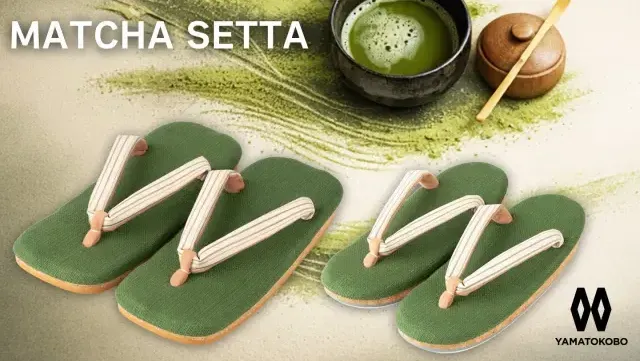
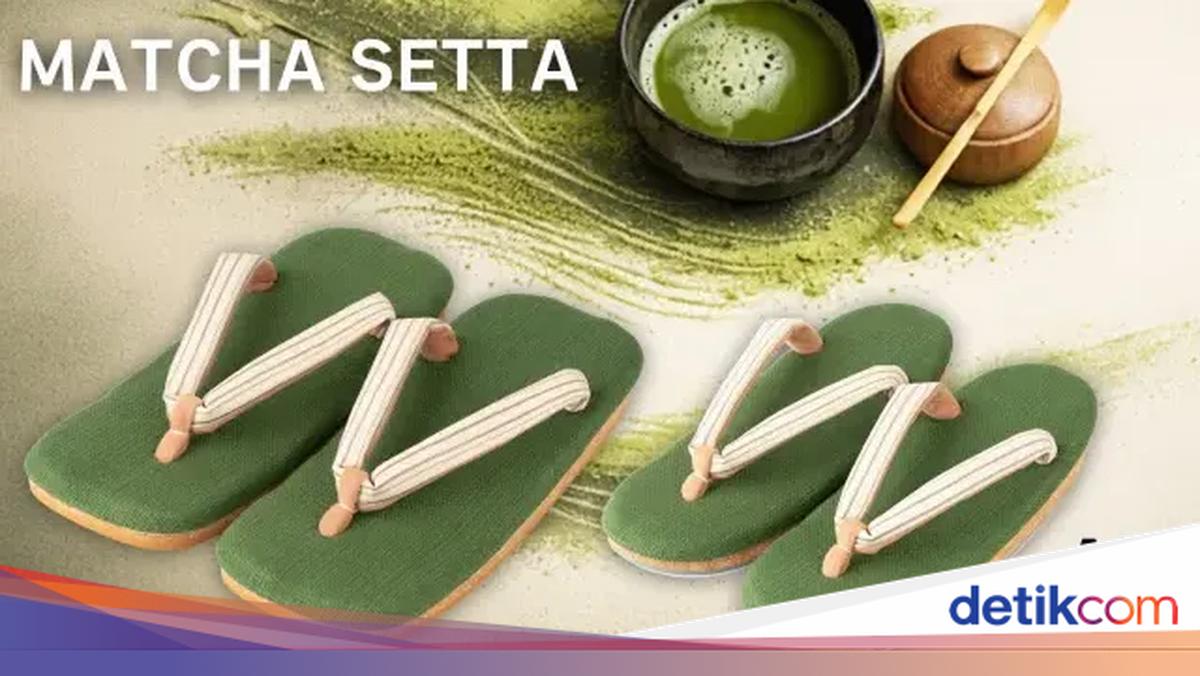
In an era where the global fascination with matcha has transcended the culinary world and entered the realms of beauty and lifestyle, a pioneering footwear manufacturer in Japan has taken a bold step toward integrating this cultural icon into functional fashion. Yamatokobo, a distinguished footwear company based in Nara Prefecture, has officially announced the release of its latest innovation: the "Matcha Setta." This unique iteration of the traditional Japanese sandal, or setta, distinguishes itself by utilizing genuine matcha powder from Kyoto as a natural pigment, blending centuries-old craftsmanship with modern scientific benefits.
The product, which officially debuted on April 7, 2026, represents a significant milestone in the evolution of traditional Japanese attire. By sourcing high-quality green tea powder from the renowned Uji region of Kyoto, Yamatokobo has managed to create a footwear line that is not only visually striking but also carries the inherent botanical properties of the Camellia sinensis plant. The launch has immediately resonated with both domestic consumers and international fashion enthusiasts who seek products that embody the "monozukuri" (meticulous craftsmanship) philosophy of Japan.
The Intersection of Tradition and Modern Innovation
The Matcha Setta is more than a novelty item; it is a sophisticated reconstruction of the traditional setta, a type of sandal that has been a staple of Japanese fashion since the 16th century. Historically, setta were designed to be more durable than standard zori, often featuring a leather sole to protect against moisture. Yamatokobo’s modern interpretation retains the structural integrity of the classic design while introducing materials that cater to contemporary comfort and health standards.
The defining characteristic of this new line is its deep, earthy green hue. Unlike synthetic dyes that rely on chemical compositions to achieve vibrancy, the Matcha Setta uses Uji matcha as its primary coloring agent. Uji, located in the southern part of Kyoto Prefecture, is globally recognized as the premier producer of high-grade green tea. The decision to use this specific ingredient ensures a natural aesthetic that ages gracefully, reflecting the Japanese concept of "wabi-sabi," or finding beauty in imperfection and the natural passage of time.
Material Composition and Ergonomic Design
Beyond its aesthetic appeal, the construction of the Matcha Setta emphasizes a balance between durability and comfort. The footbed, or the "top" of the sandal where the foot rests, is crafted from a specialized blend of cotton and hemp fibers. This combination is intentional; cotton provides a soft touch against the skin, while hemp offers superior moisture-wicking properties and structural strength.
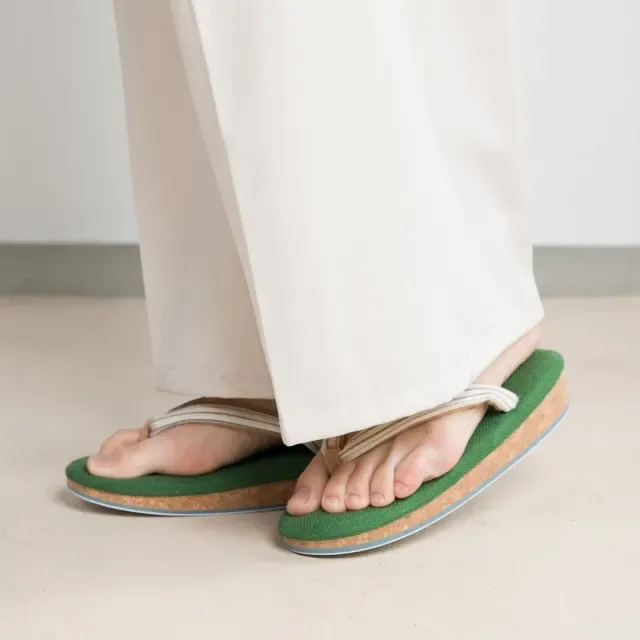
The sole of the sandal employs a hybrid approach, combining natural cork with synthetic rubber. This dual-layer construction provides the necessary flexibility for walking on modern urban surfaces while ensuring the sandal remains lightweight. The inclusion of cork allows for a degree of impact absorption, a feature often lacking in traditional wooden-soled footwear, making the Matcha Setta suitable for extended wear during summer festivals or casual outings.
Scientific Validation: Natural Antibacterial Properties
One of the most compelling aspects of the Matcha Setta is its scientifically verified health benefits. The use of authentic matcha powder is not merely for color; it imbues the footwear with natural antibacterial properties inherent in green tea catechins. In a controlled laboratory environment, the material underwent rigorous testing to determine its efficacy against common skin-borne pathogens.
The results, as reported by Yamatokobo, focused on the sandal’s ability to inhibit the growth of Staphylococcus aureus, a bacterium frequently associated with skin infections and foot odors. Under the standardized testing metrics for antibacterial activity in textiles, a value of 2.0 is generally considered the baseline for effective protection. The Matcha Setta achieved a remarkable score of 3.1, significantly surpassing the industry standard. This data suggests that the sandals offer a proactive solution for foot hygiene, particularly in the humid climates typical of Japanese summers.
Cultural Heritage: The Ojiya Chijimi Straps
The commitment to Japanese heritage extends to the "hanao," or the straps of the sandal. For the Matcha Setta, Yamatokobo has selected Ojiya Chijimi, a textile from the Ojiya region of Niigata Prefecture. This fabric is not only a symbol of regional pride but is also recognized by UNESCO as an Intangible Cultural Heritage.
Ojiya Chijimi is a high-quality hemp cloth characterized by its unique "shibo" or creased texture. This texture is achieved through a meticulous process where the fabric is woven with highly twisted yarns and then washed in hot water, causing the fibers to shrink and create a rippled surface. The functional benefit of this texture is profound: it prevents the fabric from sticking to the skin, even when the wearer is sweating. This creates a cooling sensation and ensures that the straps remain comfortable and breathable, a critical factor for footwear designed for the warmer months.
A Chronology of Development and Market Entry
The development of the Matcha Setta was a multi-year project involving collaboration between textile experts in Niigata, tea masters in Kyoto, and footwear artisans in Nara. The timeline of the product’s journey to market highlights the dedication involved:
- Mid-2024: Research and development began on the feasibility of using tea-based pigments for footwear materials that could withstand friction and environmental exposure.
- Late 2025: Laboratory testing for antibacterial properties was completed, confirming the high efficacy of the matcha-infused fibers.
- April 7, 2026: The official launch of the Matcha Setta through Yamatokobo’s digital storefront and selected boutique retailers.
- May 2026: Scheduled expansion into high-end department stores in Tokyo and Osaka to coincide with the start of the "yukata" (summer kimono) season.
Pricing, Variants, and Accessibility
Yamatokobo has positioned the Matcha Setta as an accessible luxury item, reflecting the high cost of its raw materials—specifically the Uji matcha and the UNESCO-recognized Ojiya Chijimi.
The men’s model is available in three distinct sizes, priced at 12,980 yen (approximately $86 USD). These models feature a flat, traditional sole profile that prioritizes stability and a classic silhouette. The women’s model is priced slightly lower at 12,650 yen (approximately $84 USD) and includes a modern design modification: a 3.5-centimeter heel. This slight elevation is intended to provide a more contemporary aesthetic and improved posture support for female consumers who may be accustomed to Western-style footwear.
Both versions are available exclusively through the Yamatokobo official website and specialized craft markets. The company has indicated that due to the artisanal nature of the Ojiya Chijimi fabric and the specific dyeing process, production volumes remain limited compared to mass-produced footwear.
Broader Implications for the Japanese Craft Industry
The release of the Matcha Setta is indicative of a broader trend within Japan’s traditional industries. As the domestic market for traditional clothing like kimono and setta has shrunk over the decades, manufacturers have been forced to innovate to survive. Yamatokobo’s strategy involves "functionalizing" tradition—taking a classic item and adding modern value through scientific benefits (antibacterial properties) and global trends (matcha).
Industry analysts suggest that this move could serve as a blueprint for other regional crafts. By collaborating across prefectural lines—linking Nara’s footwear, Kyoto’s tea, and Niigata’s textiles—Yamatokobo has created a product that tells a comprehensive story of Japanese excellence. This "cross-prefectural branding" is seen as a vital tool for revitalizing rural economies and preserving techniques that are at risk of being lost to history.
Furthermore, the focus on natural dyes aligns with the global shift toward sustainable fashion. As consumers become increasingly wary of the environmental impact of synthetic dyes and fast fashion, products that utilize agricultural byproducts or natural materials like green tea offer a compelling alternative.
Conclusion and Future Outlook
The Matcha Setta stands as a testament to the resilience and creativity of Japanese artisans. By successfully integrating the sensory and chemical properties of Uji matcha into a wearable format, Yamatokobo has bridged the gap between a thousand-year-old tea culture and modern lifestyle needs.
As the product gains traction, there is potential for further expansion. Rumors within the industry suggest that Yamatokobo may explore other botanical dyes, such as those derived from Sakura (cherry blossom) or Indigo, to create a seasonal collection based on natural Japanese elements. For now, the Matcha Setta remains a singular achievement—a piece of footwear that offers a literal "taste" of Japanese tradition with every step, ensuring that the legacy of the setta continues to walk forward into the future.